Idaho General Notice of Default for Contract for Deed
About this form
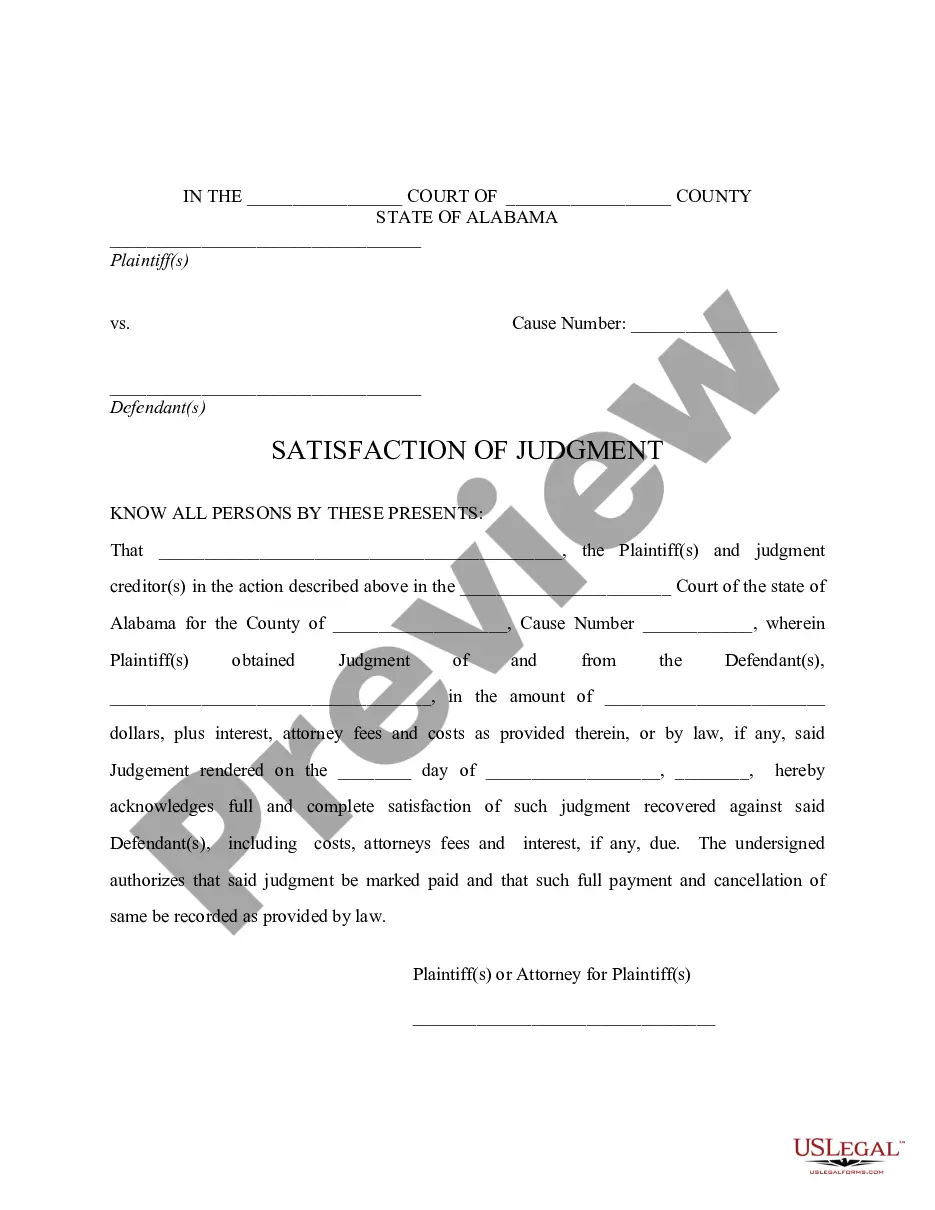
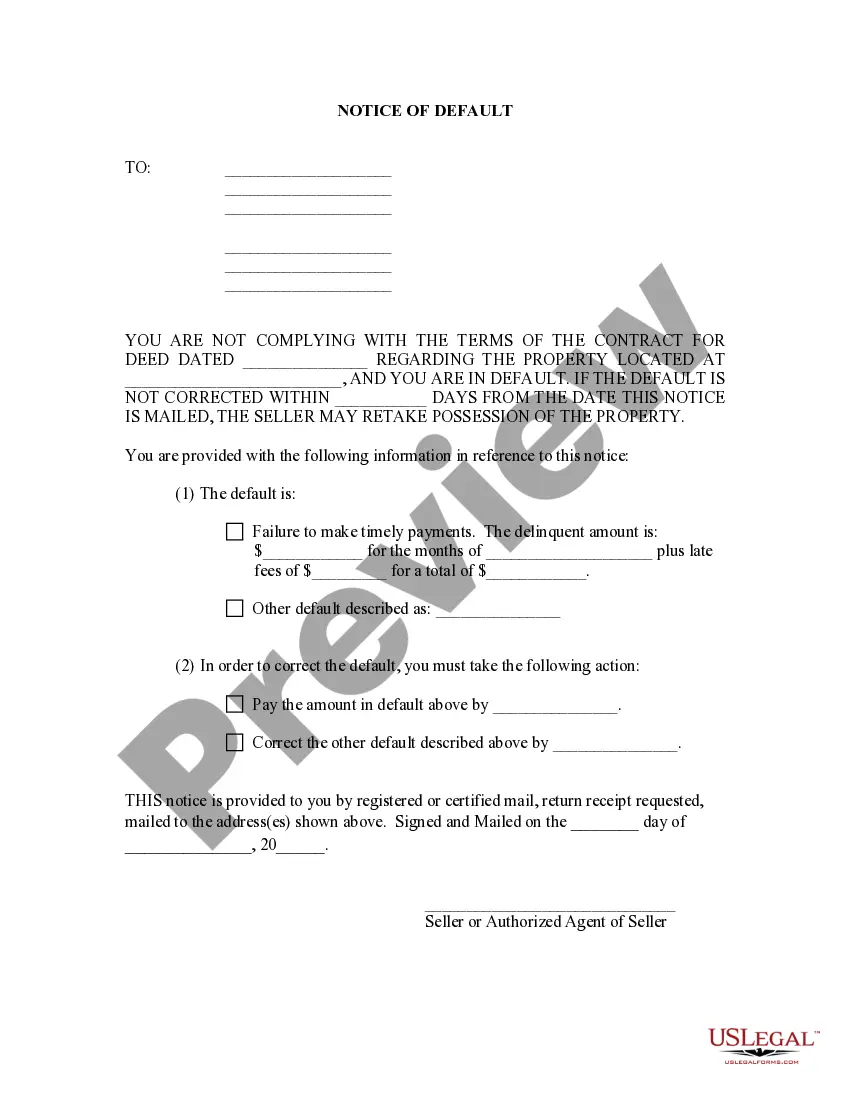
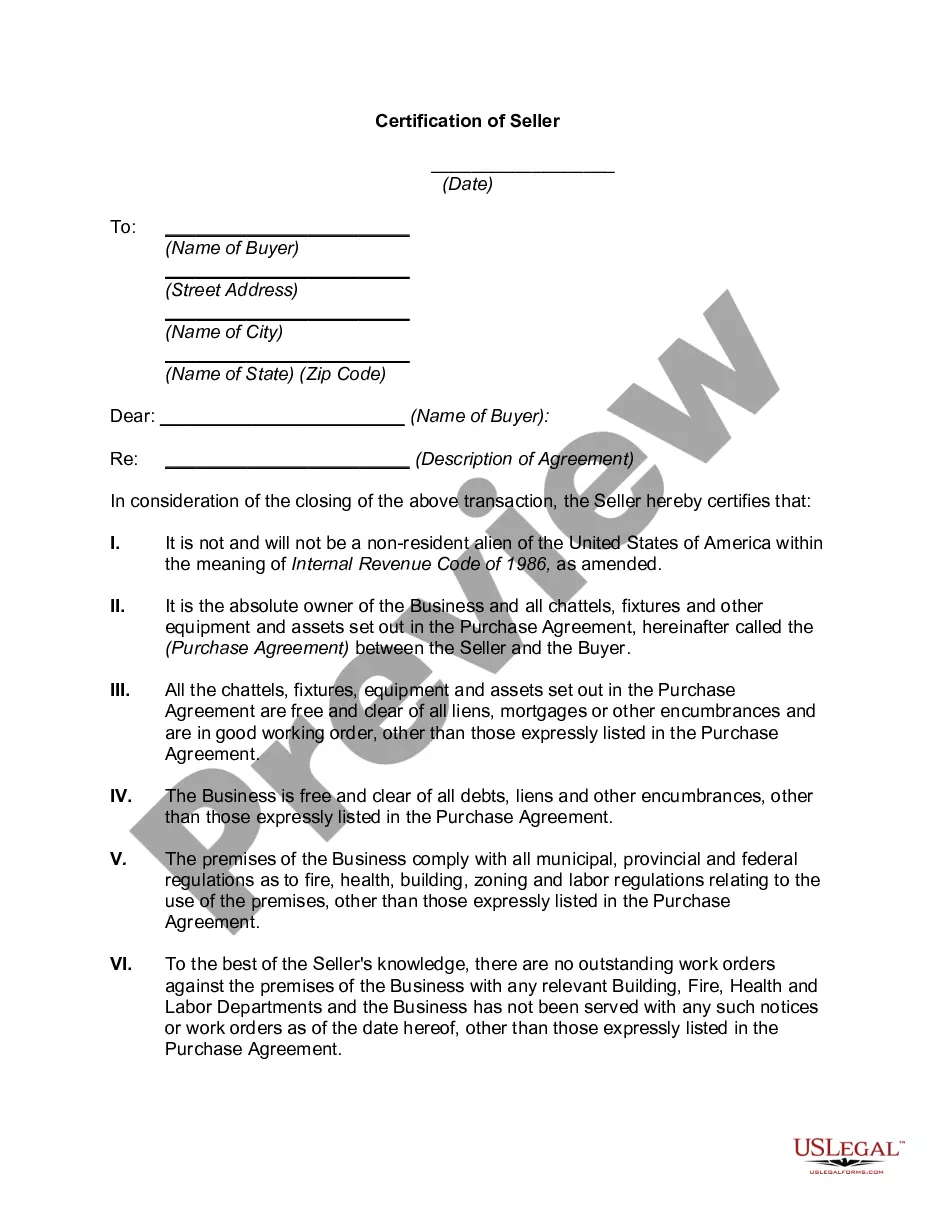
The General Notice of Default for Contract for Deed is a legal document used by a seller to formally notify a purchaser that they are in default under the terms of their contract for deed. This form serves to communicate the reasons for the default, outline the necessary steps the purchaser must take to remedy the situation, and specify the seller's intended course of action if the default is not addressed. Unlike other notices, this specific form is tailored to contracts for deed, ensuring clarity in the default process.
What’s included in this form
- Identification of the seller and purchaser.
- Description of the defaulted contract for deed.
- Detailed reasons for the default.
- Performance required by the purchaser to cure the default.
- Seller's planned remedies if the default is not cured.
When this form is needed
This form should be used when a seller needs to notify the purchaser of a default on a contract for deed. Common situations include missed payments, failure to maintain property, or non-compliance with contract terms. Utilizing this form ensures the seller fulfills their legal obligations and provides the purchaser with a clear understanding of the situation and how to rectify it.
Who should use this form
This form is intended for:
- Property sellers who have entered into a contract for deed.
- Individuals or entities acting as sellers in real estate transactions.
- Legal representatives assisting sellers in the default notification process.
How to prepare this document
- Identify the seller and purchaser by entering their full names and contact information.
- Provide a clear description of the property involved in the contract for deed.
- List the specific reasons for the default, including any relevant dates and amounts owed.
- Detail the actions required of the purchaser to cure the default.
- Specify the seller's intended remedies if the purchaser fails to cure the default.
- Sign and date the form to finalize the notification.
Does this form need to be notarized?
This form needs to be notarized to ensure legal validity. US Legal Forms provides secure online notarization powered by Notarize, allowing you to complete the process through a verified video call, available anytime.
Get your form ready online
Our built-in tools help you complete, sign, share, and store your documents in one place.
Make edits, fill in missing information, and update formatting in US Legal Forms—just like you would in MS Word.
Download a copy, print it, send it by email, or mail it via USPS—whatever works best for your next step.
Sign and collect signatures with our SignNow integration. Send to multiple recipients, set reminders, and more. Go Premium to unlock E-Sign.
If this form requires notarization, complete it online through a secure video call—no need to meet a notary in person or wait for an appointment.
We protect your documents and personal data by following strict security and privacy standards.

Make edits, fill in missing information, and update formatting in US Legal Forms—just like you would in MS Word.

Download a copy, print it, send it by email, or mail it via USPS—whatever works best for your next step.

Sign and collect signatures with our SignNow integration. Send to multiple recipients, set reminders, and more. Go Premium to unlock E-Sign.

If this form requires notarization, complete it online through a secure video call—no need to meet a notary in person or wait for an appointment.

We protect your documents and personal data by following strict security and privacy standards.
Common mistakes to avoid
- Failing to include clear and specific reasons for the default.
- Not providing adequate notice periods as required by law.
- Incomplete or incorrect identification of the parties involved.
- Neglecting to sign or date the document.
Advantages of online completion
- Convenience of immediate access to legal templates.
- Editable forms that allow customization to fit specific needs.
- Reliable templates drafted by licensed attorneys to ensure legal compliance.
Looking for another form?

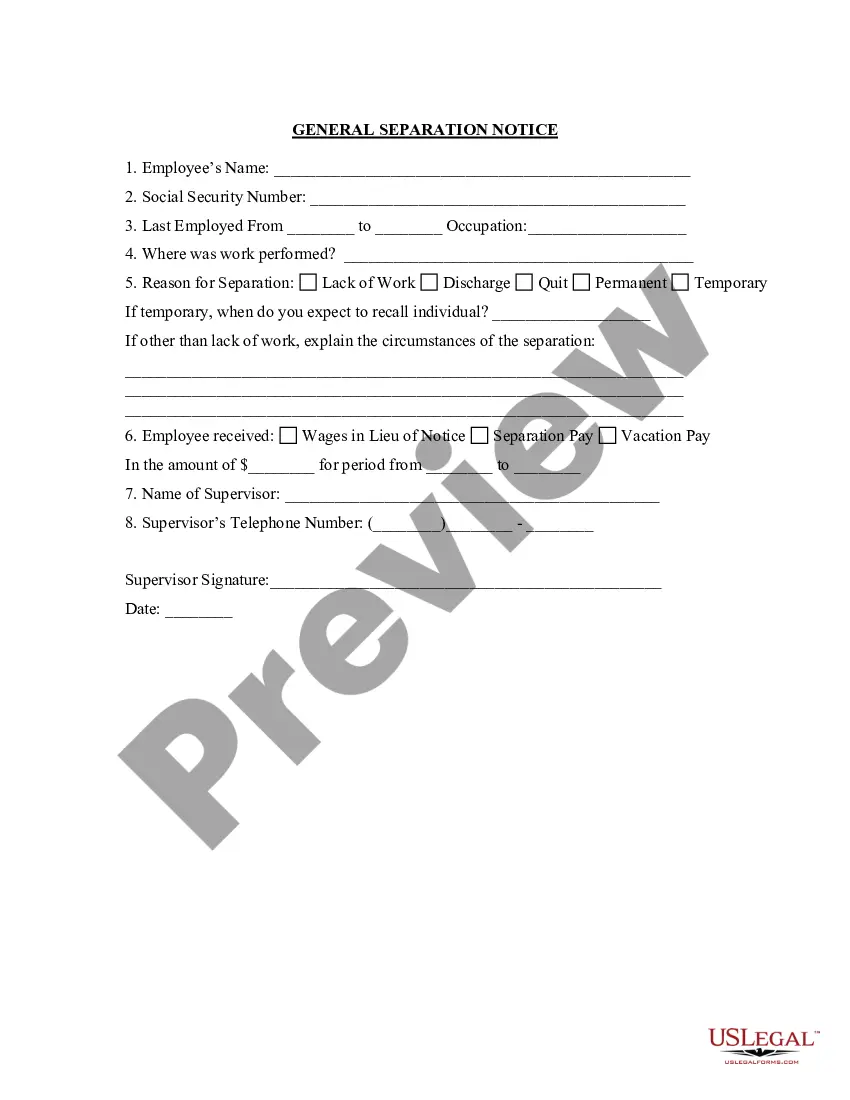
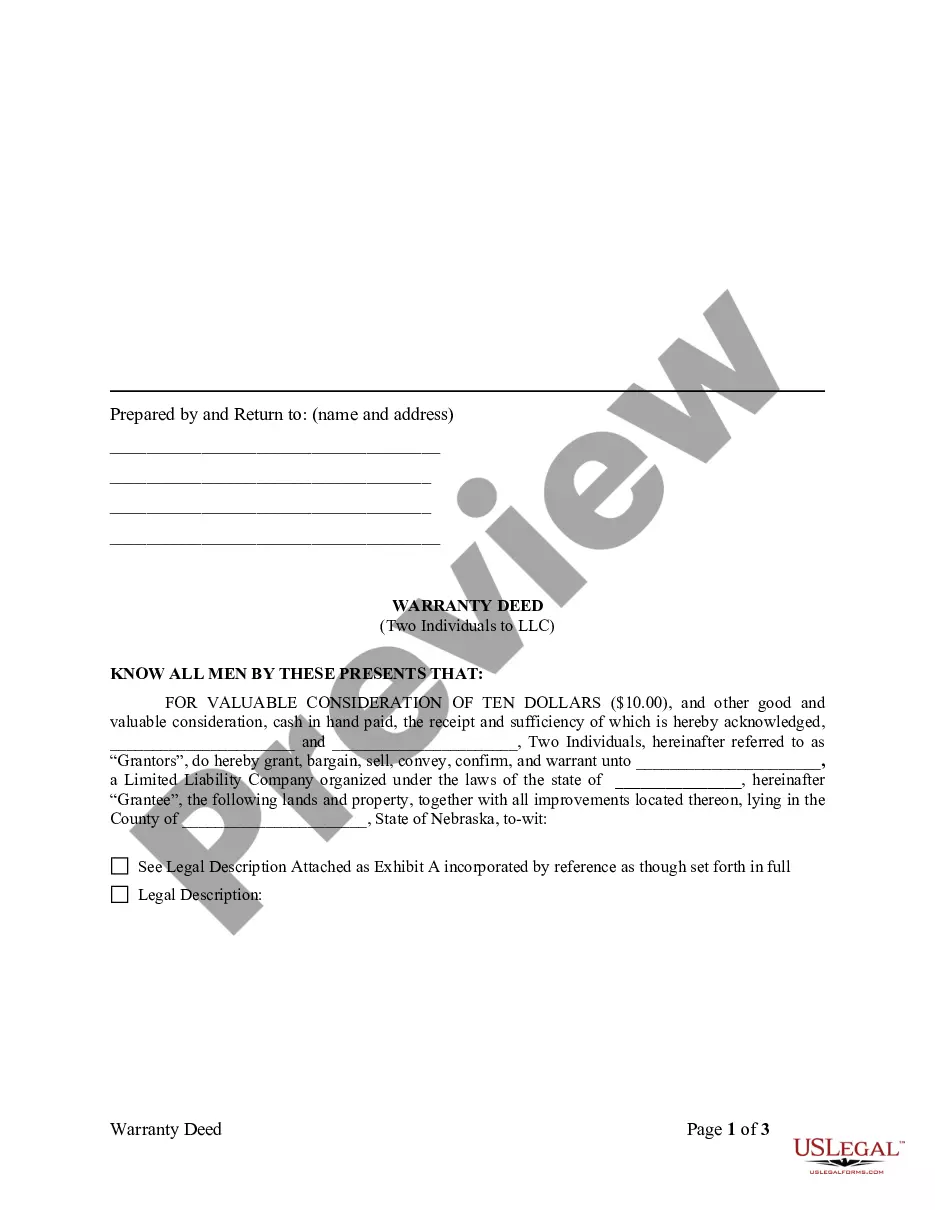
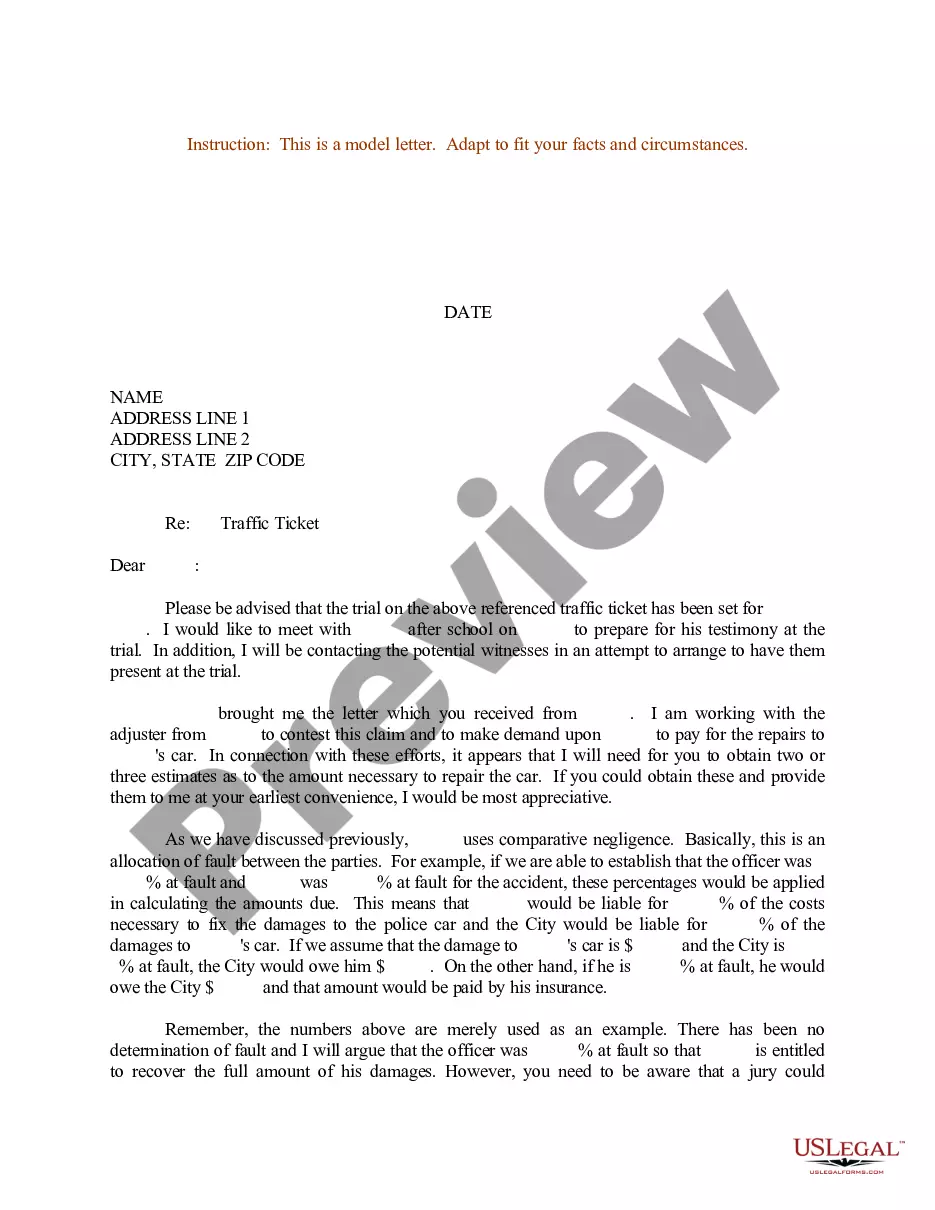


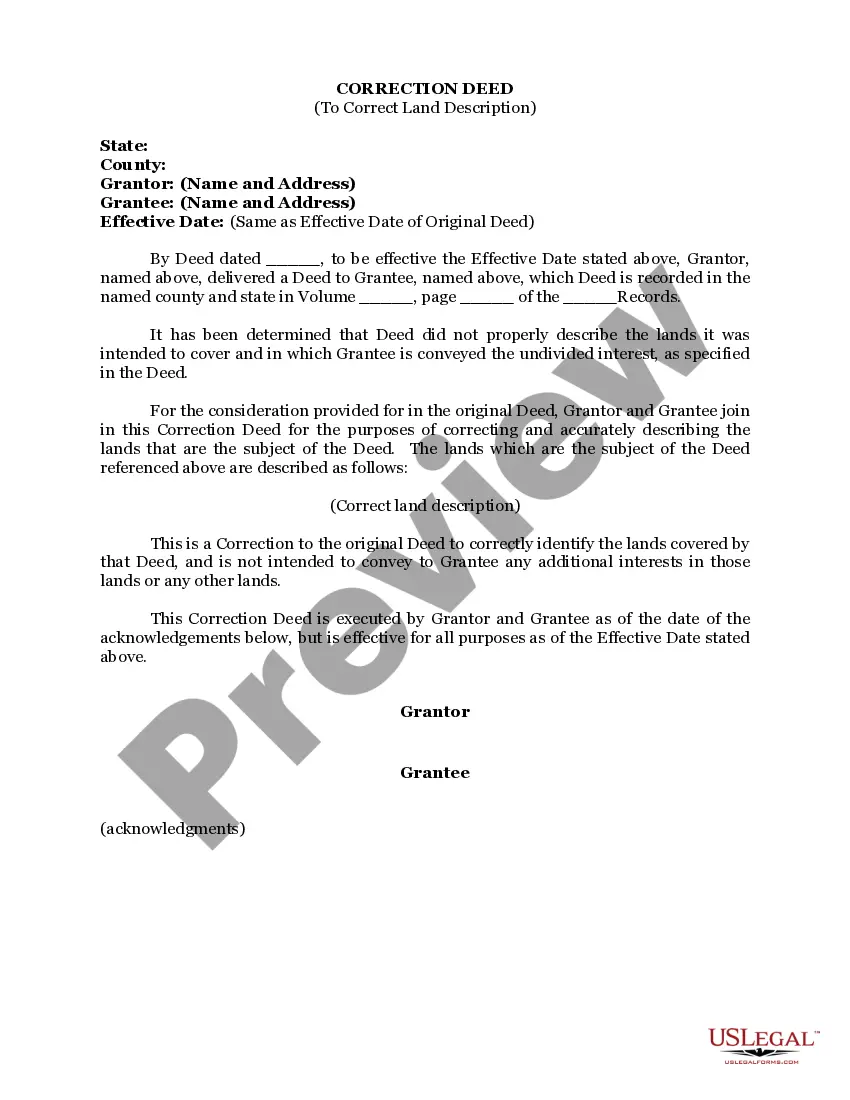
Form popularity
FAQ
Default judgment can work to your advantage, granting you a legal victory when the other party fails to respond. However, it may not resolve all your issues, so it's important to consider your specific situation. If you find yourself in need of guidance with issues related to the Idaho General Notice of Default for Contract for Deed, resources like US Legal Forms can provide clarity and support for your legal journey.
The time it takes to secure a default judgment can vary based on the specific circumstances of the case. Generally, if all procedures are followed correctly, you may receive a default judgment within a few weeks. Legal nuances, such as those found in the Idaho General Notice of Default for Contract for Deed, can influence this timeline, making it essential to stay informed throughout the process.
A judgment is a decision made by a court, often concluding a legal dispute, while a default indicates non-compliance with a legal obligation. In the context of an Idaho General Notice of Default for Contract for Deed, a judgment may follow a default where one party fails to meet their contractual obligations. Understanding this difference helps you grasp the potential legal outcomes related to your contract for deed. Awareness of these terms can empower you to navigate legal challenges better.
Default judgment refers to a ruling issued by a court when one party fails to respond to a legal claim. This decision means the court grants the other party what they requested without further ado. In cases involving an Idaho General Notice of Default for Contract for Deed, a default judgment can have serious implications, including the loss of property. It's essential to address any potential defaults swiftly to avoid reaching this stage.
An example of a default judgment may occur when a landlord sues a tenant for unpaid rent, and the tenant fails to respond. The court could then issue a judgment in favor of the landlord without hearing the tenant's side. Being aware of default judgments is essential, especially if your case relates to Idaho General Notice of Default for Contract for Deed, as it impacts property and contract law.
Reversing a default judgment can be challenging but not impossible. A party usually needs to demonstrate valid reasons for not appearing in court or must present new evidence. This process requires careful attention to detail, and using resources like the Idaho General Notice of Default for Contract for Deed can help clarify your path.
Setting aside a default judgment means that a court is allowing a party to contest the judgment, usually allowing them to present their case. This is often done if the party did not receive notice or had a valid reason for not responding on time. It can be a complex process, so understanding your options is key. For guidance, consider resources like the Idaho General Notice of Default for Contract for Deed.
Wages can often be garnished shortly after a default judgment is entered. Typically, the creditor must wait for a specified period and may need to file additional paperwork. It's vital to stay informed about your rights and responsibilities in this situation, especially in relation to Idaho General Notice of Default for Contract for Deed.
The timeline for obtaining a default judgment varies based on the court's schedule and the specific case details. Typically, it may take a few weeks to several months after the initial filing. Ensuring you follow all court procedures correctly can expedite the process. For clarity on your route, you might benefit from consulting the Idaho General Notice of Default for Contract for Deed.