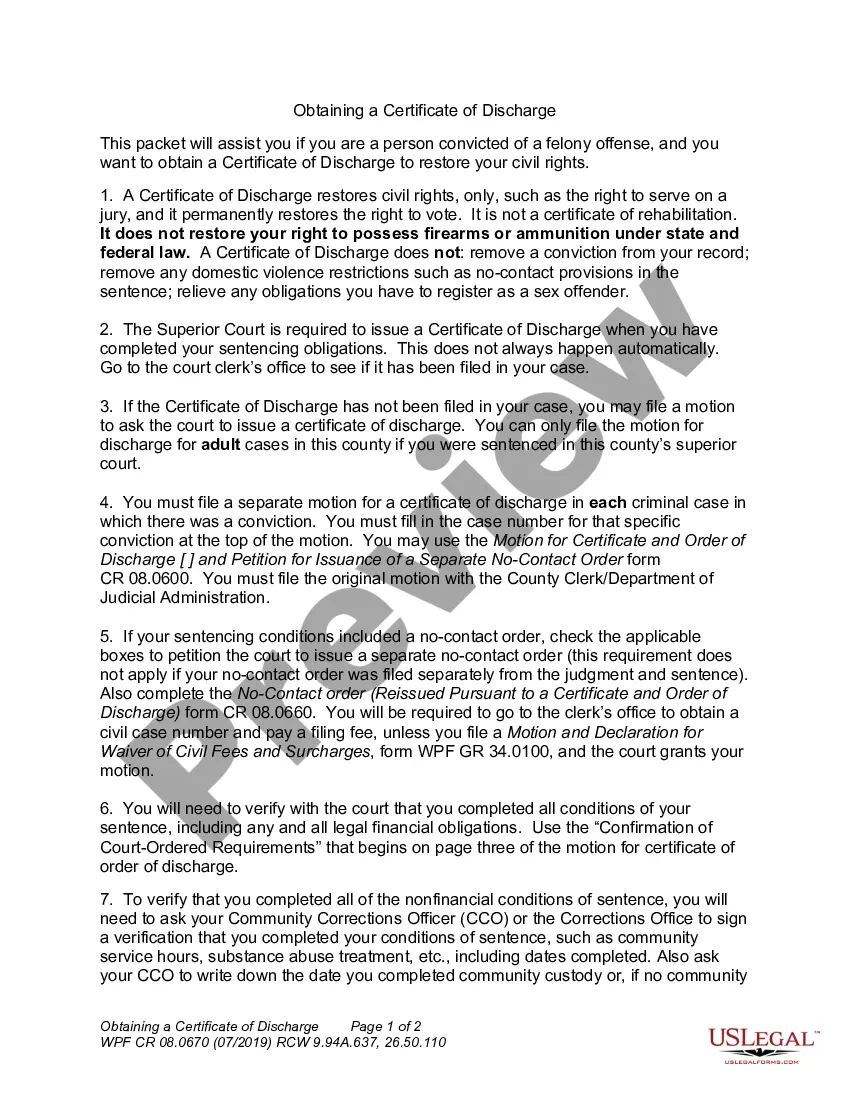
Iowa Warranty Deed for Seven Grantors to One Grantee
Overview of this form
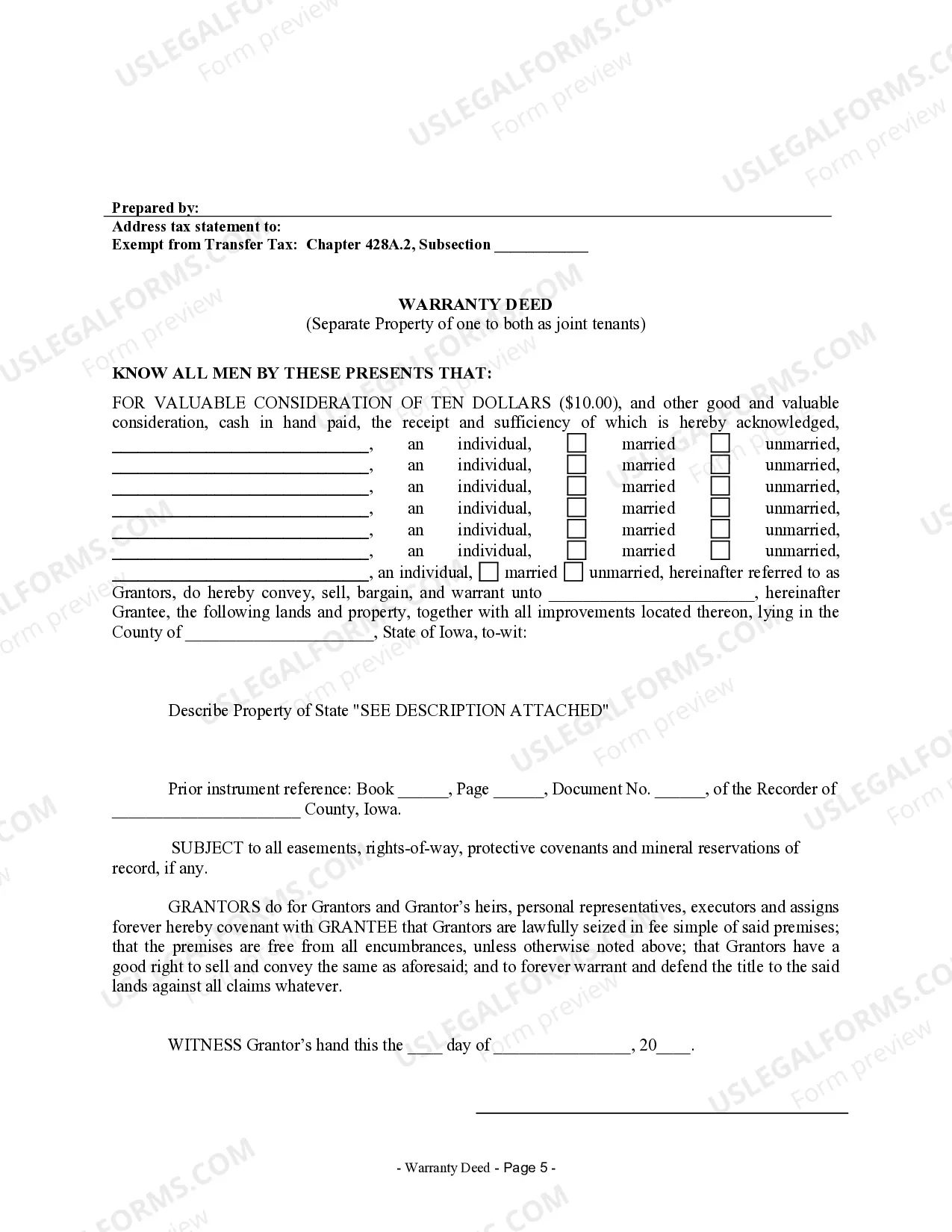
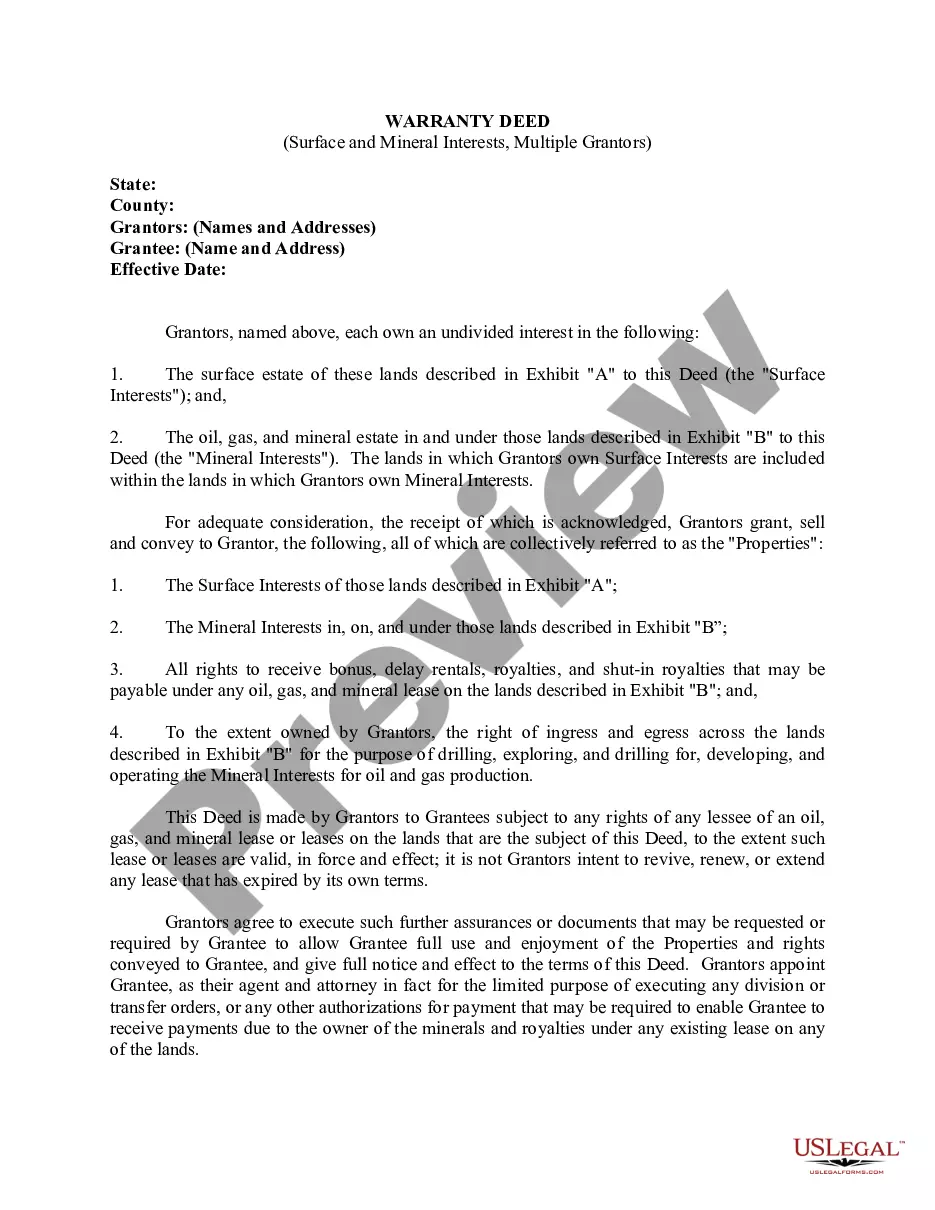
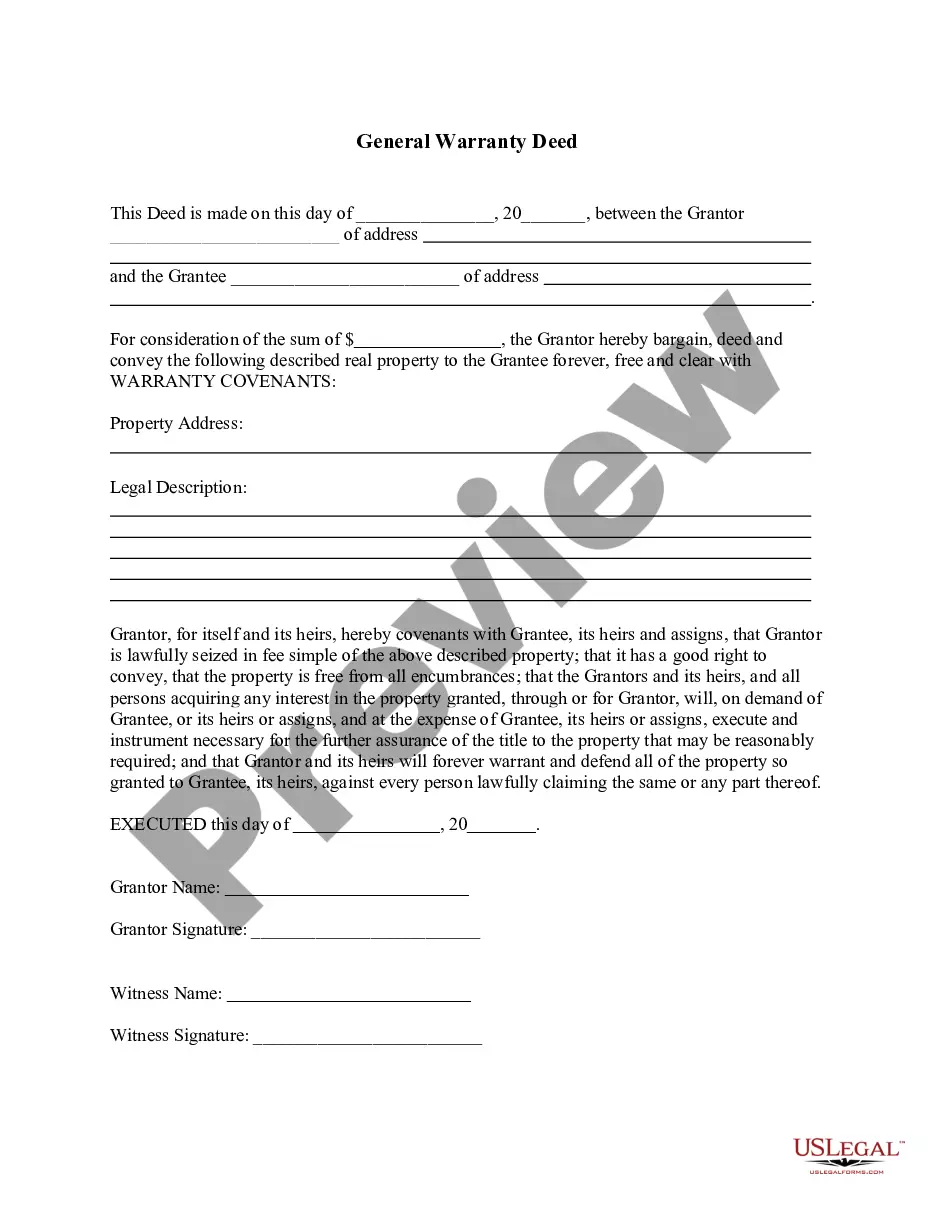
The Warranty Deed for Seven Grantors to One Grantee is a legal document used to transfer real estate ownership from seven individuals (grantors) to one individual (grantee). This type of warranty deed guarantees that the grantors will defend the title against any claims and ensures the property is free from encumbrances, providing a higher level of assurance than a quitclaim deed. It is particularly suited for transactions involving multiple parties conveying property to a single entity.
Key parts of this document
- Identification of grantors and grantee with their legal statuses (married or unmarried).
- Description of the property being conveyed, including its legal description.
- Covenant of title guaranteeing that the property is free from encumbrances.
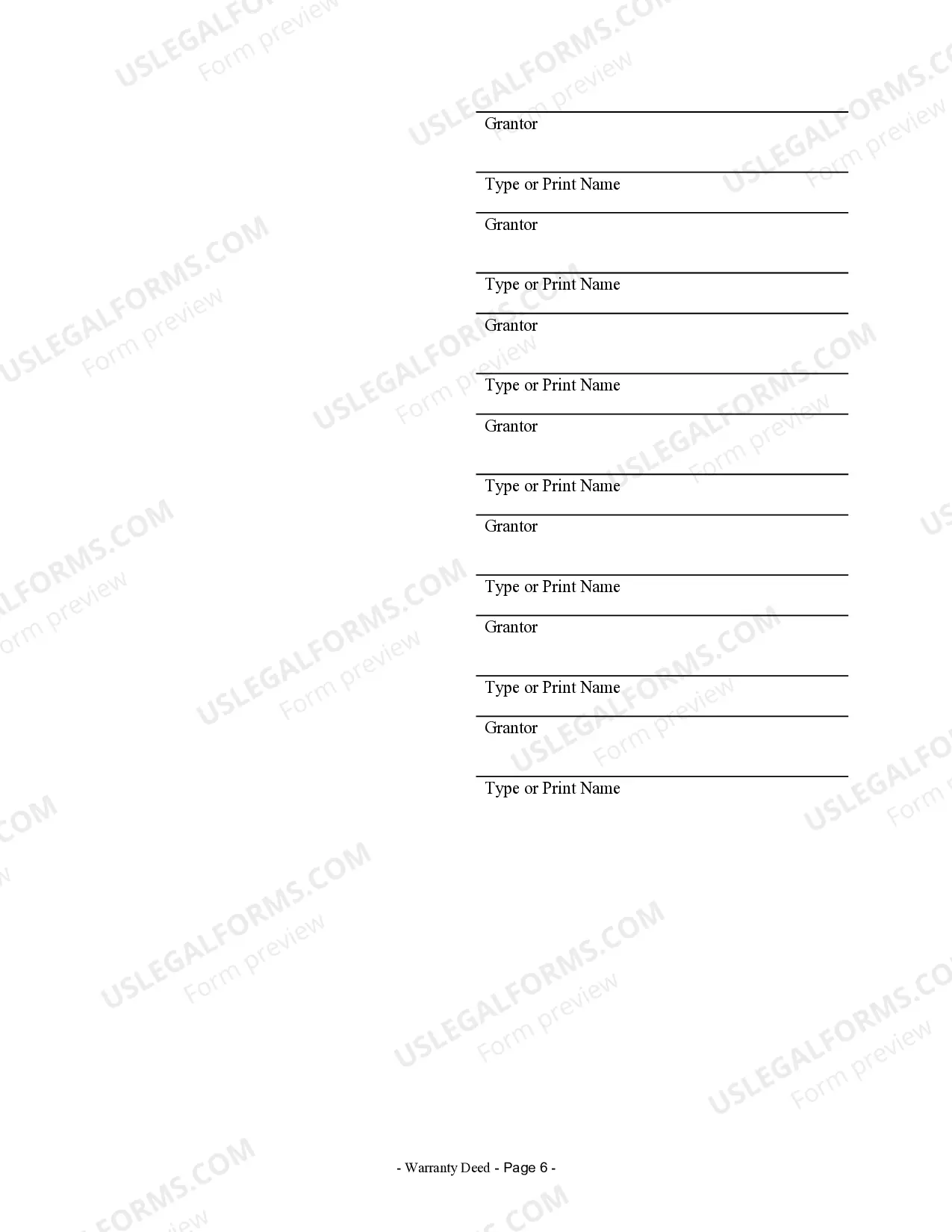
- Signatures of all grantors and the notary public for validation.
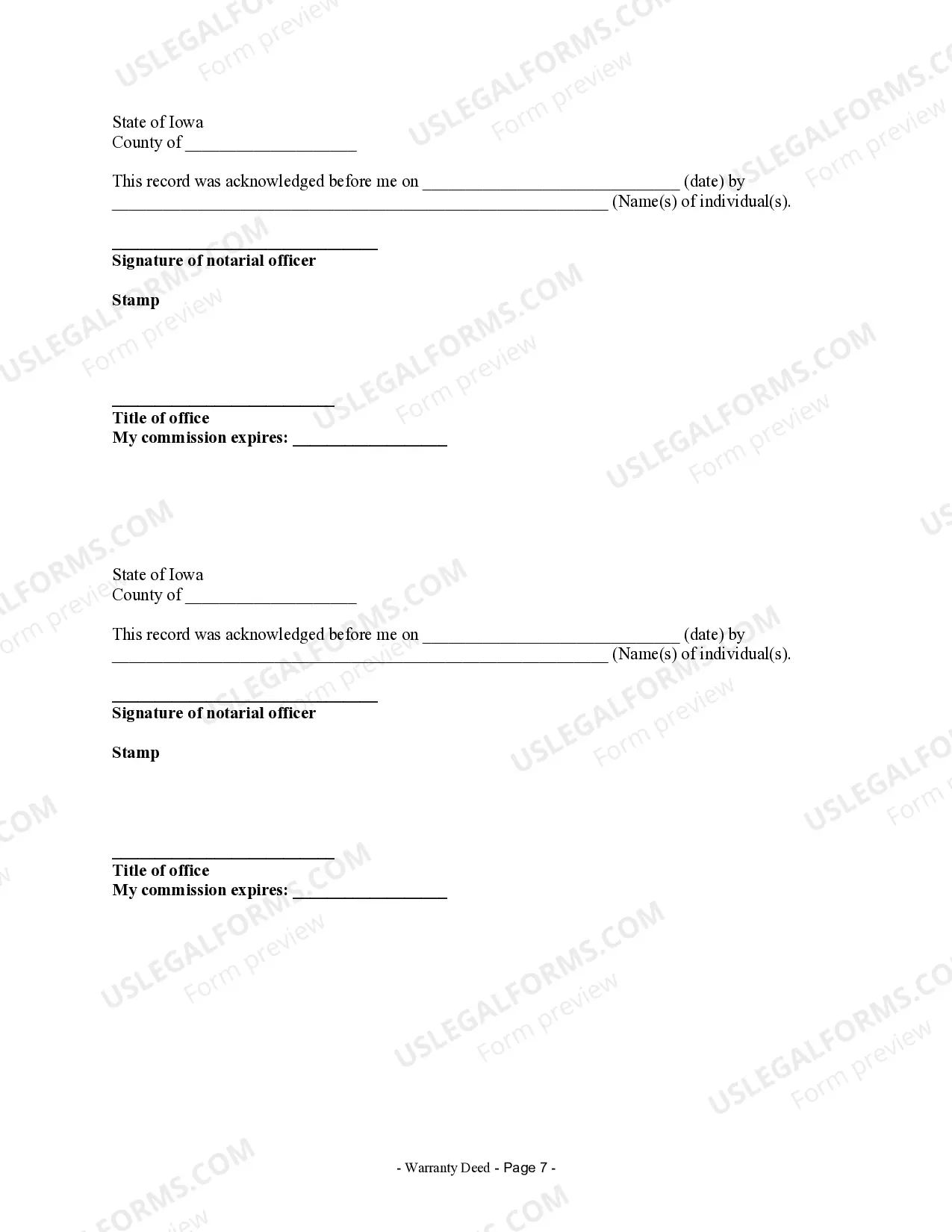
- Legal acknowledgment of property transaction as per Iowa state laws.




When to use this form
This warranty deed should be used when seven individuals are collectively transferring ownership of real property to a single individual. Scenarios may include family property distributions, business partnerships, or joint ownership situations where the owners want to consolidate the title into one name. Utilizing this form protects all parties involved by ensuring a clear and defendable title is established.
Who should use this form
This form is intended for:
- Seven property owners looking to transfer their collective interests to a single beneficiary.
- Real estate professionals and attorneys who need to document the transfer of ownership.
- Individuals who want to ensure legal protections regarding the property title during a transaction.
Instructions for completing this form
- Identify all seven grantors by entering their full names and marital statuses.
- Specify the grantee's name, ensuring it is correctly spelled and formatted.
- Provide a complete and precise legal description of the property being conveyed.
- Have all grantors sign the deed in the presence of a notary public.
- Ensure the notary public signs and dates the document to validate the transaction.
Notarization guidance
To make this form legally binding, it must be notarized. Our online notarization service, powered by Notarize, lets you verify and sign documents remotely through an encrypted video session.
Get your form ready online
Our built-in tools help you complete, sign, share, and store your documents in one place.
Make edits, fill in missing information, and update formatting in US Legal Forms—just like you would in MS Word.
Download a copy, print it, send it by email, or mail it via USPS—whatever works best for your next step.
Sign and collect signatures with our SignNow integration. Send to multiple recipients, set reminders, and more. Go Premium to unlock E-Sign.
If this form requires notarization, complete it online through a secure video call—no need to meet a notary in person or wait for an appointment.
We protect your documents and personal data by following strict security and privacy standards.

Make edits, fill in missing information, and update formatting in US Legal Forms—just like you would in MS Word.

Download a copy, print it, send it by email, or mail it via USPS—whatever works best for your next step.

Sign and collect signatures with our SignNow integration. Send to multiple recipients, set reminders, and more. Go Premium to unlock E-Sign.

If this form requires notarization, complete it online through a secure video call—no need to meet a notary in person or wait for an appointment.

We protect your documents and personal data by following strict security and privacy standards.
Common mistakes to avoid
- Failing to include all grantors' names and marital statuses correctly.
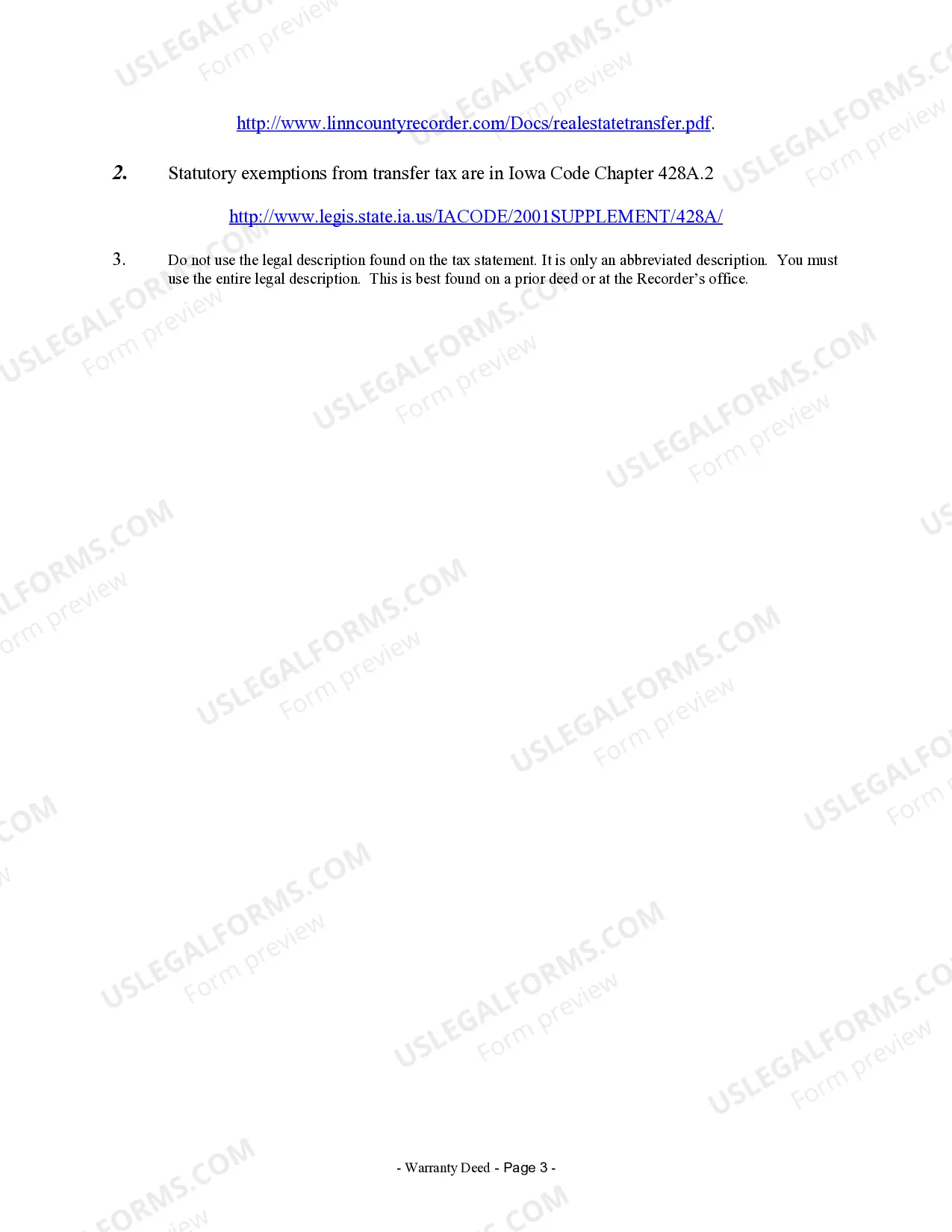
- Using an abbreviated legal description rather than the full version.
- Not obtaining notarization, leading to potential issues with title validity.
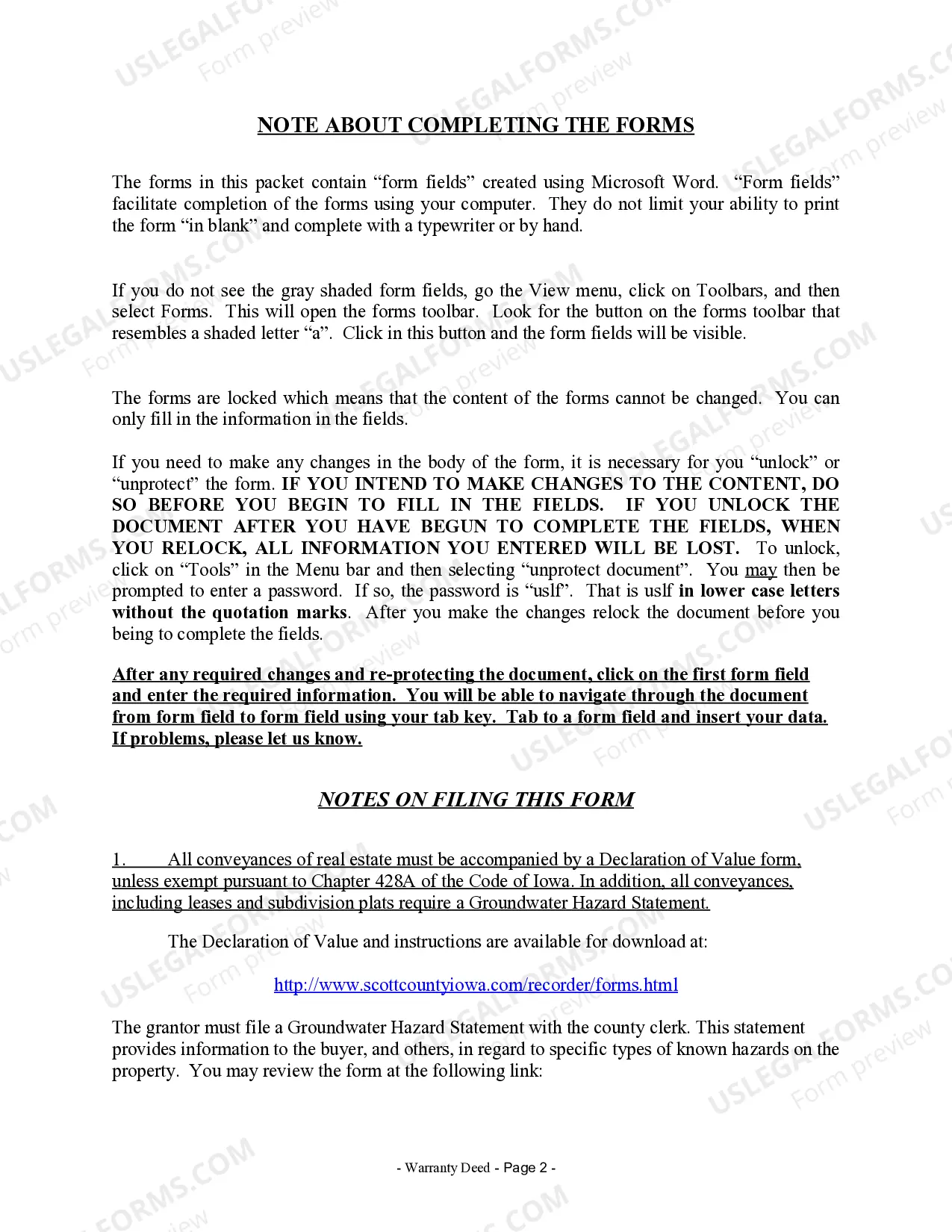
- Omitting necessary supporting documents, such as the Declaration of Value or Groundwater Hazard Statement.
Why use this form online
- Immediate access to the form allows for quick completion and submission.
- Editability of fields ensures that all information can be accurately inputted.
- Forms are drafted by licensed attorneys, providing peace of mind regarding legal compliance.
Looking for another form?
Form popularity
FAQ
No, in most states, the Grantee is not required to sign the Quitclaim Deed. However, some counties do require that the Quitclaim Deed be signed by the Grantee in addition to the Grantor.
The original deed is returned to the owner of the property from the office of the recorder after proper entry. The office of the Recorder of Deeds maintains a set of indexes about each deed recorded, for an easy search. Almost all states have a grantor-grantee index including a reference to all documents recorded.
A warranty deed can include six traditional forms of Covenants for Title, sometimes known as the English covenants of title. Those six traditional forms of covenants can be broken down into two categories: present covenants and future covenants.
The General Warranty Deed A general warranty deed provides the highest level of protection for the buyer because it includes significant covenants or warranties conveyed by the grantor to the grantee.
It's important to note that a warranty deed does not actually prove the grantor has ownership (a title search is the best way to prove that), but it is a promise by the grantor that they are transferring ownership and if it turns out they don't actually own the property, the grantor will be responsible for compensating
Typically, the lender will provide you with a copy of the deed of trust after the closing. The original warranty deeds are often mailed to the grantee after they are recorded. These are your original copies and should be kept in a safe place, such as a fireproof lockbox or a safe deposit box at a financial institution.
Grantor's signature: The grantor must sign the deed for it to be valid. Usually, if more than one person owns a property, all the owners must sign. In some states a husband or wife who own property by themselves may have to have the spouse also sign the deed even though the spouse does not have title to the property.
No, California does not require that the Grantee sign a warranty deed. However, some states and counties require that the deed be signed by the Grantee in addition to the Grantor.