Iowa Notice of Default on Residential Lease
What is this form?
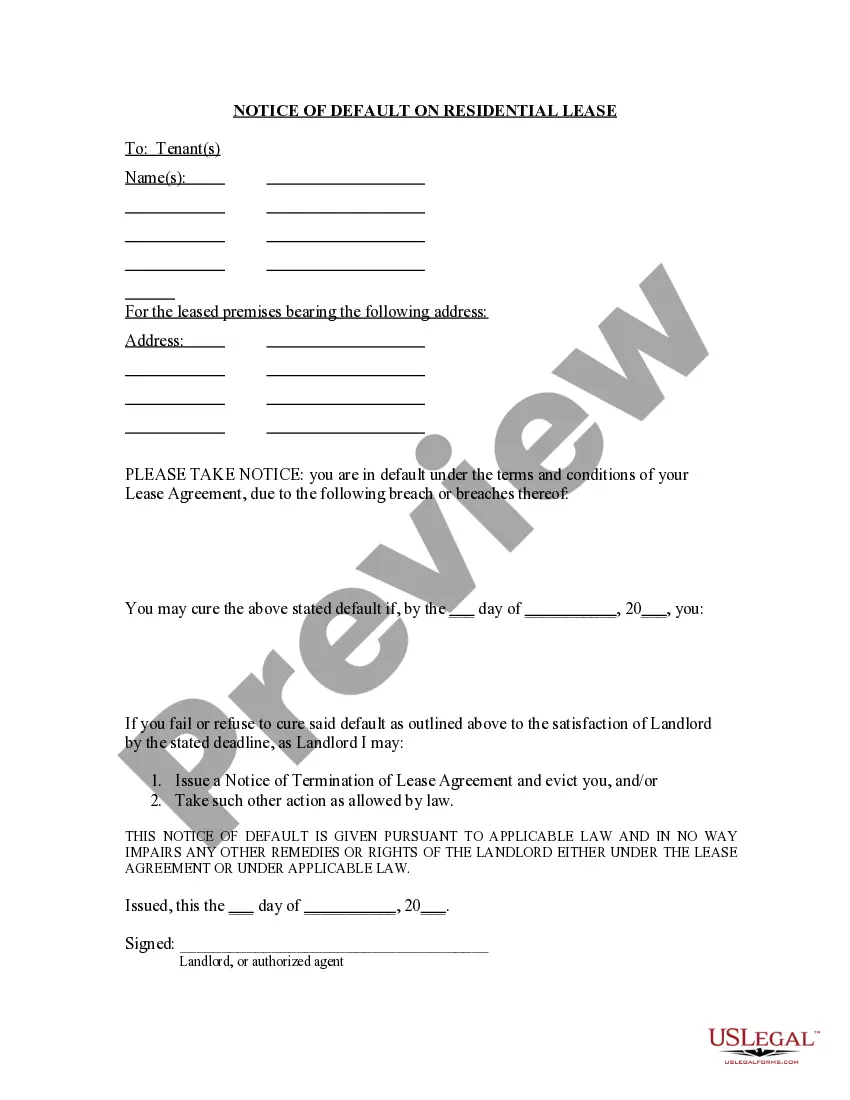
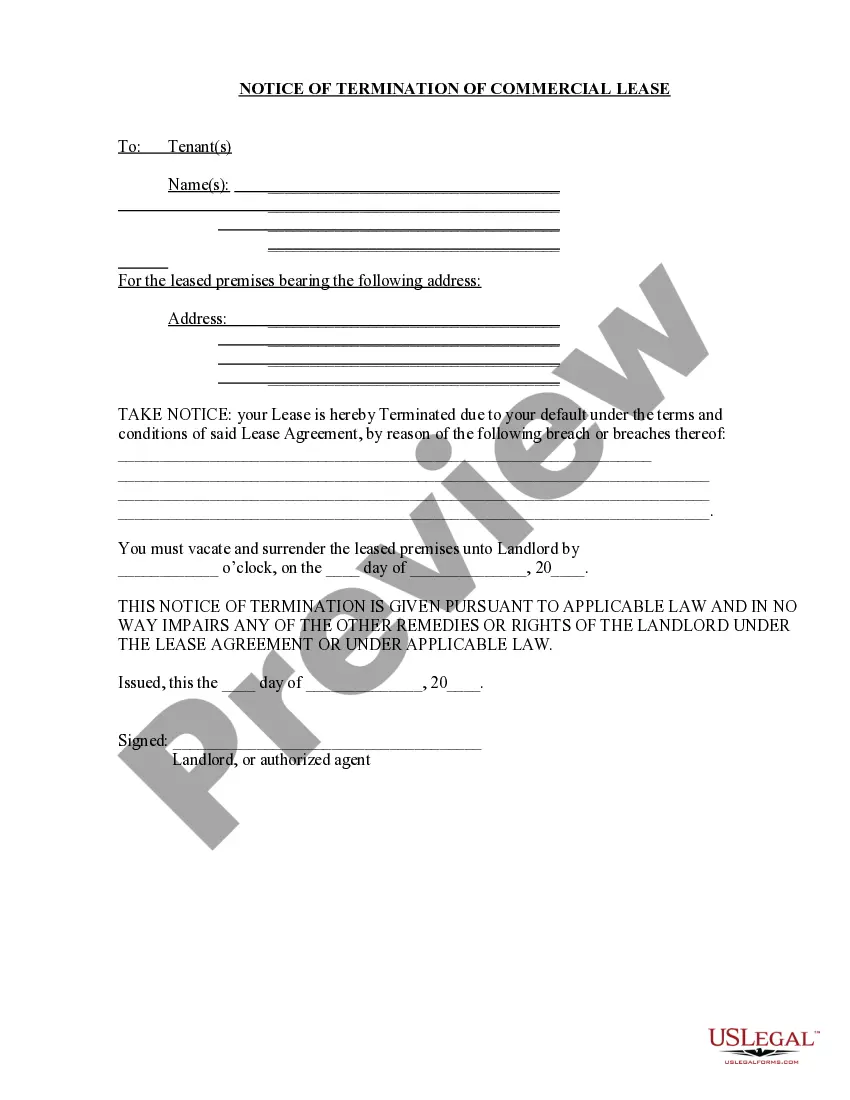
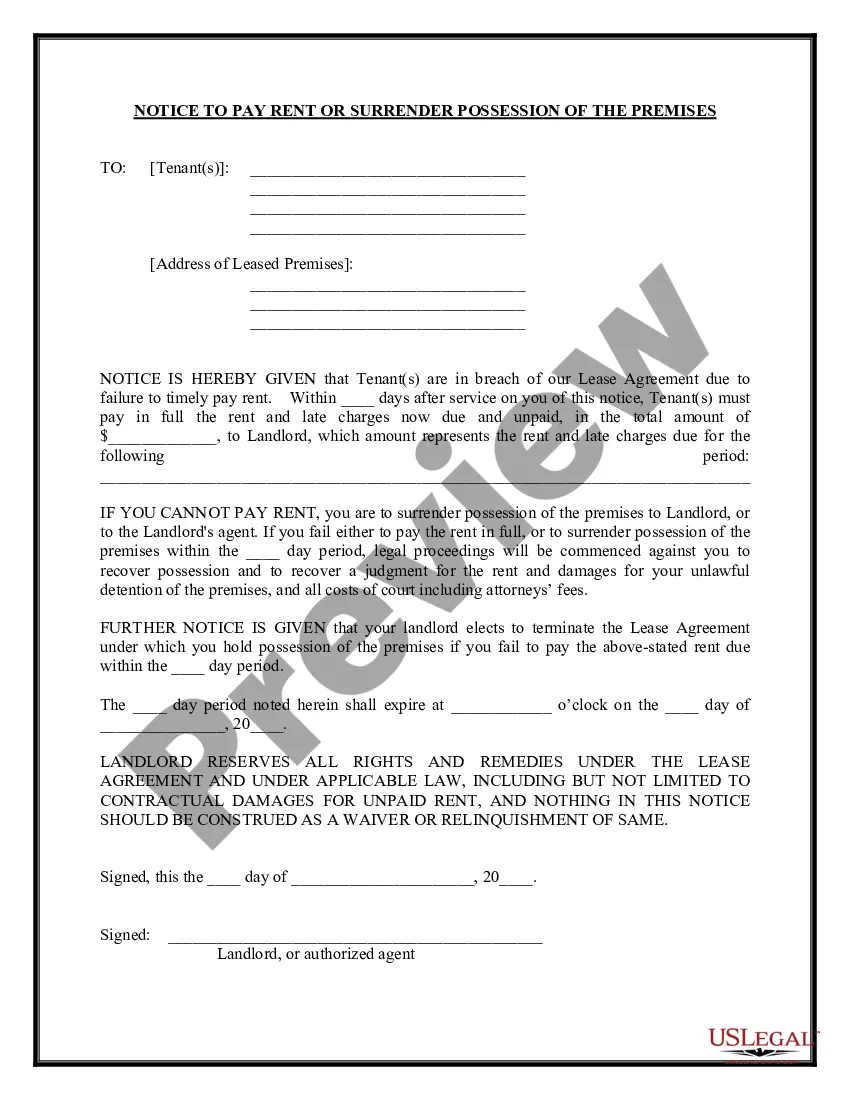
The Notice of Default on Residential Lease is a legal document used by landlords to formally notify tenants of a failure to comply with their rental agreement, such as not paying rent on time. This notice outlines specific reasons for default and sets a deadline for the tenant to remedy the situation. Unlike other notices, this document serves as an initial step before potential eviction proceedings, ensuring compliance with applicable landlord-tenant laws.
Form components explained
- Identification of the landlord and tenant.
- Clear statement of the default reasons, such as late rent payment.
- Deadline date for the tenant to correct the default.
- Consequences if the default is not cured, including eviction possibilities.
- Signature line for the landlord or an authorized agent.

Common use cases
This form should be used when a tenant fails to meet their obligations under a rental lease, particularly in cases of unpaid rent. Landlords must issue this notice before initiating eviction proceedings or applying any portion of the security deposit to the owed rent. It is essential for landlords to document the default officially and provide tenants with an opportunity to address the issue.
Who can use this document
- Landlords who have tenants that are in default on their rental agreements.
- Property managers acting on behalf of landlords seeking to enforce lease compliance.
- Rental property owners needing to initiate formal notice before eviction.
Instructions for completing this form
- Identify the landlord and tenant clearly at the top of the document.
- Specify the reasons for the default, such as missed rent payment.
- Enter the deadline date by which the tenant must cure the default.
- Include any potential consequences for failing to remedy the situation.
- Ensure the notice is signed and dated by the landlord or their authorized agent.
Does this document require notarization?
This form usually doesn’t need to be notarized. However, local laws or specific transactions may require it. Our online notarization service, powered by Notarize, lets you complete it remotely through a secure video session, available 24/7.
Get your form ready online
Our built-in tools help you complete, sign, share, and store your documents in one place.
Make edits, fill in missing information, and update formatting in US Legal Forms—just like you would in MS Word.
Download a copy, print it, send it by email, or mail it via USPS—whatever works best for your next step.
Sign and collect signatures with our SignNow integration. Send to multiple recipients, set reminders, and more. Go Premium to unlock E-Sign.
If this form requires notarization, complete it online through a secure video call—no need to meet a notary in person or wait for an appointment.
We protect your documents and personal data by following strict security and privacy standards.

Make edits, fill in missing information, and update formatting in US Legal Forms—just like you would in MS Word.

Download a copy, print it, send it by email, or mail it via USPS—whatever works best for your next step.

Sign and collect signatures with our SignNow integration. Send to multiple recipients, set reminders, and more. Go Premium to unlock E-Sign.

If this form requires notarization, complete it online through a secure video call—no need to meet a notary in person or wait for an appointment.

We protect your documents and personal data by following strict security and privacy standards.
Common mistakes
- Failing to specify the exact reason for the default.
- Not providing a clear deadline for curing the default.
- Omitting the landlord's signature, which could invalidate the notice.
- Not sending the notice according to state legal requirements (e.g., delivery method).
Benefits of completing this form online
- Convenience of downloading and completing the form at any time.
- Editability to customize the notice based on specific situations.
- Access to templates crafted by licensed attorneys for legal reliability.
Legal use & context
- The form serves as a critical first step in the eviction process.
- It helps establish a documented record of tenant default.
- Ensures landlords comply with legal requirements before further actions.
Looking for another form?


Form popularity
FAQ
To legally get out of a lease in Iowa, first check the lease agreement for any clauses that allow for early termination. If the lease contains terms regarding the Iowa Notice of Default on Residential Lease, follow those guidelines carefully. You may need to formally notify your landlord in writing, citing valid reasons such as job relocation or health issues. Consider using the US Legal Forms platform to create a compliant notice and ensure you understand your rights and obligations.
Red flags in a lease agreement may include vague terms, excessive fees, or terms that disproportionately favor the landlord. Other indicators can be unreasonable restrictions on tenant rights or unclear maintenance obligations. By being aware of these potential red flags, you can better protect yourself from issues related to the Iowa Notice of Default on Residential Lease.
In Iowa, tenants generally cannot refuse showings of the property if the lease agreement includes terms that allow the landlord to show the space to prospective renters or buyers. However, landlords must give appropriate notice before showings. Familiarizing yourself with your responsibilities can help mitigate issues related to the Iowa Notice of Default on Residential Lease.
When a tenant defaults, it means they have not upheld their obligations under the lease, leading to potential legal actions by the landlord. This could result in eviction proceedings if the landlord decides to enforce the lease terms. It's essential for tenants to be aware of the implications of an Iowa Notice of Default on Residential Lease, as it can have long-lasting effects on their housing situation.
Defaulting on a lease occurs when a tenant fails to meet the terms set forth in the agreement. This can include not paying rent on time, breaching rules or regulations, or damaging the property. If you find yourself in this situation, it's important to understand how the Iowa Notice of Default on Residential Lease can affect your tenancy and your rights.
If you default on a lease, the landlord may take actions ranging from eviction proceedings to seeking monetary damages. The process can vary based on local laws and the specifics of the lease agreement. Understanding your options and rights is essential in these situations. If you find yourself facing this challenge, our platform can help you navigate the complexities of an Iowa Notice of Default on Residential Lease.
Yes, defaulting on a lease can negatively affect your credit score if the landlord reports it to credit bureaus. Such defaults may remain on your credit report, making it more challenging to secure future housing or loans. Awareness of your rights and responsibilities can be beneficial in managing the potential impacts. Utilizing our platform can provide you with insights into the implications of an Iowa Notice of Default on Residential Lease.
Yes, breaking a lease is generally considered a default unless you have a valid reason that complies with the lease terms or local laws. This action can lead to financial penalties and negative impacts on your rental history. It's critical to analyze your specific lease agreement for conditions regarding termination. For more clarity on handling lease issues, look into the Iowa Notice of Default on Residential Lease.
In Iowa, a landlord must provide at least 14 days' written notice before terminating a lease for nonpayment of rent. This notice allows tenants to rectify the situation before legal actions are taken. Understanding these timelines is vital to ensure your rights are protected. If you're unsure or need assistance, our platform offers resources regarding the Iowa Notice of Default on Residential Lease.
When you default on an agreement, the other party may pursue legal actions to enforce the terms. This can lead to financial penalties, damage to your credit rating, and potential litigation. It’s beneficial to understand the specifics of the agreement you’ve entered into and seek advice. If you're dealing with a lease, understanding the Iowa Notice of Default on Residential Lease can help clarify your rights and obligations.