Hawaii Statutory Advance Health Care Directive Four Parts as Living Will
Understanding this form
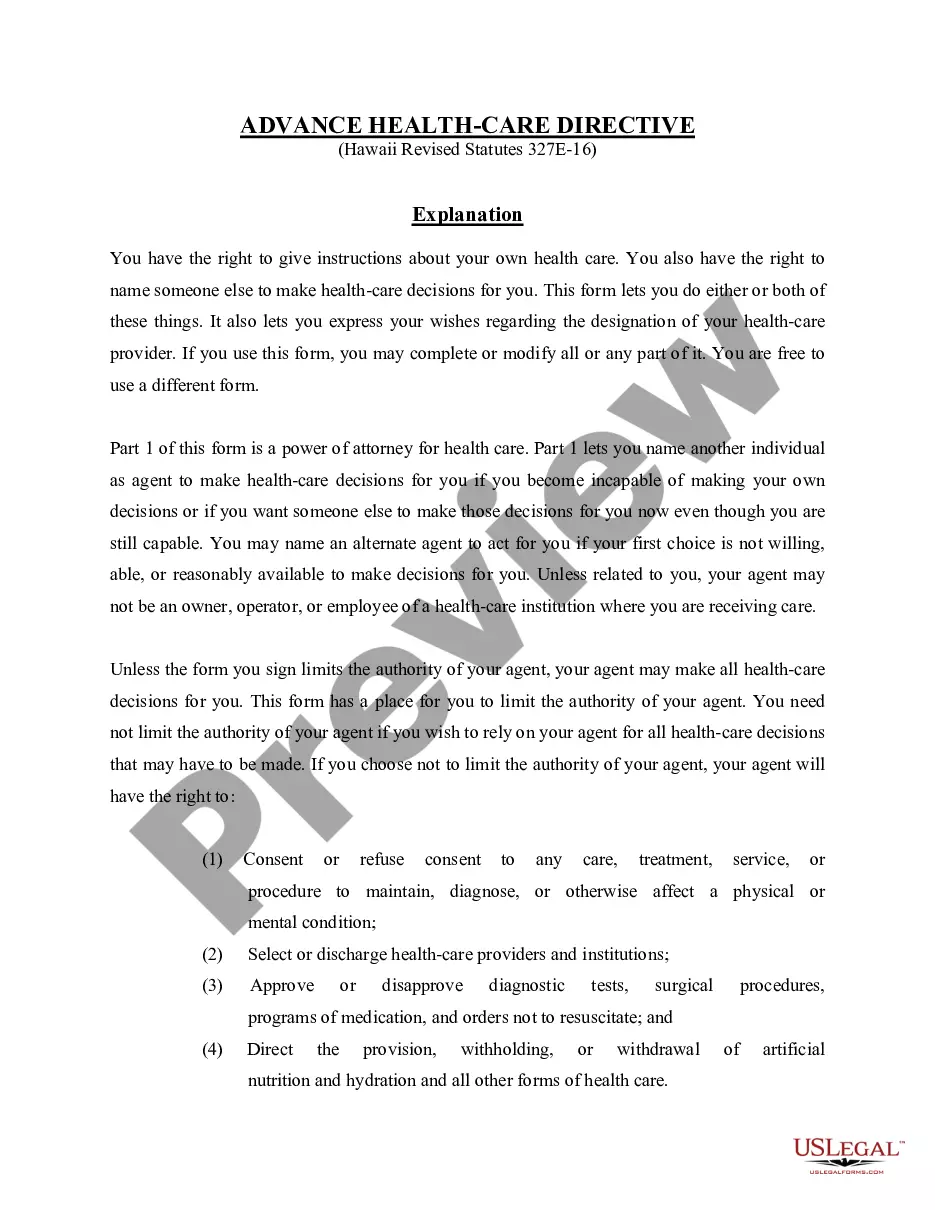
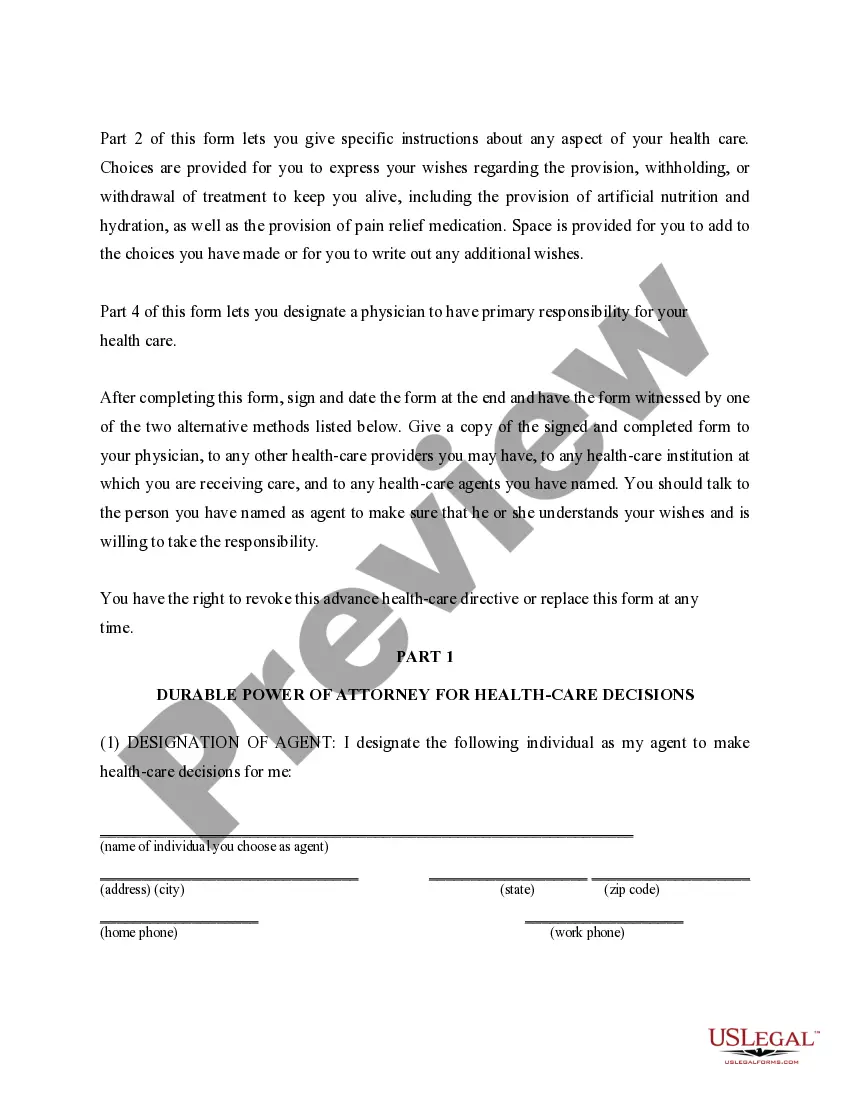
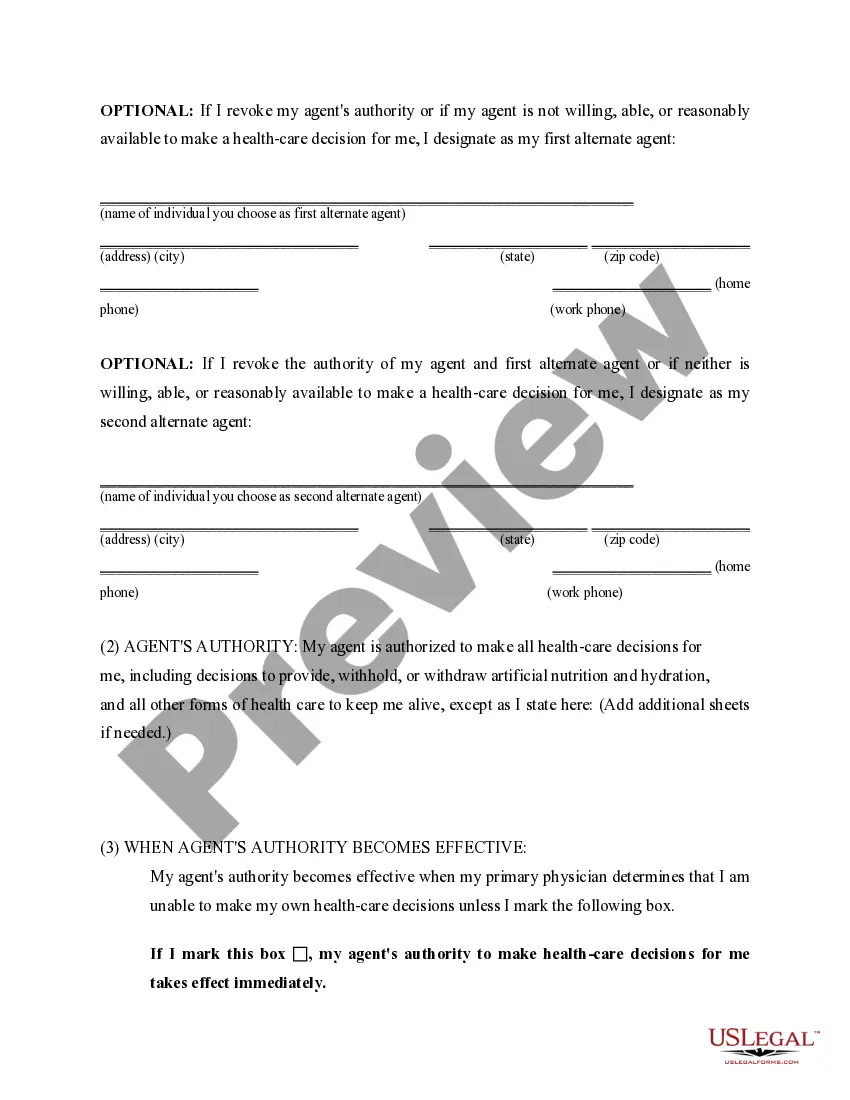
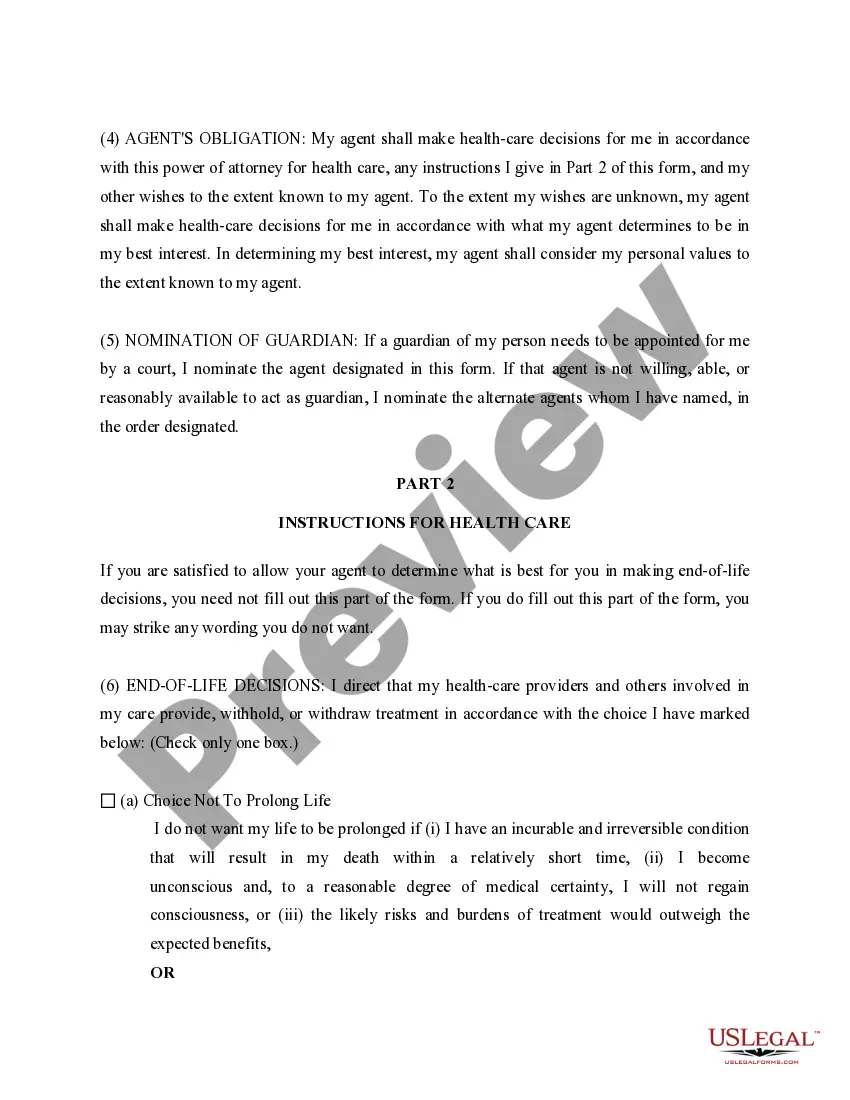
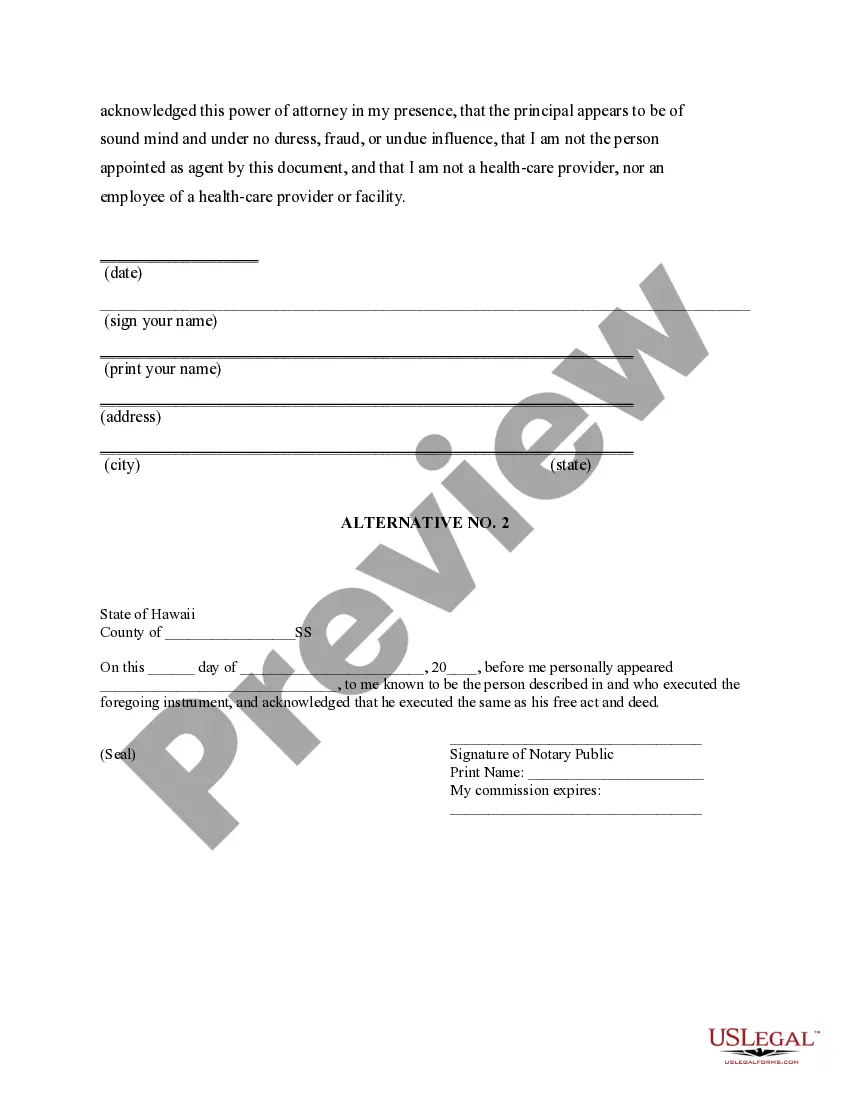
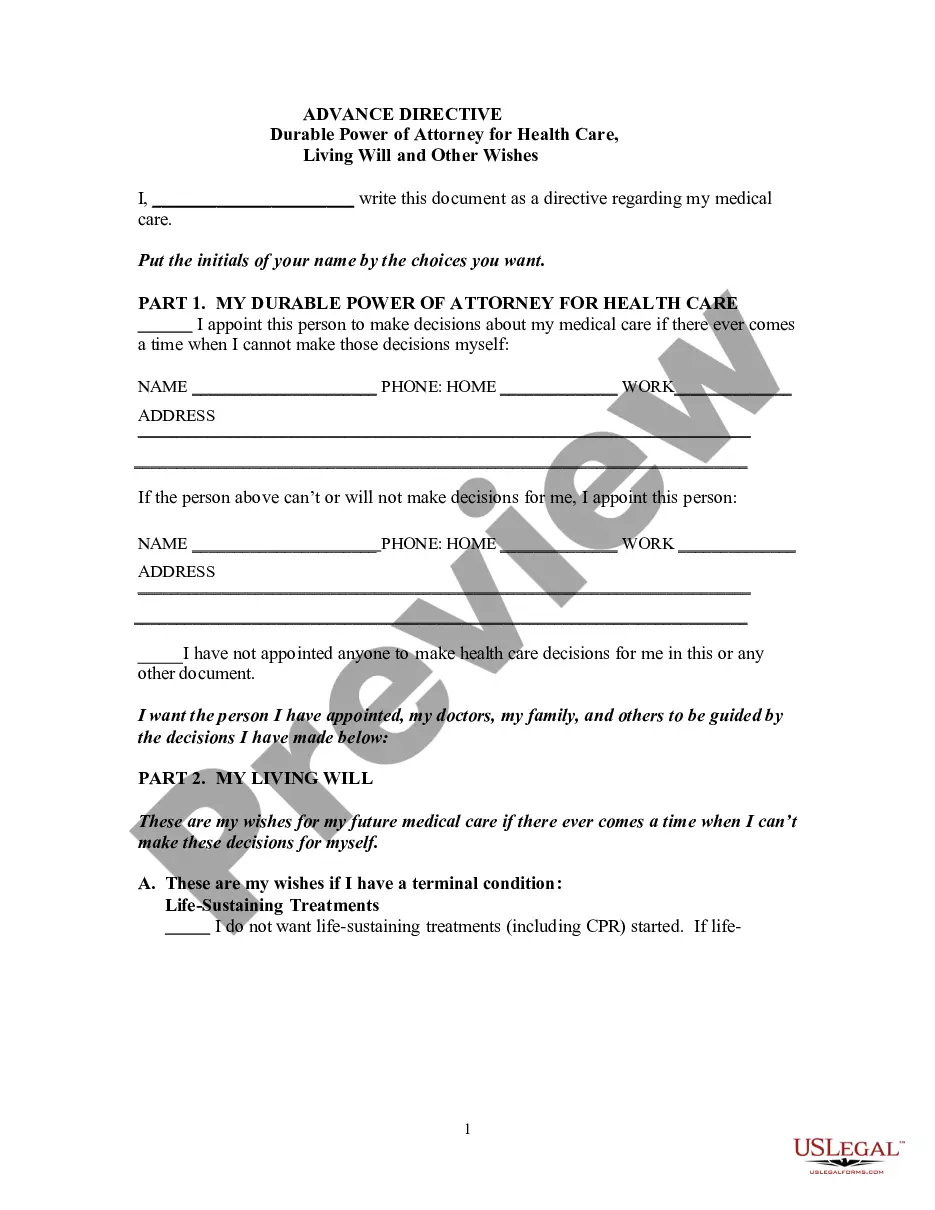
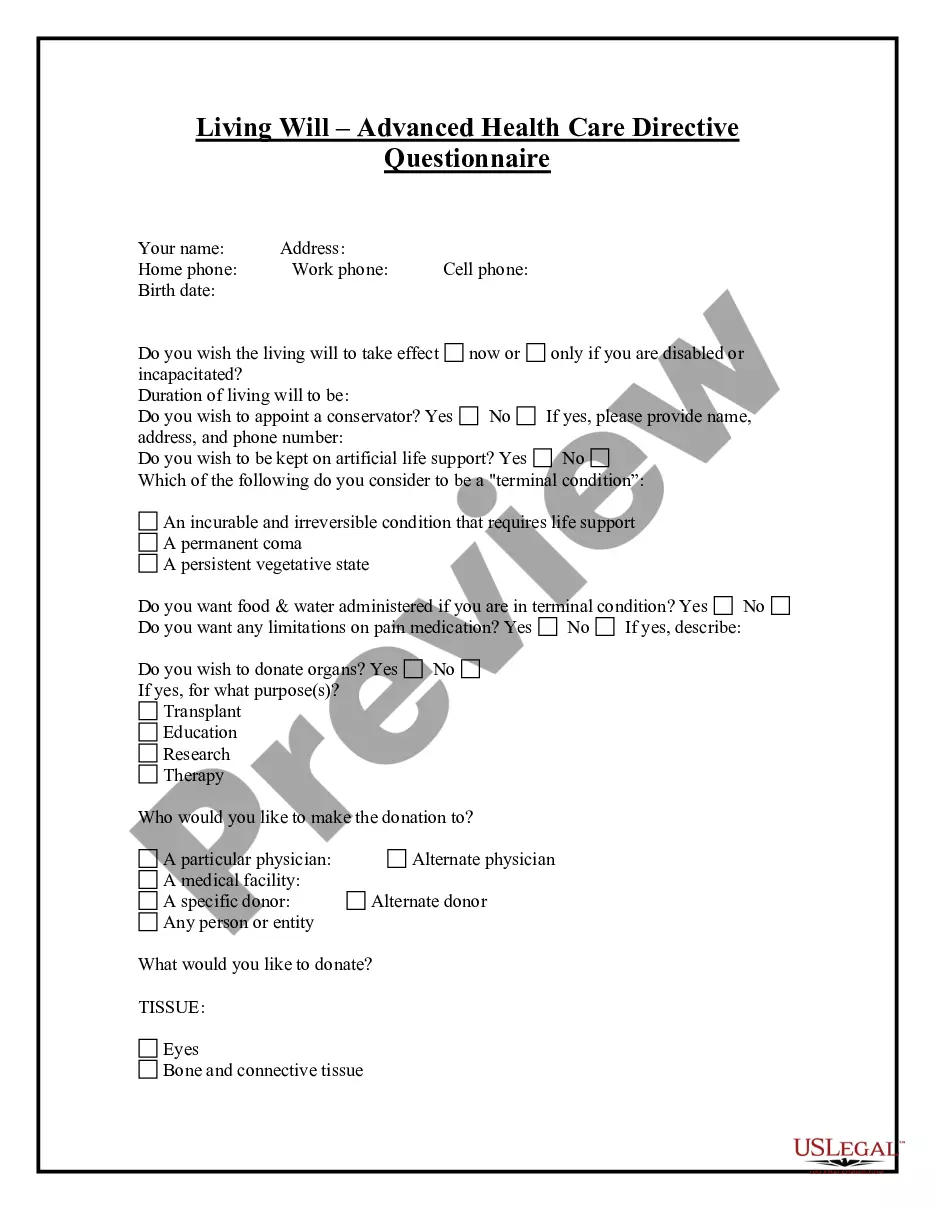
The Statutory Advance Health Care Directive Four Parts as Living Will is an important legal document that allows individuals in Hawaii to outline their health care preferences. This directive, enacted under Hawaii Revised Statutes 327E-16, integrates multiple components, including a power of attorney for health care, health care instructions, anatomical gifts, and the designation of a primary physician. Unlike simpler documents, this form provides a comprehensive approach to health care decision-making, allowing you to name an agent to make decisions on your behalf in the event you become incapacitated, and ensure your health care wishes are respected.
Form components explained
- Durable Power of Attorney for Health Care: Designate an individual to make health care decisions for you.
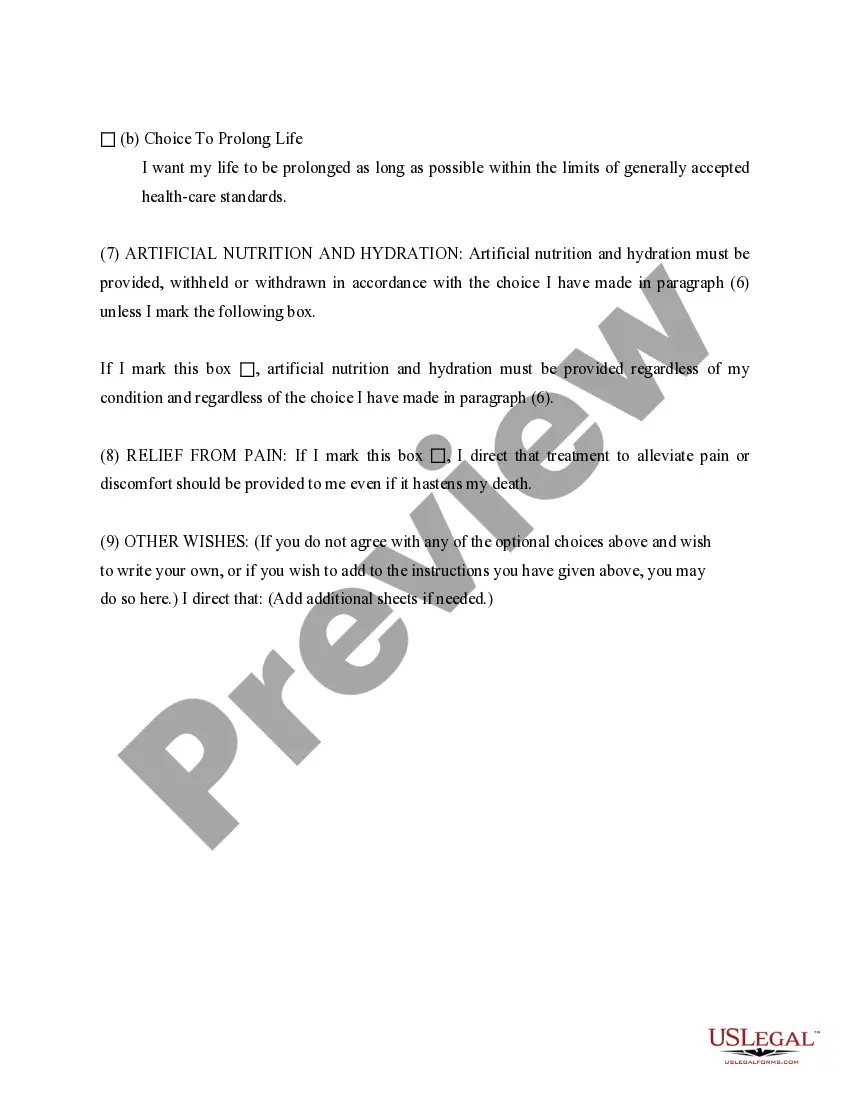
- Health Care Instructions: Provide specific guidelines regarding your medical treatment preferences.
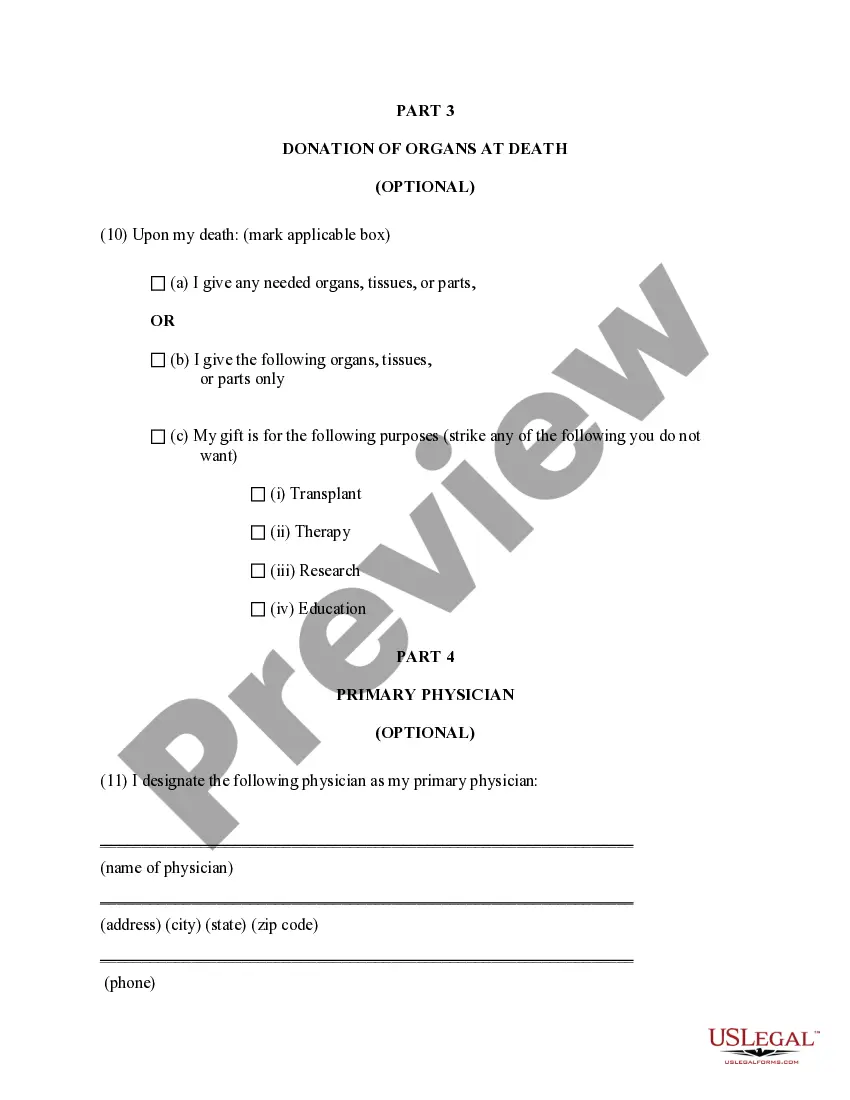
- Anatomical Gifts: Express your wishes for organ and tissue donation upon death.
- Primary Physician Designation: Name a physician to take primary responsibility for your health care.
When this form is needed
This form is essential when you want to ensure that your health care preferences are documented and your wishes are followed, especially in situations where you may not be able to communicate your decisions due to illness or injury. It is particularly relevant as you age, face serious health issues, or simply want to prepare for potential future medical situations.
Who can use this document
This form is suitable for:
- Adults wishing to specify their health care wishes in advance.
- Individuals wanting to appoint an agent to make health care decisions for them.
- Patients receiving medical care who want to designate their primary physician or provide end-of-life instructions.
- People who want to ensure their wishes regarding organ donation are known.
Steps to complete this form
To complete this form, follow these steps:
- Designate your primary agent and any alternate agents for health care decisions.
- Provide specific instructions regarding your health care preferences in Part 2.
- If desired, nominate a primary physician in Part 4.
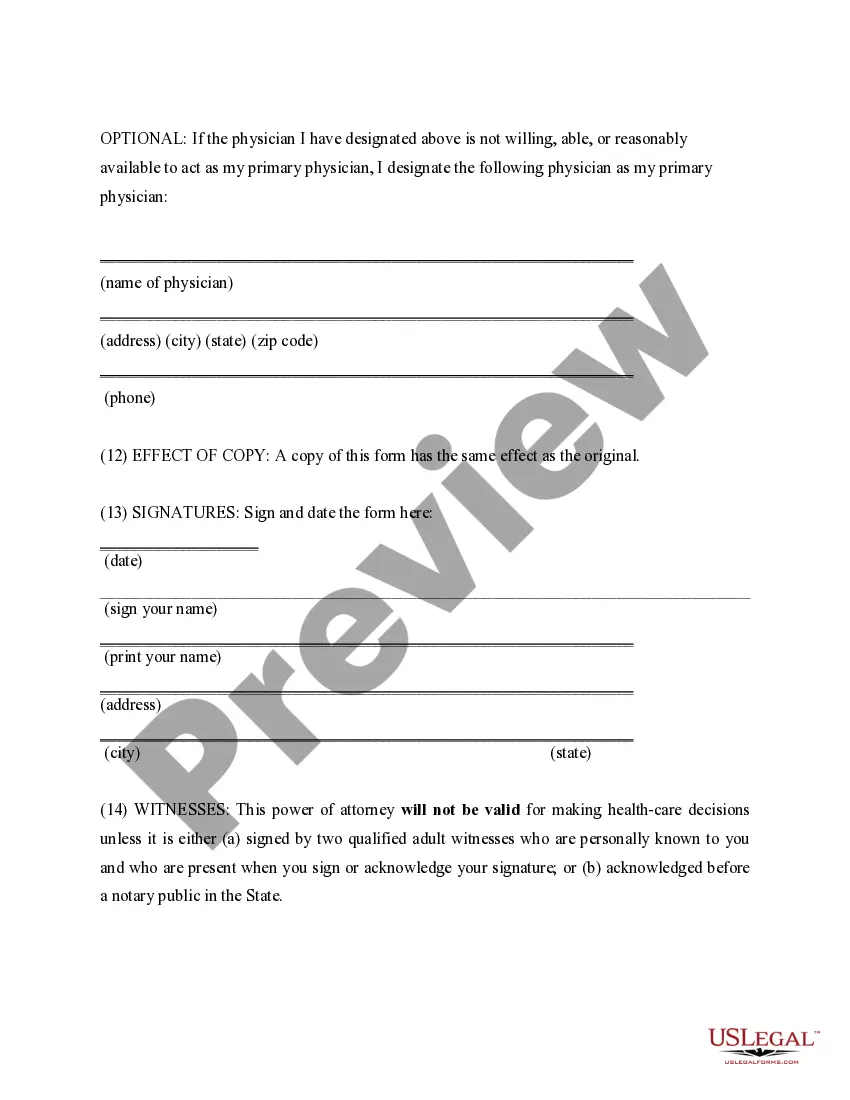
- Sign and date the completed form in the appropriate section.
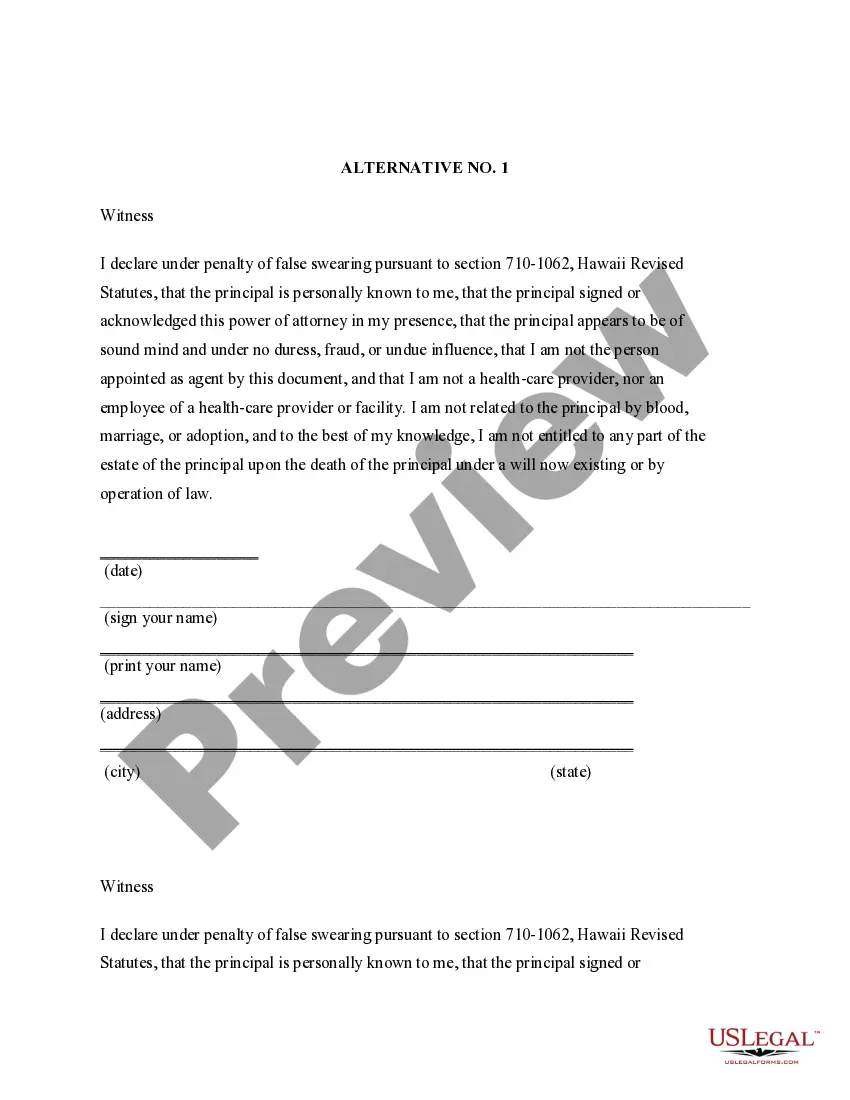
- Have the form witnessed by two qualified adults or notarized to ensure validity.
- Distribute copies to your agents and health care providers.
Is notarization required?
Yes, this form must be notarized or witnessed to be legally valid in Hawaii. US Legal Forms offers integrated online notarization services for your convenience, ensuring a secure and efficient process to complete your advance health care directive anytime, anywhere.
Get your form ready online
Our built-in tools help you complete, sign, share, and store your documents in one place.
Make edits, fill in missing information, and update formatting in US Legal Forms—just like you would in MS Word.
Download a copy, print it, send it by email, or mail it via USPS—whatever works best for your next step.
Sign and collect signatures with our SignNow integration. Send to multiple recipients, set reminders, and more. Go Premium to unlock E-Sign.
If this form requires notarization, complete it online through a secure video call—no need to meet a notary in person or wait for an appointment.
We protect your documents and personal data by following strict security and privacy standards.

Make edits, fill in missing information, and update formatting in US Legal Forms—just like you would in MS Word.

Download a copy, print it, send it by email, or mail it via USPS—whatever works best for your next step.

Sign and collect signatures with our SignNow integration. Send to multiple recipients, set reminders, and more. Go Premium to unlock E-Sign.

If this form requires notarization, complete it online through a secure video call—no need to meet a notary in person or wait for an appointment.

We protect your documents and personal data by following strict security and privacy standards.
Common mistakes
- Failing to sign and date the form, rendering it invalid.
- Not ensuring witnesses meet the necessary qualifications.
- Leaving out important instructions or details in the health care preferences section.
- Not communicating your wishes to the designated agent prior to a medical emergency.
Advantages of online completion
- This form can be easily downloaded and customized to fit individual needs.
- It provides peace of mind by ensuring that your health care wishes are known and can be acted upon.
- The format allows for flexible modifications based on personal circumstances and preferences.
Key takeaways
- The Statutory Advance Health Care Directive Four Parts as Living Will allows you to express your healthcare preferences clearly.
- Your designated agent plays a crucial role in ensuring your wishes are followed if you cannot speak for yourself.
- It's essential to have this directive legally witnessed or notarized according to Hawaii law to make it enforceable.
Looking for another form?







Form popularity
FAQ
A living will and an advance directive both express your medical wishes, but a health care proxy appoints someone to make decisions if you are unable to do so. The Hawaii Statutory Advance Health Care Directive Four Parts as Living Will outlines your specific health care preferences, while the health care proxy takes action on those preferences. Understanding these differences is essential for effective planning to ensure your wishes are honored in a medical crisis. Using platforms like US Legal Forms can simplify creating these important documents.
A living will is often considered a type of advance directive, but they are not exactly the same. While the Hawaii Statutory Advance Health Care Directive Four Parts as Living Will focuses solely on your medical preferences, an advance directive may also include provisions for appointing a health care proxy. This distinction allows you to specify both your health care wishes and whom you trust to make decisions on your behalf, making the advance directive a more comprehensive document.
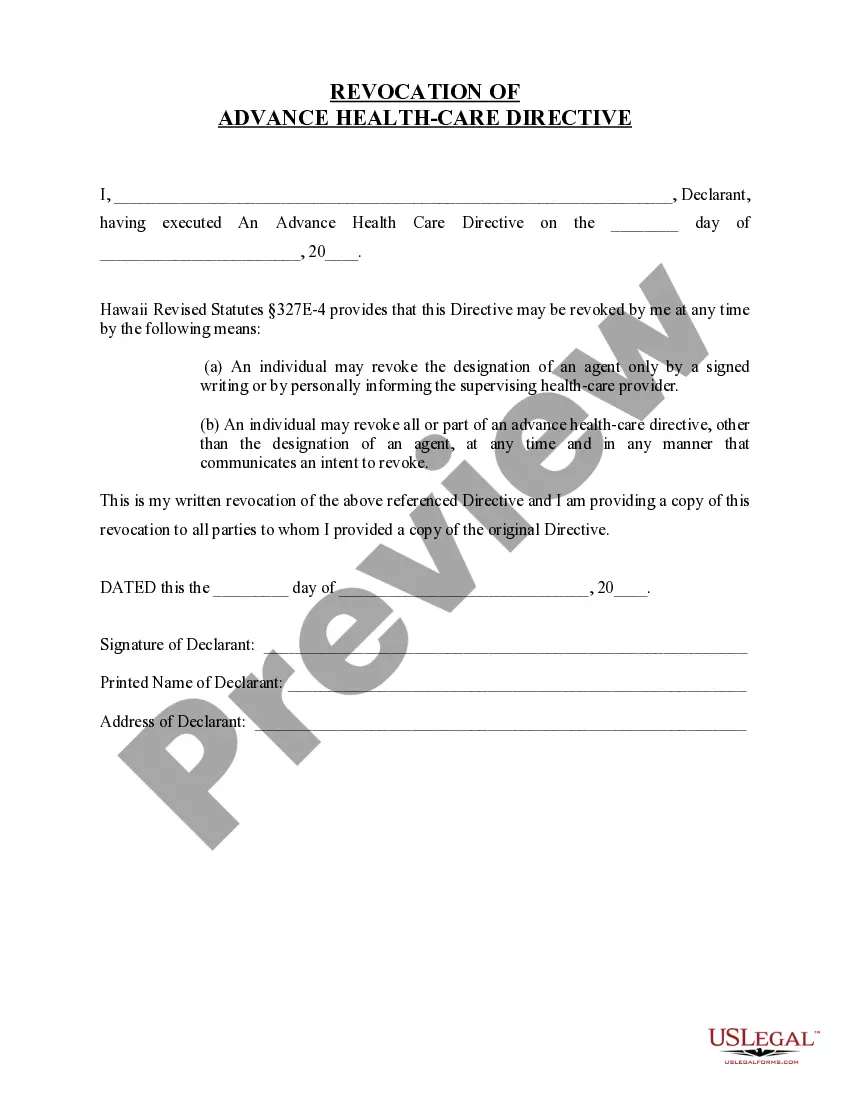
Hawaii's advance directive law allows individuals to create a document outlining their health care preferences. This includes the Hawaii Statutory Advance Health Care Directive Four Parts as Living Will, which enables you to specify your wishes regarding treatment and appoint a health care agent. The law provides guidelines on how to create, modify, and revoke these directives to ensure your medical preferences are respected. Understanding these laws is crucial for effective health care planning.
In Hawaii, an advance directive does not need to be notarized, but it must be signed by you and witnessed by two individuals. These witnesses cannot be your family members or anyone who stands to gain from your estate. This process helps to ensure that your Hawaii Statutory Advance Health Care Directive Four Parts as Living Will is valid and reflective of your true wishes regarding health care decisions. You may also consider legal assistance to navigate these requirements effectively.
An advance directive is not a part of a will. Instead, it serves as a separate legal document that specifies your medical preferences when you cannot communicate them yourself. The Hawaii Statutory Advance Health Care Directive Four Parts as Living Will details these specific wishes, making it distinct from a will which deals with the distribution of assets after death. Therefore, it is important to understand that these two documents serve different purposes in your estate planning.
An advance directive is generally better as it provides a broader framework for your health care decisions. It combines the specificity of a living will with the flexibility of appointing someone to make decisions if needed. Utilizing the Hawaii Statutory Advance Health Care Directive Four Parts as Living Will ensures your preferences are clear, comprehensive, and adaptable to any situation.
The primary difference lies in their scope and flexibility. A living will specifically outlines your wishes regarding medical treatment, while an advance care directive encompasses both a living will and the appointment of a health care agent. The Hawaii Statutory Advance Health Care Directive Four Parts as Living Will combines these aspects for a comprehensive approach to your medical preferences.
The main drawback of a living will is that it may not cover every possible medical situation you could face. Since medical technology and treatments evolve, certain scenarios may arise that your living will does not explicitly address. The Hawaii Statutory Advance Health Care Directive Four Parts as Living Will helps mitigate this issue by allowing flexible decision-making through your appointed agent.
In Hawaii, the advanced health care directive is a legal document that specifies your medical preferences when you cannot express them yourself. This directive includes your wishes regarding life-sustaining treatment and appoints an agent to make health decisions for you. The Hawaii Statutory Advance Health Care Directive Four Parts as Living Will ensures that your choices are clear, promoting peace of mind for you and your loved ones.
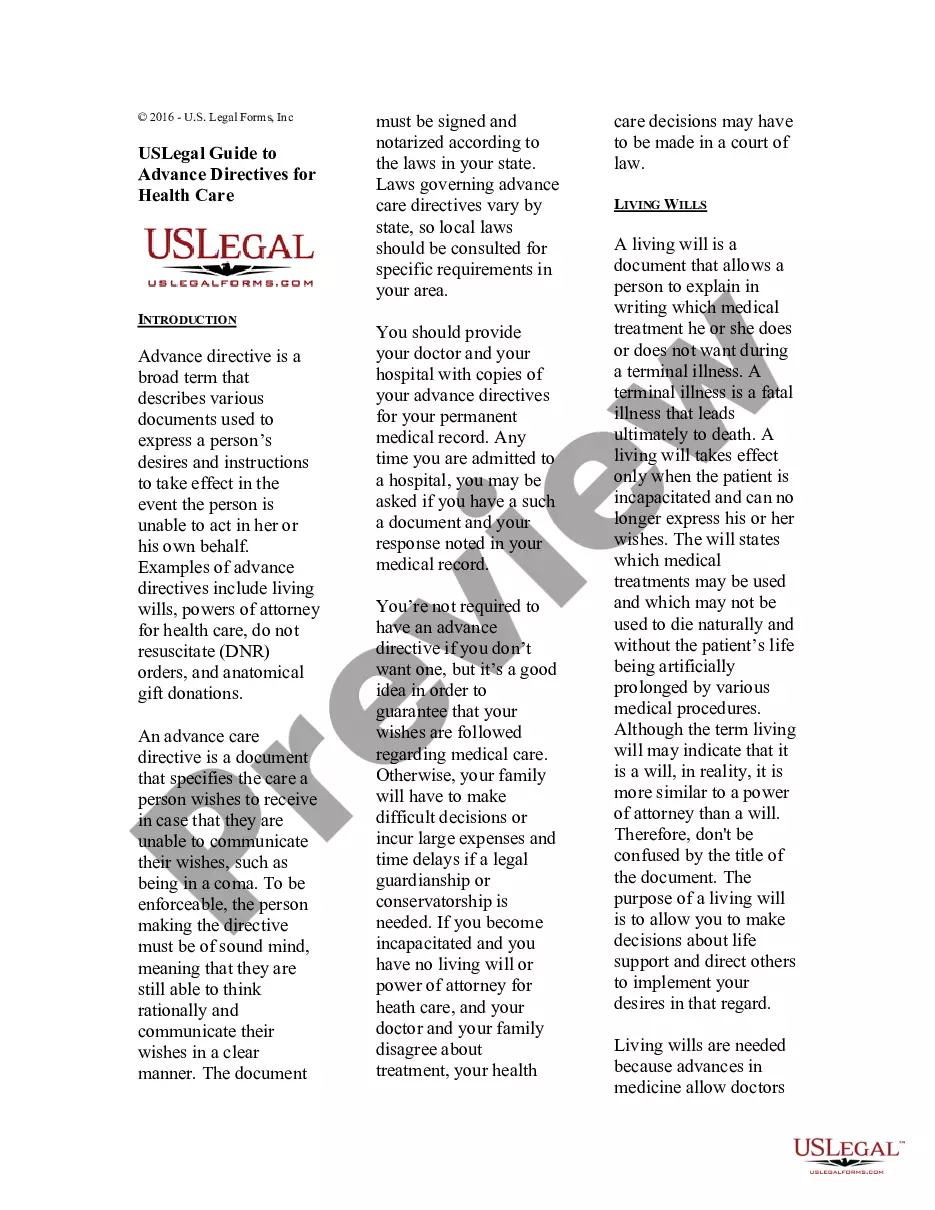
Advanced directives generally include two key documents: a living will and a health care power of attorney. The living will outlines your preferences for medical treatment if you become unable to communicate, while the health care power of attorney designates someone to make decisions on your behalf. In Hawaii, the Hawaii Statutory Advance Health Care Directive Four Parts as Living Will serves as a comprehensive guide to ensuring your wishes are respected.