Georgia Revocation of Anatomical Gift Act Donation
Overview of this form
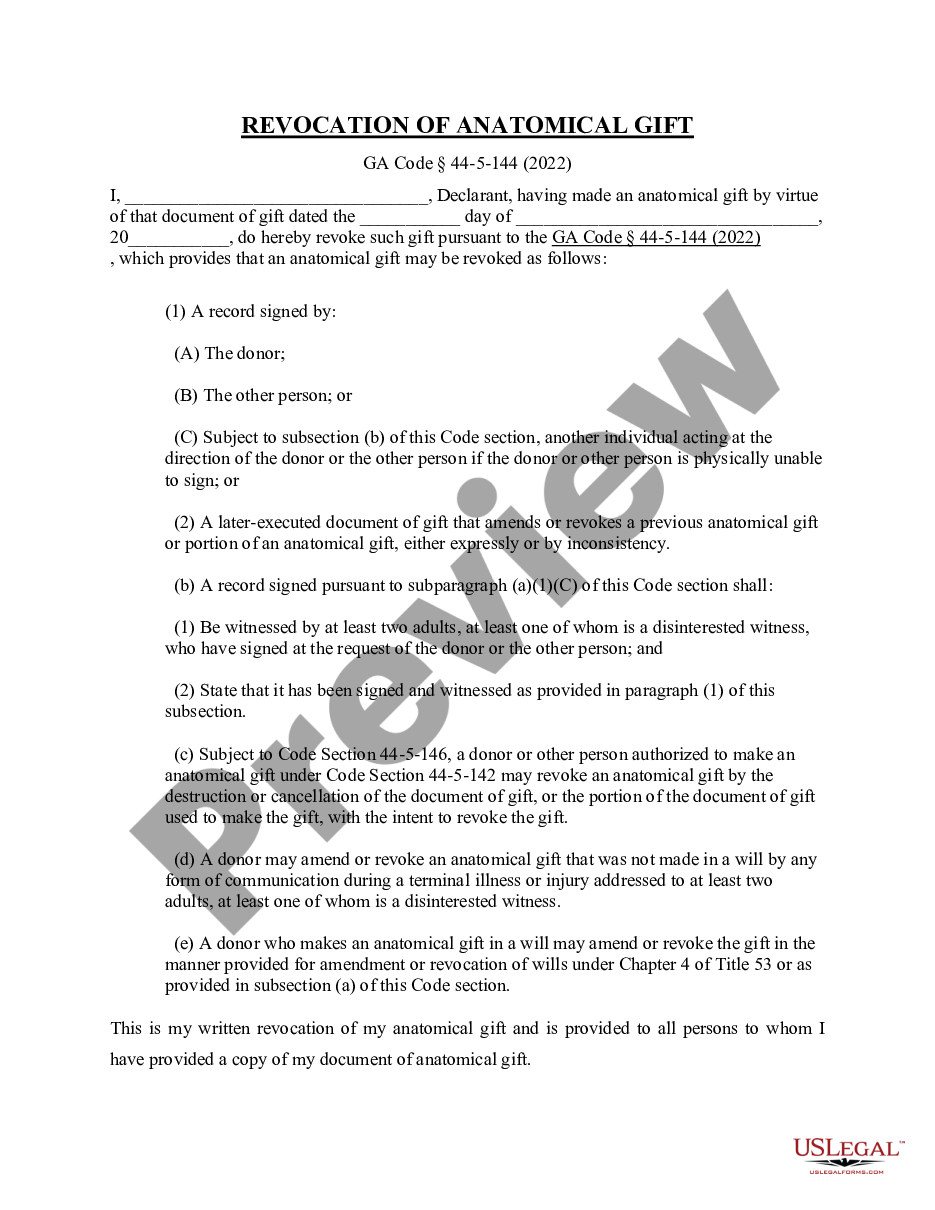
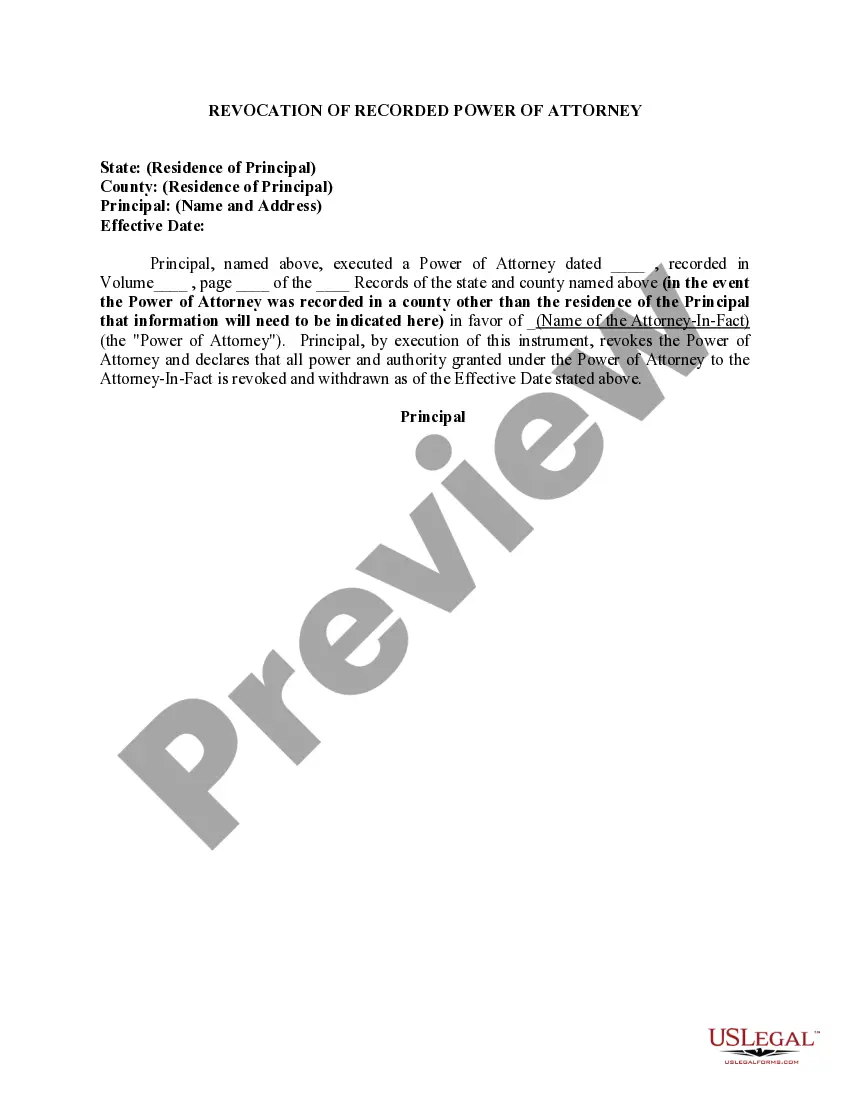
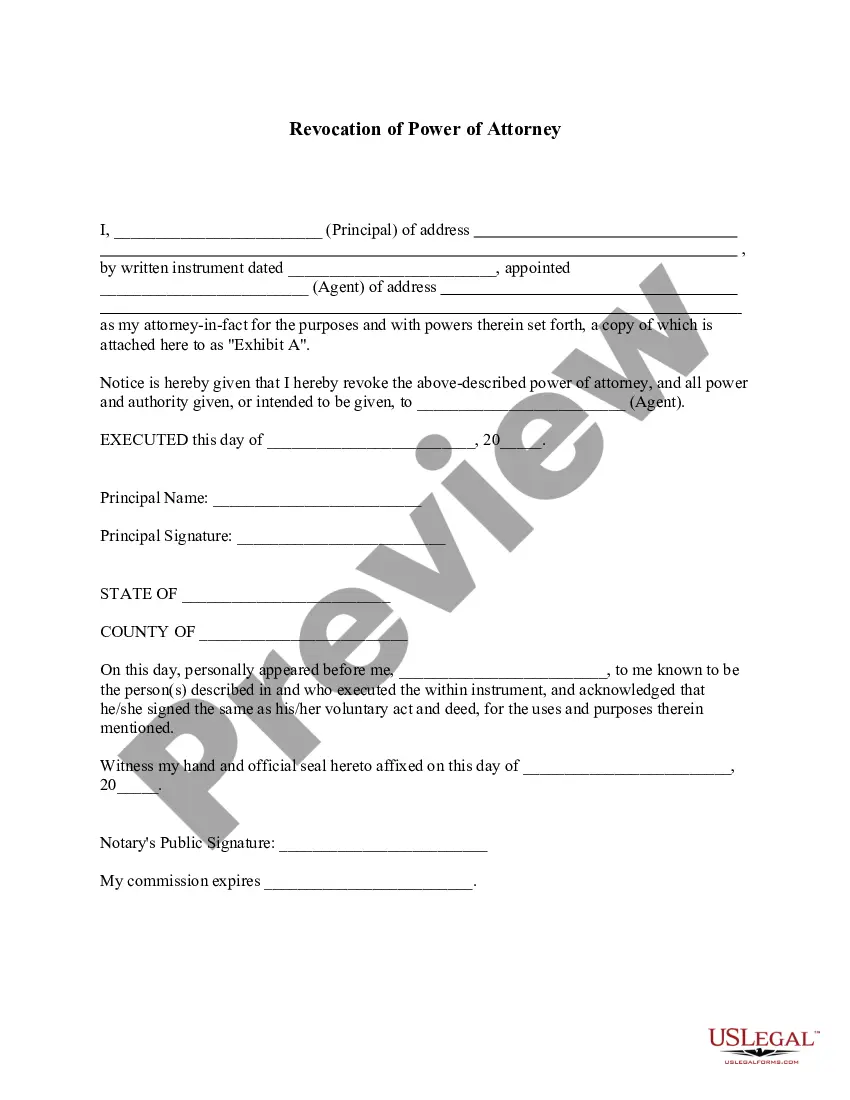
The Revocation of Anatomical Gift Act Donation form allows an individual to revoke a previous anatomical gift of body parts or organs made at the time of death. This form is specifically designed to provide a clear and legal way to cancel or amend any prior decisions regarding organ donation. Unlike other forms related to anatomical gifts, this document focuses solely on revocation, ensuring the donor's wishes are honored.
Key parts of this document
- Declarant's personal information, including name and contact details.
- Date of the original anatomical gift and its specific details.
- Legal clauses outlining how a gift can be revoked under Georgia Code 44-5-144.
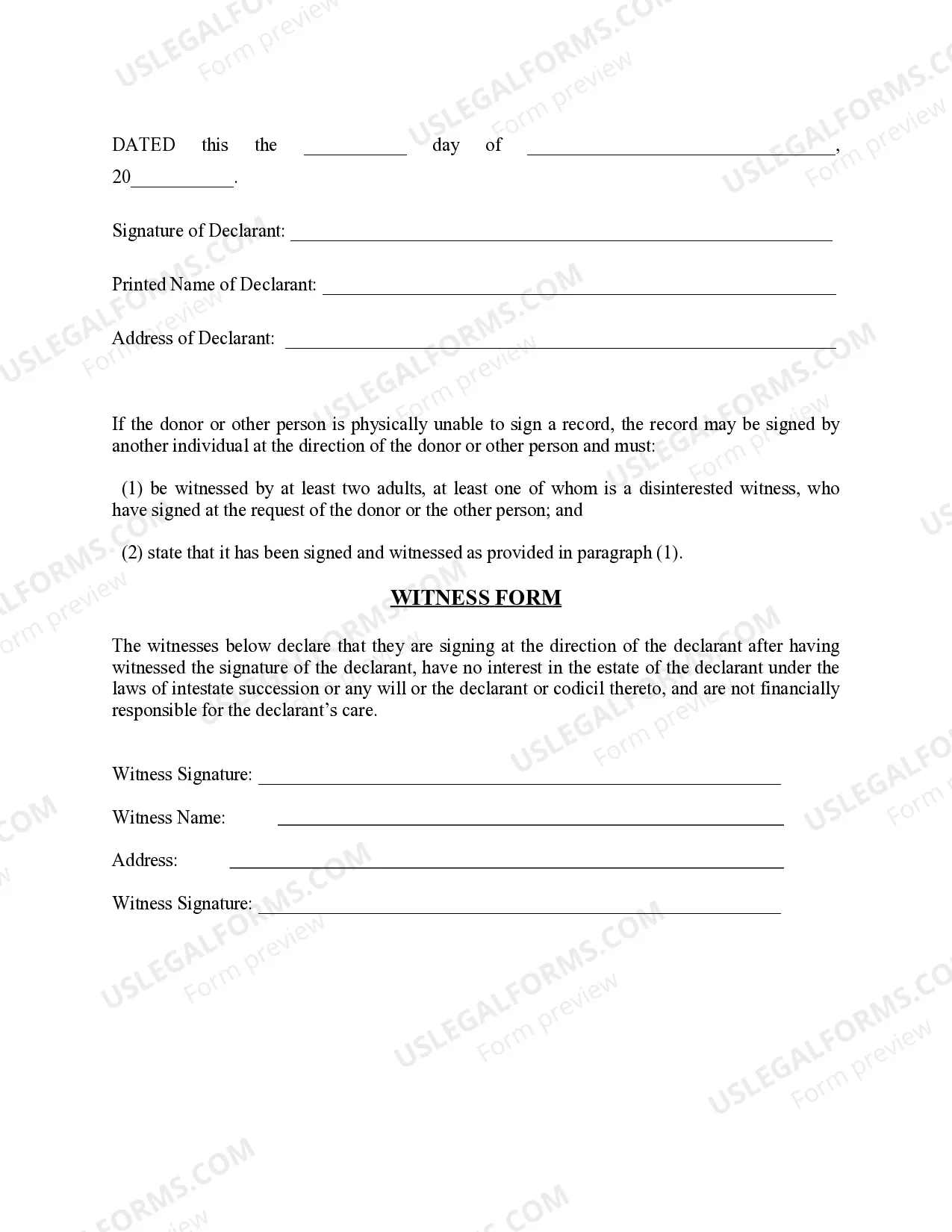
- Signature of the declarant, indicating the intent to revoke the gift.
- Witness signatures to confirm the revocation process was followed properly.
Situations where this form applies
This form should be used when a donor has previously designated their body parts or organs for donation and wants to revoke that decision. Common scenarios include changes in personal circumstances, such as medical conditions, changes in beliefs, or after a change in relationships with previously intended beneficiaries. If you wish to clarify or revoke your anatomical intentions, this form is the appropriate document to use.
Who can use this document
- Individuals who have made an anatomical gift and wish to revoke it.
- Persons experiencing changes in health or personal circumstances that prompt a reconsideration of their anatomical gift.
- Any individual who has previously executed a similar document and now needs to legally amend their wishes.
Completing this form step by step
- Enter your name and contact information in the designated fields.
- Provide the date and details of the original anatomical gift included in the revocation.
- Sign the form in the presence of two adult witnesses.
- Ensure that witness signatures are obtained, confirming they have no interest in your estate.
- Distribute copies of the completed revocation to all relevant parties, including the previously designated donee.
Notarization requirements for this form
This form does not typically require notarization to be legally valid. However, some jurisdictions or document types may still require it. US Legal Forms provides secure online notarization powered by Notarize, available 24/7 for added convenience.
Get your form ready online
Our built-in tools help you complete, sign, share, and store your documents in one place.
Make edits, fill in missing information, and update formatting in US Legal Forms—just like you would in MS Word.
Download a copy, print it, send it by email, or mail it via USPS—whatever works best for your next step.
Sign and collect signatures with our SignNow integration. Send to multiple recipients, set reminders, and more. Go Premium to unlock E-Sign.
If this form requires notarization, complete it online through a secure video call—no need to meet a notary in person or wait for an appointment.
We protect your documents and personal data by following strict security and privacy standards.

Make edits, fill in missing information, and update formatting in US Legal Forms—just like you would in MS Word.

Download a copy, print it, send it by email, or mail it via USPS—whatever works best for your next step.

Sign and collect signatures with our SignNow integration. Send to multiple recipients, set reminders, and more. Go Premium to unlock E-Sign.

If this form requires notarization, complete it online through a secure video call—no need to meet a notary in person or wait for an appointment.

We protect your documents and personal data by following strict security and privacy standards.
Avoid these common issues
- Failing to have two witnesses sign the document, which is a requirement for revocation.
- Not providing clear details about the original gift, leading to confusion.
- Not distributing copies to the donee or keeping them informed of the revocation.
Why complete this form online
- Convenient access, allowing you to complete the form from the comfort of your home.
- Editability to ensure accurate and tailored information for your situation.
- Reliability, as the forms are drafted by licensed attorneys, ensuring legal compliance.
Summary of main points
- The Revocation of Anatomical Gift Act Donation form is essential for revoking previous anatomical gifts.
- This legal document requires clear identification of the original gift and must be signed by the donor and witnesses.
- Always distribute copies of the revocation to ensure all parties are informed of your decision.
Looking for another form?


Form popularity
FAQ
Legal documents that apply to anatomical gifts include donor cards, wills, or advance directives. Each of these documents can outline a person's intentions regarding organ donation. In Georgia, it is beneficial to consult uslegalforms for creating these documents to ensure your wishes regarding the Revocation of Anatomical Gift Act Donation are legally recognized.
A durable power of attorney for healthcare could specify preferences for organ donation. This document empowers a person to make healthcare decisions on behalf of the donor, including decisions related to anatomical gifts. Additionally, the Georgia Revocation of Anatomical Gift Act Donation allows these preferences to be documented clearly to avoid any confusion.
The legal document that applies to anatomical gifts is typically a signed donor card or a written declaration outlining one's wishes. This document is crucial in ensuring that healthcare providers honor the donor's intent after death. Individuals interested in making anatomical donations should consider using resources like uslegalforms to create valid and enforceable donation documents.
The most important clause allows individuals to make anatomical gifts without coercion and provides guidelines for how these gifts can be accepted. This clause supports the autonomy of the donor while ensuring that their wishes regarding organ donation are honored. The Georgia Revocation of Anatomical Gift Act Donation builds on this principle by allowing donors to retract their choices under designated conditions.
Yes, organ donors can amend or revoke their gifts under the Georgia Revocation of Anatomical Gift Act Donation. It is important for donors to understand that they have the right to change their decision at any time. They should follow the appropriate legal processes to ensure their wishes are accurately reflected.
The Universal Anatomical Gift Act establishes a legal framework for donating organs and tissues after death. This act allows individuals to voluntarily give their bodies or parts for medical research or transplantation. In Georgia, the Revocation of Anatomical Gift Act Donation complements this by outlining how donations can be modified or rescinded.
Gift law in Georgia covers the legal aspects of giving and receiving gifts, including stipulations for both tangible and intangible items. Under the Georgia Revocation of Anatomical Gift Act Donation, specific rules apply to anatomical gifts, emphasizing the importance of intentions behind such donations. For those seeking clarity on these laws, US Legal Forms can provide essential documents and resources to guide you through the process effectively.
A gift legally becomes the property of the recipient once it is given and accepted without conditions. This principle holds true even in the realm of anatomical gifts as defined by the Georgia Revocation of Anatomical Gift Act Donation. Therefore, understanding the legal ownership of gifts is crucial, especially when it comes to personal wishes and intentions regarding anatomical donations.
In Georgia, the federal gift tax applies to gifts exceeding a certain amount per recipient in a given year. The annual exclusion limit prevents small gifts from being taxed, which can benefit many individuals making gifts. For those involved in anatomical gifts under the Georgia Revocation of Anatomical Gift Act Donation, being aware of the tax implications can help simplify financial planning.
Generally, once a gift is given and accepted, it cannot be reclaimed unless there are specific conditions outlined, such as a promise from the recipient to return the gift. In the context of the Georgia Revocation of Anatomical Gift Act Donation, once an anatomical gift is made, revocation must follow legal procedures, ensuring that the donor's wishes are respected. Understanding these conditions is essential for protecting your intentions.