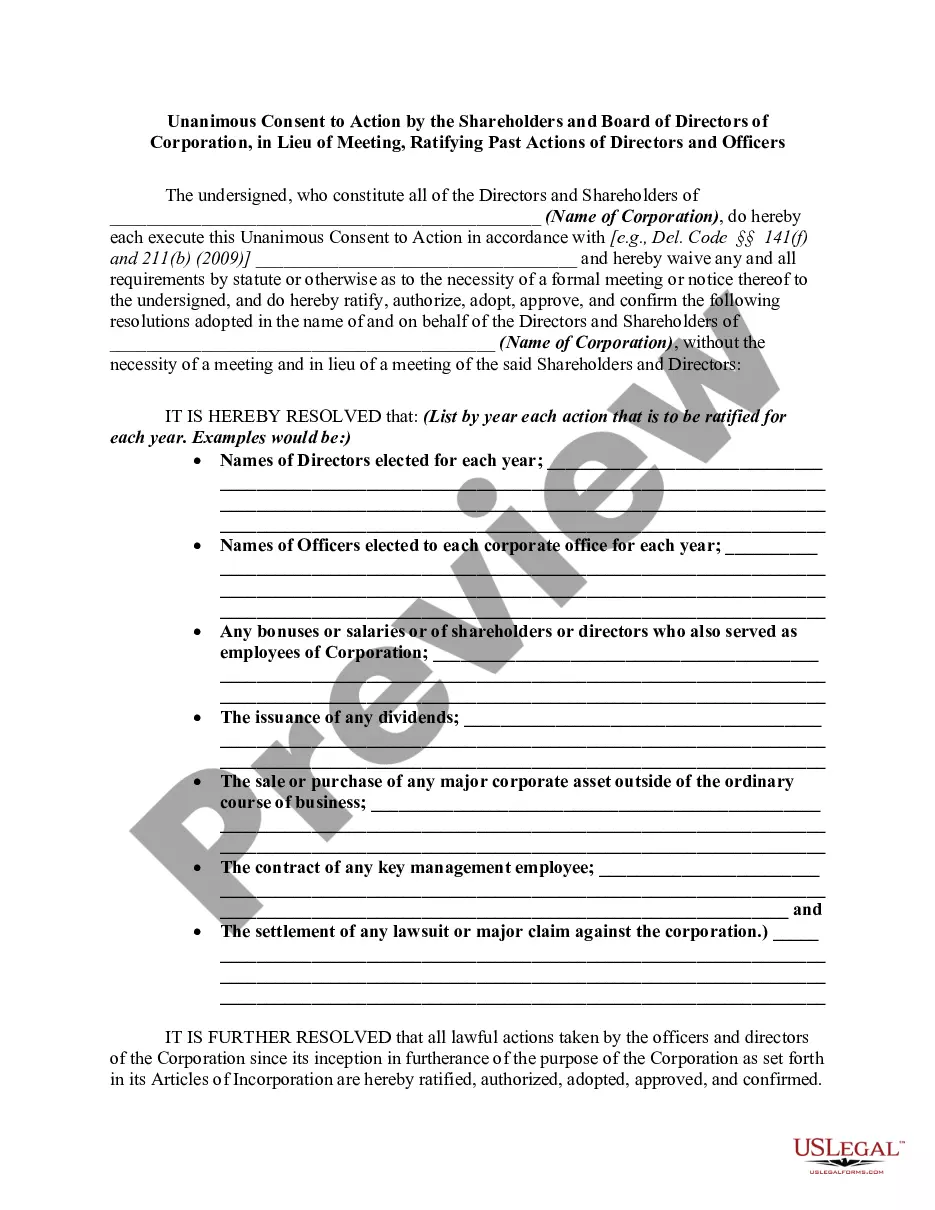
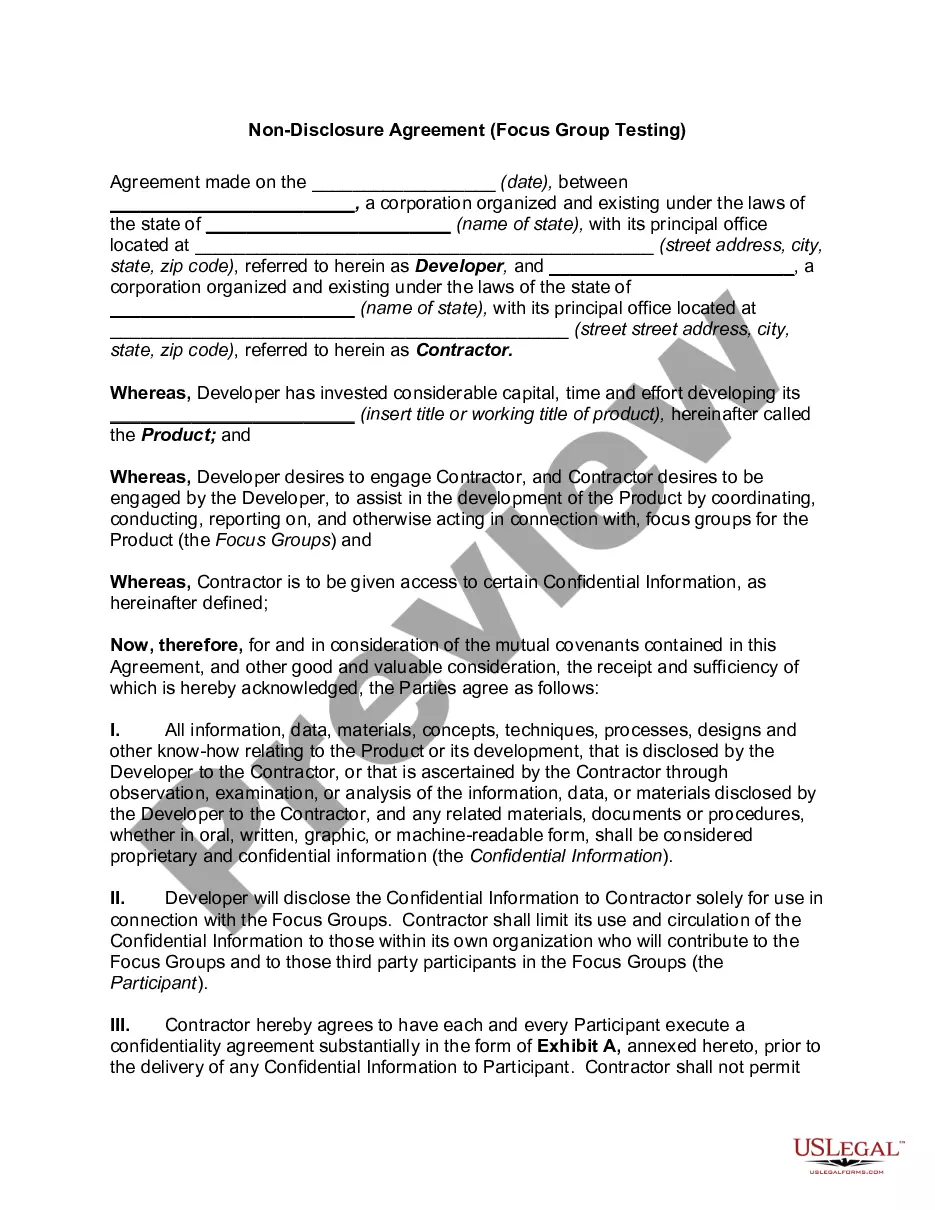
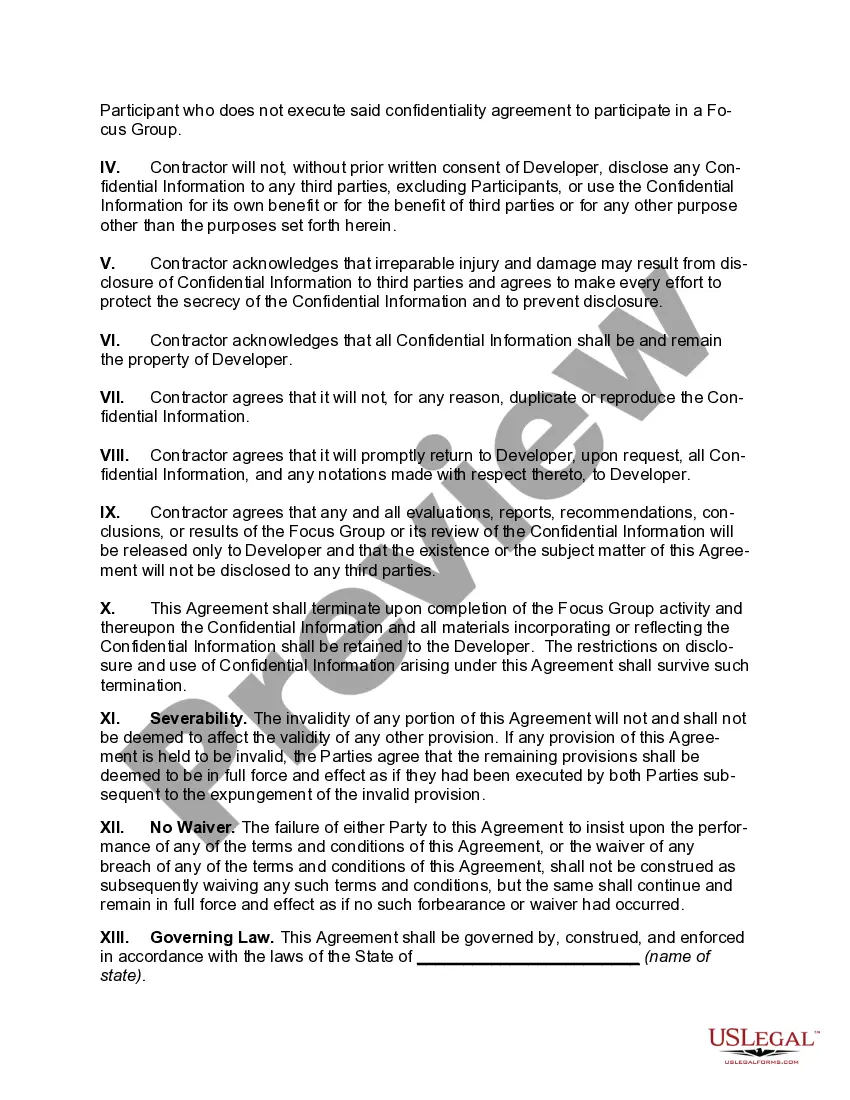
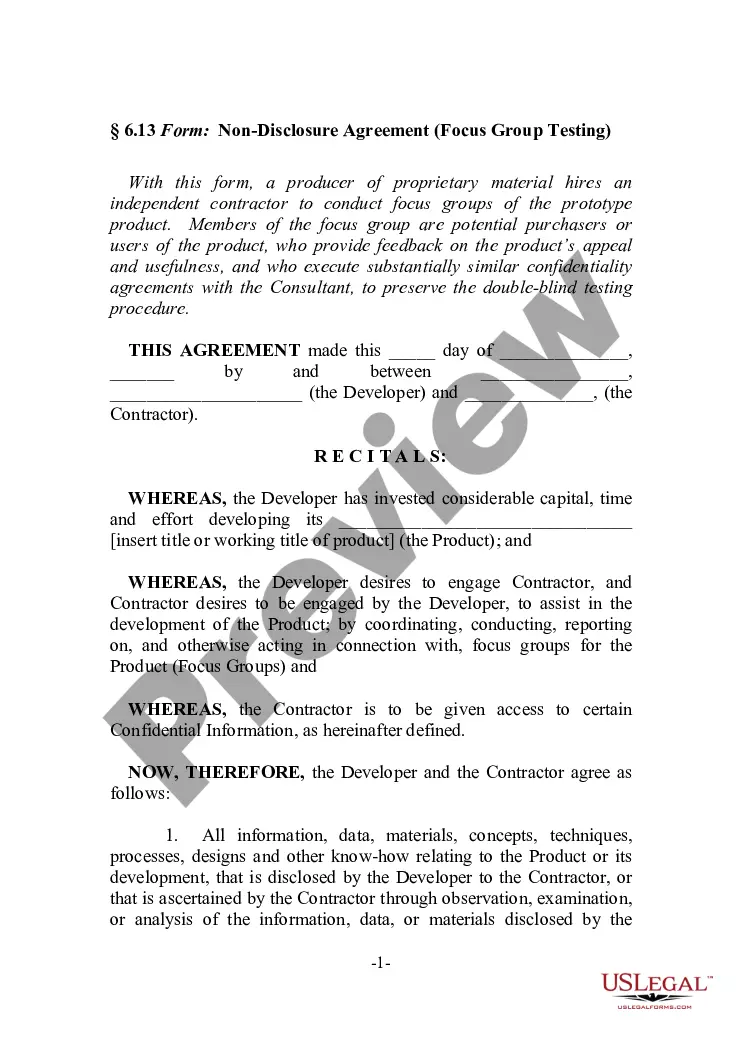
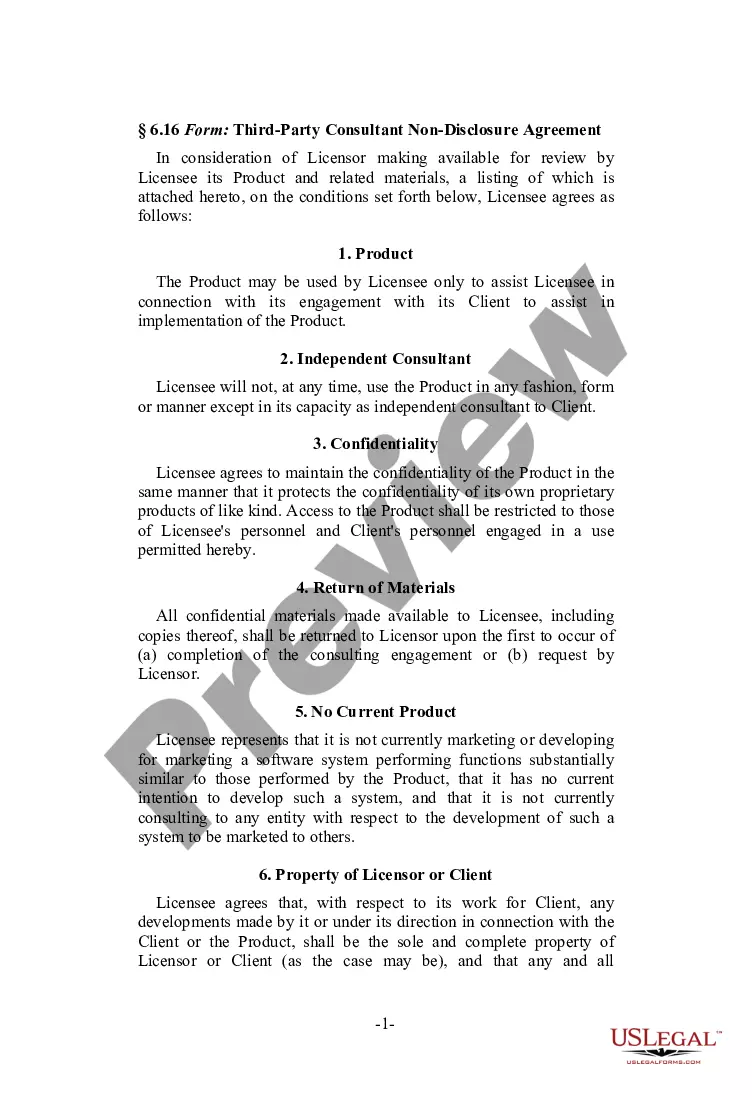
Wyoming Nondisclosure Agreement - Focus Group Testing
Description
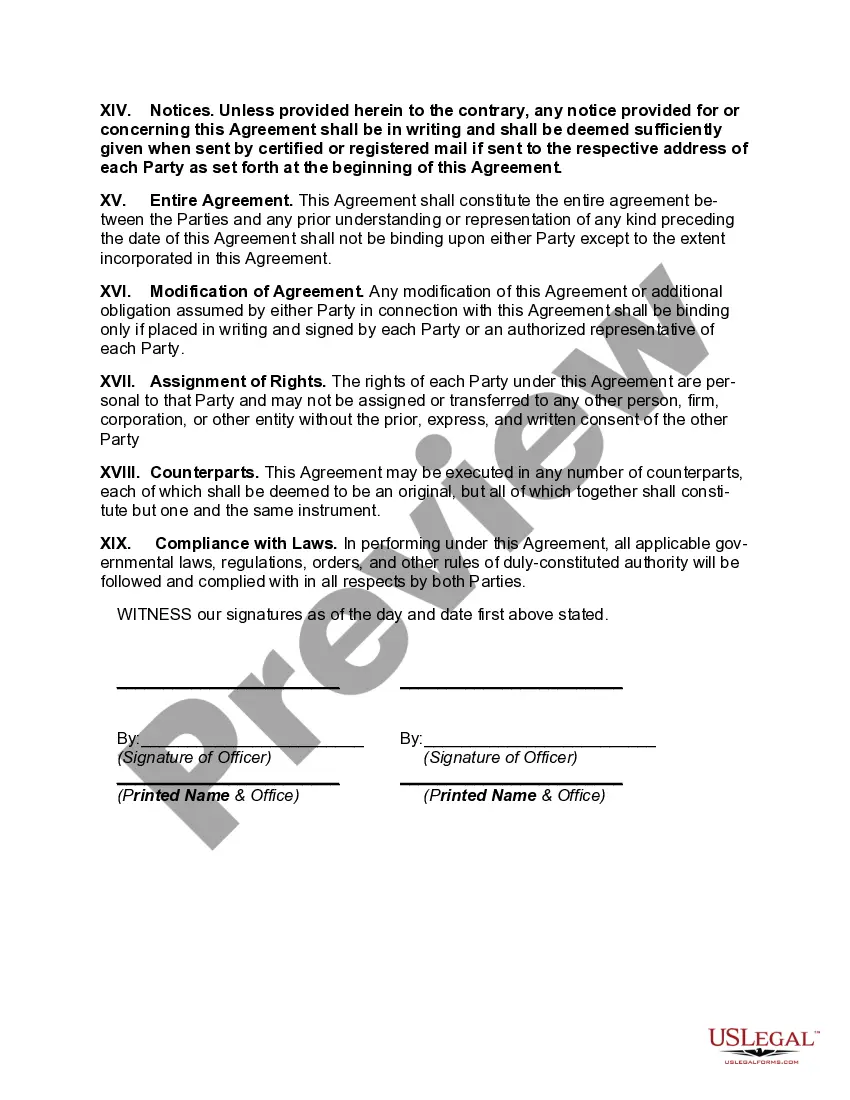
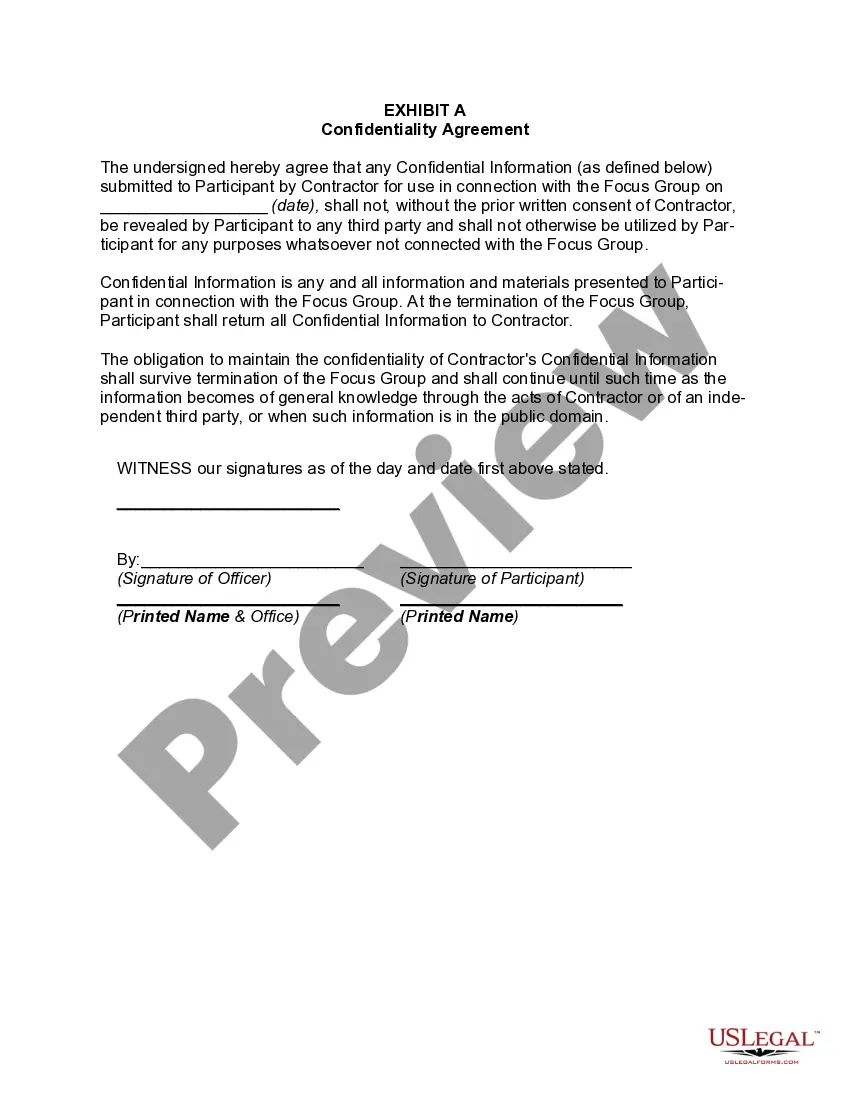
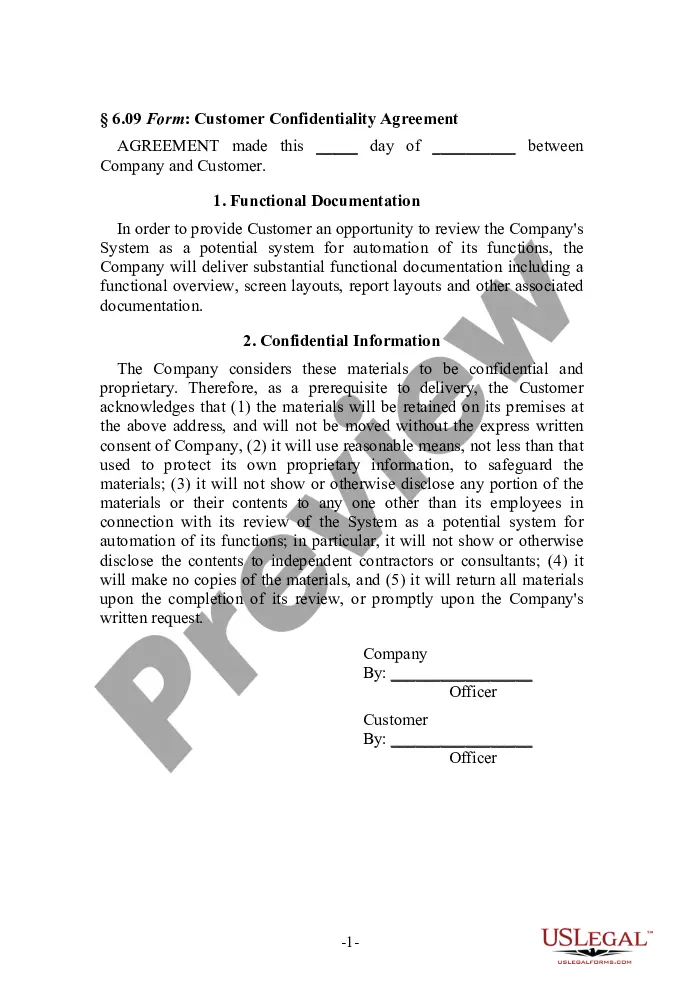
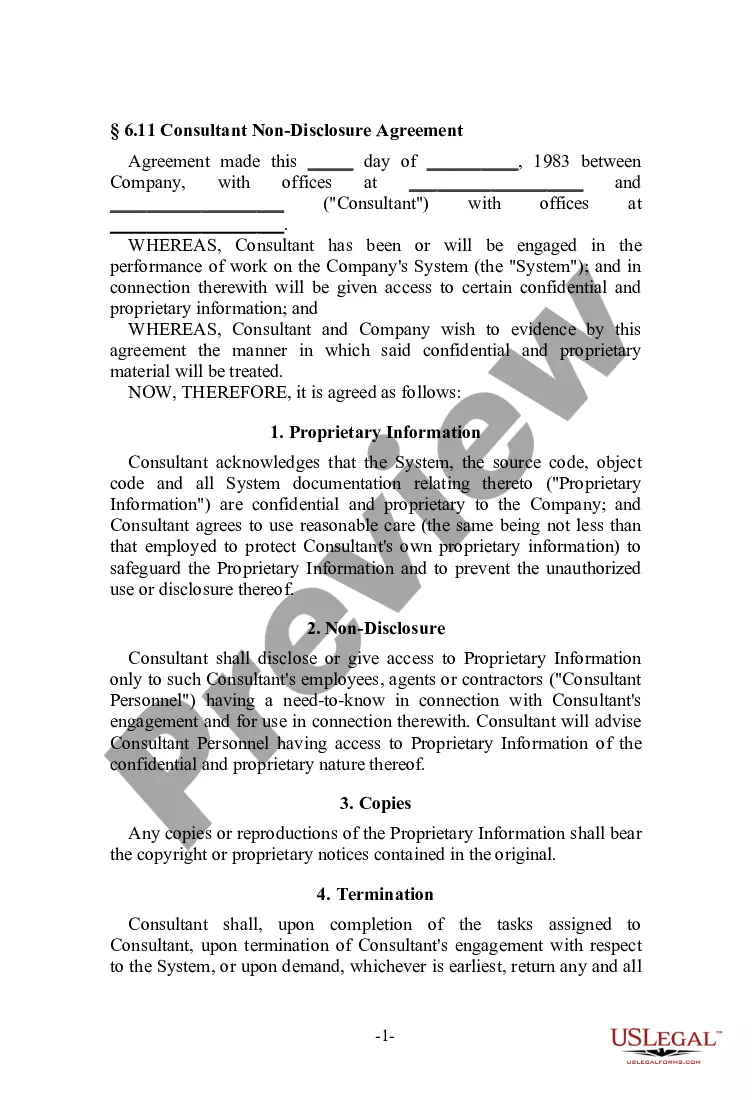
Get your form ready online
Our built-in tools help you complete, sign, share, and store your documents in one place.
Make edits, fill in missing information, and update formatting in US Legal Forms—just like you would in MS Word.
Download a copy, print it, send it by email, or mail it via USPS—whatever works best for your next step.
Sign and collect signatures with our SignNow integration. Send to multiple recipients, set reminders, and more. Go Premium to unlock E-Sign.
If this form requires notarization, complete it online through a secure video call—no need to meet a notary in person or wait for an appointment.
We protect your documents and personal data by following strict security and privacy standards.

Make edits, fill in missing information, and update formatting in US Legal Forms—just like you would in MS Word.

Download a copy, print it, send it by email, or mail it via USPS—whatever works best for your next step.

Sign and collect signatures with our SignNow integration. Send to multiple recipients, set reminders, and more. Go Premium to unlock E-Sign.

If this form requires notarization, complete it online through a secure video call—no need to meet a notary in person or wait for an appointment.

We protect your documents and personal data by following strict security and privacy standards.
Looking for another form?


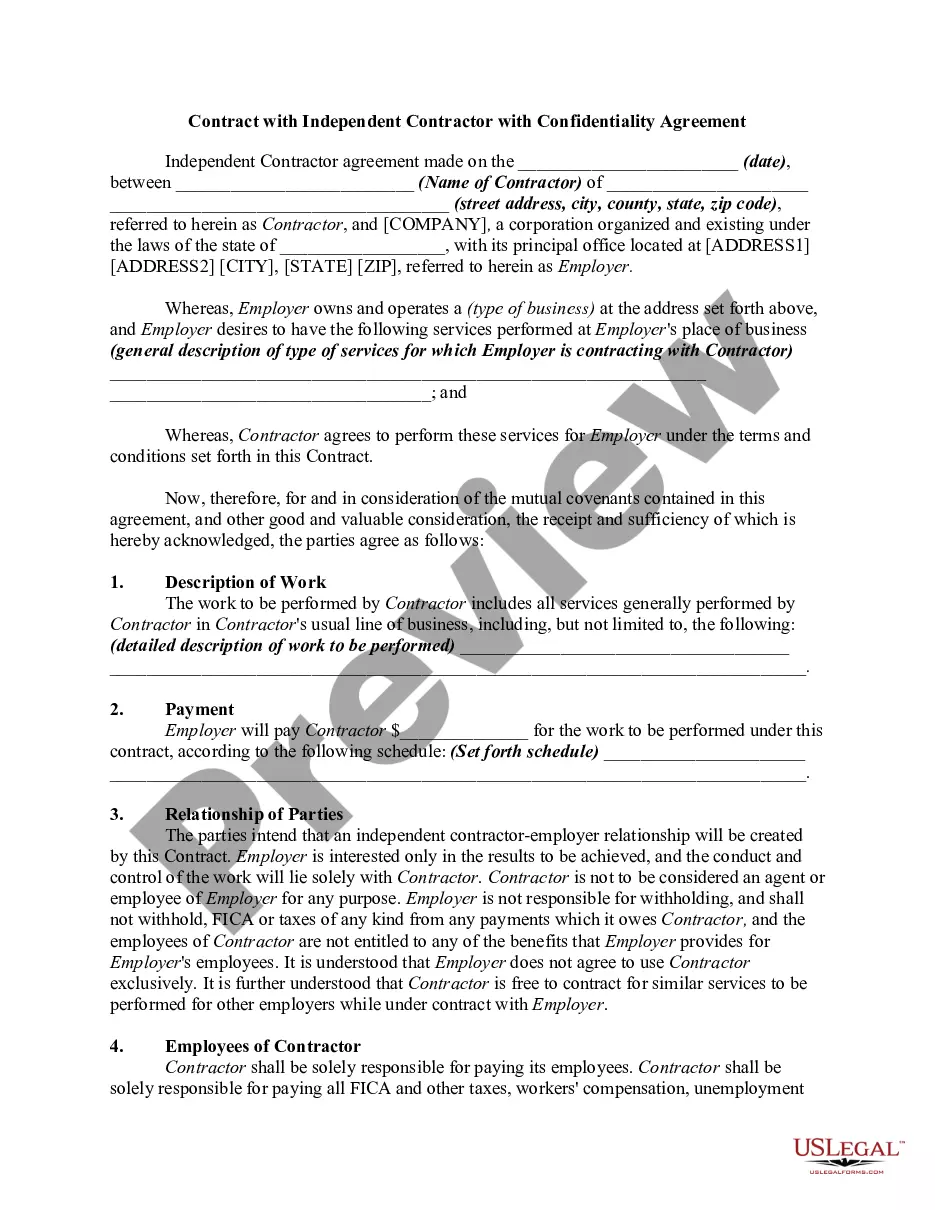

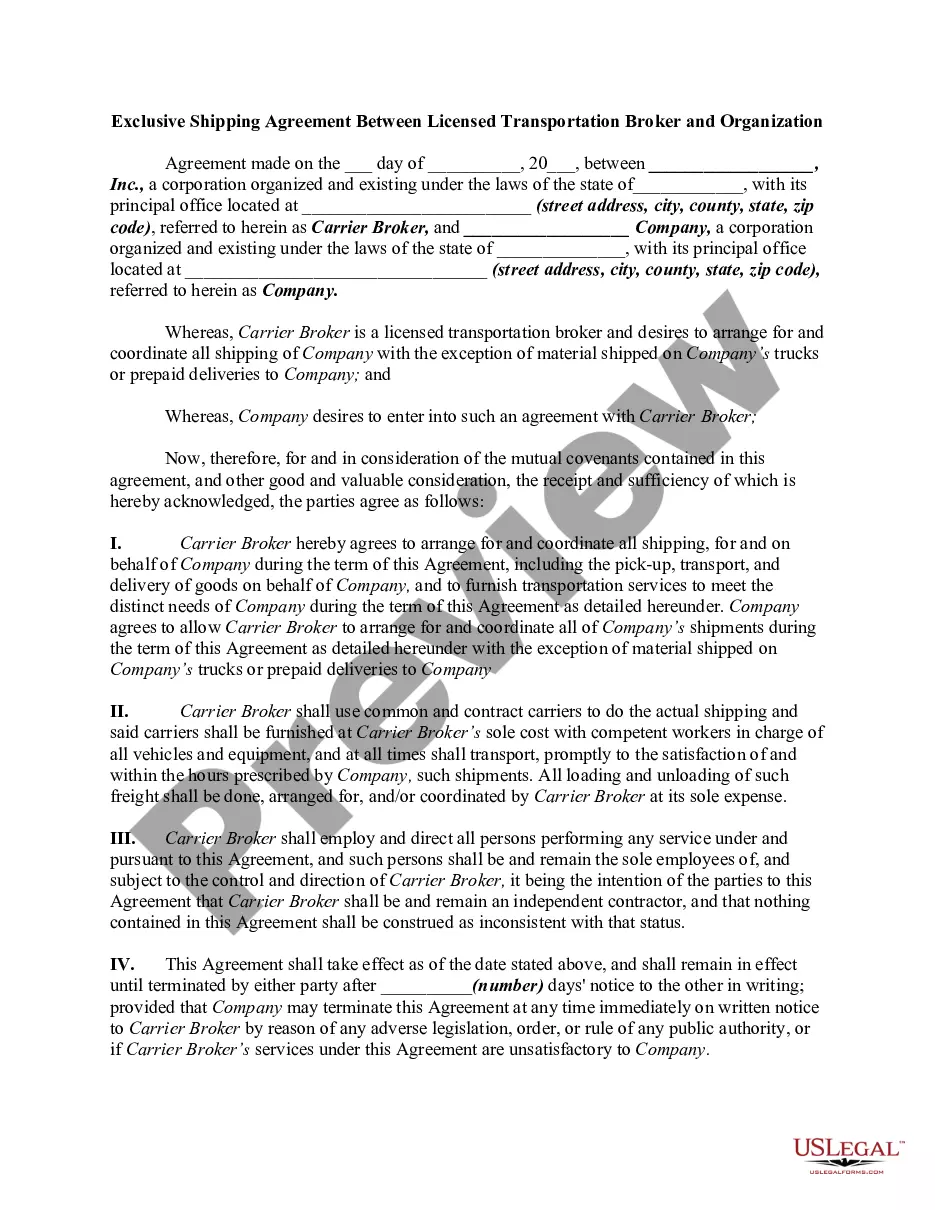


How to fill out Nondisclosure Agreement - Focus Group Testing?
Are you presently in a role where you frequently require documents for various business or particular activities each day.
There are numerous legitimate document templates available online, but finding forms you can trust isn’t easy.
US Legal Forms provides thousands of form templates, including the Wyoming Nondisclosure Agreement - Focus Group Testing, which are created to meet state and federal regulations.
Once you find the right form, click Purchase now.
Choose the pricing plan you desire, fill in the required details to create your account, and pay for the order using your PayPal or Visa or Mastercard.
- If you are already familiar with the US Legal Forms website and possess an account, simply Log In.
- After that, you can download the Wyoming Nondisclosure Agreement - Focus Group Testing template.
- If you do not have an account and want to start using US Legal Forms, follow these steps.
- Locate the form you need and confirm it is suitable for your city/state.
- Utilize the Review button to examine the form.
- Check the description to ensure you have selected the correct form.
- If the form is not what you're seeking, use the Research field to find the form that fits your needs and specifications.
Form popularity
FAQ
In a unilateral NDA, only one party agrees to keep the other party's confidential information private. However, in a bilateral NDA, both parties agree to keep the other's confidential information private.
How to Write a Non-Disclosure AgreementStep 1 - Describe the scope. Which information is considered confidential?Step 2 - Detail party obligations. What should the party that receives the information do to keep it confidential?Step 3 - Note potential exclusions.Step 4 - Set the term.Step 5 - Spell out consequences.
How to write a confidentiality statement?Use a standard format for contracts.Decide what type of confidentiality statement you should use.Identify the involved parties in the agreement.Define the information to keep confidential.List the information excluded from the agreement.
The Key Elements of Non-Disclosure AgreementsIdentification of the parties.Definition of what is deemed to be confidential.The scope of the confidentiality obligation by the receiving party.The exclusions from confidential treatment.The term of the agreement.
Depending on your needs, you can choose from three types of NDAs: unilateral, bilateral, and unilateral. Unilateral NDAs only require one party to disclose confidential information, while bilateral NDAs require two parties to disclose private information.
The Mutual Non-Disclosure Agreement or «2-Way NDAA» is an agreement between two (2) parties in which both parties intend to share proprietary and confidential information with the other and both are interested in limiting disclosure to both parties.
To create a Non-Disclosure Agreement, include the following information:The parties' names and contact information.The length of the non-disclosure period.The scope and definition of the confidential information.The obligations of the Non-Disclosure Agreement.The ownership and return information.
A unilateral NDA (sometimes referred to as a one-way NDA) involves two parties where only one party (i.e., the disclosing party) anticipates disclosing certain information to the other party (i.e., the receiving party) and requires that the information be protected from further disclosure for some reason (e.g.,
How To Write a Non-Disclosure Agreement on Your Own. If you don't want to waste money on a lawyer, you could try to write an NDA yourself. Bear in mind that such an endeavor is super challenging as the contract includes many important clauses that shouldn't be overlooked: Disclosing and Receiving Parties.
A unilateral NDA means only one party is agreeing to protect the other party's confidential information; while a mutual NDA means both parties are agreeing to do so.