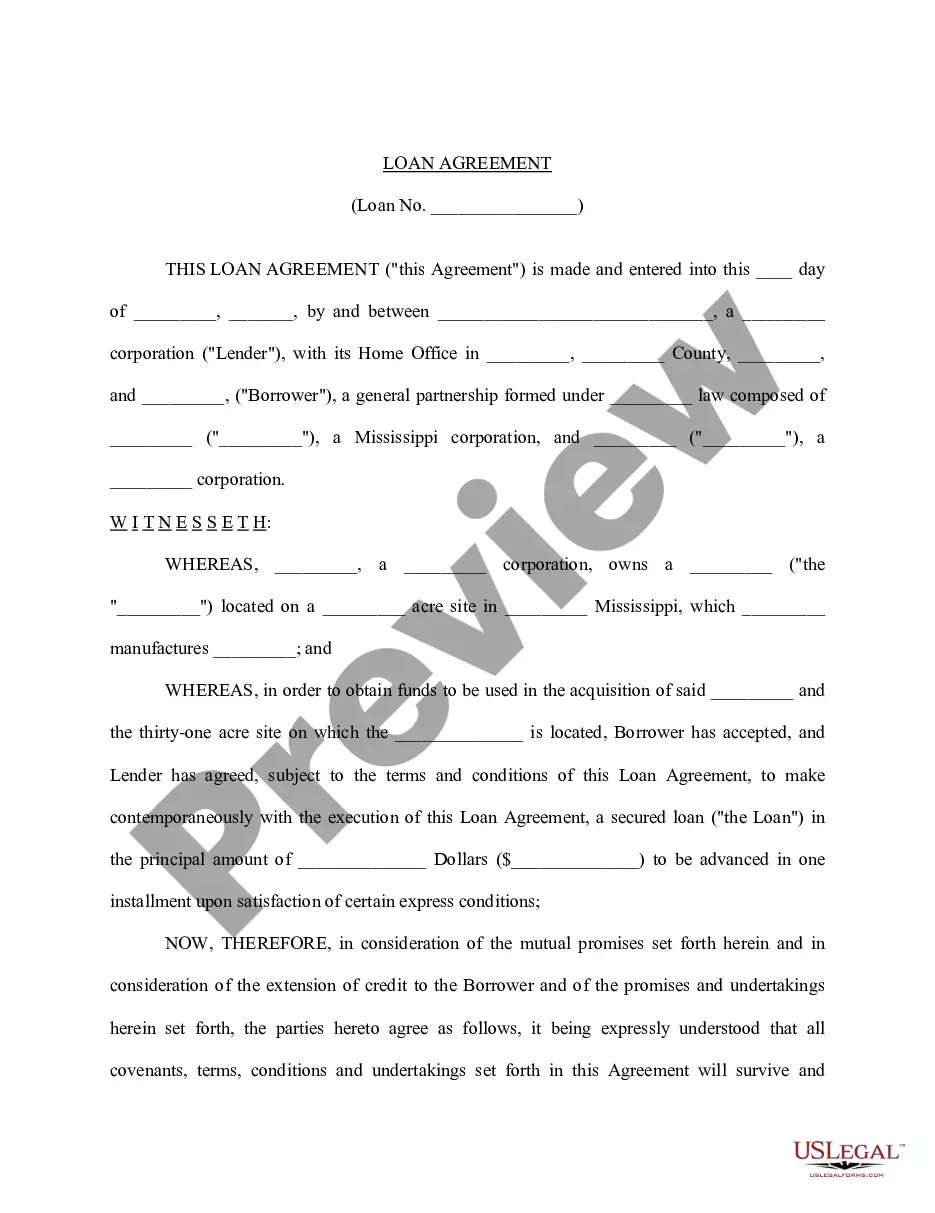
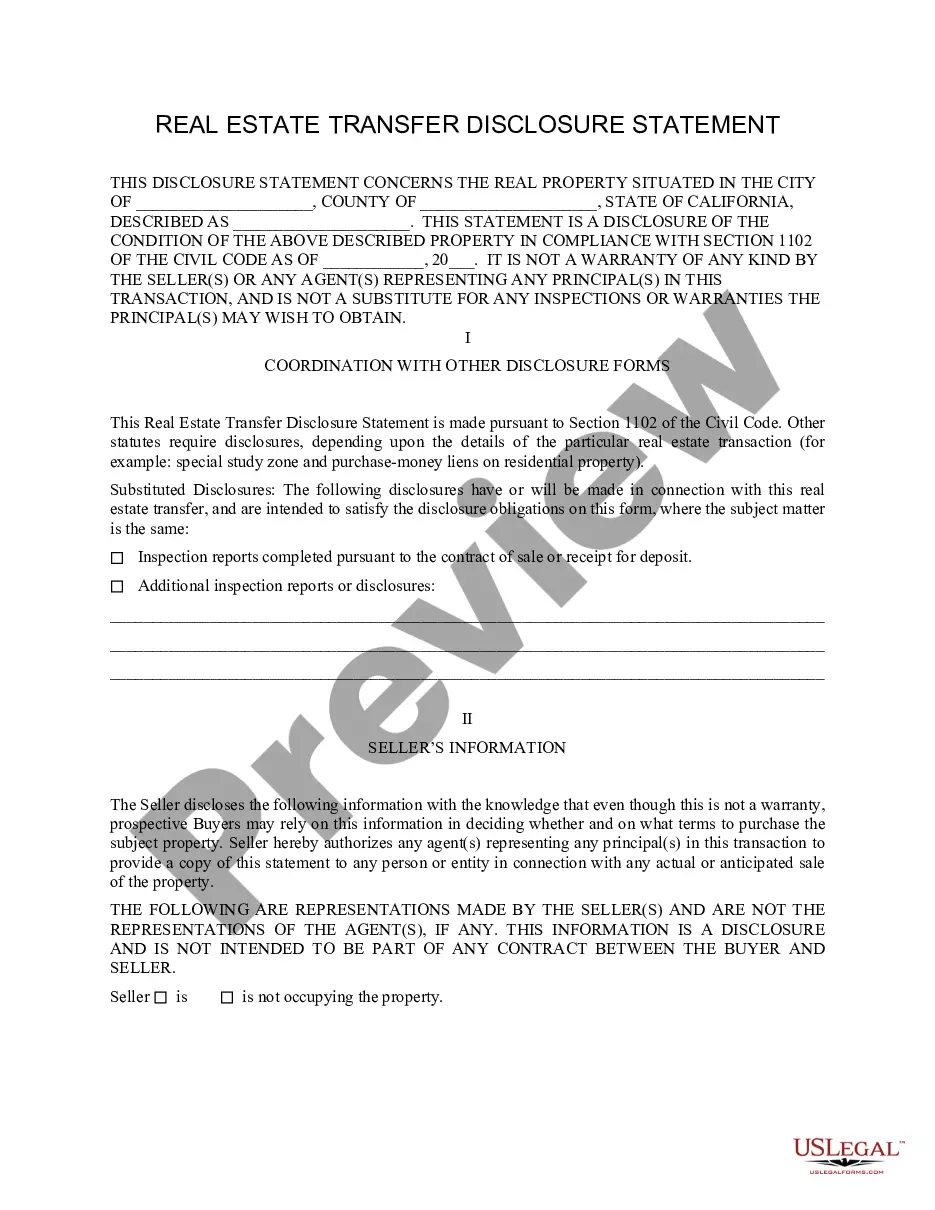
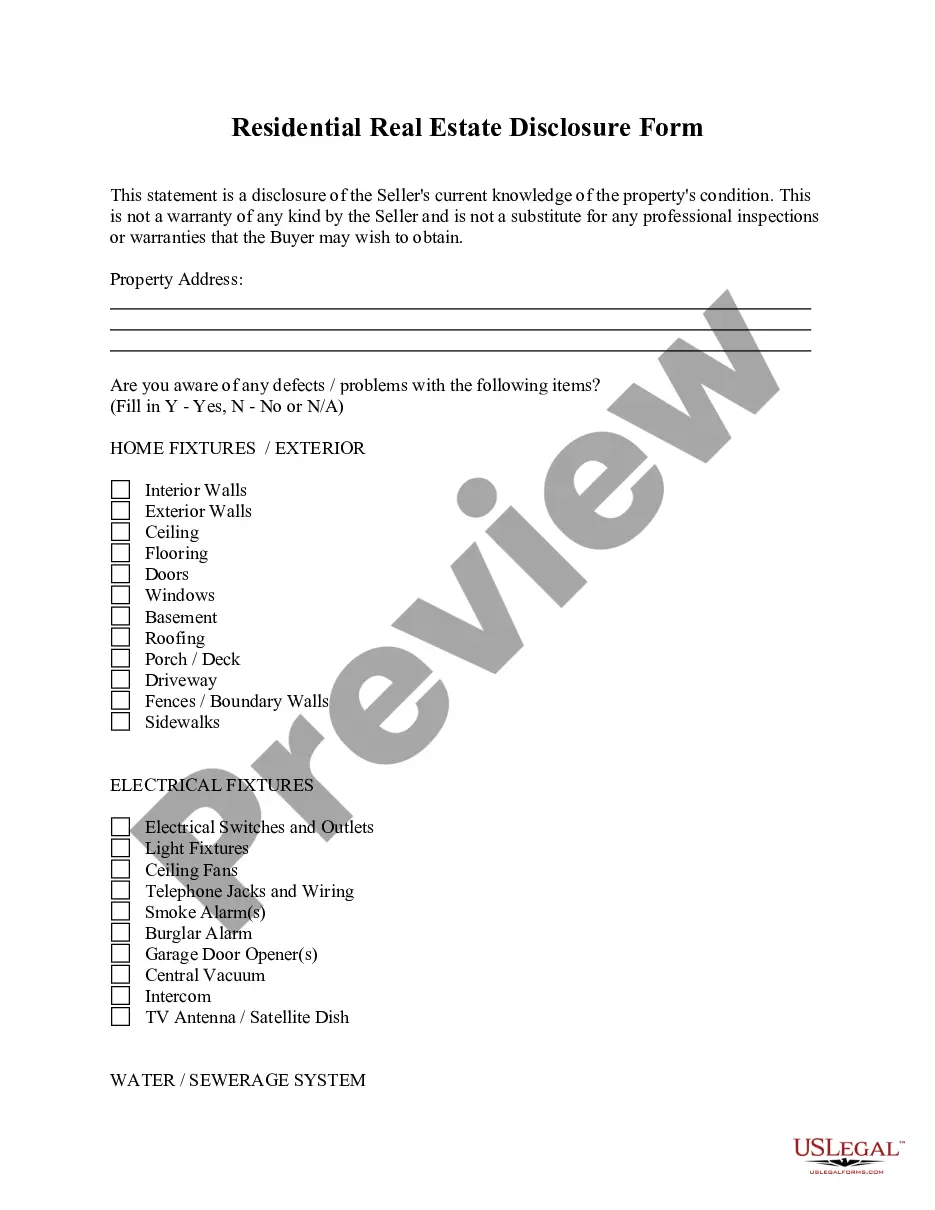
This form is a Seller's Disclosure Statement. This disclosure statement concerns the condition of property described in the document. The seller acknowledges that the information contained in the form is true and accurate.
Wyoming Seller's Real Estate Disclosure Statement
487 downloads
Description
Free preview
Get your form ready online
Our built-in tools help you complete, sign, share, and store your documents in one place.
Built-in online Word editor
Make edits, fill in missing information, and update formatting in US Legal Forms—just like you would in MS Word.
Export easily
Download a copy, print it, send it by email, or mail it via USPS—whatever works best for your next step.
E-sign your document
Sign and collect signatures with our SignNow integration. Send to multiple recipients, set reminders, and more. Go Premium to unlock E-Sign.
Notarize online 24/7
If this form requires notarization, complete it online through a secure video call—no need to meet a notary in person or wait for an appointment.
Store your document securely
We protect your documents and personal data by following strict security and privacy standards.

Make edits, fill in missing information, and update formatting in US Legal Forms—just like you would in MS Word.

Download a copy, print it, send it by email, or mail it via USPS—whatever works best for your next step.

Sign and collect signatures with our SignNow integration. Send to multiple recipients, set reminders, and more. Go Premium to unlock E-Sign.

If this form requires notarization, complete it online through a secure video call—no need to meet a notary in person or wait for an appointment.

We protect your documents and personal data by following strict security and privacy standards.
Looking for another form?
How to fill out Seller's Real Estate Disclosure Statement?
If you wish to finalize, download, or print authentic document templates, utilize US Legal Forms, the largest assortment of legitimate forms available on the internet.
Take advantage of the site's straightforward and user-friendly search tool to find the documents you need.
Various templates for business and personal purposes are categorized by types and states, or keywords.
Step 4. Once you have located the form you need, click the Get now button. Select the pricing plan you prefer and enter your credentials to sign up for an account.
Step 5. Complete the transaction. You can use your credit card or PayPal account to finalize the payment.
- Use US Legal Forms to access the Wyoming Seller's Real Estate Disclosure Statement in just a few clicks.
- If you are already a US Legal Forms user, Log In to your account and select the Download button to obtain the Wyoming Seller's Real Estate Disclosure Statement.
- You can also access forms you have previously downloaded from the My documents section of your account.
- If you are using US Legal Forms for the first time, follow the instructions below.
- Step 1. Ensure that you have selected the form for the correct city/state.
- Step 2. Use the Review feature to browse through the form's content. Don't forget to read the description.
- Step 3. If you are not satisfied with the form, utilize the Search field at the top of the screen to find alternative versions of the legal form template.
Form popularity
FAQ
6 Things Home Sellers Are Legally Required To DiscloseLead paint. One item is a must when it comes to being upfront with potential buyers: the use of lead-based paint in your home.Paranormal activity. Ghosts haunting your house?Emotional defects.Pests.Property drainage issues.Neighbor disputes or boundary issues.
Flooding issues and plumbing leaks are the most common disclosures top real estate agents say they encounter. The biggest issue is always the plumbing leaks and the roof issues because of the recent hurricane we had last year, Fonseca said.
Unlike most states, Wyoming does not mandate that sellers provide buyers with a disclosure statement. Instead, the state relies on caveat emptor (buyer beware) clauses in contracts.
The seller and any broker(s)/agent(s) involved are to participate in the disclosures. If more than one broker/agent is involved, the broker/agent obtaining the offer is to deliver the disclosures to the prospective buyer unless the seller instructs otherwise.
Under California law, all material facts that affect the value or desirability of the property must be disclosed to the buyer. There is no specific definition or rule on what is considered to be a material fact.
The creditor is responsible for ensuring that the Closing Disclosure meets the content, delivery and timing requirements. If the Closing Disclosure is provided in person, it is considered received by the consumer on the day it is provided.
Wyoming has no law that requires you to give a formal disclosure statement to a potential buyer of your house.
All parties on the loan (and in some cases even spouses that aren't on the loan) must e-sign the Initial CD to close on time. Federal law mandates the Initial Closing Disclosure be signed three business days before closing.
In sale transactions, the rule places the responsibility on the settlement agent to provide the seller with a Closing Disclosure relating to the seller's transaction. See § 1026.19(f)(4).
Key Takeaways. Property sellers are usually required to disclose negative information about a property. It is usually wise to always disclose issues with your home, whether you are legally bound to or not. The seller must follow local, state, and federal laws regarding disclosures when selling their home.