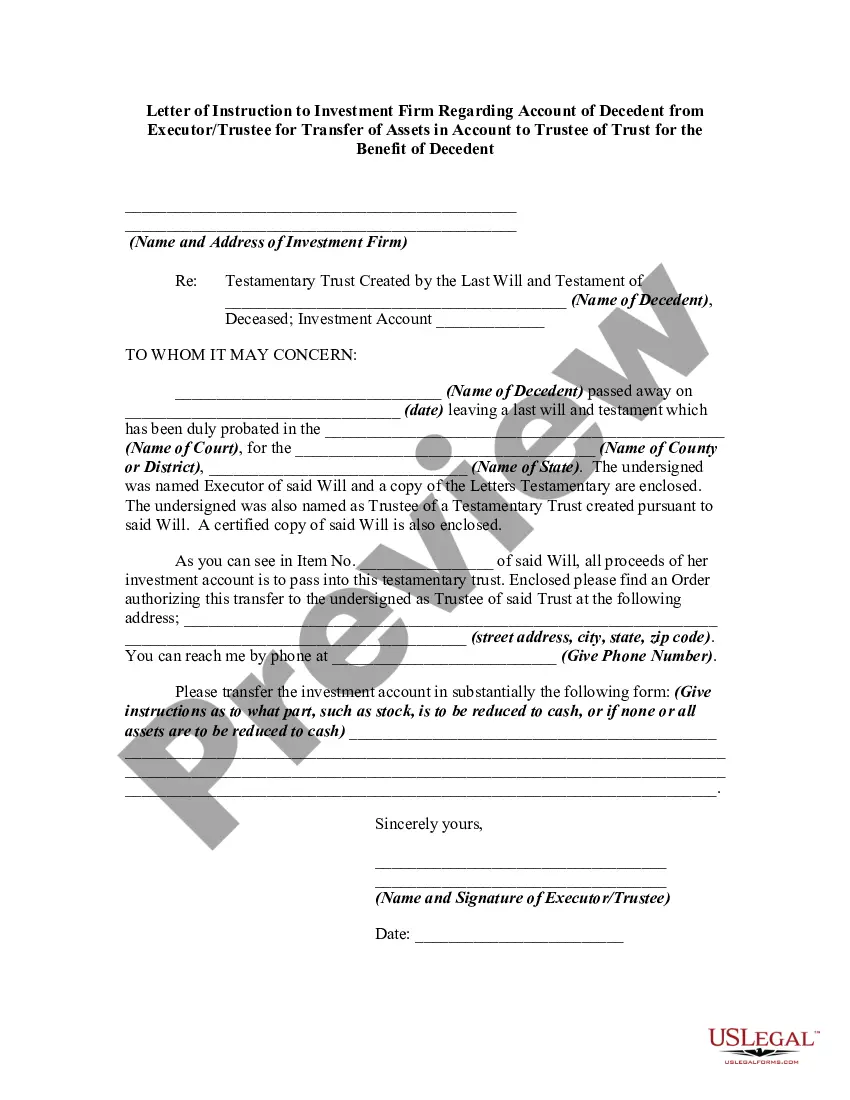
Wyoming Renovation Contract for Contractor
What this document covers
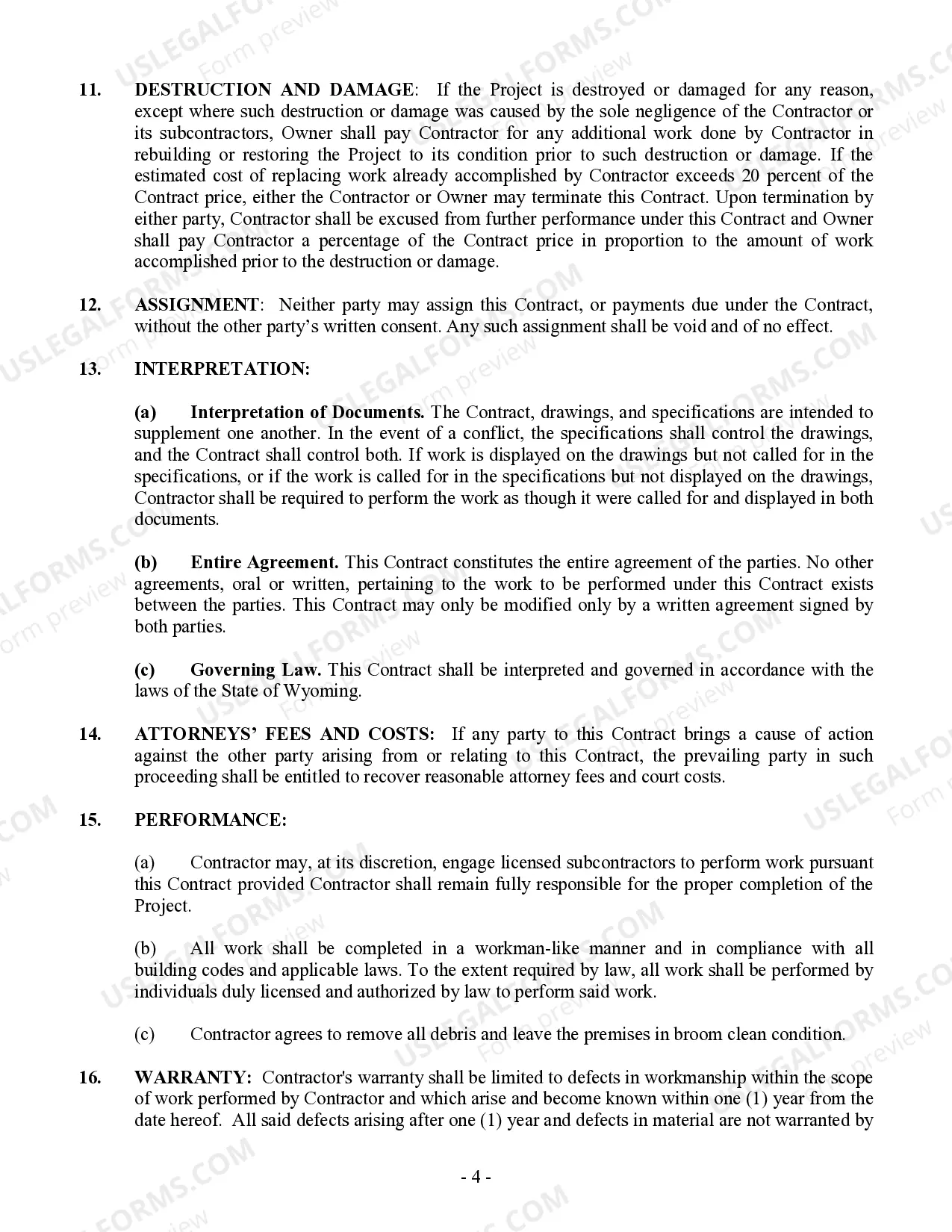
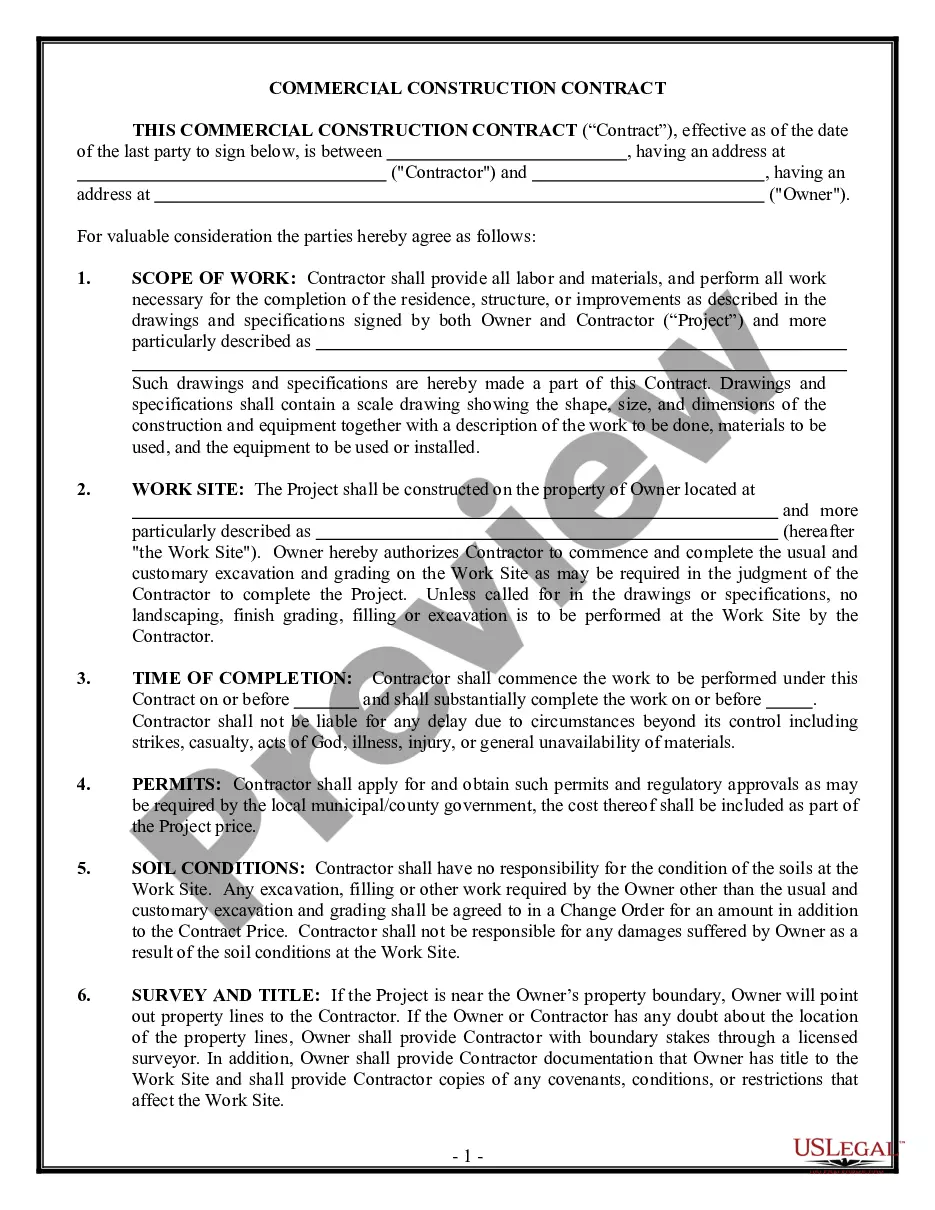
The Renovation Contract for Contractor is a legally binding agreement designed to formalize the relationship between renovation contractors and property owners. This contract covers key aspects such as payment arrangements, change orders, work site details, warranty provisions, and insurance requirements. Unlike informal agreements, this contract ensures that both parties are protected under the laws of the State of Wyoming, making it a reliable choice for various renovation projects.
Form components explained
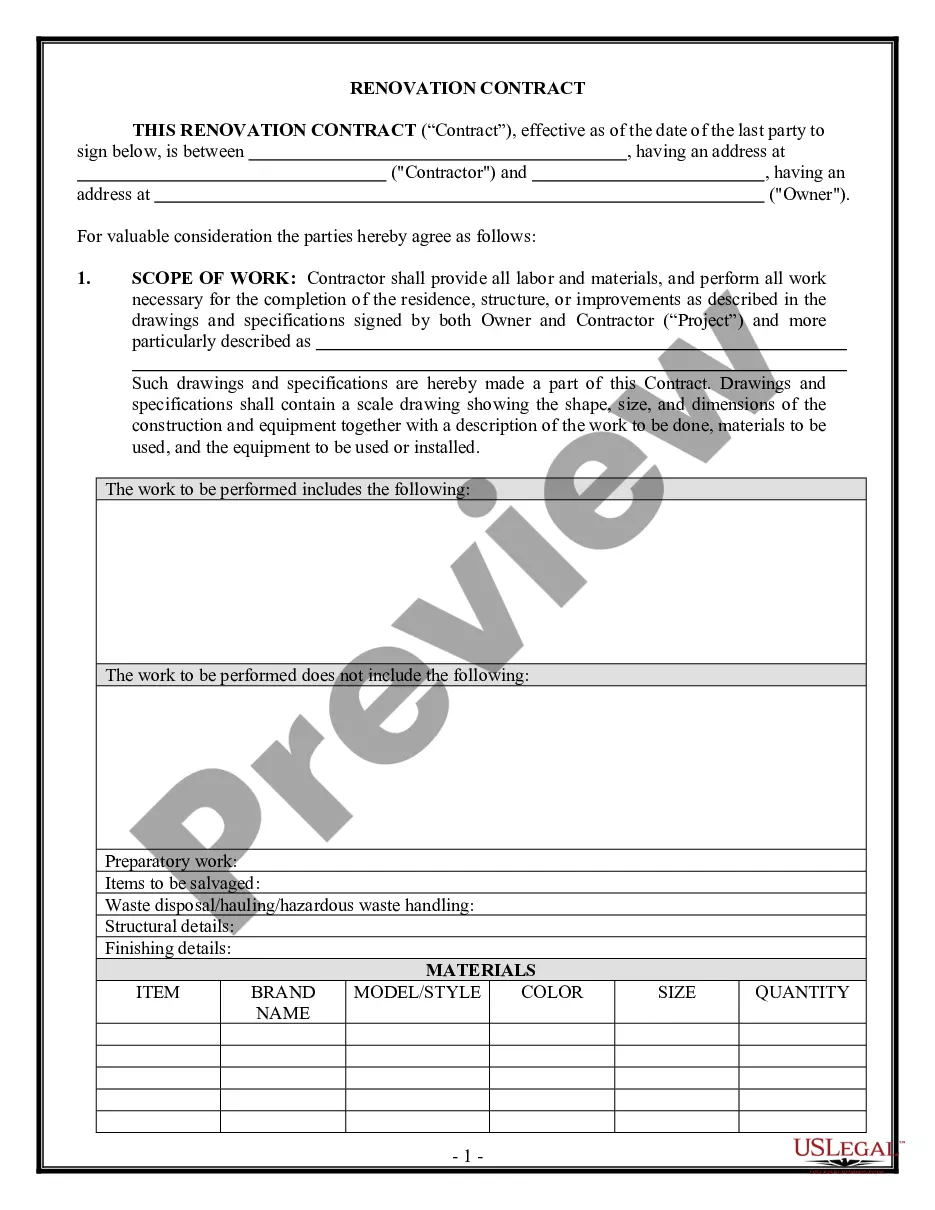
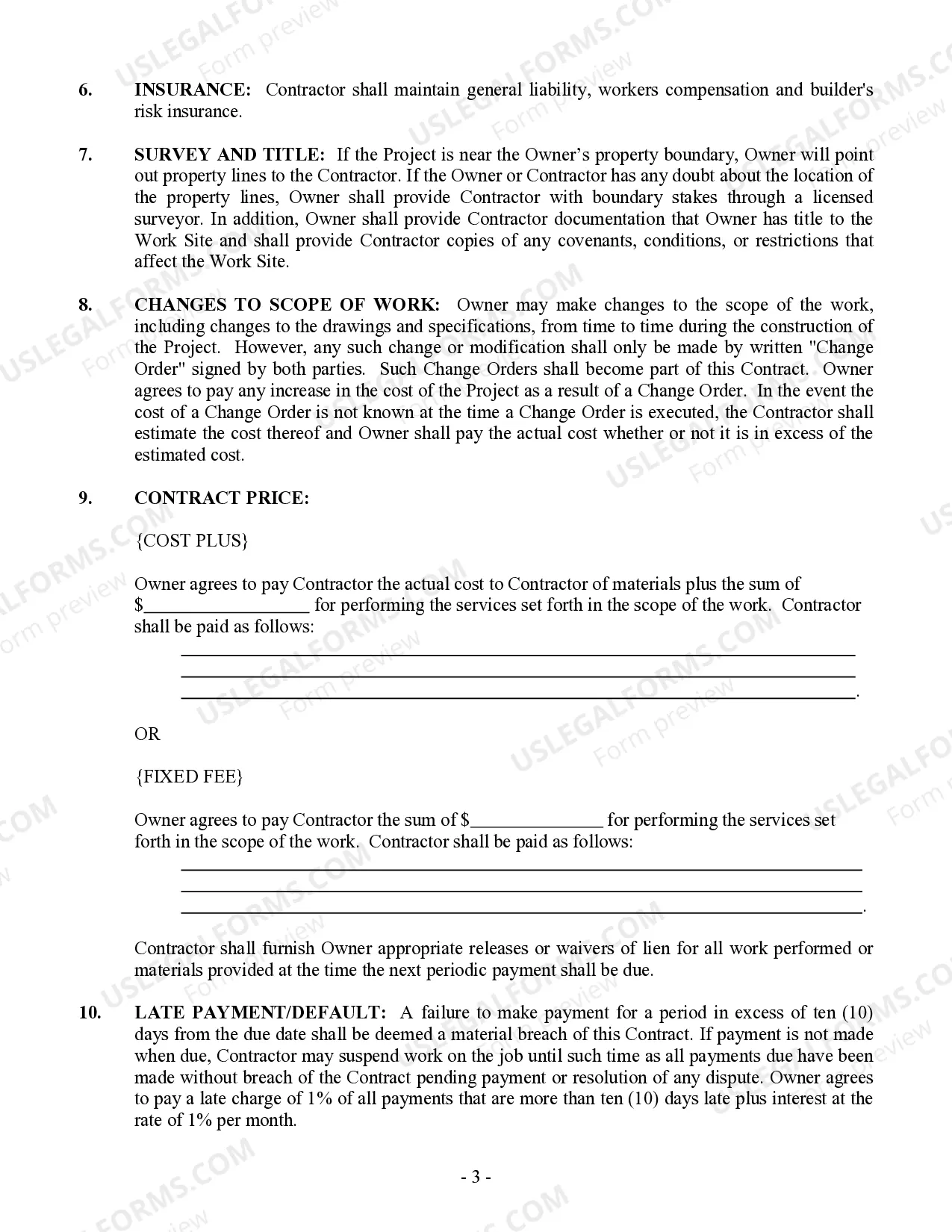
- Payment arrangements: Option for fixed fee or cost-plus payment structures.
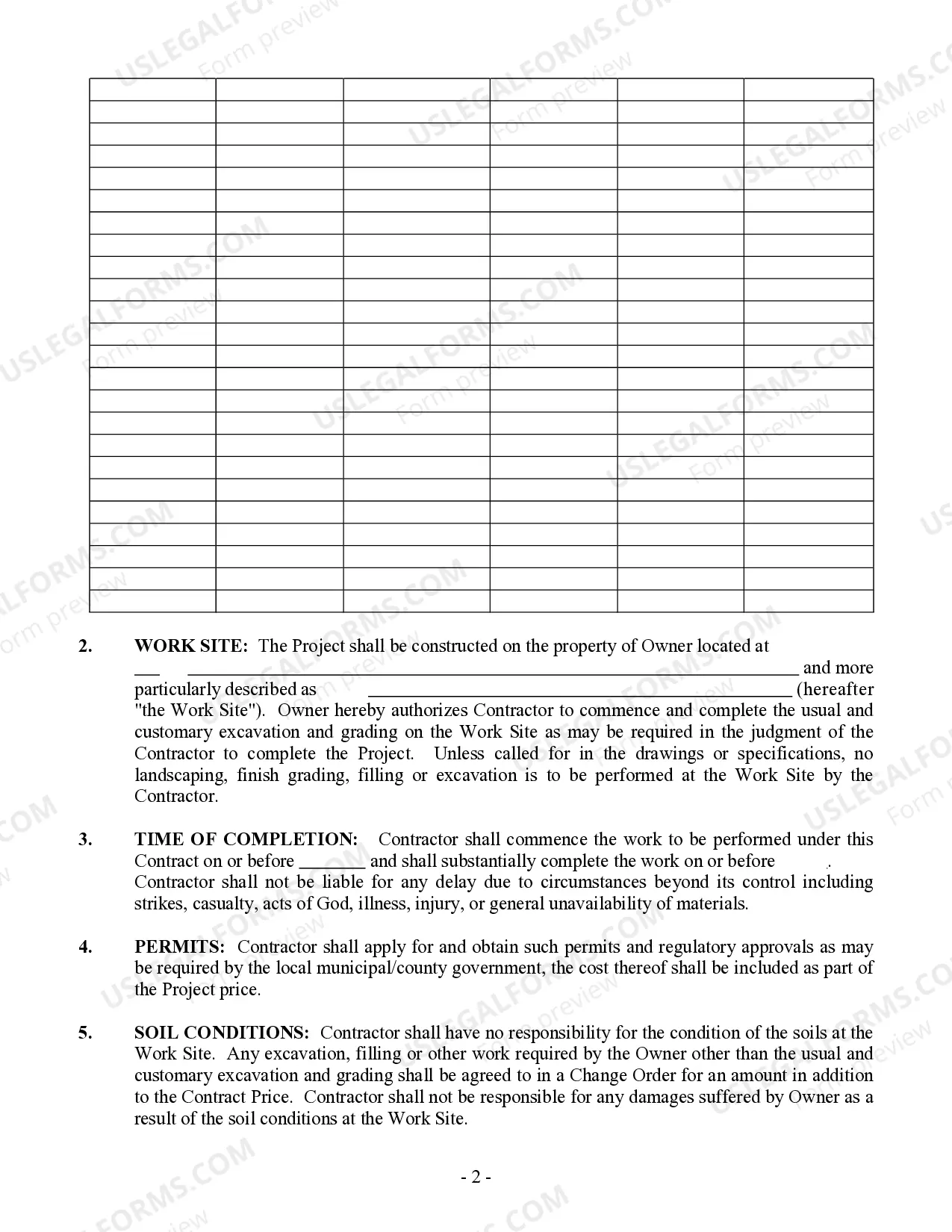
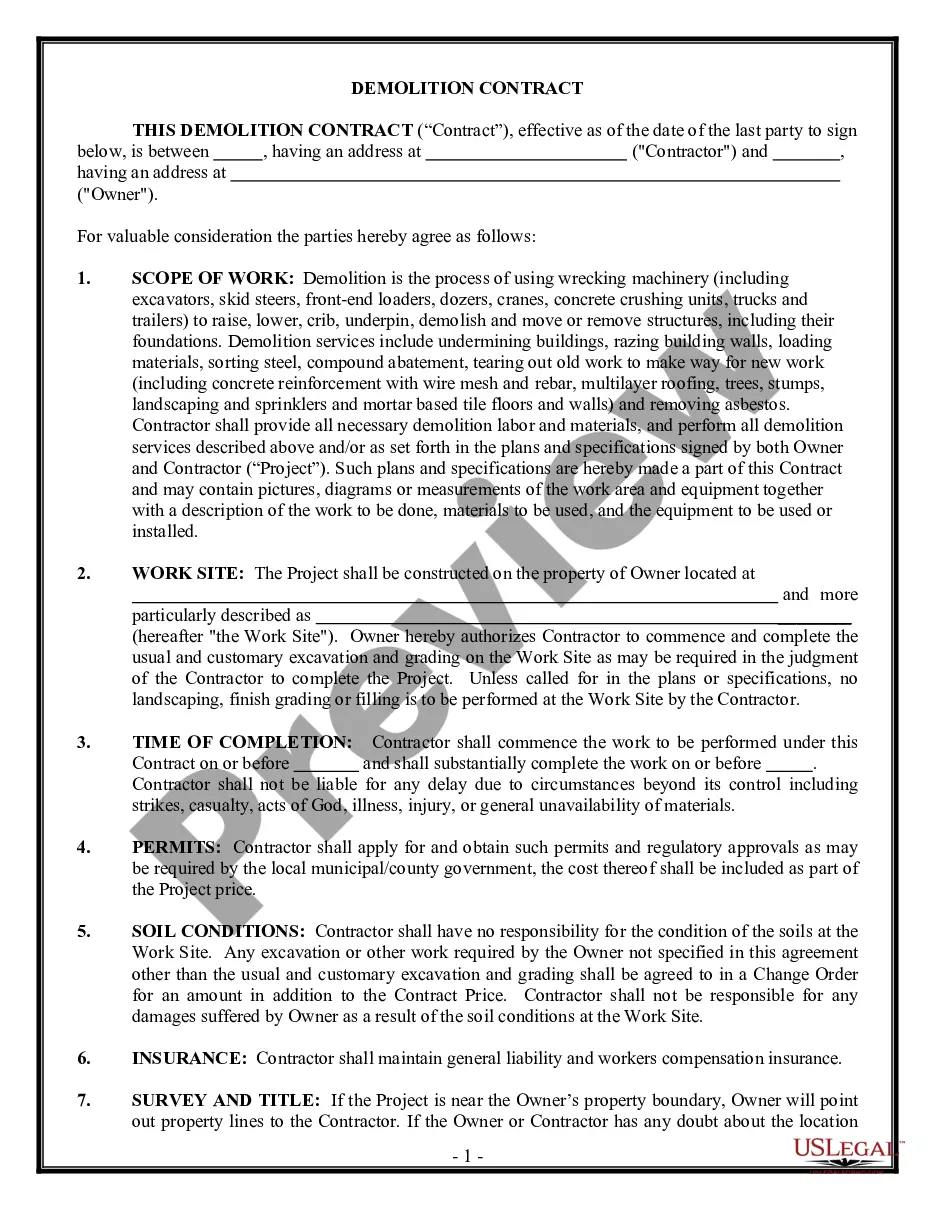
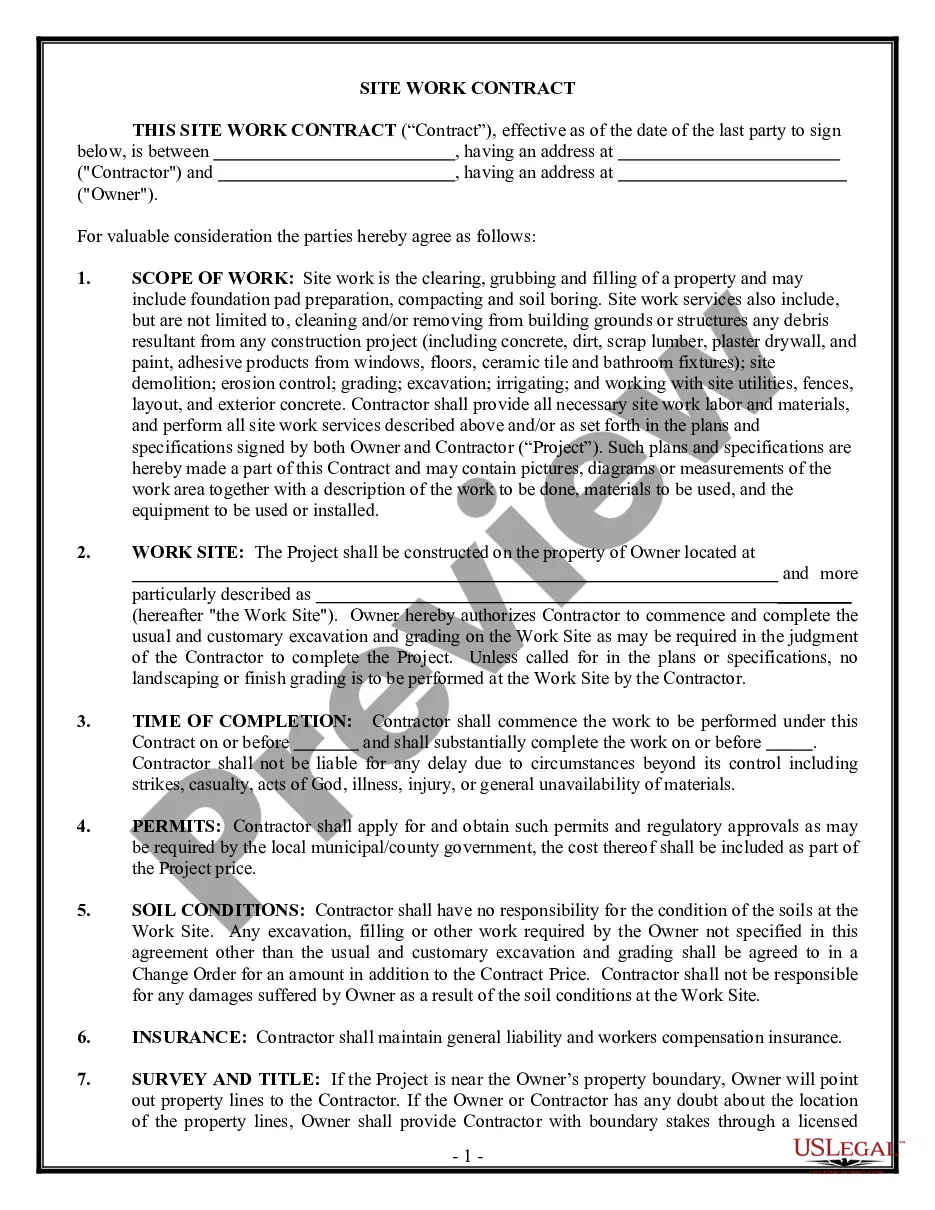
- Permits: Contractor is responsible for obtaining necessary permits and approvals.
- Soil conditions: Contractor has no liability for soil conditions at the work site.
- Insurance: Contractor must maintain general liability, workers compensation, and builders risk insurance.
- Change orders: Any modifications to the scope of work must be made in writing.
- Warranty: Coverage for defects in workmanship limited to one year from project completion.
Situations where this form applies
This form is needed when a property owner hires a renovation contractor for a project that requires clear terms and conditions. Situations include home renovations, remodeling projects, and any construction that may involve significant changes to a property. It helps to outline the project's scope, manage costs, and provide legal protection for both parties involved.
Who should use this form
- Property owners looking to hire renovation contractors for home improvement projects.
- Contractors seeking a comprehensive contract to outline the details of their services.
- Individuals who want to ensure compliance with Wyoming's state laws regarding renovation contracts.
How to complete this form
- Identify the parties: Enter the names and contact information of the contractor and the property owner.
- Specify the project details: Clearly describe the renovation work to be performed.
- Outline payment terms: Choose either a fixed fee or cost-plus payment arrangement and write the details.
- Detail any permits and insurance: Include information about required permits and the contractor's insurance policies.
- Include change order provisions: Specify how changes to the project will be documented and approved.
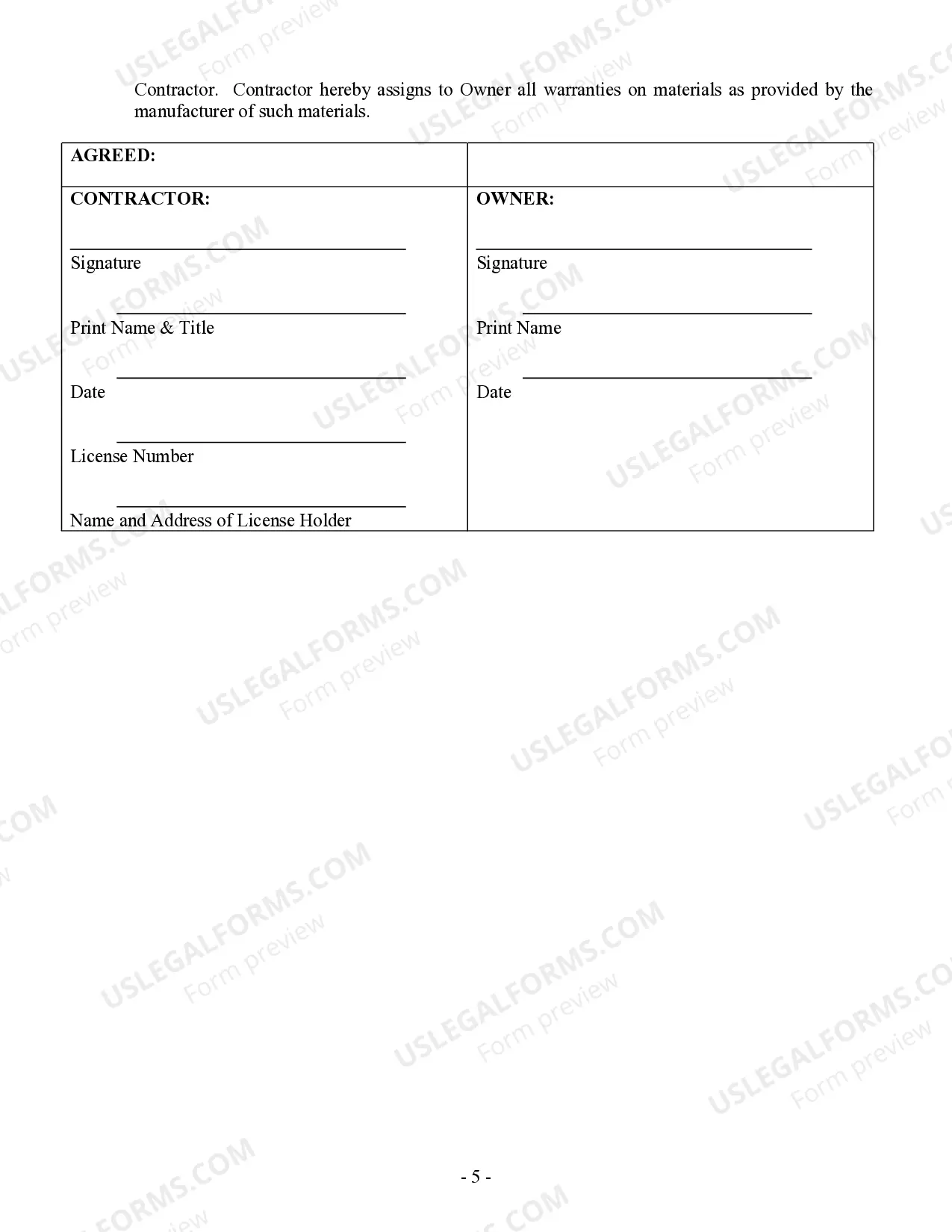
- Sign and date the contract: Both parties must sign the contract to make it legally binding.
Notarization requirements for this form
In most cases, this form does not require notarization. However, some jurisdictions or signing circumstances might. US Legal Forms offers online notarization powered by Notarize, accessible 24/7 for a quick, remote process.
Get your form ready online
Our built-in tools help you complete, sign, share, and store your documents in one place.
Make edits, fill in missing information, and update formatting in US Legal Forms—just like you would in MS Word.
Download a copy, print it, send it by email, or mail it via USPS—whatever works best for your next step.
Sign and collect signatures with our SignNow integration. Send to multiple recipients, set reminders, and more. Go Premium to unlock E-Sign.
If this form requires notarization, complete it online through a secure video call—no need to meet a notary in person or wait for an appointment.
We protect your documents and personal data by following strict security and privacy standards.

Make edits, fill in missing information, and update formatting in US Legal Forms—just like you would in MS Word.

Download a copy, print it, send it by email, or mail it via USPS—whatever works best for your next step.

Sign and collect signatures with our SignNow integration. Send to multiple recipients, set reminders, and more. Go Premium to unlock E-Sign.

If this form requires notarization, complete it online through a secure video call—no need to meet a notary in person or wait for an appointment.

We protect your documents and personal data by following strict security and privacy standards.
Common mistakes
- Failing to specify the payment arrangement clearly, leading to misunderstandings later.
- Not detailing the scope of work adequately, which can result in disputes over project expectations.
- Omitting required permits or insurance information, which can expose both parties to legal risks.
- Not documenting change orders properly, causing additional costs and confusion.
Benefits of using this form online
- Convenience: Easily download the form at any time and complete it at your own pace.
- Editability: Customize the contract to fit the specific needs of your project.
- Reliable legal framework: The form is drafted by licensed attorneys to ensure compliance with state laws.
Key takeaways
- Use this contract for establishing a clear agreement between property owners and renovation contractors.
- Ensure all project details, including budget and scope, are documented to avoid misunderstandings.
- Understand that permits and insurance are critical components of the renovation process.
Looking for another form?


Form popularity
FAQ
Check Contract Basics. The basic job of a contractor agreement is to spell out the scope of the project's work. Set a Payment Schedule. Schedule Start and End Dates. Specify Change Orders. Research Your Arbitration Options. Turn Down the Contractor's Warranty.
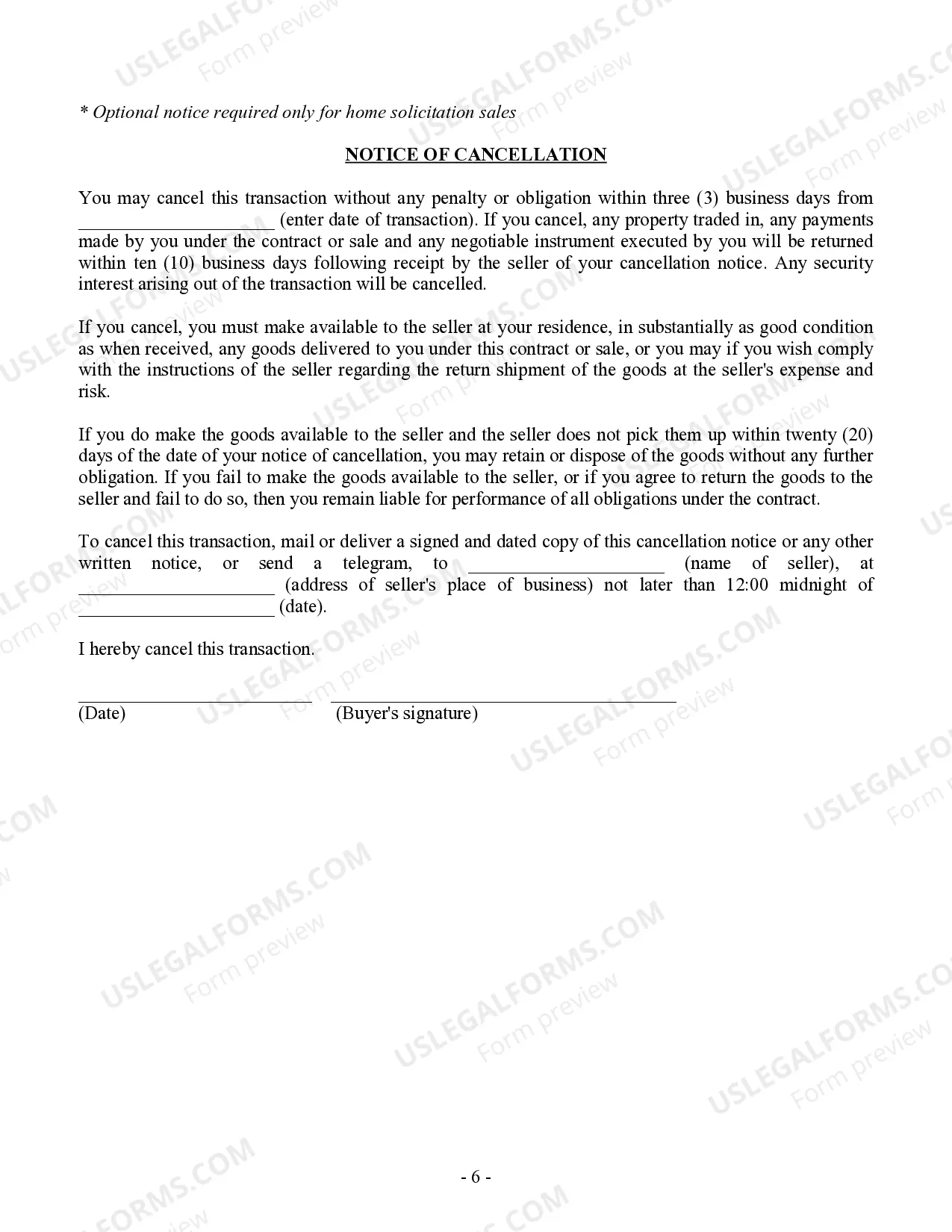
Detailed Description of the Job. How Payments Will Be Made. Start and End Dates of the Project. How Changes to the Project Will Be Dealt With. Lien Waivers. Written Notice of Your Right to Cancel Without Penalty. Warranty. Signatures.
Name of contractor and contact information. Name of homeowner and contact information. Describe property in legal terms. List attachments to the contract. The cost. Failure of homeowner to obtain financing. Description of the work and the completion date. Right to stop the project.
Timeframe or key milestones of the project; hours of work; deliverables of the project; and. way the business will pay the contractor for their services.
Get it in writing. Keep it simple. Deal with the right person. Identify each party correctly. Spell out all of the details. Specify payment obligations. Agree on circumstances that terminate the contract. Agree on a way to resolve disputes.
Terms. This is the first section of any agreement or contract and states the names and locations of the parties involved. Responsibilities & Deliverables. Payment-Related Details. Confidentiality Clause. Contract Termination. Choice of Law.
Writing Your Construction Contract. Write the title and a little preamble. Your title should describe the purpose of the contract. The preamble should simply state basics like: the date the agreement was entered into, the parties' names, the project, the work site location, and work commencement and end dates.
Identifying/Contact Information. Title and Description of the Project. Projected Timeline and Completion Date. Cost Estimate and Payment Schedule. Stop Work Clause and Stop Payment Clause. Act of God Clause. Change Order Agreement. Warranty.
Identify the parties involved in the contract. Determine the terms and conditions you want to include in your contract. Write a draft using all the details you have gathered. Ask opinion from people in the same line of business. Review and make changes to your work.