West Virginia Essential Documents for the Organized Traveler Package
What is this form package?
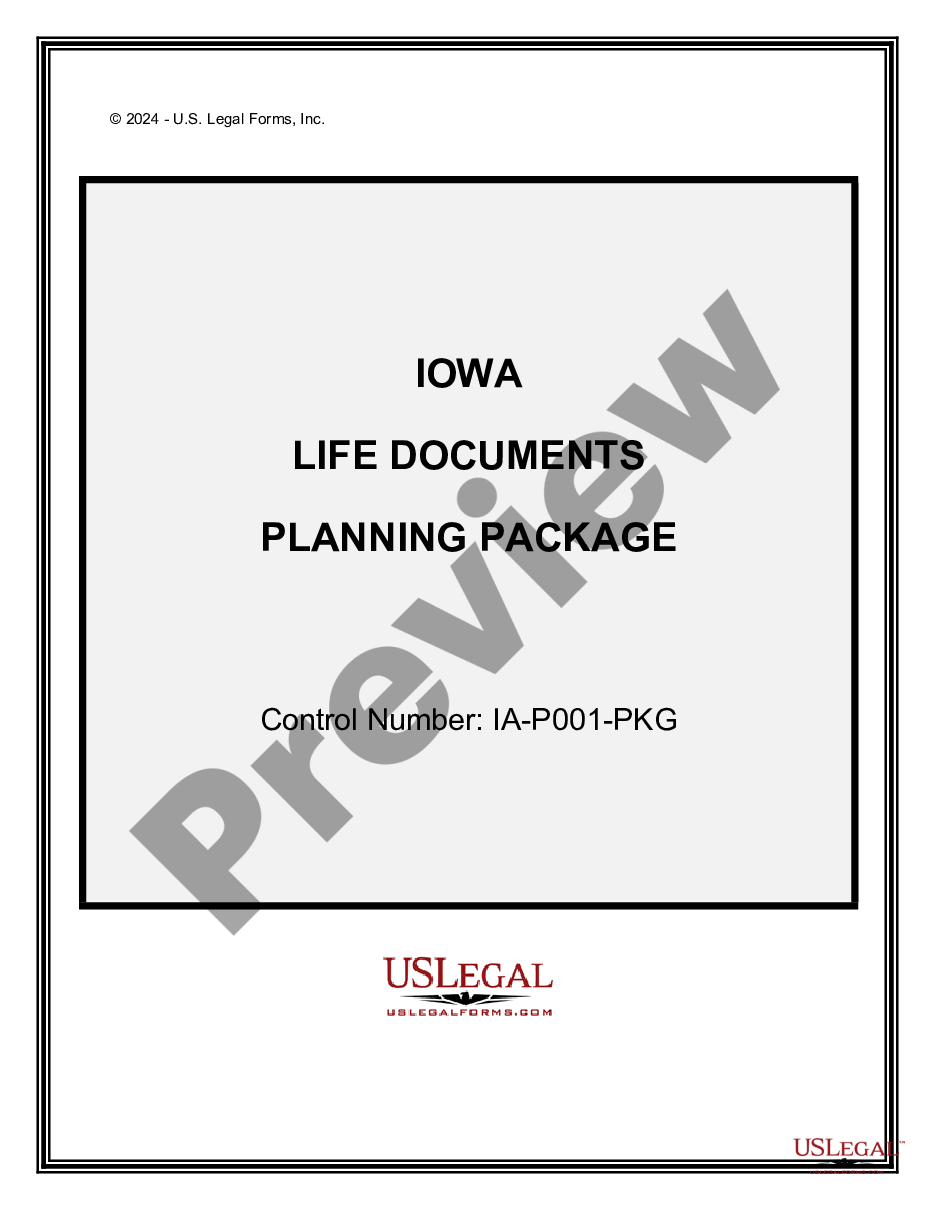
The West Virginia Essential Documents for the Organized Traveler Package is designed to help individuals prepare for travel by providing essential legal forms. This package includes various documents that allow travelers to keep important information organized and minimize potential difficulties while away from home. These forms are tailored specifically for the needs of travelers in West Virginia, ensuring compliance with state laws and offering peace of mind during your journeys.
What’s included in this form package
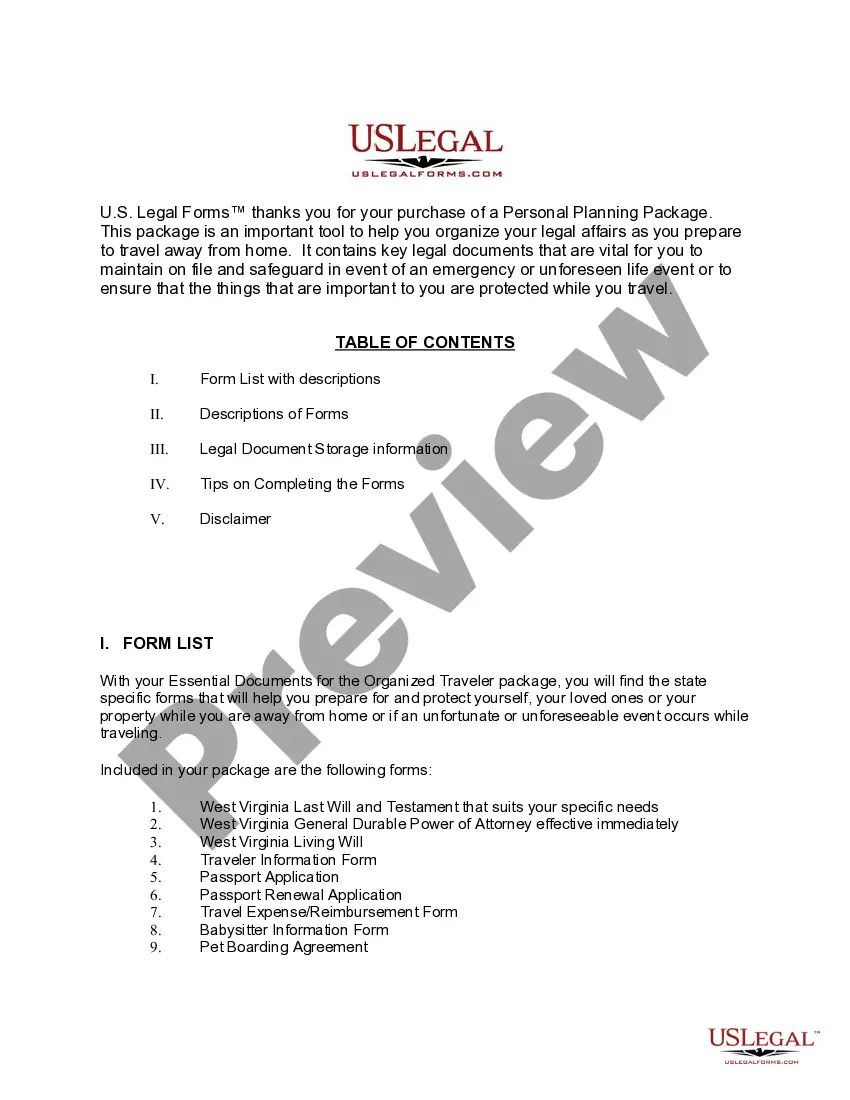
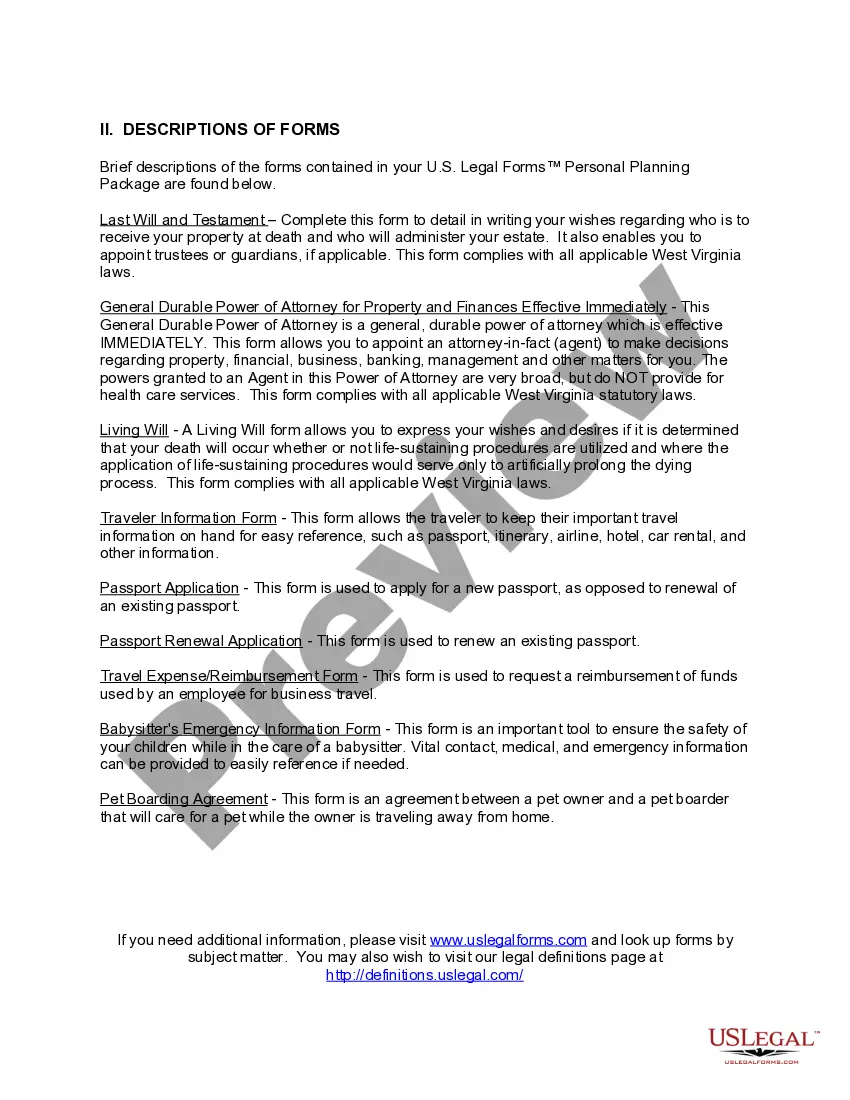
- General Durable Power of Attorney for Property and Finances or Financial Effective Immediately
- Statutory Medical Power of Attorney and Living Will
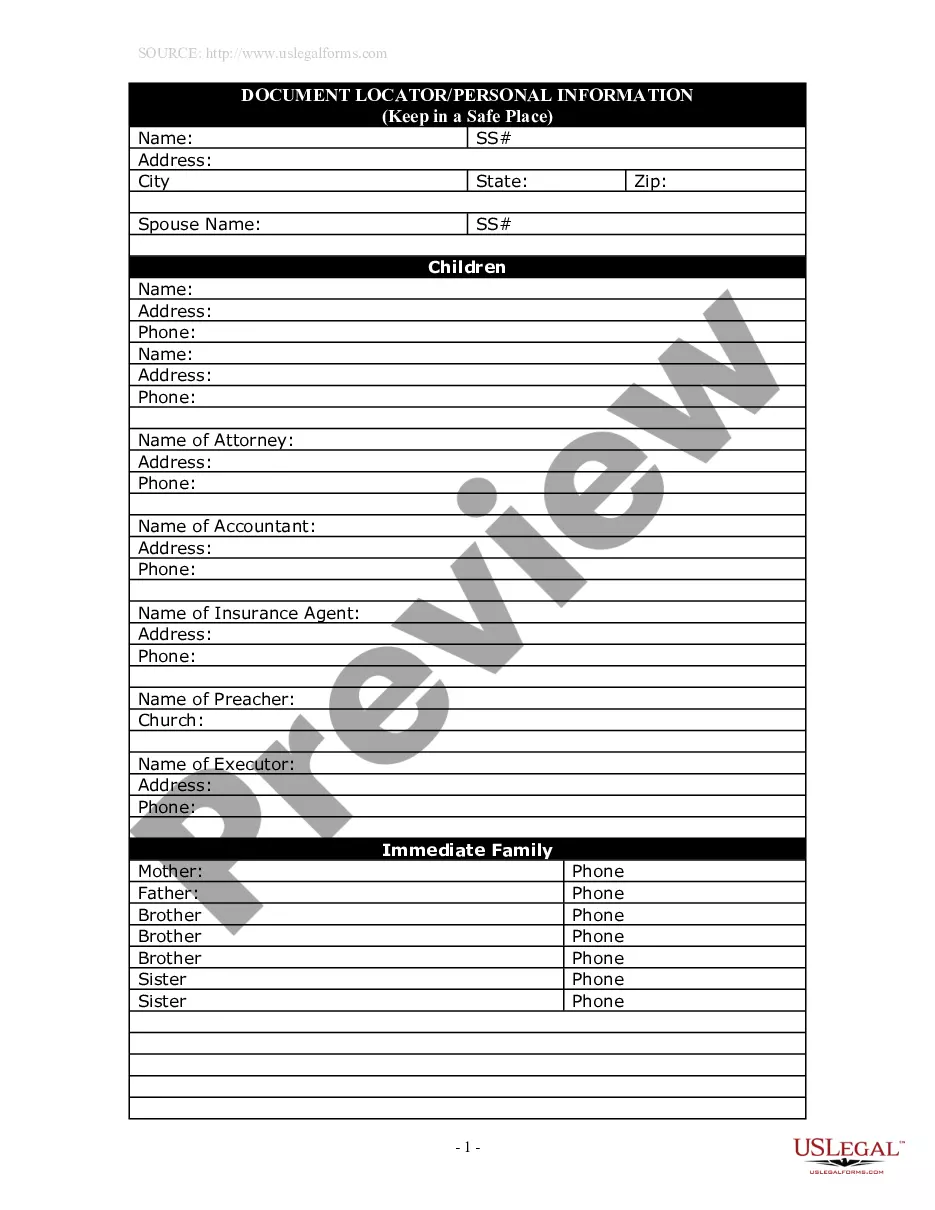
- Traveler Information Form
- Passport Application
- Passport Renewal Application
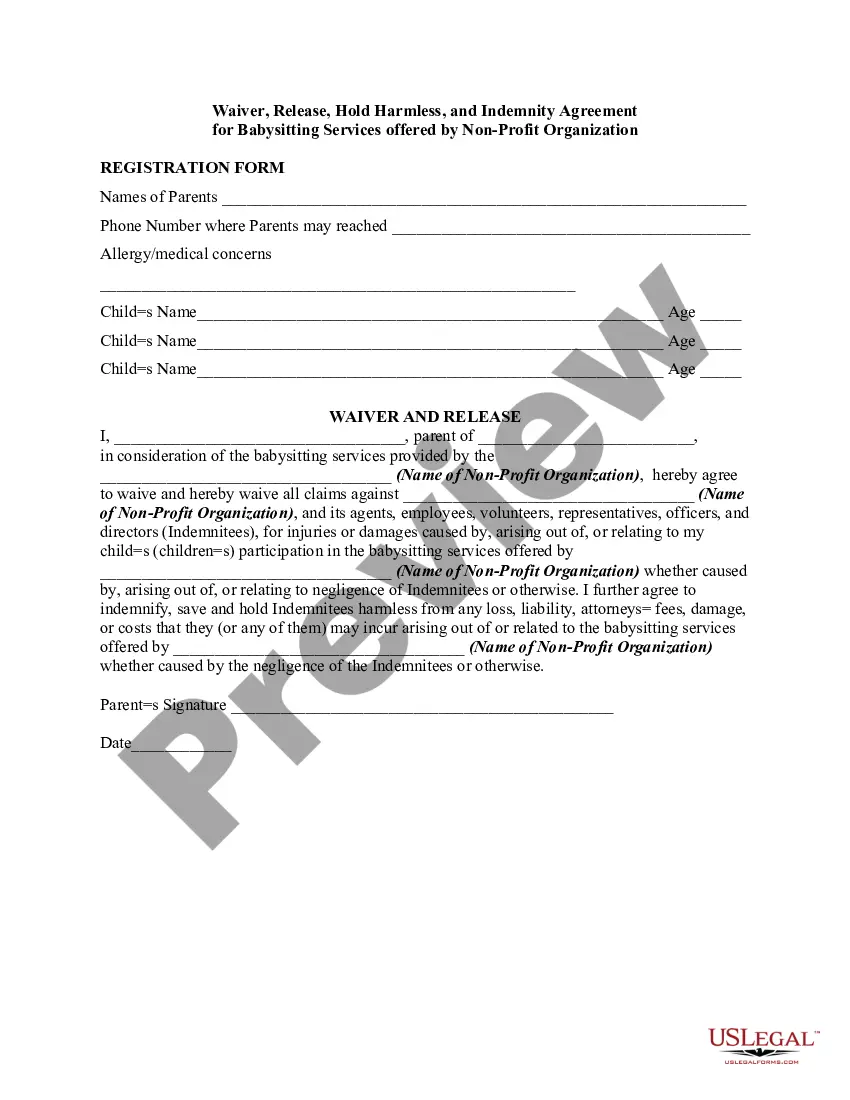
- Babysitter Information Form
- Travel Expense Reimbursement Form
- Pet Boarding Agreement
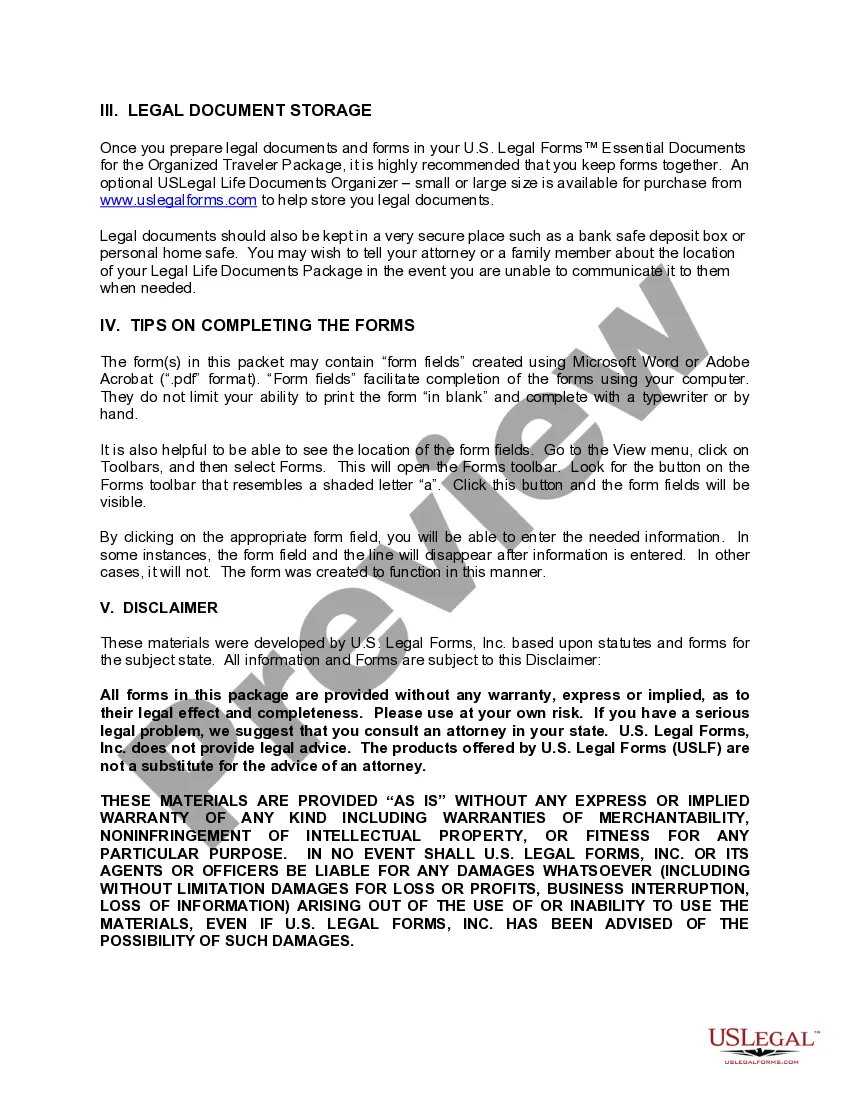

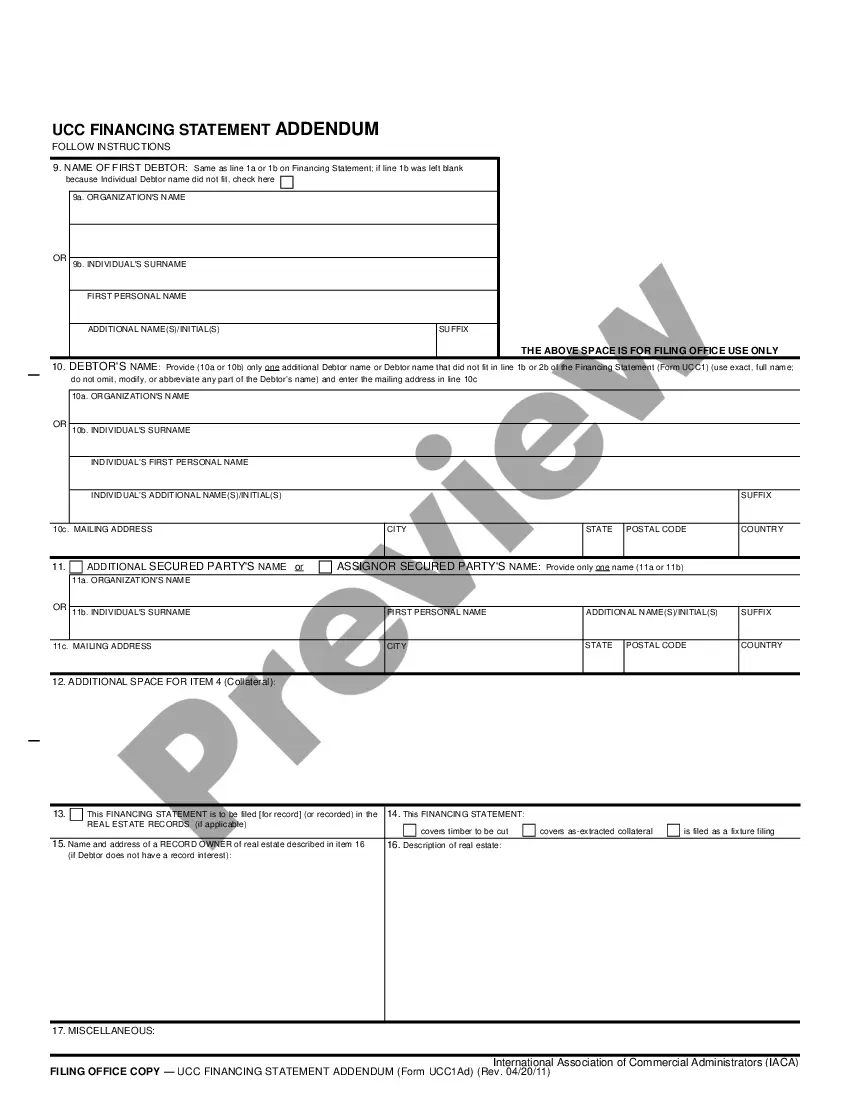
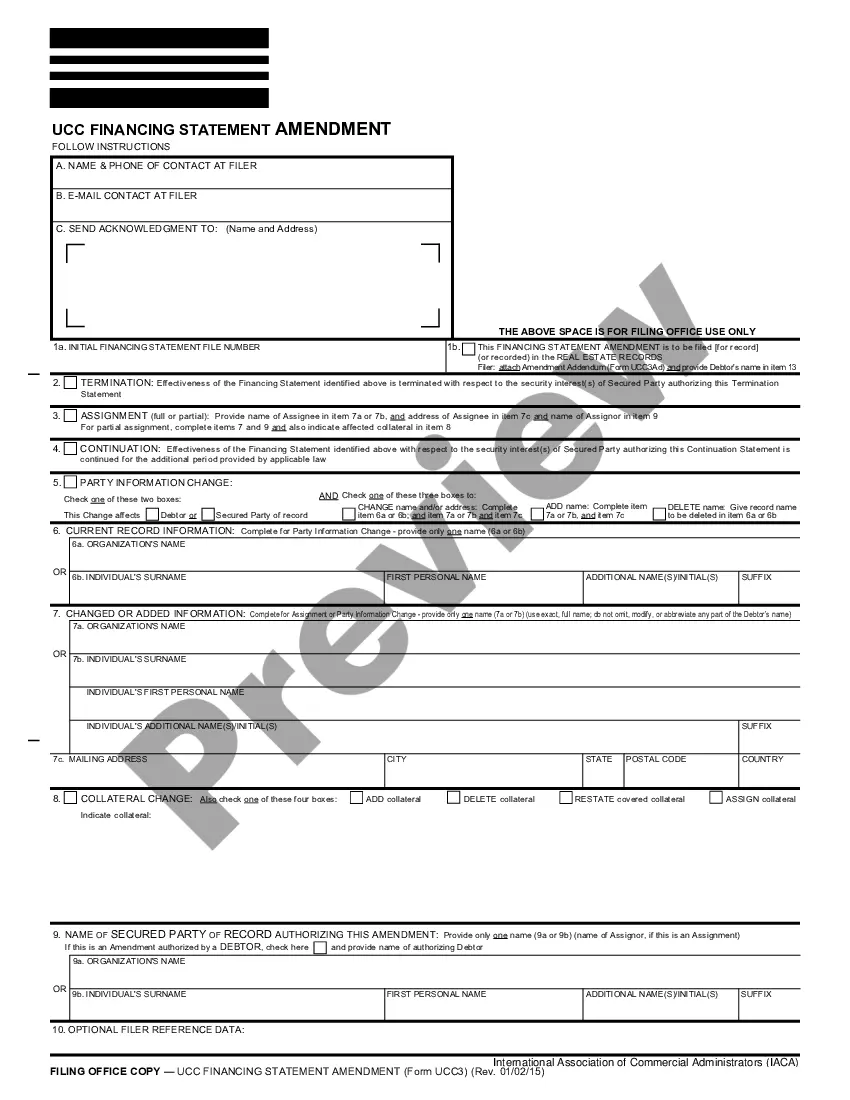
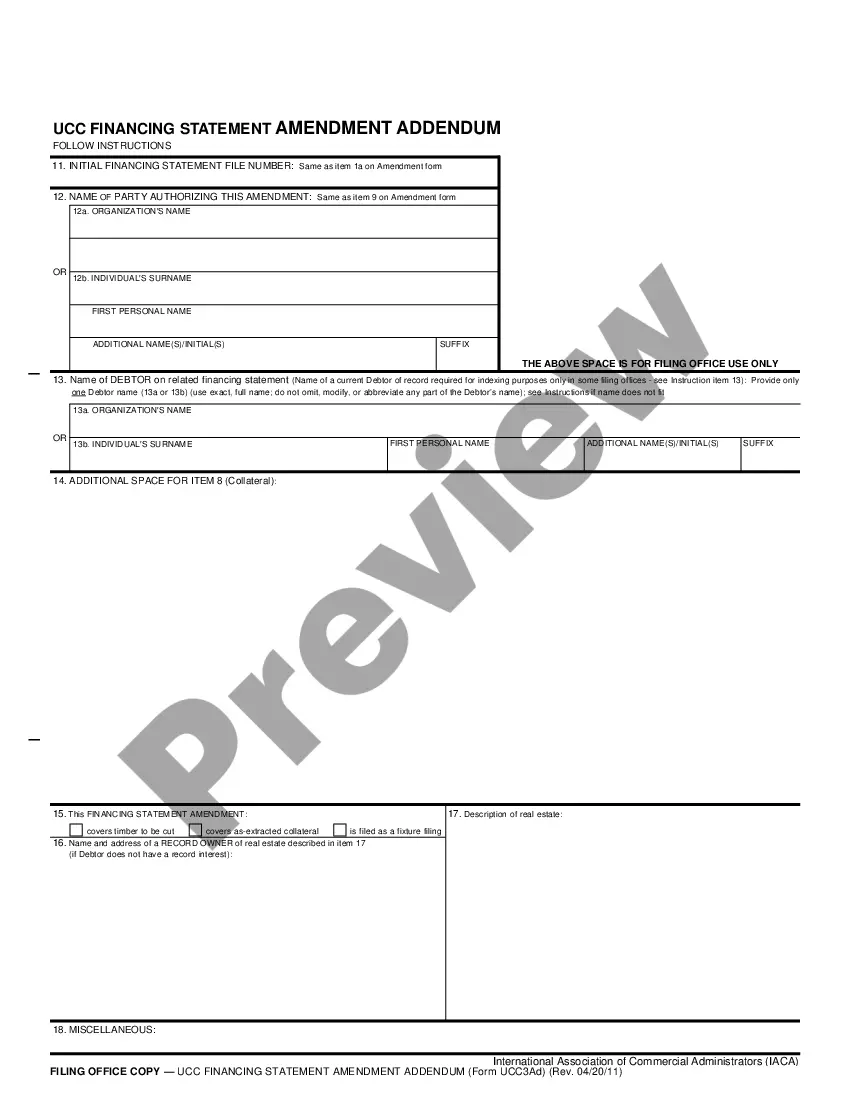
Situations where these forms applies
This form package is useful in several scenarios, including:
- When planning international travel and needing to apply for or renew a passport.
- Before embarking on a trip, to designate an agent for financial decisions through a durable power of attorney.
- When preparing for unforeseen events while traveling, such as medical emergencies or accidents.
- For parents needing a babysitter and ensuring that emergency information is readily available.
- When you want to ensure your pet is cared for while you are away and need a formal agreement with a boarding facility.
Who needs this form package
- Travelers planning domestic or international trips.
- Individuals needing to appoint someone to manage financial matters in their absence.
- Parents who require emergency information for caretakers.
- Pet owners looking for agreements to ensure their pets' care while traveling.
- Anyone who wants to ensure their wishes are documented in legal terms while traveling.
How to prepare this document
- Review each form included in the package to understand its purpose.
- Gather the necessary personal information, such as travel itinerary and contact details.
- Fill out the forms accurately, using clear and legible writing or digital entry.
- Ensure any required fields are completed, including names, signatures, and dates.
- Store completed forms securely to access them easily during your travels.
Do forms in this package need to be notarized?
Some included forms must be notarized to ensure validity. US Legal Forms provides secure online notarization powered by Notarize, allowing you to complete the process through a verified video call anytime.
Get your form ready online
Our built-in tools help you complete, sign, share, and store your documents in one place.
Make edits, fill in missing information, and update formatting in US Legal Forms—just like you would in MS Word.
Download a copy, print it, send it by email, or mail it via USPS—whatever works best for your next step.
Sign and collect signatures with our SignNow integration. Send to multiple recipients, set reminders, and more. Go Premium to unlock E-Sign.
If this form requires notarization, complete it online through a secure video call—no need to meet a notary in person or wait for an appointment.
We protect your documents and personal data by following strict security and privacy standards.

Make edits, fill in missing information, and update formatting in US Legal Forms—just like you would in MS Word.

Download a copy, print it, send it by email, or mail it via USPS—whatever works best for your next step.

Sign and collect signatures with our SignNow integration. Send to multiple recipients, set reminders, and more. Go Premium to unlock E-Sign.

If this form requires notarization, complete it online through a secure video call—no need to meet a notary in person or wait for an appointment.

We protect your documents and personal data by following strict security and privacy standards.
Typical mistakes to avoid
- Not completing all required fields on the forms.
- Failing to review the forms for accuracy before submission.
- Not storing forms in an easily accessible location while traveling.
- Overlooking the need for notarization where applicable.
Advantages of online completion
- Access forms instantly from anywhere with an internet connection.
- Edit and customize documents to suit your specific travel needs.
- Reliable, state-compliant forms drafted by licensed attorneys.
- Convenience of having all essential travel documents in one package.
Looking for another form?


Form popularity
FAQ
Q: How will the Stay-at-Home order affect travel and transportation? A: West Virginians can drive themselves when possible, or walk. Public transportation and ridesharing will be for essential travel only. The same goes for air travel. Roads, bridges and borders will remain open. Q: Can I visit family and friends? A: The Stay-at-Home order allows visits to the home of family members, and to other homes involved in the terms of a parenting or visitation plan or similar agreement. During such visits, interactions should be minimized as much as possible. Q: What help is available for residents with intellectual and developmental disabilities? A: Services for residents with intellectual and developmental disabilities are considered essential and will continue under the Stay-at-Home order. The Bureau for Medical Services can provide additional information: (304) 558-1700.
West Virginians who need assistance with pre-registration for any reason should call the West Virginia COVID-19 Vaccine Info Line for help at 1-833-734-0965. The info line is open Monday-Friday 8 a.m. to 6 p.m., and Saturday 9 a.m. to 5 p.m.
The Stay-at-Home order requires West Virginians to remain in their homes and residences and leave only for essential services or activities. It is mandatory, and not merely guidance or advice.
COVID-19 tests are available at no cost nationwide at health centers and select pharmacies. The Families First Coronavirus Response Act ensures that COVID-19 testing is free to anyone in the U.S., including the uninsured. Additional testing sites may be available in your area.
A: Essential activities include going to the grocery store or gas station; picking up a prescription or receiving non-elective medical care; attending a place of worship; checking on relatives; and getting outdoor exercise for yourself, your children and your pets. They also include working jobs to provide essential services.
West Virginians who need assistance with pre-registration for any reason should call the West Virginia COVID-19 Vaccine Info Line for help at 1-833-734-0965. The info line is open Monday-Friday 8 a.m. to 6 p.m., and Saturday 9 a.m. to 5 p.m.
According to the New York Times' "The Upshot," most providers charge insurers between $50 and $200 for the tests, and an analysis of Castlight Health data on almost 30,000 bills for coronavirus tests found that 87% of the tests' costs were listed as $100 or less.