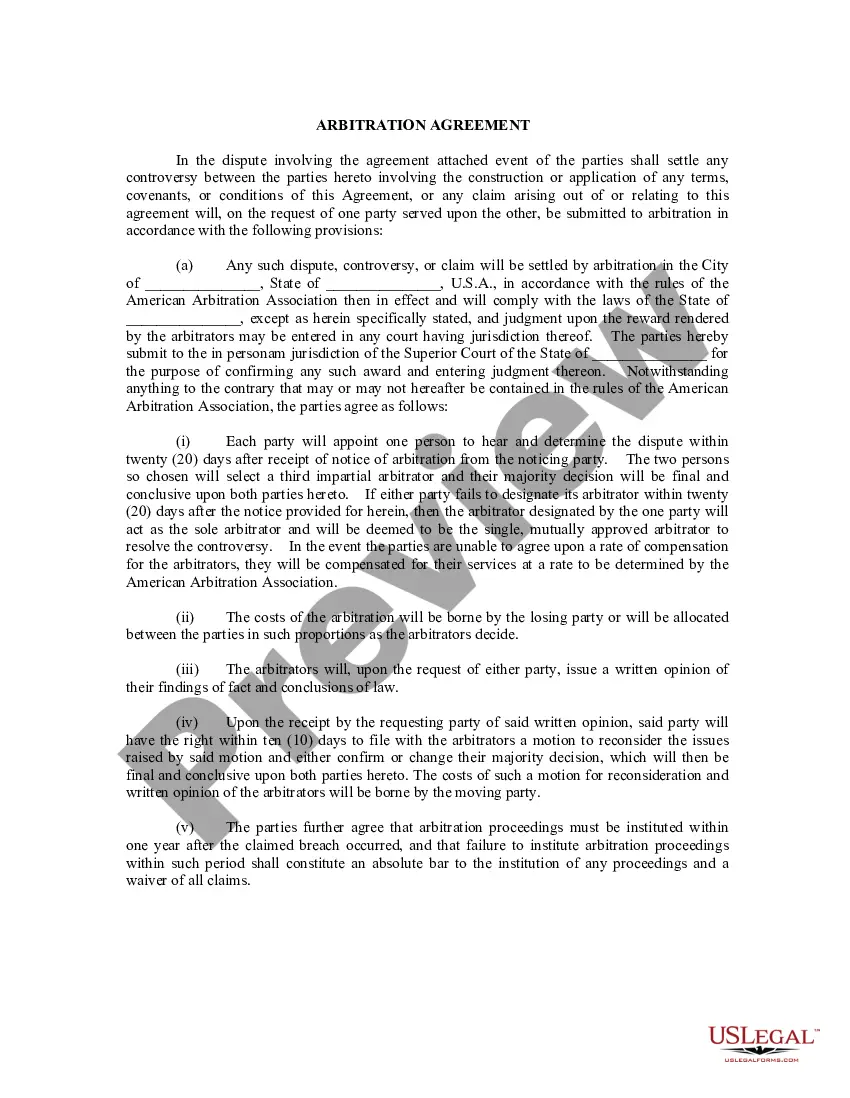
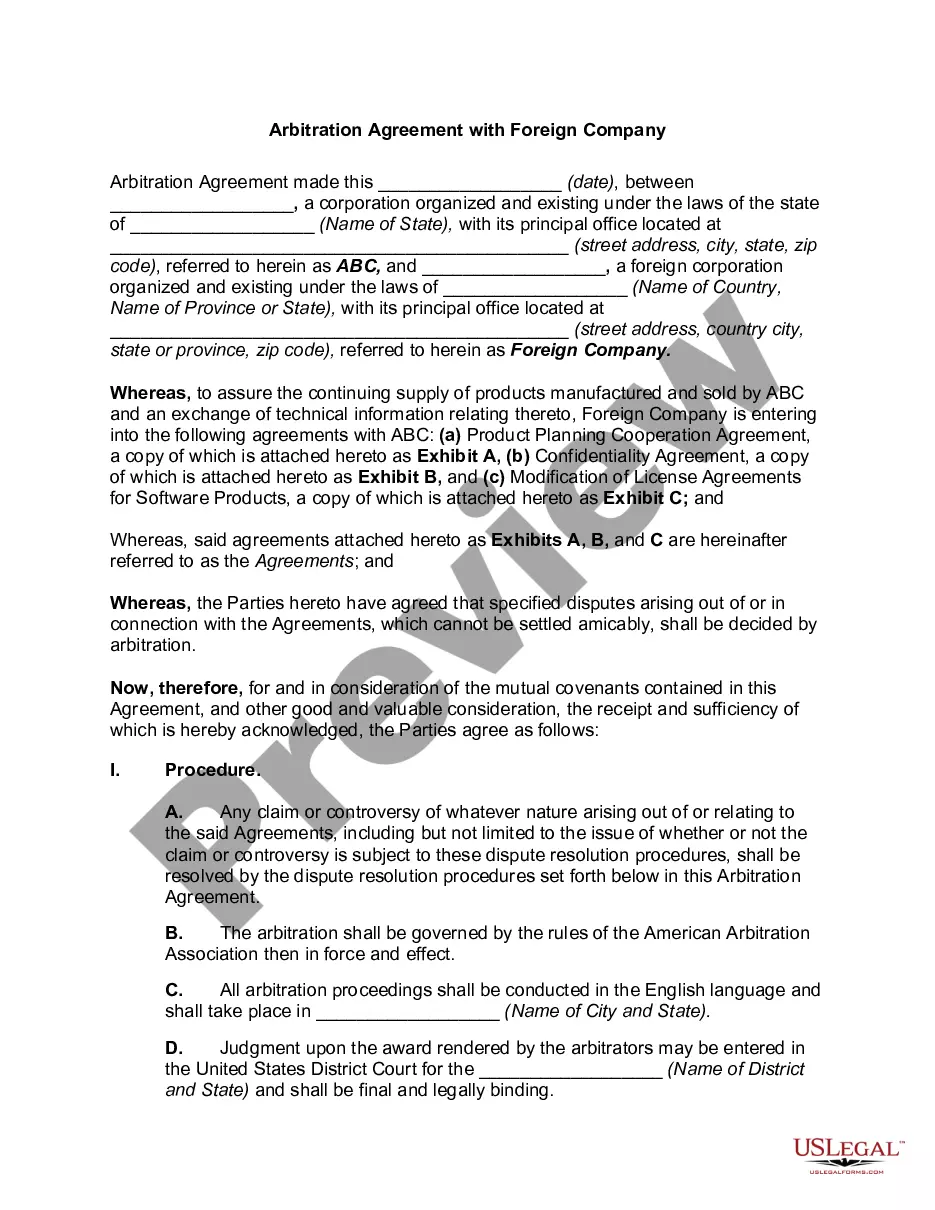
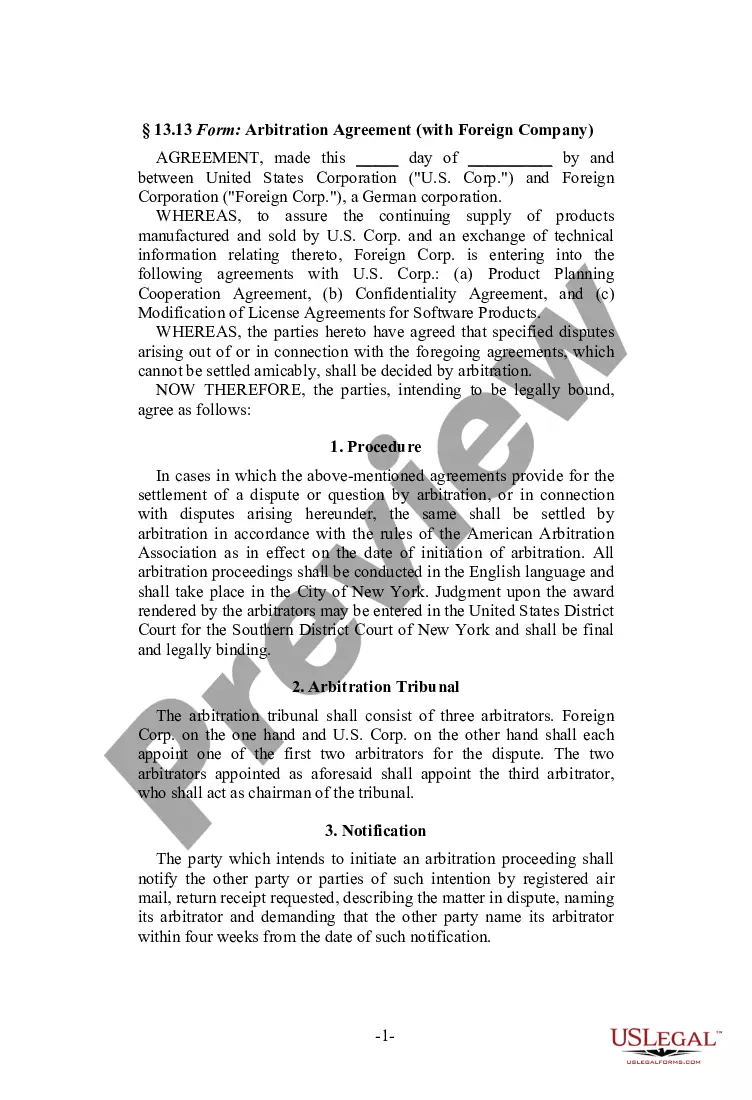
This form is an Arbitration Agreement. The form provides that each party will appoint one person to hear and determine the dispute within twenty days after receipt of notice of arbitration from the noticing party. The costs of the arbitration will be absorbed by the losing party or will be allocated between the parties in such proportions as the arbitrators decide.
Wisconsin OEM Arbitration Agreement
Category:
State:
Multi-State
Control #:
US-KWP-0046
Format:
Word;
Rich Text
Instant download
Description

Get your form ready online
Our built-in tools help you complete, sign, share, and store your documents in one place.
Built-in online Word editor
Make edits, fill in missing information, and update formatting in US Legal Forms—just like you would in MS Word.
Export easily
Download a copy, print it, send it by email, or mail it via USPS—whatever works best for your next step.
E-sign your document
Sign and collect signatures with our SignNow integration. Send to multiple recipients, set reminders, and more. Go Premium to unlock E-Sign.
Notarize online 24/7
If this form requires notarization, complete it online through a secure video call—no need to meet a notary in person or wait for an appointment.
Store your document securely
We protect your documents and personal data by following strict security and privacy standards.
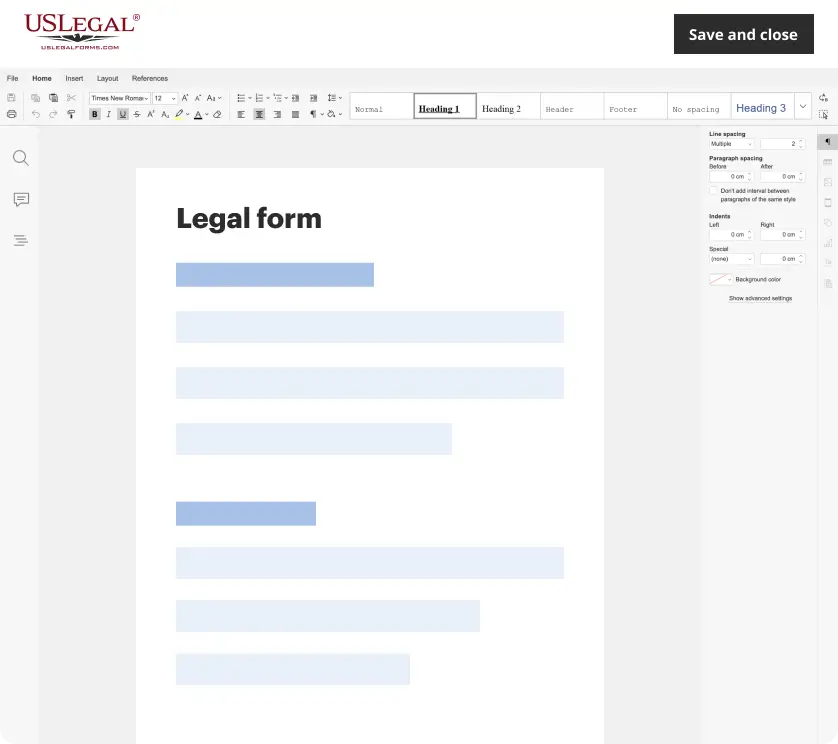
Make edits, fill in missing information, and update formatting in US Legal Forms—just like you would in MS Word.
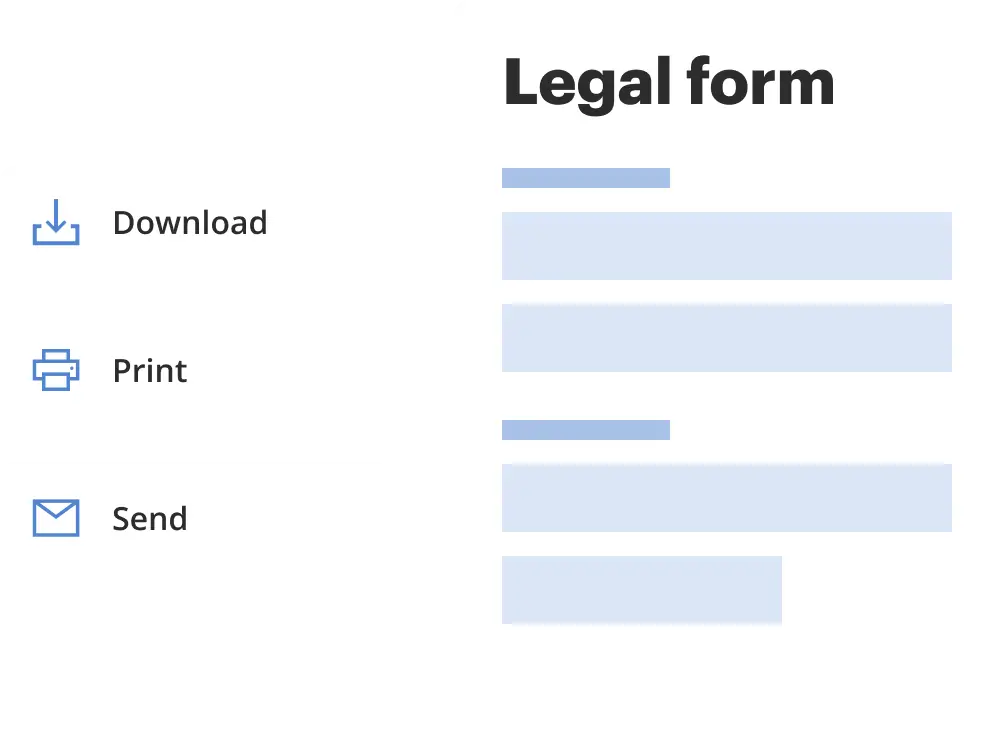
Download a copy, print it, send it by email, or mail it via USPS—whatever works best for your next step.
Sign and collect signatures with our SignNow integration. Send to multiple recipients, set reminders, and more. Go Premium to unlock E-Sign.
If this form requires notarization, complete it online through a secure video call—no need to meet a notary in person or wait for an appointment.
We protect your documents and personal data by following strict security and privacy standards.
Looking for another form?




How to fill out OEM Arbitration Agreement?
You can spend hours online looking for the legal document template that meets the federal and state requirements you need.
US Legal Forms offers thousands of legal forms that have been reviewed by experts.
You can easily download or print the Wisconsin OEM Arbitration Agreement from their service.
If available, utilize the Review option to preview the document template as well.
- If you already have a US Legal Forms account, you can Log In and click on the Obtain button.
- After that, you can complete, edit, print, or sign the Wisconsin OEM Arbitration Agreement.
- Every legal document template you acquire is yours forever.
- To get another copy of the form you obtained, go to the My documents tab and click on the relevant option.
- If you are using the US Legal Forms site for the first time, follow the simple instructions below.
- First, ensure you have selected the correct document template for your area/city of choice.
- Check the form description to confirm you have chosen the right template.
Form popularity
FAQ
During arbitration, it is essential to remain respectful and avoid personal attacks or emotional outbursts. Focus on the facts and present your arguments clearly and logically. Avoid making statements that could undermine your position, such as admitting fault without context, as these could affect the arbitrator's perception of your case.
Certain issues cannot be resolved through arbitration, even under a Wisconsin OEM Arbitration Agreement. Typically, matters involving public policy, criminal charges, or family law disputes, such as child custody or divorce, may need to proceed through the court system. Always consult a legal expert to understand which of your disputes are suitable for arbitration.
An arbitration agreement, such as the Wisconsin OEM Arbitration Agreement, is not inherently a red flag but can evoke mixed feelings. For some, it offers a streamlined process to resolve disputes without lengthy court battles. Still, others may view it with caution, fearing that it limits their right to pursue full legal remedies. Weighing the pros and cons based on your unique circumstances is always a wise step.
The outcome of arbitration under a Wisconsin OEM Arbitration Agreement depends on the specifics of each case. Unlike court trials, arbitration does not guarantee a 'winner,' as both sides can argue their points effectively. However, parties often appreciate the faster resolution process and the ability to resolve disputes in a less formal setting, which can lead to win-win scenarios.
In Wisconsin, arbitration operates under state and federal laws, following the guidelines established in the Wisconsin OEM Arbitration Agreement. The process usually begins when one party notifies the other of their intent to arbitrate a dispute. The arbitrator then conducts a hearing where both parties can present evidence, and after considering the arguments, the arbitrator makes a binding decision that both parties must follow.
An arbitration agreement is created when both parties agree to resolve disputes outside of court through arbitration, as specified in the Wisconsin OEM Arbitration Agreement. It typically includes essential details such as the scope of disputes covered, the rules to be followed, and the method for selecting an arbitrator. It is advisable to have this document drafted or reviewed by a legal professional to ensure clarity and enforceability.
To initiate binding arbitration under a Wisconsin OEM Arbitration Agreement, both parties must agree to the terms outlined in the agreement. Next, you should select an arbitrator or arbitration panel that fits your needs. The selected arbitrator will then oversee the process, and both parties must present their case as per the guidelines set forth in the arbitration agreement.
The Deceptive Trade Practices Act in Wisconsin protects consumers and businesses from unfair trade practices. This law addresses misleading advertising, false representation, and fraudulent business practices, ensuring fair competition in the marketplace. If you encounter issues related to a Wisconsin OEM Arbitration Agreement, knowing your rights under this act can be crucial for effective recourse.
Companies often send arbitration agreements to establish a framework for resolving disputes outside of court. This process can save time and resources, providing a more efficient approach to conflict resolution. By signing a Wisconsin OEM Arbitration Agreement, you agree to settle potential disagreements through arbitration, which can be quicker and less costly than litigation.
The three primary types of arbitration are binding, non-binding, and expedited arbitration. Binding arbitration means that both parties agree to accept the arbitrator’s decision as final and enforceable. Non-binding arbitration allows parties to evaluate the case but does not require them to accept the outcome. Understanding these options can help you navigate the complexities of a Wisconsin OEM Arbitration Agreement effectively.