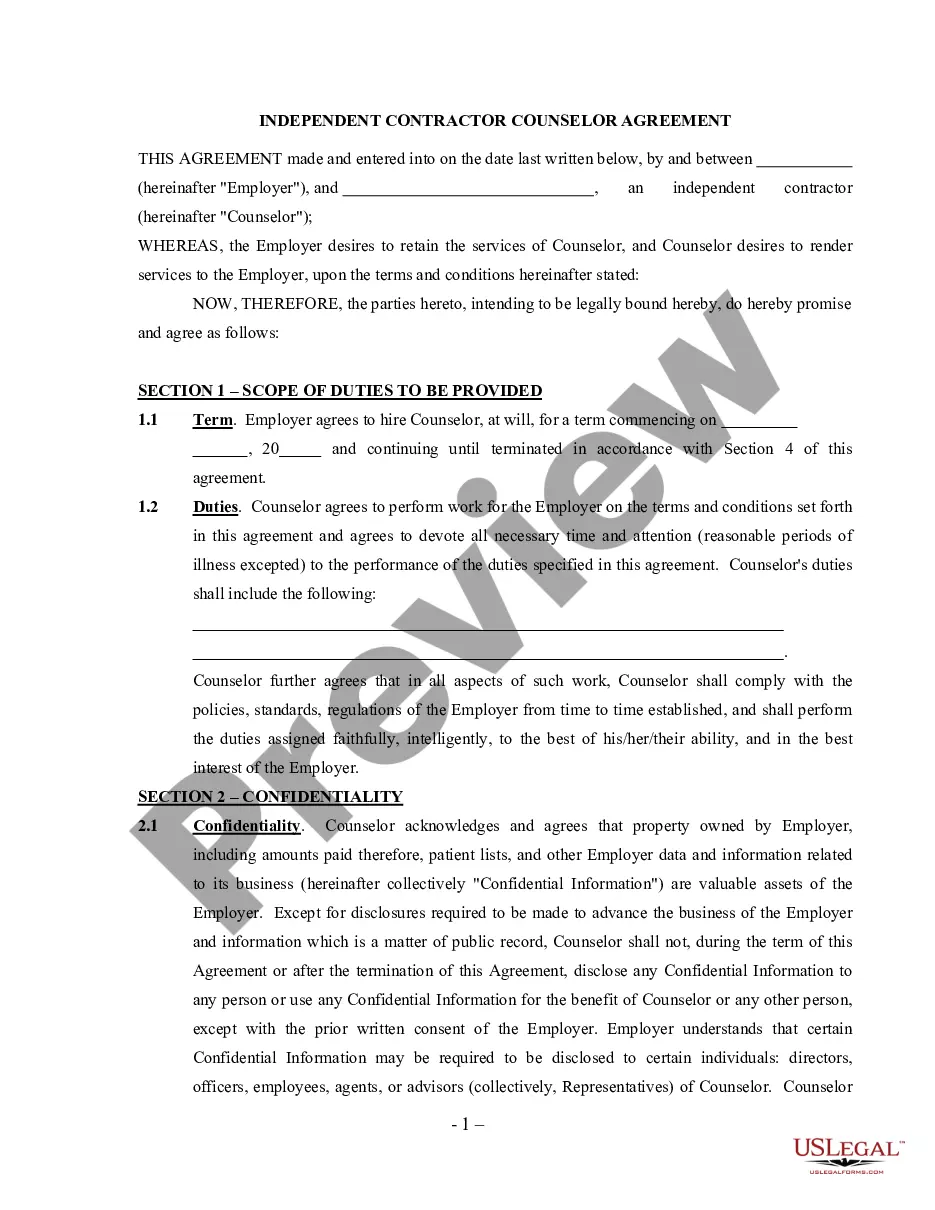
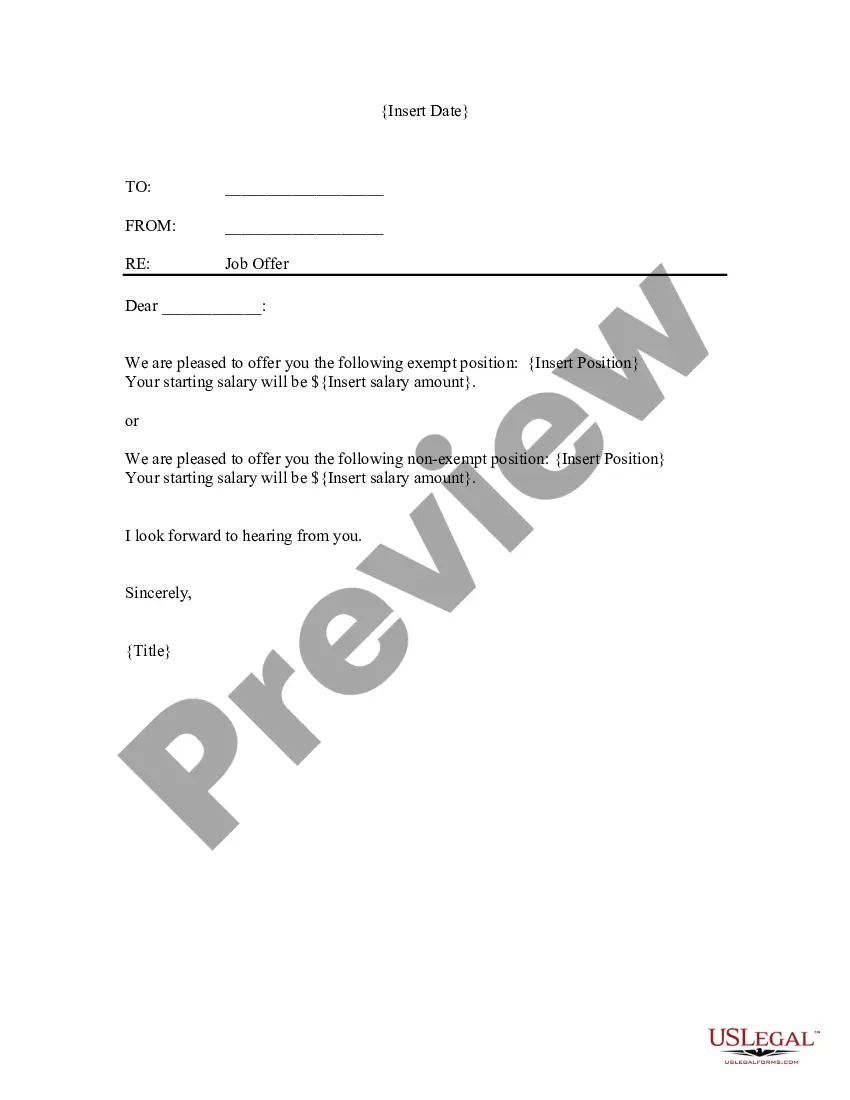
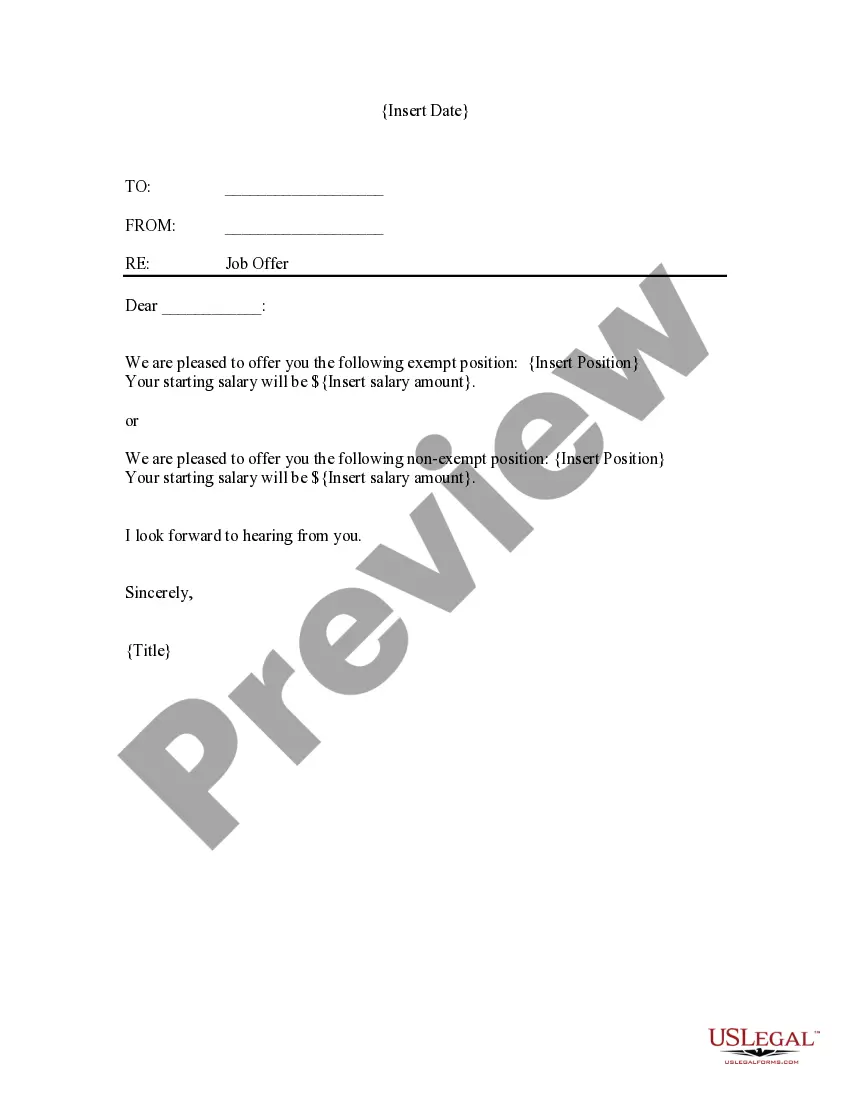
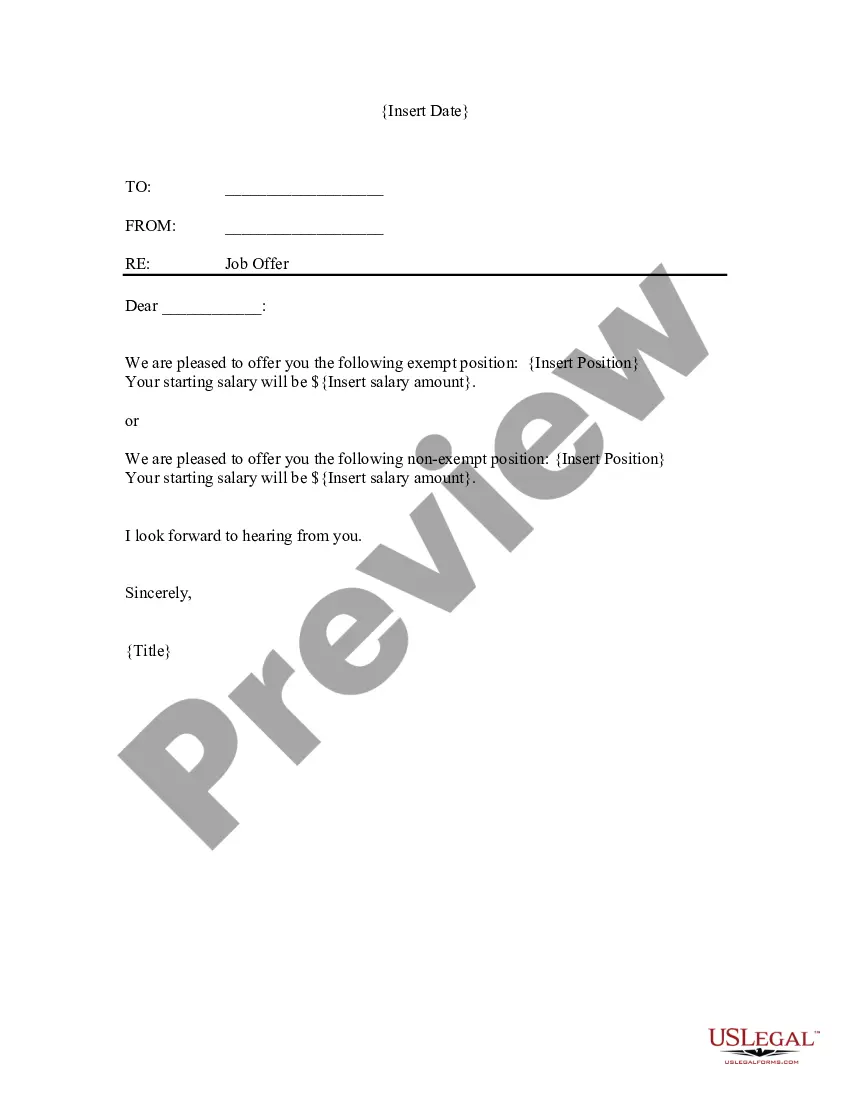
Wisconsin Job Offer Letter for Hourly Employee
Description
Get your form ready online
Our built-in tools help you complete, sign, share, and store your documents in one place.
Make edits, fill in missing information, and update formatting in US Legal Forms—just like you would in MS Word.
Download a copy, print it, send it by email, or mail it via USPS—whatever works best for your next step.
Sign and collect signatures with our SignNow integration. Send to multiple recipients, set reminders, and more. Go Premium to unlock E-Sign.
If this form requires notarization, complete it online through a secure video call—no need to meet a notary in person or wait for an appointment.
We protect your documents and personal data by following strict security and privacy standards.

Make edits, fill in missing information, and update formatting in US Legal Forms—just like you would in MS Word.

Download a copy, print it, send it by email, or mail it via USPS—whatever works best for your next step.

Sign and collect signatures with our SignNow integration. Send to multiple recipients, set reminders, and more. Go Premium to unlock E-Sign.

If this form requires notarization, complete it online through a secure video call—no need to meet a notary in person or wait for an appointment.

We protect your documents and personal data by following strict security and privacy standards.
Looking for another form?
How to fill out Job Offer Letter For Hourly Employee?
Selecting the ideal legal document template can be quite a challenge.
Of course, there are numerous templates accessible online, but how do you find the legal form you require.
Utilize the US Legal Forms website.
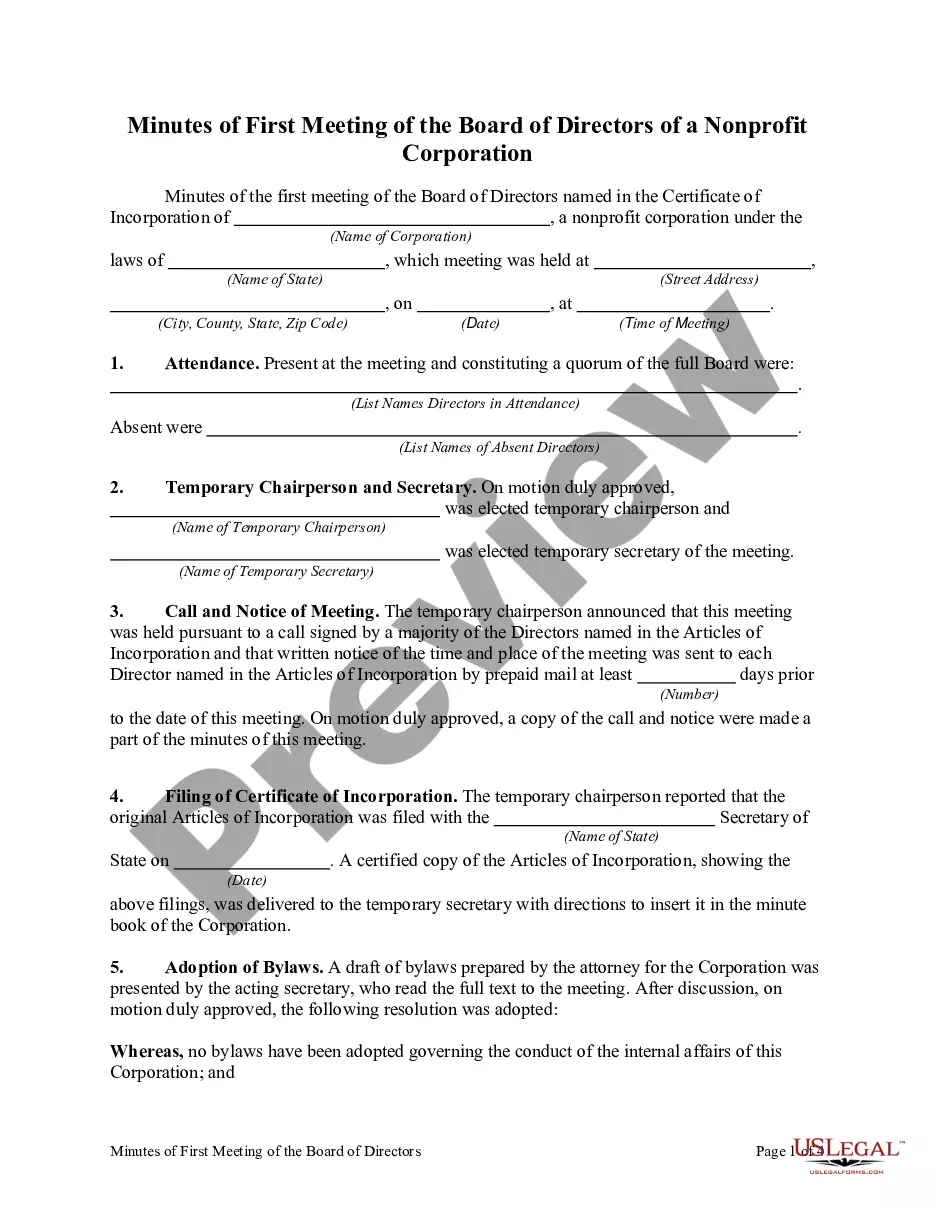
If you are a new user of US Legal Forms, here are straightforward steps for you to follow: First, ensure you have chosen the appropriate form for your region/state. You can browse the form using the Preview feature and check the form description to confirm it is suitable for you.
- The service offers a vast array of templates, including the Wisconsin Job Offer Letter for Hourly Employee, which you can utilize for both business and personal purposes.
- All of the forms are reviewed by experts and comply with state and federal regulations.
- If you are already registered, Log In to your account and click the Download button to obtain the Wisconsin Job Offer Letter for Hourly Employee.
- Use your account to search through the legal forms you have previously ordered.
- Check the My documents tab in your account and request another copy of the document you require.
Form popularity
FAQ
If you haven't received a written offer within 48 hours of the verbal offer, make a special request. Ask for a written offer that details the compensation and benefits package. Before you sign the written offer, pay attention to the verbiage.
If it's been over 48 hours and you still haven't received a formal offer, contact the hiring manager to express your enthusiasm about the offer and to ask about the status. Keep your note short and to the point, and be specific about what you're asking. Say something like: Dear Ms.
Some important details about an offer letter are: It is NOT a legally binding contract. It does NOT include promises of future employment or wages. It includes an employment at-will statement.
You can write an employment offer letter yourself or you can hire an attorney either to write it for you or to review one you have written. Another option is to use an online service provider to create the employment offer letter for you.
While it's completely understandable to be thrilled (and slightly overwhelmed with relief), it's crucial to have a written offer in hand before you verbally accept a positionand yes, even if it's your dream job.
An employment contract lays out the details of a role and includes much of the same information as an offer letter. However, unlike an offer letter, employment contracts include a certain time period (term). Thus, the employment is intentionally not at will but for a certain period of time.
Although not required in the U.S., providing a candidate a written job offer is considered a good practice. Following up a verbal offer with a written offer will not only set expectations for the new employee, but also clarify any matters that were discussed during the interview phase.
A job offer letter from employer to employee should include:Job title.Job description.Starting date.Work schedule.Reporting structure.Salary (Compensation Bonus or Commission)Paid time off.Employee benefits.More items...
Dear Name: We are pleased to offer you the full-time position of Position at Company Name, effective Date. In this capacity you will report to Name. You will be paid an hourly rate of Rate, and will be eligible for overtime for those hours worked over 40 hours in a normal workweek.
While formally composing job offer letters is common, there is no legal obligation to do so. Formal job offer letters can certainly be of benefit to employees as it may outline many of the expectations and requirements before moving into the onboarding stage.