Wisconsin Revocable Trust Agreement with Corporate Trustee
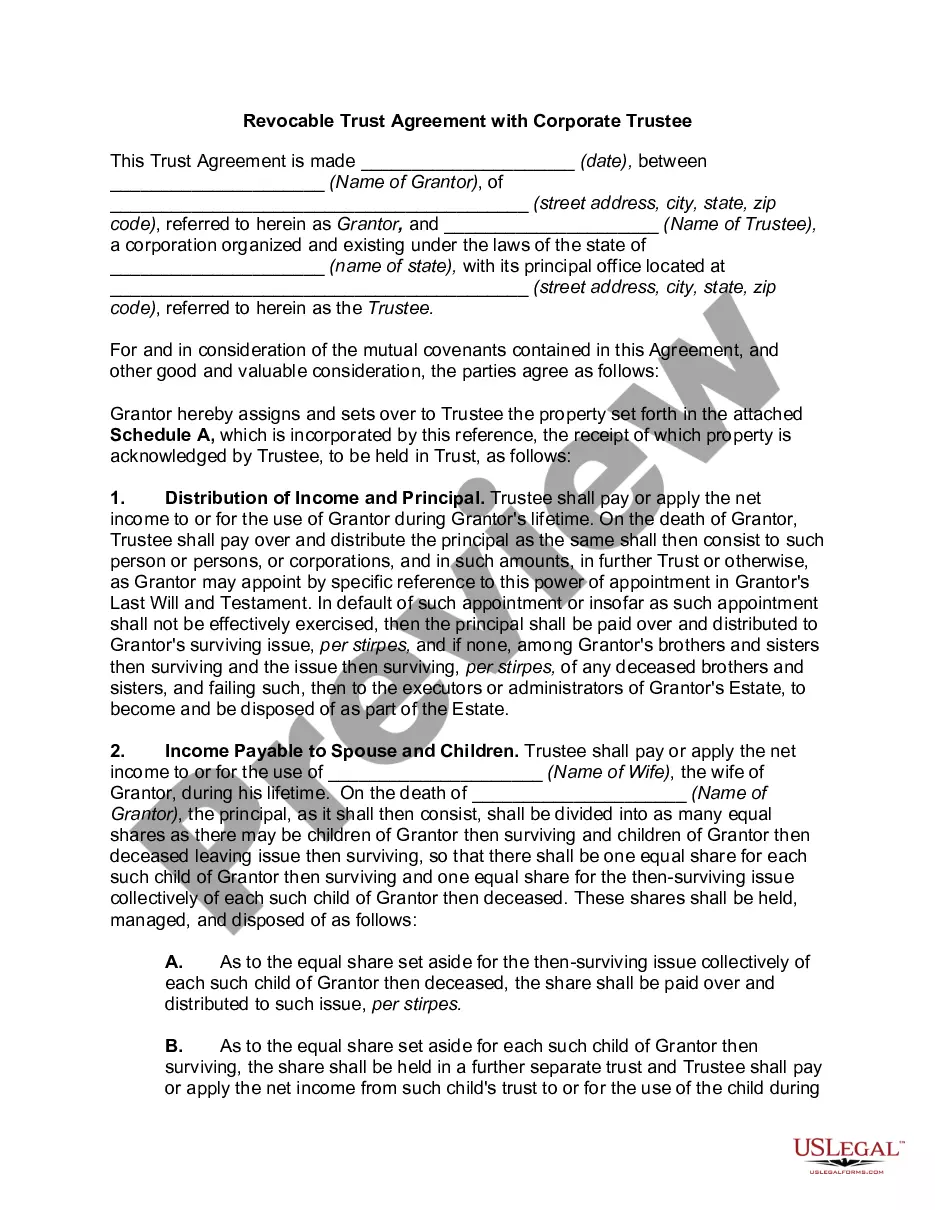
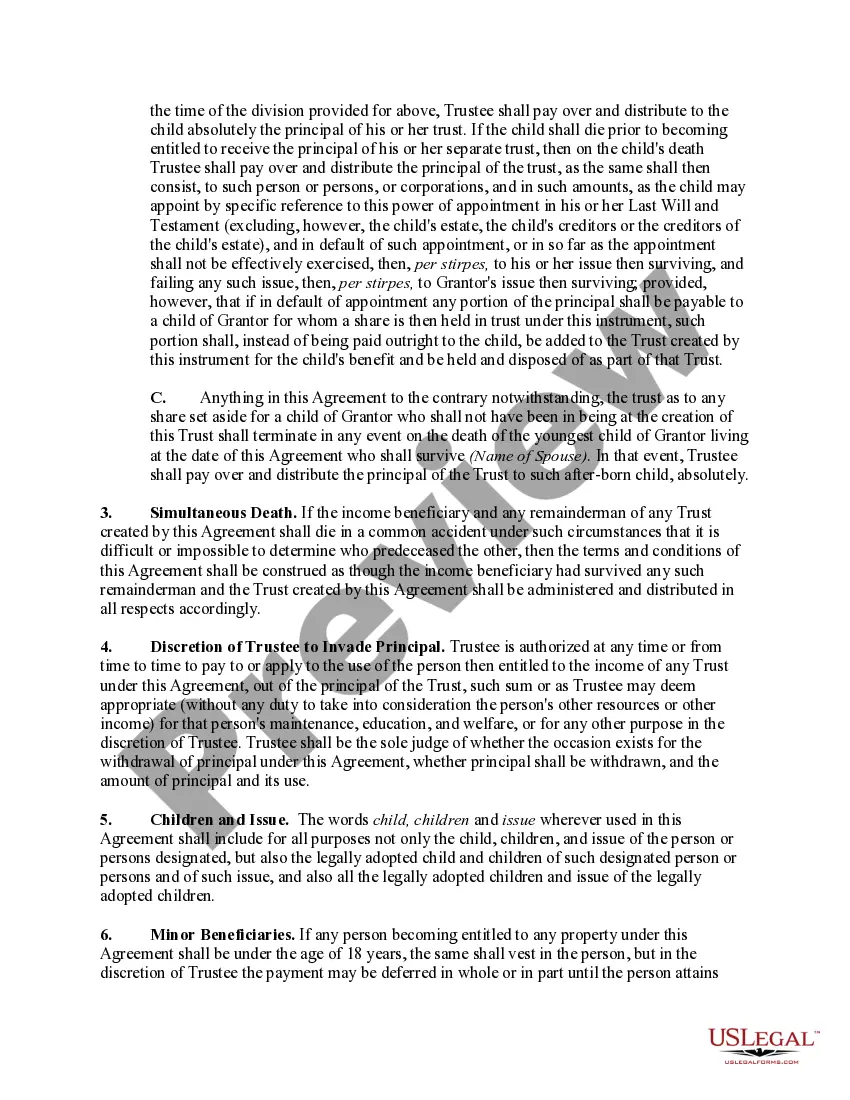
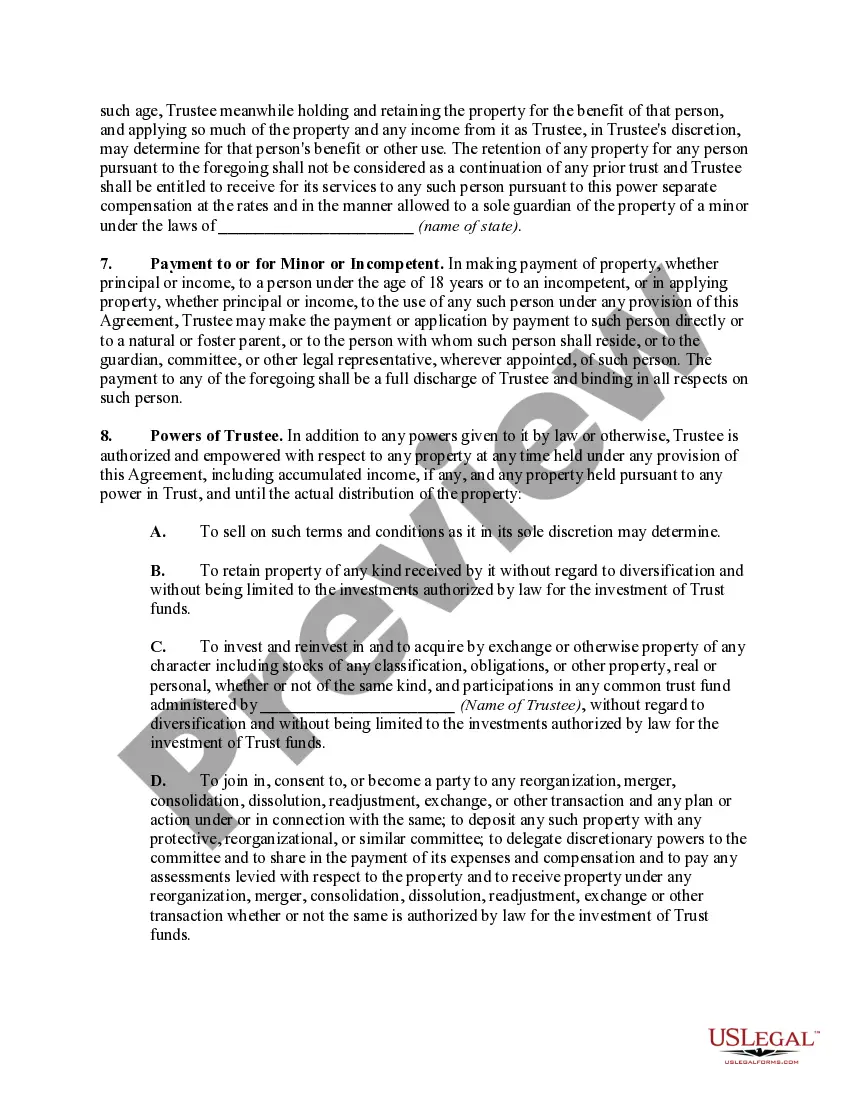
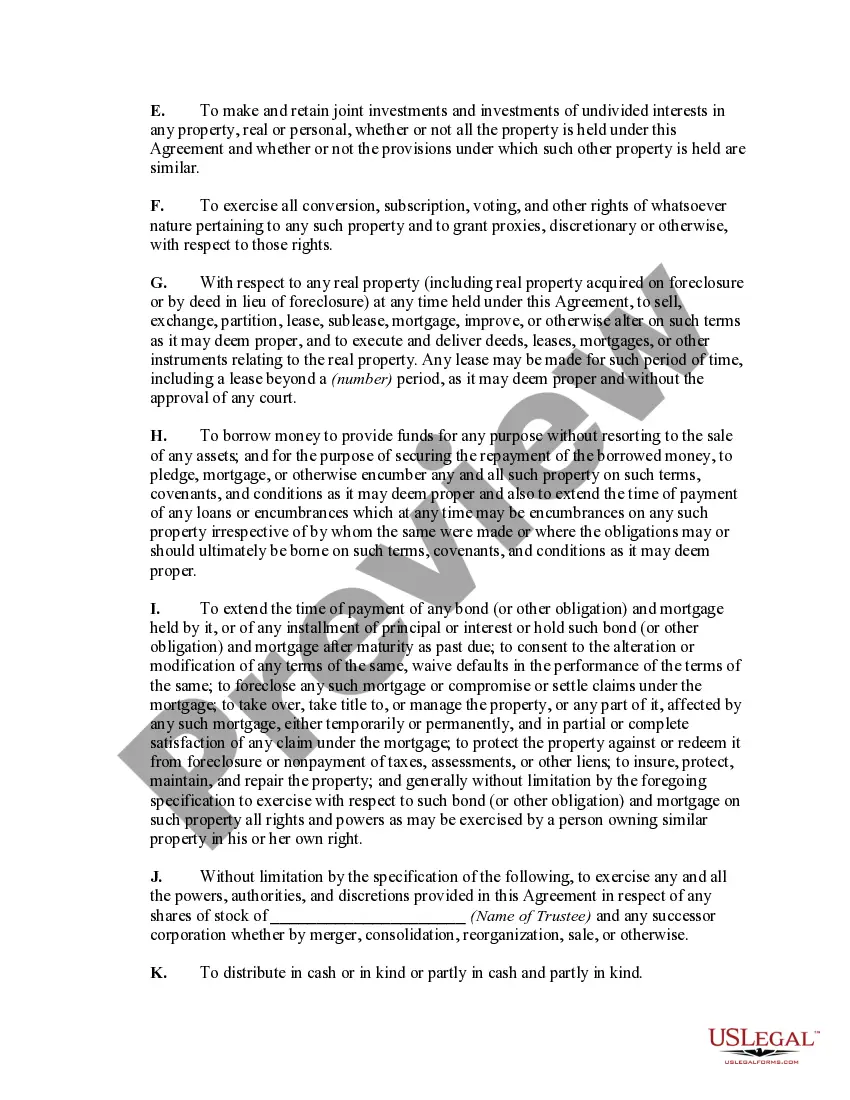
Description
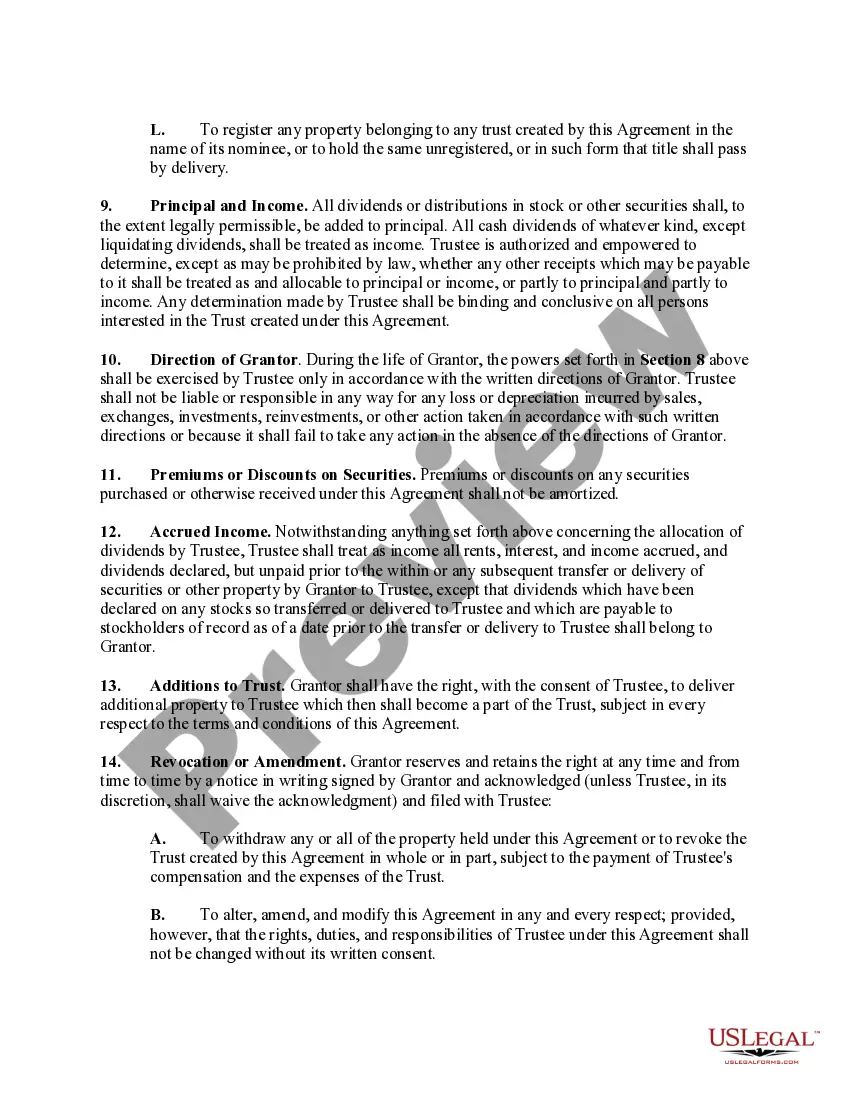
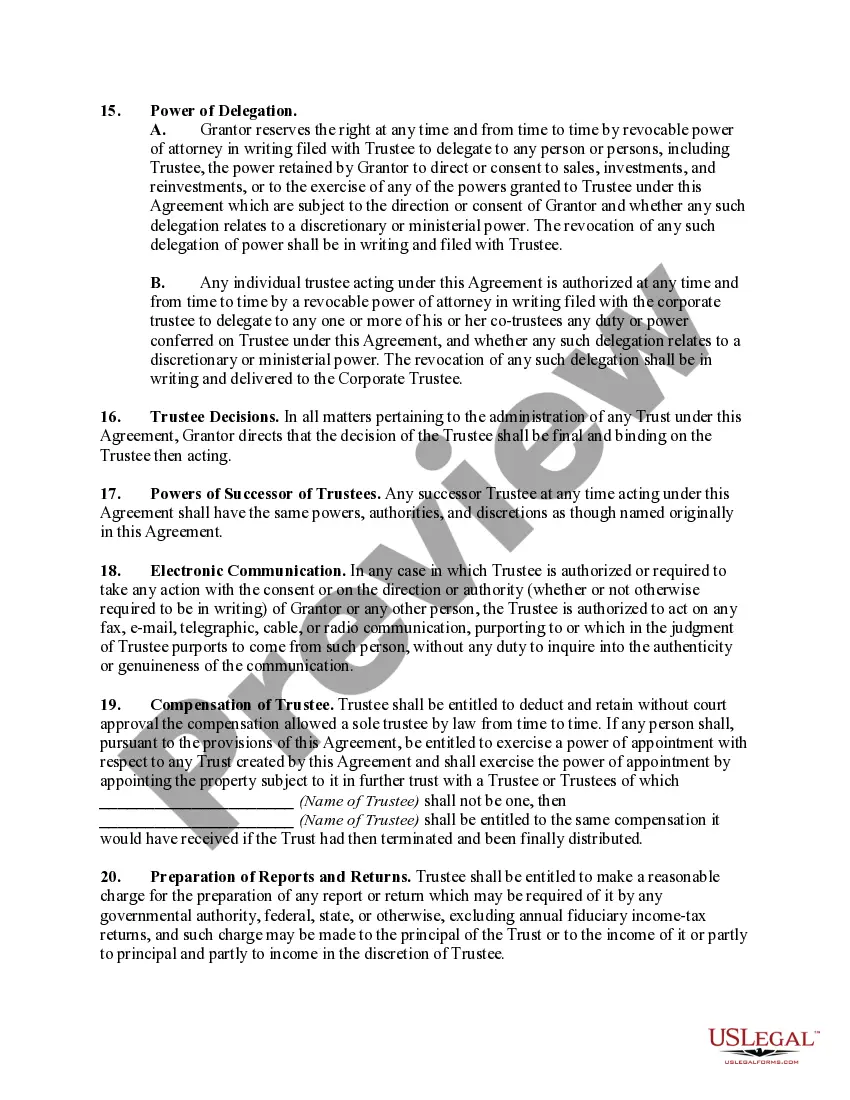
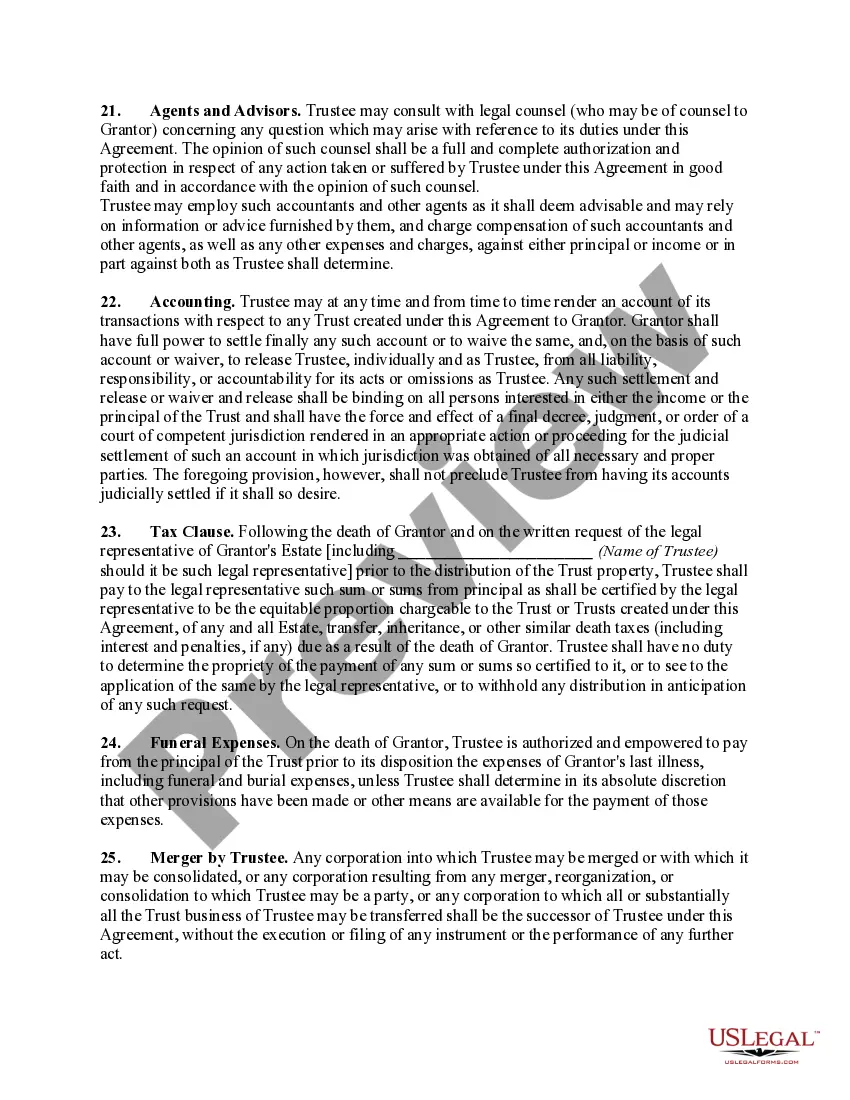
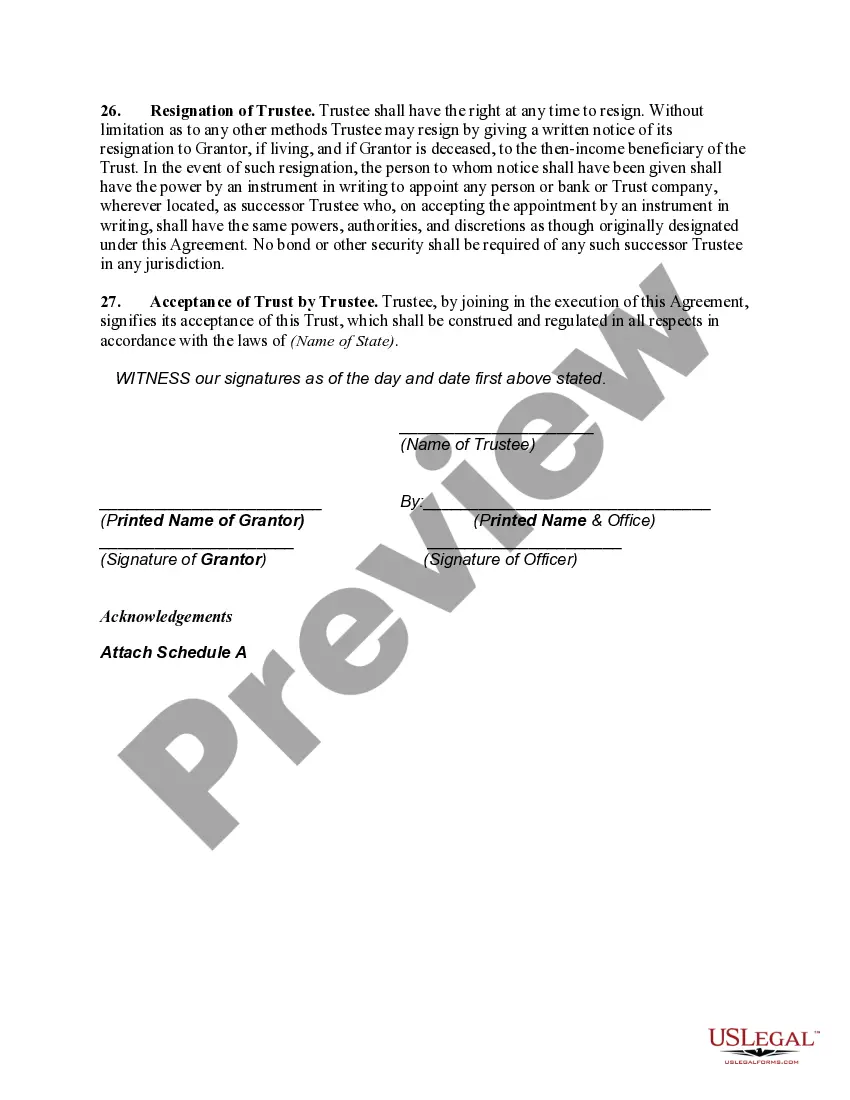
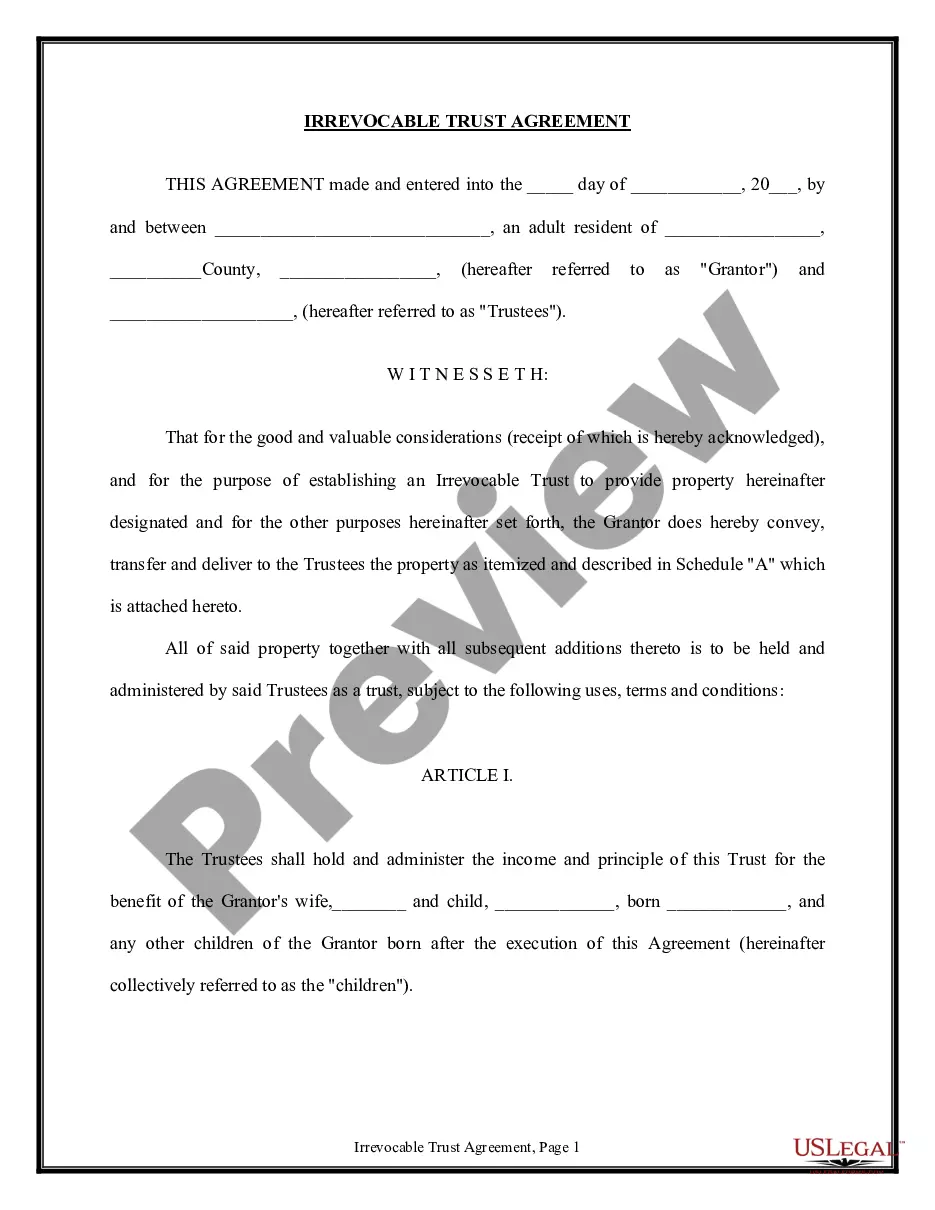
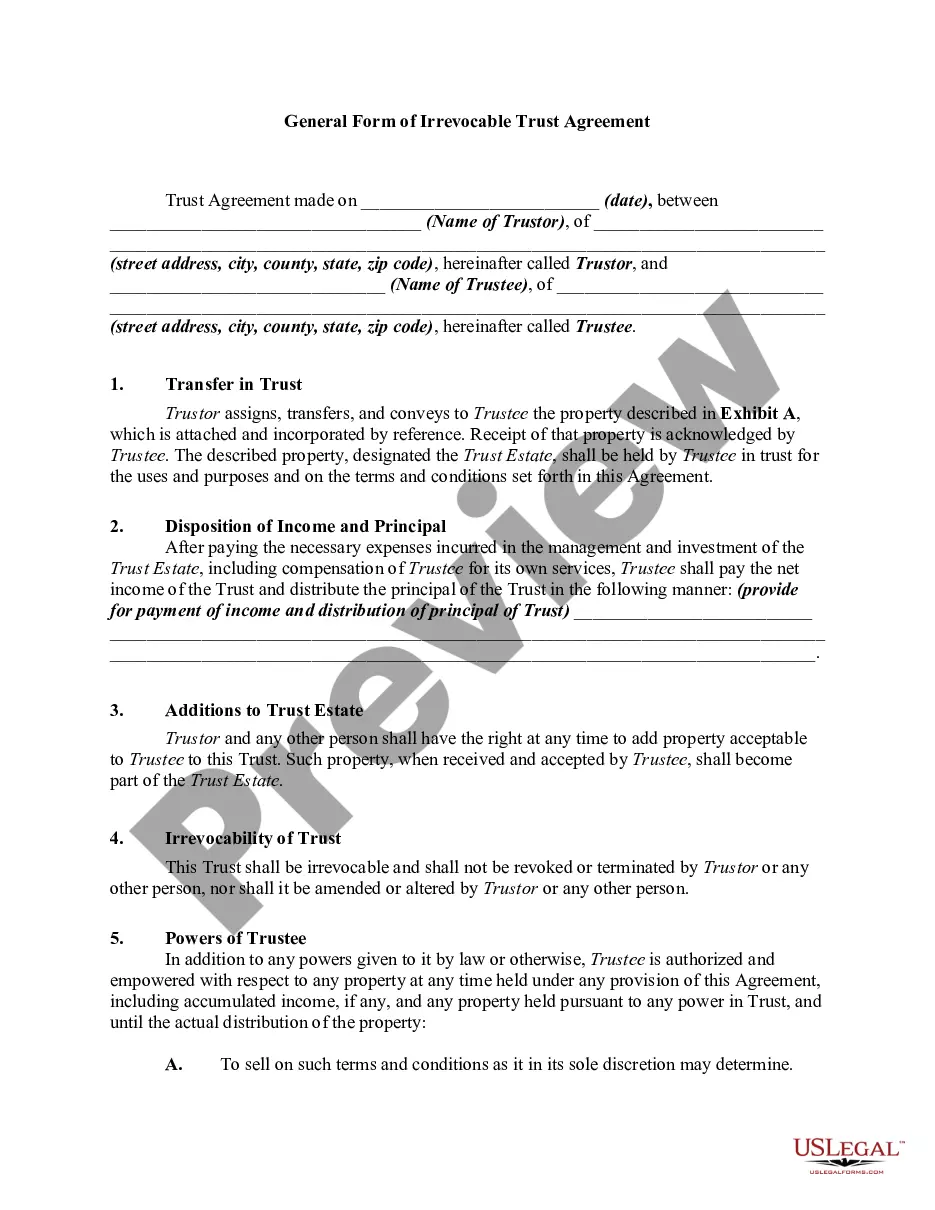
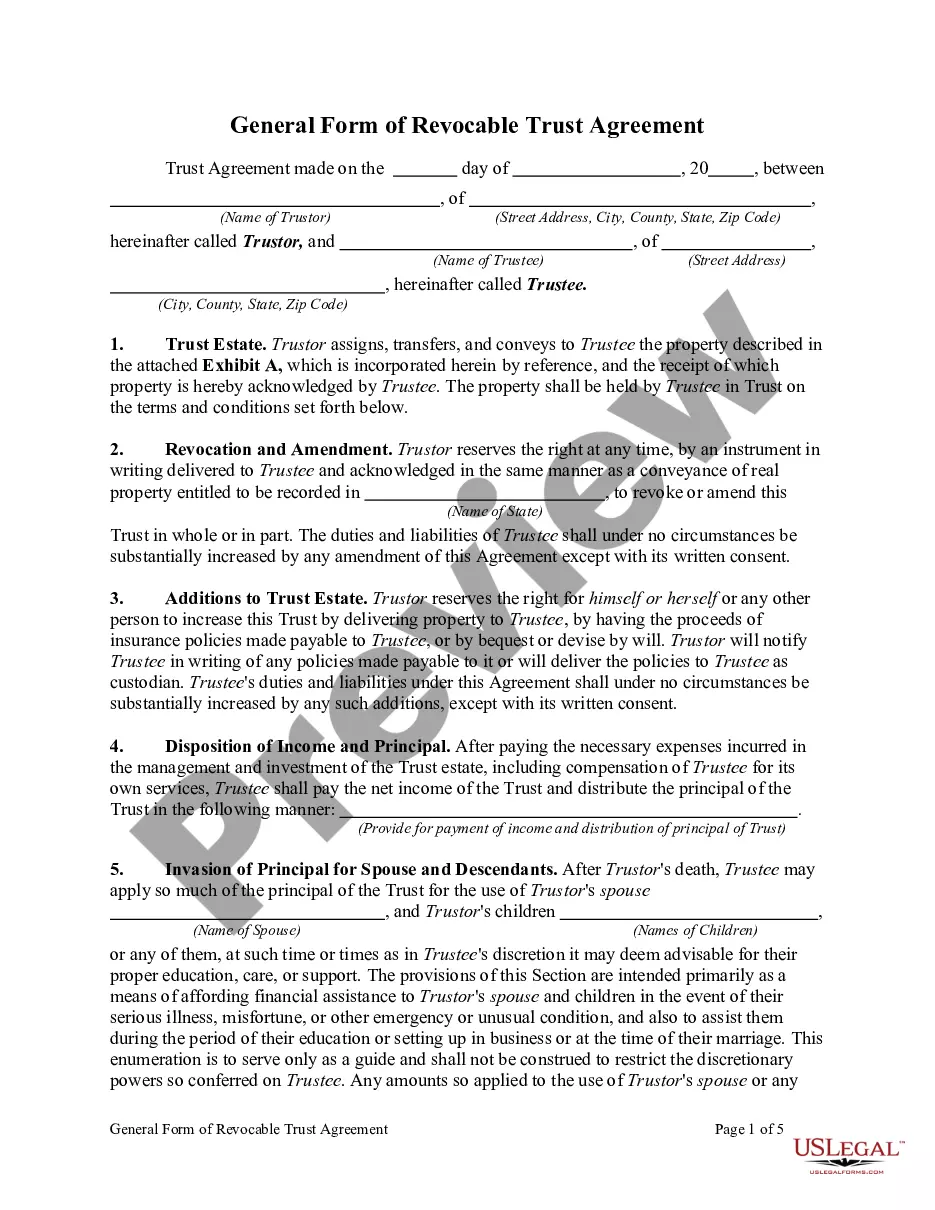
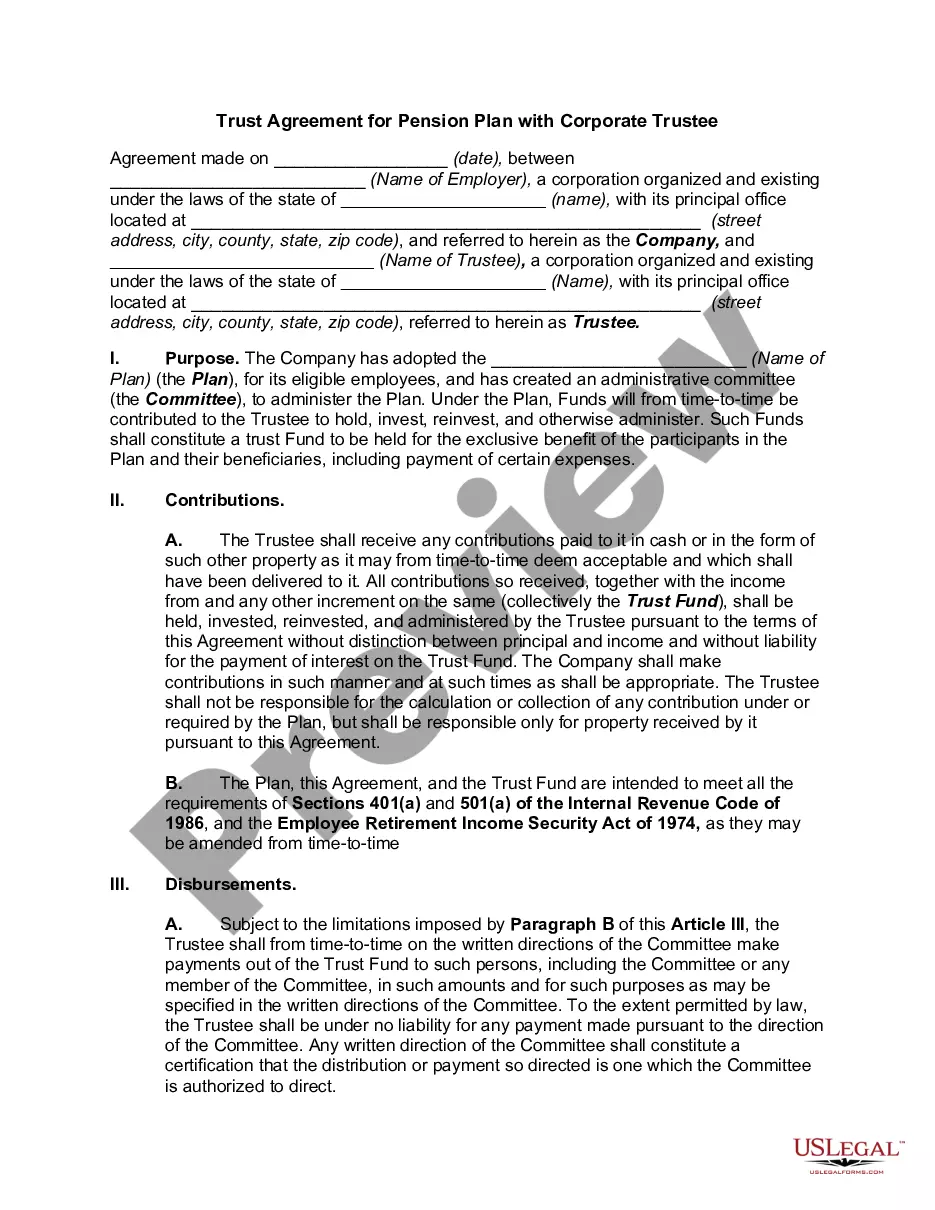
Get your form ready online
Our built-in tools help you complete, sign, share, and store your documents in one place.
Make edits, fill in missing information, and update formatting in US Legal Forms—just like you would in MS Word.
Download a copy, print it, send it by email, or mail it via USPS—whatever works best for your next step.
Sign and collect signatures with our SignNow integration. Send to multiple recipients, set reminders, and more. Go Premium to unlock E-Sign.
If this form requires notarization, complete it online through a secure video call—no need to meet a notary in person or wait for an appointment.
We protect your documents and personal data by following strict security and privacy standards.

Make edits, fill in missing information, and update formatting in US Legal Forms—just like you would in MS Word.

Download a copy, print it, send it by email, or mail it via USPS—whatever works best for your next step.

Sign and collect signatures with our SignNow integration. Send to multiple recipients, set reminders, and more. Go Premium to unlock E-Sign.

If this form requires notarization, complete it online through a secure video call—no need to meet a notary in person or wait for an appointment.

We protect your documents and personal data by following strict security and privacy standards.
Looking for another form?




How to fill out Revocable Trust Agreement With Corporate Trustee?
It is feasible to spend hours on the web searching for the legitimate document template that satisfies the state and federal requirements you need.
US Legal Forms offers thousands of legal templates that are evaluated by experts.
You can obtain or print the Wisconsin Revocable Trust Agreement with Corporate Trustee from my service.
If available, utilize the Preview button to view the document template as well.
- If you possess a US Legal Forms account, you may Log In and hit the Download button.
- Afterward, you can fill out, modify, print, or sign the Wisconsin Revocable Trust Agreement with Corporate Trustee.
- Each legal document template you buy is yours permanently.
- To acquire another copy of a purchased form, visit the My documents tab and click the corresponding button.
- If you are using the US Legal Forms site for the first time, follow the simple instructions outlined below.
- First, ensure that you have chosen the correct document template for the county/town of your choice.
- Review the form description to confirm you have selected the appropriate template.
Form popularity
FAQ
Your trustee can be a trusted family member or friend, an entity such as a bank, a corporation or an individual with professional expertise working as a trustee. A subchapter S or S corporation can serve as a trustee, but there are some considerations to make if the S corporation is to serve in this capacity.
Yes, a trustee can own units in a unit trust - as long as you include the trustee's name and their capacity. For example: 'John Smith in his capacity as the trustee of the John Smith Family Trust'. In this case, the trustee holds the units in the unit trust on trust for the beneficiaries of the trustee's own trust.
There are several parties that make up a trust structure, each serving a different role. The 'trustee' is the person who distributes the trust's assets to the beneficiaries. A trustee can be either a real person, known as an 'individual trustee', or a company, known as a 'corporate trustee'.
The trustee usually has the power to retain trust property, reinvest trust property or, with or without court authorization, sell, convey, exchange, partition, and divide trust property.
The trustee cannot fail to carry out the wishes and intent of the settlor and cannot act in bad faith, fail to represent the best interests of the beneficiaries at all times during the existence of the trust and fail to follow the terms of the trust. A trustee cannot fail to carry out their duties.
Even if you are capable of managing your own trust, a corporate trustee can be a wise choice. You may not have the time, desire, or investment experience to manage your trust yourself, or perhaps you just feel that someone with more time and experience could do a better job than you.
Assets That Can And Cannot Go Into Revocable TrustsReal estate.Financial accounts.Retirement accounts.Medical savings accounts.Life insurance.Questionable assets.26-Jan-2020
The main advantages of naming a corporate trustee are expertise, experience, resources and objectivity.
The trustee acts as the legal owner of trust assets, and is responsible for handling any of the assets held in trust, tax filings for the trust, and distributing the assets according to the terms of the trust. Both roles involve duties that are legally required.
Corporate trustees are departments at banks or other investment firms hired to build and manage a trust. People hire corporate trustees for their professional experience in trust matters that a family member or friend may not have.