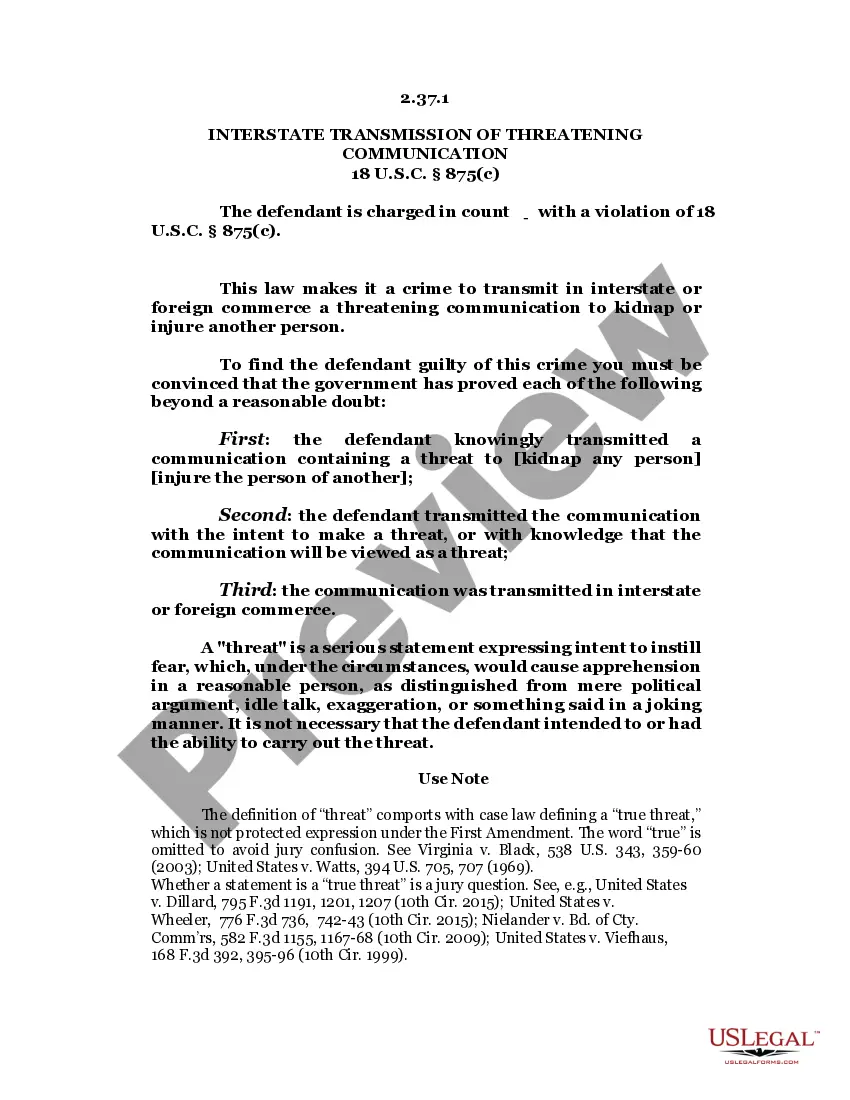
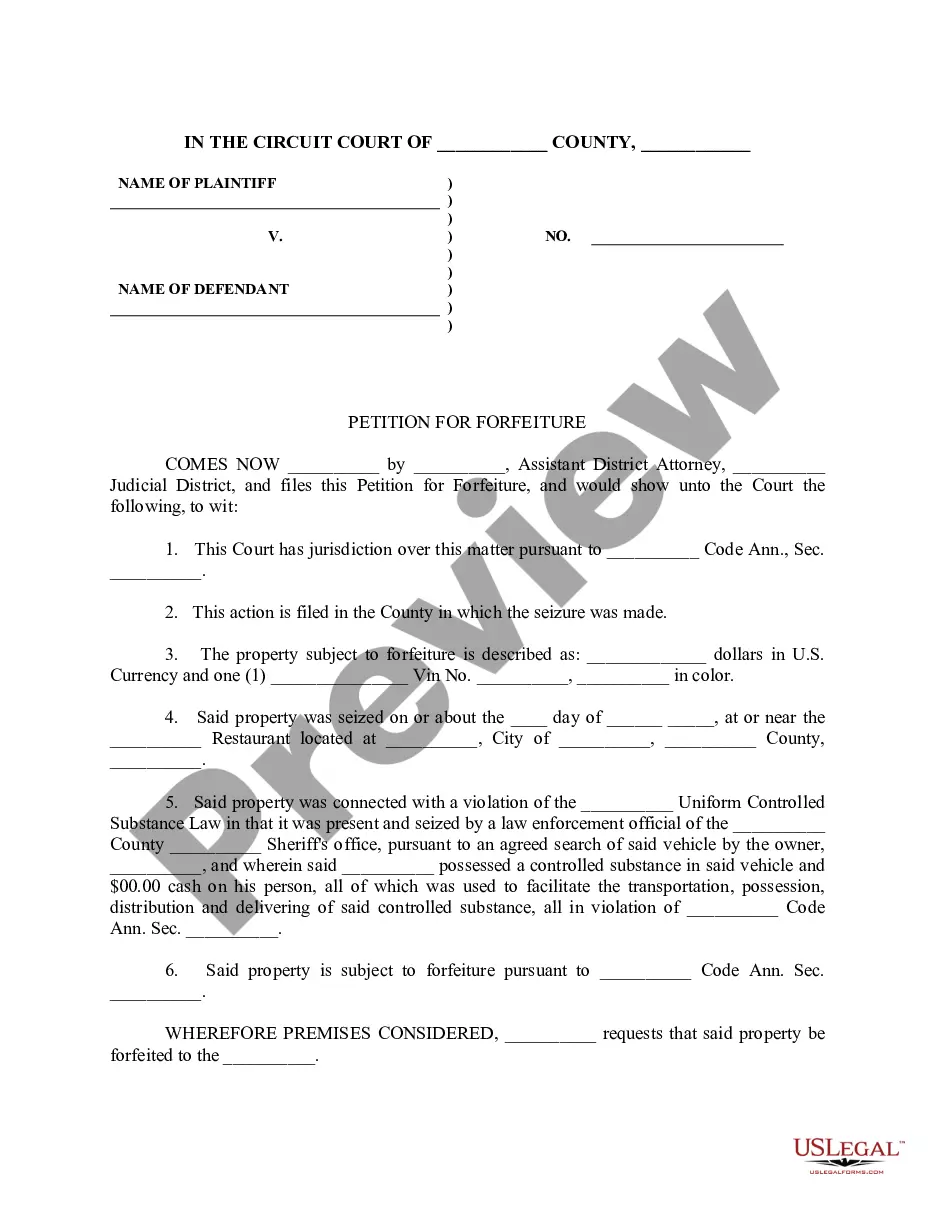
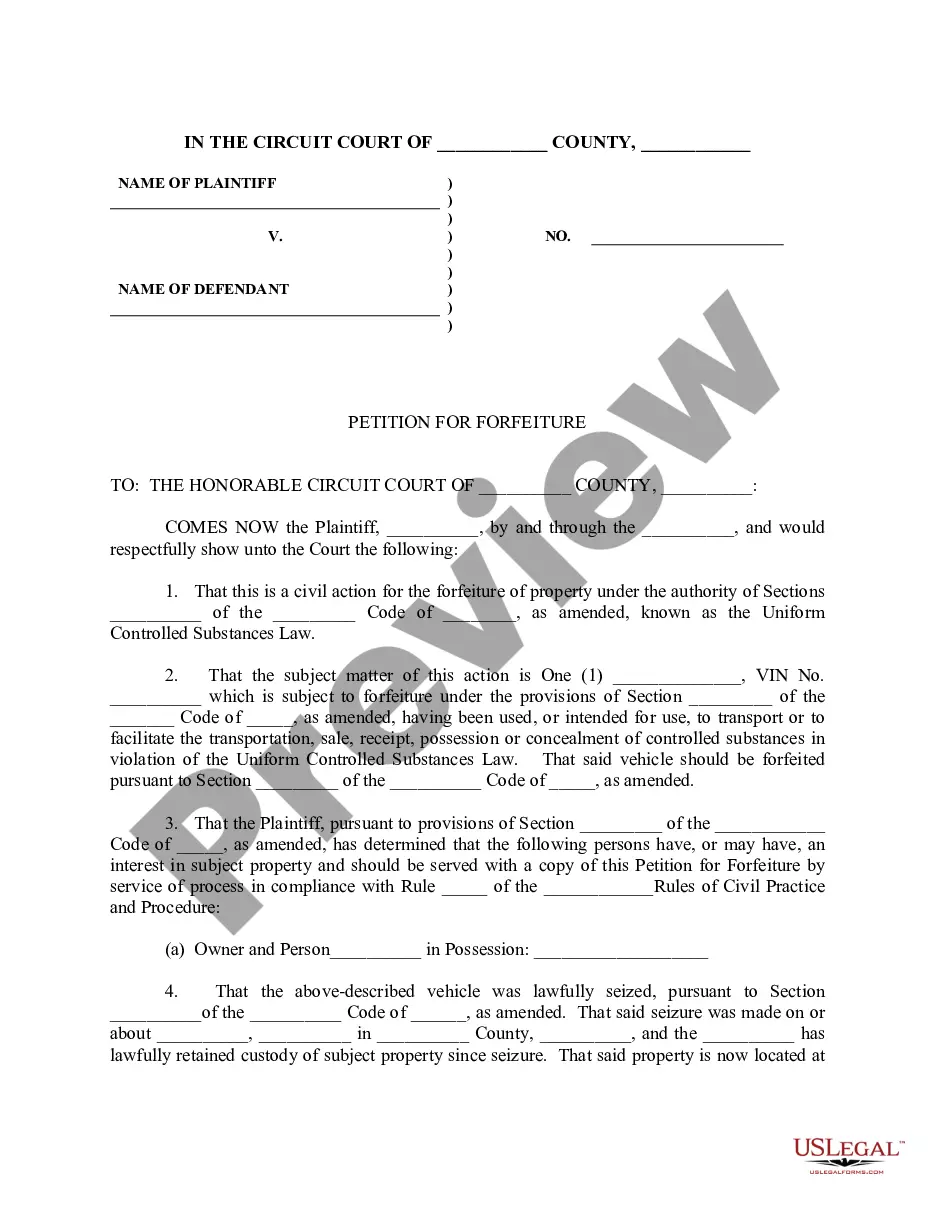
Wisconsin Petition for Forfeiture
Description

Get your form ready online
Our built-in tools help you complete, sign, share, and store your documents in one place.
Make edits, fill in missing information, and update formatting in US Legal Forms—just like you would in MS Word.
Download a copy, print it, send it by email, or mail it via USPS—whatever works best for your next step.
Sign and collect signatures with our SignNow integration. Send to multiple recipients, set reminders, and more. Go Premium to unlock E-Sign.
If this form requires notarization, complete it online through a secure video call—no need to meet a notary in person or wait for an appointment.
We protect your documents and personal data by following strict security and privacy standards.

Make edits, fill in missing information, and update formatting in US Legal Forms—just like you would in MS Word.

Download a copy, print it, send it by email, or mail it via USPS—whatever works best for your next step.

Sign and collect signatures with our SignNow integration. Send to multiple recipients, set reminders, and more. Go Premium to unlock E-Sign.

If this form requires notarization, complete it online through a secure video call—no need to meet a notary in person or wait for an appointment.

We protect your documents and personal data by following strict security and privacy standards.
Looking for another form?




How to fill out Petition For Forfeiture?
Finding the correct valid document template can be a challenge. Naturally, there are numerous templates accessible online, but how do you locate the valid form you require? Utilize the US Legal Forms website.
The platform offers thousands of templates, including the Wisconsin Petition for Forfeiture, which you can utilize for both professional and personal purposes. All of the forms are verified by professionals and comply with state and federal regulations.
If you are already registered, Log In to your account and click the Acquire button to obtain the Wisconsin Petition for Forfeiture. Use your account to review the legal forms you have previously purchased. Navigate to the My documents section of your account and download another copy of the document you desire.
Select the file format and download the valid document template to your device. Complete, modify, print, and sign the acquired Wisconsin Petition for Forfeiture. US Legal Forms is the largest collection of legal forms where you can find various document templates. Use the service to download properly crafted documents that adhere to state regulations.
- First, ensure you have selected the correct form for your state/region.
- You can browse the form using the Review button and examine the form details to confirm it is suitable for you.
- If the form does not meet your requirements, utilize the Search field to find the appropriate form.
- Once you are confident that the form is fitting, click the Buy now button to acquire the form.
- Choose the pricing plan you wish and enter the necessary information.
- Create your account and complete the purchase using your PayPal account or credit card.
Form popularity
FAQ
Asset forfeiture is the government's legal right to take someone's property due to a reasonable suspicion it was acquired through illegal conduct or was used to commit a crime.
A forfeiture is an order of the court mandating the surrender of property to the court. In most instances, a forfeiture mandates the surrender of money to the court (also called a fine), but the court may order the surrender of personal property such as an automobile or real property, being land or a building.
Under Federal law, there are three (3) types of forfeiture: criminal forfeiture, civil judicial forfeiture, and administrative forfeiture.
Illinois state law authorizes the ?civil forfeiture of property which is used or intended to be used in? illegal drug activity. Unlike a traditional fine or criminal penalty assessed following a trial, civil asset forfeiture allows the police to immediately take a suspect's property.
Criminal forfeiture operates as punishment for a crime. It, therefore, requires a conviction, following which the state takes the assets in question from the criminal. Civil forfeiture rests on the idea (a legal fiction) that the property itself, not the owner, has violated the law.
Forfeiture is broadly defined as the loss of property for failing to obey the law, and that property is generally lost to the state. A person may have a vested interest in property to be forfeit in two ways: In personum jurisdiction and in rem jurisdiction.
Illinois state law authorizes the ?civil forfeiture of property which is used or intended to be used in? illegal drug activity. Unlike a traditional fine or criminal penalty assessed following a trial, civil asset forfeiture allows the police to immediately take a suspect's property.
(a) For a Class A forfeiture, a forfeiture not to exceed $10,000. (b) For a Class B forfeiture, a forfeiture not to exceed $1,000. (c) For a Class C forfeiture, a forfeiture not to exceed $500. (d) For a Class D forfeiture, a forfeiture not to exceed $200. (e) For a Class E forfeiture, a forfeiture not to exceed $25.