Wisconsin Judgment
Description
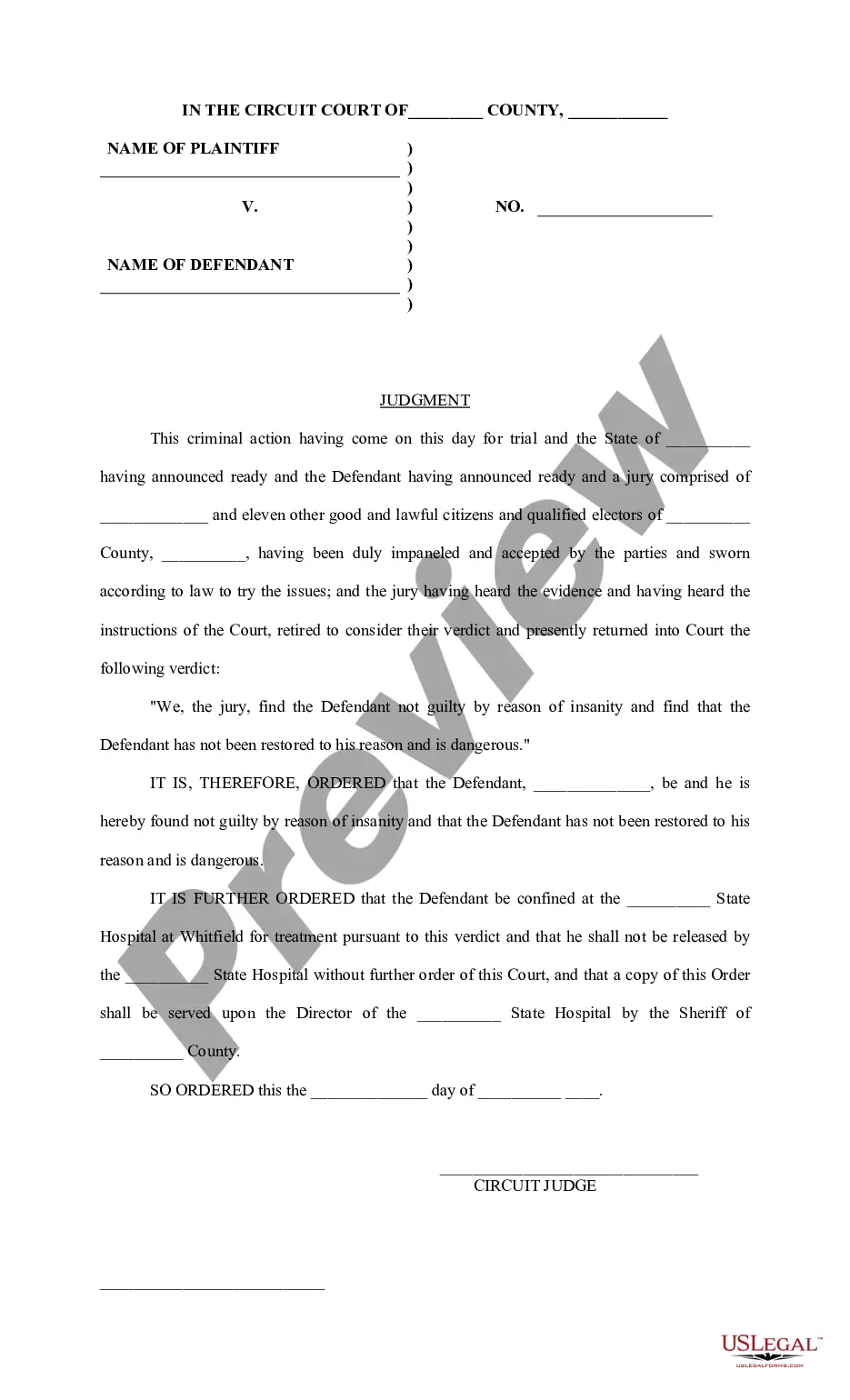
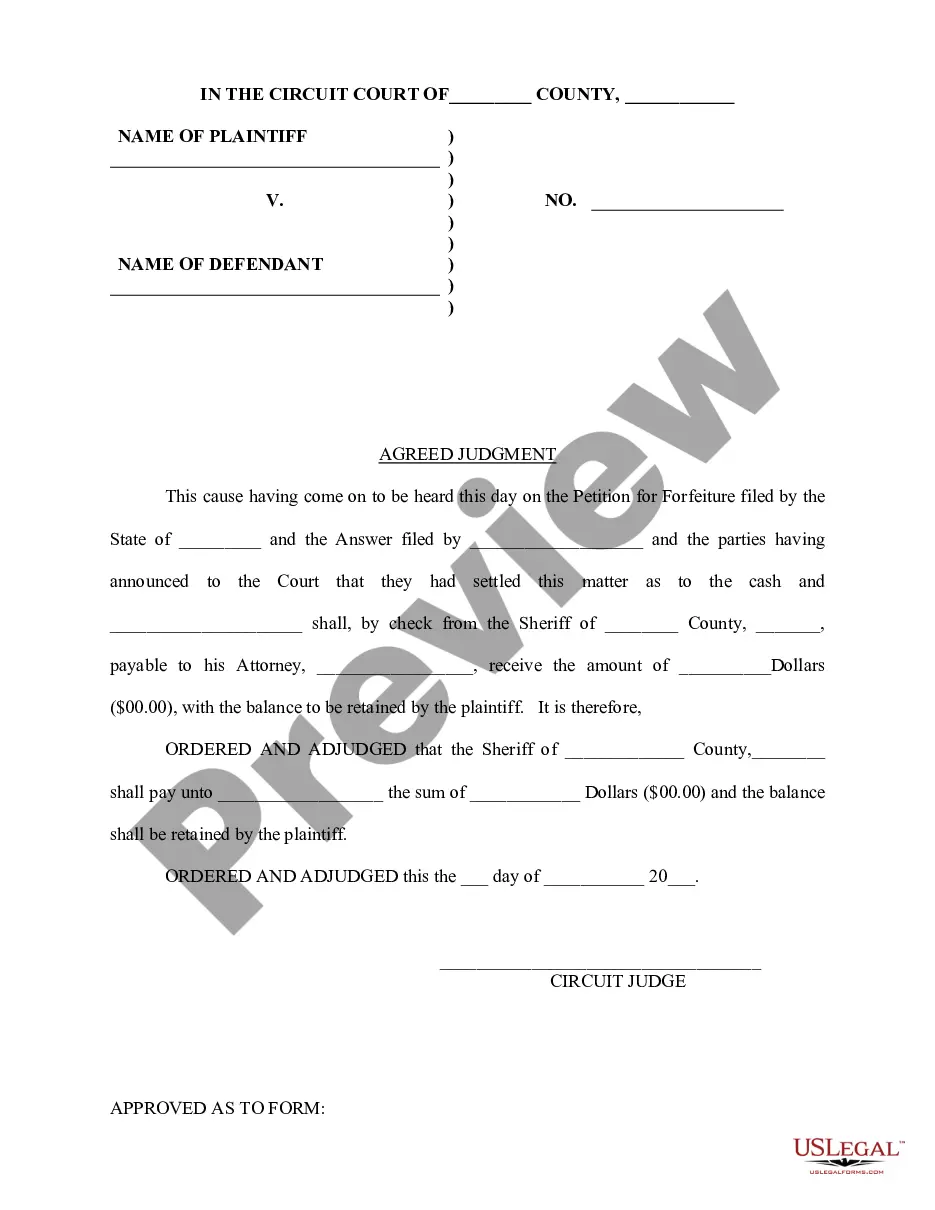
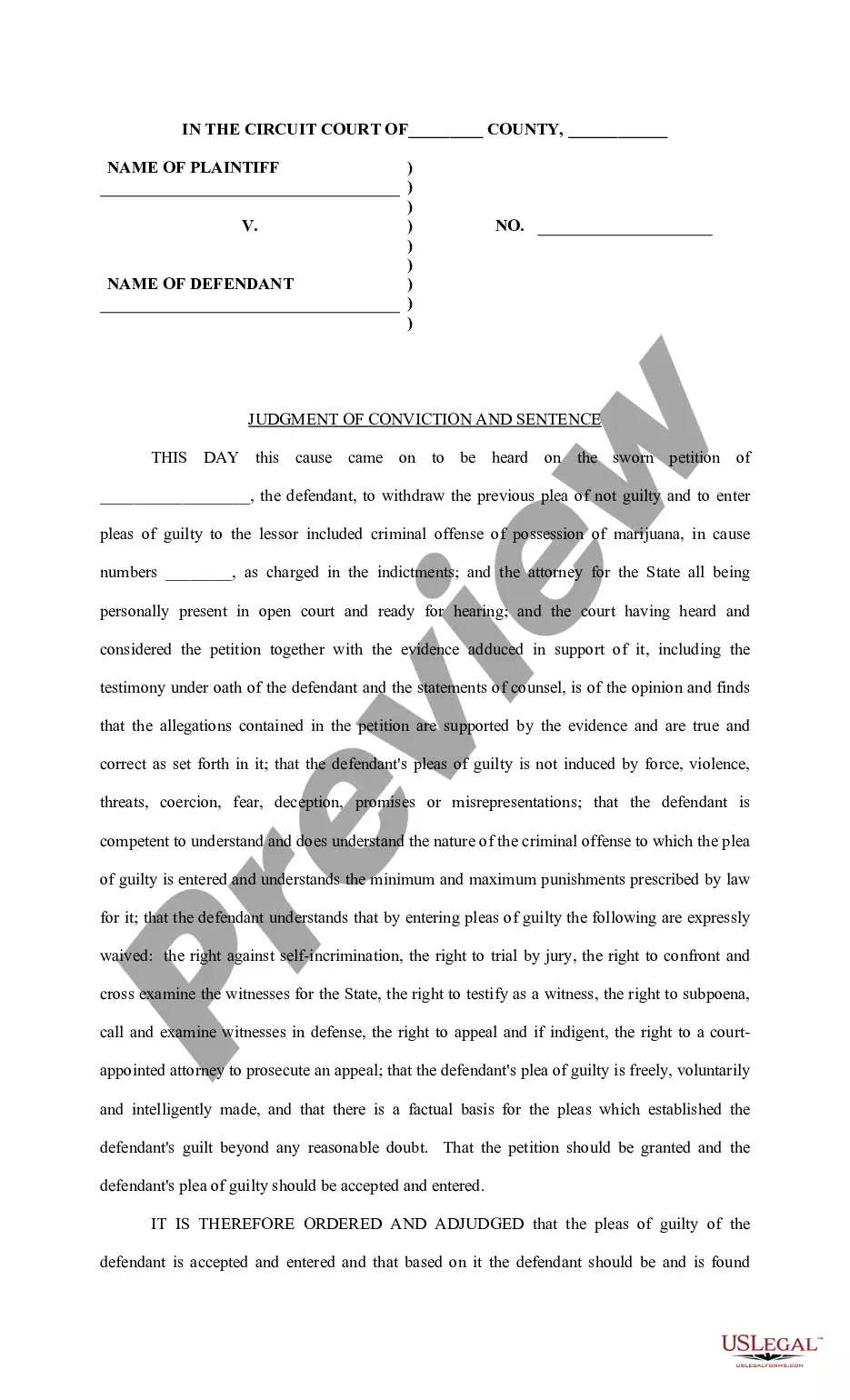
Get your form ready online
Our built-in tools help you complete, sign, share, and store your documents in one place.
Make edits, fill in missing information, and update formatting in US Legal Forms—just like you would in MS Word.
Download a copy, print it, send it by email, or mail it via USPS—whatever works best for your next step.
Sign and collect signatures with our SignNow integration. Send to multiple recipients, set reminders, and more. Go Premium to unlock E-Sign.
If this form requires notarization, complete it online through a secure video call—no need to meet a notary in person or wait for an appointment.
We protect your documents and personal data by following strict security and privacy standards.

Make edits, fill in missing information, and update formatting in US Legal Forms—just like you would in MS Word.

Download a copy, print it, send it by email, or mail it via USPS—whatever works best for your next step.

Sign and collect signatures with our SignNow integration. Send to multiple recipients, set reminders, and more. Go Premium to unlock E-Sign.

If this form requires notarization, complete it online through a secure video call—no need to meet a notary in person or wait for an appointment.

We protect your documents and personal data by following strict security and privacy standards.
Looking for another form?
How to fill out Judgment?
Have you ever found yourself in a situation where you require documents for either organizational or personal reasons almost every day.
There are numerous legal document templates accessible online, but locating ones you can trust can be challenging.
US Legal Forms offers thousands of form templates, such as the Wisconsin Judgment, which are created to comply with state and federal regulations.
Once you locate the appropriate form, click Purchase now.
Choose the payment plan you prefer, fill in the required details to create your account, and complete the transaction using your PayPal or credit card. Opt for a convenient document format and download your copy. Access all the document templates you have purchased in the My documents section. You can obtain another copy of the Wisconsin Judgment at any time if needed. Click the desired form to download or print the document template. Use US Legal Forms, one of the most extensive selections of legal forms, to save time and prevent errors. The service provides professionally crafted legal document templates that can be utilized for a variety of purposes. Create your account on US Legal Forms and start making your life a bit easier.
- If you are already acquainted with the US Legal Forms website and possess an account, simply Log In.
- Then, you can download the Wisconsin Judgment template.
- If you do not have an account and wish to start using US Legal Forms, follow these steps.
- Find the form you need and ensure it is for the correct state/region.
- Utilize the Preview option to review the document.
- Check the description to confirm that you have selected the correct form.
- If the form is not what you are looking for, use the Search field to find the form that suits your requirements.
Form popularity
FAQ
In order to renew, the judgment creditor must obtain permission from the court and refile an action against the judgment debtor within 20 years. Wis. Stat. §§ 806.23; 893.40; 893.415.
A judgment can remain on your credit report for seven years or until the statute of limitations expires, whichever is longer. In Wisconsin, the statute of limitations on a judgment can be up to 20 years.
Wisconsin judgments have 10- and 20-year expiration dates, but they can be extended if the judgment creditor requests permission from the court and re-files an action against the judgment debtor.
In Wisconsin, creditors must file any claims before the deadline set by the court clerk, typically 3-4 months after executor appointment.
In Wisconsin, the statute of limitations is six years and begins on the date of the last payment on an account. This also means that if you make a payment on your debt at any time in the six-year span, the clock restarts.
Generally, the creditor gives the debtor (person who owes the money/property) the completed Satisfaction of Judgment (form GF-129) to file with the Clerk of Circuit Court and pay the filing fee. Satisfactions of Judgment can be filed electronically via the Wisconsin Courts System eFiling.
To vacate a default judgment under sub. (1) (a), the moving party must set forth a meritorious defense, which is a defense good at law that would survive a motion for judgment on the pleadings.
(5) A default judgment may be rendered against any party who has appeared in the action but who fails to appear at trial. If proof of any fact is necessary for the court to render judgment, the court shall receive the proof.