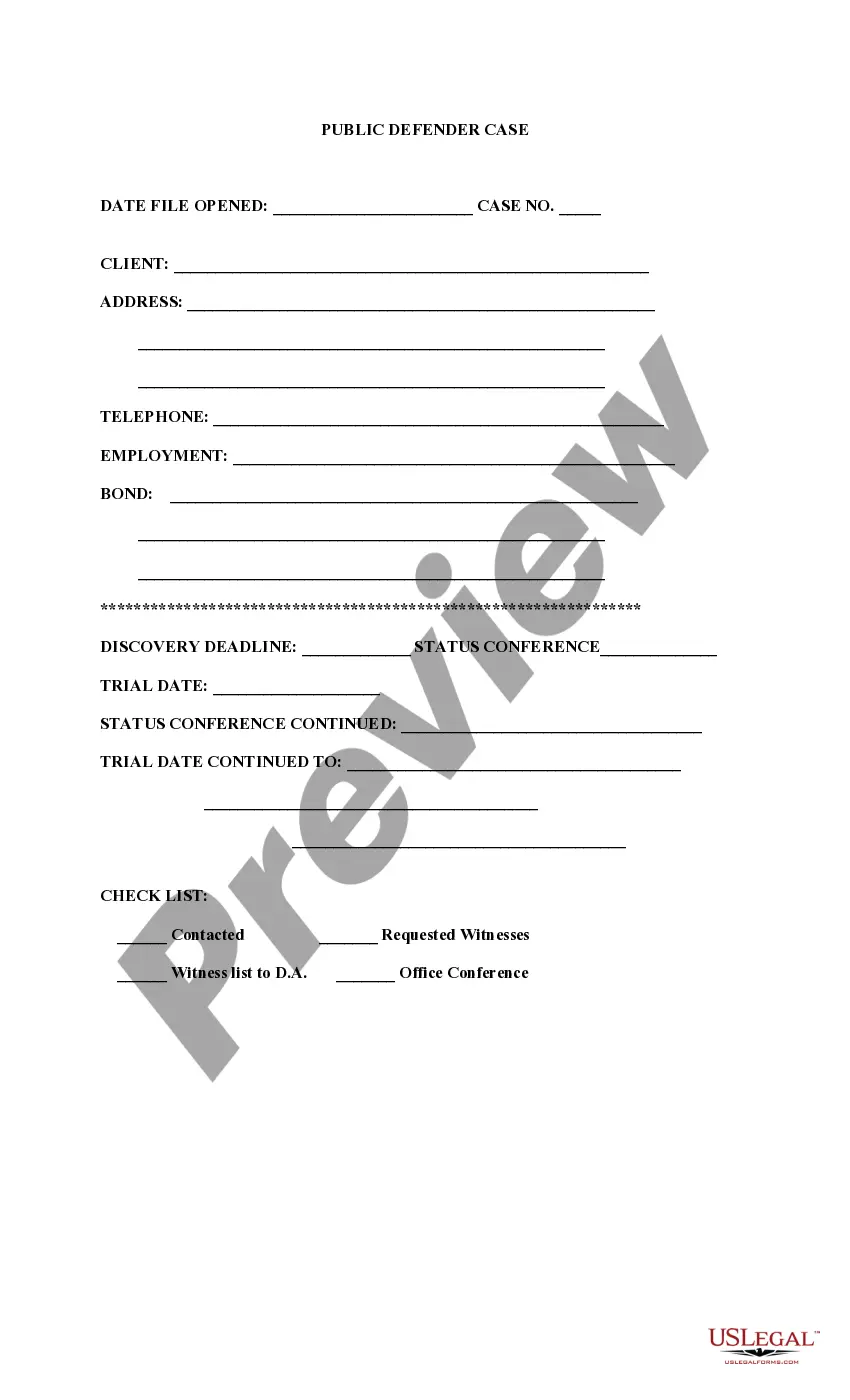
Wisconsin Public Defender Case
Description
Get your form ready online
Our built-in tools help you complete, sign, share, and store your documents in one place.
Make edits, fill in missing information, and update formatting in US Legal Forms—just like you would in MS Word.
Download a copy, print it, send it by email, or mail it via USPS—whatever works best for your next step.
Sign and collect signatures with our SignNow integration. Send to multiple recipients, set reminders, and more. Go Premium to unlock E-Sign.
If this form requires notarization, complete it online through a secure video call—no need to meet a notary in person or wait for an appointment.
We protect your documents and personal data by following strict security and privacy standards.
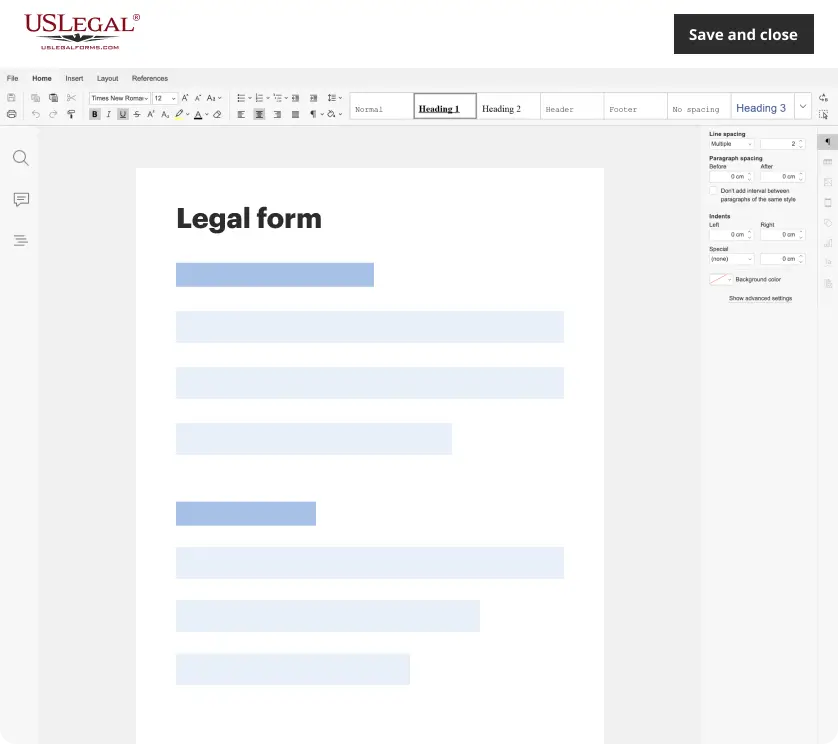
Make edits, fill in missing information, and update formatting in US Legal Forms—just like you would in MS Word.
Download a copy, print it, send it by email, or mail it via USPS—whatever works best for your next step.
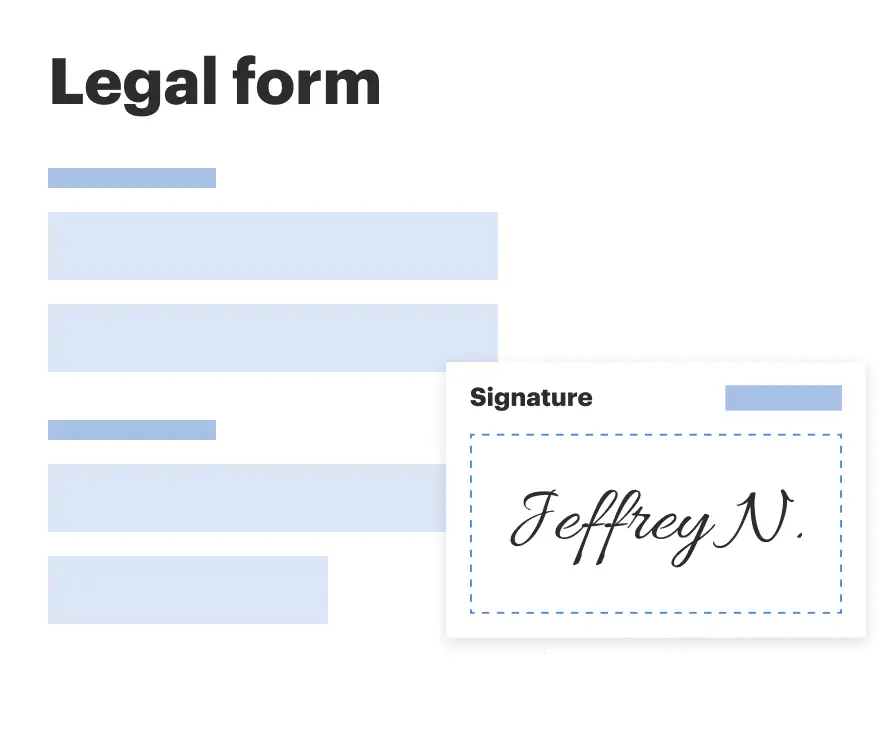
Sign and collect signatures with our SignNow integration. Send to multiple recipients, set reminders, and more. Go Premium to unlock E-Sign.
If this form requires notarization, complete it online through a secure video call—no need to meet a notary in person or wait for an appointment.
We protect your documents and personal data by following strict security and privacy standards.
Looking for another form?

How to fill out Public Defender Case?
US Legal Forms - one of the largest collections of legal documents in the United States - offers a vast selection of legal document templates that you can purchase or create.
By using the website, you can find thousands of forms for commercial and personal use, organized by categories, states, or keywords.
You can access the latest versions of documents like the Wisconsin Public Defender Case within moments.
Check the document summary to confirm that you have chosen the correct form.
If the document does not meet your needs, use the Search field at the top of the screen to find one that does.
- If you already hold a monthly subscription, Log In and obtain the Wisconsin Public Defender Case from your US Legal Forms library.
- The Download button will appear on every document you view.
- You can access all previously downloaded documents from the My documents section of your account.
- If you are using US Legal Forms for the first time, here are simple steps to get started.
- Ensure you have selected the correct document for your city/region.
- Click the Review option to examine the document's content.
Form popularity
FAQ
Comparisons with Rules in Adjacent States Generally, a person with an income level at or below 125% of the federal poverty guidelines will qualify for public defender representation.
This website provides public access to the records of the Wisconsin circuit courts for counties using the Consolidated Court Automation Programs (CCAP) Case Management system. These records are open to public view under Wisconsin's Open Records law, sections 19.31-19.39, Wisconsin Statutes.
Estate Plan Drafting A trust in Wisconsin typically costs between $600 and $2,950. At Snug, any member can create a Power of Attorney and Health Care Directive for free. A Will costs $195 and a Trust costs $500. For many families, this is a great option to get you fully covered and save some money while doing it.
Grievances may be filed by telephone, mail, or email. To file by telephone: Call (608) 267-7274 or (877) 315-6941 (toll free), and choose option 1 to file your grievance. To email a grievance: A completed form can be emailed by saving the form, or by printing and scanning the form.
To be valid, your will must be in writing, and you must date and sign it. At least two witnesses also must sign the will. They can do this after they watch you sign it. If they weren't present then, you can state to them that the signature is yours, and then the witnesses can sign.
Unfortunately, the remote online notarization law does not apply to estate planning documents, including wills. Under current law, the self-proving affidavit to your will must be notarized in person for it to be valid in Wisconsin.
No. The state of Wisconsin does not recognize handwritten wills?also known as ?holographic? wills. Your will must be typed and signed by yourself and two witnesses. Nuncupative oral wills are also invalid.
No. You can make your own will in Wisconsin, using Nolo's Quicken WillMaker & Trust. However, you may want to consult a lawyer in some situations. For example, if you think that your will might be contested or you have especially complicated goals, you should talk with an attorney.