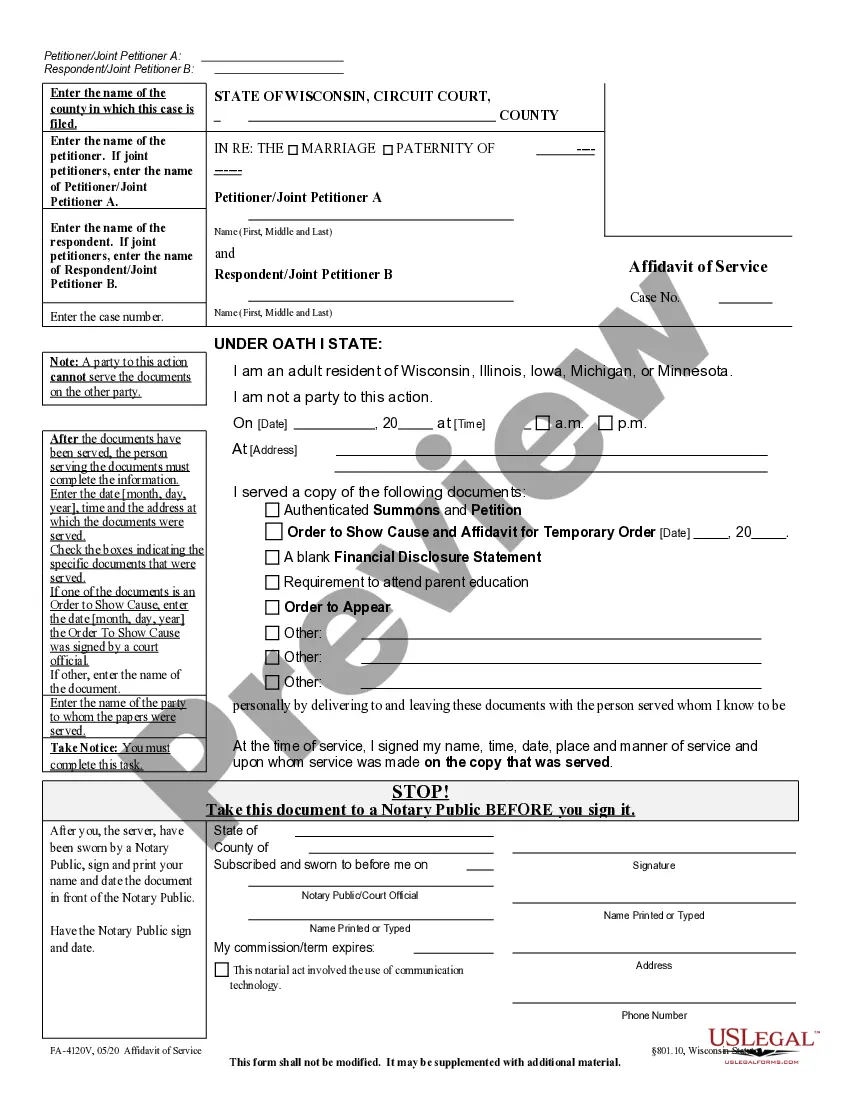
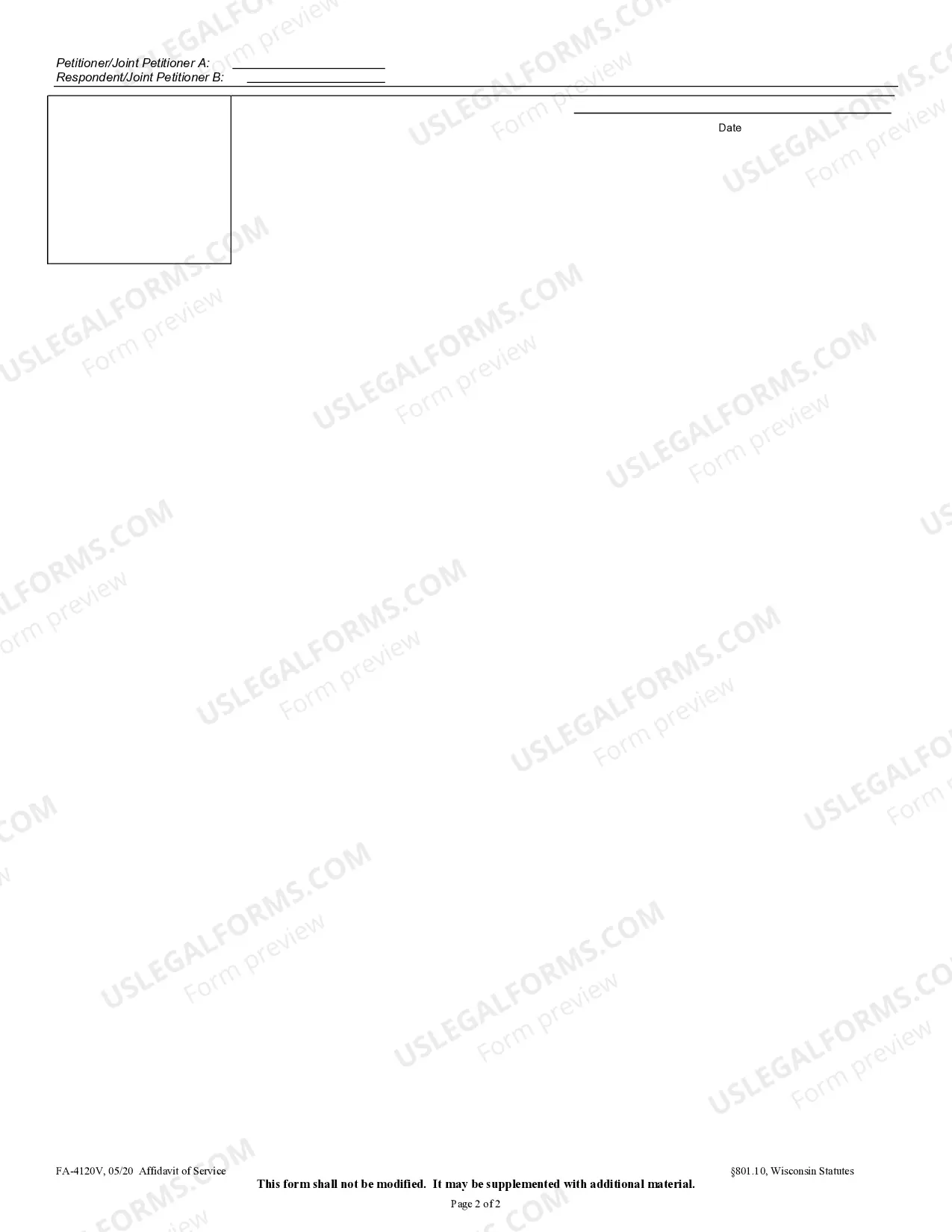
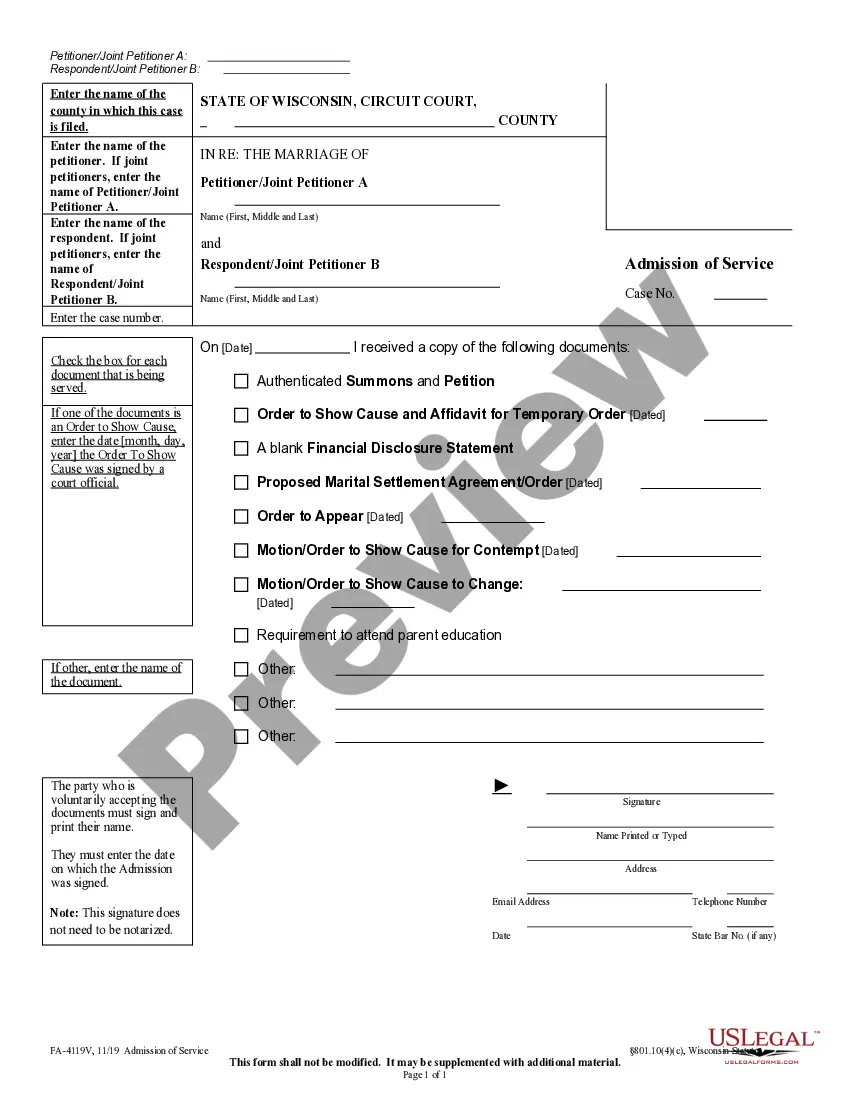
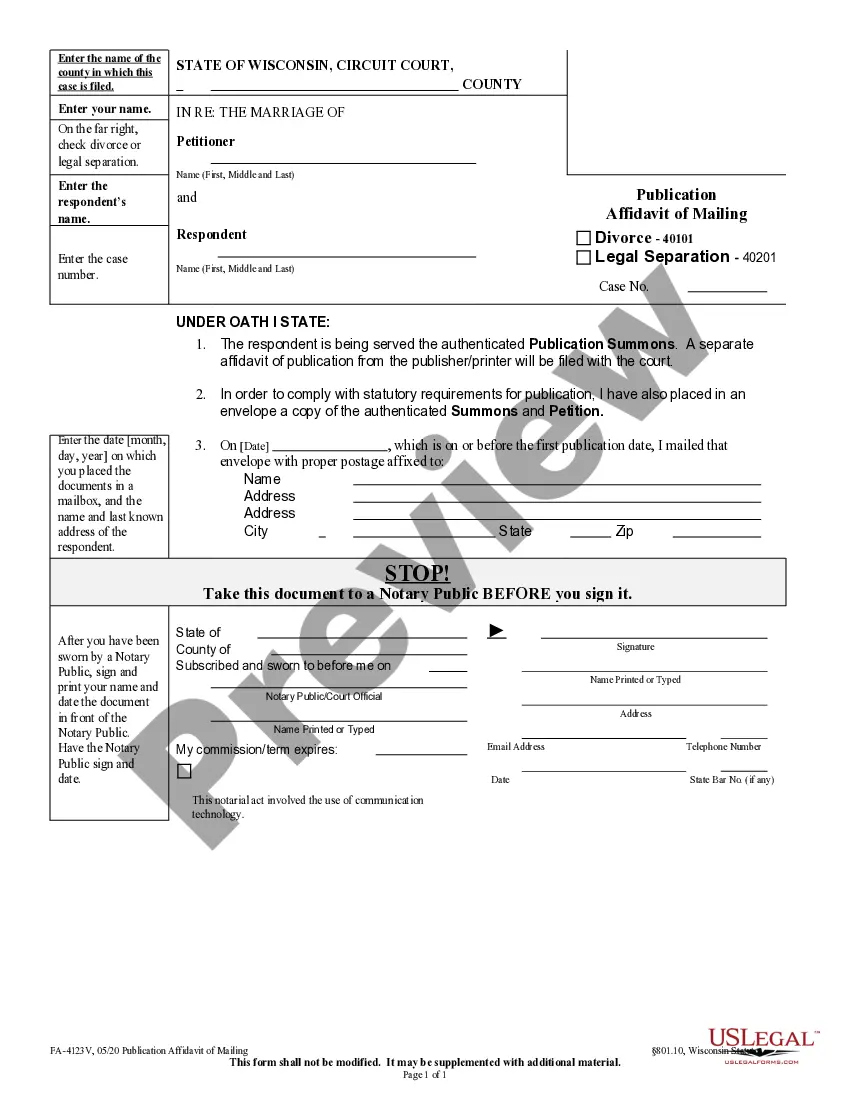
Wisconsin Affidavit of Service
Description
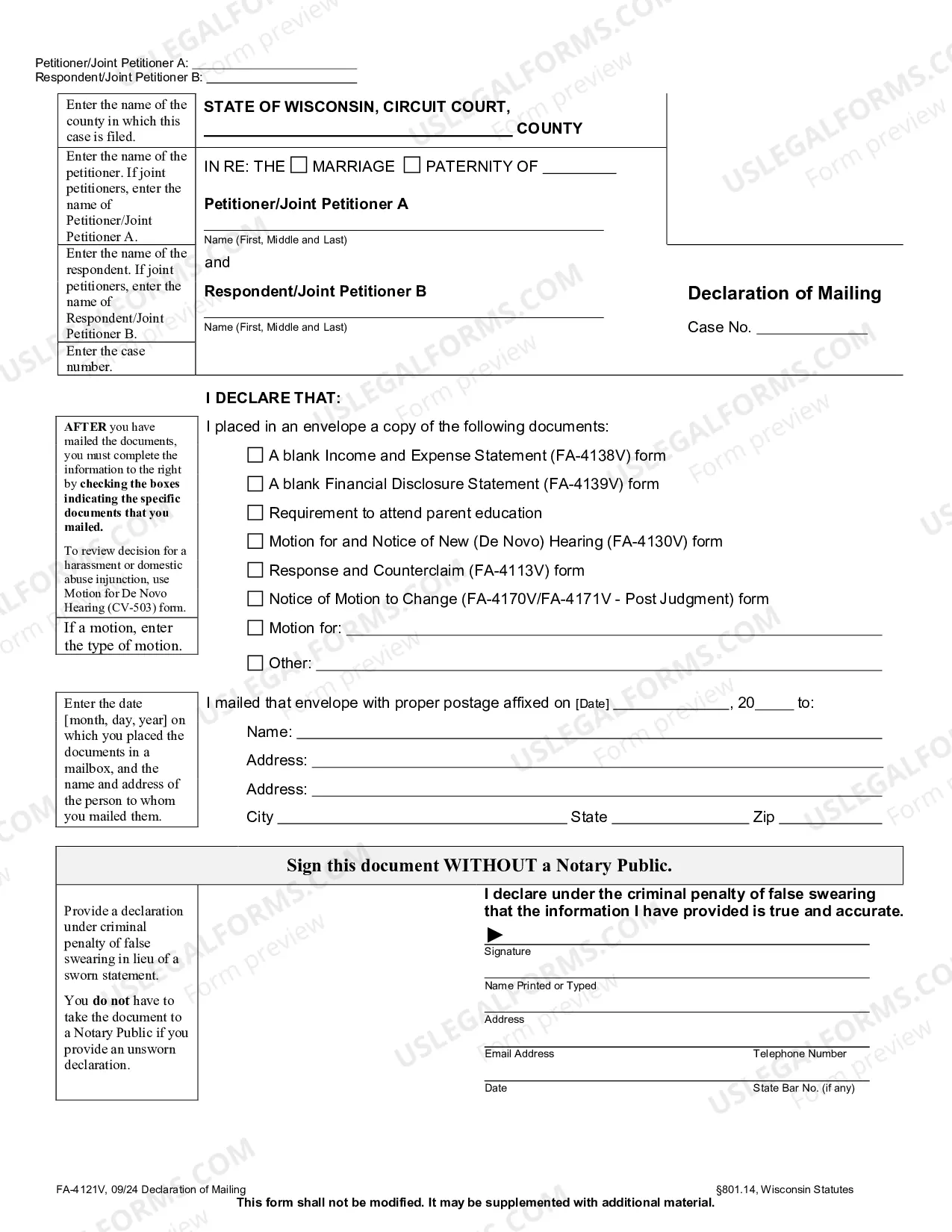
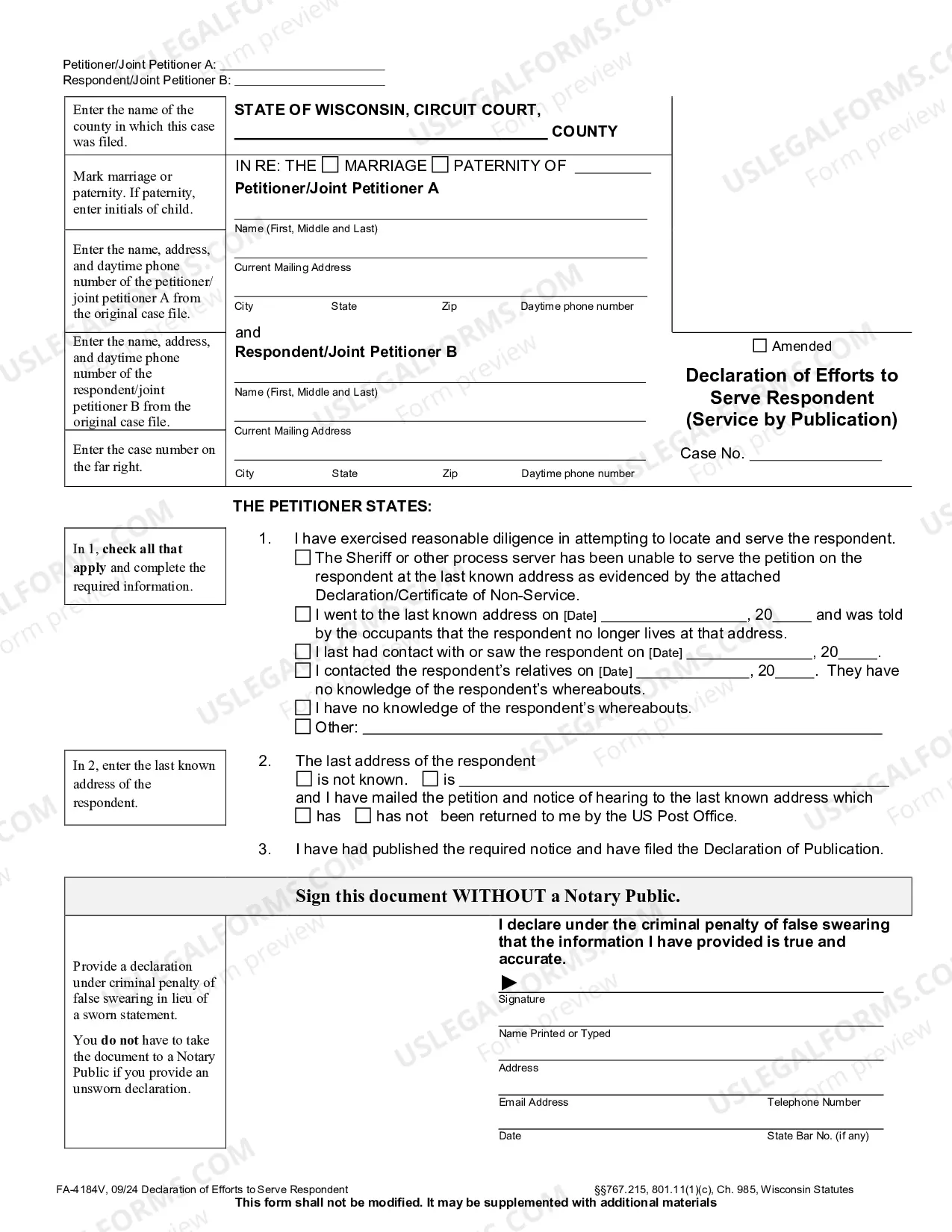
Get your form ready online
Our built-in tools help you complete, sign, share, and store your documents in one place.
Make edits, fill in missing information, and update formatting in US Legal Forms—just like you would in MS Word.
Download a copy, print it, send it by email, or mail it via USPS—whatever works best for your next step.
Sign and collect signatures with our SignNow integration. Send to multiple recipients, set reminders, and more. Go Premium to unlock E-Sign.
If this form requires notarization, complete it online through a secure video call—no need to meet a notary in person or wait for an appointment.
We protect your documents and personal data by following strict security and privacy standards.

Make edits, fill in missing information, and update formatting in US Legal Forms—just like you would in MS Word.

Download a copy, print it, send it by email, or mail it via USPS—whatever works best for your next step.

Sign and collect signatures with our SignNow integration. Send to multiple recipients, set reminders, and more. Go Premium to unlock E-Sign.

If this form requires notarization, complete it online through a secure video call—no need to meet a notary in person or wait for an appointment.

We protect your documents and personal data by following strict security and privacy standards.
Looking for another form?
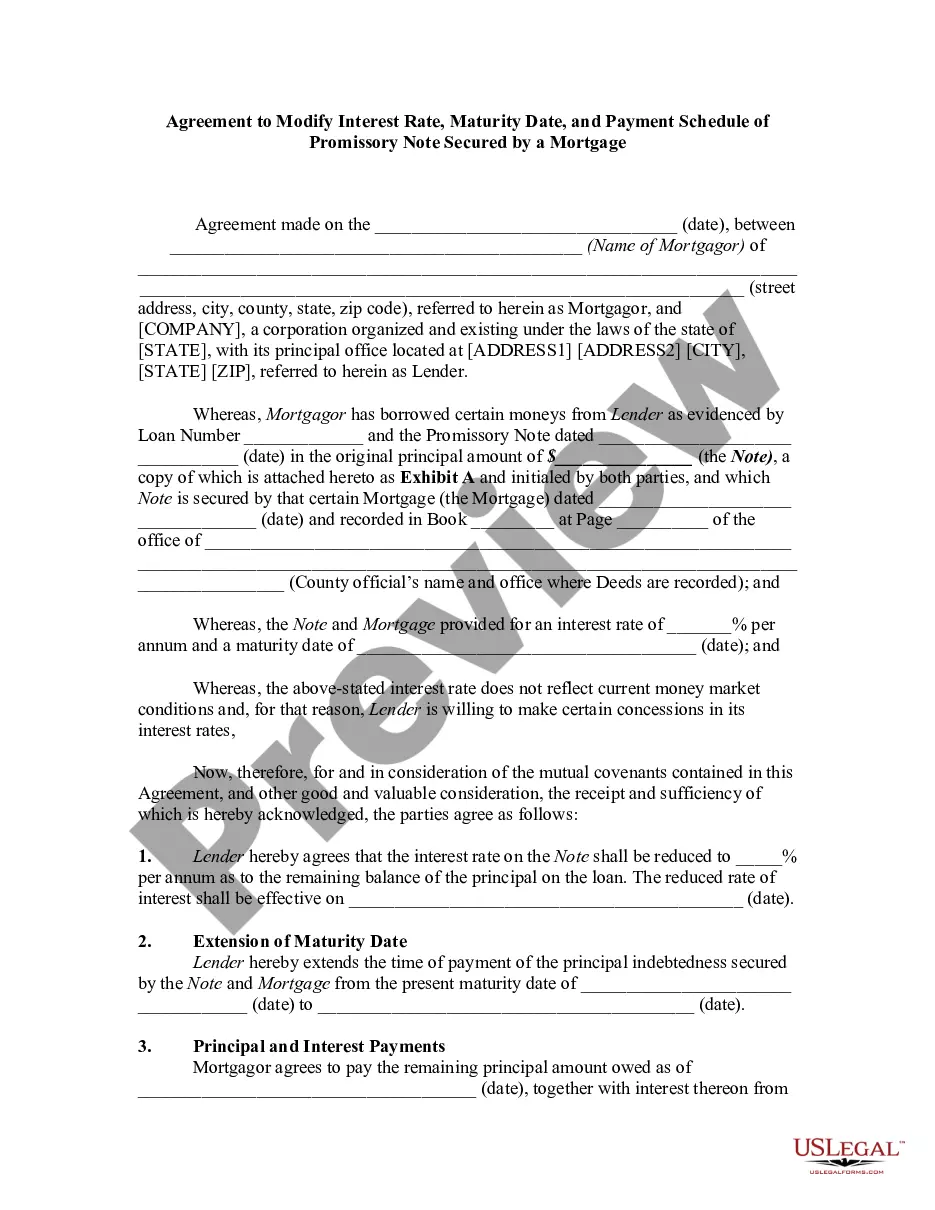
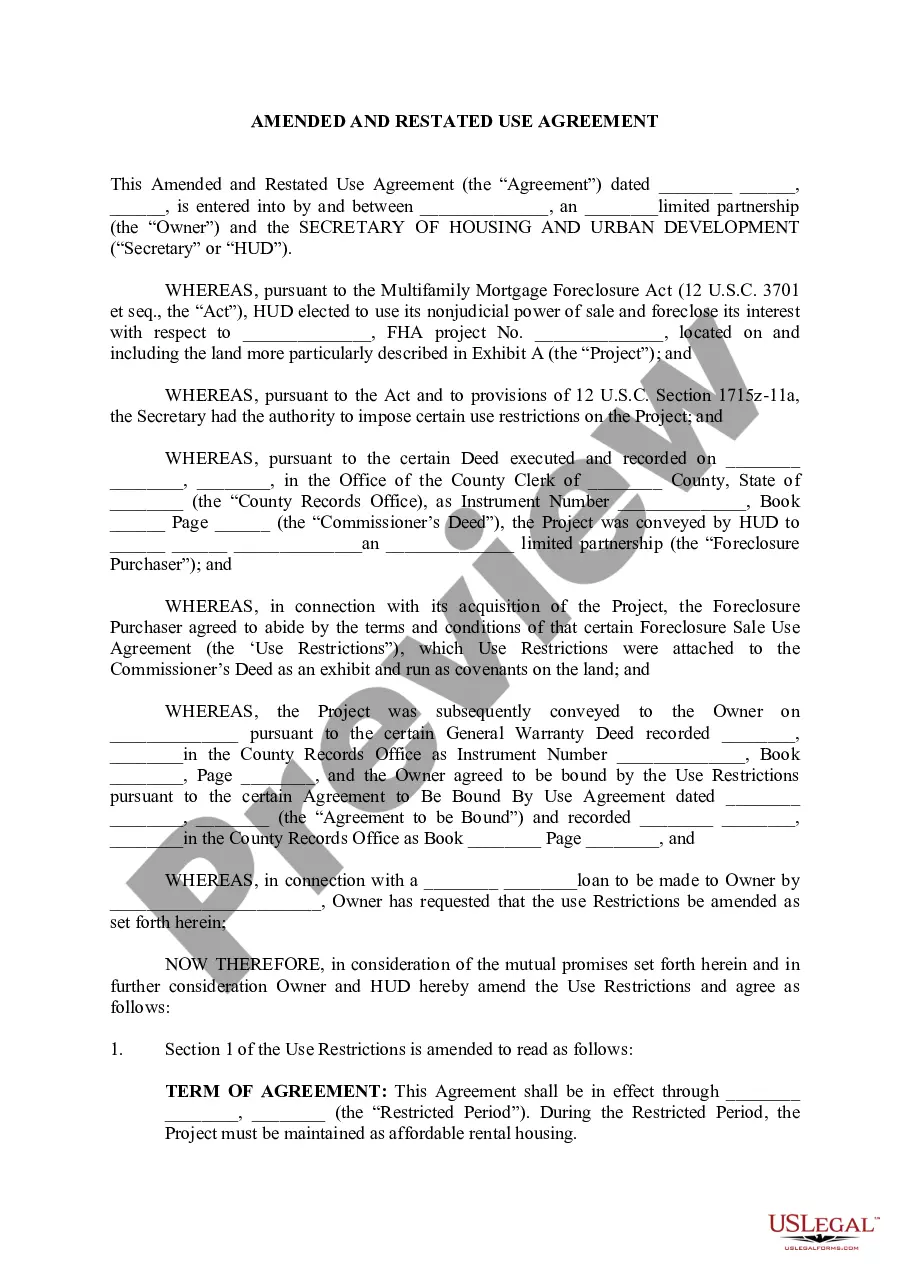


How to fill out Wisconsin Affidavit Of Service?
Out of the multitude of platforms that provide legal templates, US Legal Forms offers the most user-friendly experience and customer journey while previewing forms prior to buying them. Its extensive catalogue of 85,000 samples is grouped by state and use for efficiency. All the forms available on the service have been drafted to meet individual state requirements by certified lawyers.
If you already have a US Legal Forms subscription, just log in, look for the form, hit Download and obtain access to your Form name from the My Forms; the My Forms tab holds your downloaded documents.
Follow the tips below to get the form:
- Once you see a Form name, make sure it is the one for the state you need it to file in.
- Preview the template and read the document description prior to downloading the template.
- Look for a new template via the Search engine if the one you’ve already found is not proper.
- Click Buy Now and select a subscription plan.
- Create your own account.
- Pay with a card or PayPal and download the document.
Once you’ve downloaded your Form name, you are able to edit it, fill it out and sign it in an online editor of your choice. Any form you add to your My Forms tab might be reused many times, or for as long as it continues to be the most up-to-date version in your state. Our platform provides quick and easy access to templates that fit both attorneys as well as their customers.
Form popularity
FAQ
An affidavit is a document written statement filed by an affiant as evidence in court. In order to be admissible, affidavits must be notarized by a notary public. There are two types of judicial notarizations: an acknowledgement and a jurat.
Title the affidavit. First, you'll need to title your affidavit. Craft a statement of identity. The very next section of your affidavit is what's known as a statement of identity. Write a statement of truth. State the facts. Reiterate your statement of truth. Sign and notarize.
It is a document that details your efforts as a process server to find a defendant and is submitted to the court as evidence of your work.
In most jurisdictions, an affidavit is used when a private, third party serves the documents, whereas a certificate of service is used by official process servers when serving any document and for attorney's and parties under Rule 5 after the original summons and complaint are served and filed.