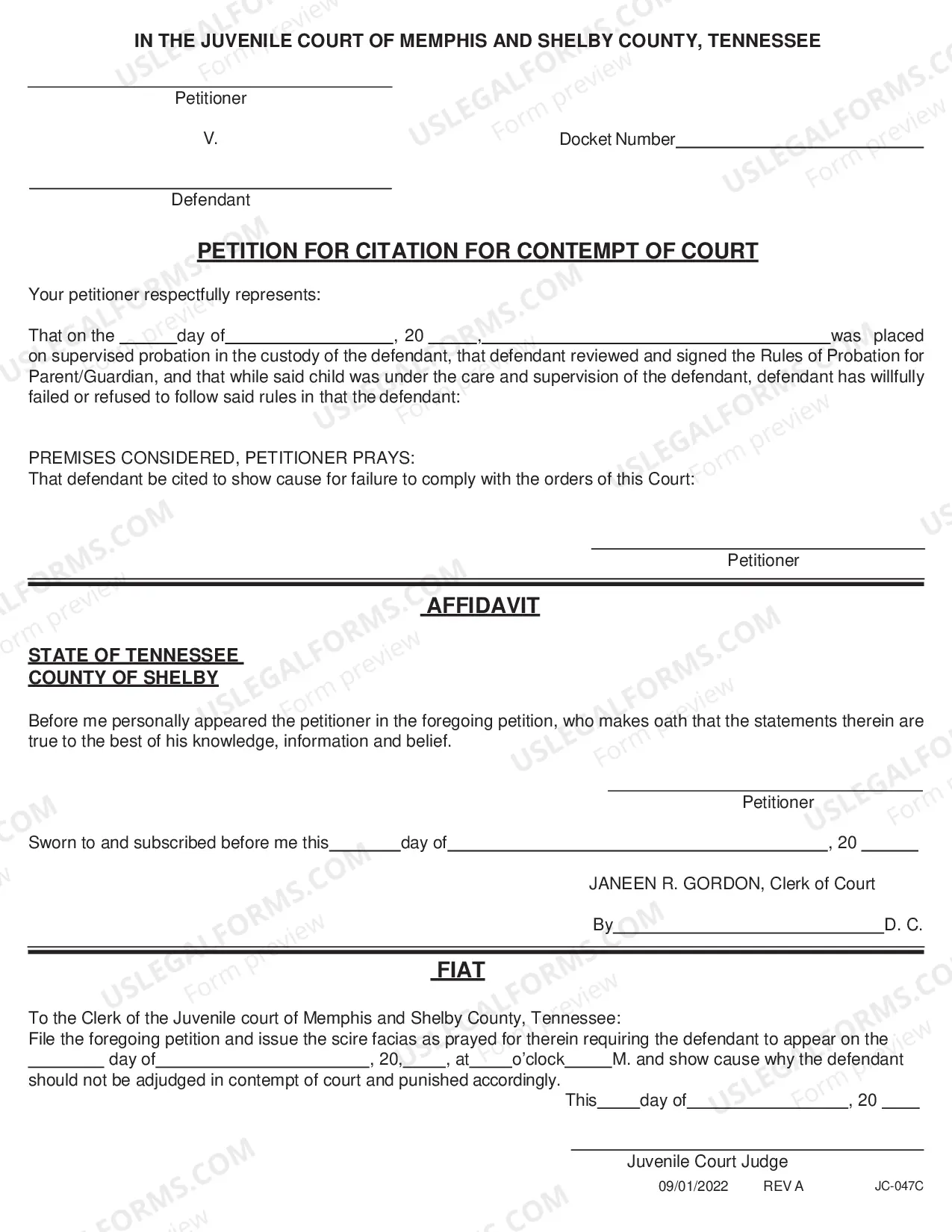
Wisconsin Gas Company Individual Easement
Understanding this form
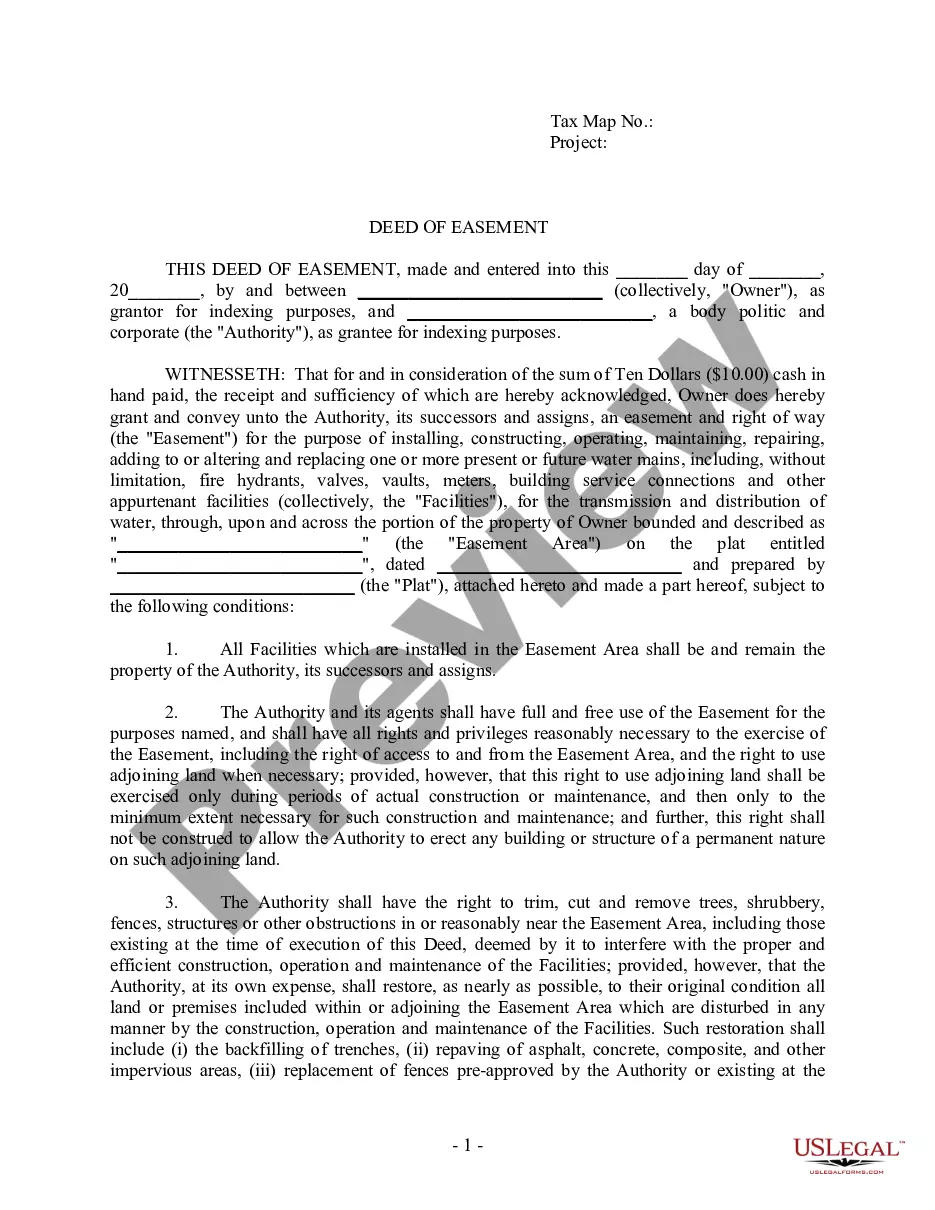
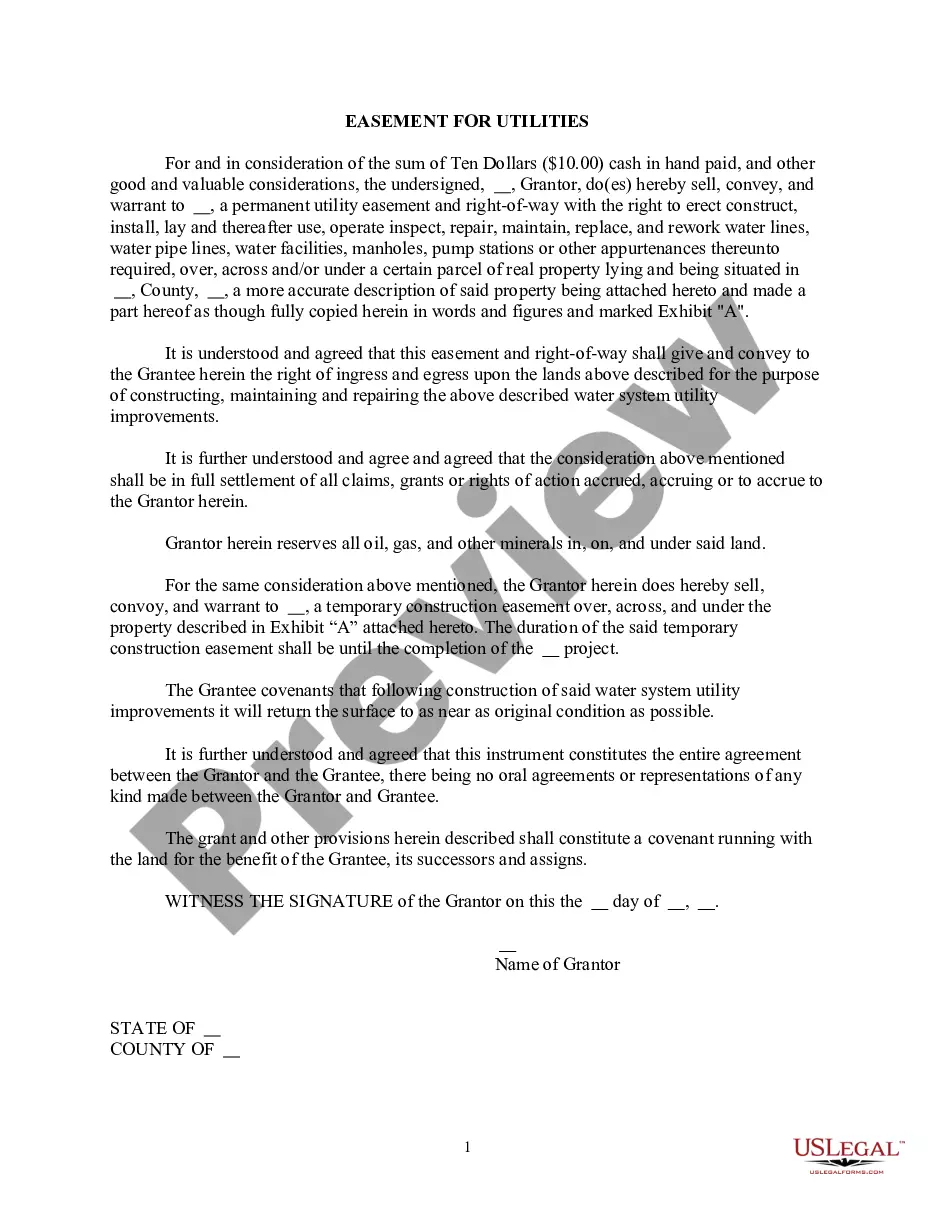
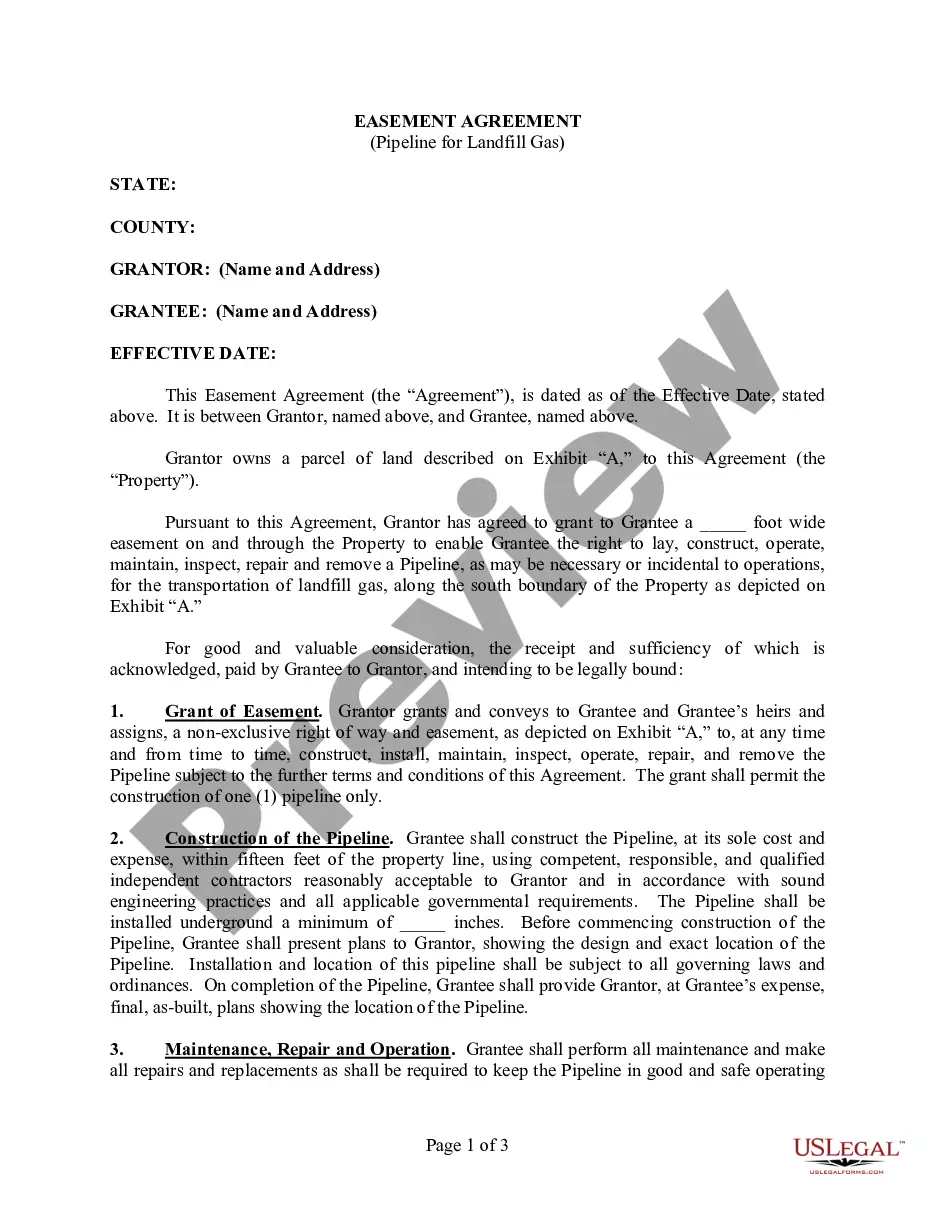
The Wisconsin Gas Company Individual Easement is a legal document that grants a utility company the right to lay and maintain a gas pipeline on private property. This easement allows the utility to access and operate the pipeline while ensuring compliance with Wisconsin's statutory laws. Unlike other easement forms that might cover different utilities or uses, this specific easement focuses on gas pipeline installation and maintenance, establishing clear rights and responsibilities for both the property owner and the utility company.
Key parts of this document
- Identifies the grantee and property involved in the easement agreement
- Gives the grantee rights to access the property for laying, maintaining, and repairing the gas pipeline
- Requires the grantee to restore the property after performing any work
- Binds the agreement to heirs, successors, and assigns

When to use this document
This form is typically used when a gas utility company seeks to install or maintain a gas pipeline on a landowner's property. It is essential when the utility requires legal permission to access the property for construction, maintenance, or emergency repairs related to the pipeline. Property owners should use this form to formalize any agreements regarding the easement, ensuring clear terms and responsibilities are established.
Who should use this form
- Gas utility companies seeking to obtain easement rights
- Property owners granting access for gas pipeline installation
- Real estate attorneys facilitating easement agreements
Steps to complete this form
- Identify the parties involved: the property owner and the gas utility company.
- Clearly specify the property location where the easement will be applied.
- Detail the rights granted to the utility company for accessing and maintaining the pipeline.
- Include terms regarding the restoration of the property post-work.
- Ensure signatures from all parties are obtained to finalize the agreement.
Does this document require notarization?
Notarization is not commonly needed for this form. However, certain documents or local rules may make it necessary. Our notarization service, powered by Notarize, allows you to finalize it securely online anytime, day or night.
Get your form ready online
Our built-in tools help you complete, sign, share, and store your documents in one place.
Make edits, fill in missing information, and update formatting in US Legal Forms—just like you would in MS Word.
Download a copy, print it, send it by email, or mail it via USPS—whatever works best for your next step.
Sign and collect signatures with our SignNow integration. Send to multiple recipients, set reminders, and more. Go Premium to unlock E-Sign.
If this form requires notarization, complete it online through a secure video call—no need to meet a notary in person or wait for an appointment.
We protect your documents and personal data by following strict security and privacy standards.

Make edits, fill in missing information, and update formatting in US Legal Forms—just like you would in MS Word.

Download a copy, print it, send it by email, or mail it via USPS—whatever works best for your next step.

Sign and collect signatures with our SignNow integration. Send to multiple recipients, set reminders, and more. Go Premium to unlock E-Sign.

If this form requires notarization, complete it online through a secure video call—no need to meet a notary in person or wait for an appointment.

We protect your documents and personal data by following strict security and privacy standards.
Avoid these common issues
- Failing to clearly specify the area covered by the easement.
- Not including necessary terms about property restoration after work is finished.
- Omitting signatures from all relevant parties, making the agreement unenforceable.
Why use this form online
- Convenient access to essential legal forms without the need to visit an attorney's office.
- Editable templates allow you to tailor the form to your specific situation easily.
- Reliable and compliant with current legal standards, ensuring peace of mind.
Looking for another form?
Form popularity
FAQ
If an authority has an easement registered over your land, they have the right to access the easement to maintain or repair the easement land or their equipment on the land.
An easement deed allows a party that is not the owner to use a portion of the land. It is a written agreement between two parties that spells out what part of the property is available for access and how it may be used. Since you are granting an easement to your land, you can set any terms and conditions you like.
Generally speaking, an easement is a more serious property right; it is the legal right to use someone else's land for a particular purpose. Easements are often recorded at the county clerk's office and encumber your property's title.Here, however, you probably do not need to take the step of granting an easement.
An easement is a right which the owner or occupier of certain land possesses, as such, for the beneficial enjoyment of that land, to do and continue to do something, or to prevent and continue to prevent something being done, in or upon, or in respect of certain other land not his own. Kinds/ Types of Easement -
An easement is a limited right to use another person's land for a stated purpose. Examples of easements include the use of private roads and paths, or the use of a landowner's property to lay railroad tracks or electrical wires.
A permissive easement is simply permission to use the land of another. It is essentially a license, which is fully revocable at any time by the property owner.Use of this road is permissive and may be revoked at any time by the owner."
An easement is a nonpossessory right to use and/or enter onto the real property of another without possessing it. It is "best typified in the right of way which one landowner, A, may enjoy over the land of another, B".
Types of Easements An easement may be classified as either an easement appurtenant or an easement in gross. Easement Appurtenant. An easement appurtenant is an easement that benefits one parcel of land, known as the dominant tenement, to the detriment of another parcel of land, known as the servient tenement.
Give the document a simple title: Grant of Easement is sufficient. Identify the parties. You need to explain who the parties are to the agreement. The person granting the easement to his property is the Grantor and the person gaining access to the property is the Grantee.