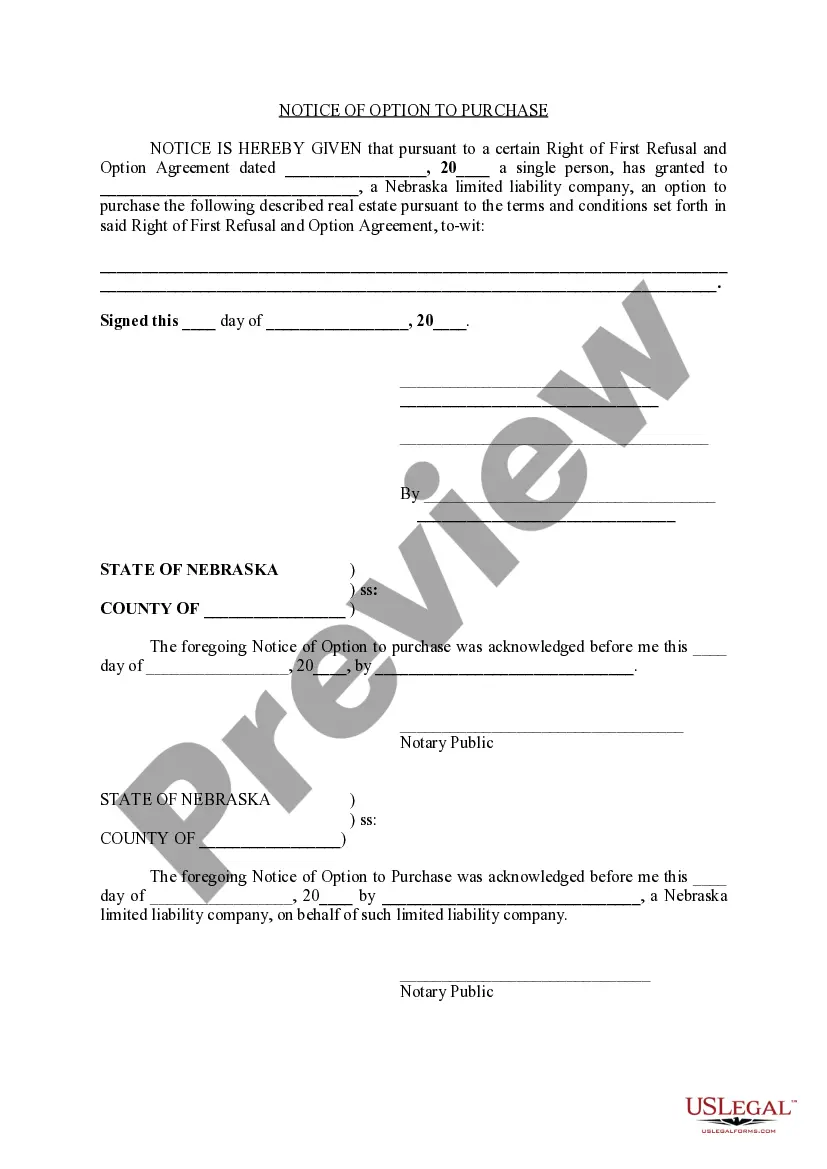
Wisconsin Transfer on Death Deed or TOD - Beneficiary Deed from Individual to a Trust - does NOT include Alternate Beneficiary Provision
Overview of this form
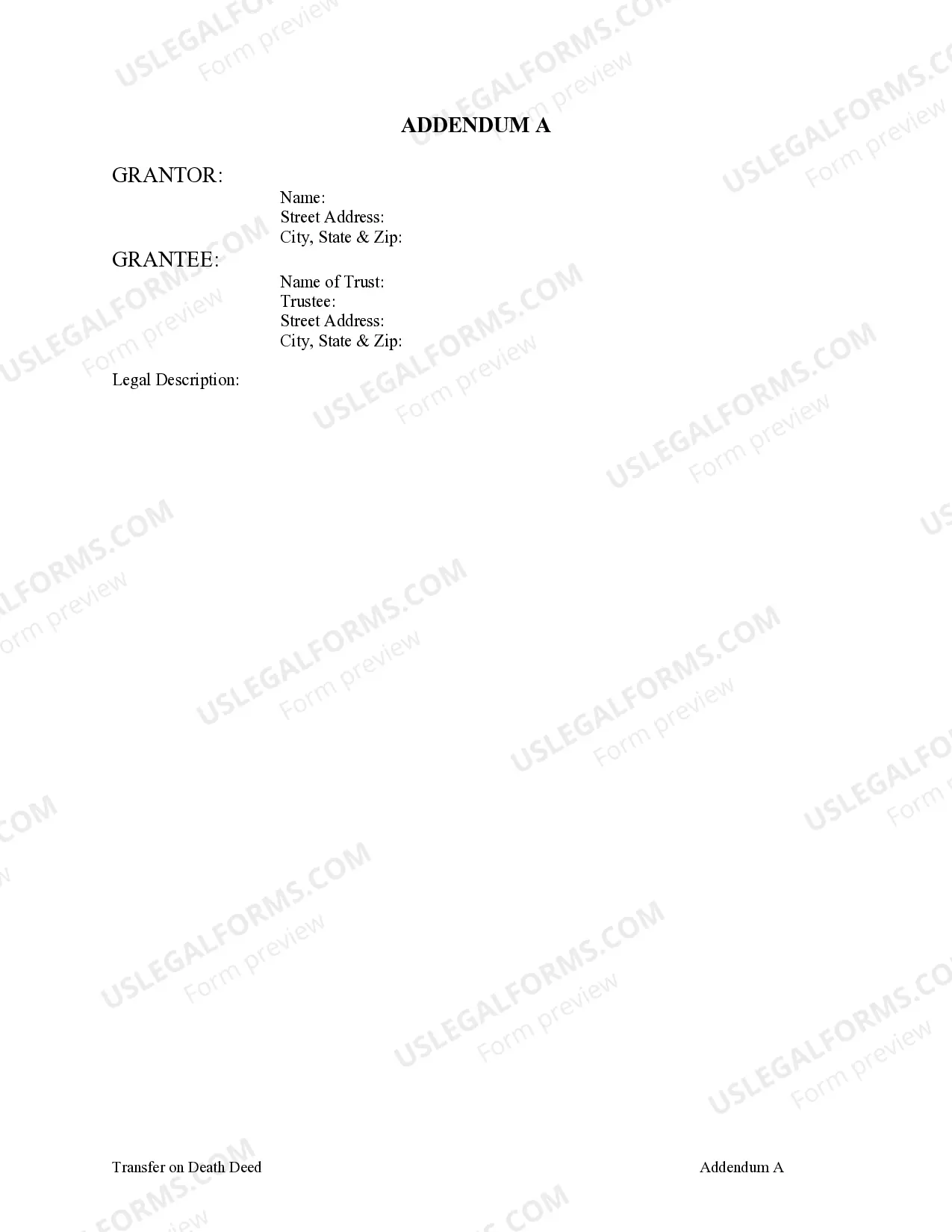
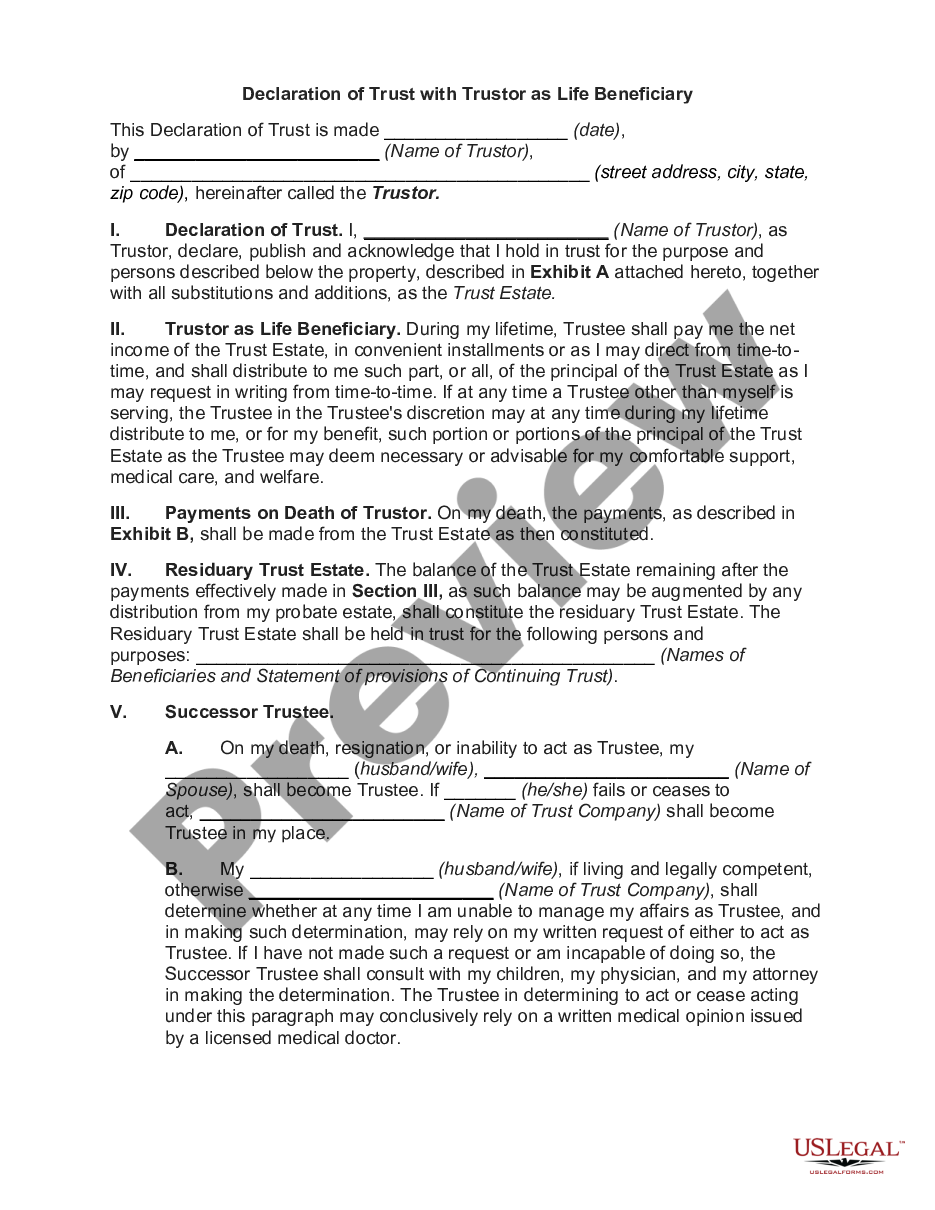
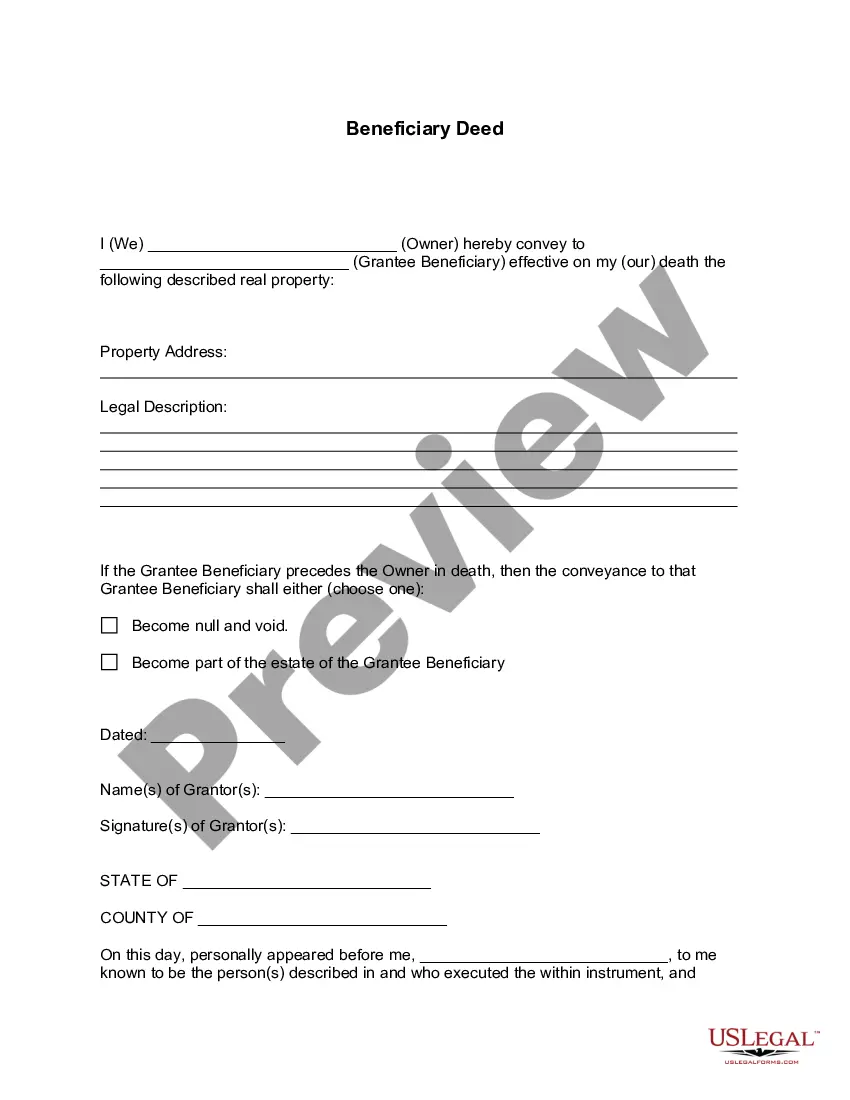
The Transfer on Death Deed or TOD - Beneficiary Deed from Individual to a Trust is a legal document used to transfer property to a trust upon the death of the individual grantor. This form allows the grantor to retain control over the property during their lifetime, as the transfer is revocable until their passing. Unlike other beneficiary deeds, this deed does not provide for an alternate beneficiary, making it a straightforward option for estate planning.
Form components explained
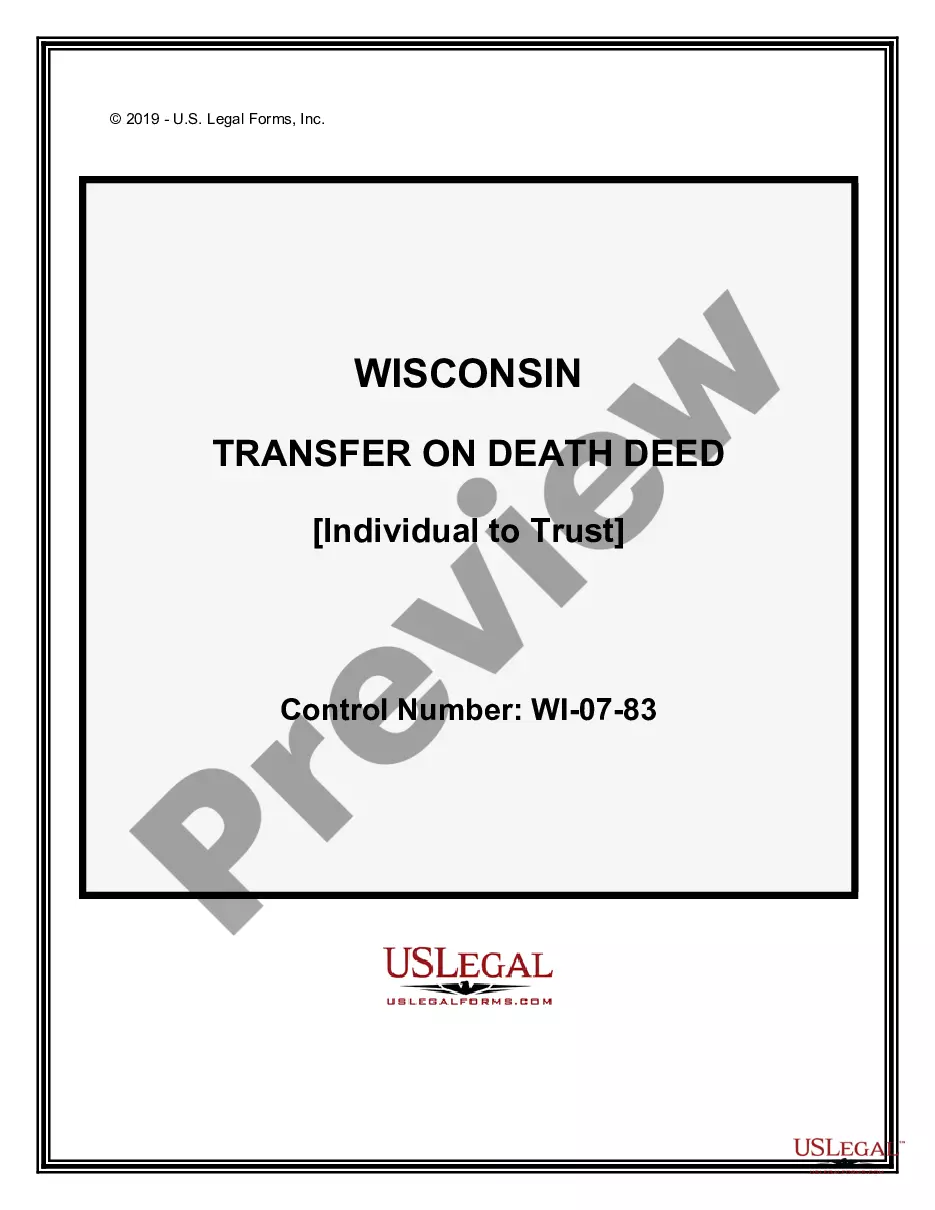
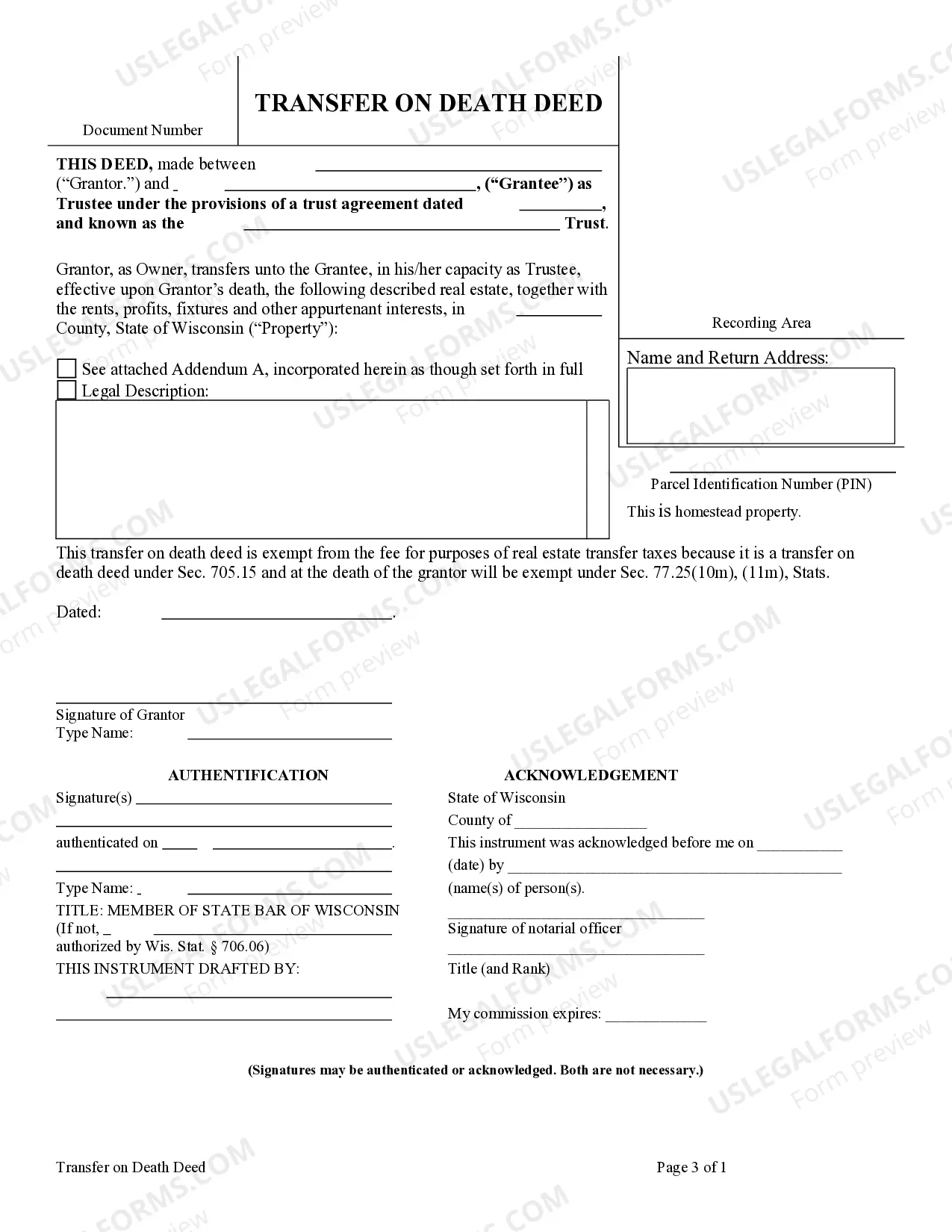
- Identification of the grantor and the trust as the grantee.
- Revocability clause allowing changes before the grantor's death.
- Effective date of transfer upon the death of the grantor.
- Exclusion of an alternate beneficiary provision.
- Compliance with state statutory laws.
When to use this form
This form is useful in situations where an individual wishes to transfer property into a trust that will benefit their heirs or beneficiaries after their death. It is a practical choice when the grantor wants to avoid probate or streamline the transition of property ownership, ensuring that their wishes are respected without the complications associated with other transfer methods.
Who can use this document
- Individuals planning their estate who wish to transfer real estate to a trust.
- Homeowners wanting to ensure a smooth transfer of property to their beneficiaries.
- Those who do not require an alternate beneficiary for their property transfer.
Steps to complete this form
- Identify the parties involved: the grantor (individual) and grantee (trust).
- Specify the property being transferred, including its legal description.
- Fill in the grantor's and trustee's full legal names.
- Sign the document in the presence of a witness, if required by state law.
- Ensure the form is filed appropriately according to state requirements.
Is notarization required?
This form does not typically require notarization unless specified by local law. However, it is advisable to check with your local jurisdiction to confirm its requirements.
Get your form ready online
Our built-in tools help you complete, sign, share, and store your documents in one place.
Make edits, fill in missing information, and update formatting in US Legal Forms—just like you would in MS Word.
Download a copy, print it, send it by email, or mail it via USPS—whatever works best for your next step.
Sign and collect signatures with our SignNow integration. Send to multiple recipients, set reminders, and more. Go Premium to unlock E-Sign.
If this form requires notarization, complete it online through a secure video call—no need to meet a notary in person or wait for an appointment.
We protect your documents and personal data by following strict security and privacy standards.

Make edits, fill in missing information, and update formatting in US Legal Forms—just like you would in MS Word.

Download a copy, print it, send it by email, or mail it via USPS—whatever works best for your next step.

Sign and collect signatures with our SignNow integration. Send to multiple recipients, set reminders, and more. Go Premium to unlock E-Sign.

If this form requires notarization, complete it online through a secure video call—no need to meet a notary in person or wait for an appointment.

We protect your documents and personal data by following strict security and privacy standards.
Mistakes to watch out for
- Failing to include a complete legal description of the property.
- Neglecting to sign the deed or having it signed by the wrong person.
- Not understanding the implications of not having an alternate beneficiary.
Why use this form online
- Easy to access and download at your convenience.
- Edit and customize the form on your computer before printing.
- Minimizes the risk of errors with clear field indications for completion.
Looking for another form?

Form popularity
FAQ
Get a Deed Form or Prepare Your Own. You can buy a state-specific TOD deed form for your state or type up your own document. Name the Beneficiary. Describe the Property. Sign the Deed. Record the Deed.
A quitclaim deed can be used to transfer property from a trust, but a Special Warranty Deed seems to be a more common way to do this.
When a joint owner dies, the process is relatively simple you just need to inform the Land Registry of the death. You should complete a 'Deceased joint proprietor' form on the government's website and then send the form to the Land Registry, with an official copy of the death certificate.
If the property is to be transferred to a beneficiary the Executor or Administrator will need to submit a document called an 'Assent' to the Land Registry, with a copy of the Grant of Representation. The Land Registry will then transfer the property into the name of the new owner.
Locate the deed that's in trust. Use the proper deed. Check with your title insurance company and lender. Prepare a new deed. Sign in the presence of a notary. Record the deed in the county clerk's office.
When you're ready to transfer trust real estate to the beneficiary who is named in the trust document to receive it, you'll need to prepare, sign, and record a deed. That's the document that transfers title to the property from you, the trustee, to the new owner.
In the context of a California mortgage transaction, a trust deed also transfer ownership. Only this time, the title is being placed in the hands of a third-party trustee, who holds the property on behalf of the lender and the homeowner-borrower until the mortgage is paid.
California Property TaxesTransferring real property to yourself as trustee of your own revocable living trust -- or back to yourself -- does not trigger a reassessment for property tax purposes. (Cal. Rev. & Tax Code § 62(d).)
Wisconsin's Transfer on Death Deed. Wisconsin's Transfer on Death Deed (TOD Deed) allows for the non-probate transfer of real property upon death. This seemingly simple law, Wisconsin Statute 705.15, can be used as a powerful estate planning tool, in the right circumstances.