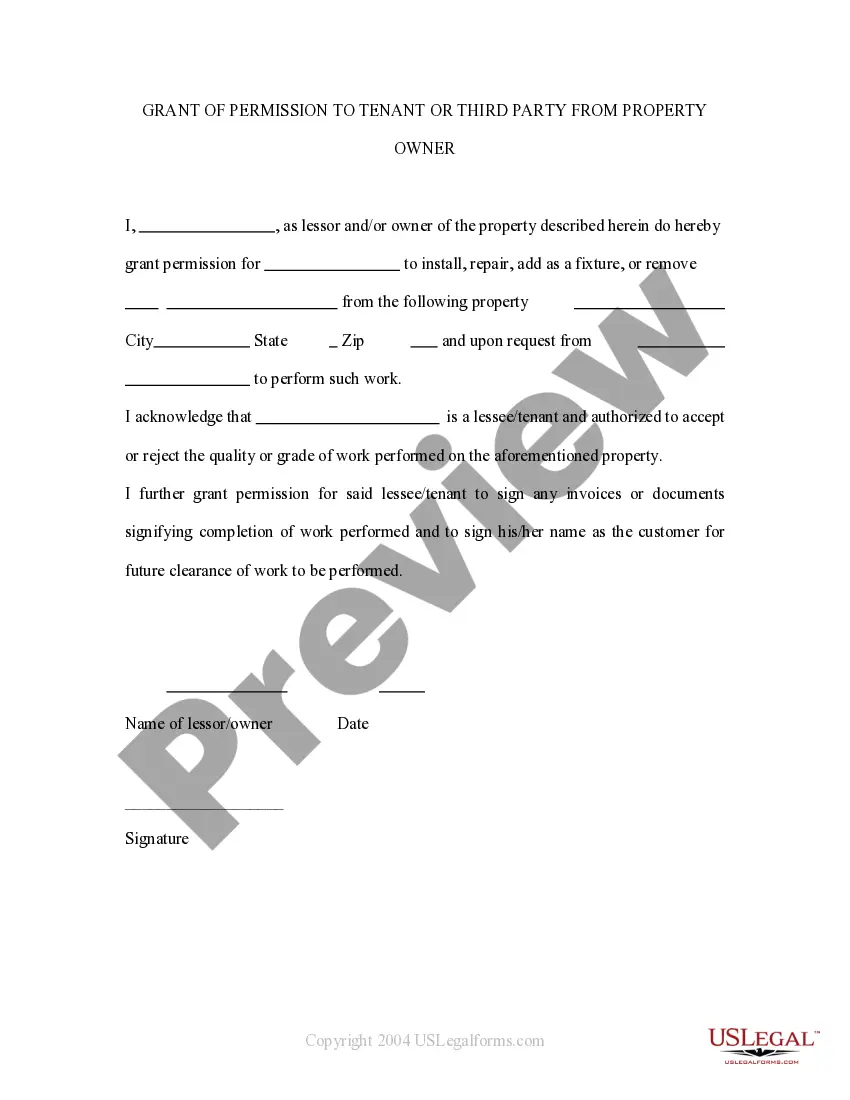
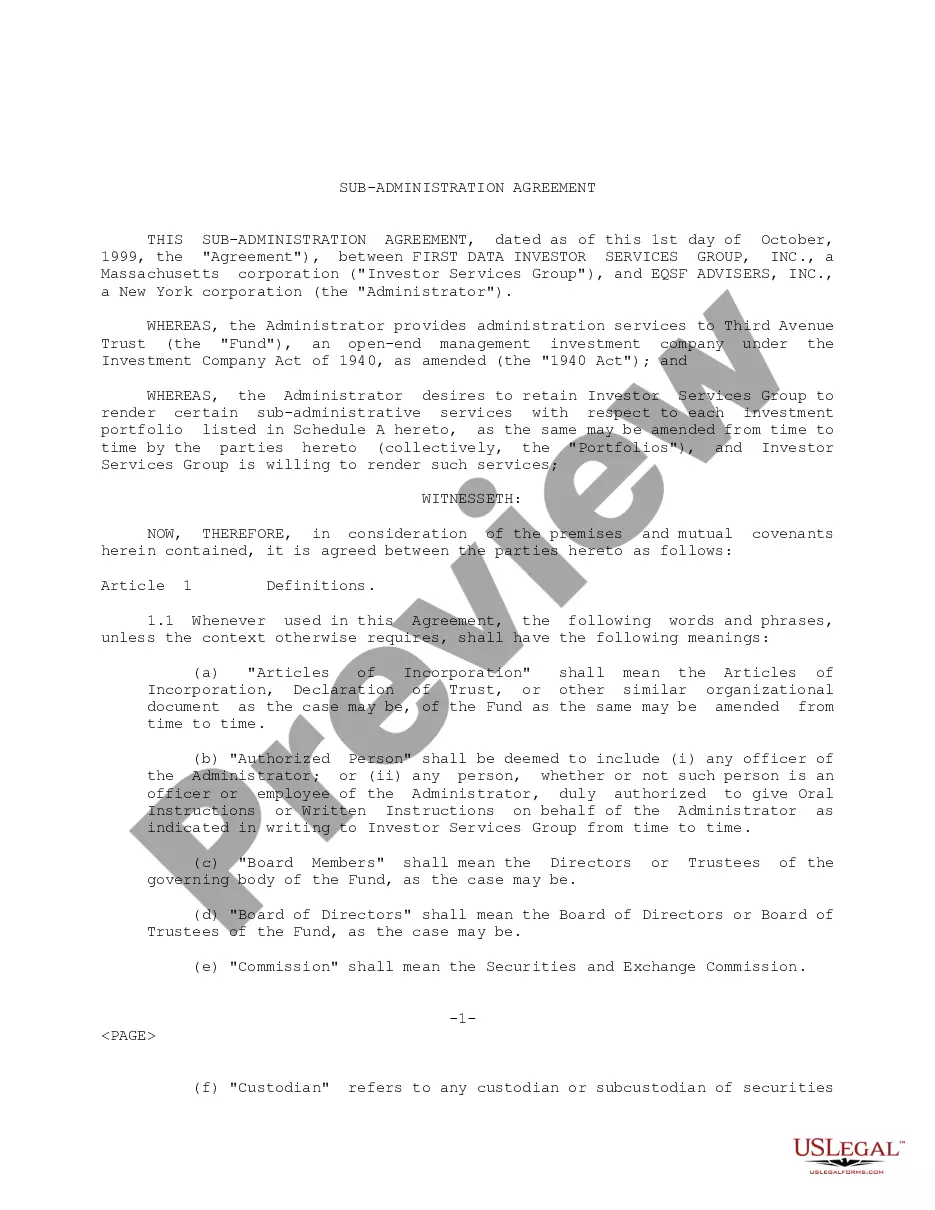
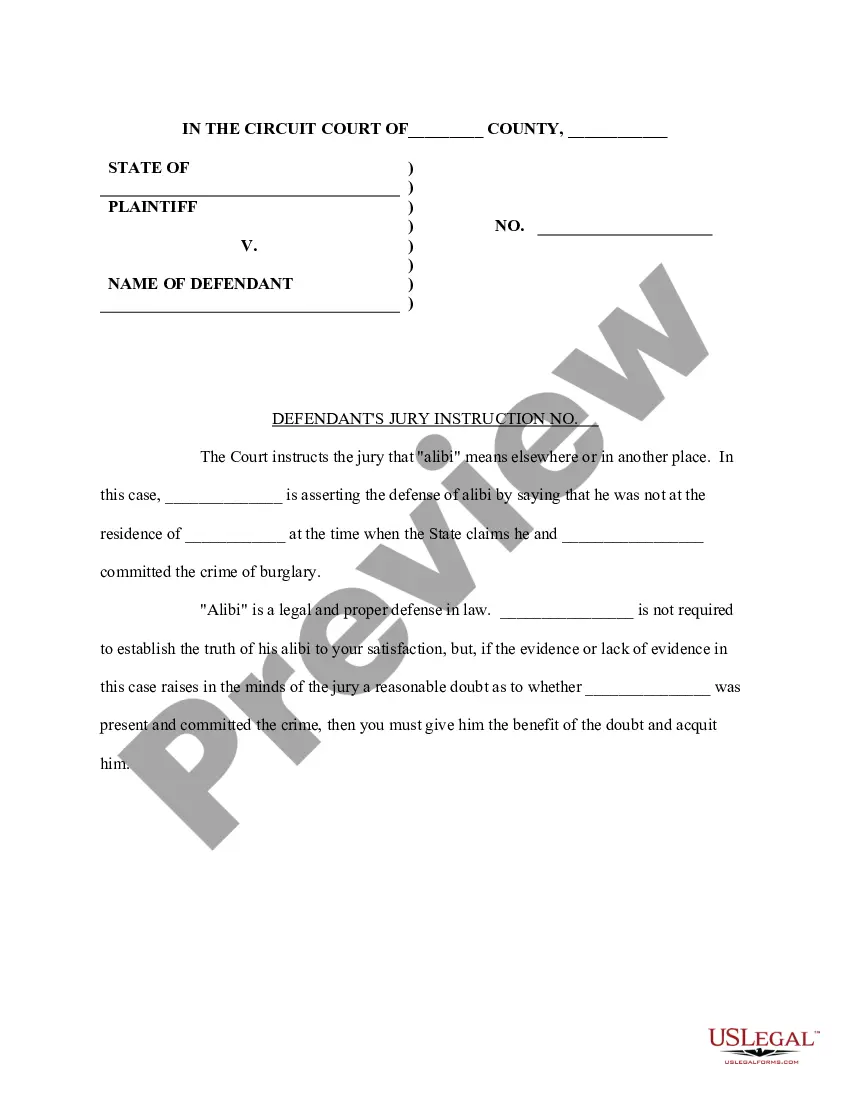
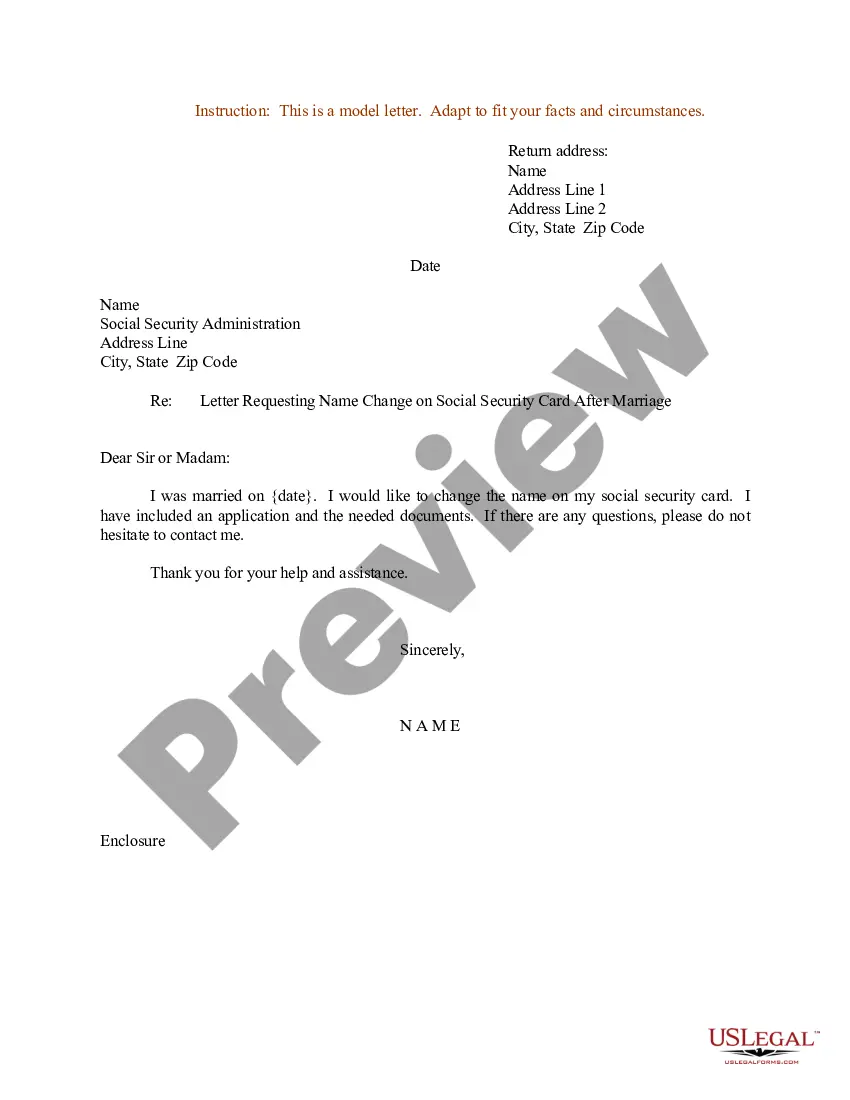
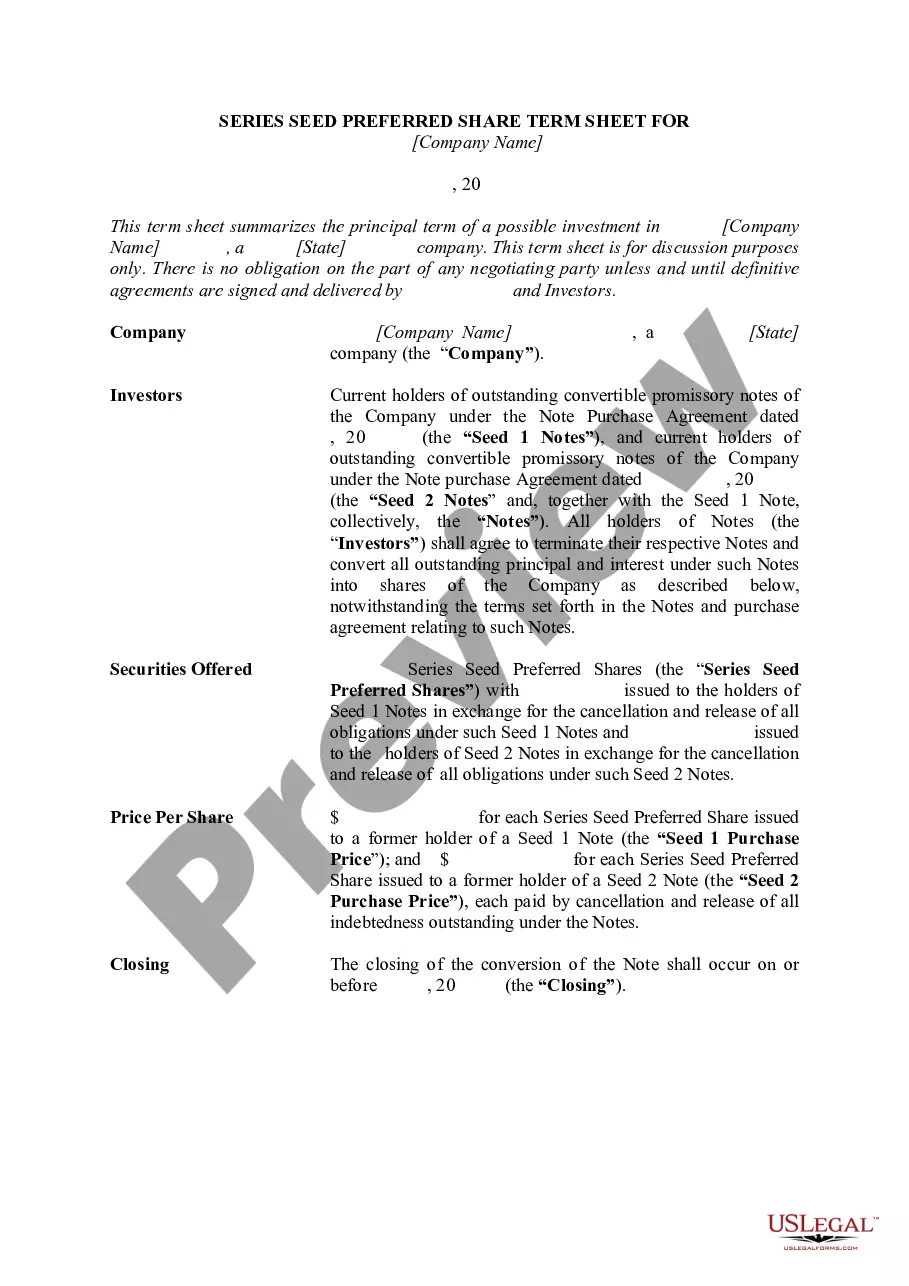
This is a grant of permission by a property owner to a third party to make repairs or install a fixture or cable television etc. on the property where the tenant lives
Vermont Grant Of Permission To Tenant Or Third Party From Property Owner
Category:
State:
Multi-State
Control #:
US-PRM-30
Format:
Word;
Rich Text
Instant download
Description
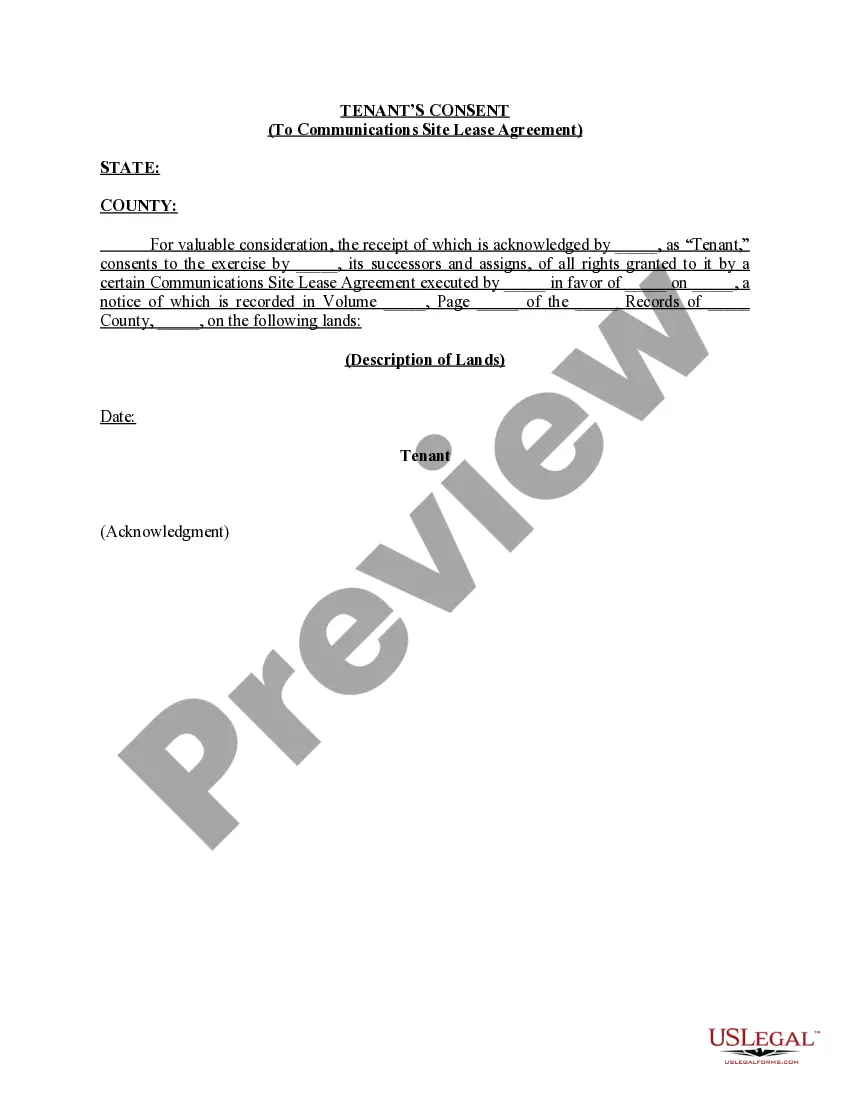
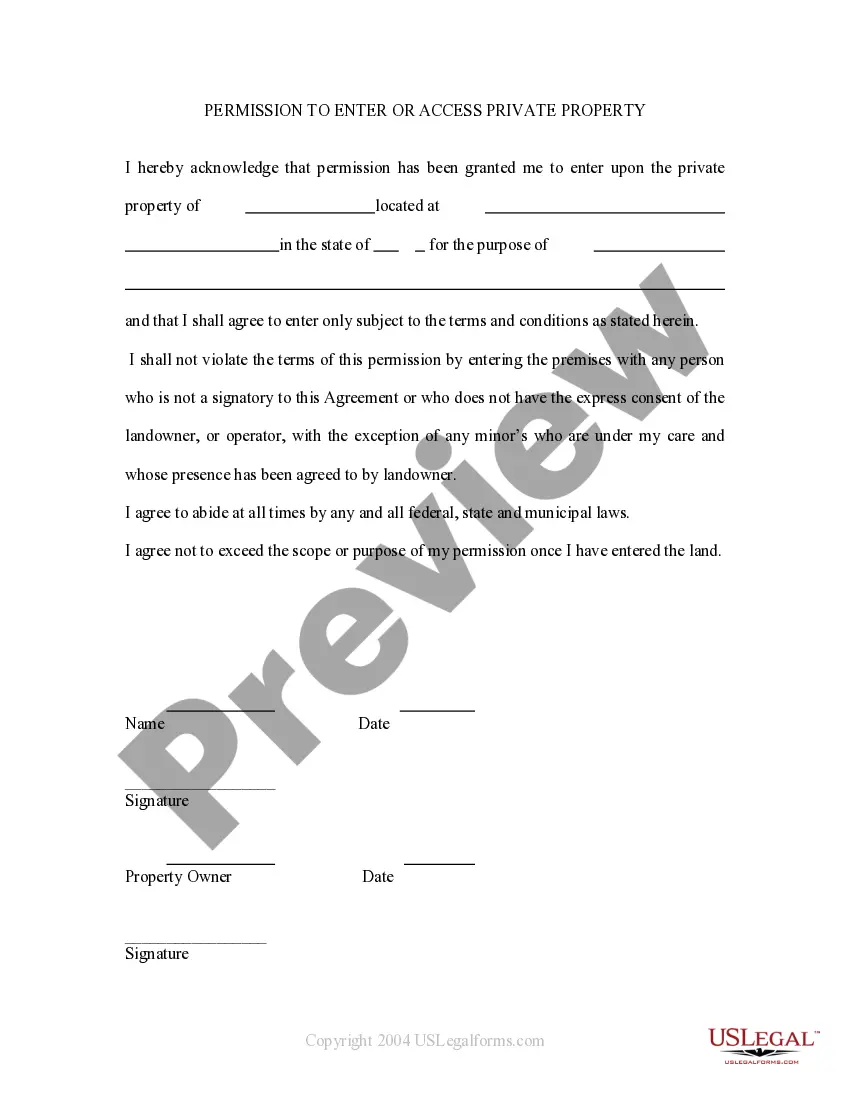
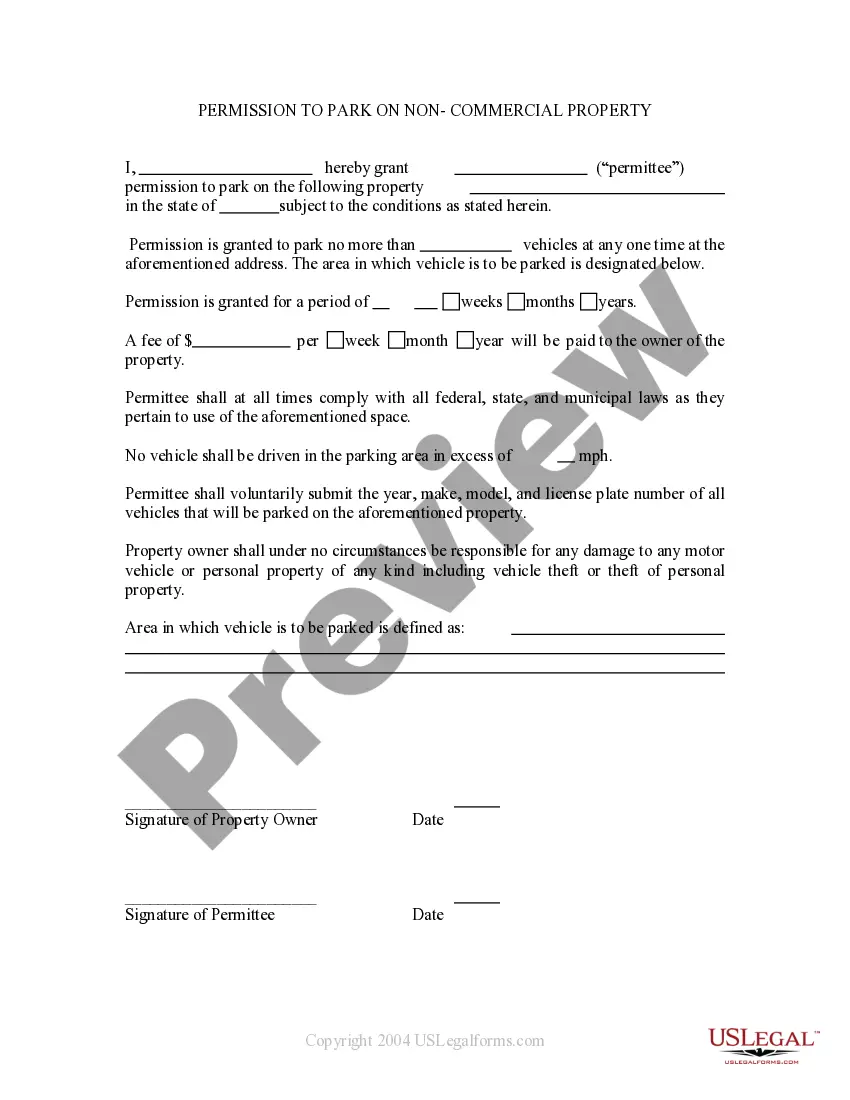
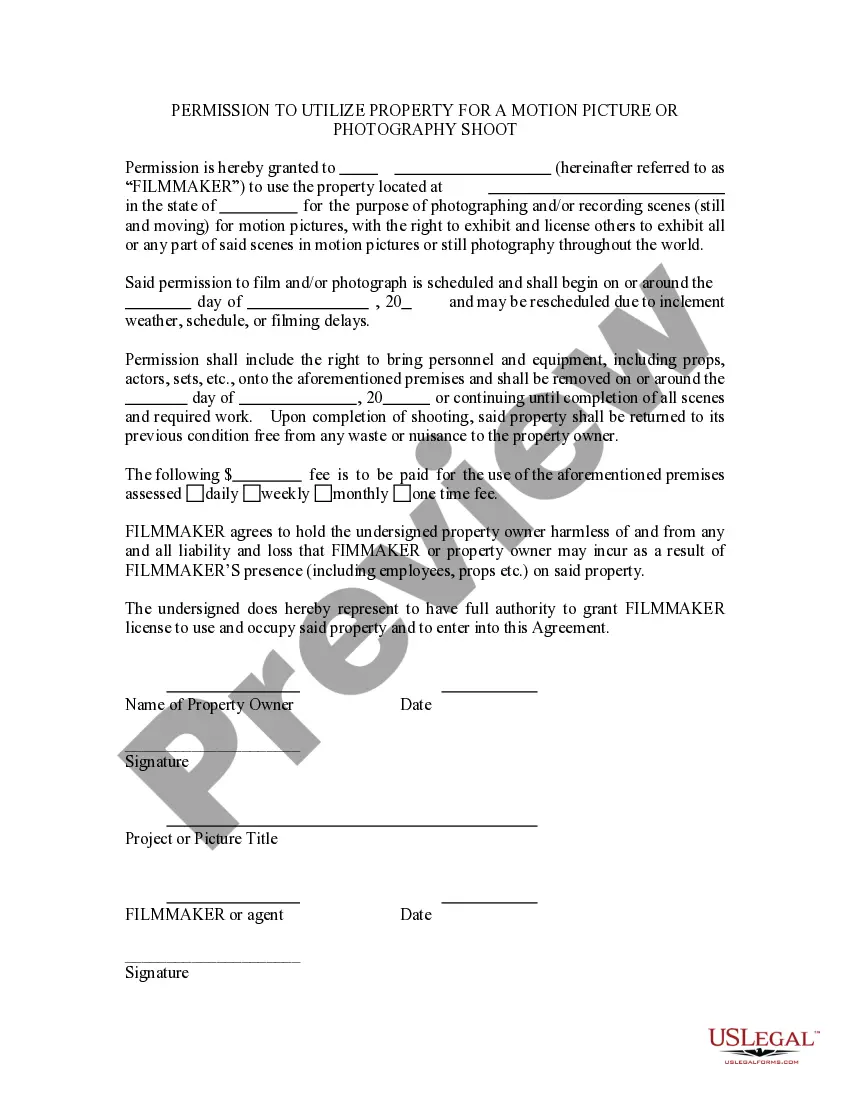
How to fill out Grant Of Permission To Tenant Or Third Party From Property Owner?
You might spend time online looking for the valid document template that fulfills the federal and state requirements you desire.
US Legal Forms offers a vast selection of legal forms that can be reviewed by professionals.
It is easy to download or print the Vermont Grant Of Permission To Tenant Or Third Party From Property Owner from our service.
If you wish to find another version of your form, use the Search field to locate the template that meets your needs and requirements. Once you have found the template you want, click Get now to proceed. Choose the payment option you prefer, enter your details, and register for an account on US Legal Forms. Complete the transaction. You can use your Visa or Mastercard or PayPal account to pay for the legal form. Select the format of your document and download it to your device. Make modifications to your document if possible. You can fill out, edit, sign, and print the Vermont Grant Of Permission To Tenant Or Third Party From Property Owner. Download and print numerous document templates using the US Legal Forms website, which offers the largest collection of legal forms. Utilize professional and state-specific templates to address your business or personal needs.
- If you already have a US Legal Forms account, you can sign in and click the Download button.
- After that, you can fill out, edit, print, or sign the Vermont Grant Of Permission To Tenant Or Third Party From Property Owner.
- Every legal document template you purchase is yours permanently.
- To obtain another copy of any purchased form, visit the My documents tab and click the corresponding button.
- If you are using the US Legal Forms website for the first time, follow the simple instructions below.
- First, ensure that you have selected the correct document template for your state/region of preference.
- Review the form description to confirm you have chosen the right form.
- If available, use the Preview button to browse through the document template as well.
Form popularity
FAQ
As a tenant you have certain legal rights including a legal right to live in your property undisturbed by your landlord or the letting agent. That means that your landlord and the letting agent cannot enter the tenanted property without your agreement or permission.
A landlord can enter a property to carry out reasonable repairs for which they are responsible, either under the tenancy agreement or by law. However, this right can only be exercised by a landlord who has given a tenant 24 hours notice.
Squatting is technically illegal because in order to squat one must trespass. Trespassing is when you enter someone else's property without their permission.
Can a tenant refuse entry to a landlord or letting agent? Yes, they can. In 99% of cases a tenant refusing entry to a landlord will usually boil down to convenience, or lack thereof. Simply adjusting the time and date will be enough to gain access to the property.
Squatters, or a succession of squatters, must have been living in a registered property continuously for 10 years before they can try and claim ownership. The squatter must then find a means to prove that they have acted responsibly as the owners of the property throughout this period.
Your landlord can come in without consent or notice if the landlord has a reasonable belief that there is imminent danger to any person or to the property.
It is in fact illegal for a landlord or agent to enter the premises without permission from the tenant. Ultimately, a landlord has no right of entry unless the tenant grants access or the landlord is given permission by the courts.
After a certain amount of time residing on a property, a squatter can gain legal ownership of the property through the process of adverse possession. In Vermont, a squatter must possess the property continuously for a period of 15 years before they can make an adverse possession claim (Vt.
If a landlord enters your home without permission they are, technically, trespassing, unless they have a court order to allow them otherwise.
Following these seven tips can help you make the best choice.Follow the Law.Choose a Tenant With Good Credit.Perform a Criminal Background Check.Look at the Tenant's Rental History.Choose a Tenant Who Is Stable.Maximum of Two People Per Bedroom.Trust Your Instincts.