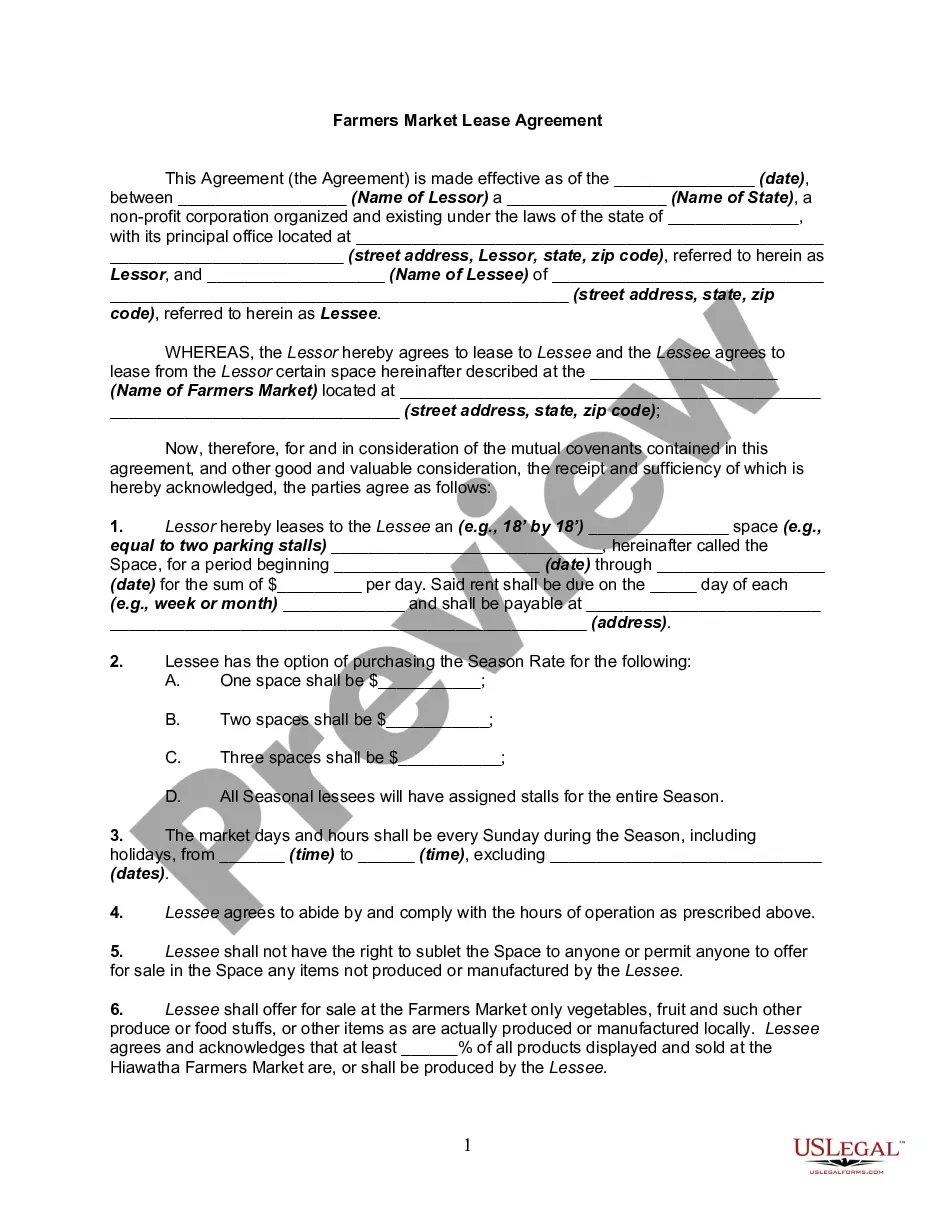
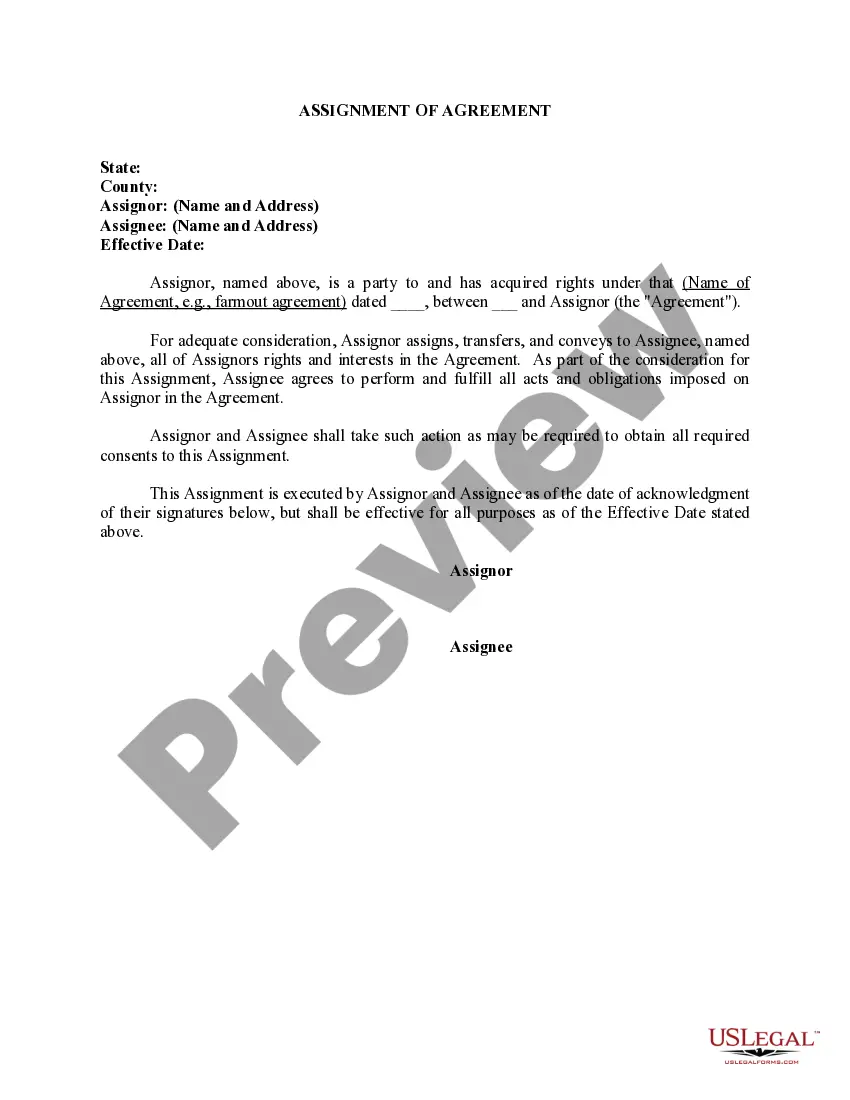
Vermont Covenants
Description
Get your form ready online
Our built-in tools help you complete, sign, share, and store your documents in one place.
Make edits, fill in missing information, and update formatting in US Legal Forms—just like you would in MS Word.
Download a copy, print it, send it by email, or mail it via USPS—whatever works best for your next step.
Sign and collect signatures with our SignNow integration. Send to multiple recipients, set reminders, and more. Go Premium to unlock E-Sign.
If this form requires notarization, complete it online through a secure video call—no need to meet a notary in person or wait for an appointment.
We protect your documents and personal data by following strict security and privacy standards.

Make edits, fill in missing information, and update formatting in US Legal Forms—just like you would in MS Word.

Download a copy, print it, send it by email, or mail it via USPS—whatever works best for your next step.

Sign and collect signatures with our SignNow integration. Send to multiple recipients, set reminders, and more. Go Premium to unlock E-Sign.

If this form requires notarization, complete it online through a secure video call—no need to meet a notary in person or wait for an appointment.

We protect your documents and personal data by following strict security and privacy standards.
Looking for another form?
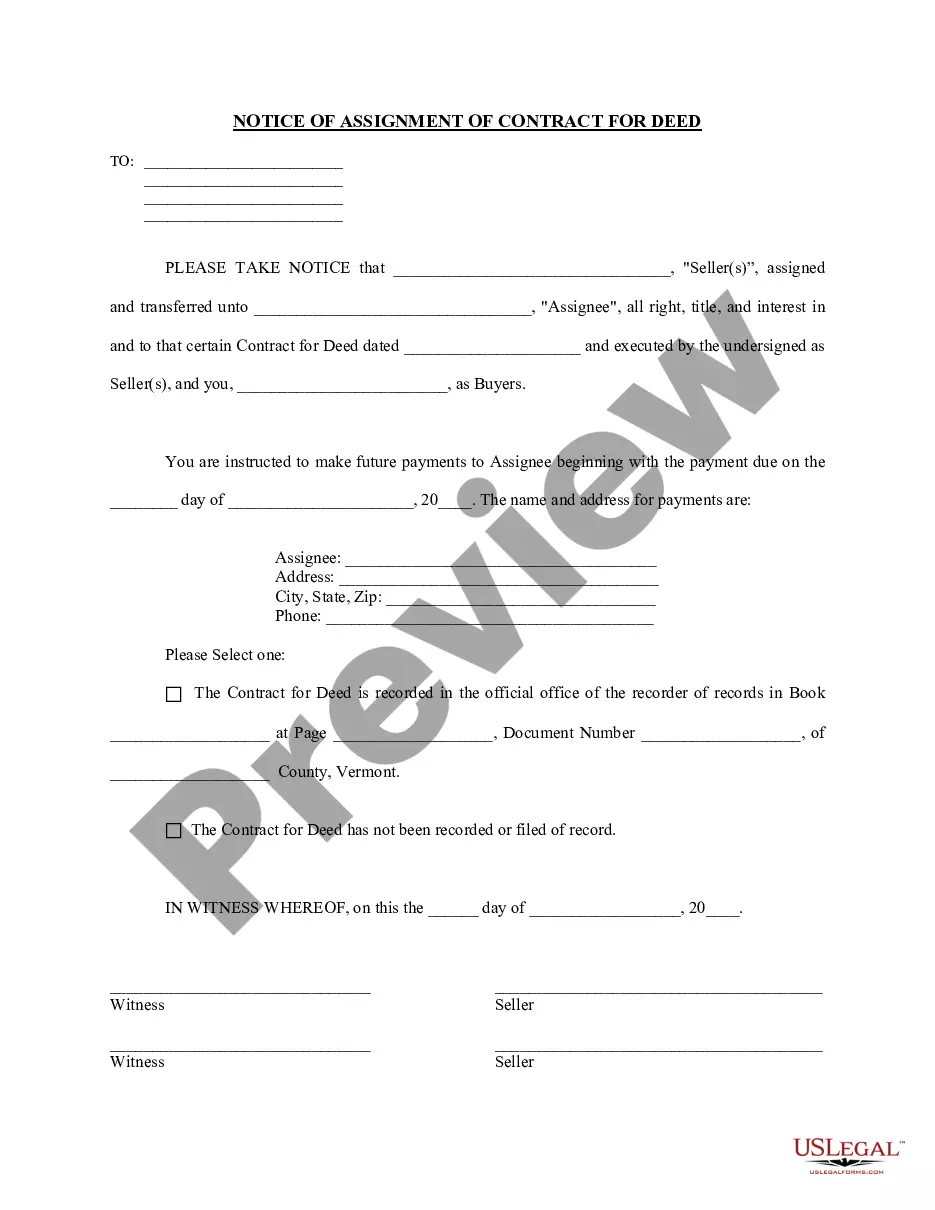

How to fill out Covenants?
You are able to commit several hours online attempting to find the authorized document template which fits the federal and state requirements you need. US Legal Forms supplies a huge number of authorized forms which can be evaluated by pros. You can easily acquire or print the Vermont Covenants from our assistance.
If you already have a US Legal Forms accounts, you can log in and click on the Acquire button. Following that, you can complete, change, print, or sign the Vermont Covenants. Each and every authorized document template you buy is yours for a long time. To acquire one more copy for any obtained develop, check out the My Forms tab and click on the related button.
If you are using the US Legal Forms site the very first time, keep to the easy directions beneath:
- First, make sure that you have selected the proper document template for your region/metropolis that you pick. Browse the develop description to ensure you have selected the right develop. If accessible, take advantage of the Review button to search with the document template as well.
- If you want to find one more model of your develop, take advantage of the Search discipline to discover the template that meets your requirements and requirements.
- Once you have found the template you want, click Get now to continue.
- Pick the pricing strategy you want, type in your accreditations, and register for an account on US Legal Forms.
- Full the deal. You may use your charge card or PayPal accounts to pay for the authorized develop.
- Pick the formatting of your document and acquire it to your product.
- Make modifications to your document if required. You are able to complete, change and sign and print Vermont Covenants.
Acquire and print a huge number of document themes while using US Legal Forms web site, that offers the most important assortment of authorized forms. Use skilled and express-specific themes to tackle your organization or specific needs.
Form popularity
FAQ
Here are some fundamental differences: While a contract is legally binding, a covenant is a spiritual agreement. A contract is an agreement between parties while a covenant is a pledge. A covenant is an agreement you can break while a covenant is a perpetual promise.
A general warranty deed does not now include a covenant against encumbrances. Because the grantor is making numerous present and future covenants about the title of the property being conveyed, a general warranty deed is the kind of deed that offers the most comprehensive level of protection to the buyer.
In the State of Vermont, you have the legal right to refuse access to your property for an inspection by the assessor's office. The assessor is then required to follow State statute and value your property to the best of his/her ability without seeing the grade, condition, updating and other possible improvements.
A deed is a formal document conveying an interest in real property from one party to another. A covenant is most typically going to refer to a condition that is part of either of those transactions, such as a contractual covenant not to compete or a deed covenant to use property in a certain way.
A court will only enforce a restrictive covenant to the extent that it is necessary to protect the interest of the party seeking to enforce it.
Covenants, conditions, and restrictions are considered a type of deed restriction because once these rules are agreed to, they create limitations that impact the day-to-day lives of homeowners and their freedom to use their property as they will.
The preferred written instrument to convey a legal interest in land is a deed. There are two basic categories of deed used in Vermont to convey fee title and/or easements in land: the warranty deed; and the quit-claim deed.