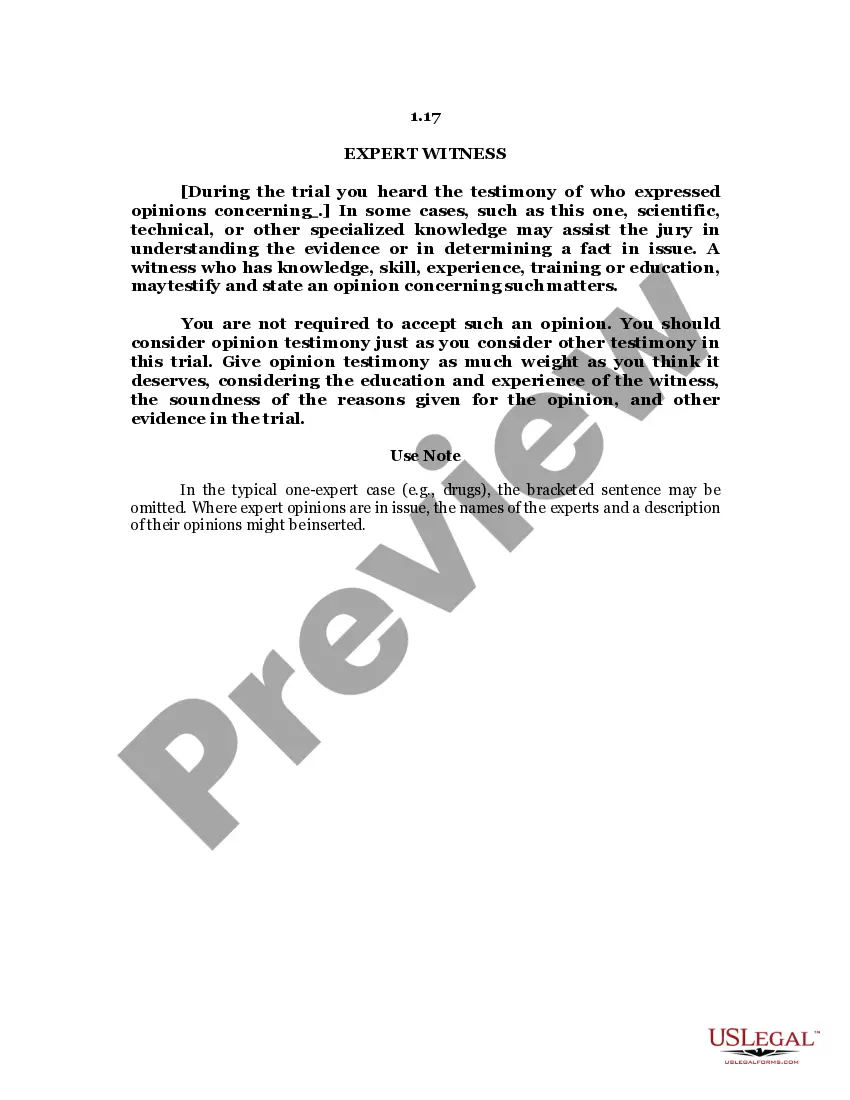
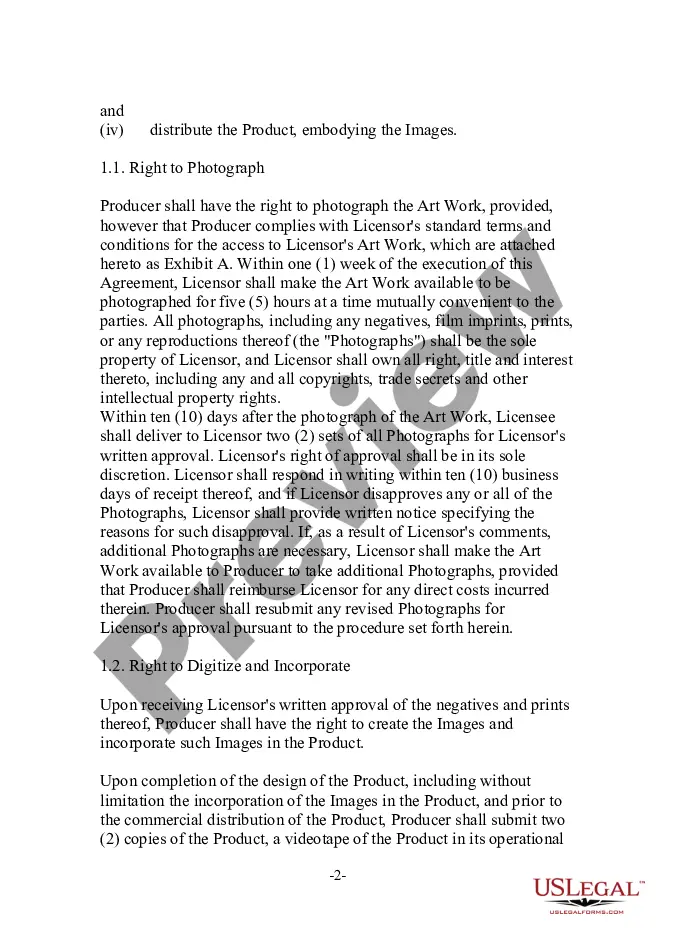
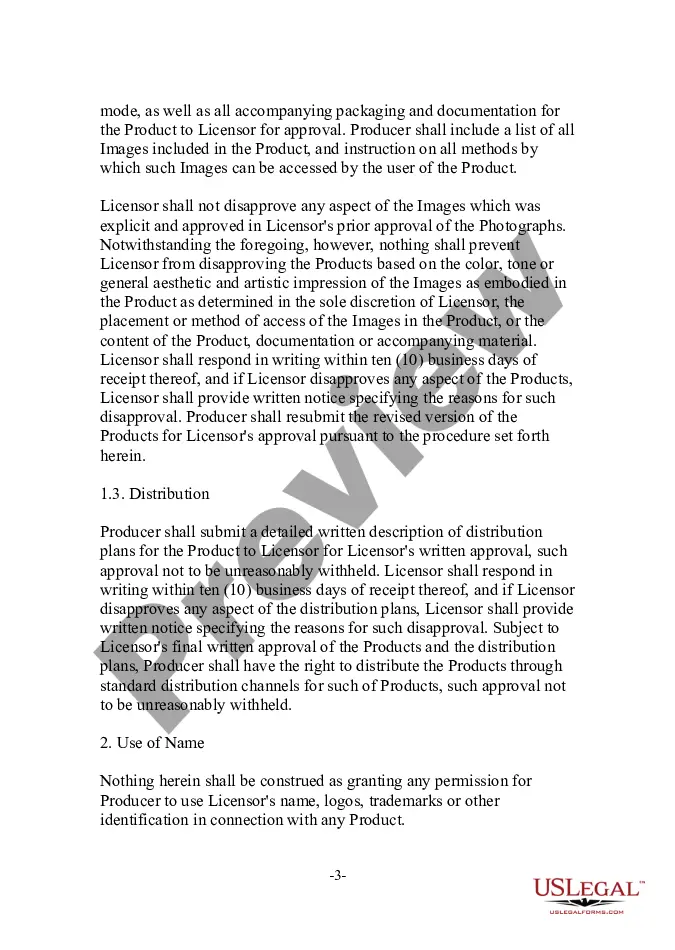
Vermont Art Work License Agreement
Description
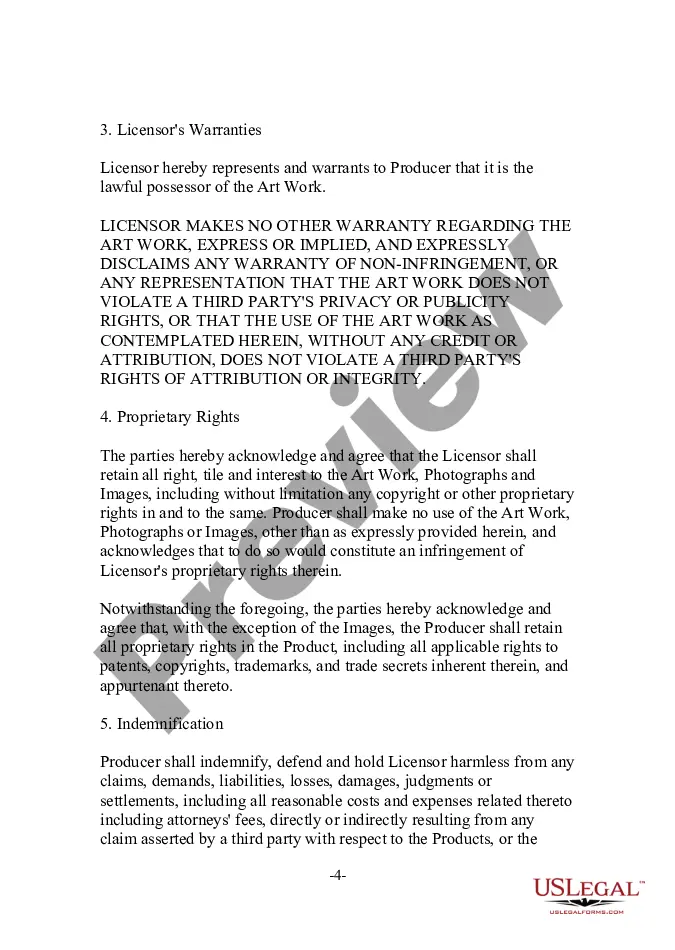
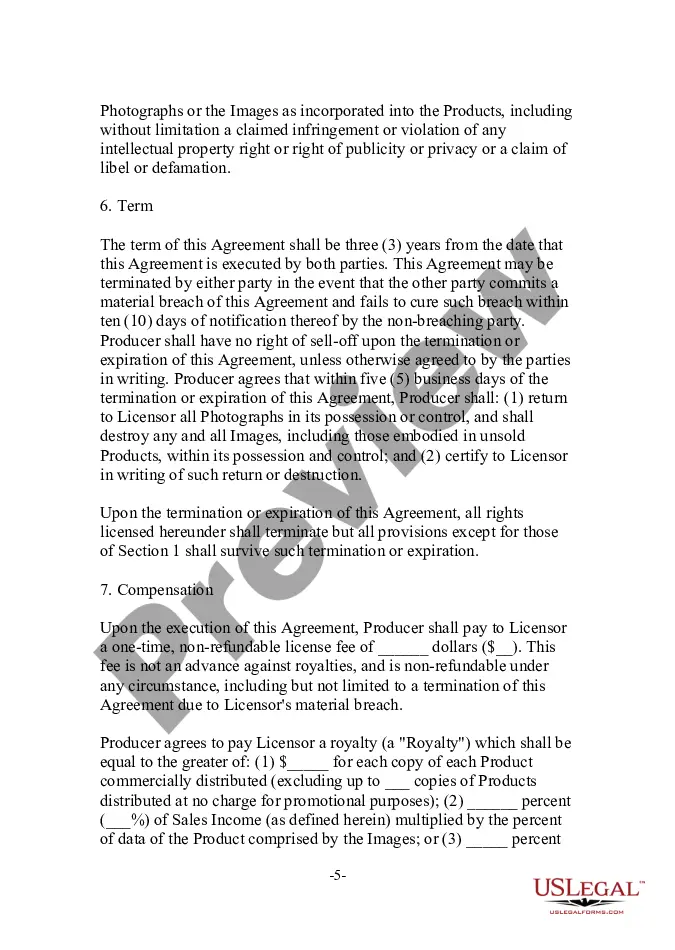
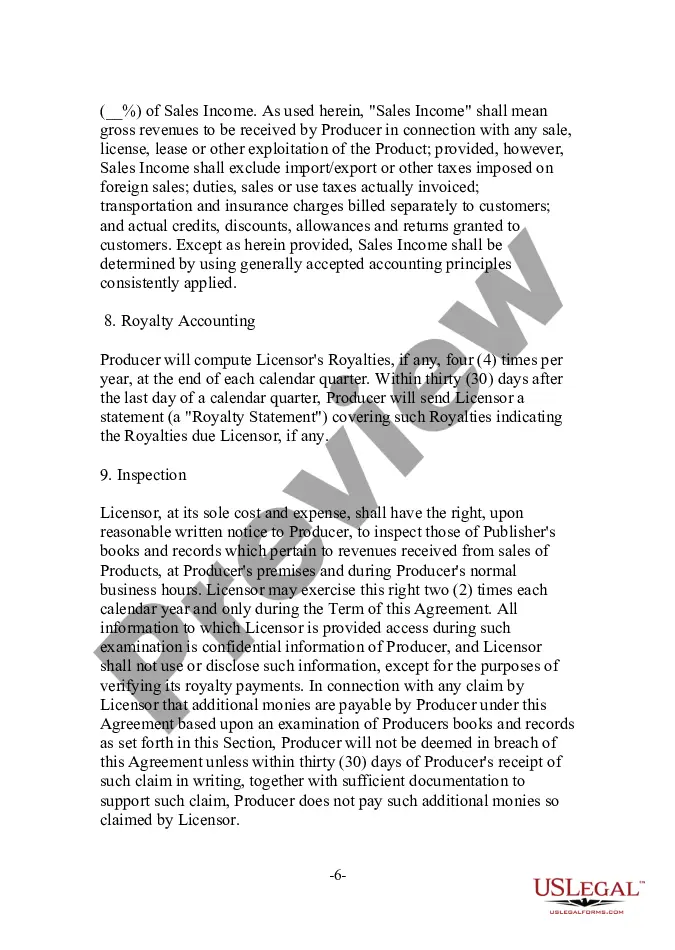
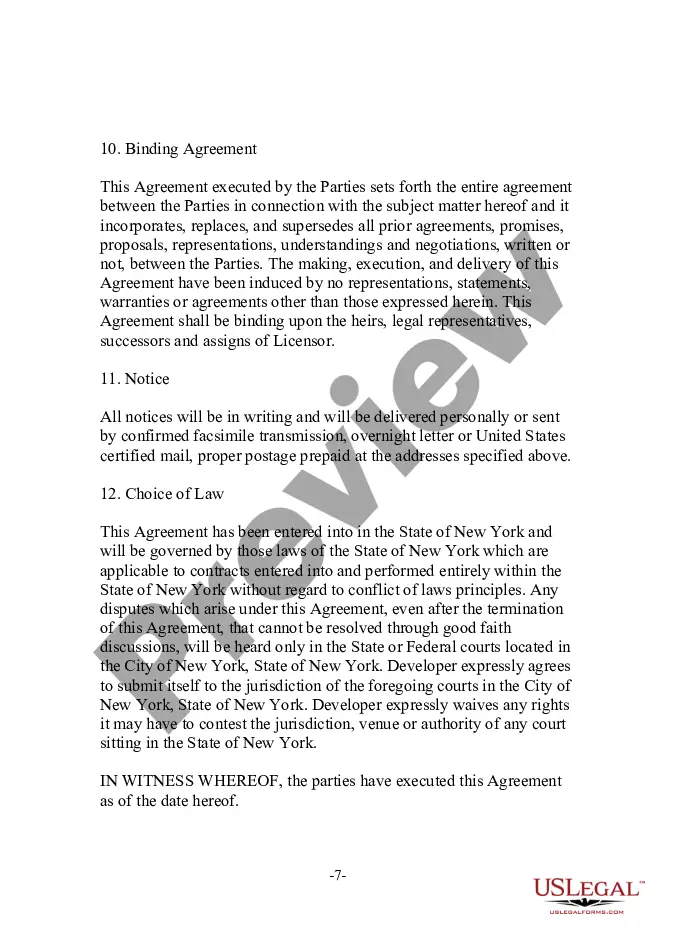
Get your form ready online
Our built-in tools help you complete, sign, share, and store your documents in one place.
Make edits, fill in missing information, and update formatting in US Legal Forms—just like you would in MS Word.
Download a copy, print it, send it by email, or mail it via USPS—whatever works best for your next step.
Sign and collect signatures with our SignNow integration. Send to multiple recipients, set reminders, and more. Go Premium to unlock E-Sign.
If this form requires notarization, complete it online through a secure video call—no need to meet a notary in person or wait for an appointment.
We protect your documents and personal data by following strict security and privacy standards.

Make edits, fill in missing information, and update formatting in US Legal Forms—just like you would in MS Word.

Download a copy, print it, send it by email, or mail it via USPS—whatever works best for your next step.

Sign and collect signatures with our SignNow integration. Send to multiple recipients, set reminders, and more. Go Premium to unlock E-Sign.

If this form requires notarization, complete it online through a secure video call—no need to meet a notary in person or wait for an appointment.

We protect your documents and personal data by following strict security and privacy standards.
Looking for another form?


How to fill out Art Work License Agreement?
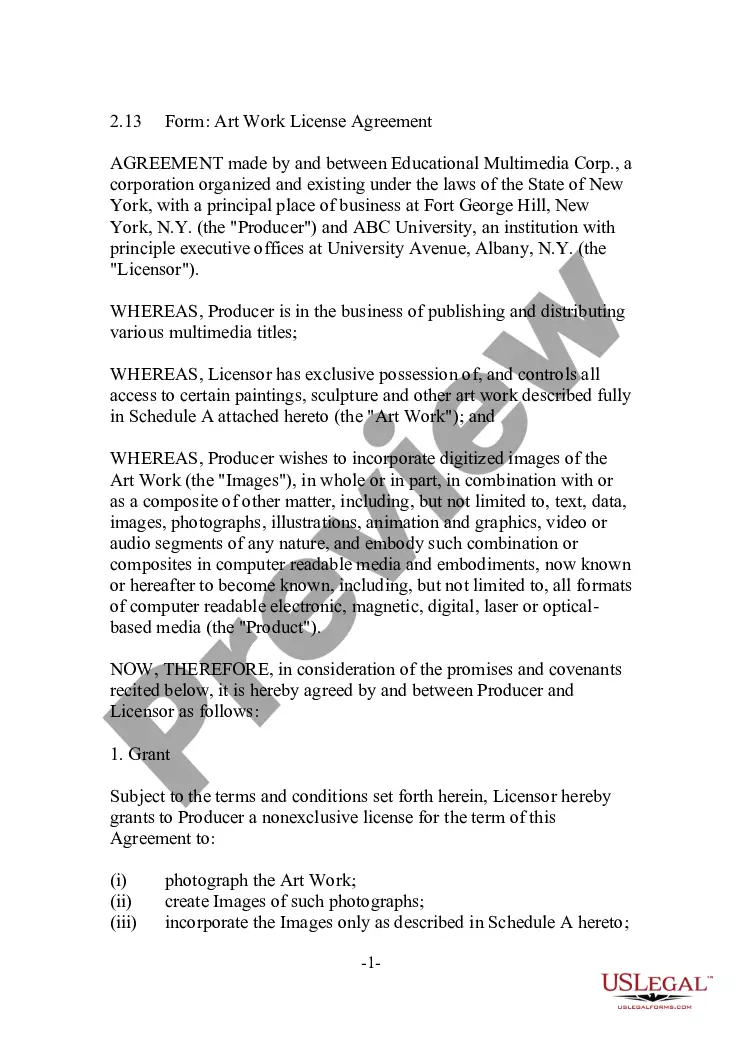
US Legal Forms - one of several largest libraries of legal varieties in the States - delivers a wide array of legal record layouts you are able to obtain or print. Utilizing the web site, you will get thousands of varieties for business and personal reasons, categorized by categories, suggests, or keywords and phrases.You can get the newest versions of varieties just like the Vermont Art Work License Agreement within minutes.
If you already have a registration, log in and obtain Vermont Art Work License Agreement in the US Legal Forms library. The Down load option will appear on every type you look at. You have accessibility to all previously delivered electronically varieties inside the My Forms tab of your own account.
If you want to use US Legal Forms for the first time, allow me to share basic recommendations to help you get started out:
- Ensure you have chosen the best type for your metropolis/county. Go through the Review option to examine the form`s content. See the type information to actually have chosen the right type.
- In case the type does not fit your requirements, take advantage of the Search field towards the top of the screen to discover the one that does.
- If you are content with the form, affirm your decision by simply clicking the Get now option. Then, choose the pricing plan you want and offer your qualifications to register to have an account.
- Method the financial transaction. Make use of Visa or Mastercard or PayPal account to accomplish the financial transaction.
- Find the structure and obtain the form on the gadget.
- Make changes. Complete, revise and print and indication the delivered electronically Vermont Art Work License Agreement.
Each and every template you added to your account lacks an expiration particular date and it is the one you have for a long time. So, in order to obtain or print another copy, just proceed to the My Forms segment and then click around the type you require.
Get access to the Vermont Art Work License Agreement with US Legal Forms, by far the most substantial library of legal record layouts. Use thousands of professional and status-specific layouts that meet up with your organization or personal requirements and requirements.
Form popularity
FAQ
The percentage will vary, but it is usually 10 percent or less unless the licensee is selling posters or prints of the artwork. Sometimes royalties are calculated not ing to net sales but ing to the total number of products that are sold or manufactured. This is known as a per unit royalty.
Art Licensing is usually a royalty range of 3-10%.
Art Licensing The main objective for the artist to have a licensing agreement is so they can look forward to receiving reasonably large advances and a big royalty percentage for their creations and the time they put into creating.
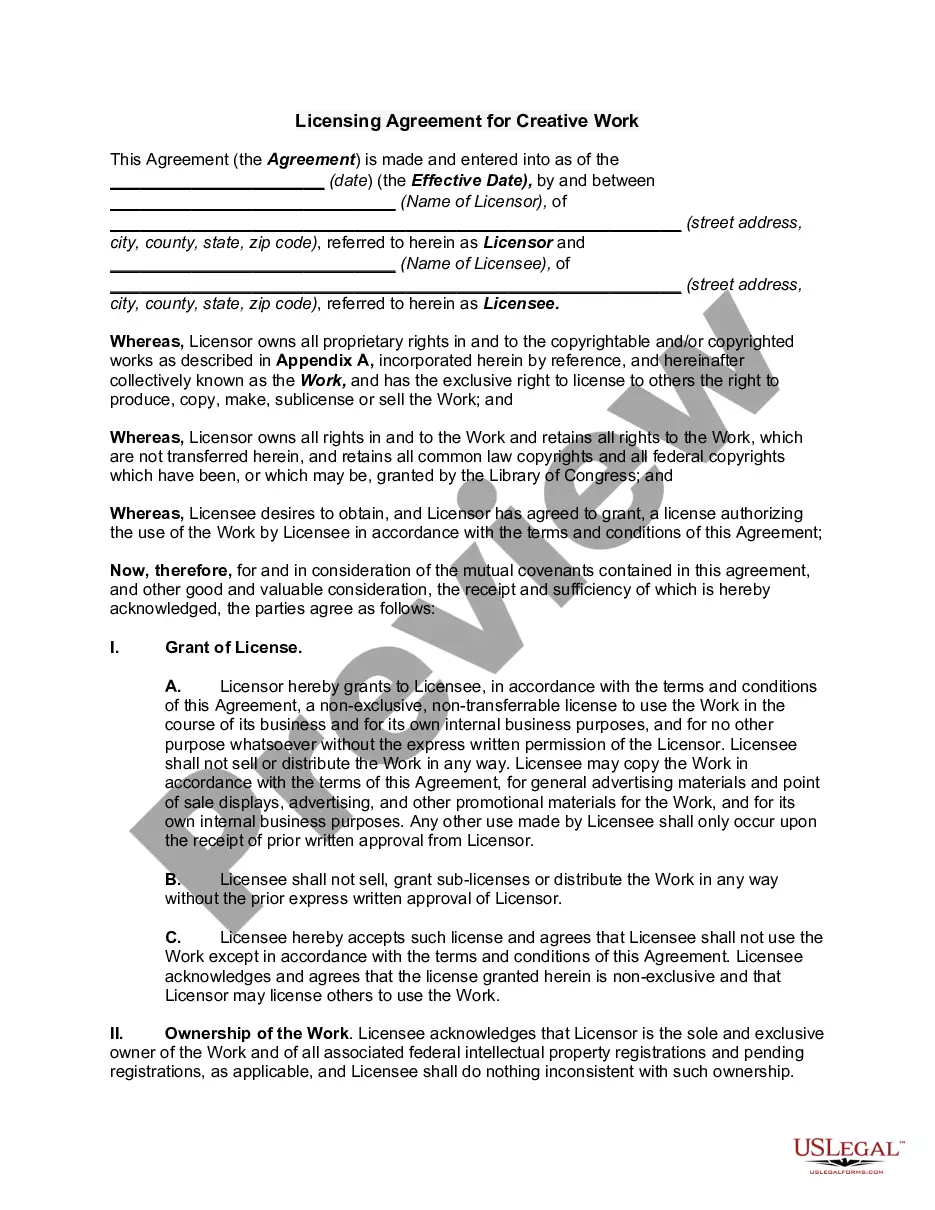
Art licensing is when an artist (Licensor) and manufacturer (Licensee) come to an agreement where the artist gives permission for the manufacturer to use their work on products in exchange for payment.
Key Takeaways. A licensing agreement allows one party (the licensee) to use and/or earn revenue from the property of the owner (the licensor). Licensing agreements generate revenues, called royalties, earned by a company for allowing its copyrighted or patented material to be used by another company.
A contract should state each party's obligations/responsibilities, the scope of work, and the agreement as to compensation. It does not have to be written in legalise unless you are spelling out terms for a complicated project. The contract should include all the agreements you have with the other party.
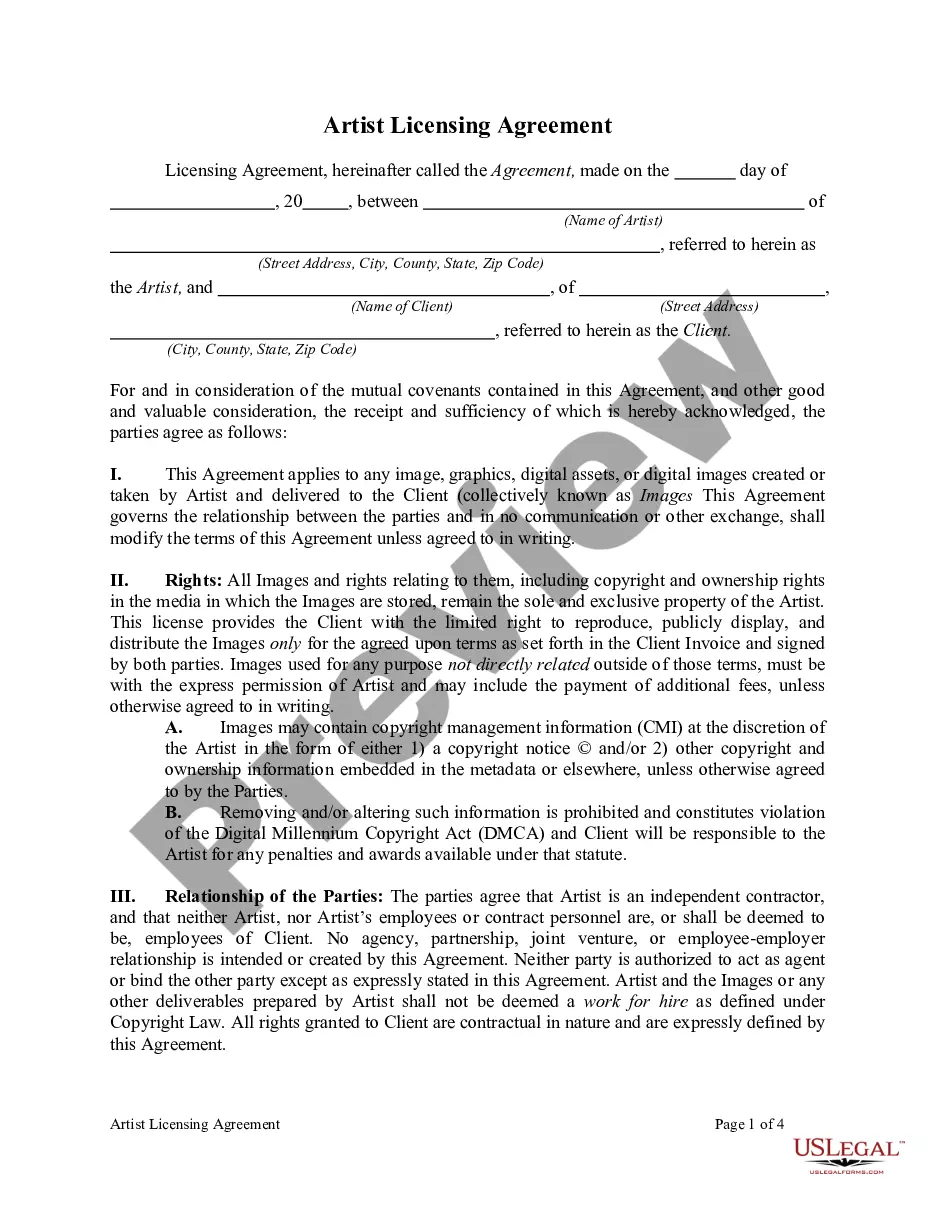
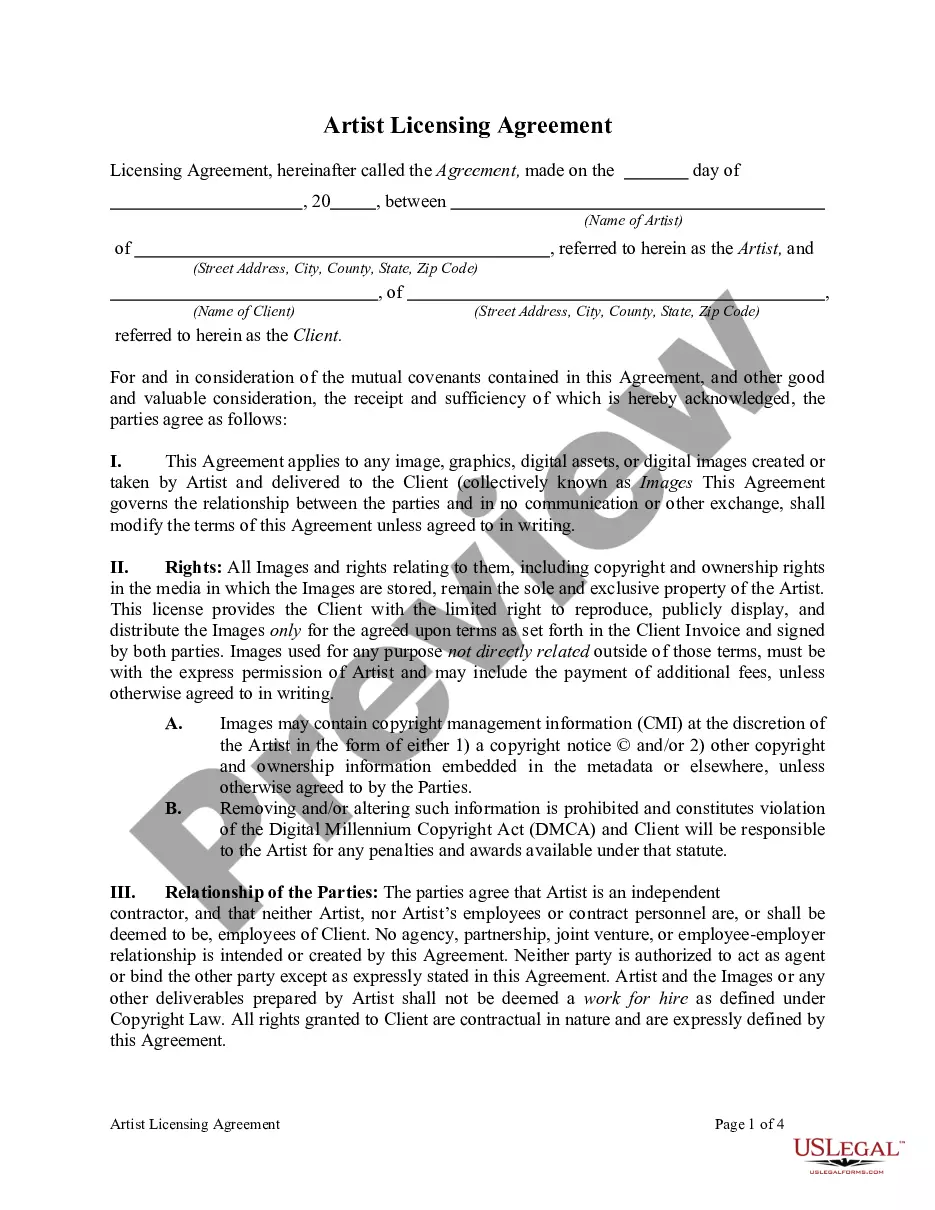
An artist licensing agreement allows an artist while retaining full copyright ownership of their work, to grant permission to another party to use their art.