Vermont General Partnership for Business
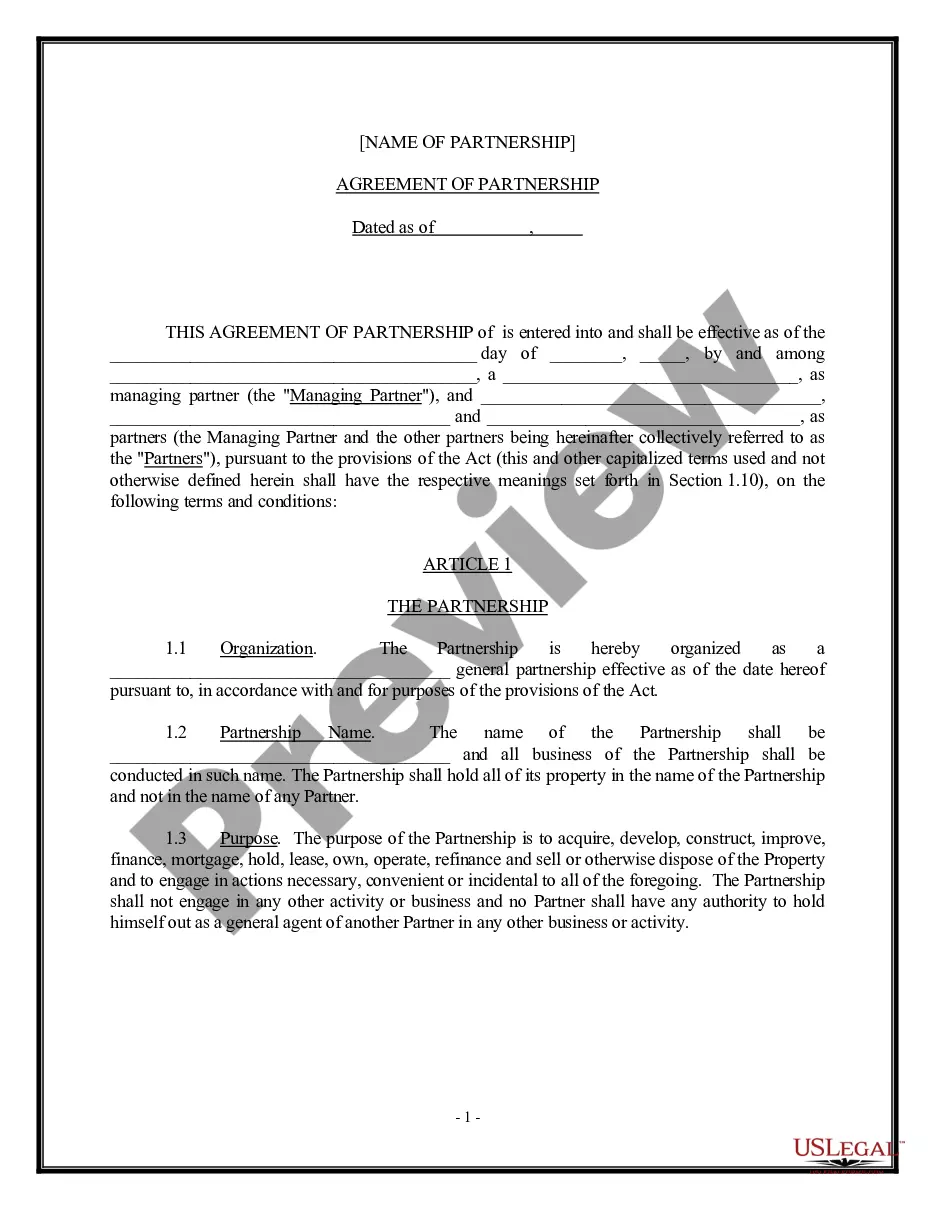
Description
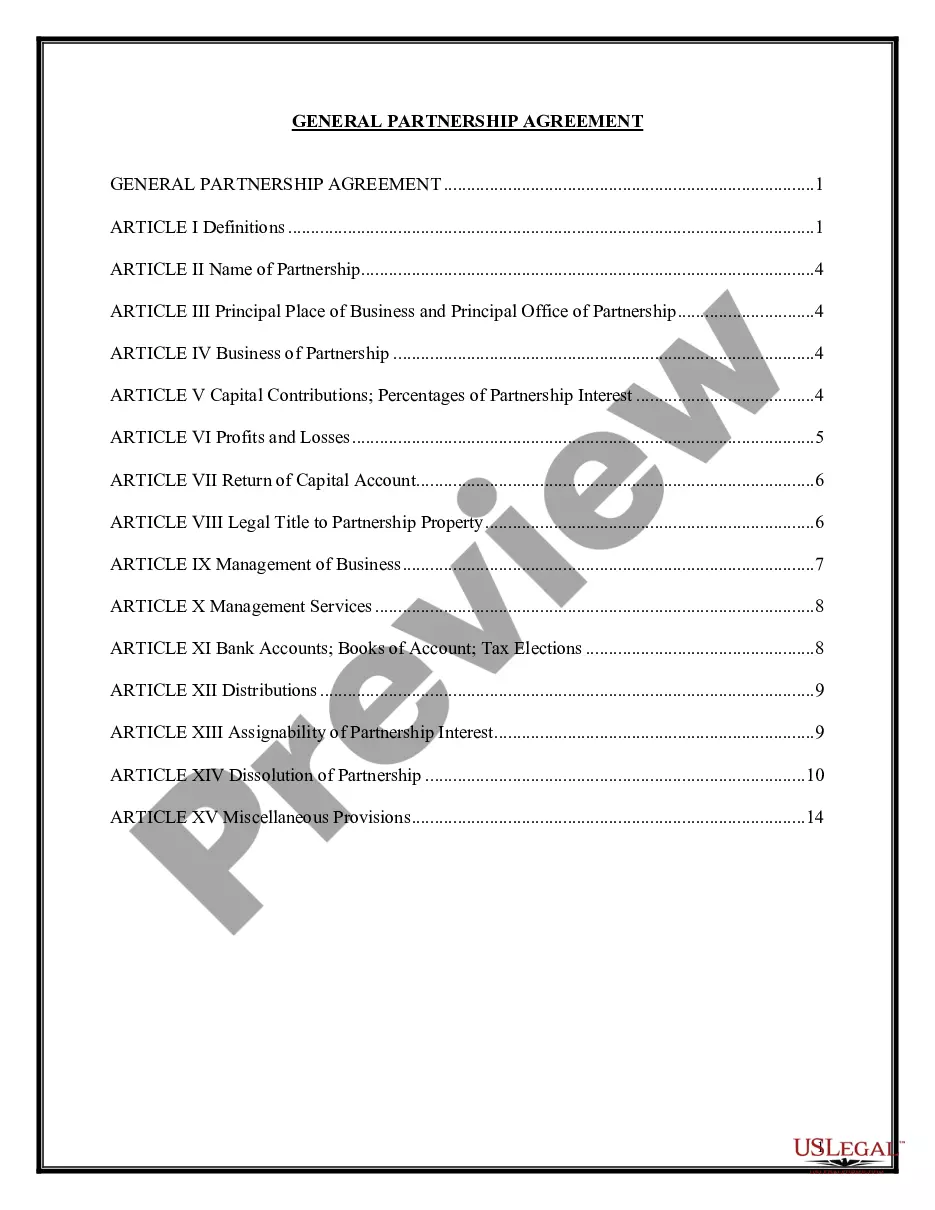
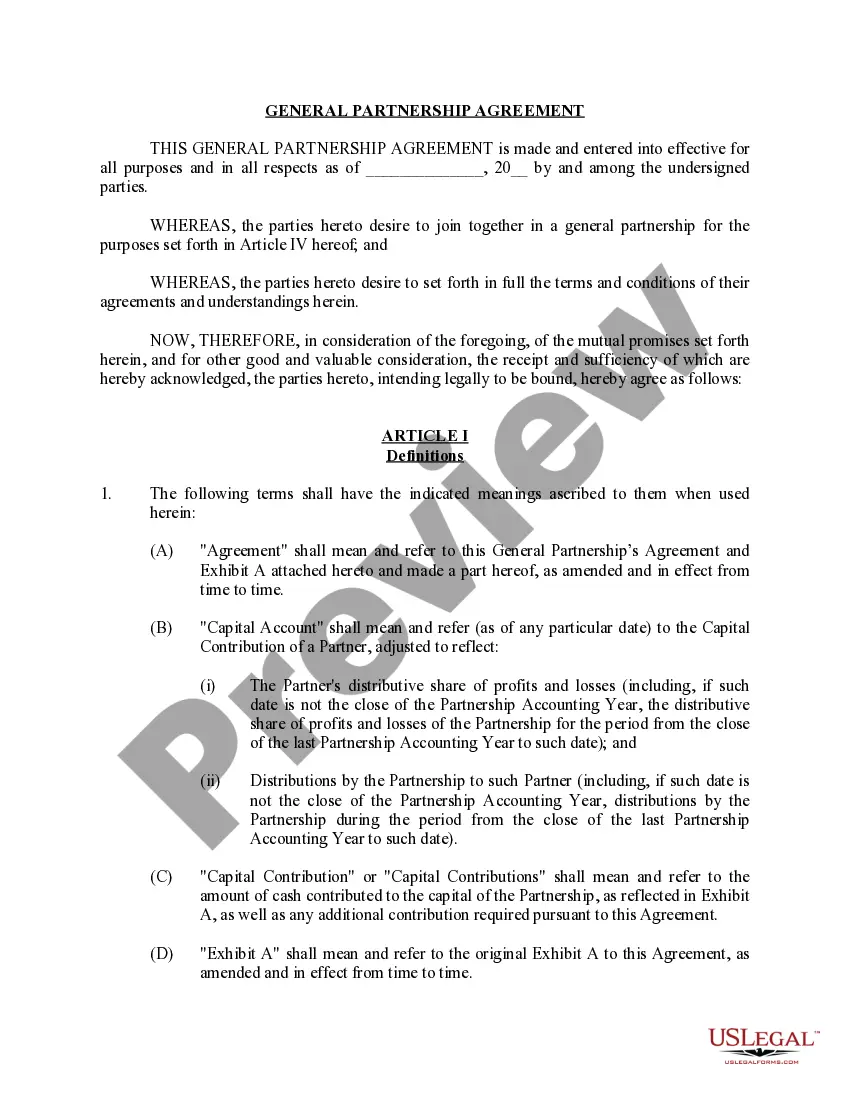
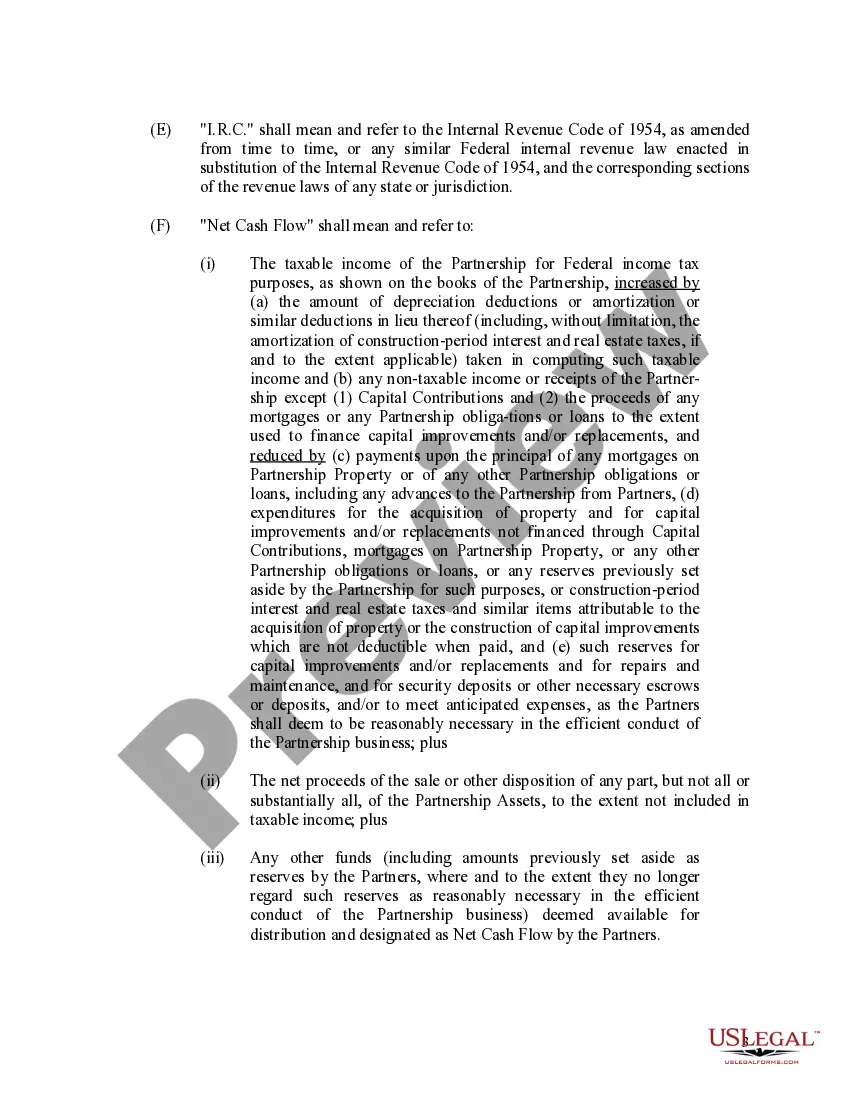
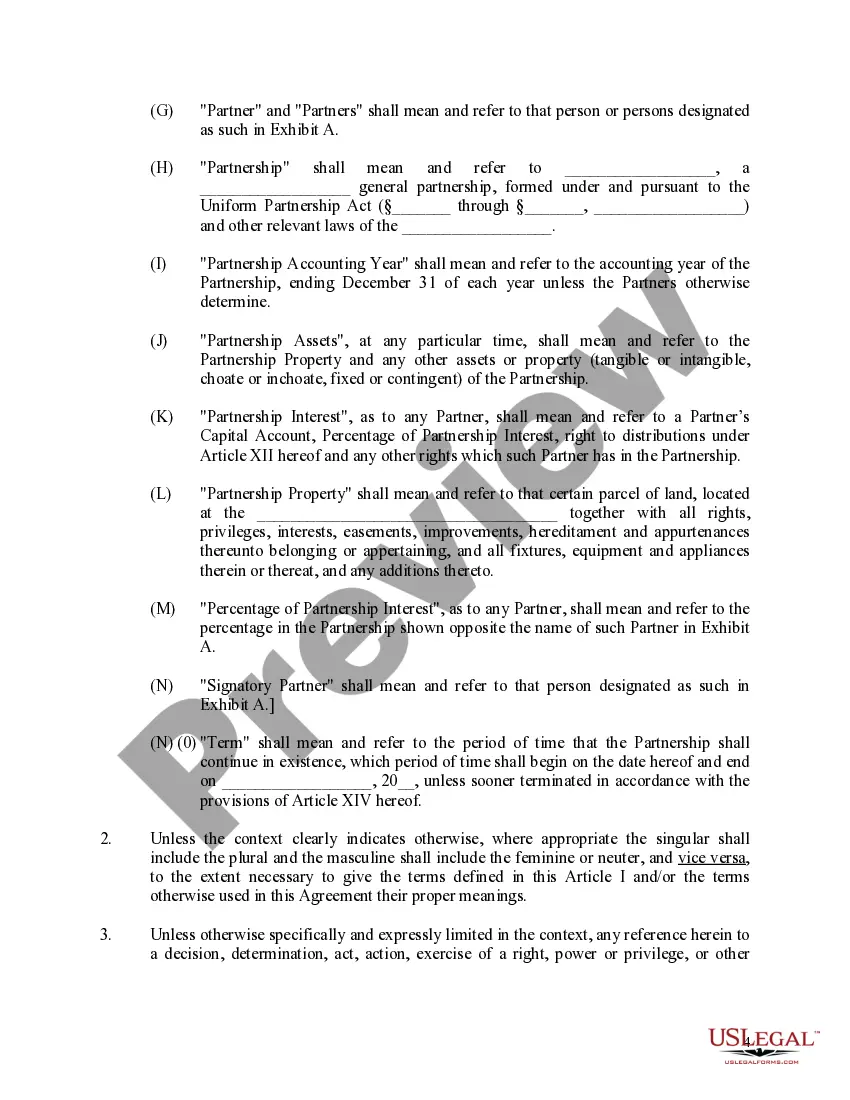
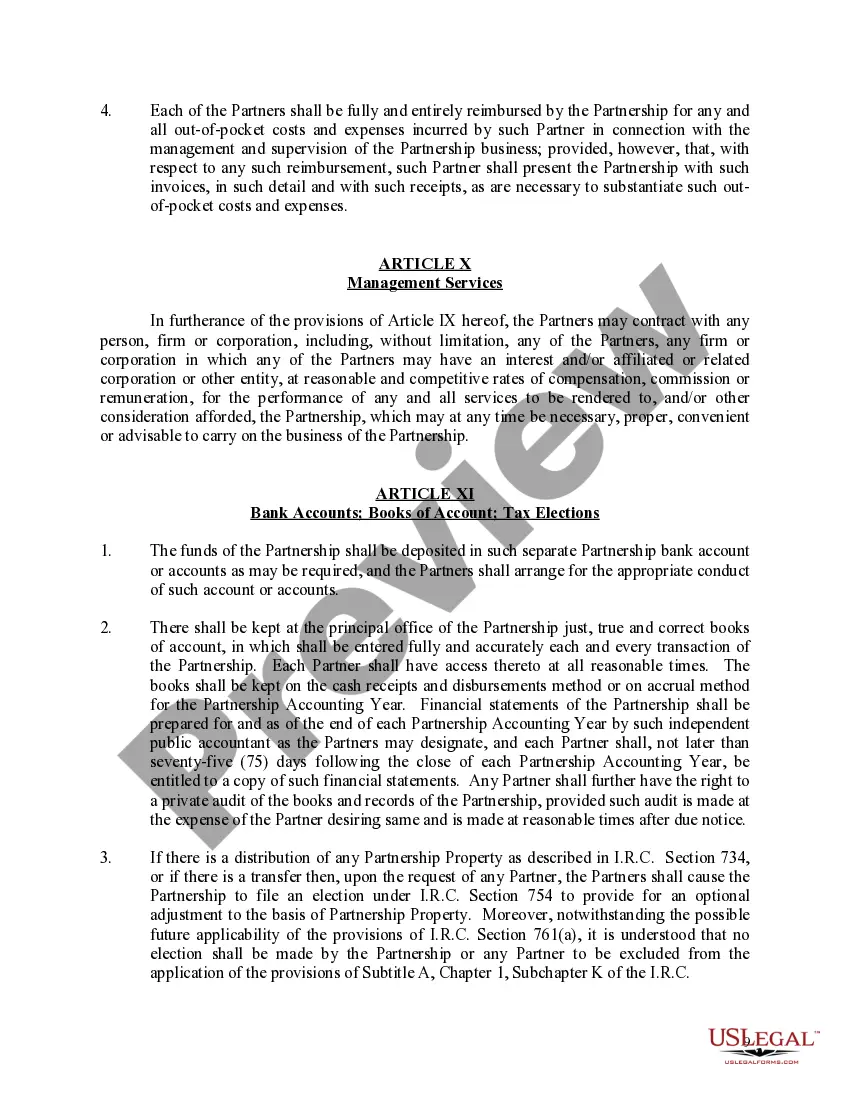
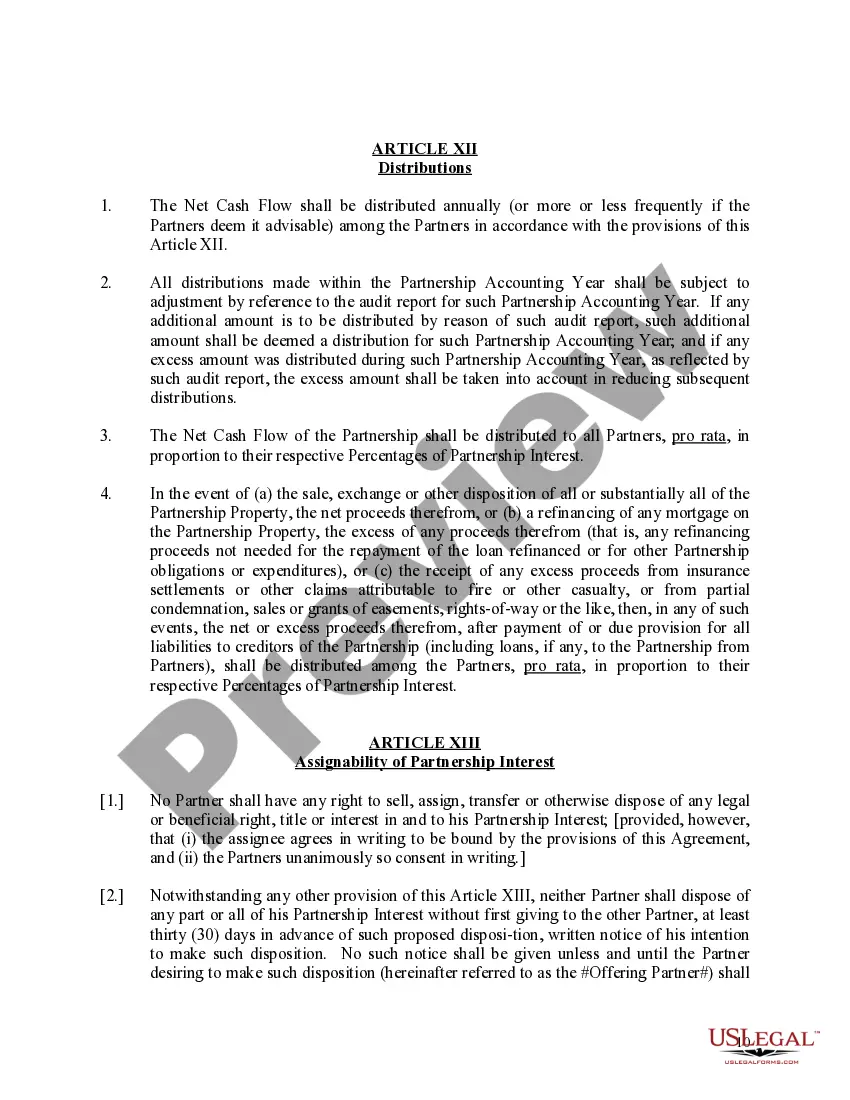

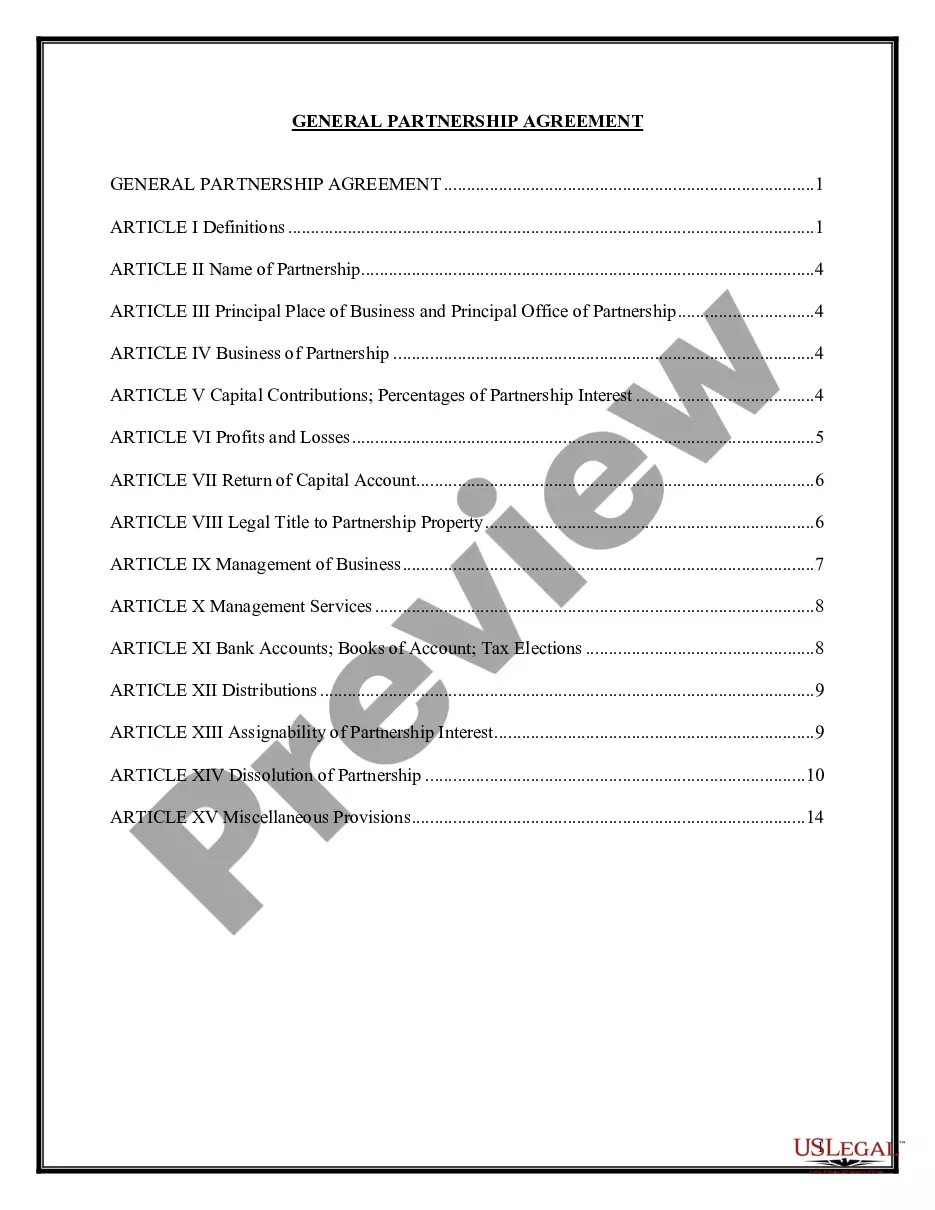
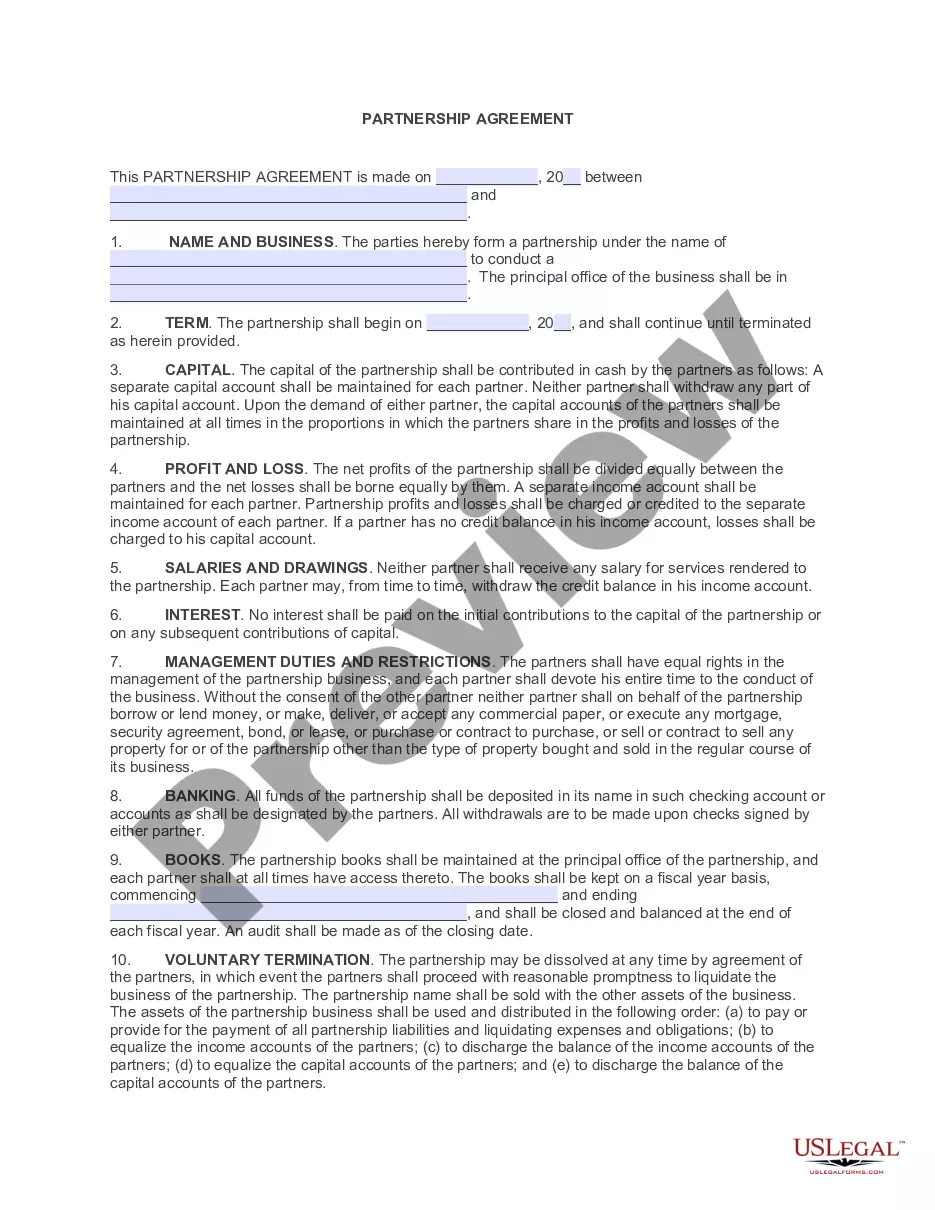
Get your form ready online
Our built-in tools help you complete, sign, share, and store your documents in one place.
Make edits, fill in missing information, and update formatting in US Legal Forms—just like you would in MS Word.
Download a copy, print it, send it by email, or mail it via USPS—whatever works best for your next step.
Sign and collect signatures with our SignNow integration. Send to multiple recipients, set reminders, and more. Go Premium to unlock E-Sign.
If this form requires notarization, complete it online through a secure video call—no need to meet a notary in person or wait for an appointment.
We protect your documents and personal data by following strict security and privacy standards.

Make edits, fill in missing information, and update formatting in US Legal Forms—just like you would in MS Word.

Download a copy, print it, send it by email, or mail it via USPS—whatever works best for your next step.

Sign and collect signatures with our SignNow integration. Send to multiple recipients, set reminders, and more. Go Premium to unlock E-Sign.

If this form requires notarization, complete it online through a secure video call—no need to meet a notary in person or wait for an appointment.

We protect your documents and personal data by following strict security and privacy standards.
Looking for another form?


How to fill out General Partnership For Business?
You can invest time online attempting to locate the approved document format that aligns with the federal and state requirements you need.
US Legal Forms offers a vast array of authorized templates that are reviewed by specialists.
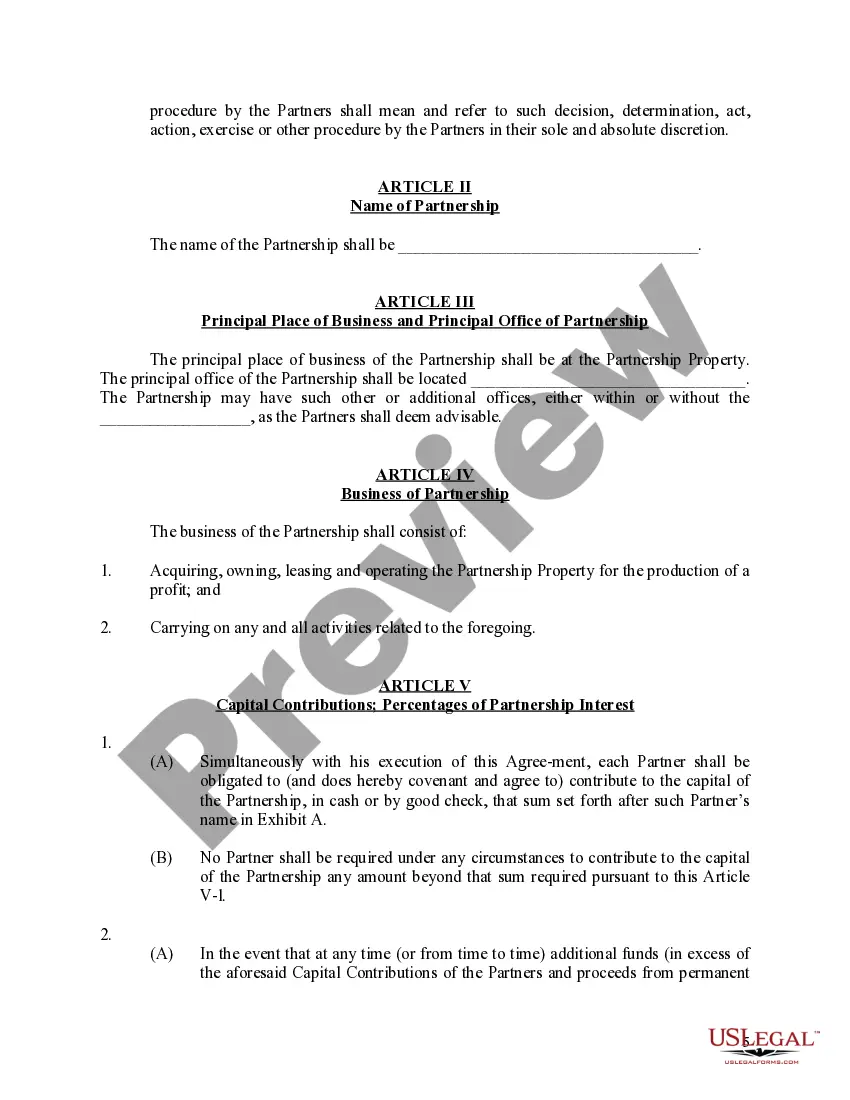
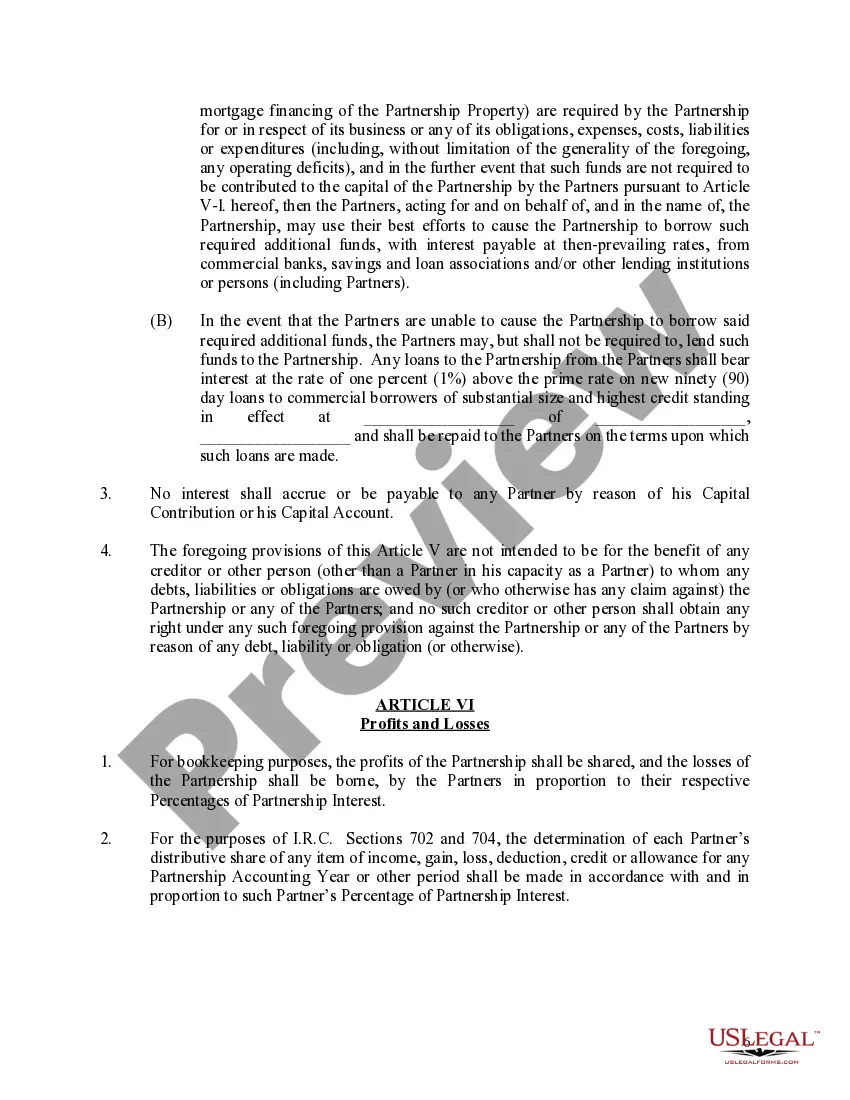
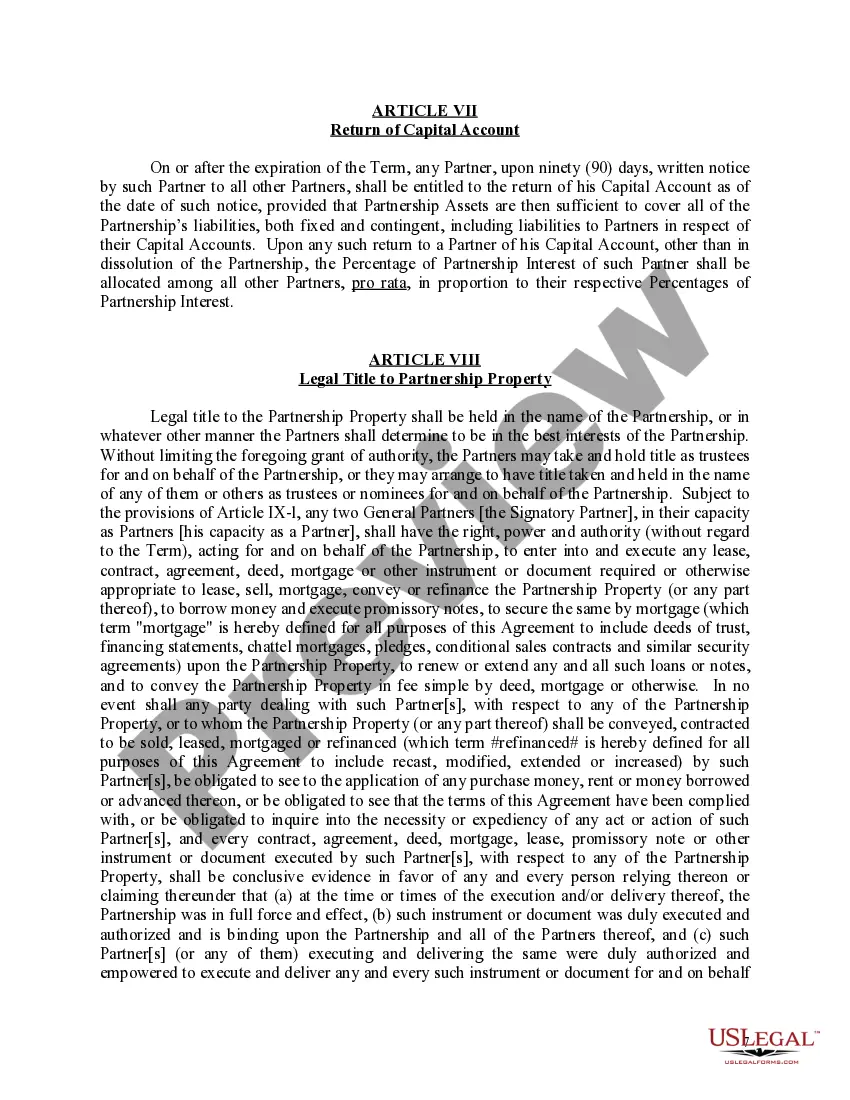
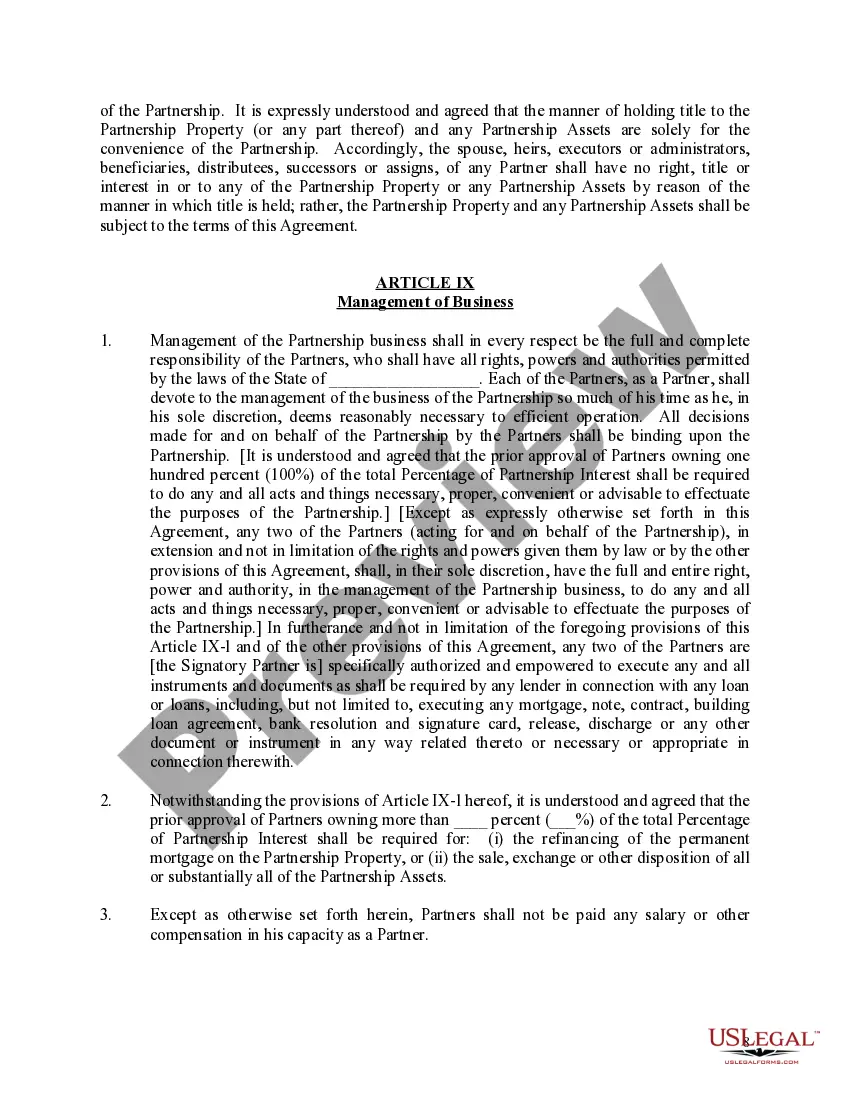
You can download or print the Vermont General Partnership for Business from their platform.
If available, use the Review button to examine the layout as well.
- If you already have a US Legal Forms account, you can Log In and then click the Obtain button.
- After that, you can complete, edit, print, or sign the Vermont General Partnership for Business.
- Each legal document format you purchase is yours permanently.
- To acquire another copy of any purchased form, go to the My documents tab and click the corresponding button.
- If you are using the US Legal Forms website for the first time, follow the simple instructions below.
- First, ensure that you have selected the correct format for the region/city you choose.
- Review the form description to ensure you have selected the correct document.
Form popularity
FAQ
Vermont does not have a statewide basic business license. Businesses may need to register with the Vermont Secretary of State or the Department of Taxes for business taxes, sales tax, or payroll taxes. Many different agencies and boards oversee the professional and occupational state license requirements.
In general, an LLC offers better liability protection and more tax flexibility than a partnership. But the type of business you're in, the management structure, and your state's laws may tip the scales toward partnership.
How to Start a Business in VermontDevelop an idea.Do the research.Draft a business plan.Secure funding.Decide on a legal business entity.Register your business.Acquire federal and state tax IDs.Open business banking and credit accounts.More items...
Simplified taxes: The biggest advantage of a general partnership is the tax benefit. Businesses structured as partnerships do not pay income tax. Instead, all profits and losses are passed through to the individual partners.
To register your Vermont LLC, you'll need to file the Articles of Organization with the Vermont Secretary of State. You can apply online or by mail. Read our Form an LLC in Vermont guide for details. Or use a professional service like ZenBusiness or to form your LLC for you.
General Partnerships (GP) GPs need to register with the state by filing a Statement of Partnership Authority with the Vermont Secretary of State. Renewal is required every five years. It is strongly encouraged that all partnership agreements be recorded in writing.
A general partnership is an unincorporated business with two or more owners who share business responsibilities. Each general partner has unlimited personal liability for the debts and obligations of the business. Each partner reports their share of business profits and losses on their personal tax return.
It's a partnership where all partners have responsibility for the business and unlimited liability for business debts. This means that each general partner shares both the benefits and the obligations of the business.
General partnership disadvantages include:General Partners are Responsible for Other Partners' Actions. In a general partnership, each partner is liable for what the other does.You'll Have to Split the Profits.Disagreements Could Arise.Your Personal Assets are Vulnerable.
General partnerships are relatively simple and inexpensive to formthere are no formal legal requirements. All the company needs is a registered trade name, a registered tax number for applicable taxes and a bank account.