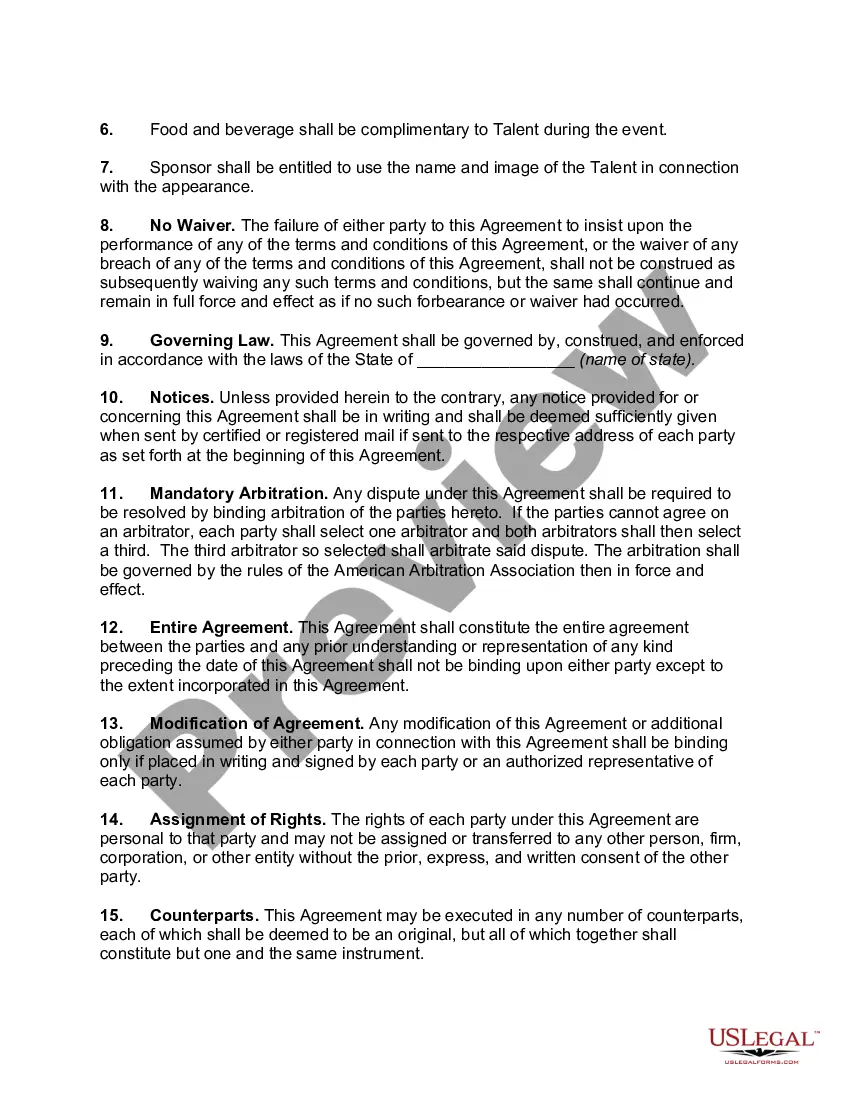
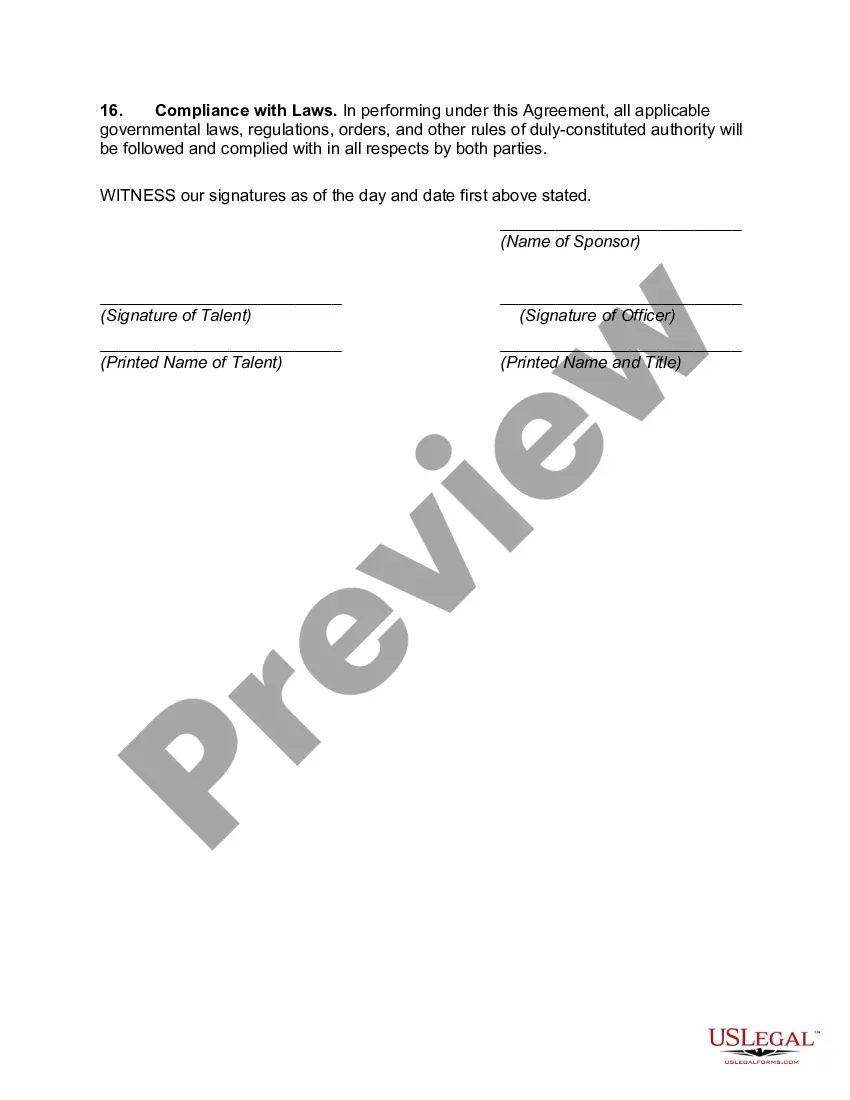
Vermont Personal Appearance
Description
Get your form ready online
Our built-in tools help you complete, sign, share, and store your documents in one place.
Make edits, fill in missing information, and update formatting in US Legal Forms—just like you would in MS Word.
Download a copy, print it, send it by email, or mail it via USPS—whatever works best for your next step.
Sign and collect signatures with our SignNow integration. Send to multiple recipients, set reminders, and more. Go Premium to unlock E-Sign.
If this form requires notarization, complete it online through a secure video call—no need to meet a notary in person or wait for an appointment.
We protect your documents and personal data by following strict security and privacy standards.

Make edits, fill in missing information, and update formatting in US Legal Forms—just like you would in MS Word.

Download a copy, print it, send it by email, or mail it via USPS—whatever works best for your next step.

Sign and collect signatures with our SignNow integration. Send to multiple recipients, set reminders, and more. Go Premium to unlock E-Sign.

If this form requires notarization, complete it online through a secure video call—no need to meet a notary in person or wait for an appointment.

We protect your documents and personal data by following strict security and privacy standards.
Looking for another form?






How to fill out Personal Appearance?
US Legal Forms - one of the largest collections of legal documents in the United States - provides a vast assortment of legal document templates that you can download or print. By using the website, you can discover thousands of forms for business and personal use, categorized by types, states, or keywords. You can find the latest versions of forms such as the Vermont Personal Appearance in moments.
If you have a subscription, Log In to access Vermont Personal Appearance in the US Legal Forms library. The Download button will appear on every form you view. You can find all previously acquired forms in the My documents section of your account.
To use US Legal Forms for the first time, here are simple guidelines to help you get started: Ensure you have chosen the correct form for your locality/state. Click the Review button to examine the content of the form. Check the form summary to confirm you have selected the right one.
Each template you add to your account has no expiration date and is yours permanently. Thus, if you need to download or print another copy, just go to the My documents area and click on the form you require.
Access the Vermont Personal Appearance with US Legal Forms, the most extensive collection of legal document templates. Utilize thousands of professional and state-specific templates that fulfill your business or personal needs and requirements.
- If the form does not meet your needs, use the Search field at the top of the screen to find one that does.
- If you are satisfied with the form, finalize your selection by clicking the Get now button.
- Then, select the payment plan you wish and provide your credentials to register for an account.
- Complete the transaction. Use your Visa or Mastercard or PayPal account to finalize the payment.
- Choose the format and download the form onto your device.
- Make modifications. Fill out, edit, print and sign the downloaded Vermont Personal Appearance.
Form popularity
FAQ
To register a vehicle in Vermont, you will need several documents, including proof of residency, a completed registration application, and payment for registration fees. You may also need the vehicle's title or relevant paperwork if it is a newly purchased vehicle. Ensuring you have all necessary documents can simplify the registration process. For assistance with document preparation and more, US Legal Forms can be a reliable resource.
Yes, you generally need to be a resident of Vermont to register a vehicle in the state. Vermont laws require residents to provide proof of residency as part of the registration process. However, there are exceptions such as the title loophole that may apply to non-residents. For more detailed information, check out the helpful documentation available on US Legal Forms.
To establish residency in Vermont, you typically need to live in the state for at least 183 days within a calendar year. This time frame allows officials to determine if you have made Vermont your primary home. It is essential to have documentation supporting your residency once you've met this requirement. For guidance on residency matters, US Legal Forms can provide valuable resources.
Yes, you can walk into the Vermont DMV without an appointment, but be prepared for possible wait times. While walk-ins are welcomed, scheduling an appointment often expedites your visit. Knowing this, you could save time by checking if your local DMV offers online appointments. For comprehensive information about the DMV process, consider exploring the resources available on US Legal Forms.
Yes, you need to provide proof of residency to register a car in Vermont. Documentation such as a utility bill, lease agreement, or bank statement can establish your residency. This requirement ensures that only Vermont residents can benefit from vehicle registration in the state. If you need assistance gathering the right documents, US Legal Forms offers resources to help streamline this process.
Yes, the Vermont title loophole remains an option for individuals seeking to register a vehicle without a traditional title. This loophole allows car buyers in other states to take advantage of Vermont's unique registration process. However, it is crucial to understand the legal implications before proceeding. For assistance and guidance, consider using US Legal Forms to navigate this process effectively.
A prominent physical feature in Vermont is Lake Champlain, which stretches along the western border of the state and provides various recreational opportunities. This large freshwater lake is vital for conservation and tourism, attracting visitors year-round. The lake's scenic beauty significantly enhances Vermont's charm and personal appearance. Exploring these features can enrich your understanding of what makes Vermont special.
Vermont's geology features a blend of mountains, valleys, and sedimentary rock formations that tell a story of the state’s ancient history. The Green Mountains are primarily composed of metamorphic rocks, shaped by geological processes over millions of years. These mountains create diverse habitats that support various wildlife and plant species. Understanding Vermont's geological features may inspire a deeper respect for the state's natural personal appearance.
Some common physical features include hills, plains, and waterways, which create diverse ecosystems. In Vermont, the Champlain Valley has fertile land, while the Green Mountains provide rugged terrain. These geographical features not only define the state’s beauty but also influence the daily lives of its inhabitants. Such aspects of Vermont’s landscape reflect the importance of personal appearance in local culture.
Physical features in a state include natural elements like mountains, rivers, and forests, all of which contribute to the state's landscape. Vermont boasts the Green Mountains, stunning lakes, and picturesque valleys. These features not only shape the environment but also play a significant role in the culture and lifestyle of the residents. Understanding these elements can enhance your appreciation of Vermont's unique personal appearance.