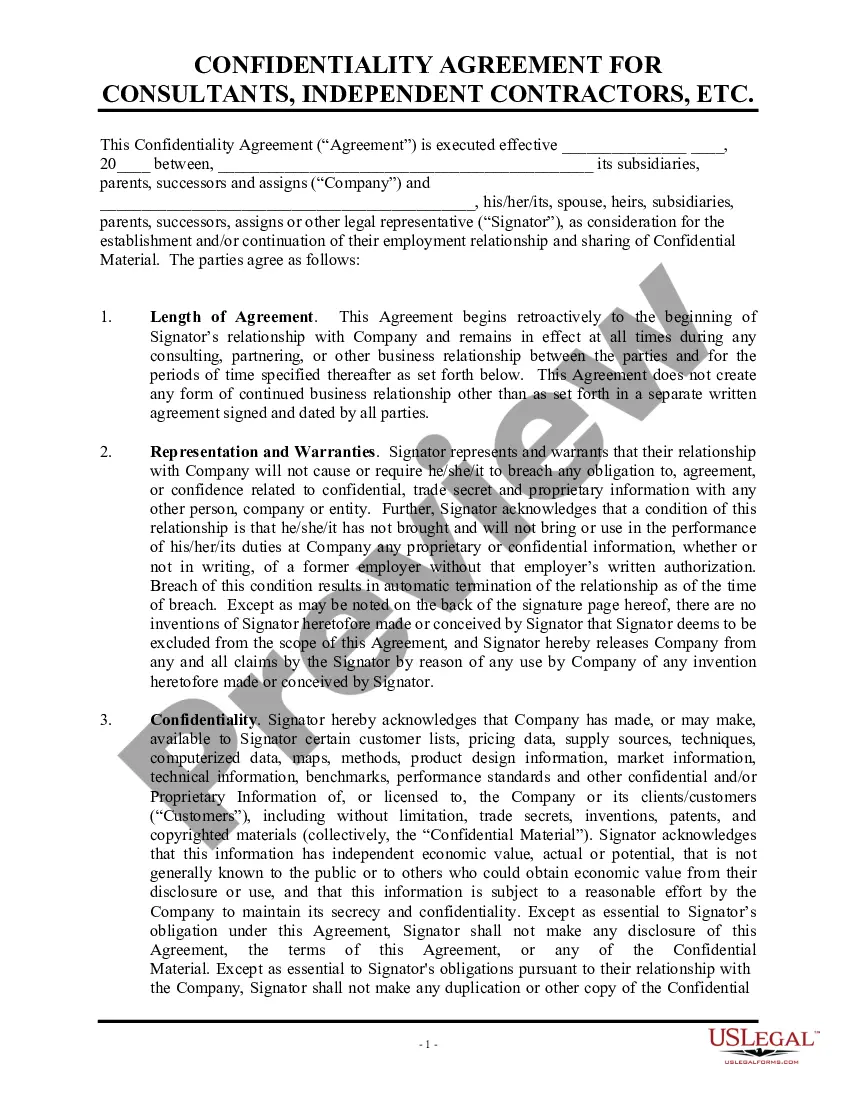
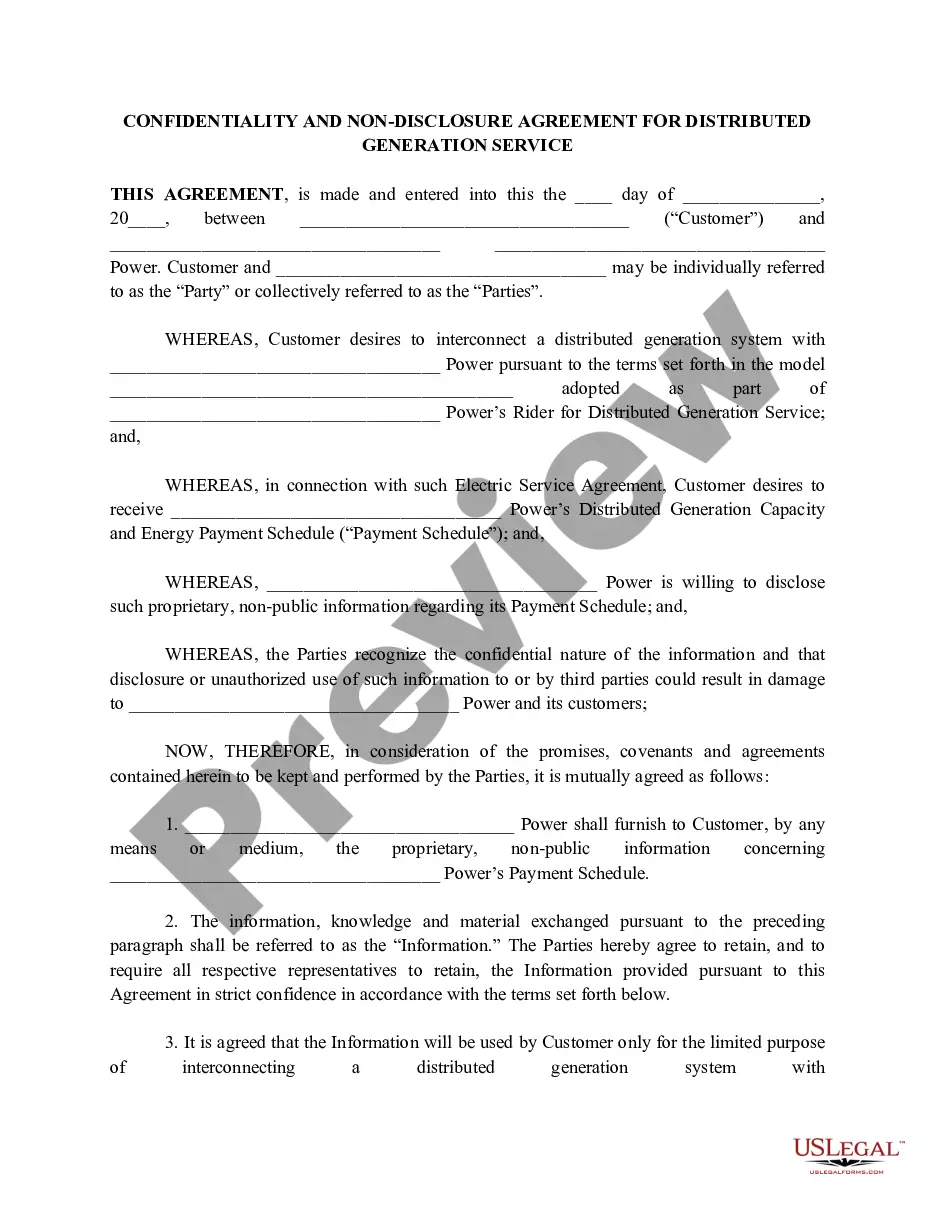
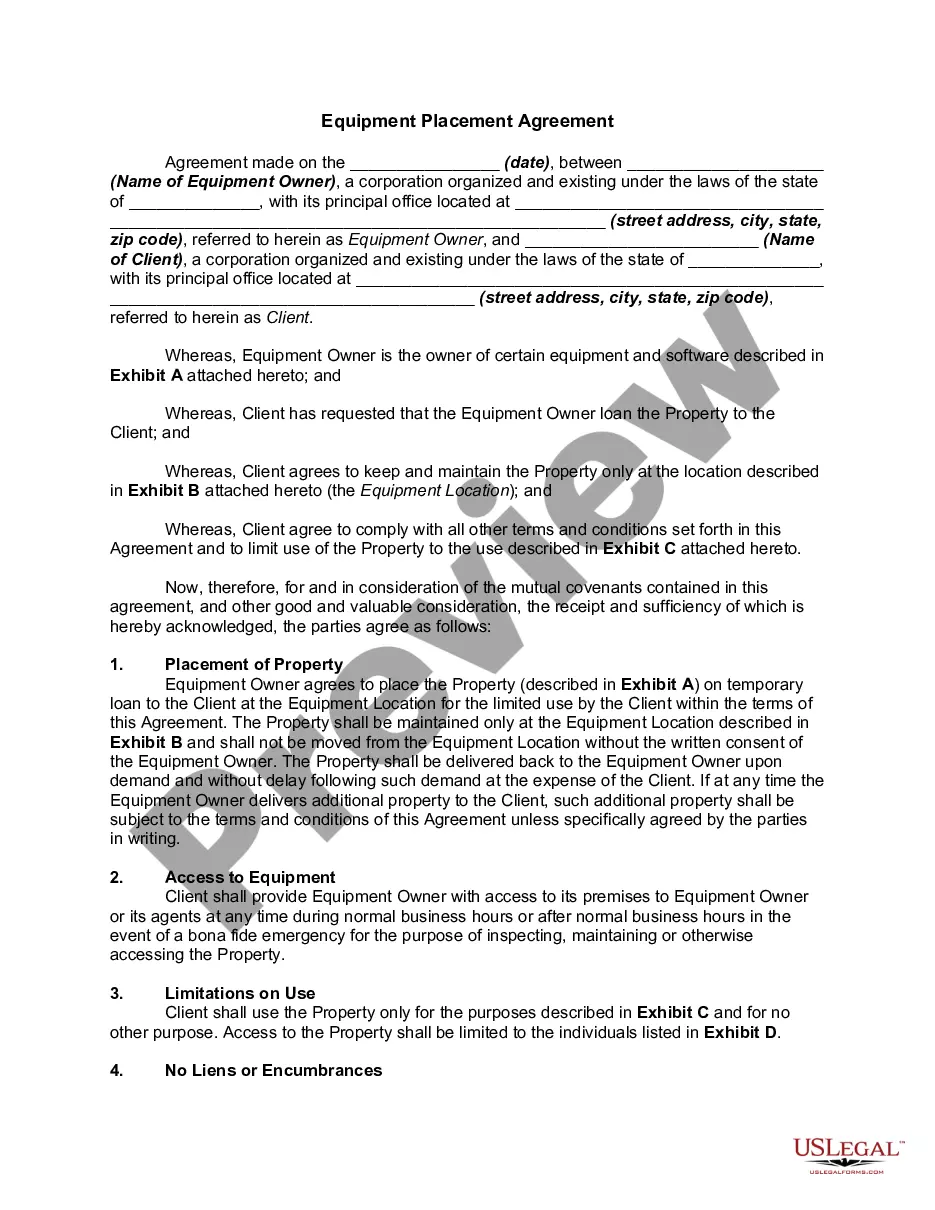
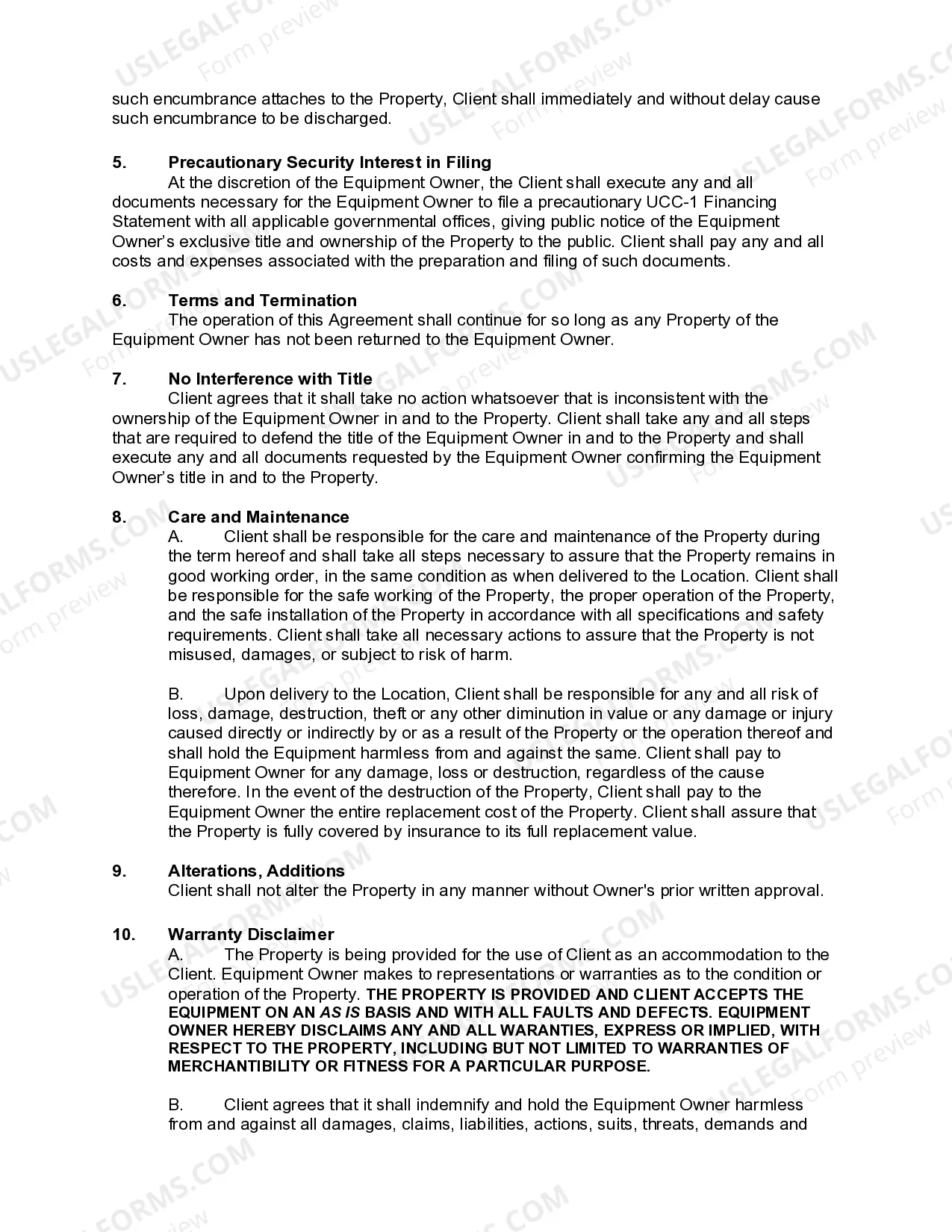
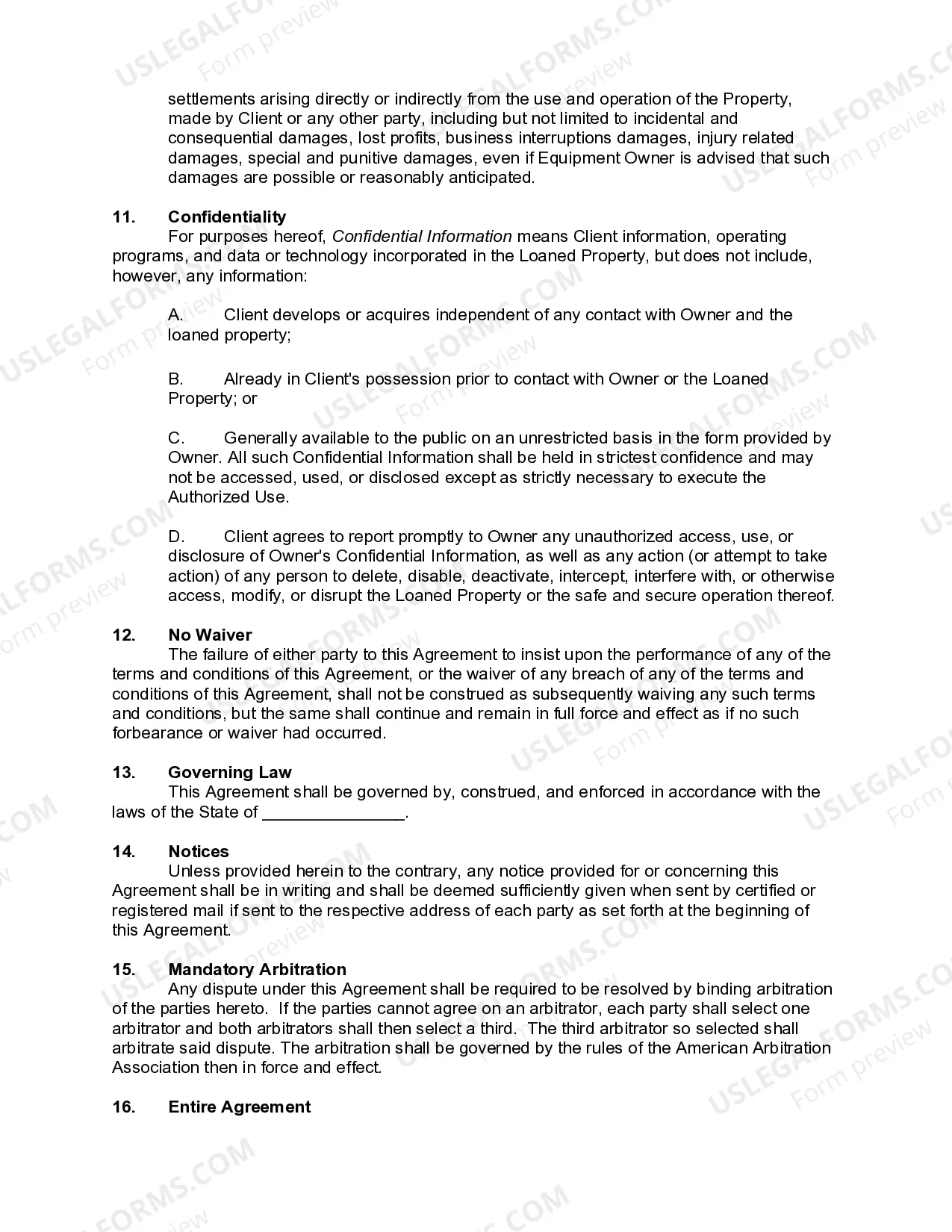
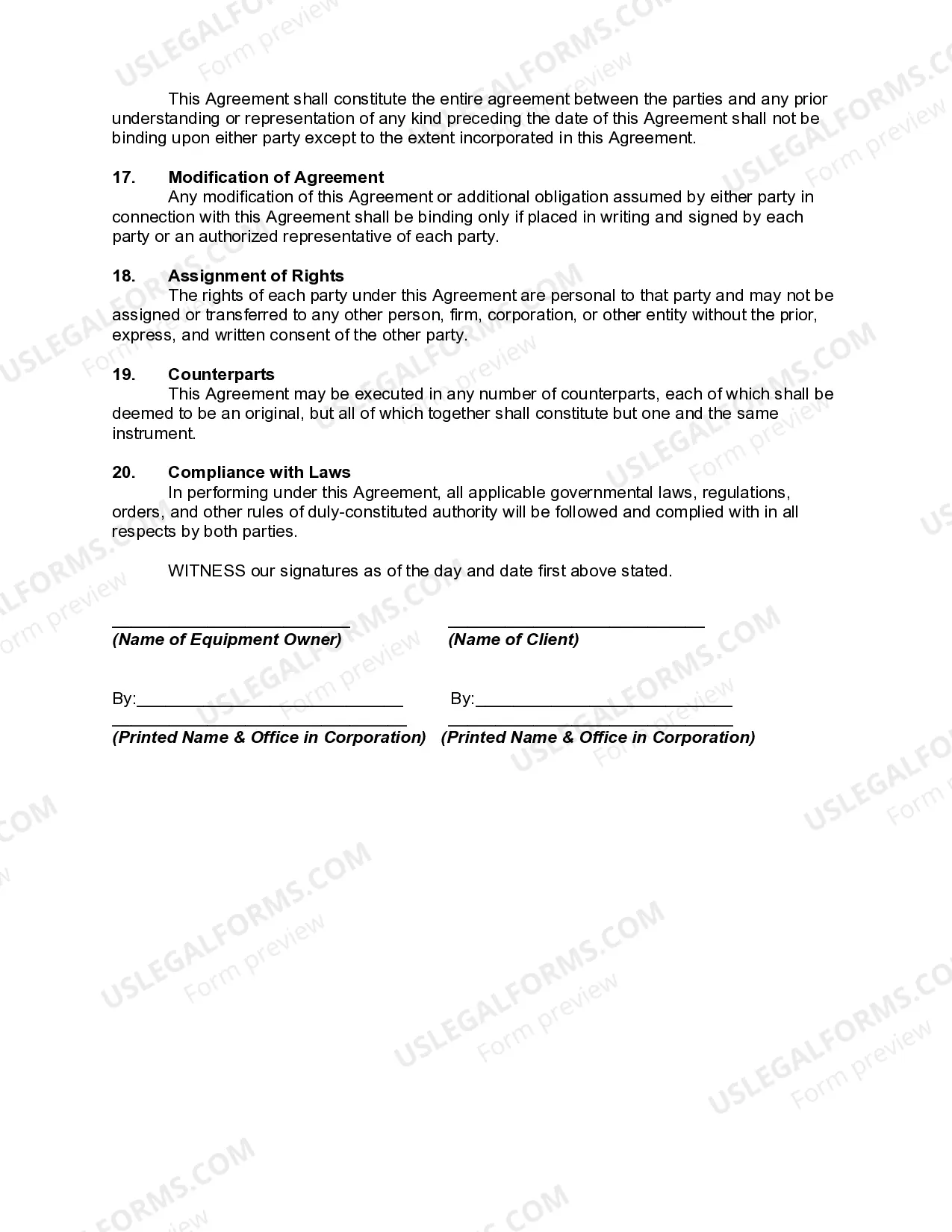
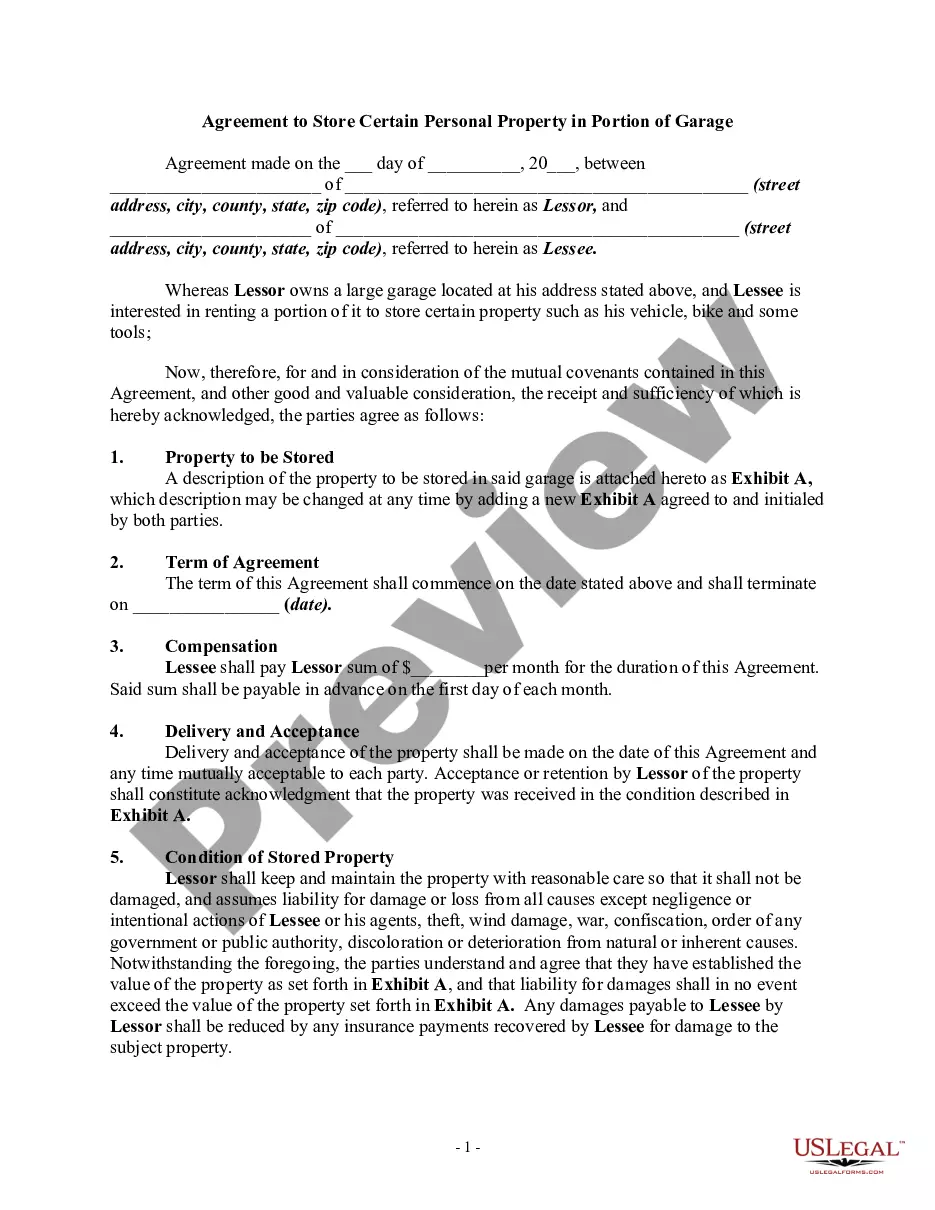
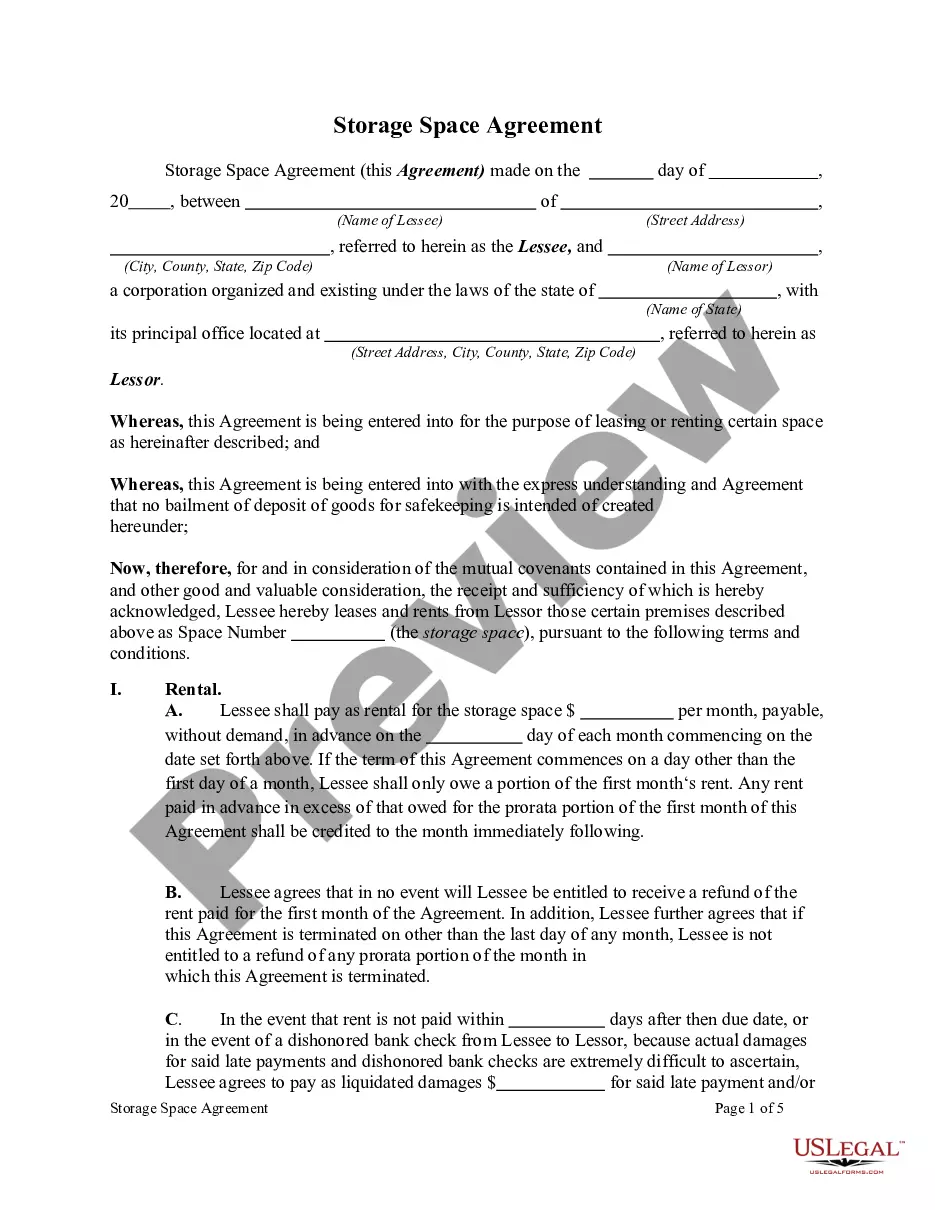
Vermont Equipment Placement Agreement
Description
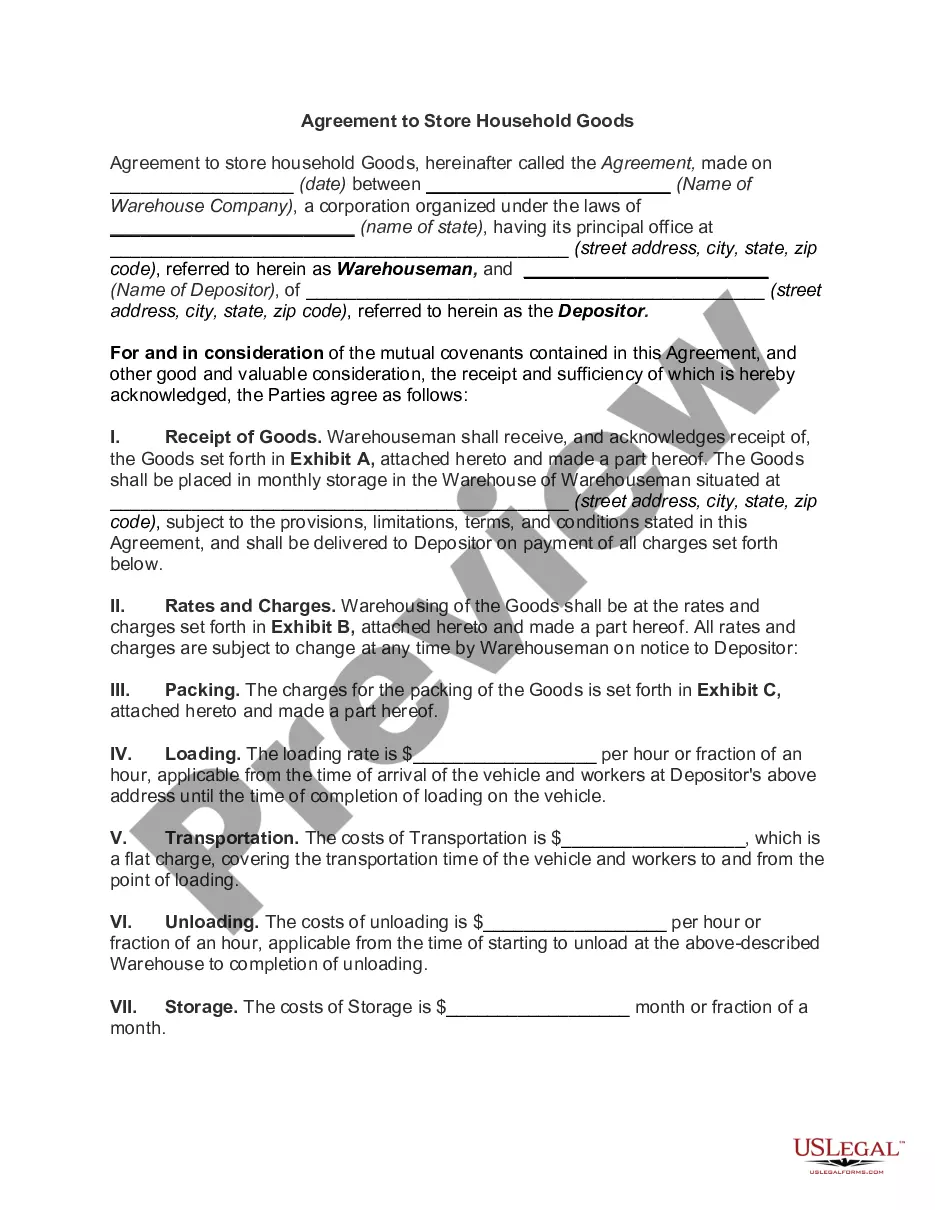
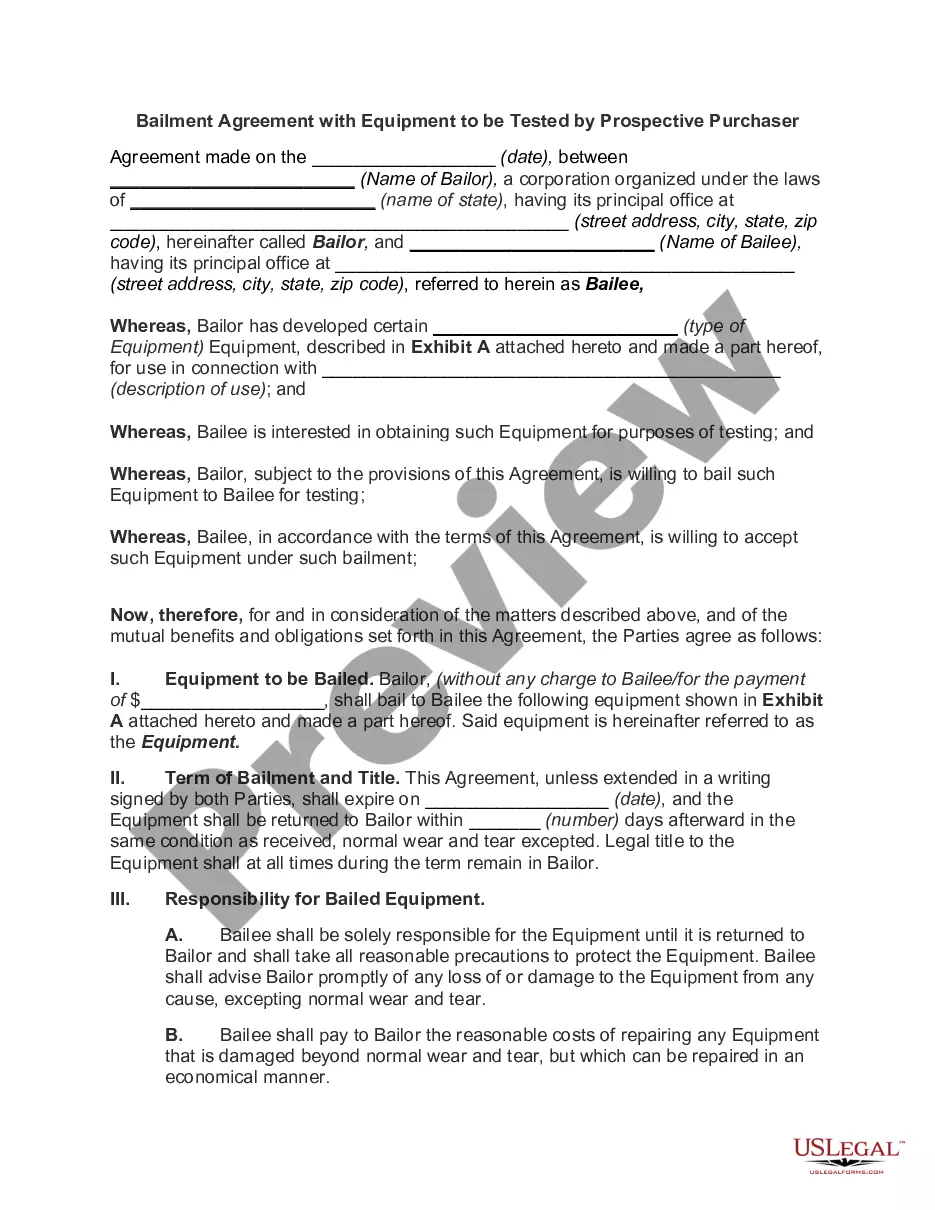
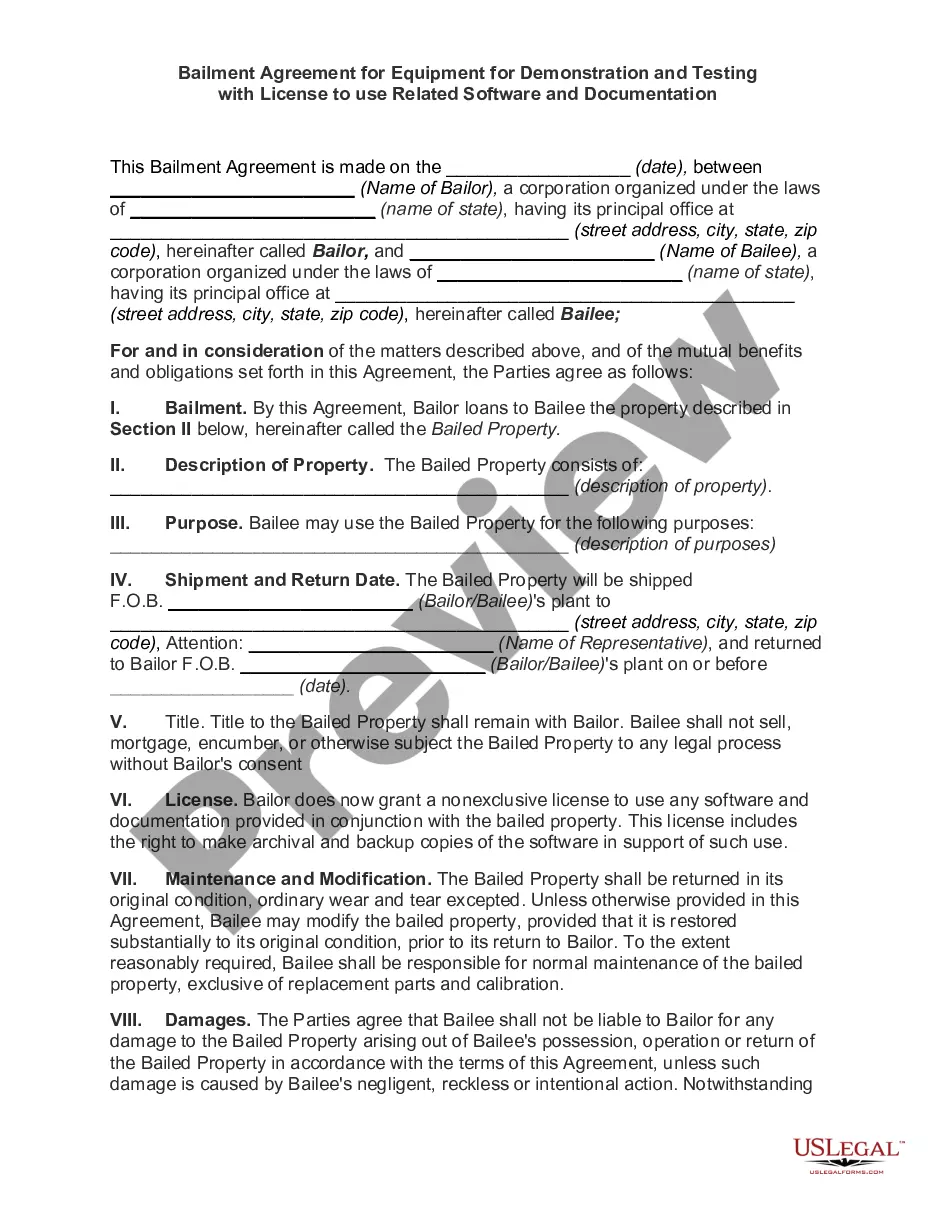
Get your form ready online
Our built-in tools help you complete, sign, share, and store your documents in one place.
Make edits, fill in missing information, and update formatting in US Legal Forms—just like you would in MS Word.
Download a copy, print it, send it by email, or mail it via USPS—whatever works best for your next step.
Sign and collect signatures with our SignNow integration. Send to multiple recipients, set reminders, and more. Go Premium to unlock E-Sign.
If this form requires notarization, complete it online through a secure video call—no need to meet a notary in person or wait for an appointment.
We protect your documents and personal data by following strict security and privacy standards.

Make edits, fill in missing information, and update formatting in US Legal Forms—just like you would in MS Word.

Download a copy, print it, send it by email, or mail it via USPS—whatever works best for your next step.

Sign and collect signatures with our SignNow integration. Send to multiple recipients, set reminders, and more. Go Premium to unlock E-Sign.

If this form requires notarization, complete it online through a secure video call—no need to meet a notary in person or wait for an appointment.

We protect your documents and personal data by following strict security and privacy standards.
Looking for another form?





How to fill out Equipment Placement Agreement?
US Legal Forms - one of the largest collections of legal documents in the United States - offers a diverse selection of legal form templates that you can download or print.
By using the site, you can access thousands of forms for business and personal purposes, categorized by groups, states, or keywords. You can obtain the latest versions of forms such as the Vermont Equipment Placement Agreement within minutes.
If you already have a monthly subscription, Log In and download the Vermont Equipment Placement Agreement from the US Legal Forms catalog. The Download button will appear on every form you view. You can access all previously saved forms in the My documents section of your account.
Select the format and download the form to your device.
Make modifications. Complete, edit, print, and sign the saved Vermont Equipment Placement Agreement. Every form you added to your account has no expiration date and is yours indefinitely. Therefore, if you wish to download or print another copy, just visit the My documents section and click on the form you need.
- Ensure you have selected the right form for your city/region. Click on the Preview button to review the form's details.
- Check the form description to confirm you have chosen the correct form.
- If the form does not meet your needs, use the Search box at the top of the screen to find one that does.
- Once you are satisfied with the form, confirm your selection by clicking the Purchase now button.
- Then, select the pricing plan you want and provide your information to register for the account.
- Process the payment. Use your credit card or PayPal account to complete the transaction.
Form popularity
FAQ
The four main types of contracts are express contracts, implied contracts, unilateral contracts, and bilateral contracts. Each type plays a critical role in defining how obligations are fulfilled and enforced. For instance, the Vermont Equipment Placement Agreement is an example of a bilateral contract, where both parties agree to specific terms regarding the use and placement of equipment, ensuring clarity in expectations.
The four agreements typically refer to interpersonal agreements articulated by Don Miguel Ruiz and are: be impeccable with your word, don't take anything personally, don't make assumptions, and always do your best. These concepts, while philosophical, can inform how you approach negotiations and agreements in a business context. Applying these principles can enhance the effectiveness of formal agreements, such as the Vermont Equipment Placement Agreement.
The four types of agreements generally include sales agreements, lease agreements, service agreements, and employment agreements. Each type addresses specific needs and circumstances, allowing parties to establish clear expectations and responsibilities. A Vermont Equipment Placement Agreement, for example, functions as a tailored solution for businesses needing to formalize equipment placements.
The four primary types of agency agreements are exclusive agency, non-exclusive agency, distributorship agreements, and franchises. Each of these agreements outlines different relationships and responsibilities between the parties involved. For businesses utilizing tools like the Vermont Equipment Placement Agreement, recognizing the right agency agreement can facilitate smoother operations and effective collaboration.
In the realm of agreements, you will typically encounter four main types: express, implied, unilateral, and bilateral agreements. Each type serves a unique purpose and has its own implications, particularly in the context of legal agreements such as the Vermont Equipment Placement Agreement. Understanding these types can help you navigate your commitments and improve your business relationships.
Filling out a contractor agreement involves gathering the necessary details about the project and the parties involved. You should clearly outline the scope of work, payment terms, and deadlines. To make this process easier, consider using uSlegalforms to access templates and guidance tailored for creating comprehensive Vermont Equipment Placement Agreements.
A placement agreement is a type of contract that governs how and where particular items, like equipment, will be placed on a property. This agreement is crucial for establishing boundaries and responsibilities between the involved parties. Understanding the nuances of a Vermont Equipment Placement Agreement can greatly benefit all parties involved.
An equipment agreement is a comprehensive contract that outlines the terms related to the rental, use, and maintenance of specific equipment. This agreement protects the interests of both the equipment owner and the renter by specifying payment terms, responsibilities, and duration. If you want to create a Vermont Equipment Placement Agreement, consider using uSlegalforms to ensure all necessary details are covered.
When determining the placement of equipment, essential factors include the intended use of the equipment, the layout of the site, and any local regulations. Additionally, safety concerns and access for maintenance should be taken into account. A thorough evaluation will help ensure an efficient and compliant setup.
A Vermont Equipment Placement Agreement is a legal document that outlines the terms under which equipment may be positioned on a property. This agreement specifies the responsibilities of both the equipment owner and the property owner. By clearly defining these aspects, it helps prevent disputes and ensures a smooth operation for both parties.