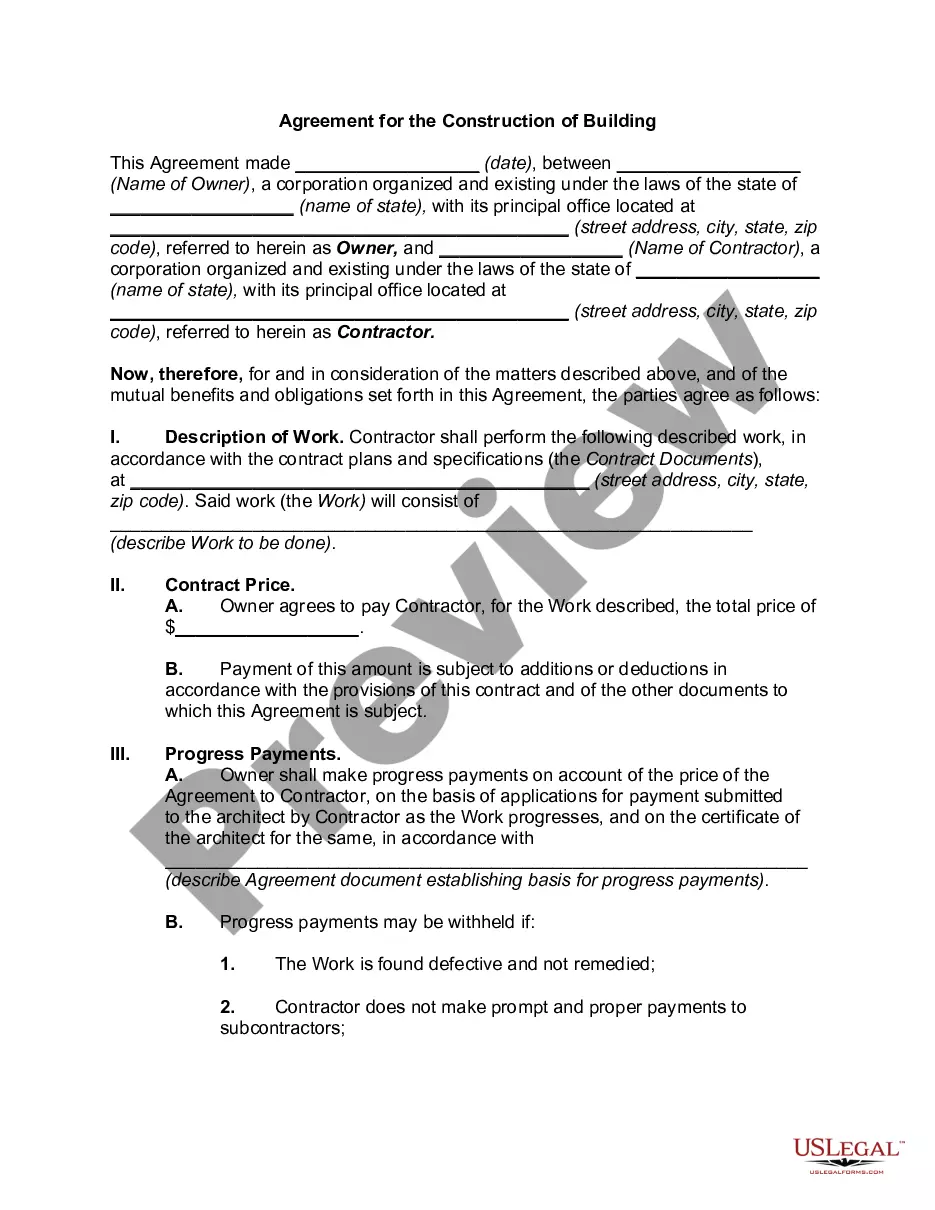
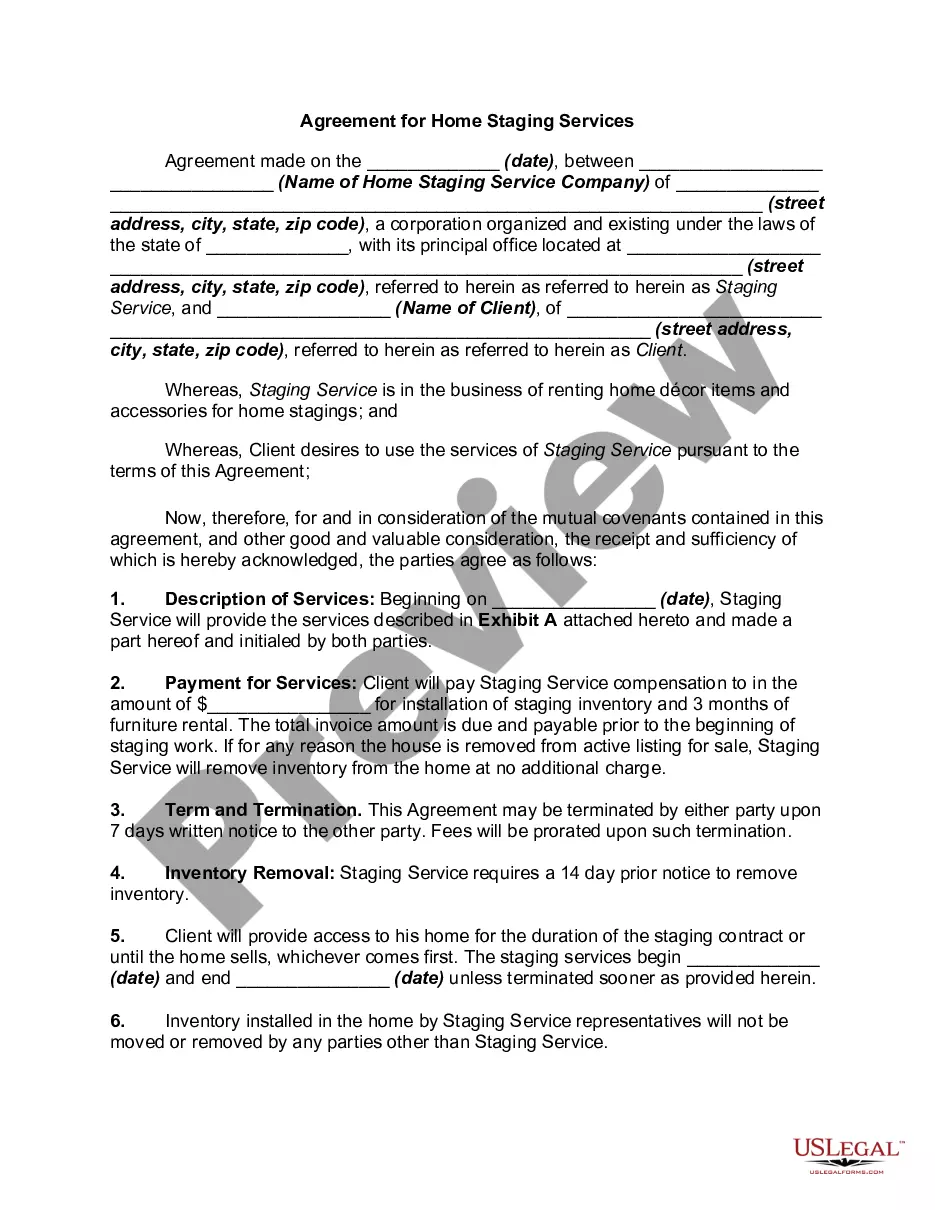
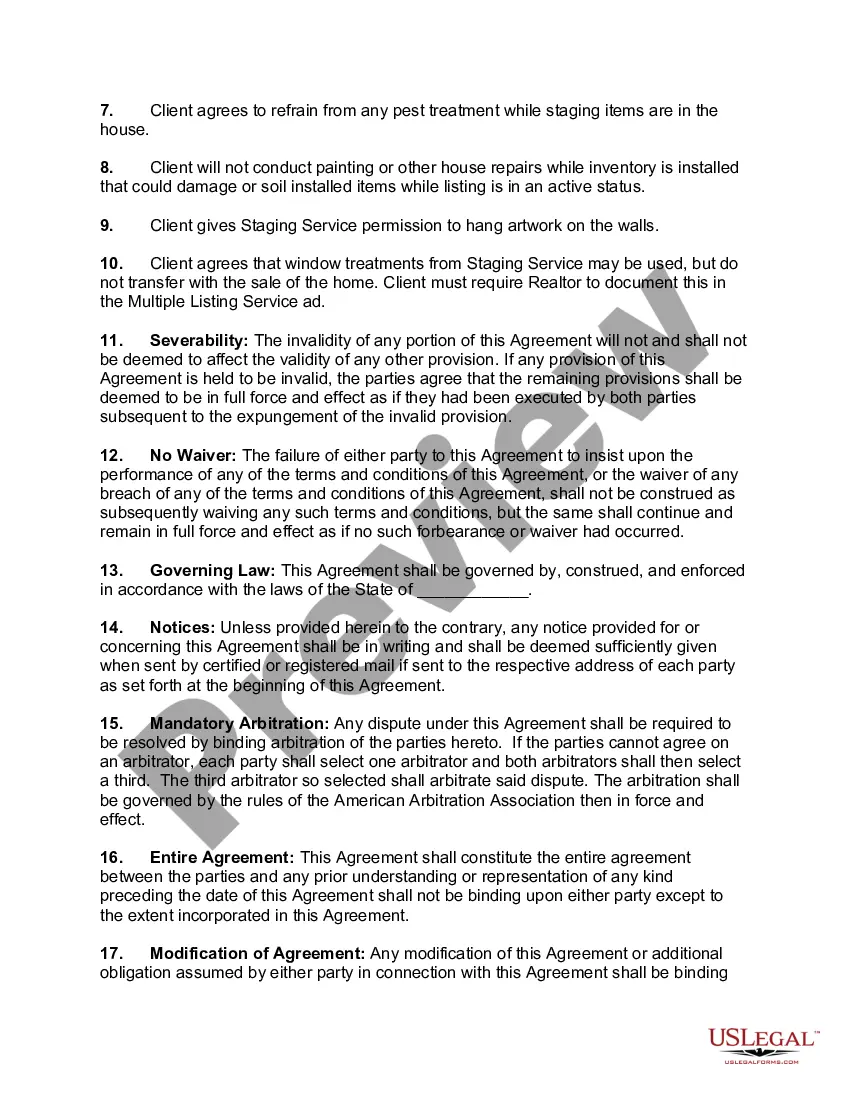
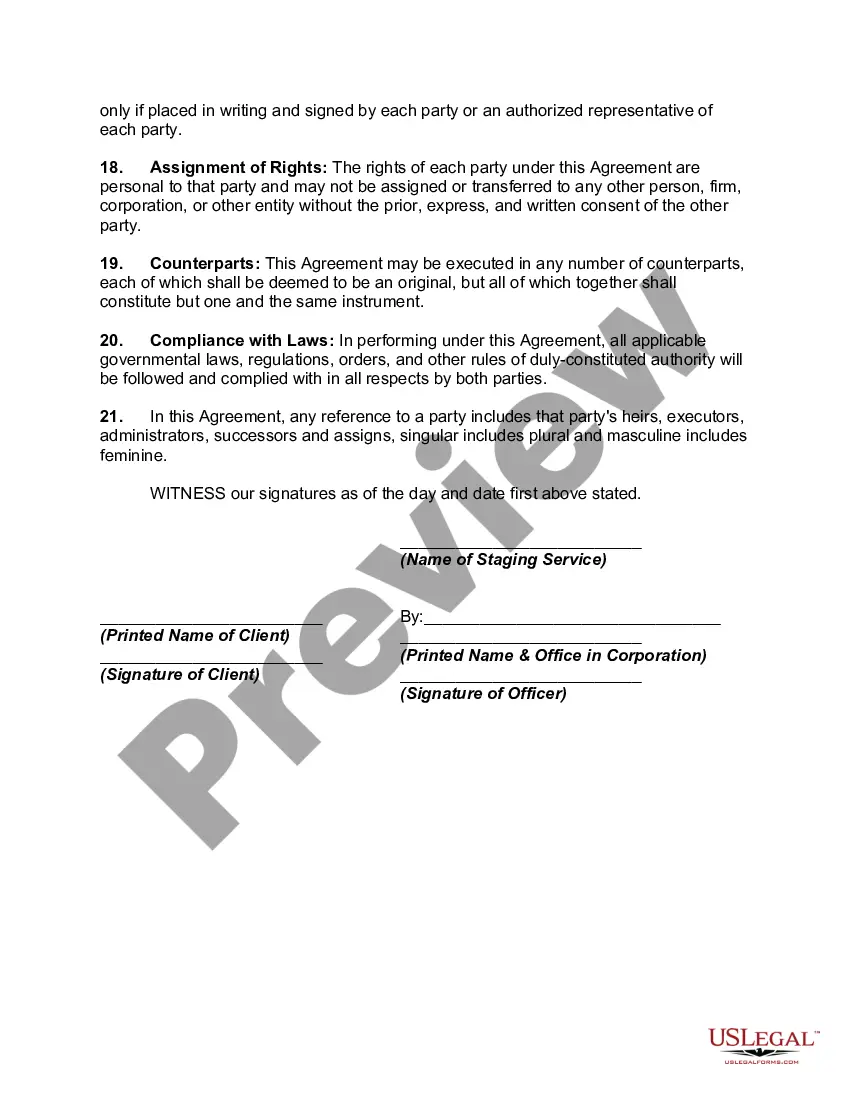
Vermont Agreement for Home Staging Services
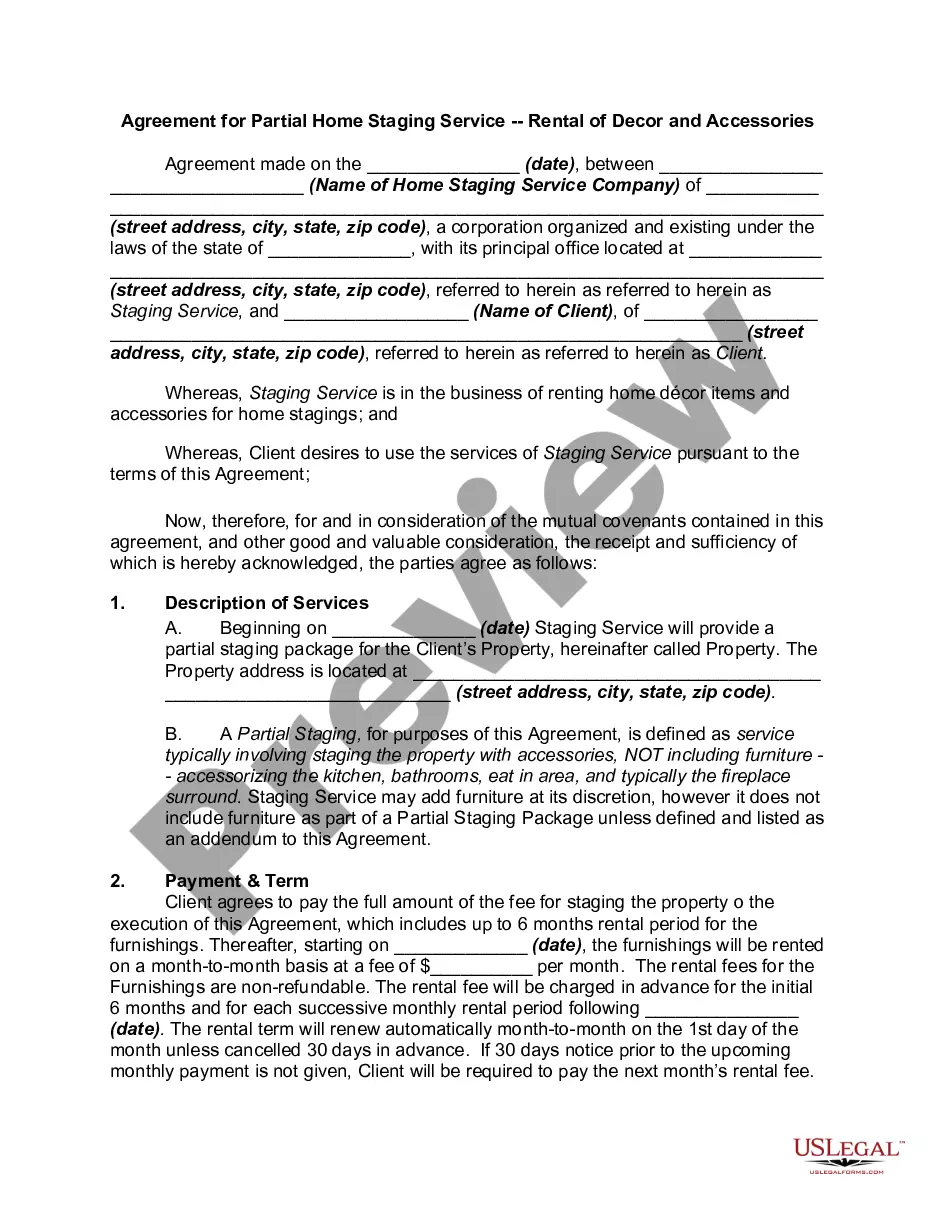
Description
Get your form ready online
Our built-in tools help you complete, sign, share, and store your documents in one place.
Make edits, fill in missing information, and update formatting in US Legal Forms—just like you would in MS Word.
Download a copy, print it, send it by email, or mail it via USPS—whatever works best for your next step.
Sign and collect signatures with our SignNow integration. Send to multiple recipients, set reminders, and more. Go Premium to unlock E-Sign.
If this form requires notarization, complete it online through a secure video call—no need to meet a notary in person or wait for an appointment.
We protect your documents and personal data by following strict security and privacy standards.

Make edits, fill in missing information, and update formatting in US Legal Forms—just like you would in MS Word.

Download a copy, print it, send it by email, or mail it via USPS—whatever works best for your next step.

Sign and collect signatures with our SignNow integration. Send to multiple recipients, set reminders, and more. Go Premium to unlock E-Sign.

If this form requires notarization, complete it online through a secure video call—no need to meet a notary in person or wait for an appointment.

We protect your documents and personal data by following strict security and privacy standards.
Looking for another form?




How to fill out Agreement For Home Staging Services?
If you need to fill, download, or print authorized document templates, utilize US Legal Forms, the largest collection of legal forms available online.
Take advantage of the site’s user-friendly and convenient search feature to find the documents you require.
Numerous templates for business and personal purposes are organized by categories and states, or keywords.
Step 4. Once you have located the form you need, click the Download now button. Choose your preferred pricing plan and provide your details to register for an account.
Step 5. Process the transaction. You can use your Visa or Mastercard or PayPal account to complete the transaction.
- Use US Legal Forms to obtain the Vermont Agreement for Home Staging Services with just a few clicks.
- If you are currently a US Legal Forms customer, Log In to your account and click the Download button to obtain the Vermont Agreement for Home Staging Services.
- You can also access forms you have previously acquired in the My documents tab of your account.
- If you are using US Legal Forms for the first time, follow the instructions below.
- Step 1. Ensure you have selected the form for your specific city/state.
- Step 2. Use the Preview option to review the form’s content. Remember to check the details.
- Step 3. If you are not satisfied with the form, use the Search box at the top of the screen to find other versions of the legal form template.
Form popularity
FAQ
Typically, the seller pays for home staging, as it is an investment in making their home more appealing to prospective buyers. However, in some cases, real estate agents may cover staging costs upfront to help sell a property quicker. Using the Vermont Agreement for Home Staging Services can clarify payment responsibilities and ensure that all parties understand their roles. Discussing costs openly during the listing process can lead to a smoother transaction.
The length of staging contracts can vary, but they typically range from 30 days to several months. Factors such as the home's market time and the agreement with the staging company will influence the duration. It’s essential to review the terms before signing to ensure it aligns with your home selling timeline. Using a Vermont Agreement for Home Staging Services can provide clarity on contract specifics and help manage expectations effectively.
Realtors often source staging furniture from specialized staging companies that offer rental options. These companies provide a variety of furniture styles and accessories designed to enhance a home's appeal. Additionally, some realtors collaborate with local furniture stores or warehouses for access to diverse staging pieces. For more reliable services, consider utilizing a Vermont Agreement for Home Staging Services to ensure a professional staging approach.
A staging agreement is a contract that outlines the terms of the home staging process between the homeowner and the staging professional. It specifies details such as services to be provided, duration of staging, and payment terms. This agreement ensures that both parties share a mutual understanding of expectations and responsibilities. By using a Vermont Agreement for Home Staging Services, you can safeguard your interests and streamline the staging process.
Typically, the seller pays for home staging as part of the marketing efforts to sell the home. However, in some cases, real estate agents may cover these costs upfront, expecting reimbursement upon the sale. This practice improves the property's presentation and can lead to strong selling prices. A Vermont Agreement for Home Staging Services can clarify payment terms and responsibilities for both sellers and agents.
The main purpose of staging is to highlight a home's best features and minimize any shortcomings. Staging aims to attract buyers by creating a welcoming environment that resonates with them emotionally. When effectively staged, a home can stand out in a competitive market, prompting quicker sales and often at higher prices. Utilizing a Vermont Agreement for Home Staging Services helps formalize this intent and sets clear expectations.
Staging in real estate refers to the process of preparing a home for sale by enhancing its appearance and appeal. This often involves rearranging furniture, adding decor, and sometimes making minor repairs. The goal is to create an inviting atmosphere that helps potential buyers visualize themselves living in the space. A Vermont Agreement for Home Staging Services can ensure that both parties understand their roles and responsibilities in this process.
The ROI for staging a home can be significant, often yielding returns of 200% or more. Home staging not only speeds up sales but can push sale prices well above the initial listing. For buyers and sellers considering staging, a Vermont Agreement for Home Staging Services provides a structured approach, ensuring that every aspect of the staging is thoughtfully planned.
Staging a house can increase its market value by anywhere from 1% to 5%. This depends on factors such as the local real estate market and the quality of the staging. A well-staged home creates a positive first impression and can ultimately attract more buyers. If you want to specify services, consider the Vermont Agreement for Home Staging Services to define what enhancements can be made.
The 3 foot 5 foot rule in home staging emphasizes how potential buyers perceive a space. At three feet, details like decor and furniture arrangement are visible, while at five feet, the overall layout and flow come into focus. By understanding this rule, you can effectively enhance the visual appeal of your home, making it more attractive to buyers. This understanding can be incorporated into your Vermont Agreement for Home Staging Services.