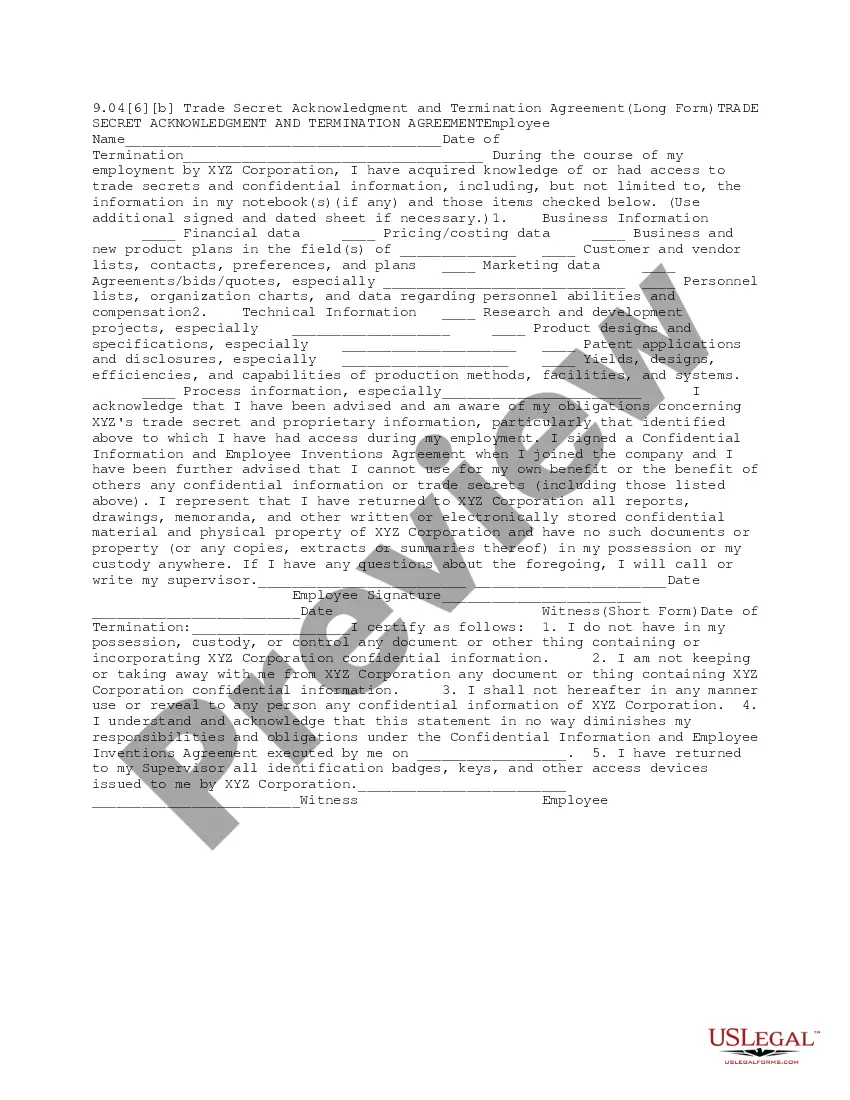
Vermont Distribution Agreement
Description
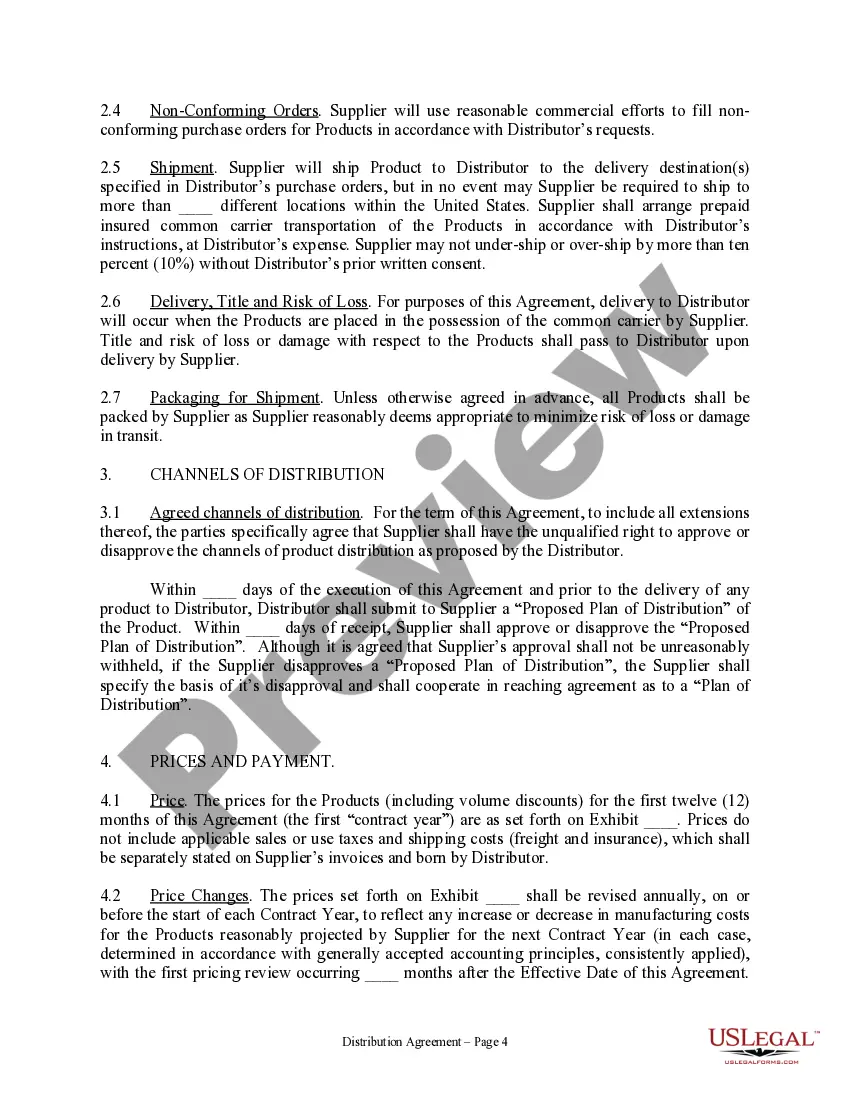
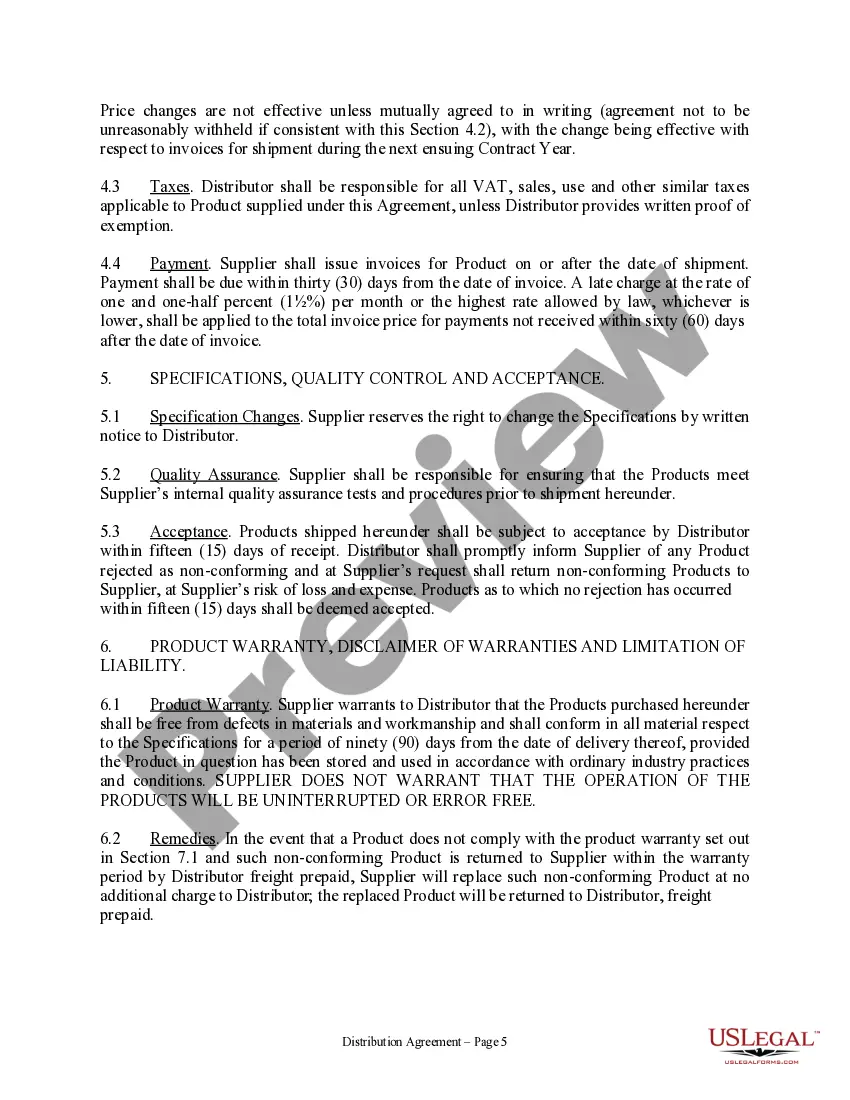
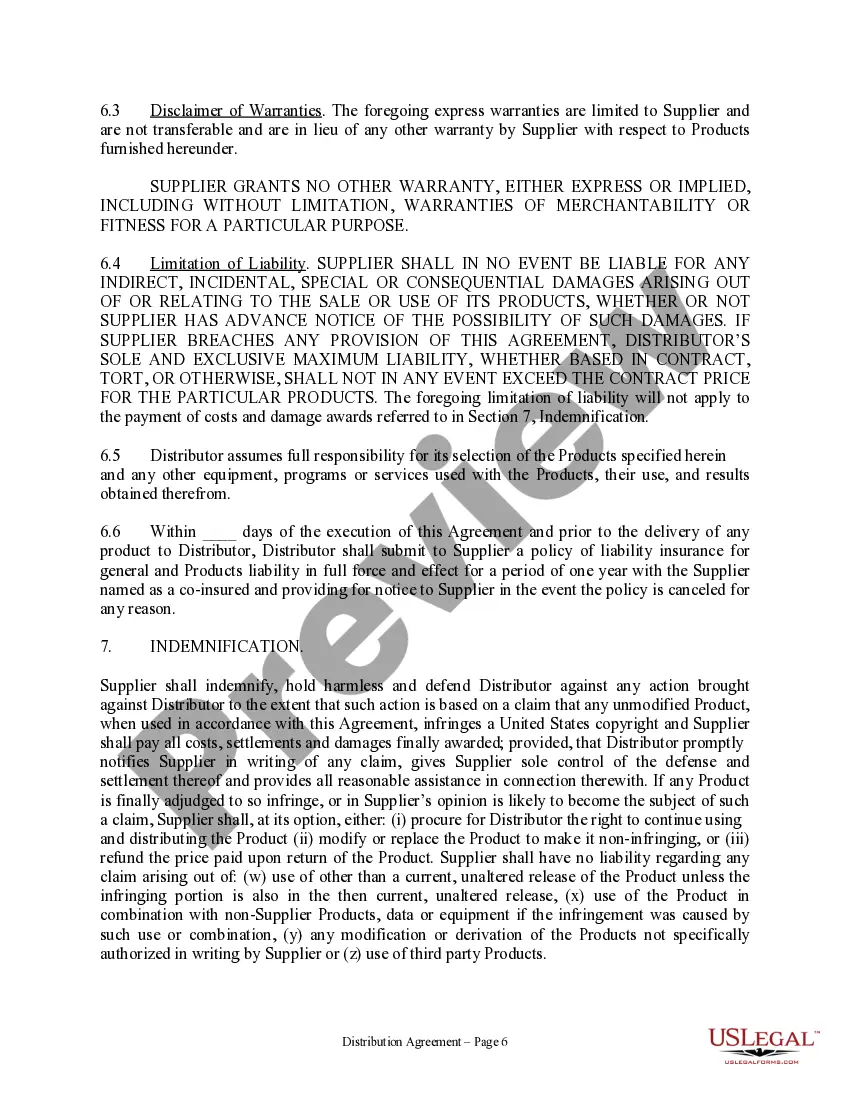
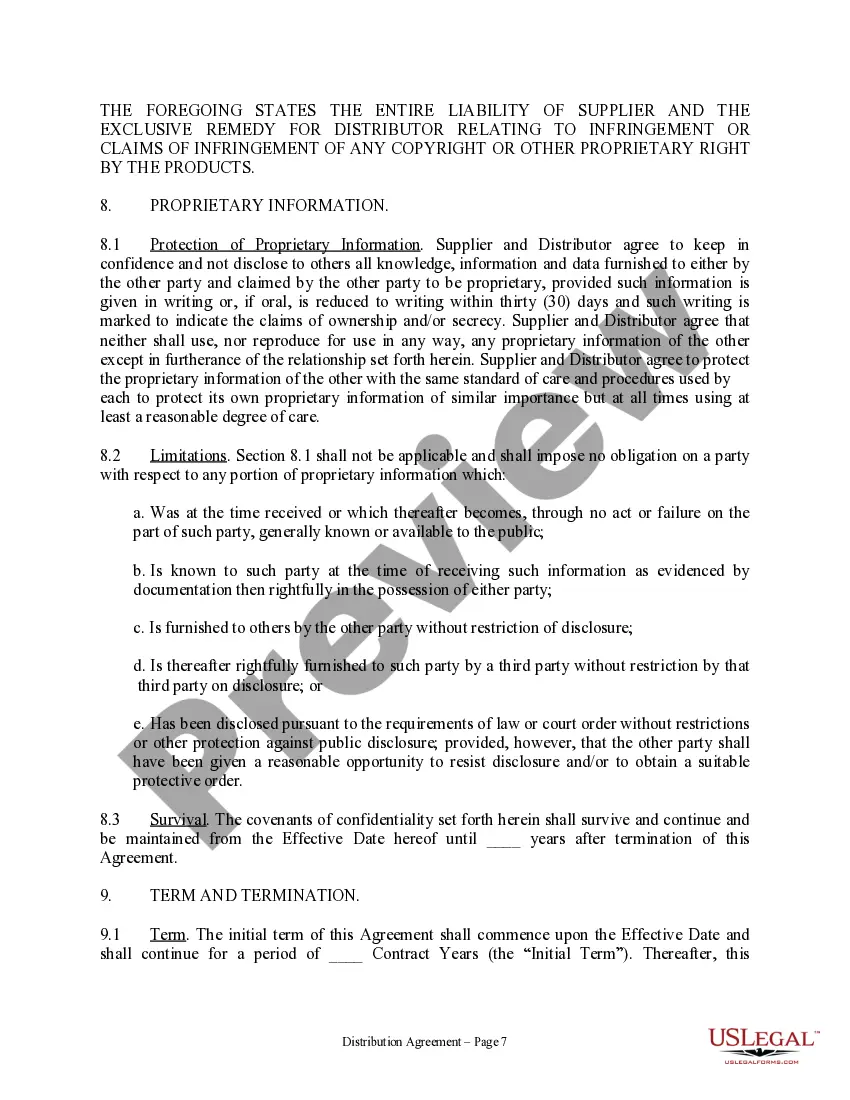
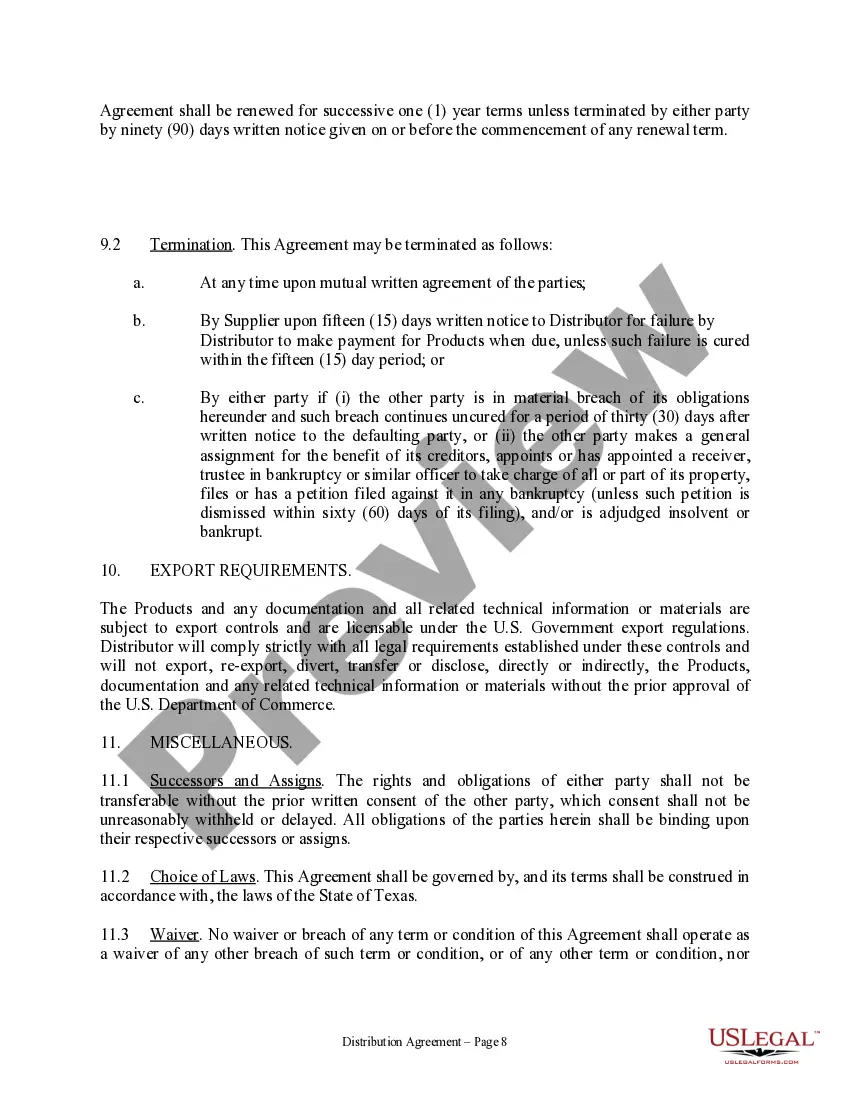
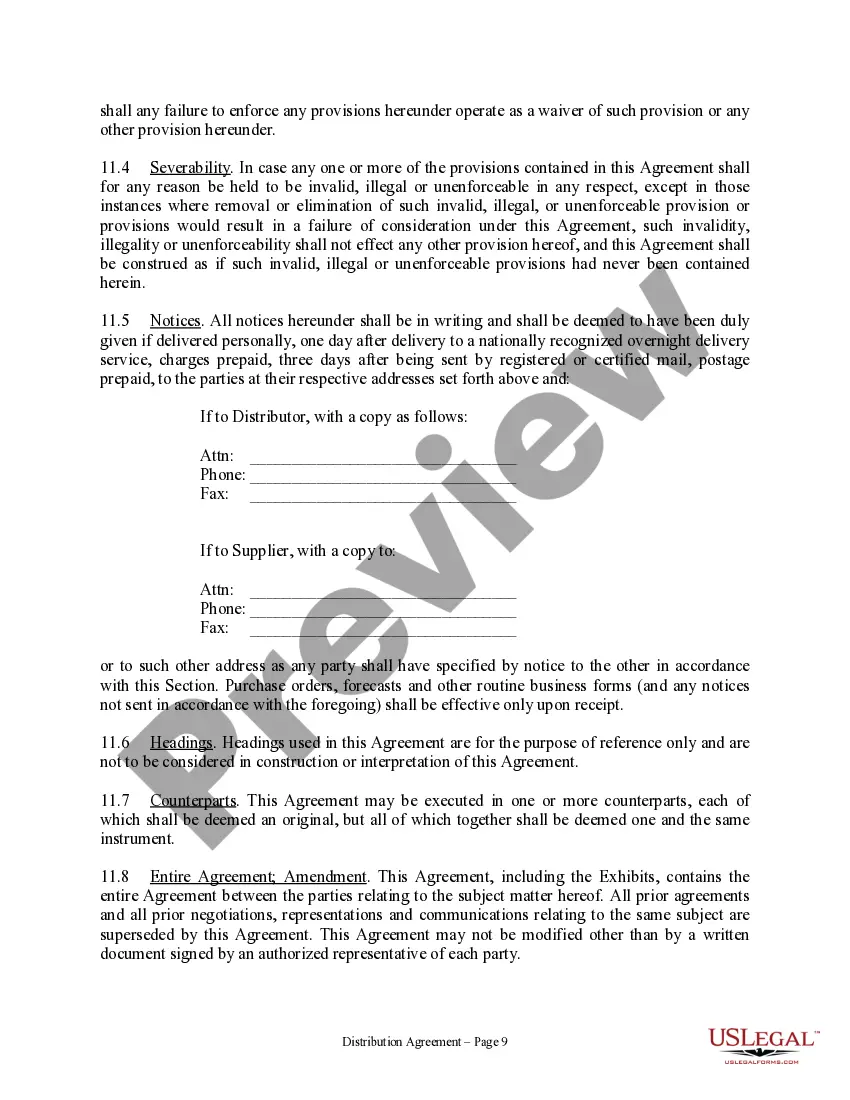
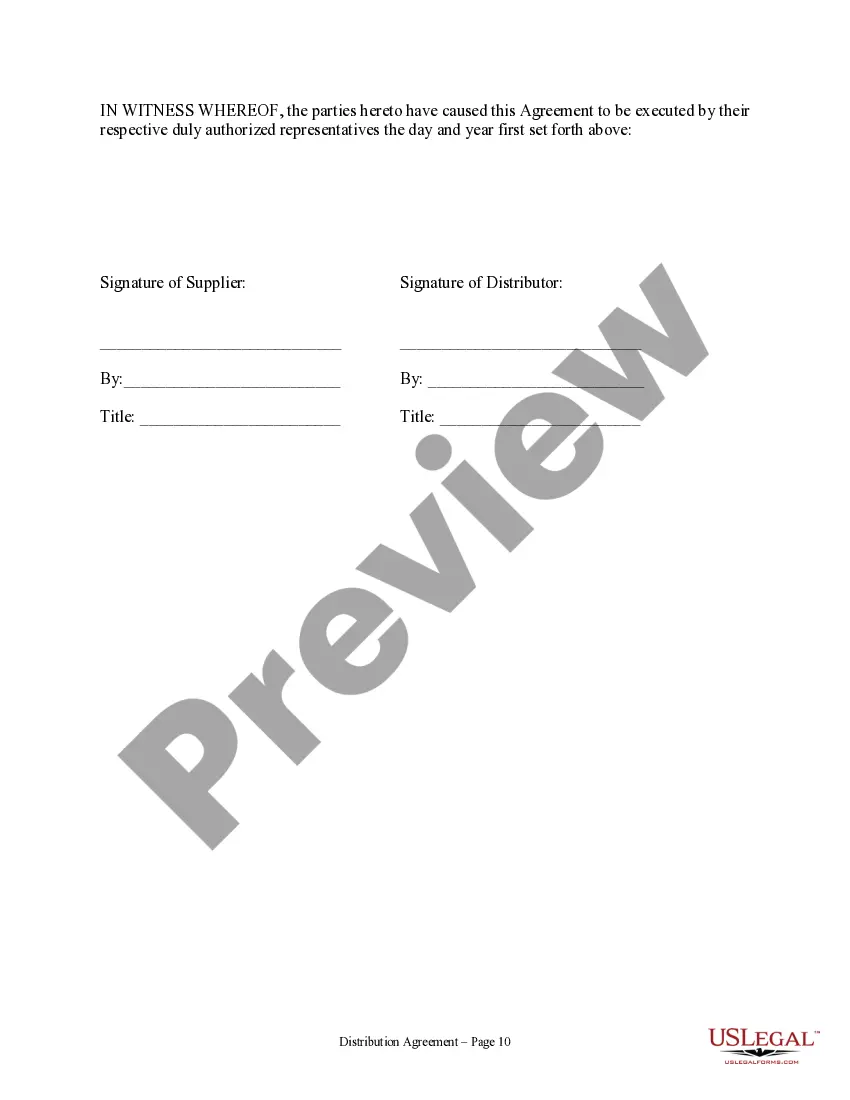
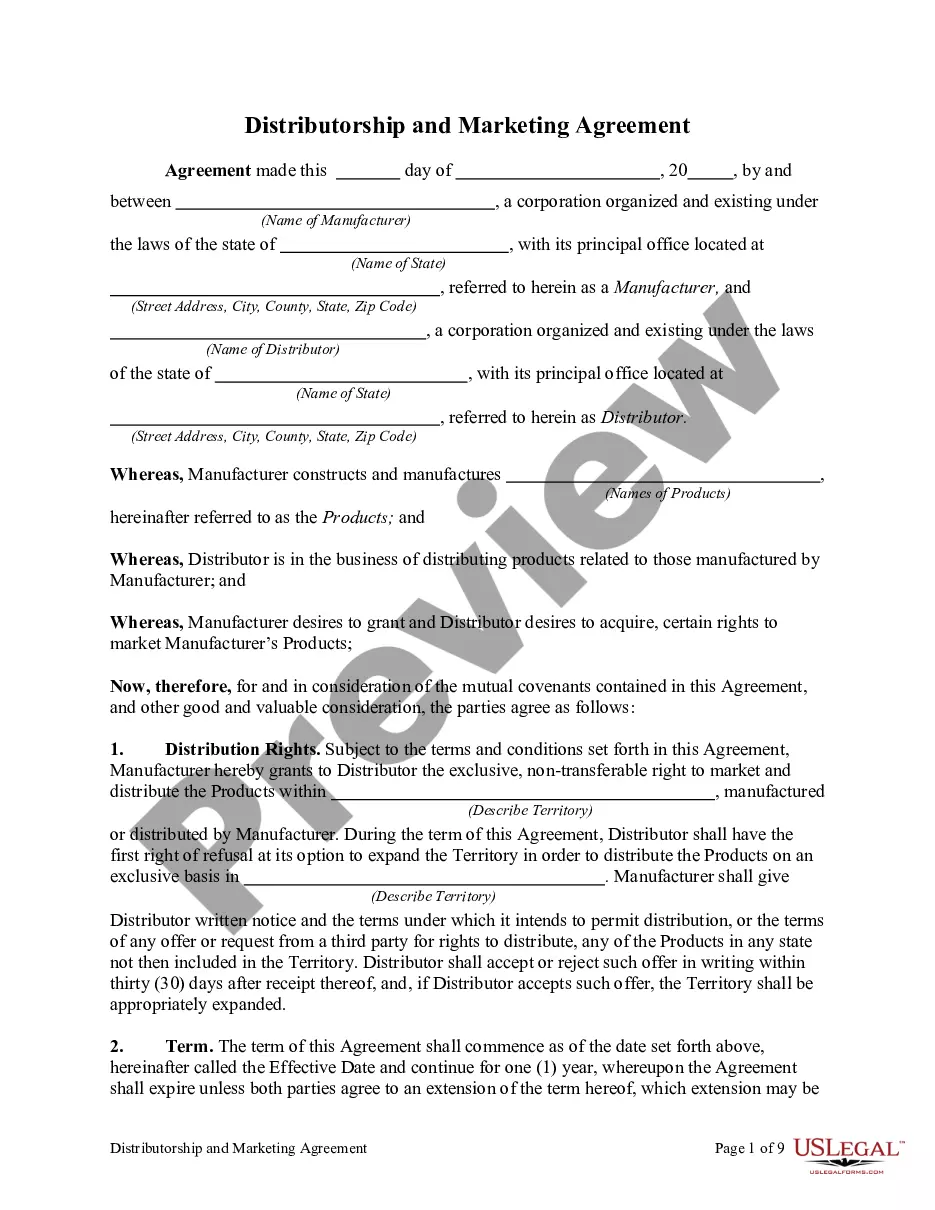
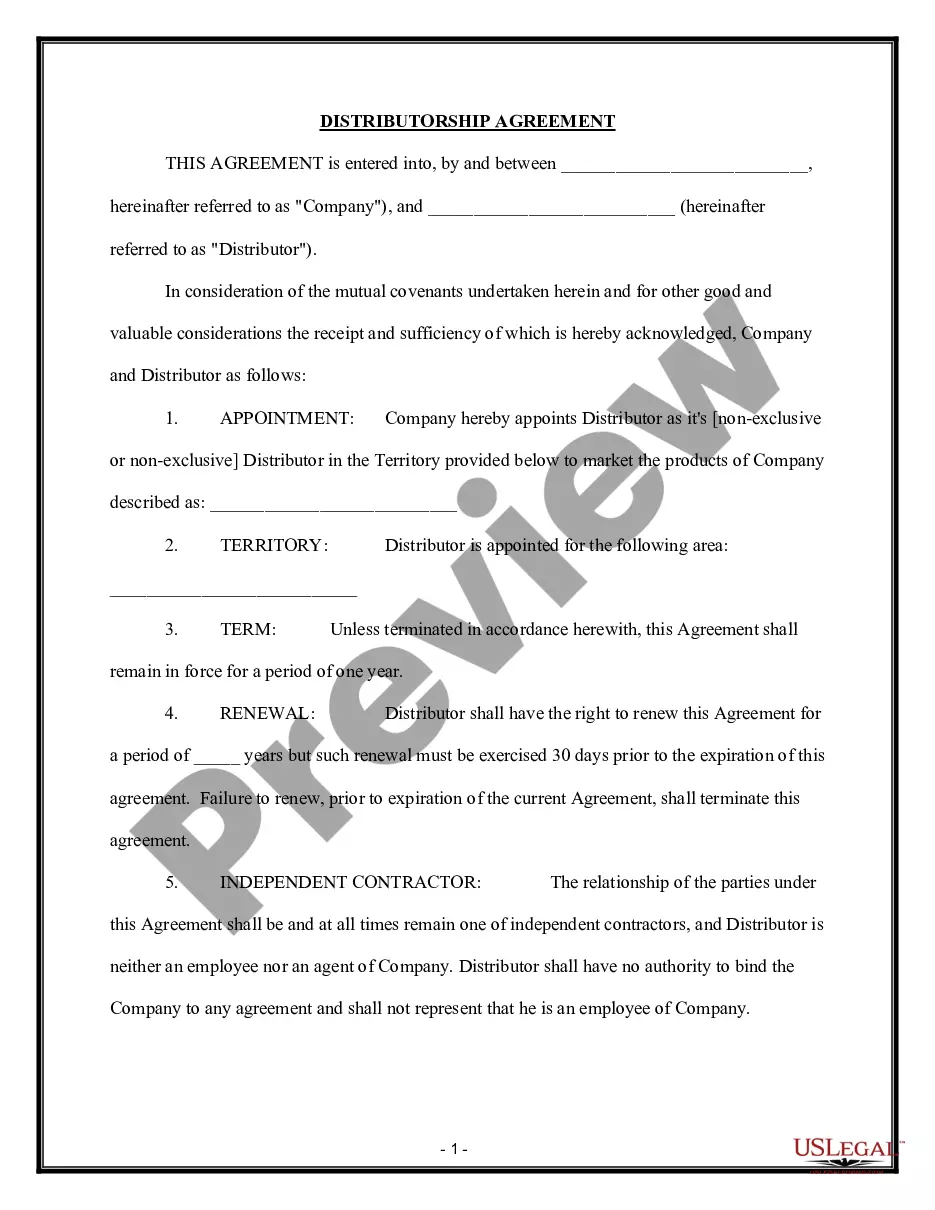
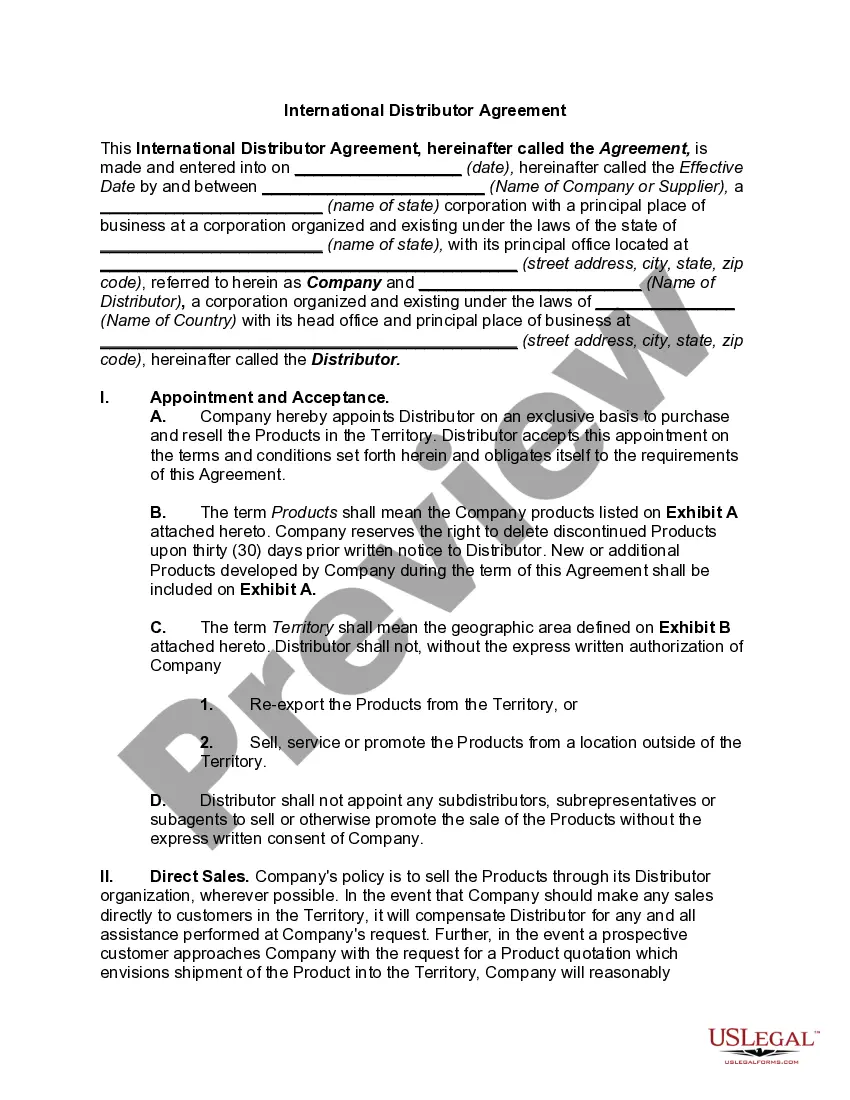
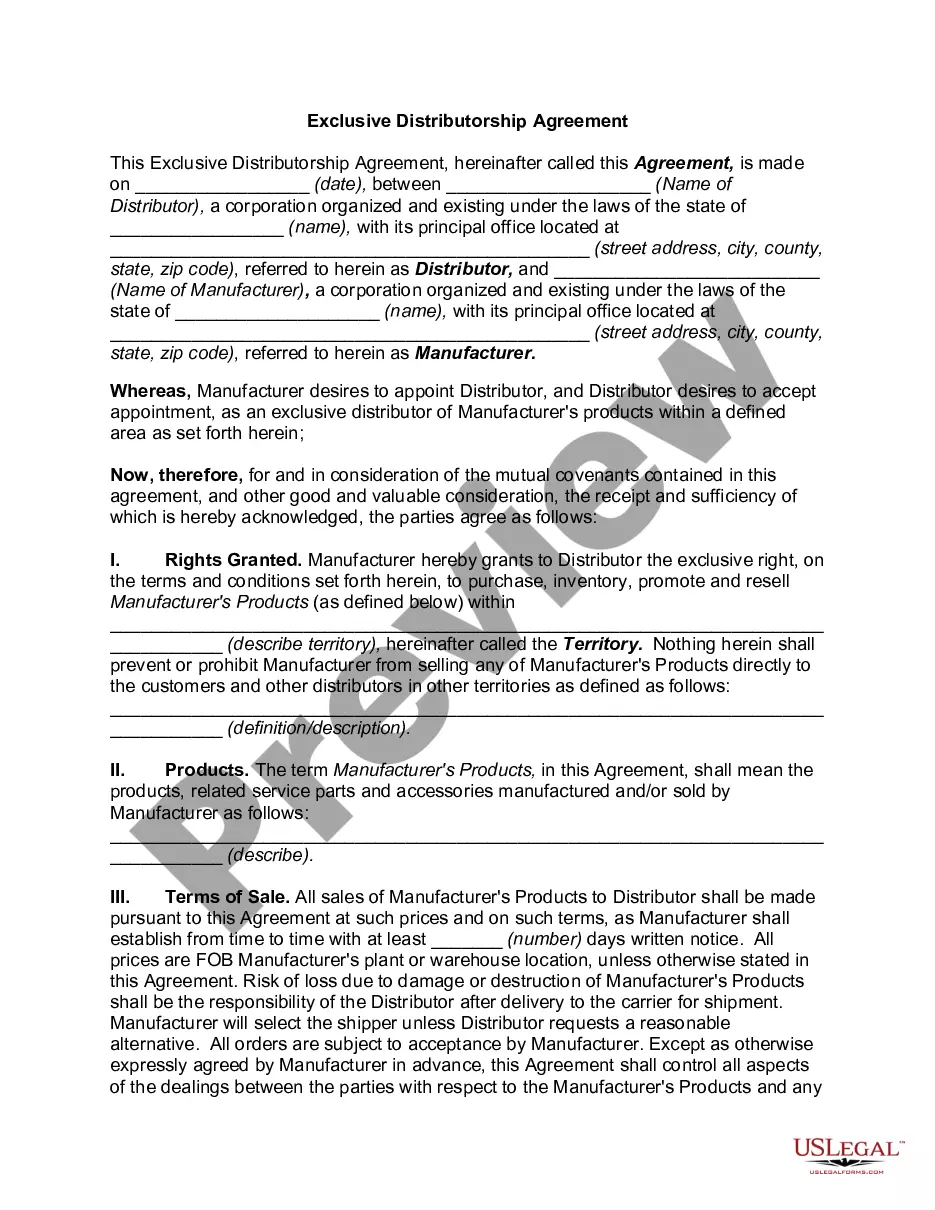
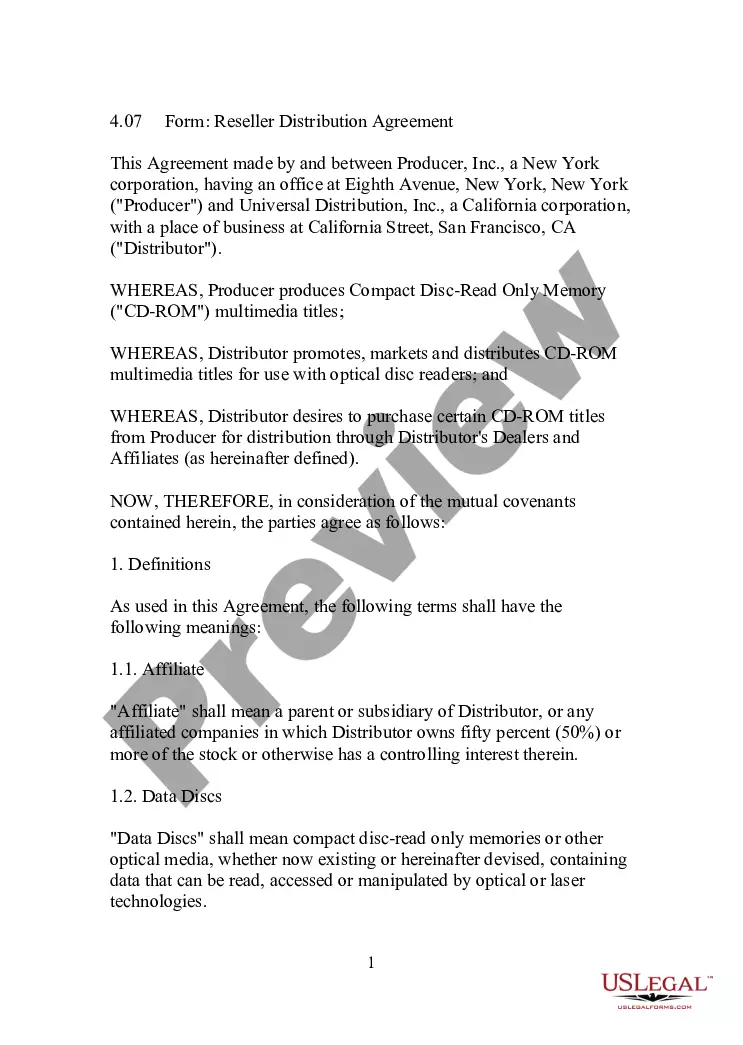
Get your form ready online
Our built-in tools help you complete, sign, share, and store your documents in one place.
Make edits, fill in missing information, and update formatting in US Legal Forms—just like you would in MS Word.
Download a copy, print it, send it by email, or mail it via USPS—whatever works best for your next step.
Sign and collect signatures with our SignNow integration. Send to multiple recipients, set reminders, and more. Go Premium to unlock E-Sign.
If this form requires notarization, complete it online through a secure video call—no need to meet a notary in person or wait for an appointment.
We protect your documents and personal data by following strict security and privacy standards.

Make edits, fill in missing information, and update formatting in US Legal Forms—just like you would in MS Word.

Download a copy, print it, send it by email, or mail it via USPS—whatever works best for your next step.

Sign and collect signatures with our SignNow integration. Send to multiple recipients, set reminders, and more. Go Premium to unlock E-Sign.

If this form requires notarization, complete it online through a secure video call—no need to meet a notary in person or wait for an appointment.

We protect your documents and personal data by following strict security and privacy standards.
Looking for another form?
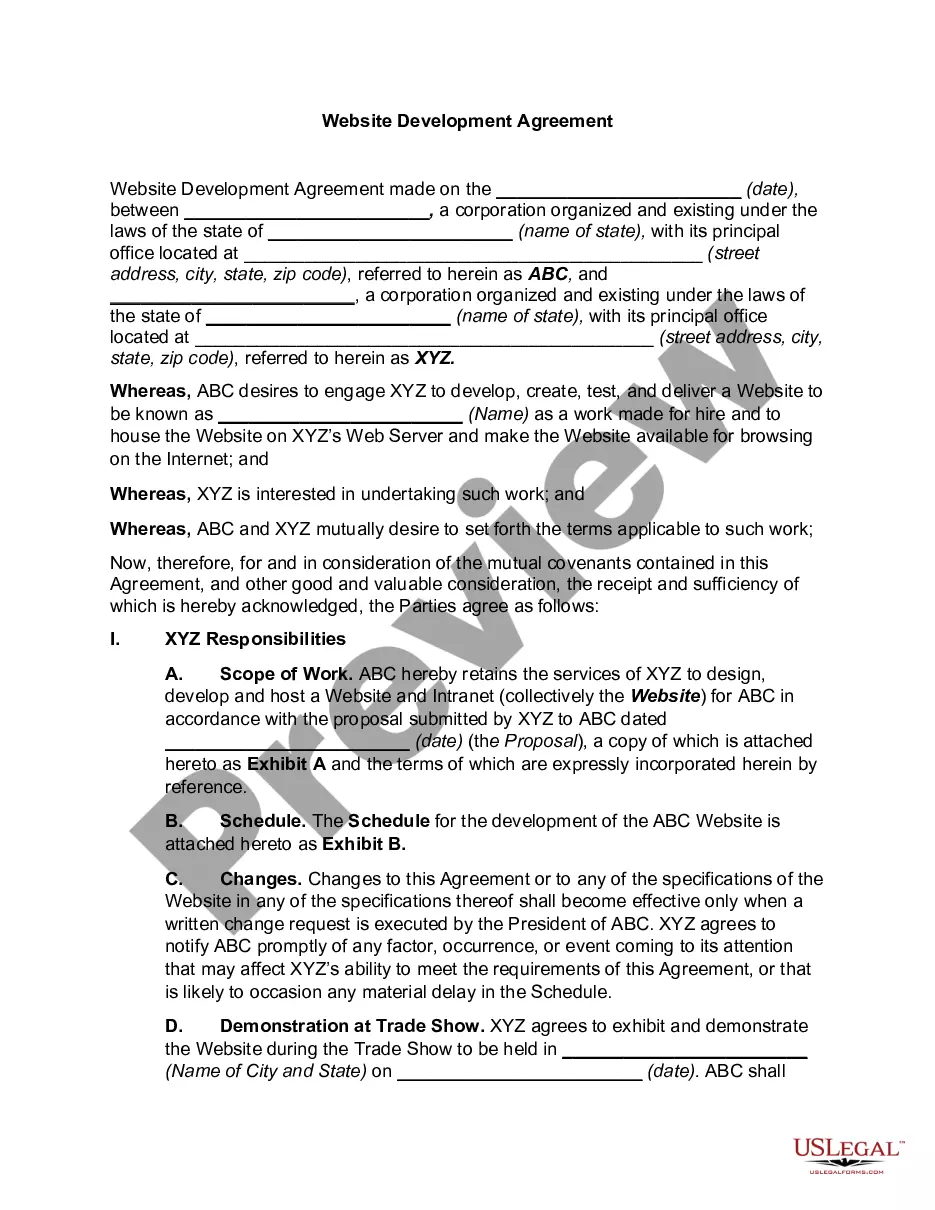
How to fill out Distribution Agreement?
You can spend hours online searching for the legal document template that meets the federal and state standards you require.
US Legal Forms offers a vast selection of legal forms that can be reviewed by professionals.
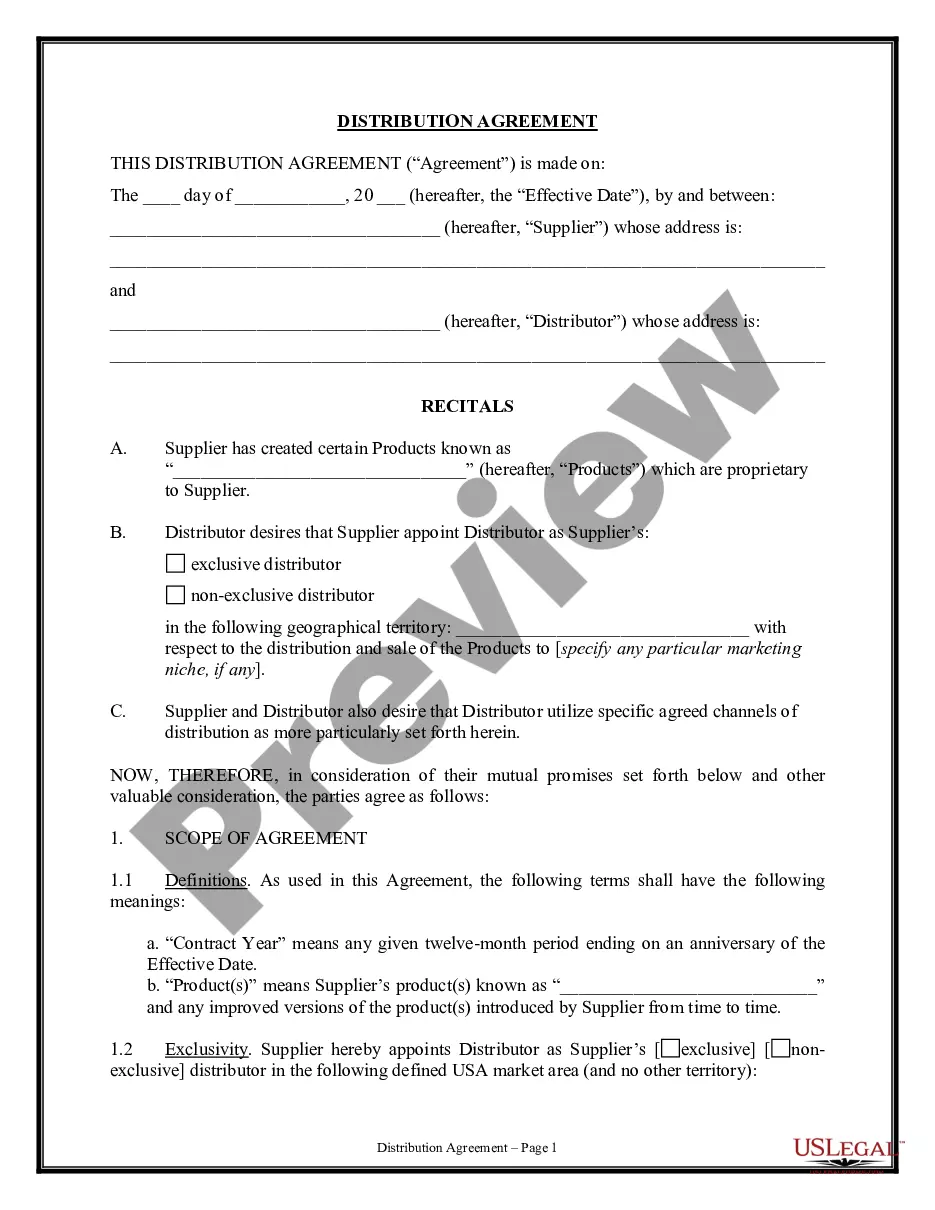
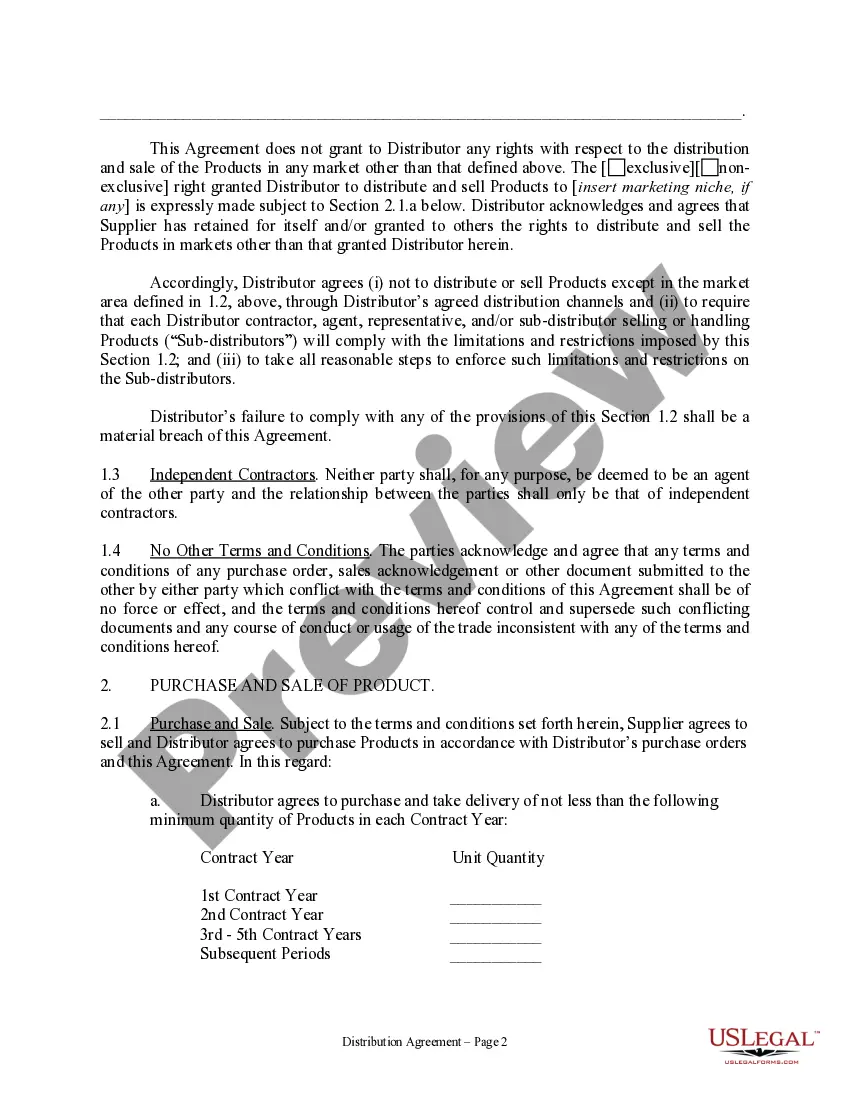
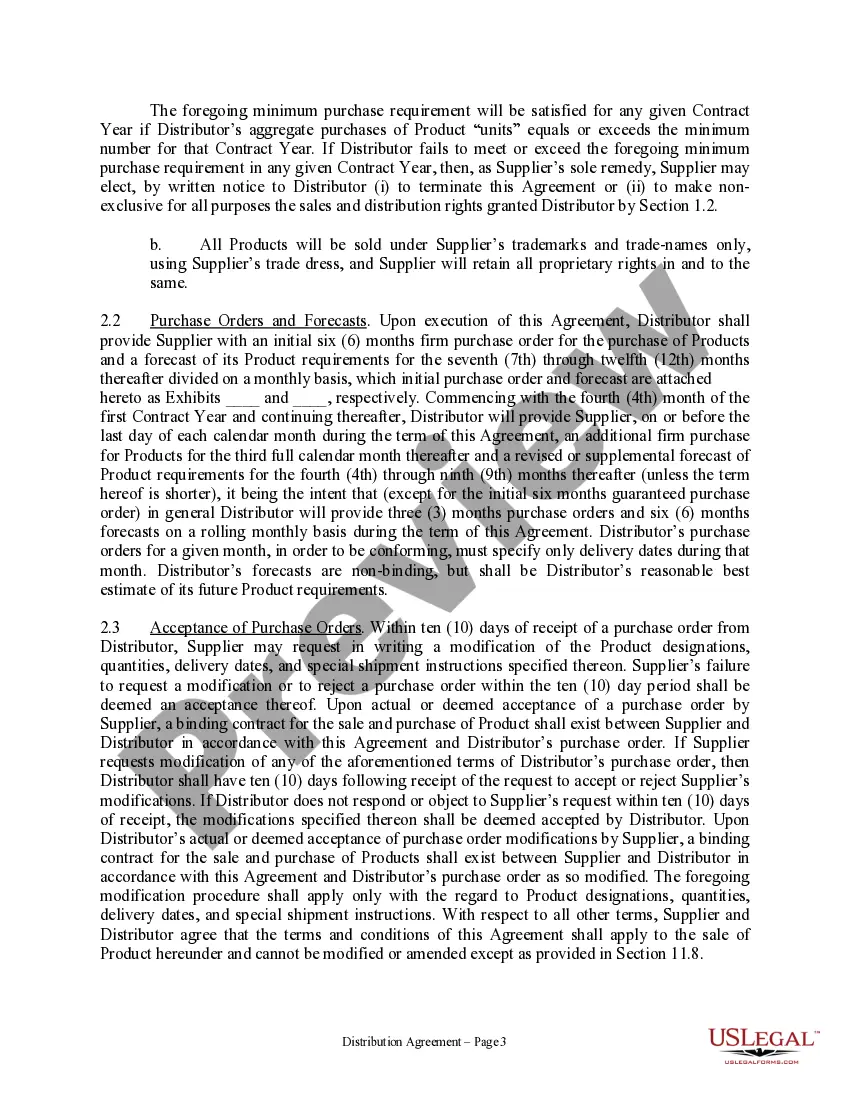
It's easy to download or print the Vermont Distribution Agreement from my service.
If available, utilize the Review button to examine the document template as well.
- If you already possess a US Legal Forms account, you may Log In and then click the Download button.
- Afterward, you can fill out, modify, print, or sign the Vermont Distribution Agreement.
- Each legal document template you acquire is yours to keep indefinitely.
- To obtain an additional copy of the purchased form, navigate to the My documents tab and click the respective button.
- If you are using the US Legal Forms website for the first time, adhere to the straightforward instructions below.
- First, ensure you have chosen the correct document template for the county/city of your choice.
- Check the document description to confirm you have selected the right form.
Form popularity
FAQ
The purpose of a distribution agreement is to legally define the terms between a manufacturer and a distributor. This agreement clarifies profit-sharing, responsibilities, and marketing strategies, which can significantly impact business success. For those in Vermont, establishing a clear Vermont Distribution Agreement is key to building enduring partnerships.
The purpose of a distribution deal is to set the terms under which products will be sold and delivered to customers. It ensures everyone involved understands their roles, timelines, and expectations. In the context of Vermont, a well-crafted Vermont Distribution Agreement can drive sales efficiency and market reach.
A distribution agreement outlines the roles and responsibilities of suppliers and distributors in the sale of goods. It serves as a legal basis for transactions and clarifies each party's obligations. For businesses in Vermont, a robust Vermont Distribution Agreement can lead to smoother operations and better revenue management.
Yes, non-solicitation agreements are enforceable in Vermont as long as they meet specific legal criteria. These agreements can protect business interests by preventing former employees or partners from soliciting clients or employees. A well-drafted Vermont Distribution Agreement often incorporates these provisions, ensuring long-term business security.
A distribution agreement provides clear terms for sales, distribution, and marketing responsibilities, reducing misunderstandings. It establishes trust between parties while encouraging growth and market expansion. In Vermont, having a proper Vermont Distribution Agreement can streamline operations and enhance profitability.
Vermont's main sources of income comprise agriculture, tourism, and small business activities. These sectors significantly contribute to the state's economy and employment. When developing a Vermont Distribution Agreement, being aware of these key income sources helps in forming partnerships that are beneficial for all parties involved.
Vermont's income demographics indicate a diverse range, with a notable proportion of the population earning above the national average. The state houses many rural communities, contributing to unique economic conditions. When crafting a Vermont Distribution Agreement, understanding these demographics can help target the right audience effectively.
Middle-class income in Vermont typically ranges from about $50,000 to $100,000 annually. This income bracket shows the economic capability of a significant portion of the state's population. If you're considering entering the Vermont market, a well-defined Vermont Distribution Agreement can help tailor your offerings to this demographic.
A distribution agreement establishes the terms between a supplier and distributor, clearly outlining responsibilities and expectations. This document fosters long-term business relationships by creating a framework for mutual benefit. In Vermont, a solidly drafted Vermont Distribution Agreement can minimize disputes and enhance trust.
Income distribution in Vermont varies significantly across different sectors. Primarily, Vermont's economy relies on agriculture, tourism, and manufacturing. A well-structured Vermont Distribution Agreement can assist in allocating profits and revenues among partners or stakeholders equitably.