Vermont Qualified Income Miller Trust

Category:
State:
Multi-State
Control #:
US-02035BG
Format:
Word; 
Rich Text
Instant download

Description

A trustor is the person who creates a trust. A trustor is also called a grantor, donor or settlor. A trust is a separate legal entity that holds property or assets of some kind for the benefit of a specific person, group of people or organization known as the beneficiary/beneficiaries. When a trust is established, an individual or corporate entity is named to oversee or manage the assets in the trust. This individual or entity is called a trustee. A trustee can be a professional with financial knowledge, a relative or loyal friend or a corporation. More than one trustee can be named by the trustor.


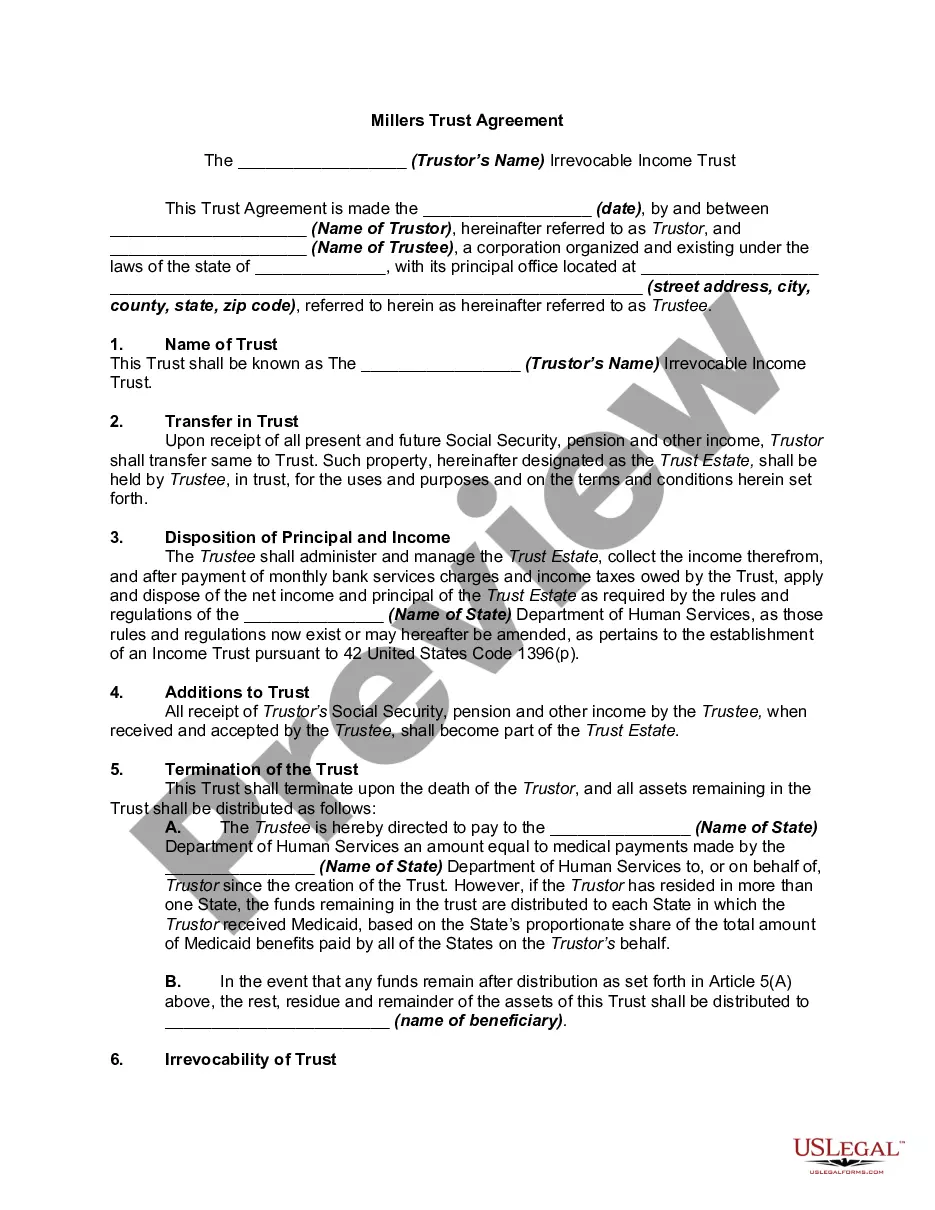
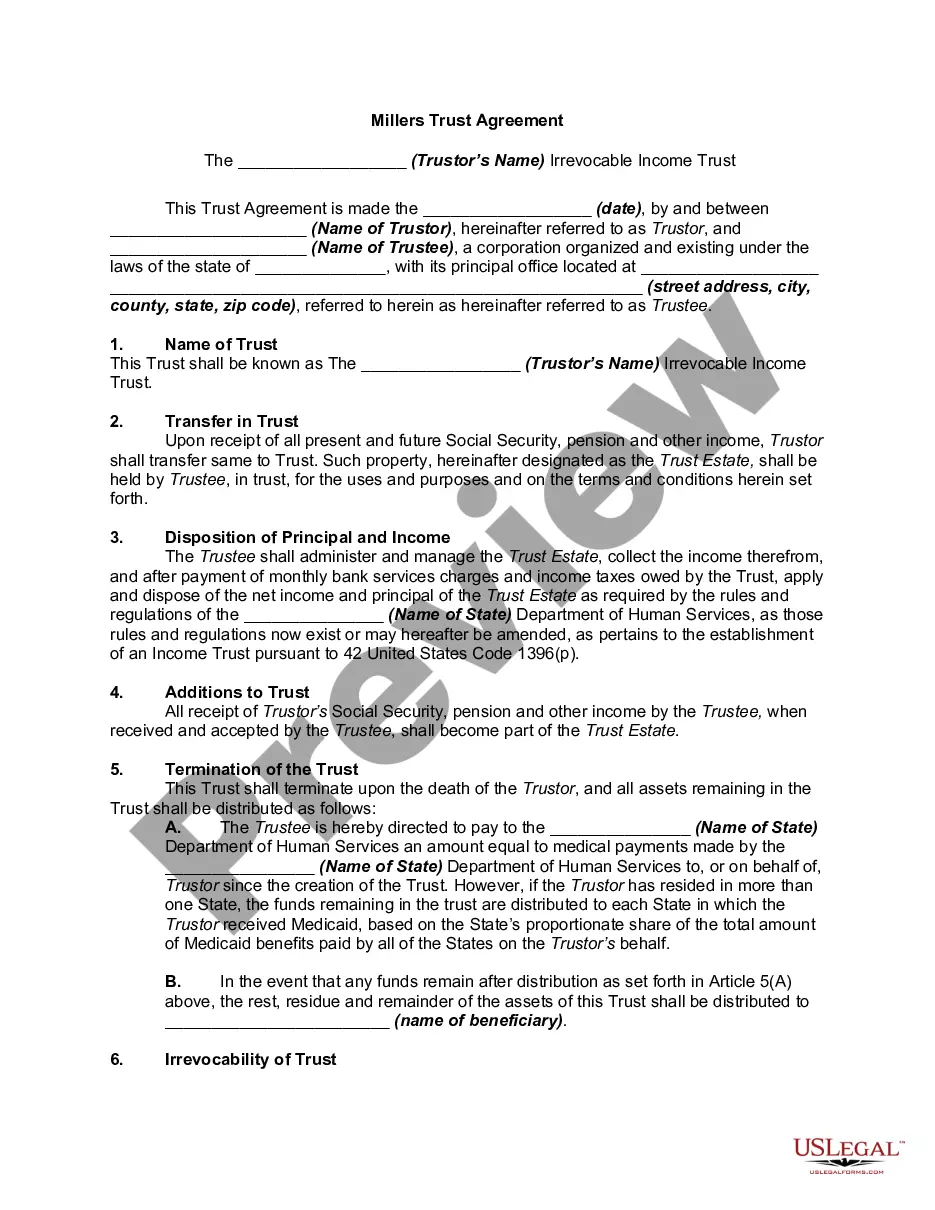
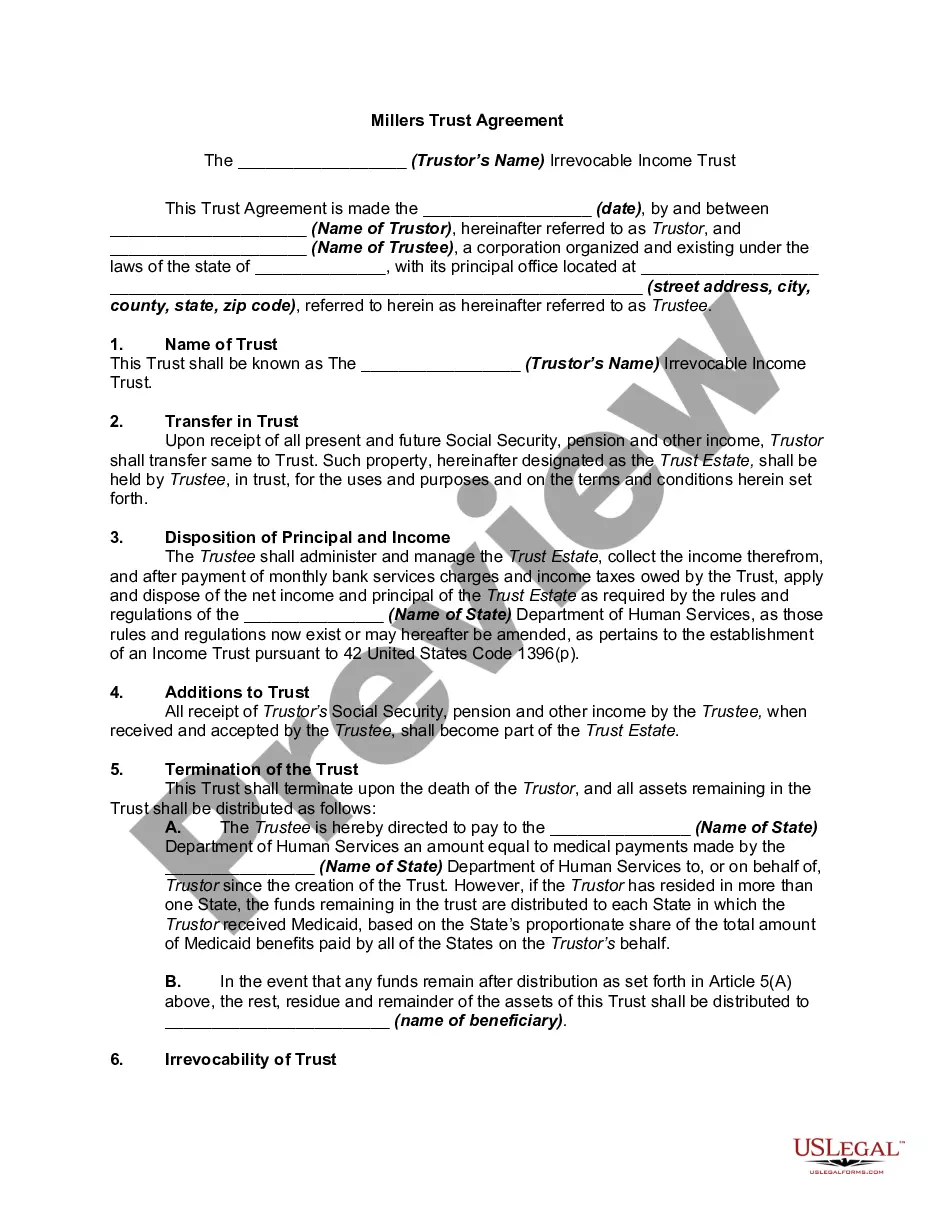
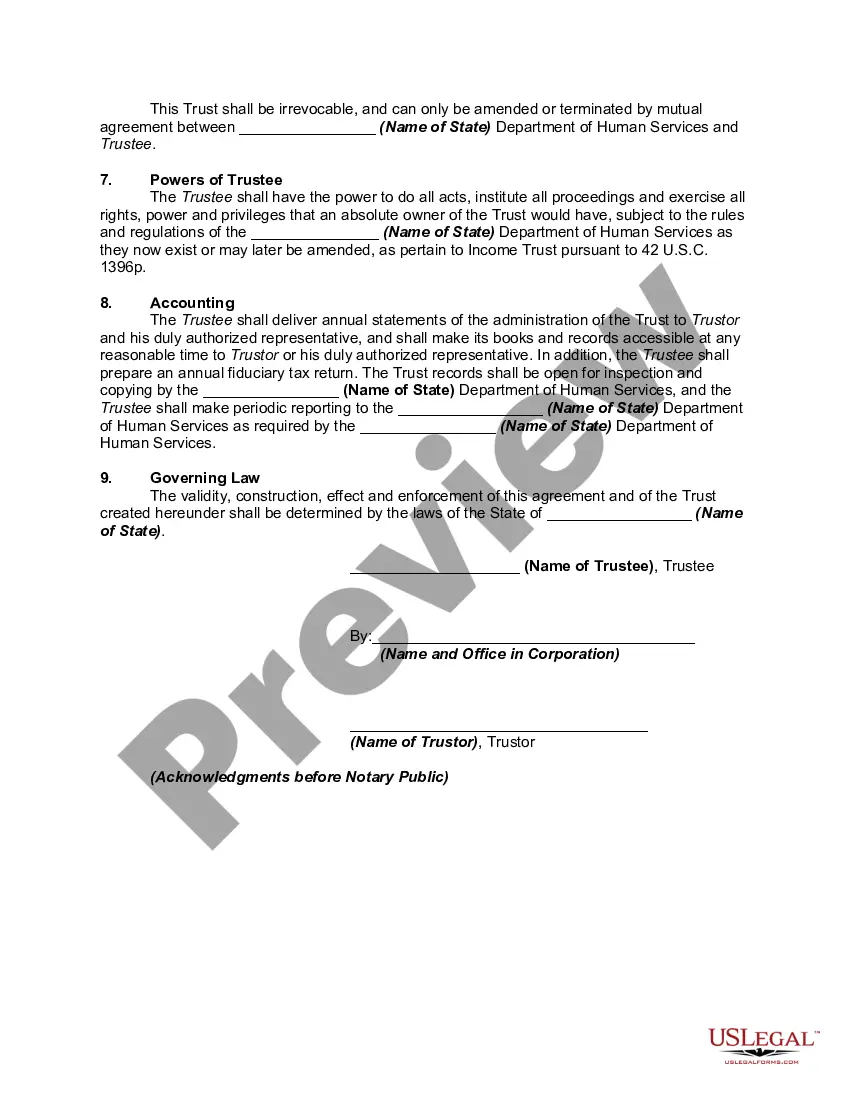
The qualified Medicaid income trust is a legal instrument which meets criteria in 42 United States Code 1396(p) and which allows individuals with income over the institutional care program limits to qualify for institutional care services or for home and community based services assistance.


A Medicaid trust may take various forms and laws vary by state. There are differing requirements under state laws regarding what assets may be counted or reached for recovery upon death. To comply with applicable requirements, professional financial advice should be sought. The term "Miller Trust" is an informal name. A more accurate name for this trust is an "Income Cap Trust". It has also been called an Income Assignment Trust. This is because, after the trust is created, the patient assigns his or her right to receive social security and pension to the trust.
Free preview
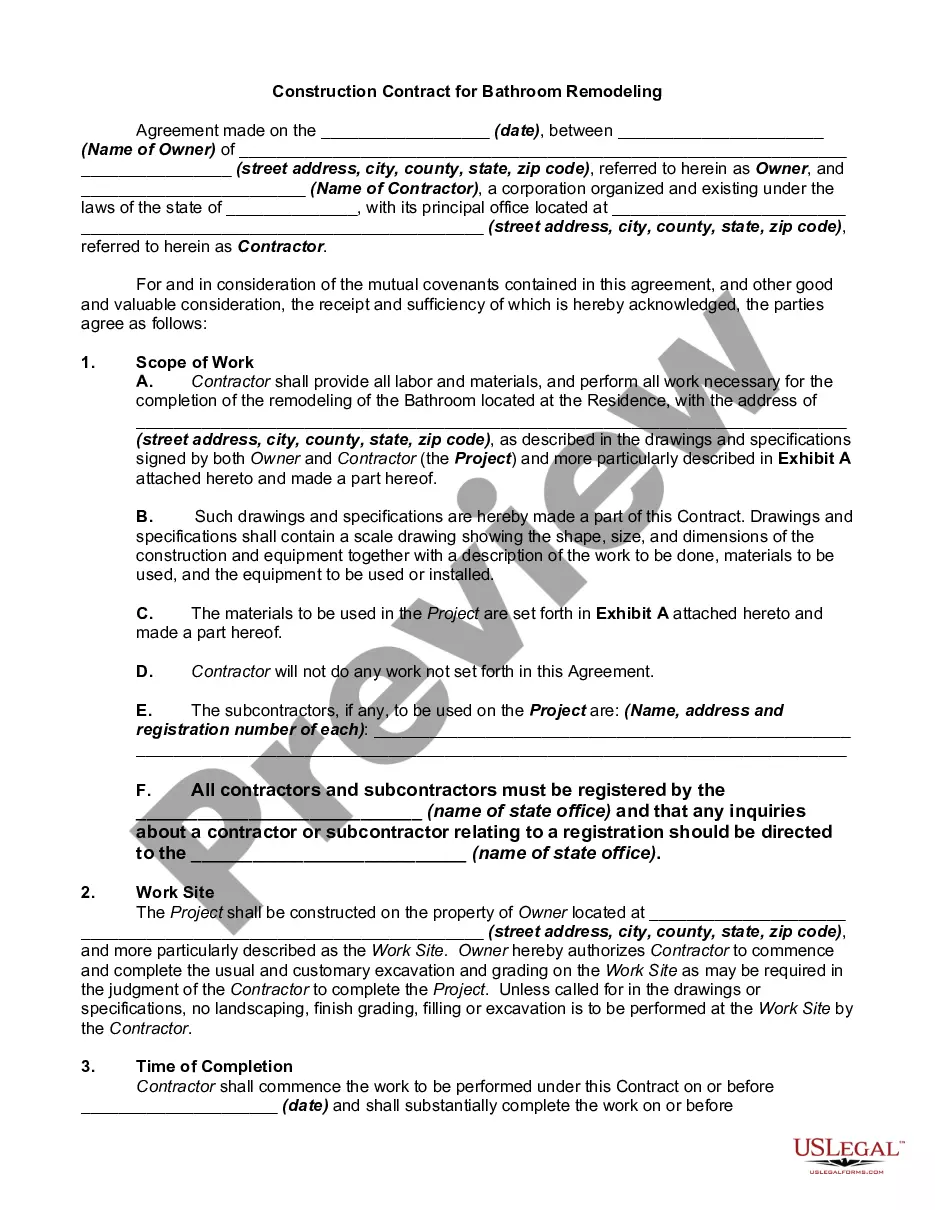
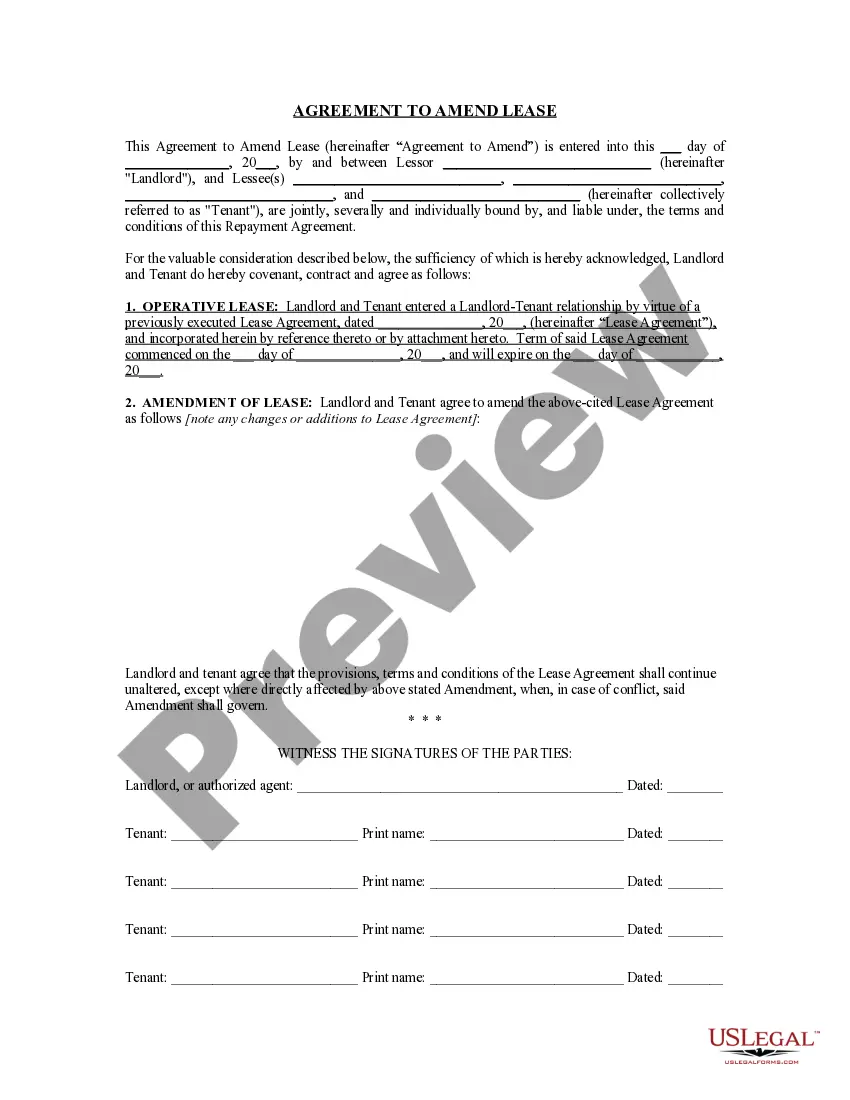
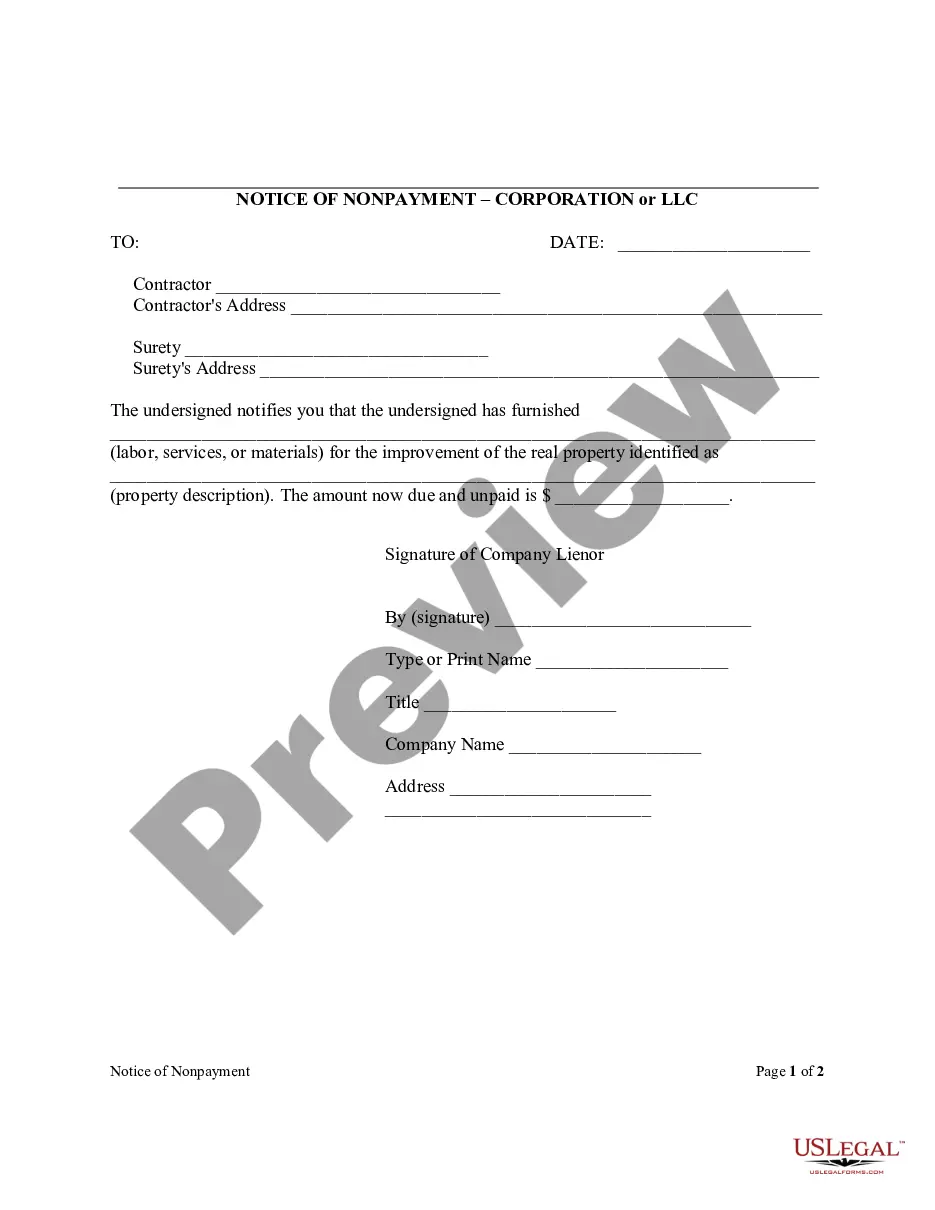
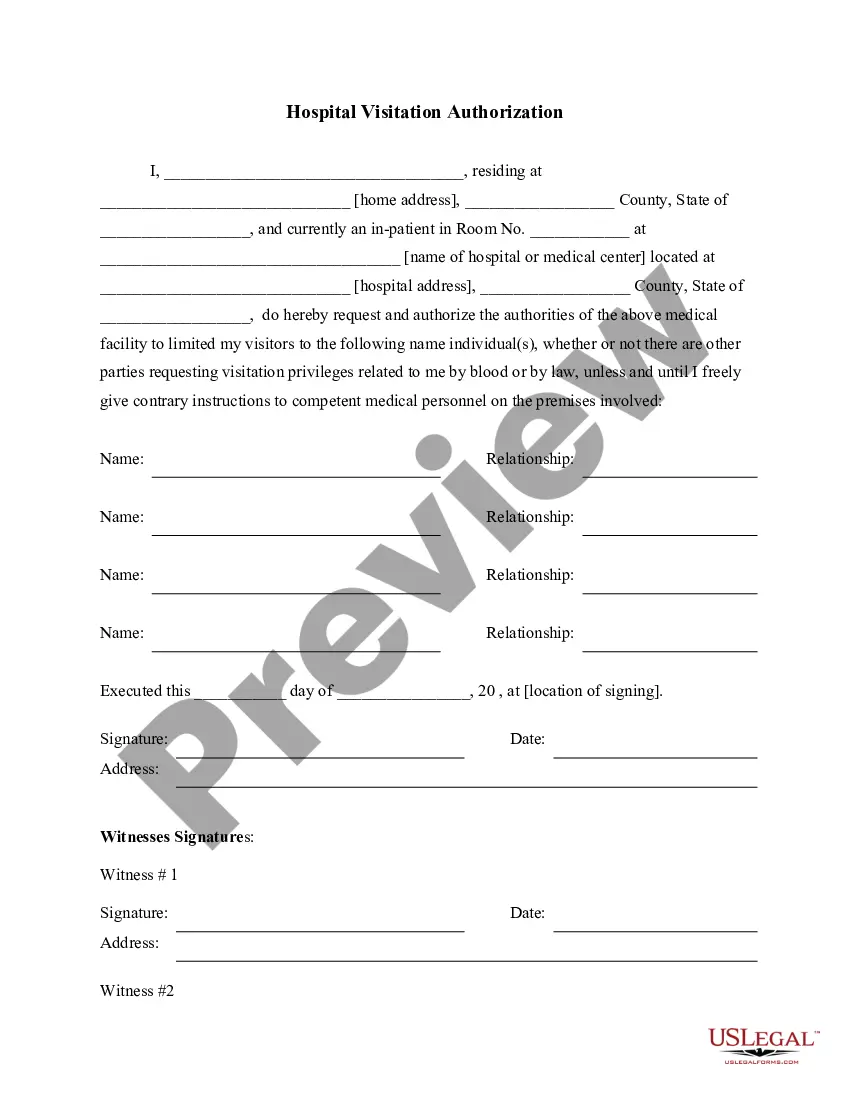
  • Preview Qualified Income Miller Trust
  • Preview Qualified Income Miller Trust

Get your form ready online

Our built-in tools help you complete, sign, share, and store your documents in one place.

Built-in online Word editor

Make edits, fill in missing information, and update formatting in US Legal Forms—just like you would in MS Word.

Export easily

Download a copy, print it, send it by email, or mail it via USPS—whatever works best for your next step.

E-sign your document

Sign and collect signatures with our SignNow integration. Send to multiple recipients, set reminders, and more. Go Premium to unlock E-Sign.

Notarize online 24/7

If this form requires notarization, complete it online through a secure video call—no need to meet a notary in person or wait for an appointment.

Store your document securely

We protect your documents and personal data by following strict security and privacy standards.

Form selector

Make edits, fill in missing information, and update formatting in US Legal Forms—just like you would in MS Word.

Form selector

Download a copy, print it, send it by email, or mail it via USPS—whatever works best for your next step.

Form selector

Sign and collect signatures with our SignNow integration. Send to multiple recipients, set reminders, and more. Go Premium to unlock E-Sign.

Form selector

If this form requires notarization, complete it online through a secure video call—no need to meet a notary in person or wait for an appointment.

Form selector

We protect your documents and personal data by following strict security and privacy standards.

Looking for another form?

This field is required
Ohio
Select state

How to fill out Qualified Income Miller Trust?

US Legal Forms - one of the most substantial collections of legal documents in the USA - offers a range of legal document templates that you can download or print.

By utilizing the website, you can access thousands of forms for business and personal purposes, organized by categories, states, or keywords. You can retrieve the latest versions of documents such as the Vermont Qualified Income Miller Trust in no time.

If you currently maintain a monthly subscription, Log In and download the Vermont Qualified Income Miller Trust from the US Legal Forms library. The Download button will appear on each document you view. You have access to all previously saved forms in the My documents section of your account.

Finalize the transaction. Use your credit card or PayPal account to complete the purchase.

Choose the format and download the document to your device. Make modifications. Fill out, edit, print, and sign the downloaded Vermont Qualified Income Miller Trust. Each document you add to your account has no expiration date and is yours indefinitely. Therefore, if you wish to download or print another copy, simply navigate to the My documents section and click on the document you desire. Access the Vermont Qualified Income Miller Trust with US Legal Forms, one of the most comprehensive collections of legal document templates. Utilize numerous professional and state-specific templates that fulfill your business or personal requirements and demands.

  1. Make sure you have selected the correct form for your region/county.
  2. Click the Preview button to review the form's content.
  3. Check the form summary to confirm that you have selected the right document.
  4. If the form does not meet your needs, utilize the Search field at the top of the screen to find the appropriate one.
  5. When you are satisfied with the form, confirm your selection by clicking the Get now button.
  6. Then, choose the pricing plan you prefer and provide your information to register for an account.

Form popularity

FAQ

Setting up a Qualified Income Trust (QIT) account involves several clear steps. First, identify your eligibility requirements and the necessary documentation needed for a Vermont Qualified Income Miller Trust. Next, create the trust agreement, ensuring it aligns with your state's regulations. Finally, consider using resources like USLegalForms to guide you through the process and ensure compliance, helping you navigate the paperwork with confidence.

A qualified income trust, or Miller trust, is a specific type of trust that helps individuals qualify for Medicaid by managing their income. The Vermont Qualified Income Miller Trust allows excess income to be placed in the trust so that applicants can meet the financial criteria set forth by Medicaid. This type of trust is essential for those whose income exceeds the allowable threshold for Medicaid eligibility but still need assistance. Using platforms like USLegalForms can simplify the process of establishing this trust.

A trust becomes qualified when it satisfies specific legal criteria, which often includes limitations on income and the management of assets. In the case of a Vermont Qualified Income Miller Trust, the trust must be designed to meet Medicaid eligibility requirements, ensuring that any income is effectively managed under state law. These criteria ensure that the trust can provide benefits while still protecting the asset owner's interests. For comprehensive guidance, consider using USLegalForms to assist in the set-up process.

Determining whether a trust is qualified or nonqualified depends on its compliance with specific state regulations, particularly those related to income and resources. A qualified trust, like a Vermont Qualified Income Miller Trust, typically meets criteria set by Medicaid to ensure eligibility for benefits. If the trust does not meet these criteria, it may be classified as nonqualified. Consulting resources like USLegalForms can help you navigate these distinctions effectively.

Trustees can be reimbursed for reasonable expenses incurred while managing the trust. These may include costs for property maintenance, accounting services, and administrative duties. If you're utilizing a Vermont Qualified Income Miller Trust, ensure you document all expenses accurately, as this helps maintain transparency and can aid in the reimbursement process.

When managing a trust, various expenses can be deducted on its return. Common deductible expenses include trustee fees, legal fees associated with the trust’s administration, and tax preparation costs. By utilizing a Vermont Qualified Income Miller Trust, trustees may also find specific deductions that benefit the trust's overall financial management.

In Vermont, certain assets are exempt from Medicaid eligibility requirements. These exemptions mainly include the primary residence, personal belongings, and some vehicle types. Additionally, a Vermont Qualified Income Miller Trust can help protect income that exceeds Medicaid limits, allowing individuals to maintain financial stability while receiving necessary healthcare.

Generally, if the trust does not generate any income, you may not be required to file IRS Form 1041. However, it’s important to consider specific situations where filing might still be advisable, such as for documentation purposes. Engaging with tax professionals or using platforms like USLegalForms can clarify your obligations regarding trust filings, providing peace of mind. Understanding these requirements helps you manage trust responsibilities effectively.

Whether your trust needs to file a tax return largely depends on its structure and income. If your trust generates income or if it is irrevocable, then filing a tax return is typically necessary. Utilizing services like USLegalForms can help you navigate the complexities of trust tax obligations, ensuring that you handle everything according to the law. Ultimately, it helps to stay proactive about your legal responsibilities.

Yes, a Vermont Qualified Income Miller Trust often has a responsibility to file a tax return. This trust is created with the intention to set aside income for Medicaid eligibility, but it may still generate taxable income. As such, the trustee may need to file a Form 1041, even if the trust is not distributing funds actively. Proper filing ensures compliance with IRS regulations and effective management of the trust's financial matters.

Trusted and secure by over 3 million people of the world’s leading companies

Vermont Qualified Income Miller Trust