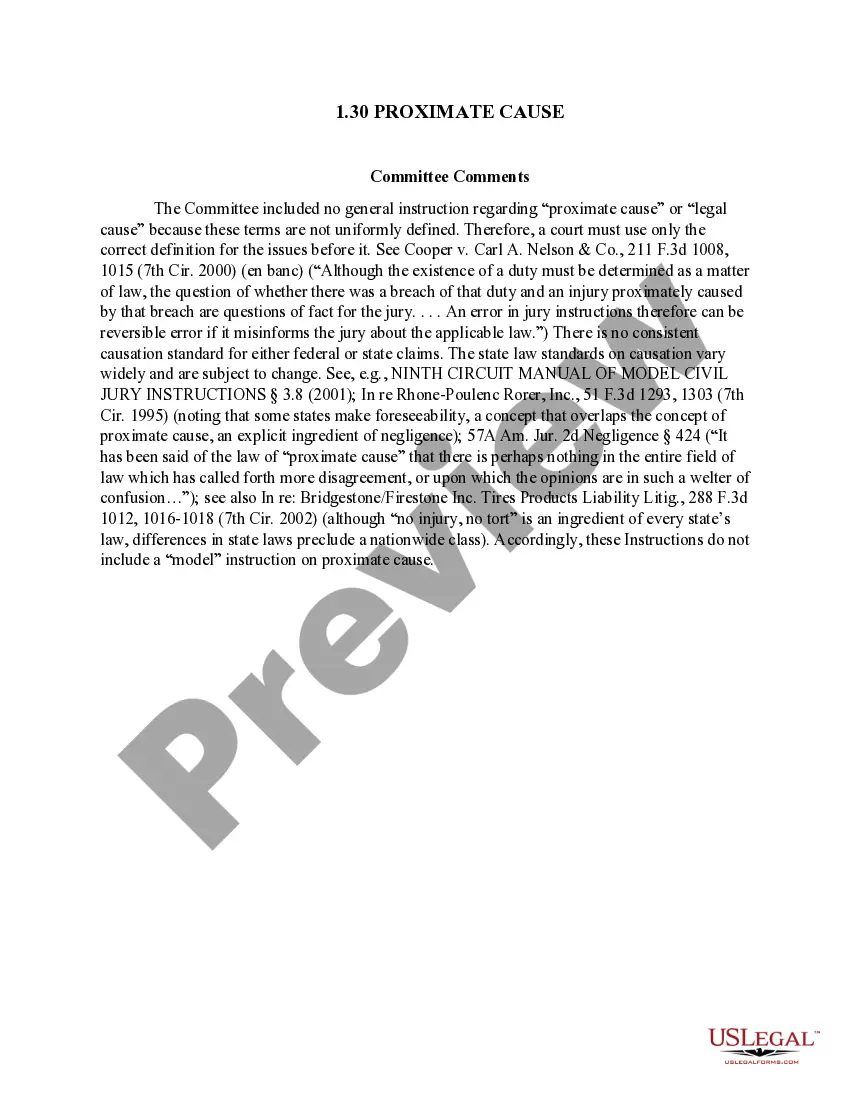
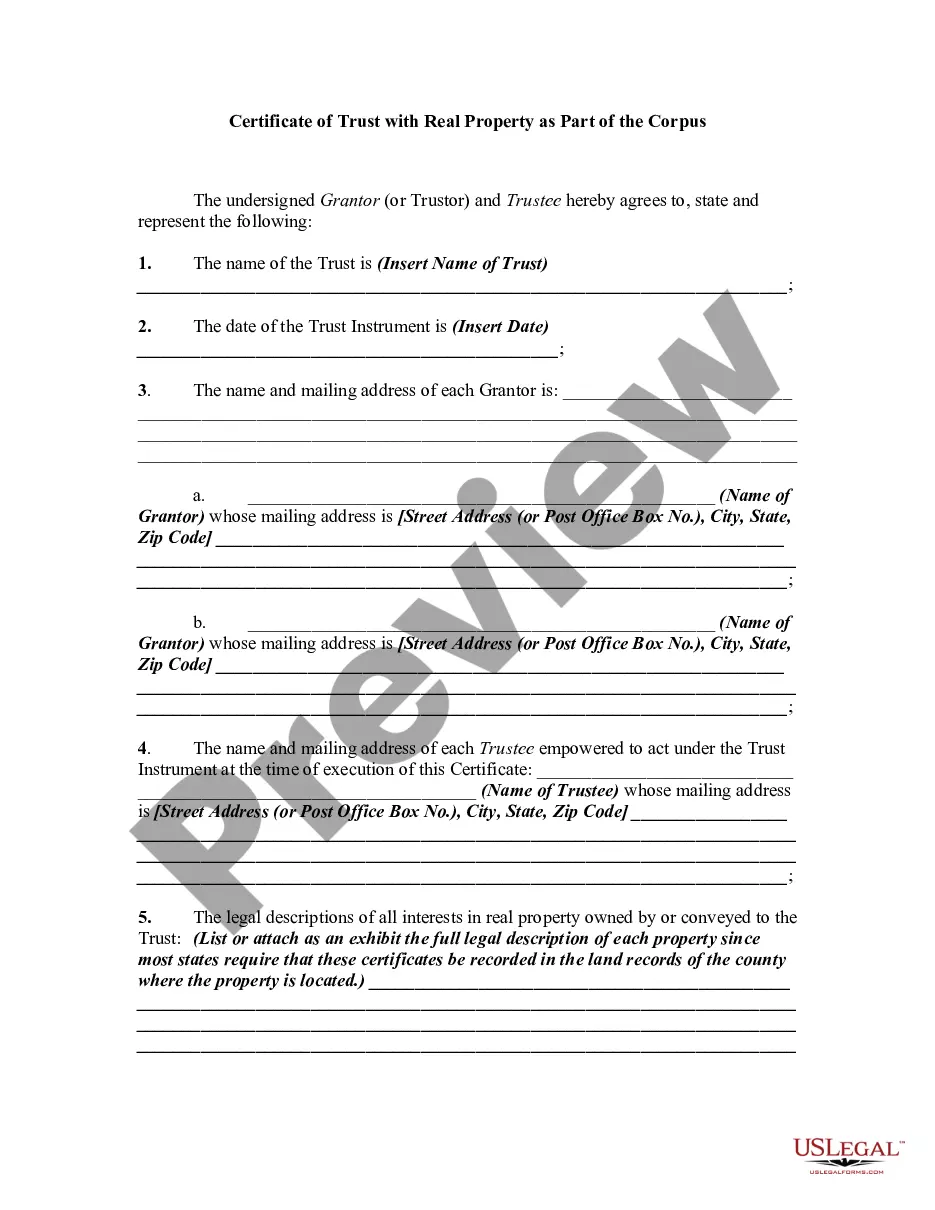
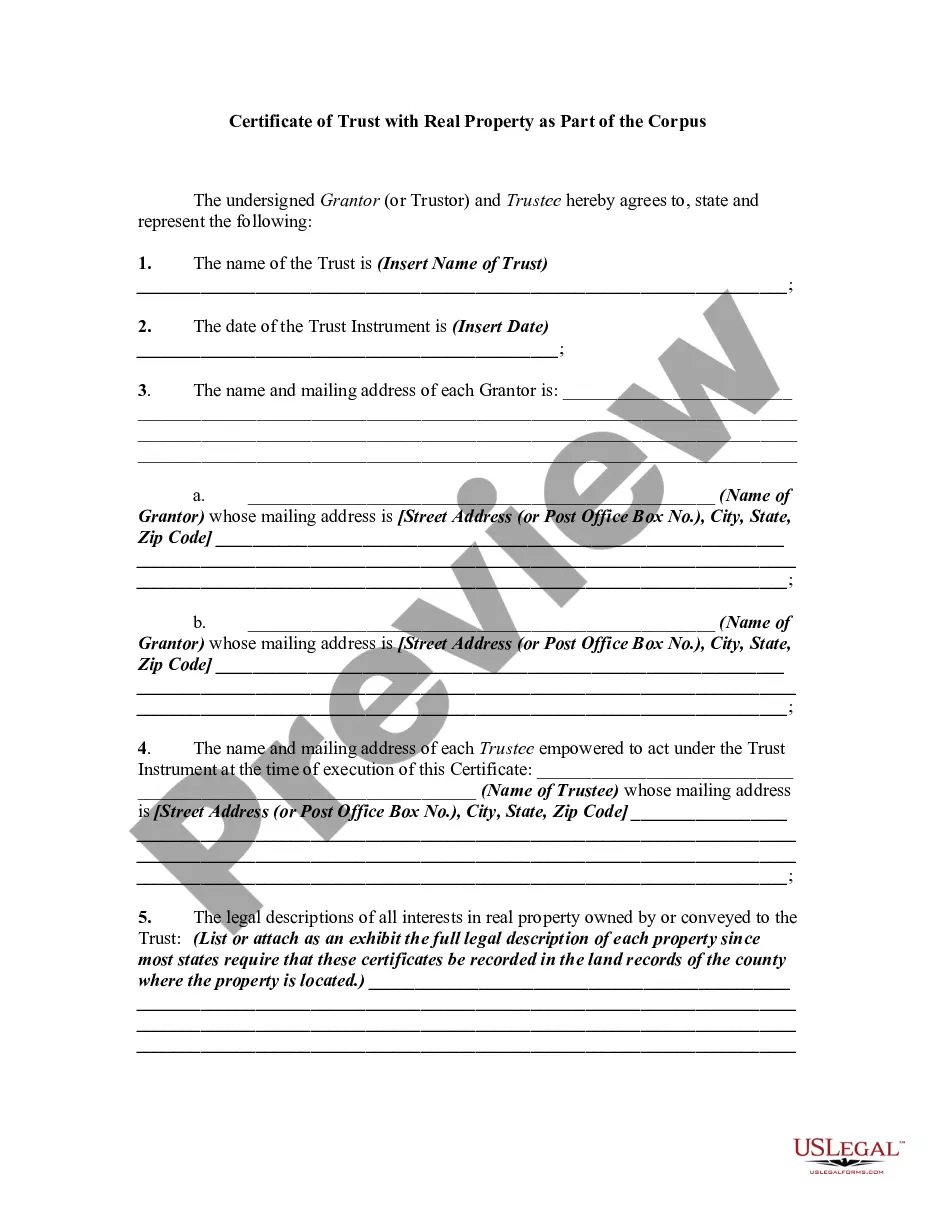
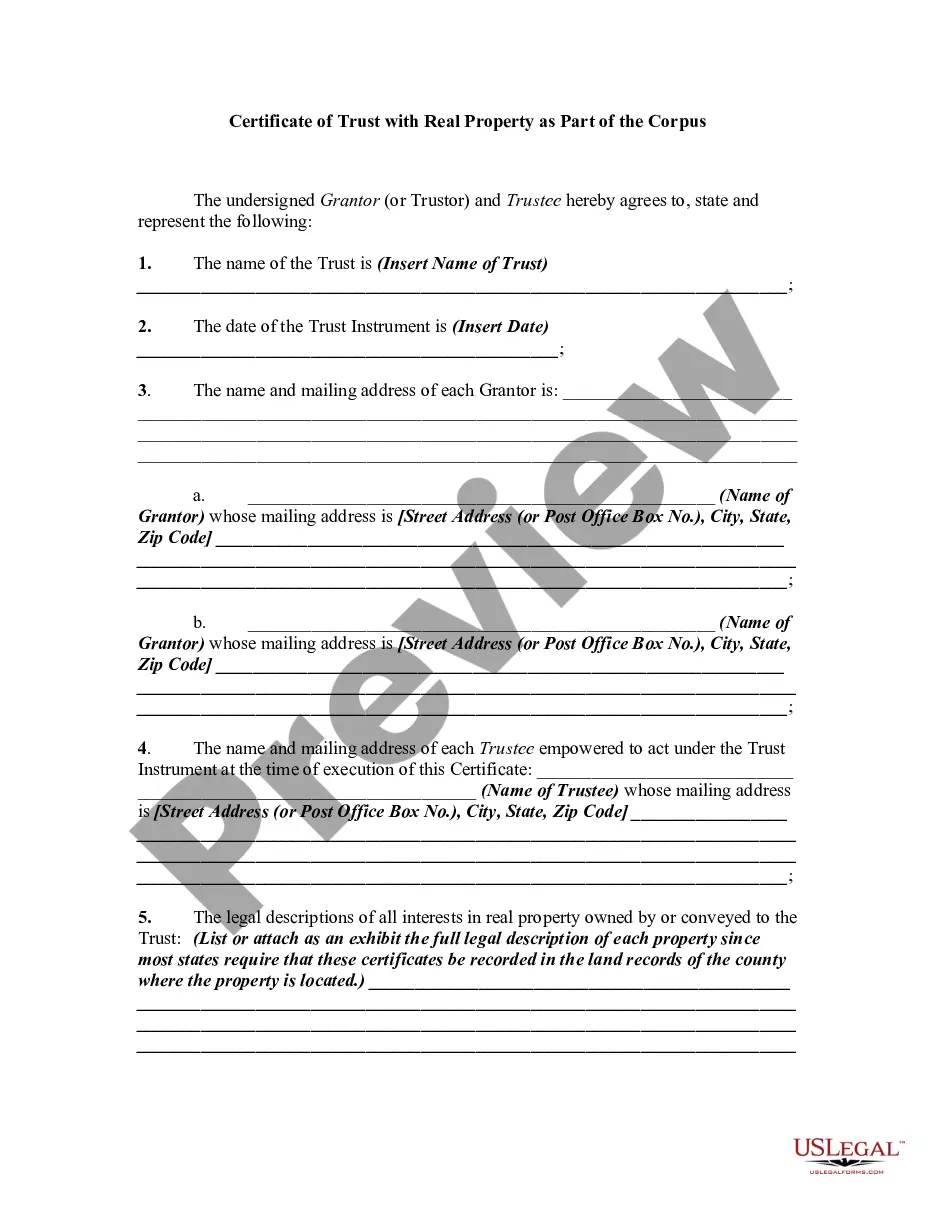
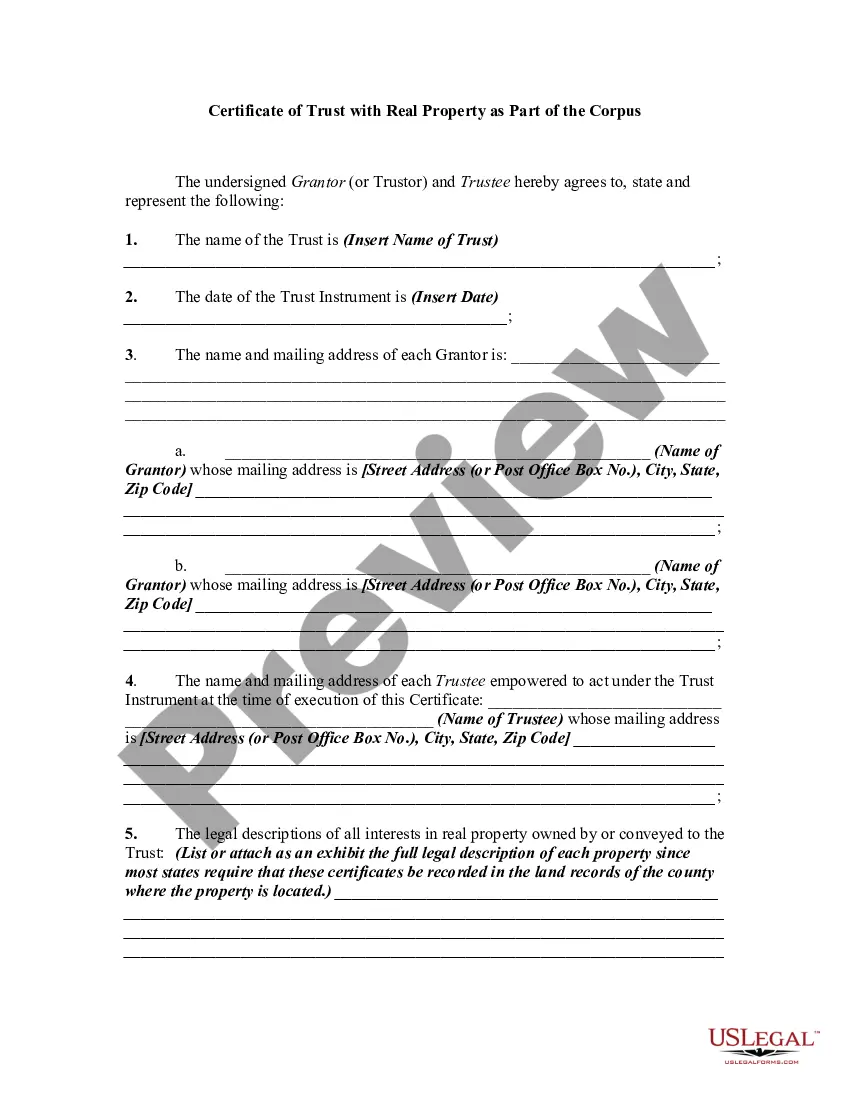
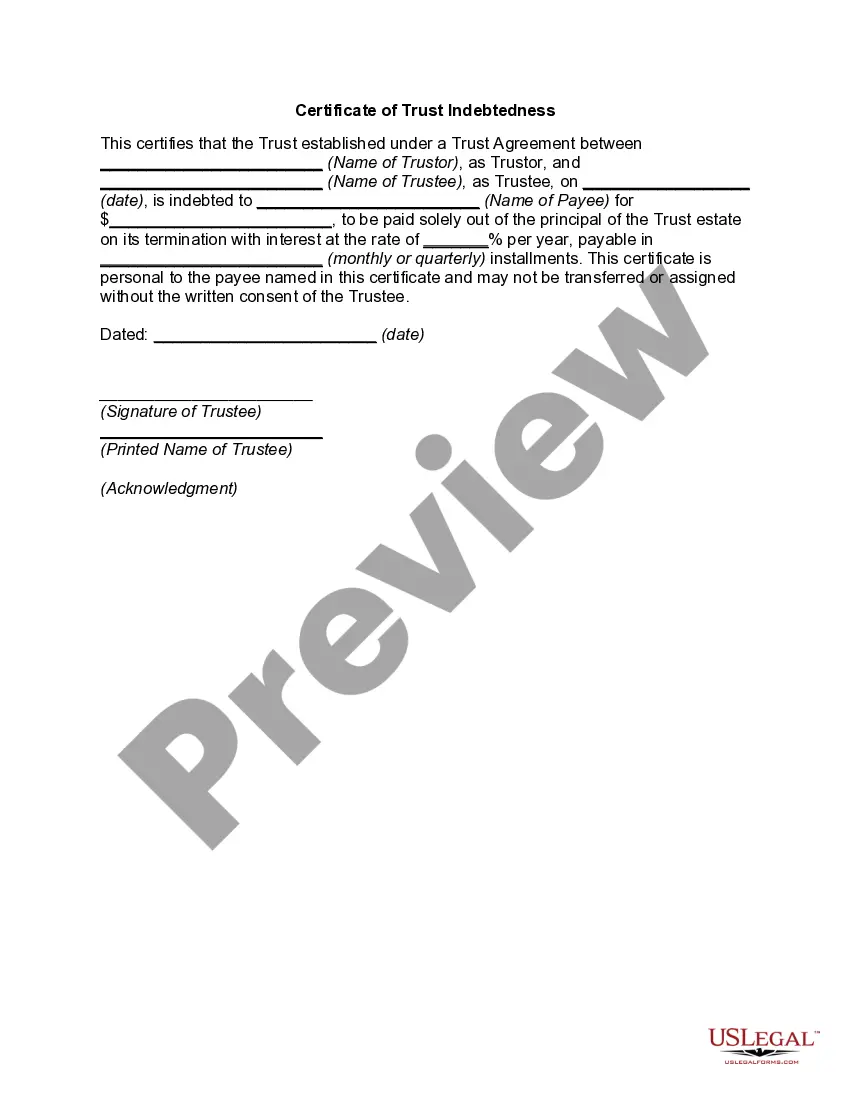
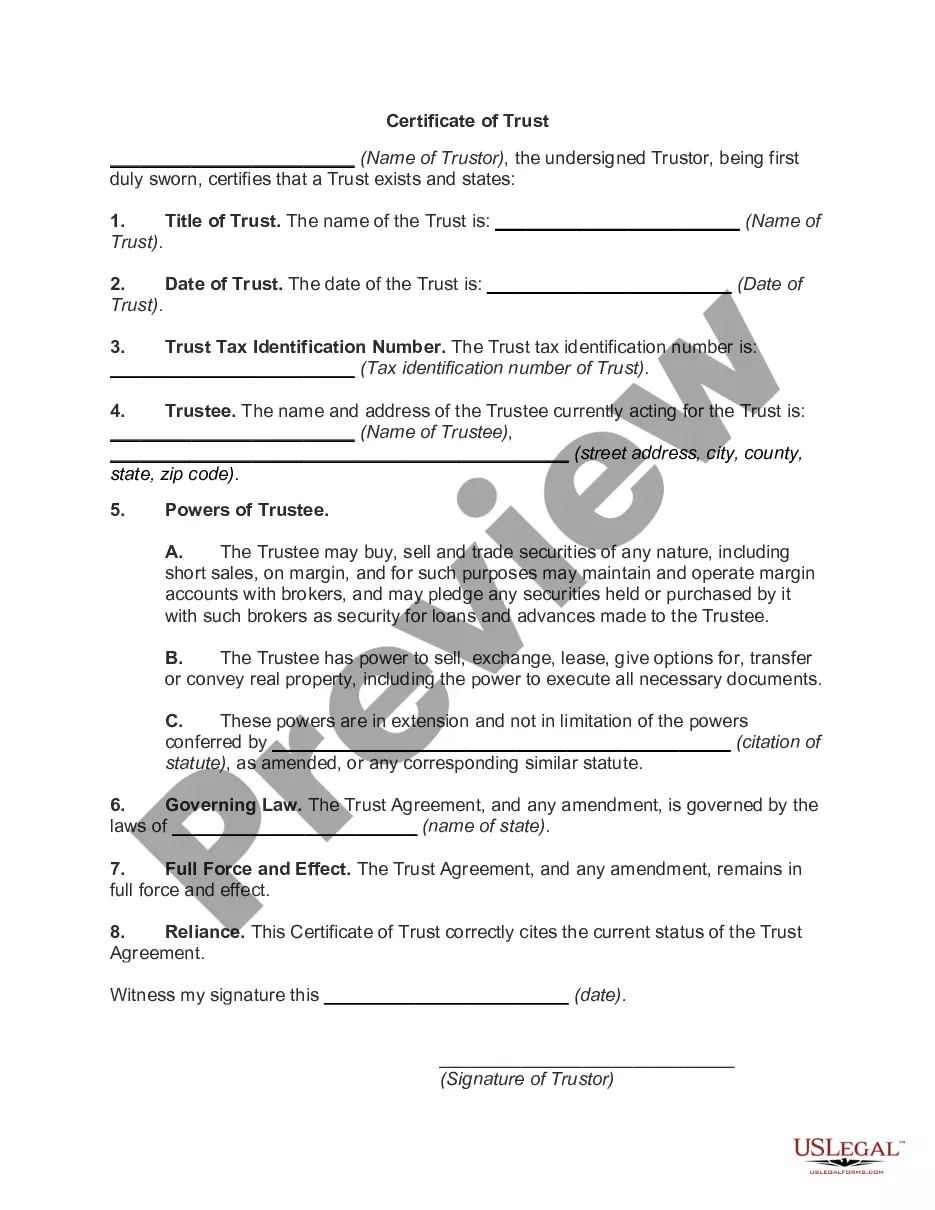
Vermont Certificate of Trust - Indebtedness
Description
Get your form ready online
Our built-in tools help you complete, sign, share, and store your documents in one place.
Make edits, fill in missing information, and update formatting in US Legal Forms—just like you would in MS Word.
Download a copy, print it, send it by email, or mail it via USPS—whatever works best for your next step.
Sign and collect signatures with our SignNow integration. Send to multiple recipients, set reminders, and more. Go Premium to unlock E-Sign.
If this form requires notarization, complete it online through a secure video call—no need to meet a notary in person or wait for an appointment.
We protect your documents and personal data by following strict security and privacy standards.

Make edits, fill in missing information, and update formatting in US Legal Forms—just like you would in MS Word.

Download a copy, print it, send it by email, or mail it via USPS—whatever works best for your next step.

Sign and collect signatures with our SignNow integration. Send to multiple recipients, set reminders, and more. Go Premium to unlock E-Sign.

If this form requires notarization, complete it online through a secure video call—no need to meet a notary in person or wait for an appointment.

We protect your documents and personal data by following strict security and privacy standards.
Looking for another form?
How to fill out Certificate Of Trust - Indebtedness?
Finding the correct legal document format can be a challenge. Of course, there are numerous templates available online, but how do you find the legal form you need? Utilize the US Legal Forms website. The service offers a vast array of templates, such as the Vermont Certificate of Trust for Property, that you can use for business and personal purposes. All the forms are reviewed by professionals and comply with state and federal regulations.
If you are already registered, Log In to your account and click on the Download button to obtain the Vermont Certificate of Trust for Property. Use your account to browse through the legal forms you may have purchased previously. Visit the My documents section of your account and download another copy of the document you need.
If you are a new user of US Legal Forms, here are simple steps that you should follow: First, ensure you have selected the correct form for your town/region. You can browse the form using the Preview button and check the form details to confirm it is the right one for you. If the form does not meet your needs, utilize the Search area to find the appropriate form. When you are certain that the form is correct, select the Buy now button to purchase the form. Choose the pricing plan you want and enter the required information. Create your account and pay for your order using your PayPal account or credit card. Choose the file format and download the legal document format to your device. Finally, complete, modify, and print and sign the obtained Vermont Certificate of Trust for Property.
- US Legal Forms is indeed the largest repository of legal forms that you will find various document formats.
- Utilize the service to download professionally crafted papers that adhere to state regulations.
- Make sure to follow all guidelines accurately to ensure proper usage of the documents.
- If you encounter issues, refer to the customer support for assistance.
- Keep your account information secure to protect your purchases.
- Take advantage of the search features for efficiency in finding the right forms.
Form popularity
FAQ
While most estates need to undergo the probate process, the best way to avoid probate in Vermont is by creating a living trust before dying. Assets will then transfer to your beneficiaries without the need to go to court.
A Vermont living trust holds ownership of your assets during your life while you continue to use and control them. Assets are then passed to beneficiaries after your death. A revocable living trust (sometimes called an inter vivos trust) can offer a variety of benefits.
To make a living trust in Vermont, you: Choose whether to make an individual or shared trust. Decide what property to include in the trust. Choose a successor trustee. Decide who will be the trust's beneficiaries?that is, who will get the trust property. Create the trust document.
(sc.Default) A Standard Document used in Florida to certify the existence of a trust and to provide information regarding its essential terms, without ...
Formal Probate If the person who died owned real estate or if the estate is worth more than $45,000.
A certification of trust provides information regarding the settlor of the trust, the acting trustee, and the power and authority of the trustee to manage and invest trust property or to act with respect to a specific transaction.
Here's a partial list of assets that may avoid the probate process: Property held in a trust3 Jointly held property (but not common property) Death benefits from insurance policies (unless payable to the estate)4 Property given away before you die. Assets in a pay-on-death account.