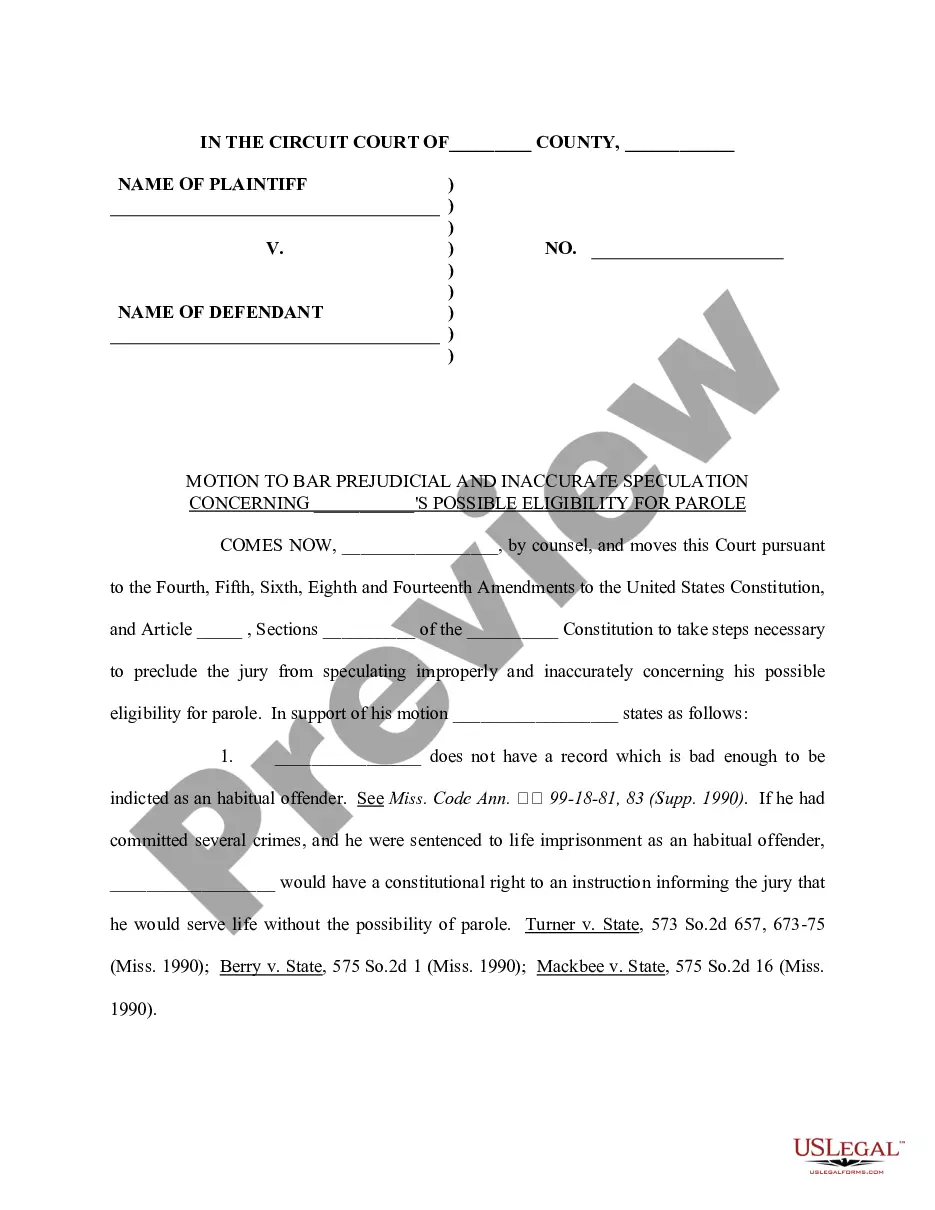
Vermont Motion to Bar Introduction of Any Evidence Relating to Prior Convictions or Bad Acts
Description
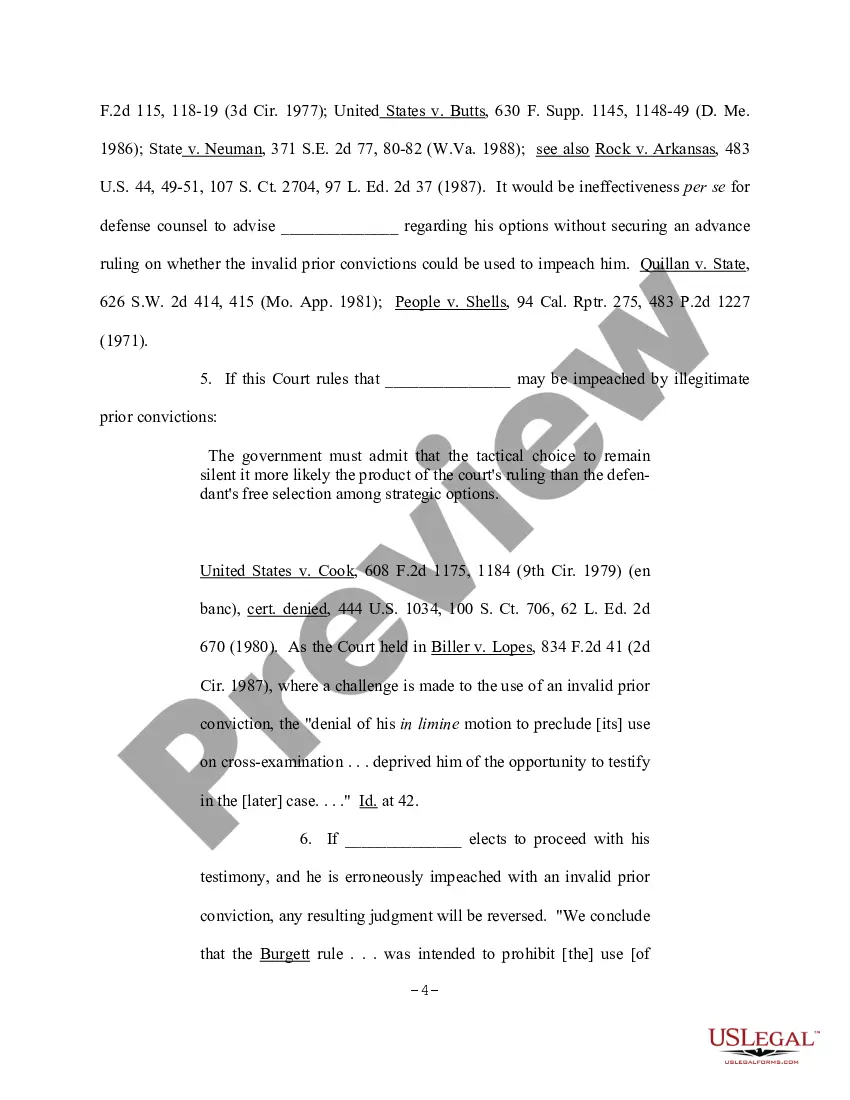
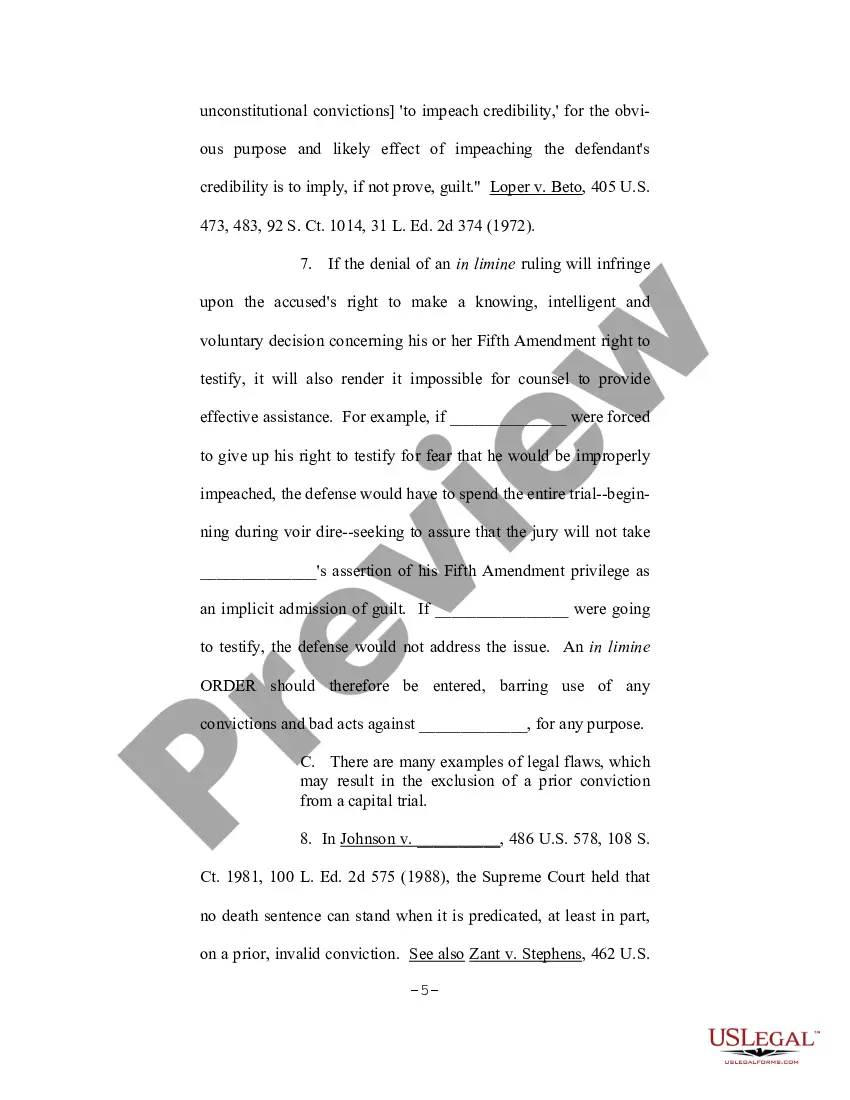
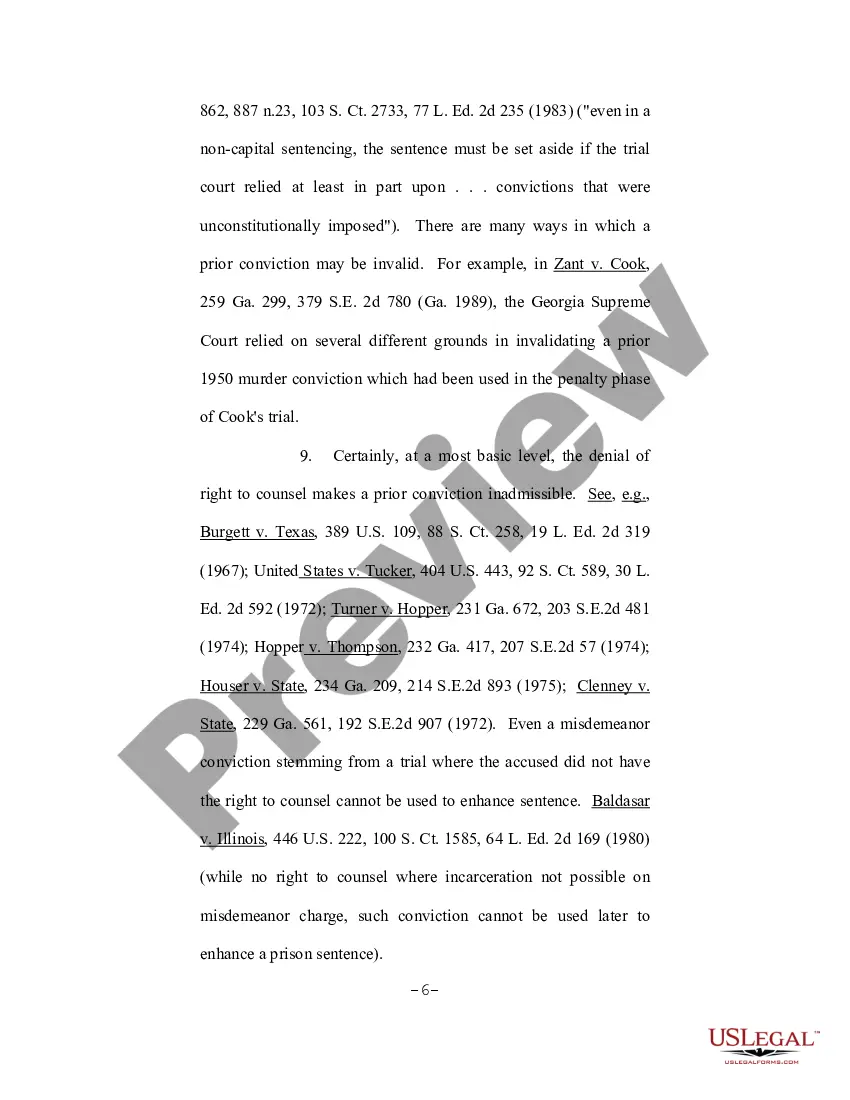
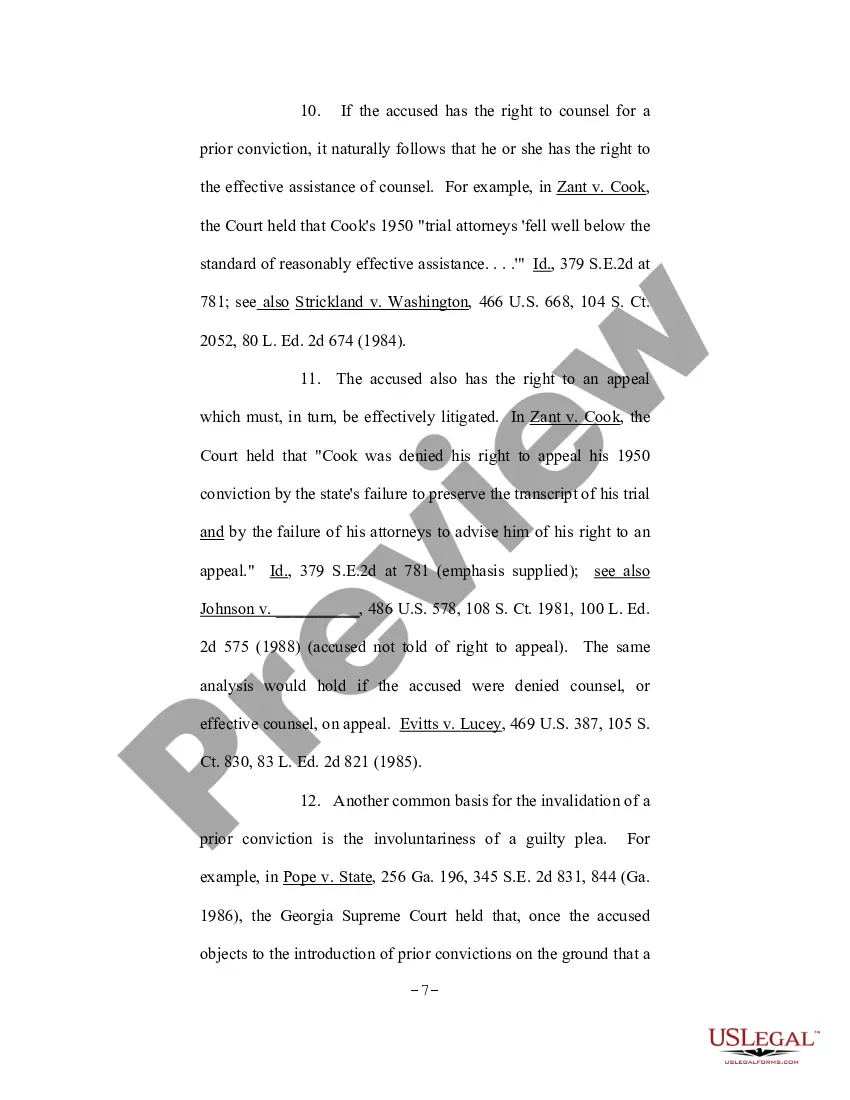

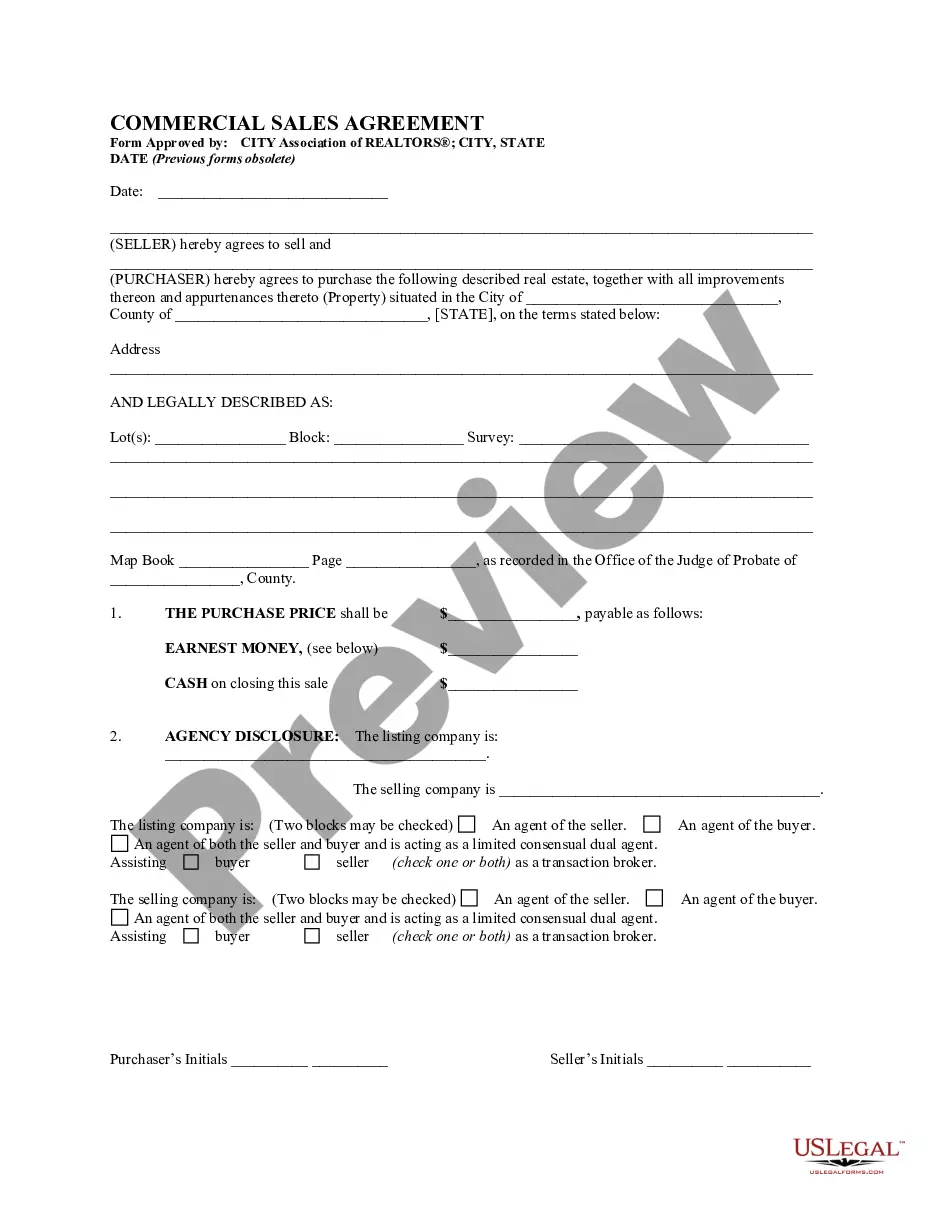
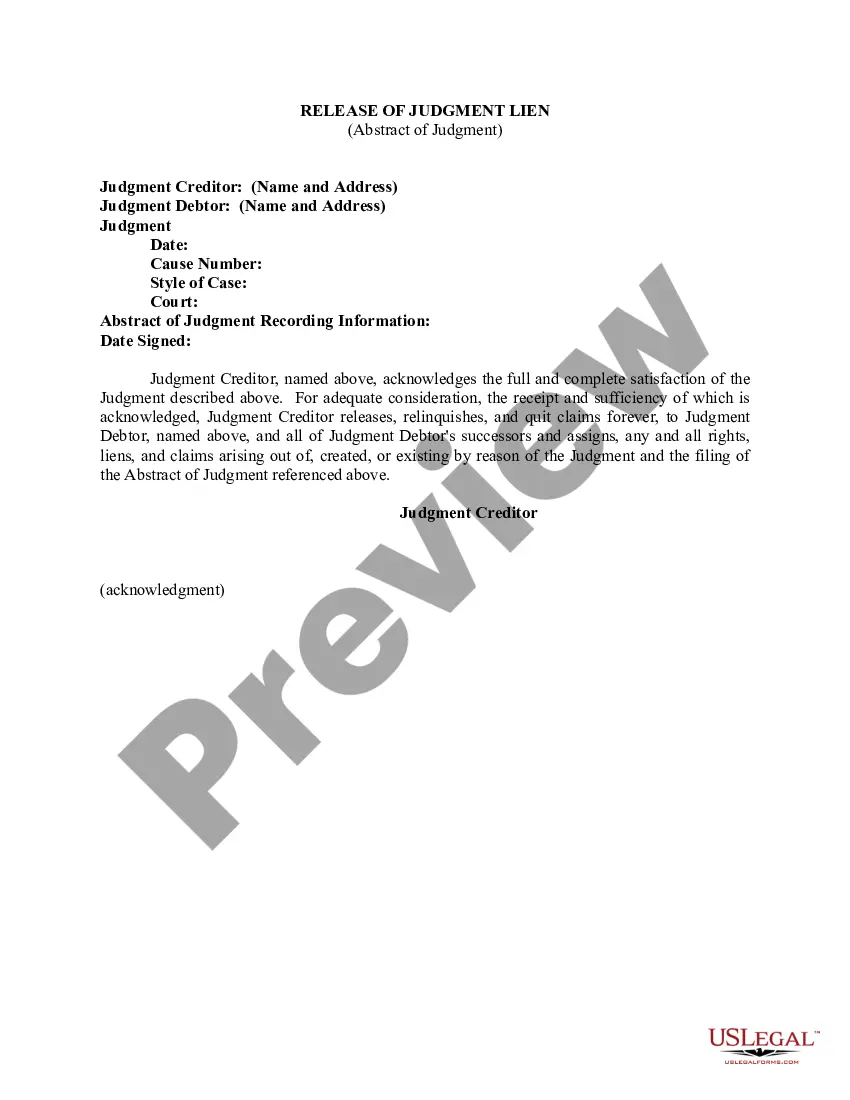
How to fill out Motion To Bar Introduction Of Any Evidence Relating To Prior Convictions Or Bad Acts?
US Legal Forms - one of the most prominent repositories of legal documents in the United States - offers a selection of legal document templates that you can download or print. By utilizing the website, you can access thousands of forms for business and personal purposes, organized by categories, states, or keywords. You can find the latest versions of forms such as the Vermont Motion to Bar Introduction of Any Evidence Relating to Prior Convictions or Bad Acts in just minutes.
If you already have a subscription, Log In and download the Vermont Motion to Bar Introduction of Any Evidence Relating to Prior Convictions or Bad Acts from the US Legal Forms library. The Download button will appear on every form you encounter. You have access to all previously acquired forms in the My documents section of your account.
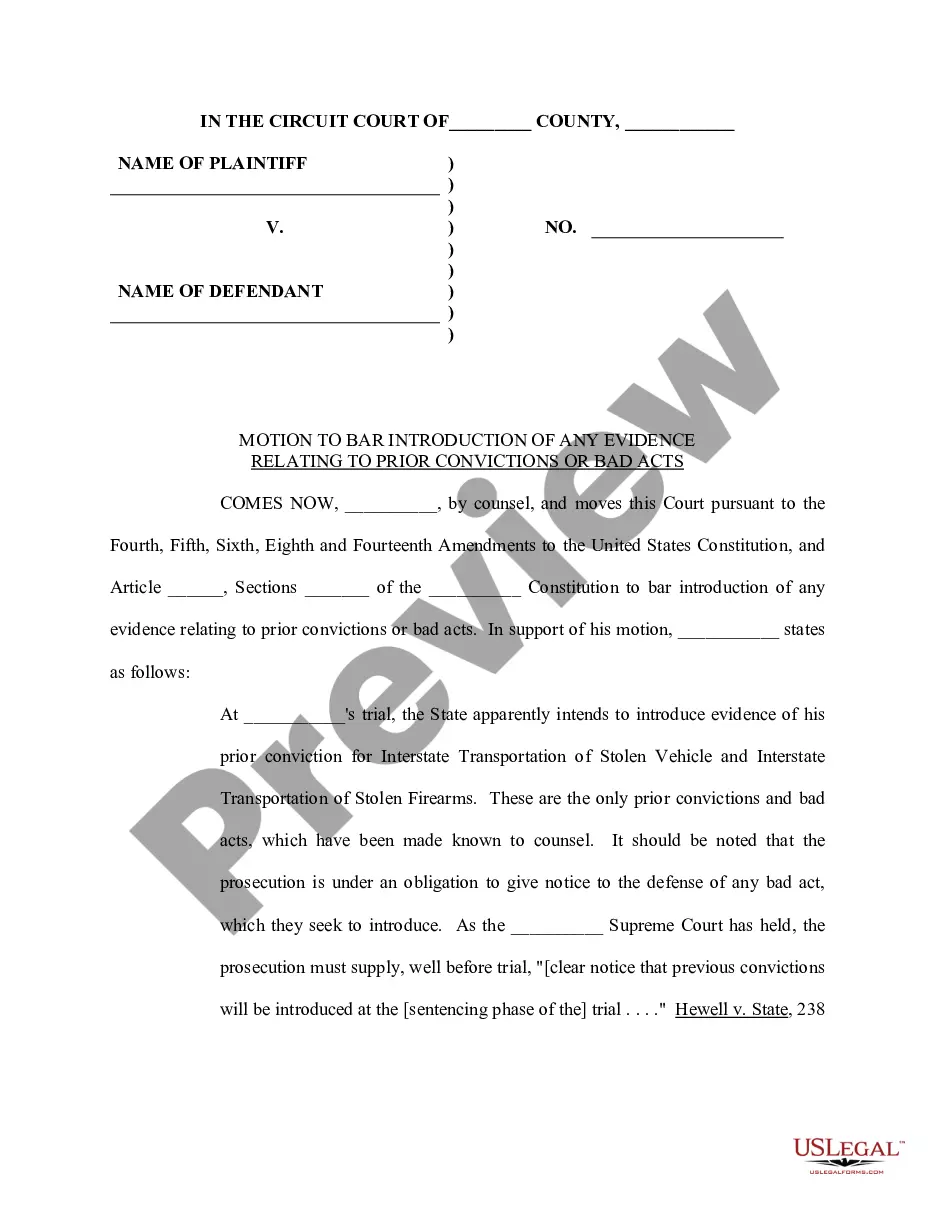
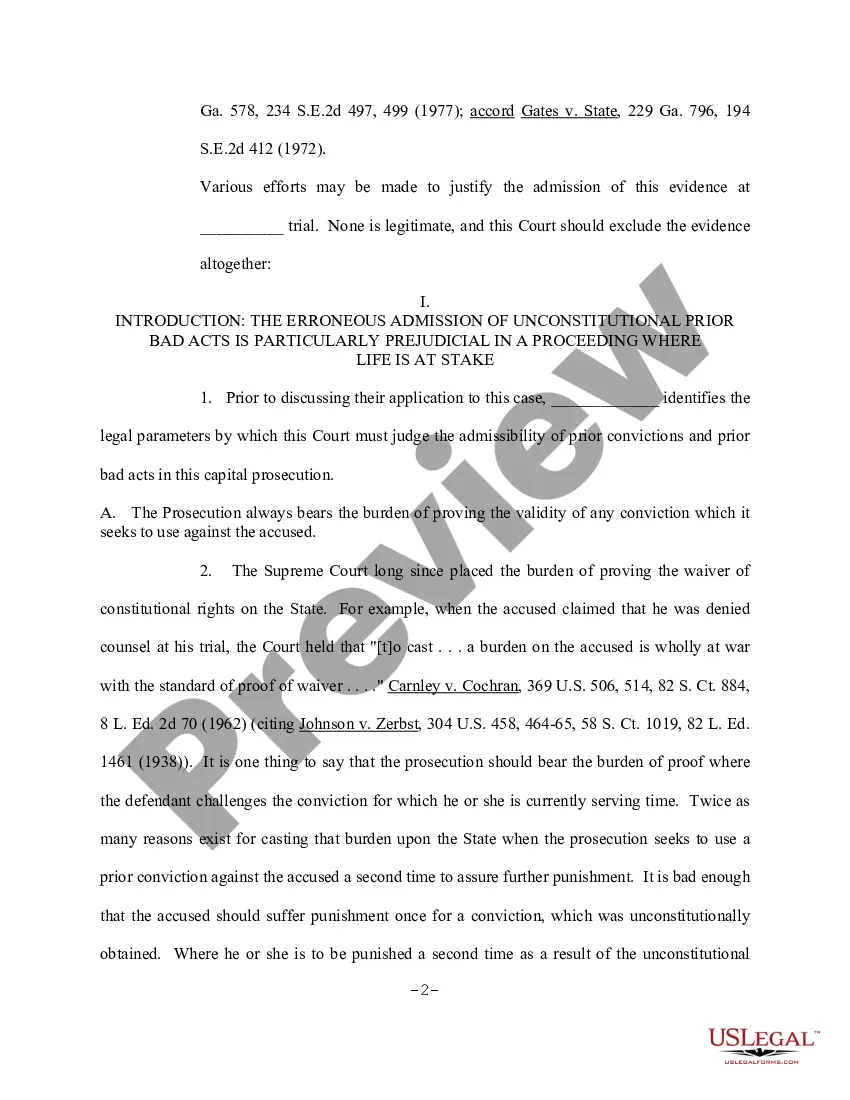
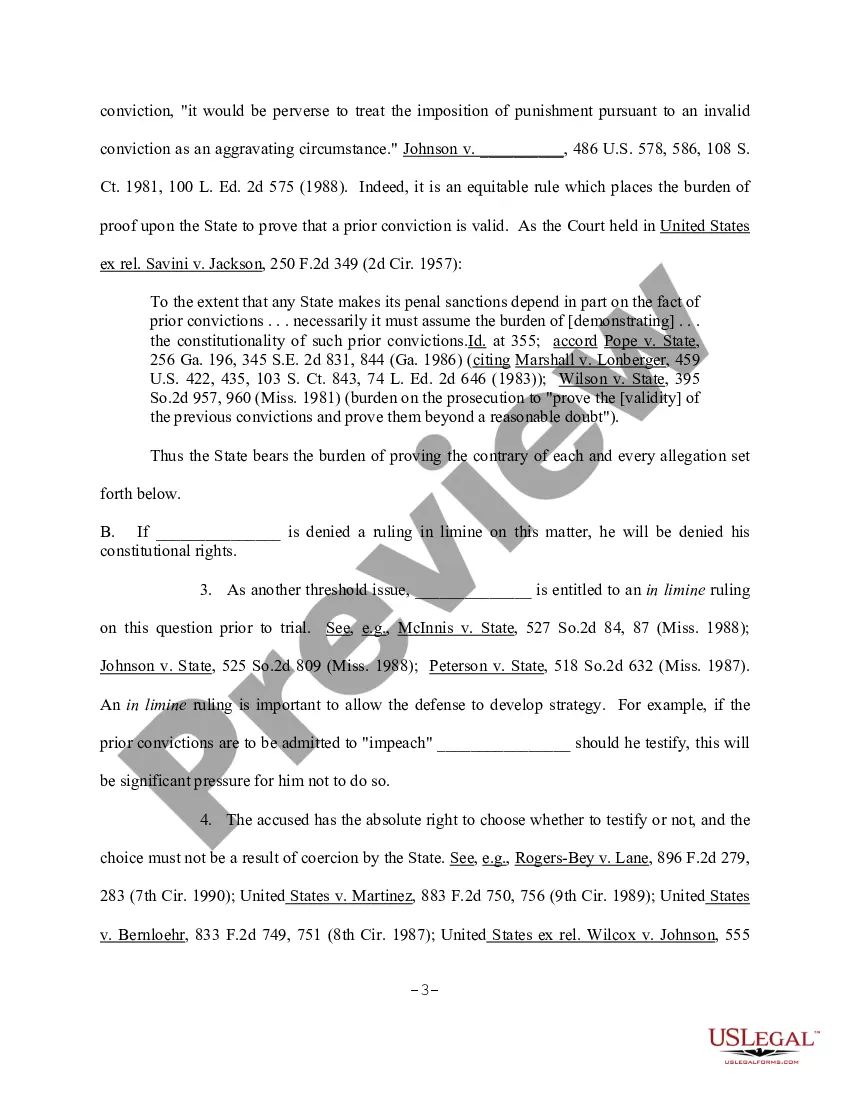
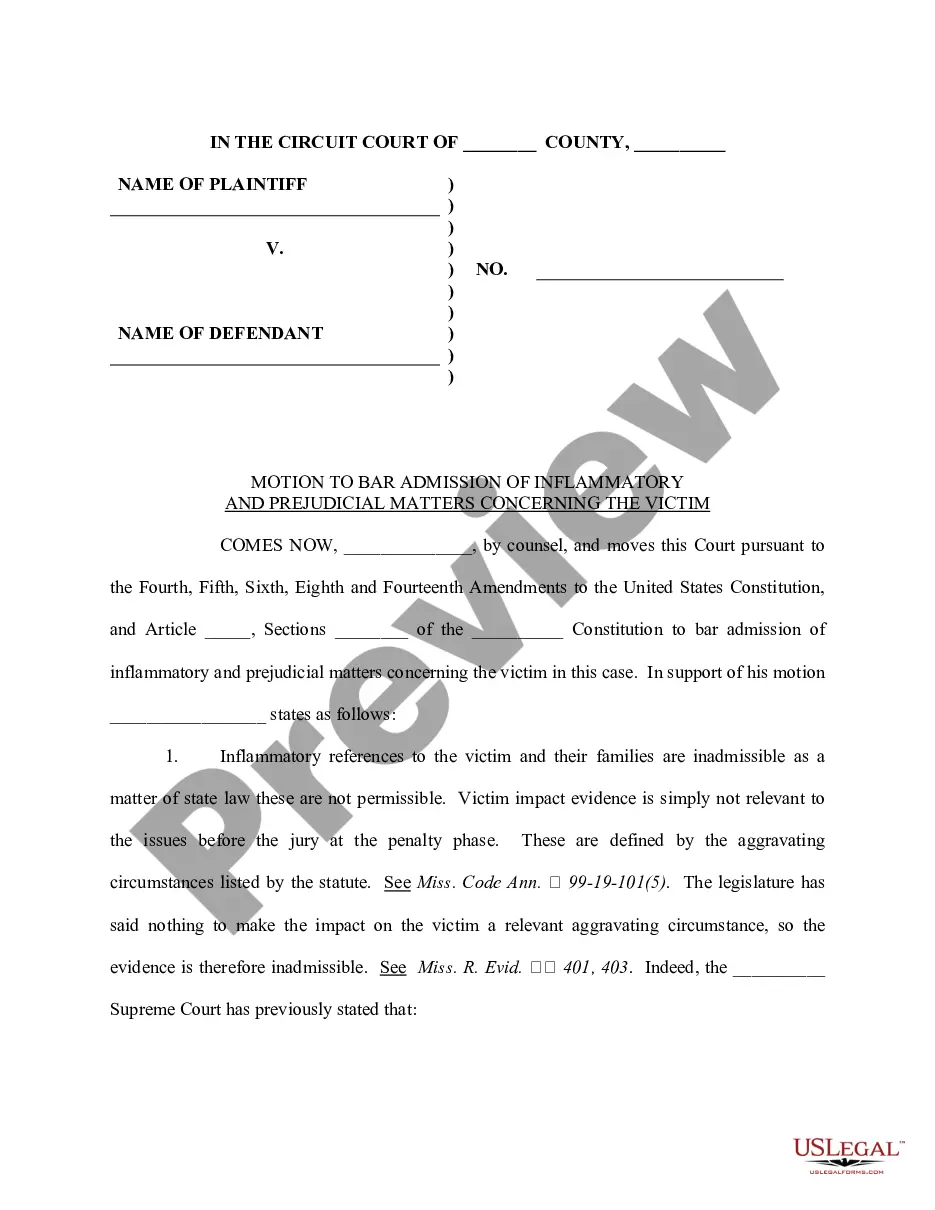
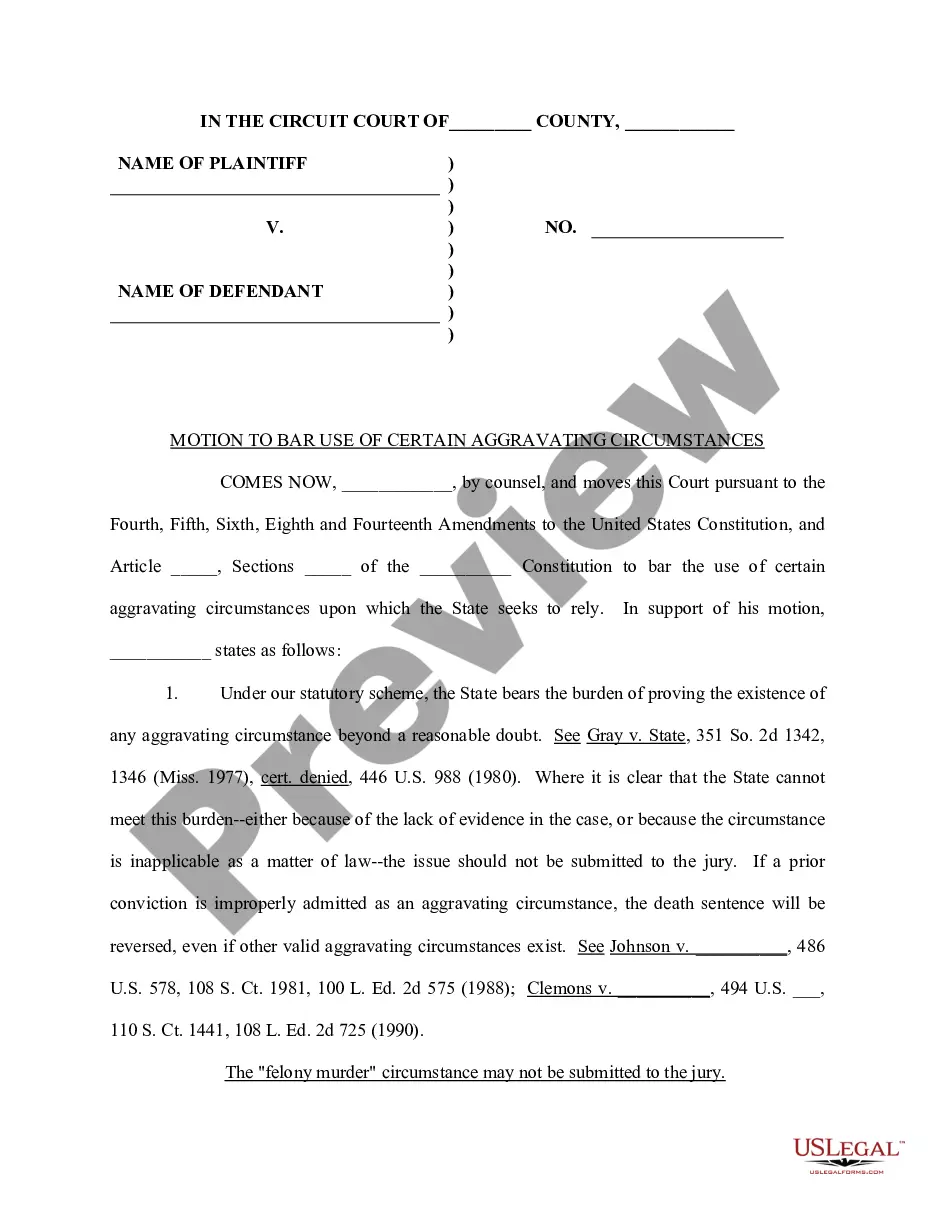
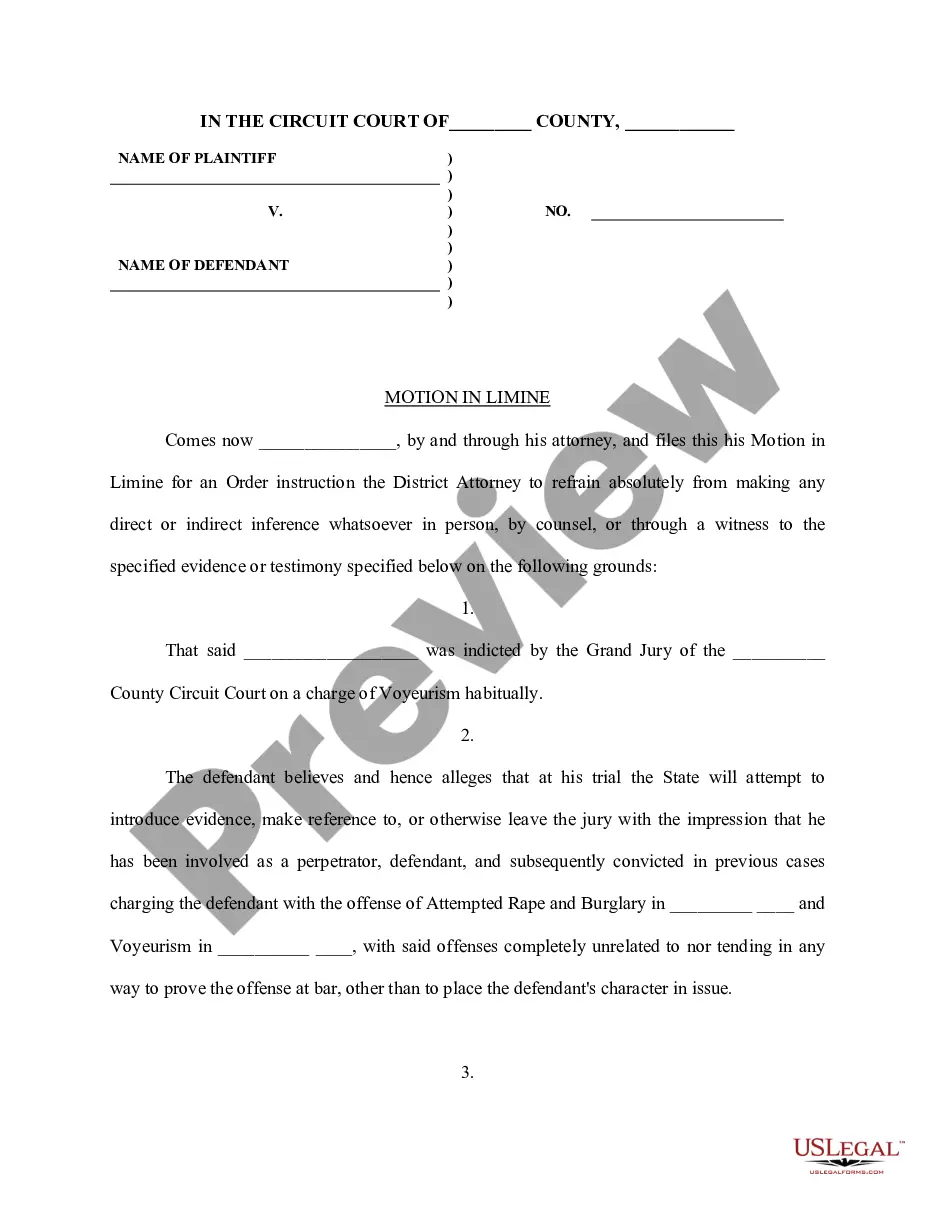
If you want to use US Legal Forms for the first time, here are simple instructions to get started: Make sure you have selected the correct form for your city/state. Click the Preview button to review the form's content. Check the form description to ensure you have chosen the right form. If the form does not meet your requirements, utilize the Search field at the top of the screen to find one that does. If you are satisfied with the form, confirm your selection by clicking the Purchase now button. Then, select the pricing plan you prefer and provide your details to create an account. Complete the transaction. Use your credit card or PayPal account to finalize the transaction. Choose the format and download the form to your device. Edit. Fill out, modify, and print and sign the downloaded Vermont Motion to Bar Introduction of Any Evidence Relating to Prior Convictions or Bad Acts. Every template you added to your account has no expiration date and is yours indefinitely. Therefore, if you wish to download or print another copy, simply go to the My documents section and click on the form you desire.
- Gain access to the Vermont Motion to Bar Introduction of Any Evidence Relating to Prior Convictions or Bad Acts with US Legal Forms, the most extensive collection of legal document templates.
- Utilize thousands of professional and state-specific templates that cater to your business or personal requirements.
Form popularity
FAQ
Relevance and Materiality: The basic rule of evidence which forms the starting point for all else is, ?all evidence relevant to a fact in issue is admissible unless there is a legal reason for excluding it?. Procedure]. [Stewart].
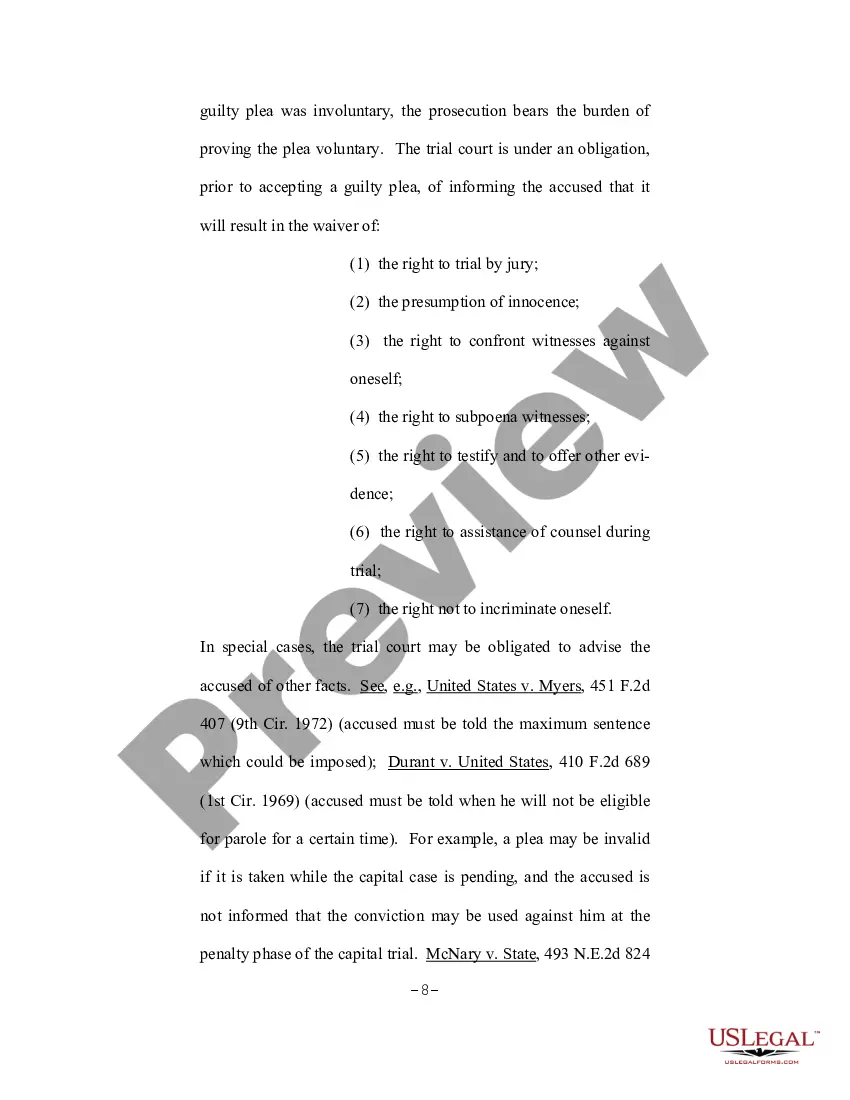
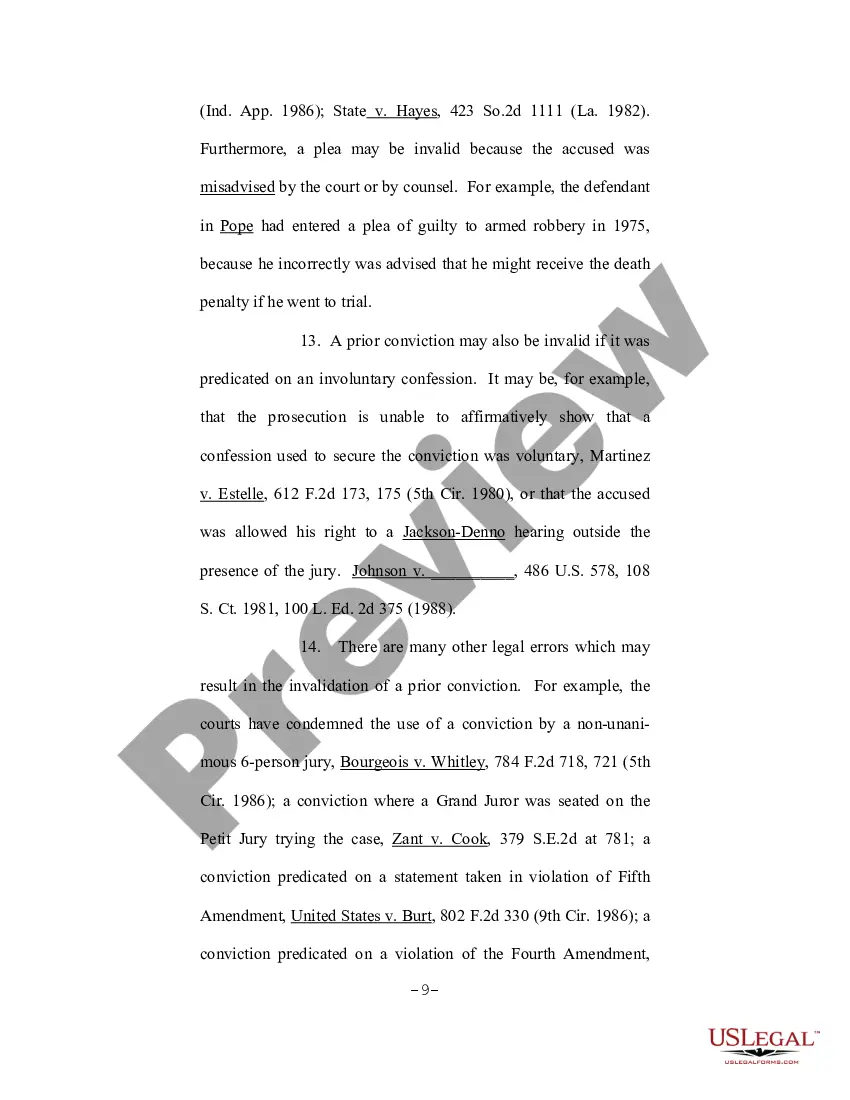
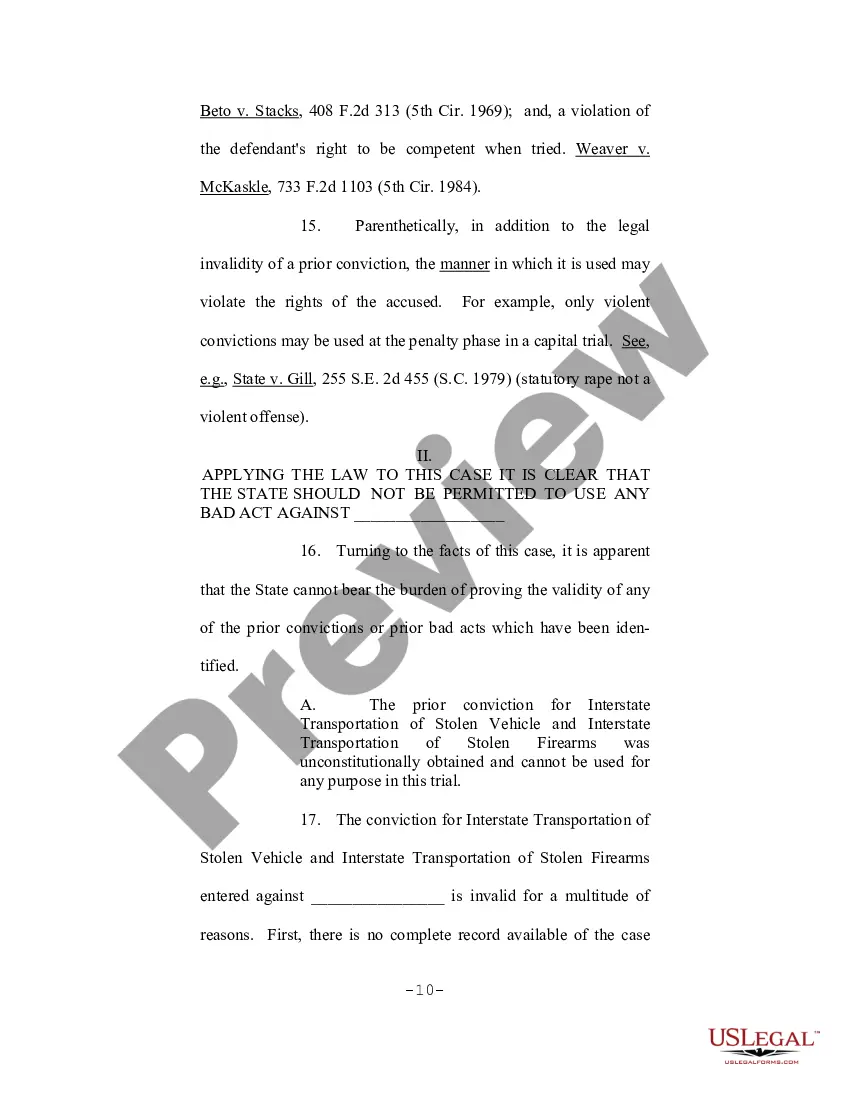
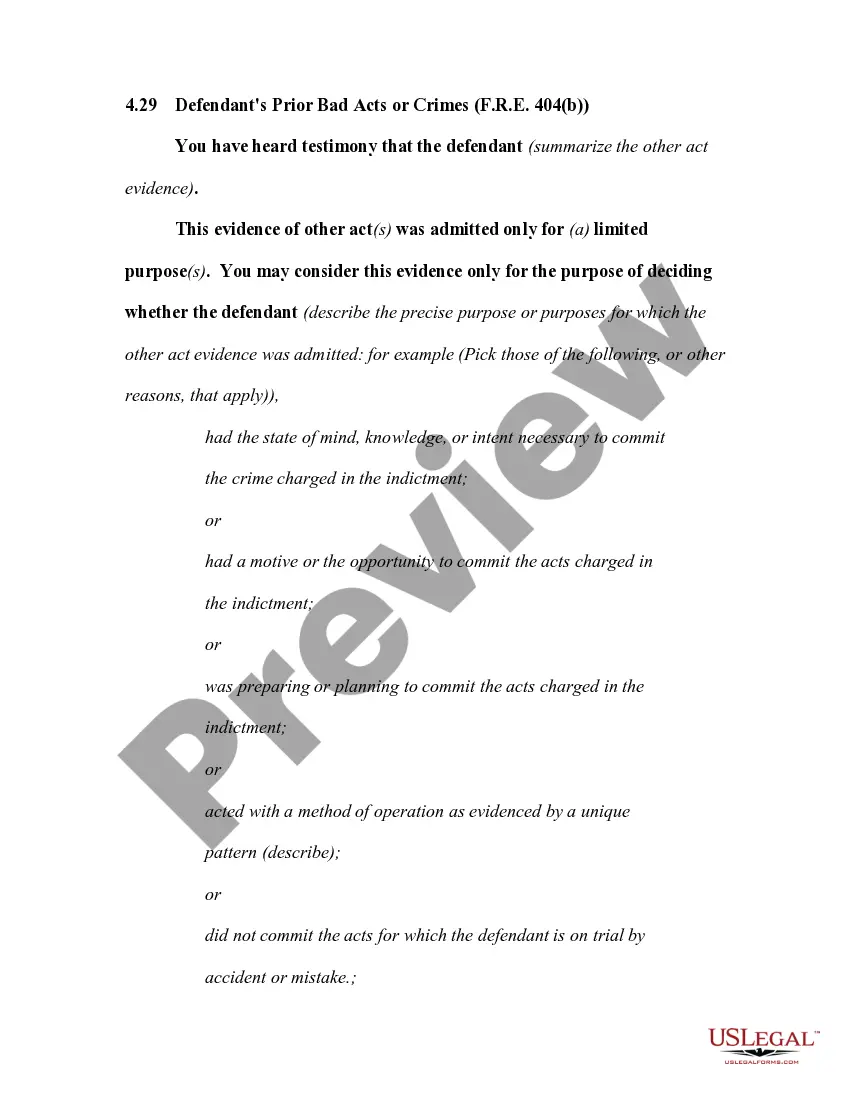
Federal Rule of Evidence 404(b) provides that prior act evidence ?is not admissible to prove the character of a person in order to show action in conformity therewith.? Evidence of prior bad acts usually cannot be admitted at trial to show the defendant's propensity to commit crimes similar to the offense in question.
Bad character evidence is anything that would show the conduct of the accused, beyond what is in the charges, that would be "seen with disapproval by a reasonable person." The Crown is presumptively prohibited from adducing general evidence of extrinsic misconduct (ie. "bad character") of the accused.
Rule 26 - Evidence [Effective October 2, 2023] (a) Form. In all trials the testimony of witnesses shall be taken orally in open court, unless otherwise provided by these rules, the Vermont Rules of Evidence, or other rules adopted by the Supreme Court. (b) Examination of Witnesses.
In court proceedings, there are four criteria expert evidence must satisfy in order to be admissible: it is relevant, it is necessary, it does not trigger any exclusionary rules, and it is provided by a properly-qualified expert.
Rule 609 of the Federal Rules of Evidence deals with the impeachment of a witness by evidence that the witness has been previously convicted of a crime.
At the request of a party the court shall order witnesses excluded so that they cannot hear the testimony of other witnesses, and it may make the order of its own motion; after a witness' testimony has been completed, however, the witness may remain within the courtroom, even if the witness subsequently may be called ...
Under Vermont Rule of Evidence 404(b), evidence concerning a defendant's prior crimes or wrongs is not admissible to prove the defendant possesses a certain character or propensity and ?acted in conformity therewith.? V.R.E. 404(b); State v. Cardinal, 155 Vt.