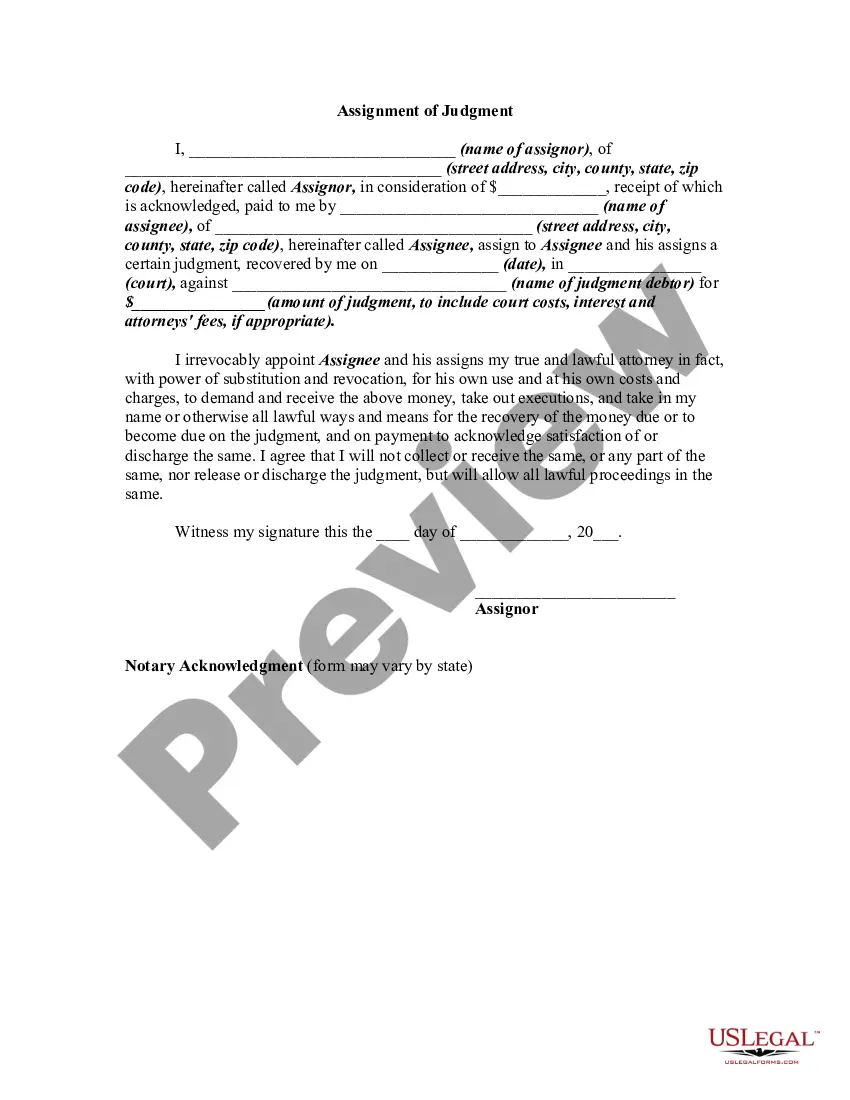
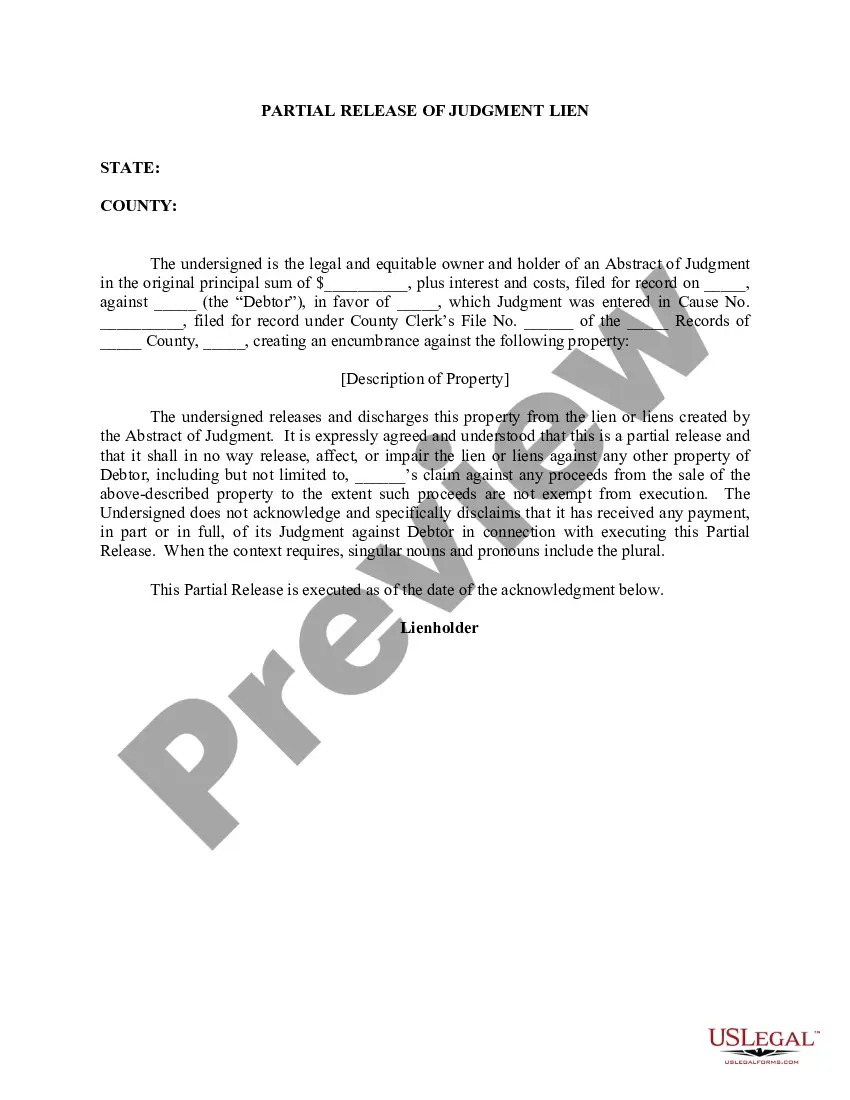
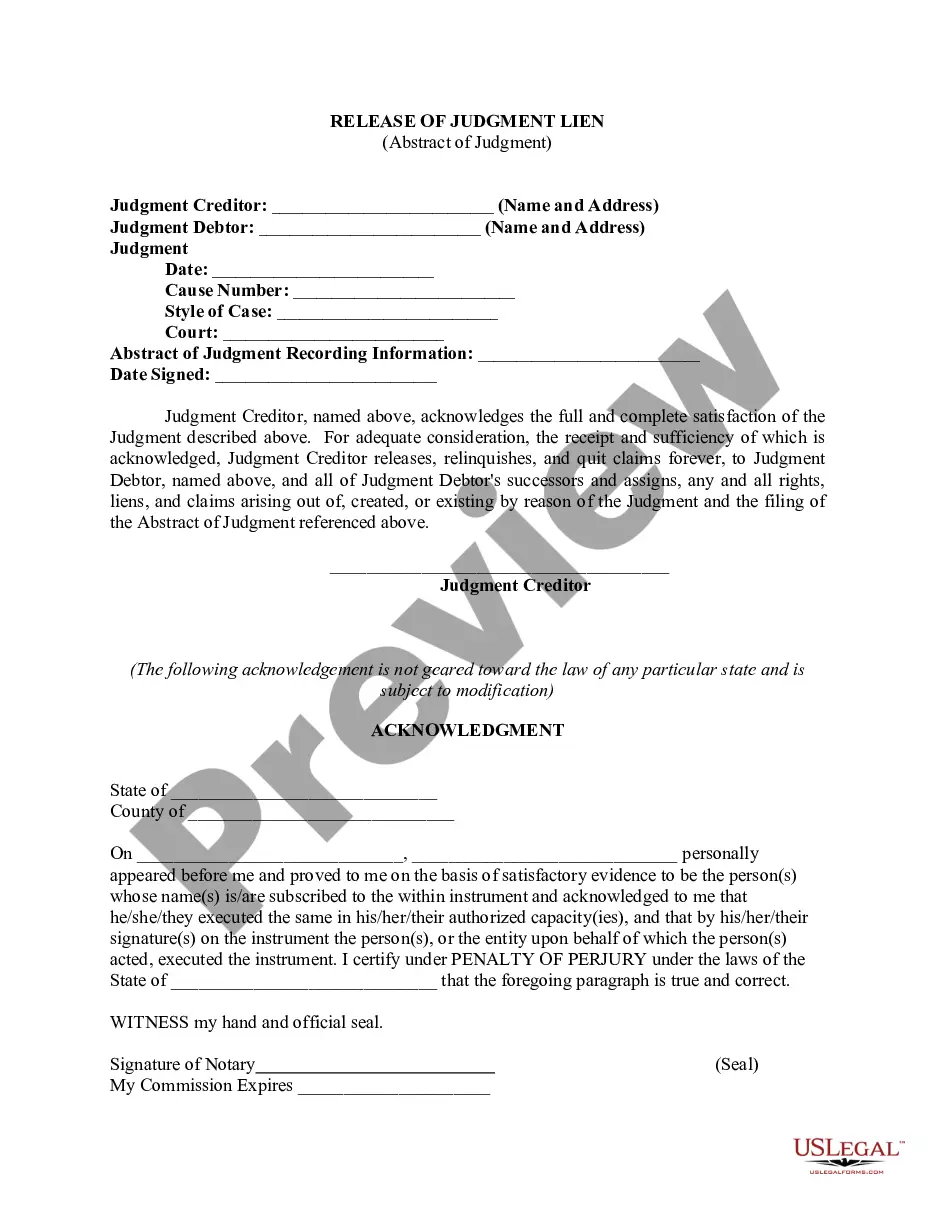
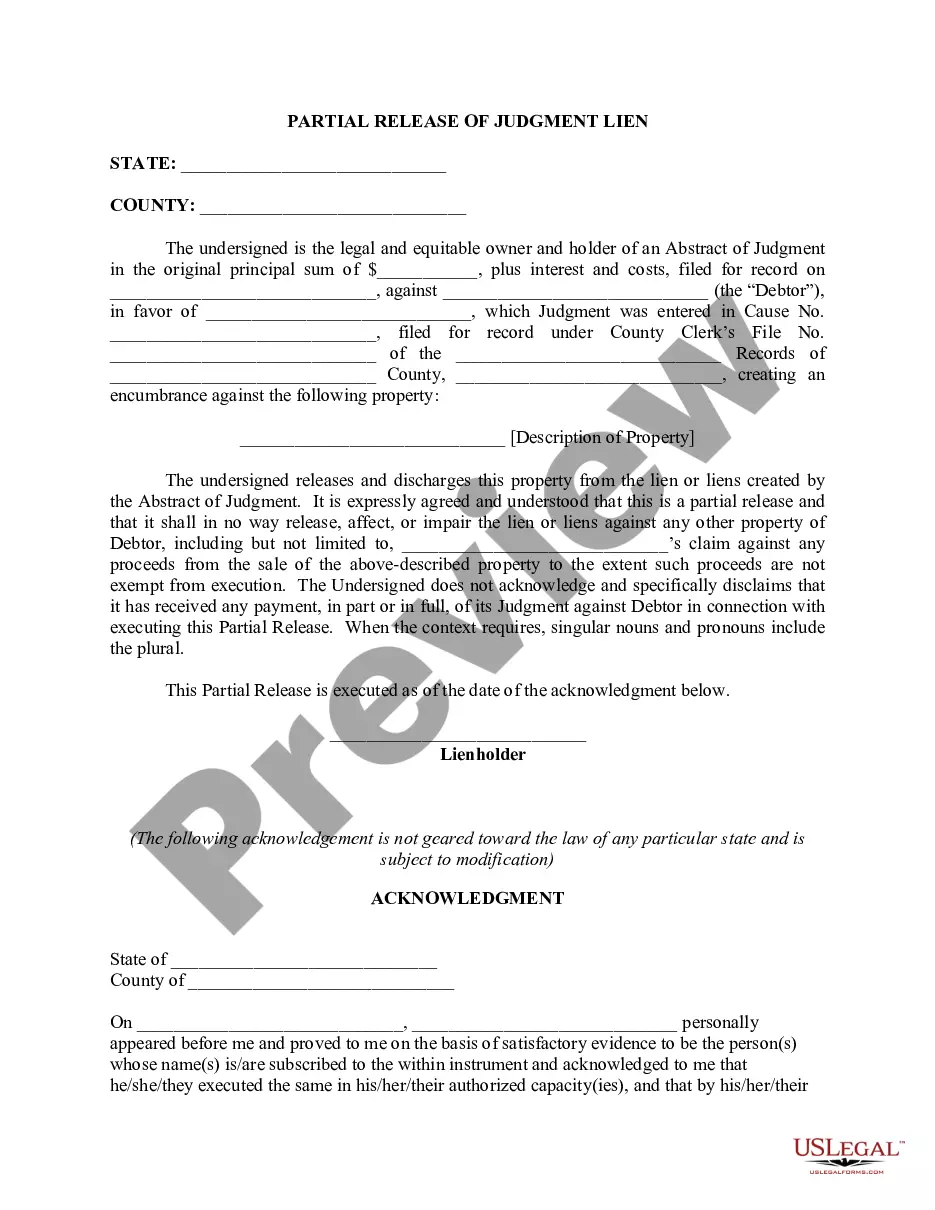
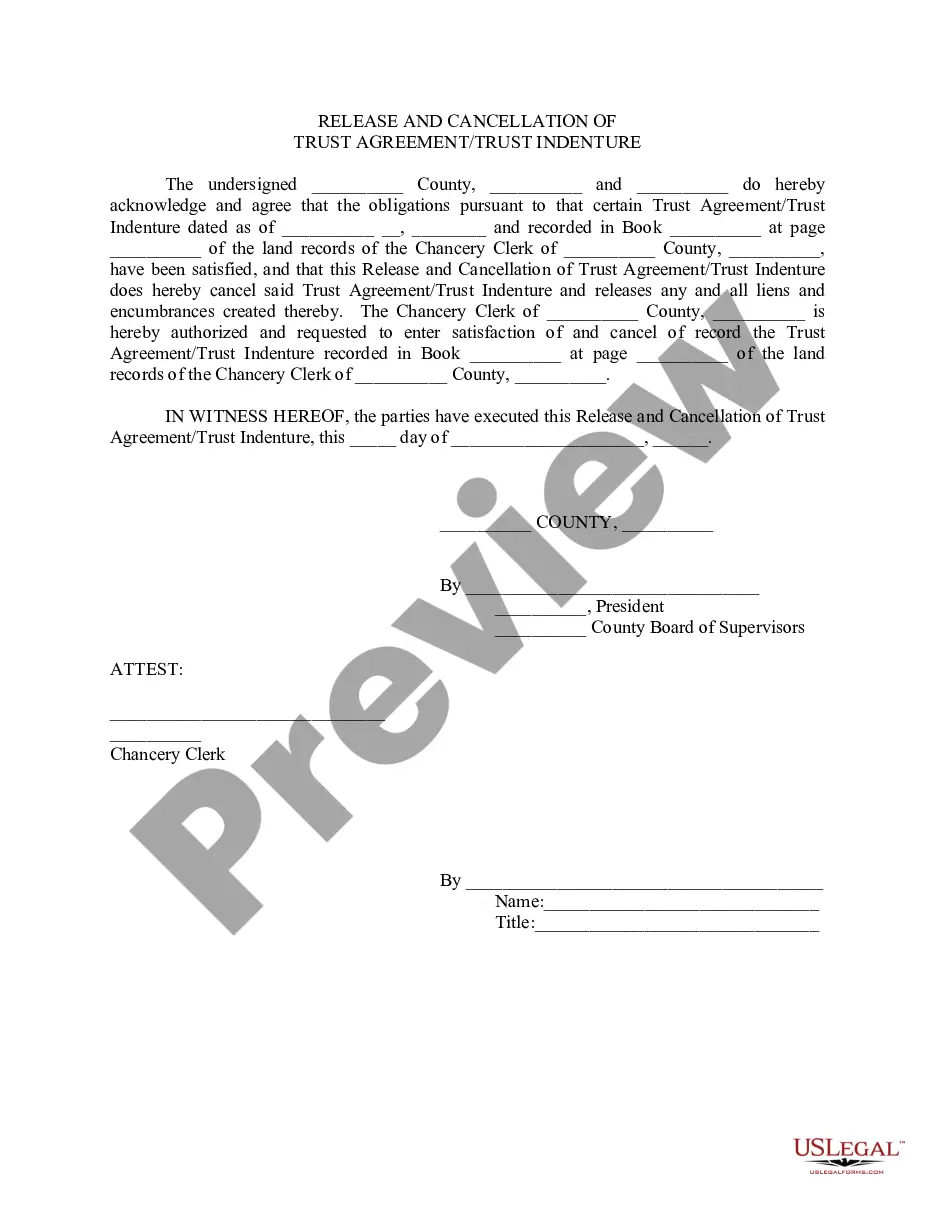
Vermont Assignment of Judgment
Description
Get your form ready online
Our built-in tools help you complete, sign, share, and store your documents in one place.
Make edits, fill in missing information, and update formatting in US Legal Forms—just like you would in MS Word.
Download a copy, print it, send it by email, or mail it via USPS—whatever works best for your next step.
Sign and collect signatures with our SignNow integration. Send to multiple recipients, set reminders, and more. Go Premium to unlock E-Sign.
If this form requires notarization, complete it online through a secure video call—no need to meet a notary in person or wait for an appointment.
We protect your documents and personal data by following strict security and privacy standards.

Make edits, fill in missing information, and update formatting in US Legal Forms—just like you would in MS Word.

Download a copy, print it, send it by email, or mail it via USPS—whatever works best for your next step.

Sign and collect signatures with our SignNow integration. Send to multiple recipients, set reminders, and more. Go Premium to unlock E-Sign.

If this form requires notarization, complete it online through a secure video call—no need to meet a notary in person or wait for an appointment.

We protect your documents and personal data by following strict security and privacy standards.
Looking for another form?




How to fill out Assignment Of Judgment?
If you desire to be thorough, acquire, or reproduce legal document templates, utilize US Legal Forms, the largest assortment of legal forms available online.
Employ the website's simple and convenient search feature to locate the documents you require.
A range of templates for business and individual purposes are organized by categories and jurisdictions, or keywords.
Step 4. Once you have found the form you need, click the Get now button. Choose your preferred pricing plan and enter your details to register for an account.
Step 5. Process the transaction. You can use your credit card or PayPal account to complete the purchase.
- Utilize US Legal Forms to find the Vermont Assignment of Judgment in just a few clicks.
- If you are currently a US Legal Forms user, sign in to your account and click the Download button to obtain the Vermont Assignment of Judgment.
- You can also access forms you previously downloaded in the My documents section of your account.
- If this is your first time using US Legal Forms, follow the steps outlined below.
- Step 1. Ensure you have selected the form for the correct city/state.
- Step 2. Use the Review option to examine the content of the form. Be sure to read the description.
- Step 3. If you are not satisfied with the form, use the Search field at the top of the screen to find alternative versions of the legal form template.
Form popularity
FAQ
Chapter 113 : Judgment Lien (c) Interest on a judgment lien shall accrue at the rate of 12 percent per annum. (d) If a judgment lien is not satisfied within 30 days of recording, it may be foreclosed and redeemed as provided in this title and V.R.C.P.
Vermont's Statute of Limitations on Debt The State of Vermont has a six-to-eight-year statute of limitations on written contracts, while oral contracts and collection of debt on accounts each have a six year statute of limitations. Judgements carry an eight-year statute of limitations.
Continue means to postpone or reschedule. The motion should be filed well ahead of the scheduled court date. In your motion, you must explain why you are asking to reschedule. You must also say whether the other party agrees with your request to continue.
Bring the certified copy to the town office in the town in Vermont where the defendant owns property. Ask them to file it with the land records. The town will charge you a fee for this. Now, when the defendant sells or transfers the property to someone else, they must pay your judgment.
Vermont's 6-year statute of limitations period applies to bribery, embezzlement, forgery, fraud, and felony tax charges. Most other felonies and misdemeanors carry a 3-year statute of limitations. Individual crimes may have their own statute of limitations period.
If the debtor owns land or buildings in Vermont, you may record a judgment lien against their property any time within eight years of the date the judgment becomes final. If you want to continue the judgment lien beyond that time, you must ask the court to renew the judgment before the end of the eight years.
The Vermont Judiciary consists of an appellate court which is the Supreme Court. It also has a trial court known as the Vermont Superior Court. There are 14 units of the Superior Court, one corresponding to each county. The Superior Court has five divisions: civil, criminal, environmental, family, and probate.
You may record a judgment lien against the defendant's property any time within eight years of the date the judgment becomes final. If you want to continue the judgment lien beyond that time, you have to renew it before the end of the eight years.