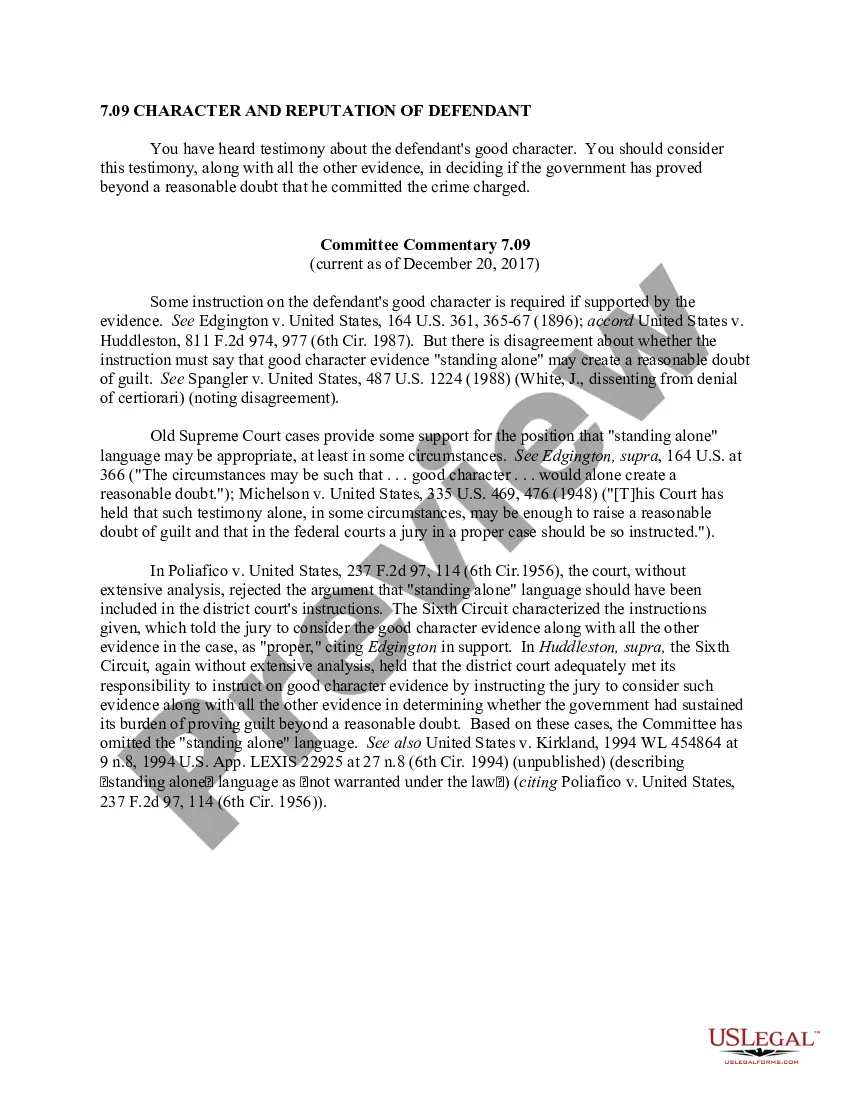
Vermont Marital Domestic Separation and Property Settlement Agreement Minor Children Parties May have Joint Property or Debts where Divorce Action Filed
What this document covers
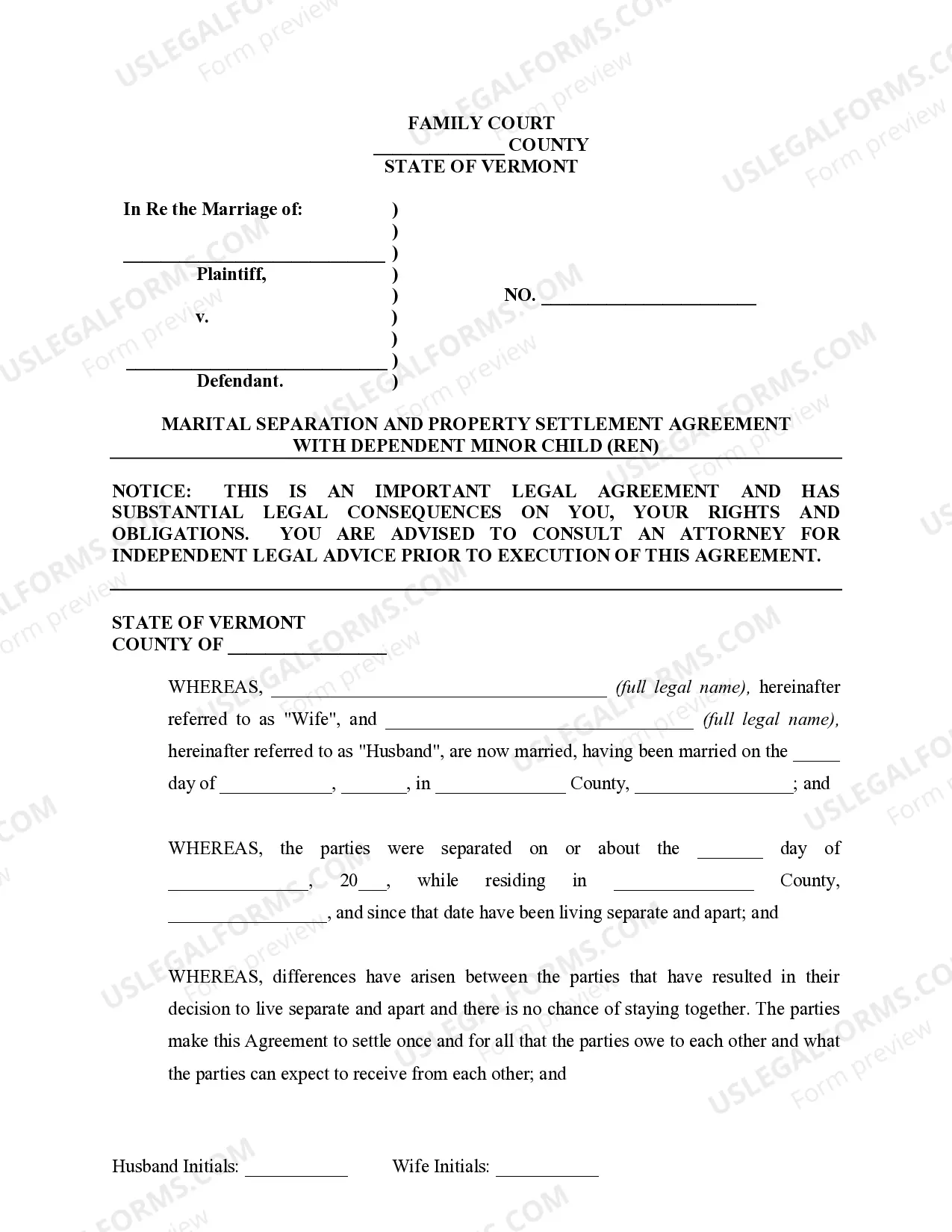
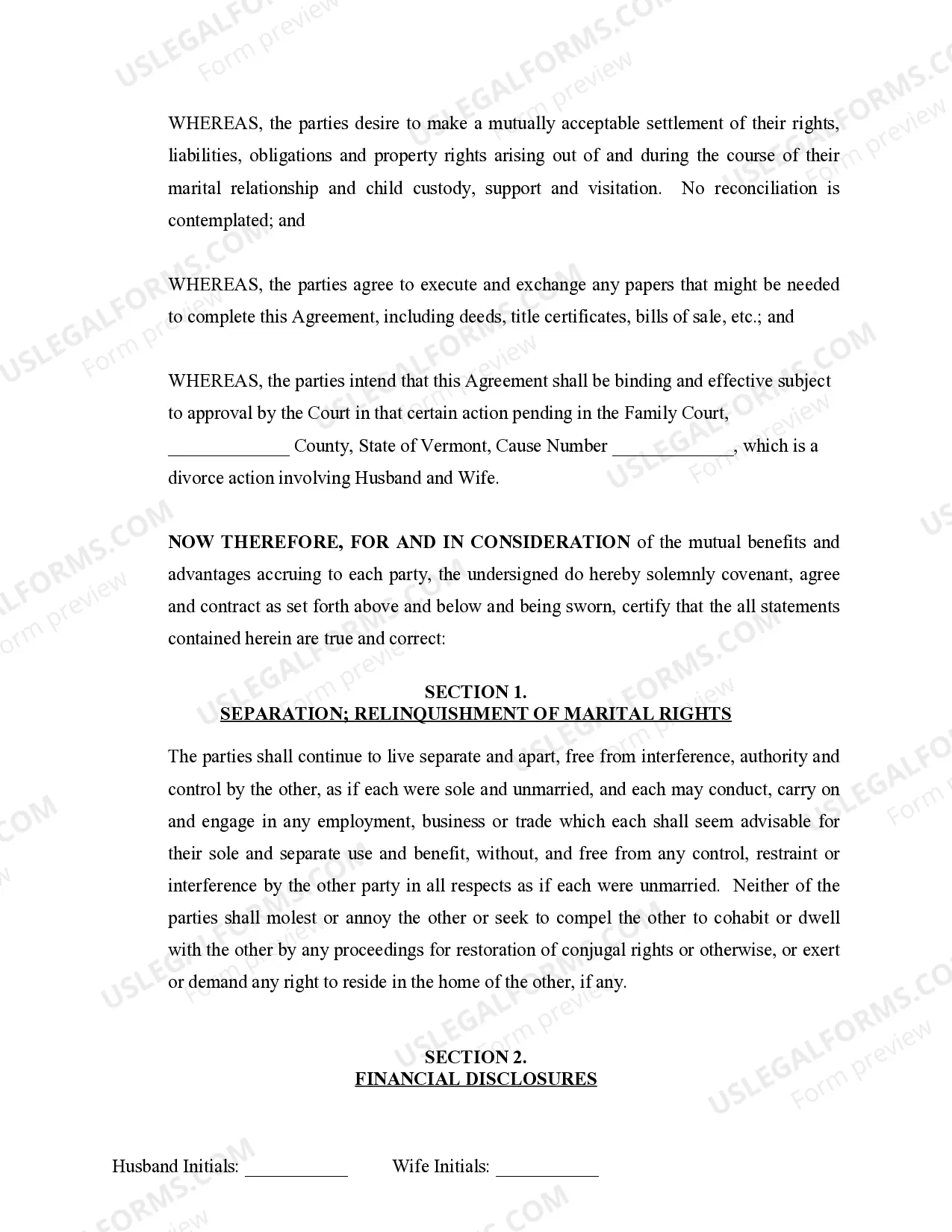
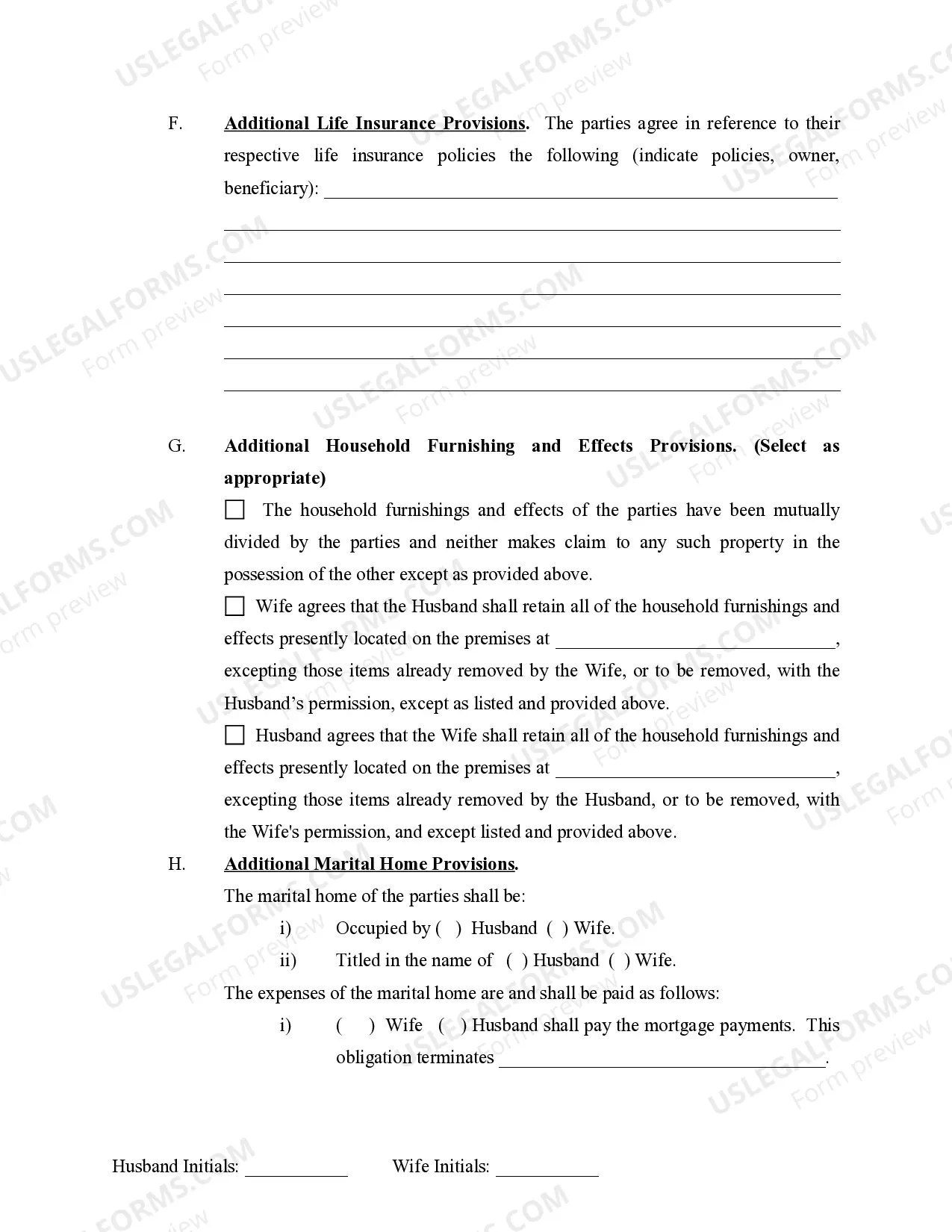
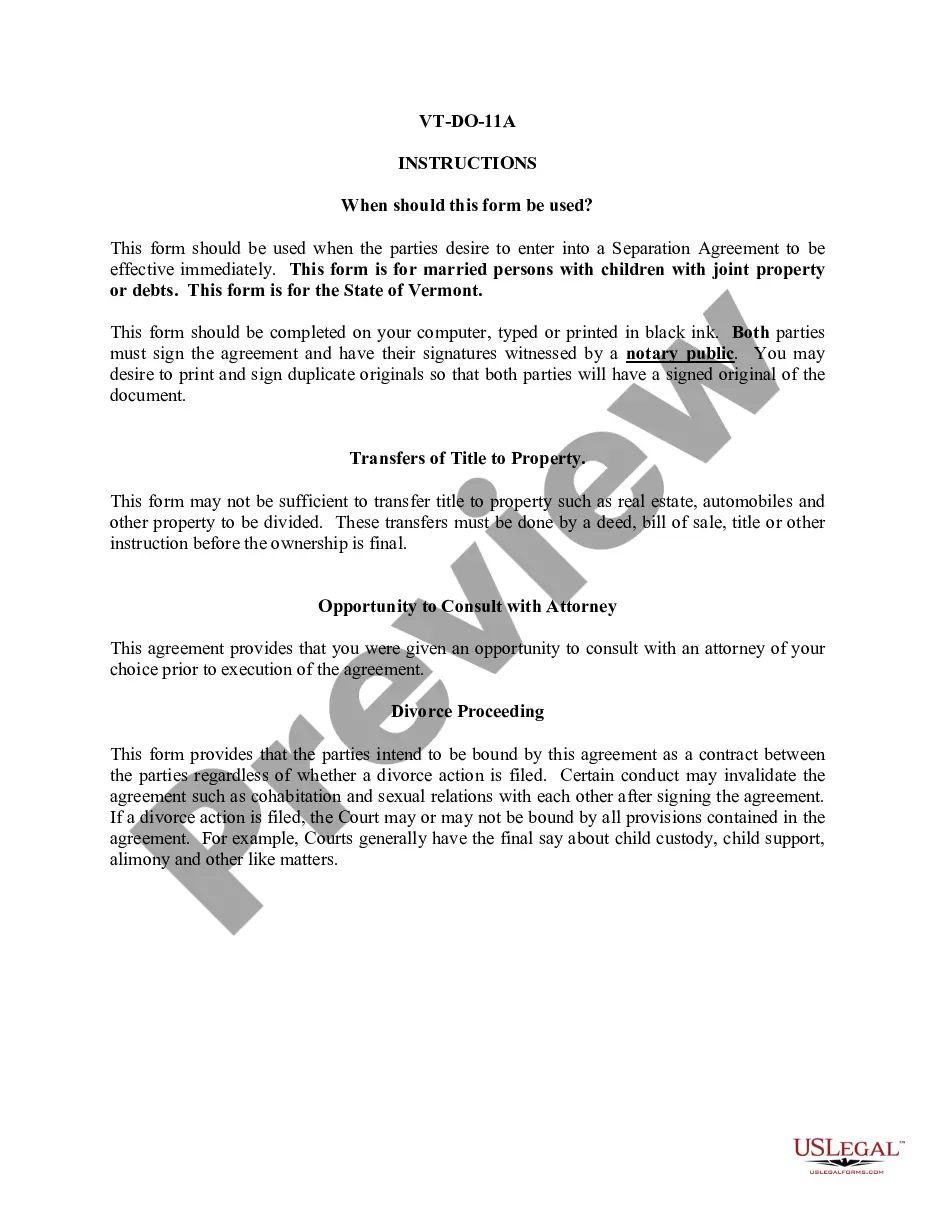
This Marital Domestic Separation and Property Settlement Agreement is a legal document tailored for couples with minor children who have joint property and/or debts. This form addresses all issues arising during a pending divorce action, such as asset division, custody arrangements, visitation rights, and child support. Unlike other separation agreements, this comprehensive document is specifically designed to meet the legal requirements in Vermont, ensuring both parties' interests and responsibilities are thoroughly outlined and approved by the court.
Form components explained
- Identification of both parties, including full legal names and their marital history.
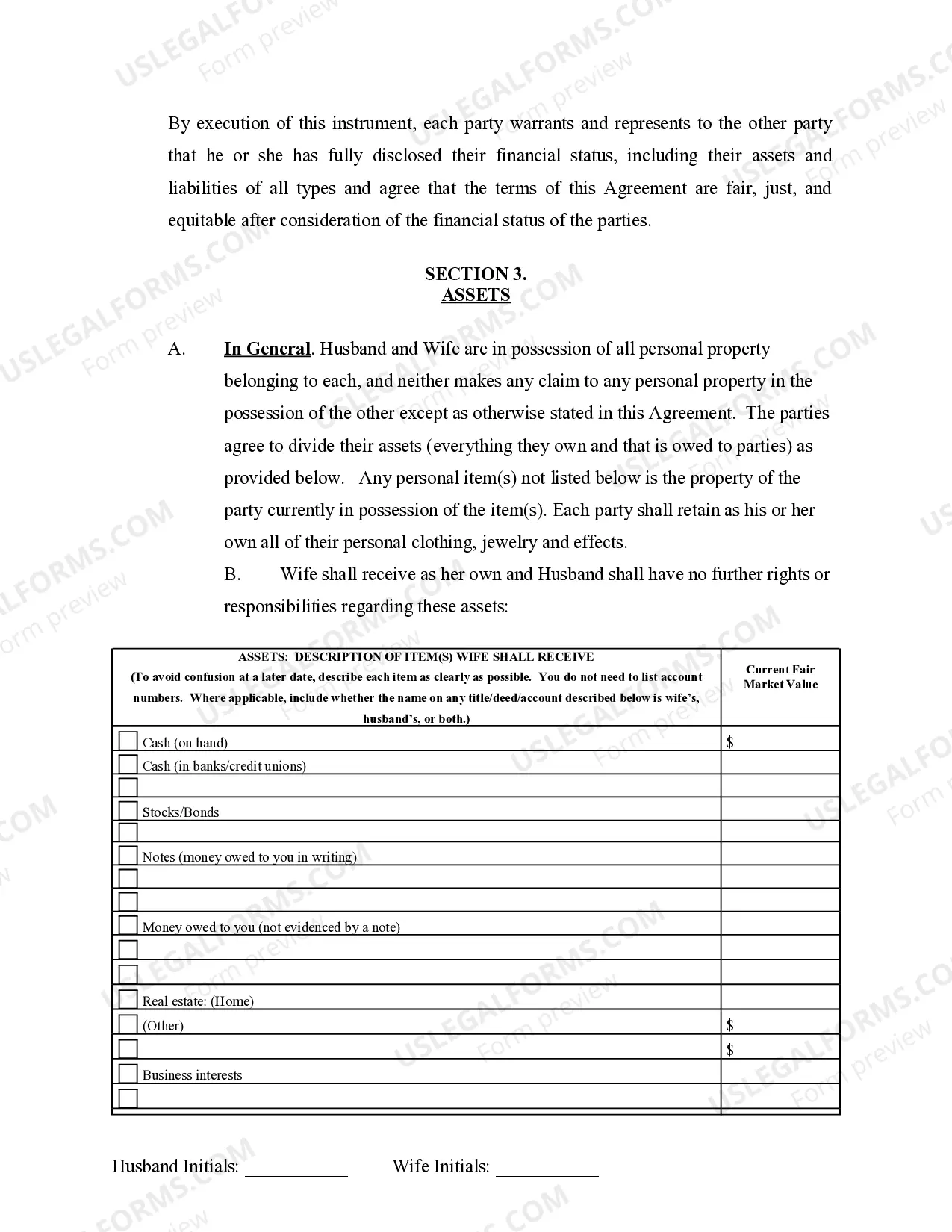
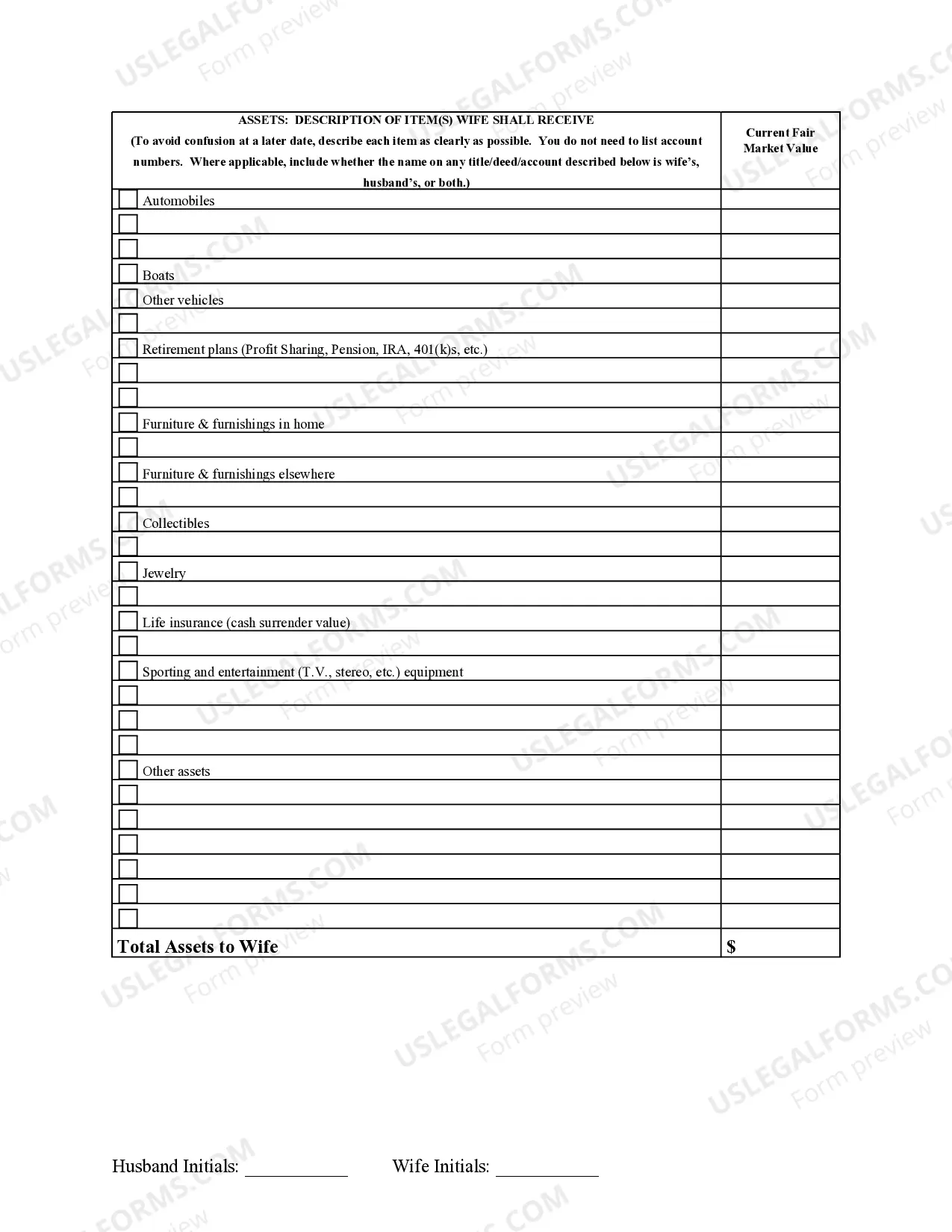
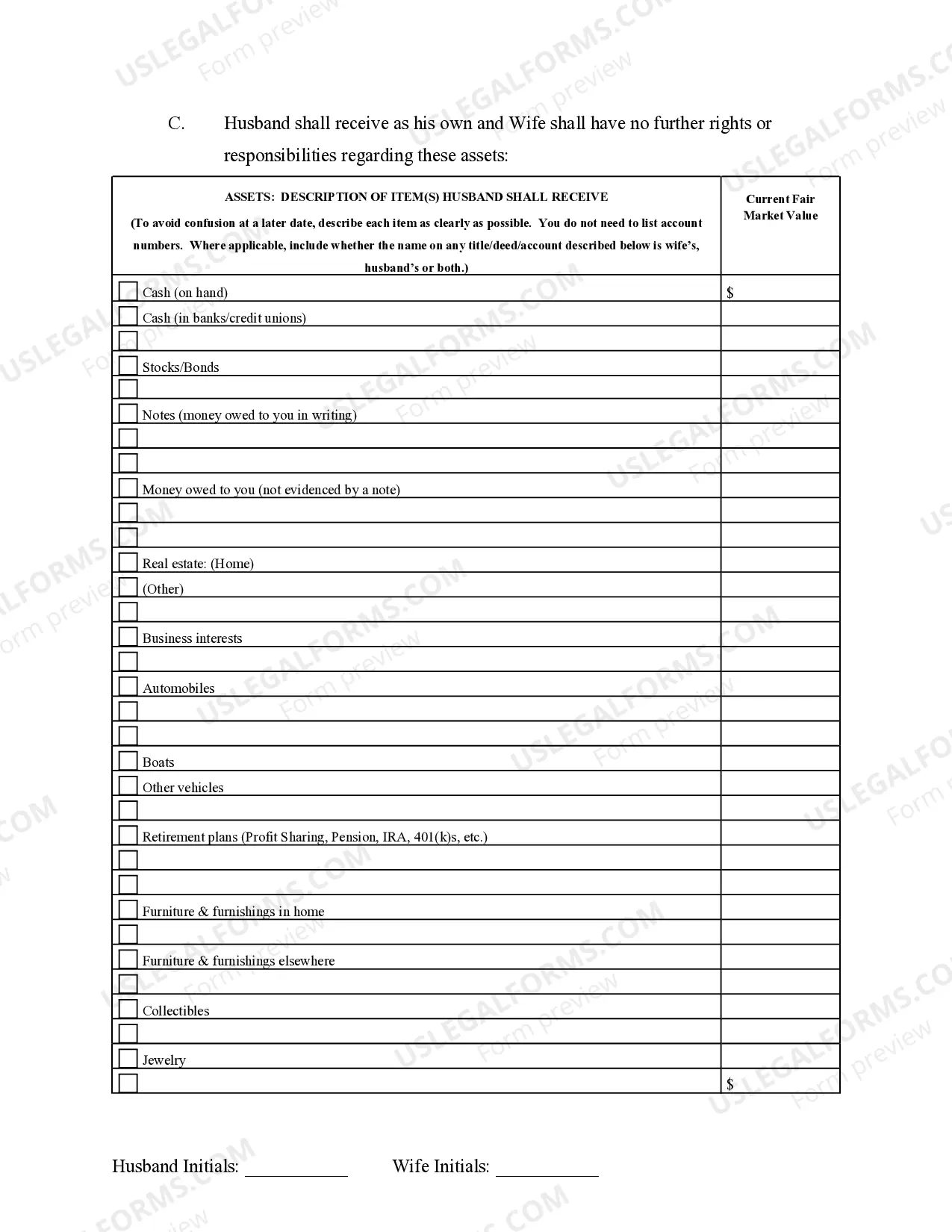
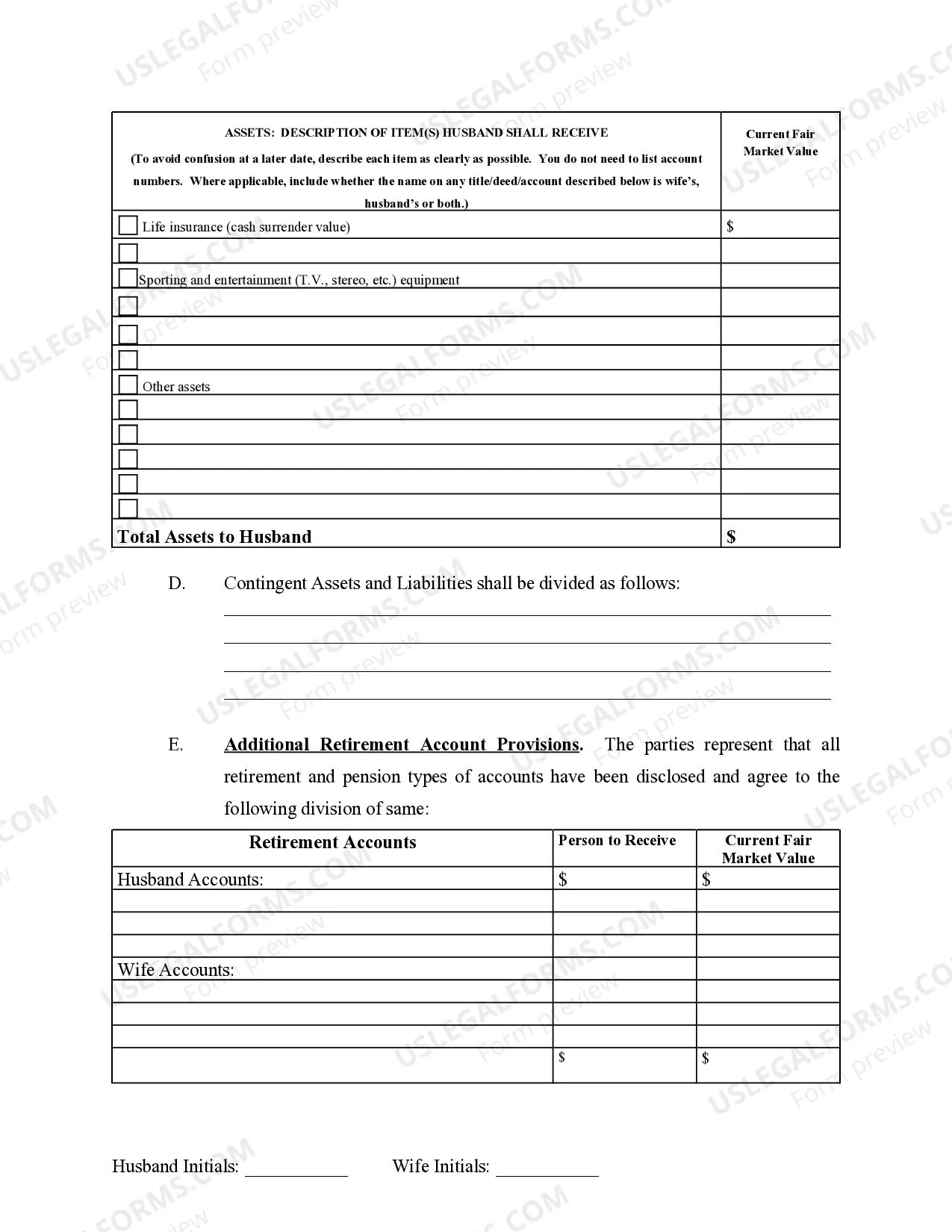
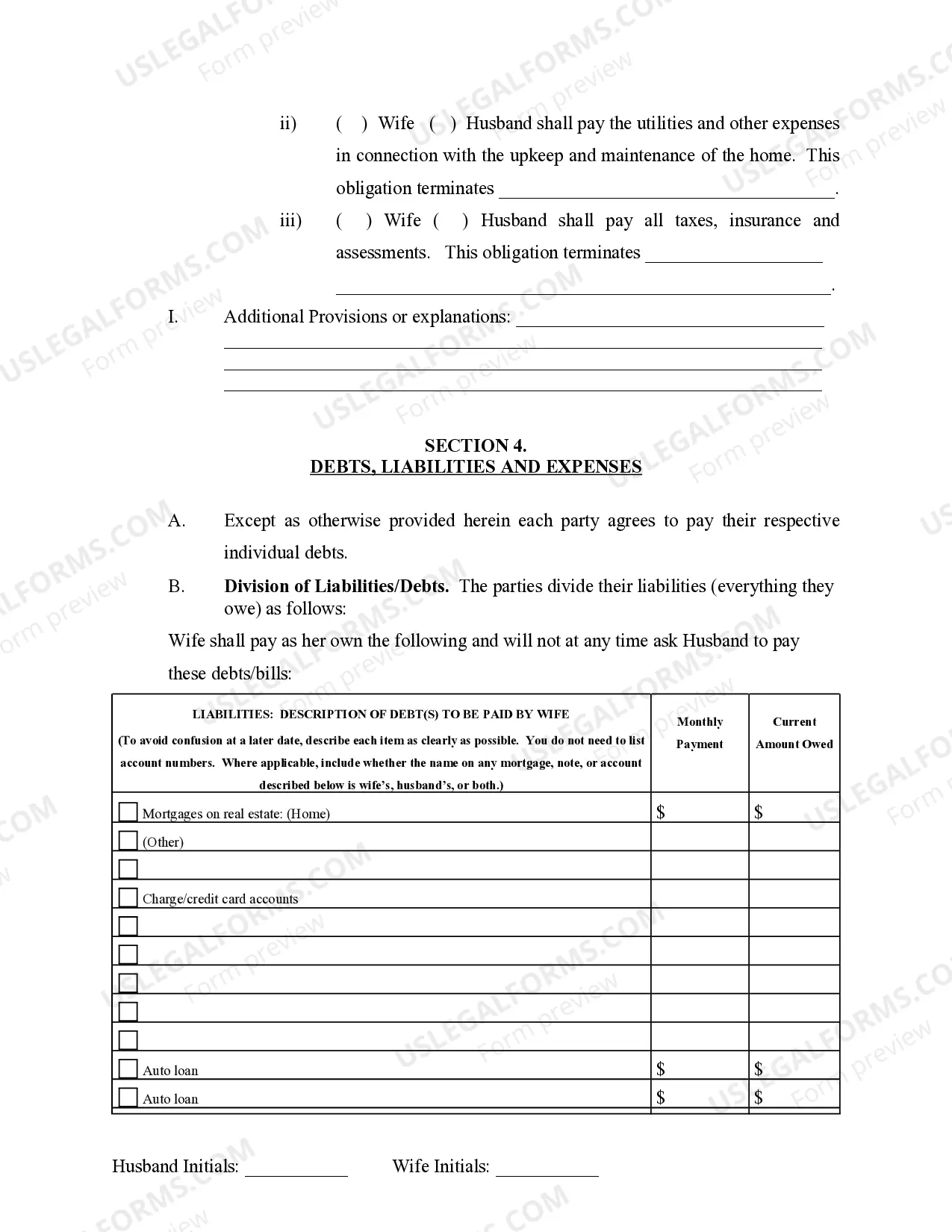
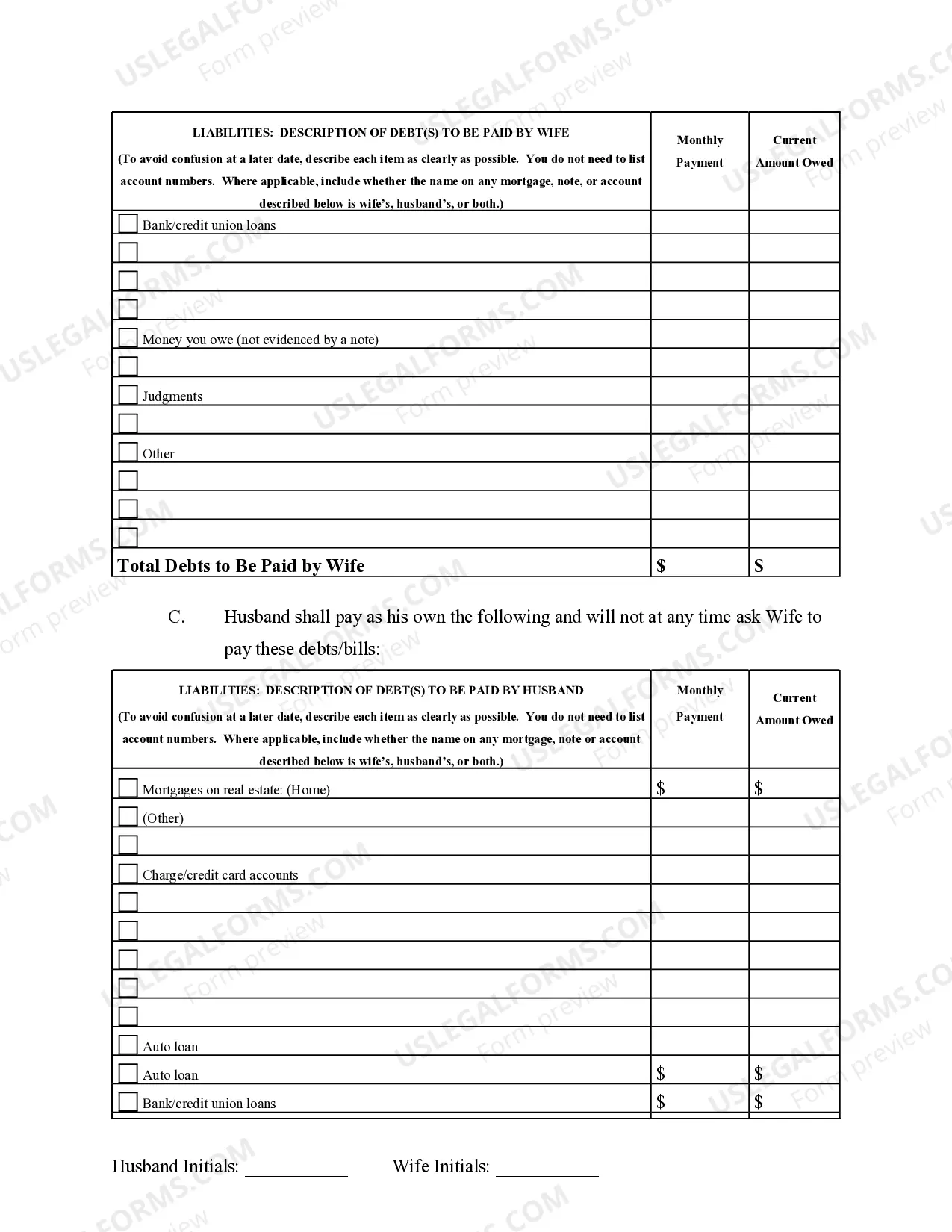
- Assets and liabilities division, specifying what each party retains.
- Details regarding child custody, visitation rights, and parental responsibilities.
- Provisions for child support and health insurance coverage for the children.
- Clauses regarding spousal support (alimony) if applicable.
- Signature requirements, including notary public verification.

When to use this document
This form should be used when spouses, who have children and are facing a divorce, wish to clearly outline their financial and parental agreements. It is particularly relevant when there are joint assets or debts that need to be resolved in the context of the divorce proceedings and when the well-being of minor children is a paramount concern.
Who needs this form
This form is intended for:
- Married couples with children considering or undergoing a divorce.
- Parties with shared assets or debts who need a detailed separation agreement.
- Couples in the State of Vermont, as the form is specific to local legal requirements.
Completing this form step by step
- Identify both parties by entering their full legal names and marital history at the beginning of the document.
- Clearly outline the division of assets and debts, including individual ownership of each item.
- Enter details regarding child custody arrangements, including primary custody and visitation schedules.
- Specify child support amounts and health insurance responsibilities for the minor children.
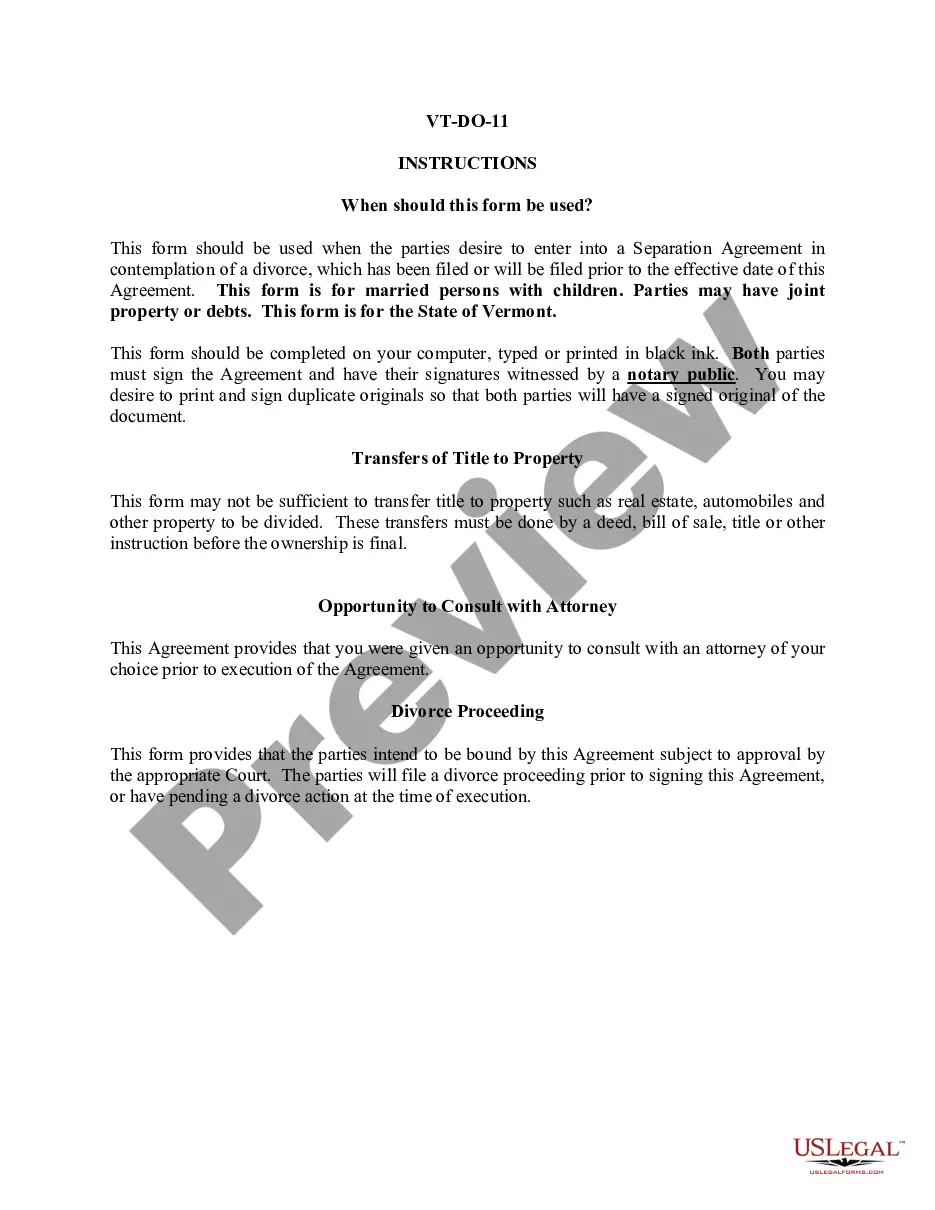
- Both parties must sign the form in front of a notary public to validate the agreement.
- Consider making duplicate originals so that each party retains a signed copy of the agreement.
Does this form need to be notarized?
Yes, this form must be notarized to be legally valid. Both parties must sign the agreement in the presence of a notary public, confirming their identities and voluntary consent. US Legal Forms offers integrated online notarization, ensuring that you can complete this requirement conveniently and securely at any time.
Get your form ready online
Our built-in tools help you complete, sign, share, and store your documents in one place.
Make edits, fill in missing information, and update formatting in US Legal Forms—just like you would in MS Word.
Download a copy, print it, send it by email, or mail it via USPS—whatever works best for your next step.
Sign and collect signatures with our SignNow integration. Send to multiple recipients, set reminders, and more. Go Premium to unlock E-Sign.
If this form requires notarization, complete it online through a secure video call—no need to meet a notary in person or wait for an appointment.
We protect your documents and personal data by following strict security and privacy standards.

Make edits, fill in missing information, and update formatting in US Legal Forms—just like you would in MS Word.

Download a copy, print it, send it by email, or mail it via USPS—whatever works best for your next step.

Sign and collect signatures with our SignNow integration. Send to multiple recipients, set reminders, and more. Go Premium to unlock E-Sign.

If this form requires notarization, complete it online through a secure video call—no need to meet a notary in person or wait for an appointment.

We protect your documents and personal data by following strict security and privacy standards.
Common mistakes to avoid
- Not fully disclosing all assets and liabilities, which can lead to disputes later.
- Failing to clearly define child custody and visitation arrangements, causing confusion.
- Neglecting to have the agreement notarized, which could make it unenforceable.
- Using unclear language, leading to misunderstandings regarding the rights and responsibilities of each party.
Benefits of completing this form online
- Conveniently downloadable and editable, allowing for easy customization.
- Access to forms drafted by licensed attorneys, ensuring legal compliance.
- Immediate access to the latest version of the form, up to date with any legal changes.
- Secure storage and sharing options for important documents.
Main things to remember
- This agreement assists separating couples in navigating complexities related to child custody, asset division, and financial support.
- It is crucial for both parties to understand their rights and responsibilities stated in the agreement.
- Consulting an attorney before signing can provide valuable legal insights and ensure fairness in the agreement.
Looking for another form?

Form popularity
FAQ
Adultery laws, which make sexual acts illegal if at least one of the parties is married to someone else: Alabama, Arizona, Florida, Georgia, Idaho, Illinois, Kansas, Massachusetts, Michigan, Minnesota, Mississippi, New York, North Dakota, Oklahoma, South Carolina, Utah, Virginia and Wisconsin.
Grounds for divorce: Vermont allows a no-fault divorce. That requires that you and your spouse live separate and apart for at least six consecutive months and that you are not likely to get back together.You can't have a final divorce hearing until you've been separated for six months.
Grounds for divorce: Vermont allows a no-fault divorce. That requires that you and your spouse live separate and apart for at least six consecutive months and that you are not likely to get back together.You can't have a final divorce hearing until you've been separated for six months.
In states where fault is required or allowed, adultery can be the reason for your divorce. Proof of adultery may change the amount of child support and alimony a spouse receives. The spouse who was not at fault may also receive more of the household property in the divorce settlement.
You can achieve a legal separation by filing a petition (request) with the court, which allows the judge to divide your marital property, establish child support and alimony, and create a parenting plan for your children.
You, the paramour, can get hit with a lawsuit that could cost you hundreds of thousands of dollars. They're known as "alienation of affection" suits, when an "outsider" interferes in a marriage. The suits are allowed in seven states: Hawaii, Illinois, Mississippi, New Mexico, North Carolina, South Dakota and Utah.
A property settlement is an arrangement made between parties to divide assets, liabilities and financial resources when a couple separate. A property settlement can be made with or without the court's assistance.
Vermont law states that adultery is voluntary sexual intercourse between two people, one of whom is married to someone else.When it comes to divorce, Vermont is a "no-fault" state, which means courts in Vermont do not consider evidence of any marital misconduct, including adultery, when granting a divorce.