Vermont Quitclaim Deed from Five Individuals to Four Individuals
Overview of this form
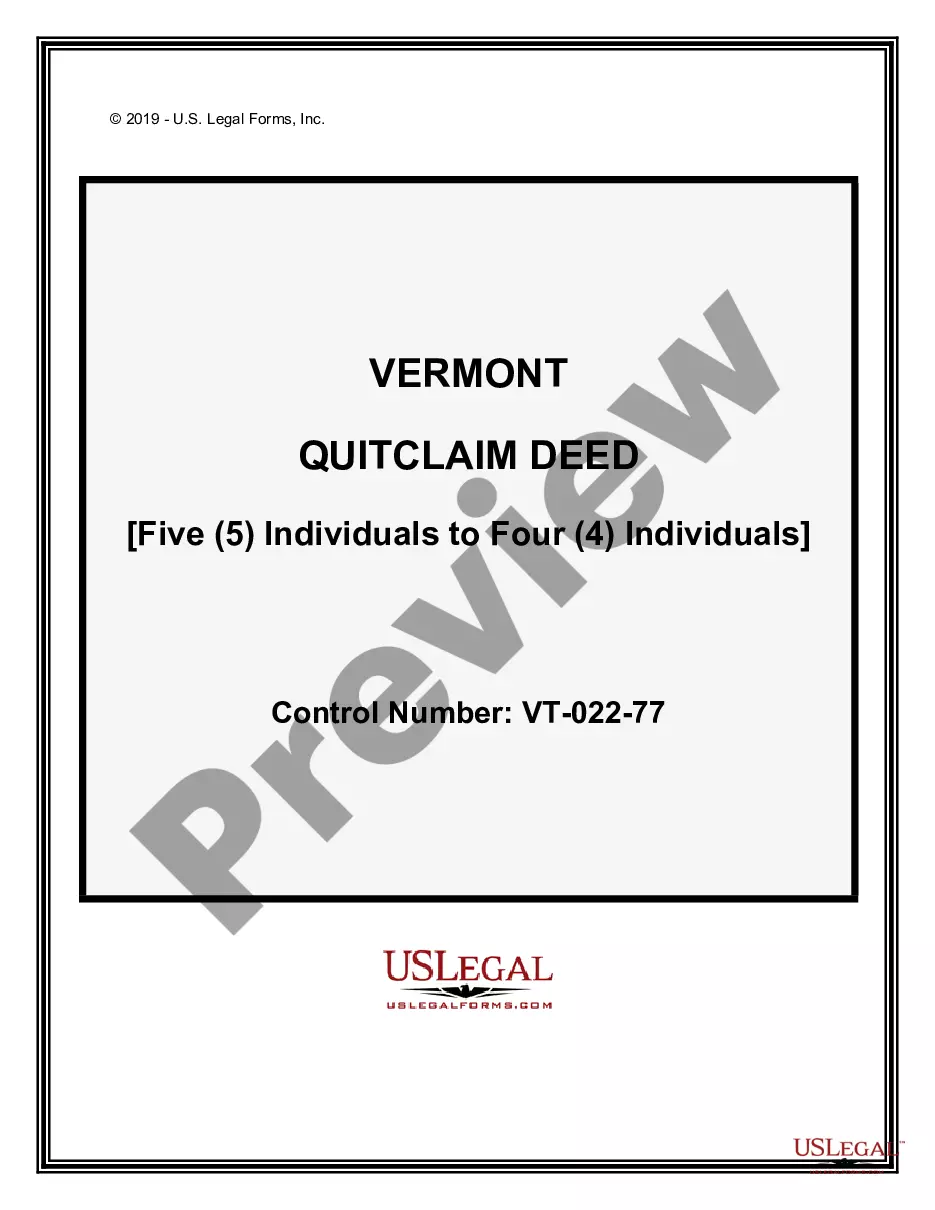
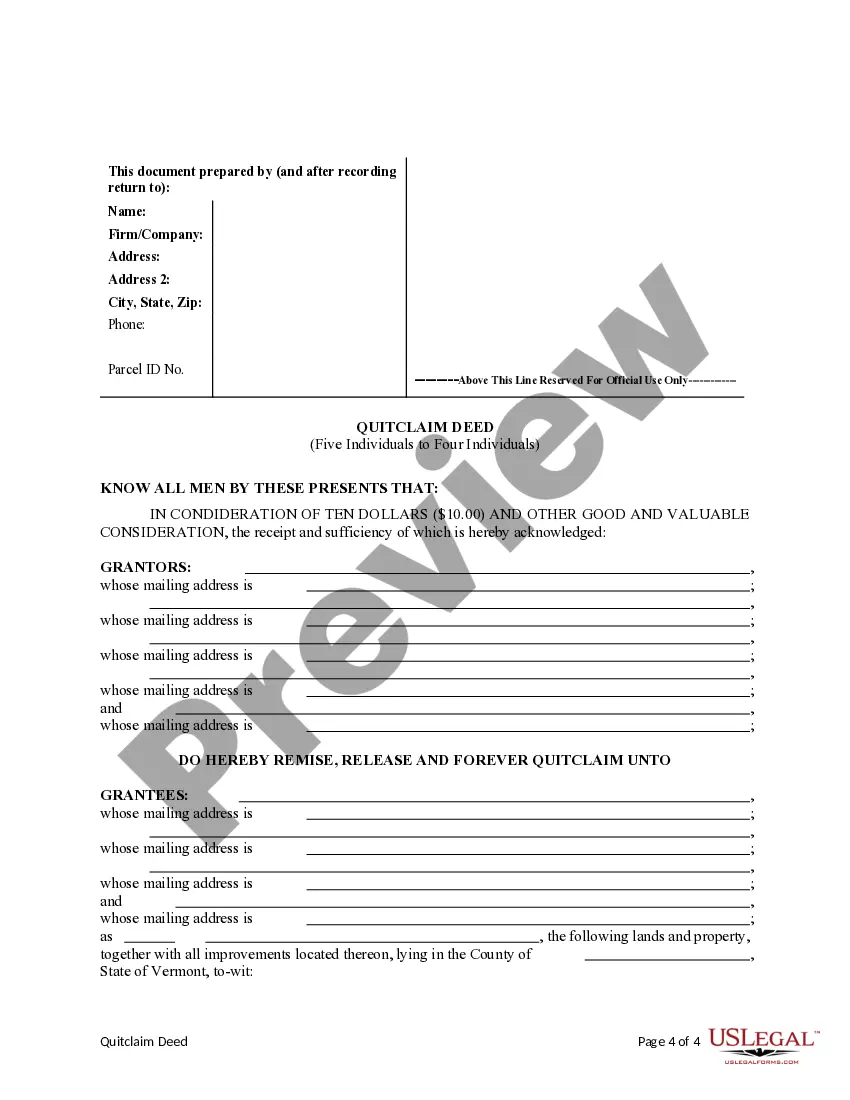
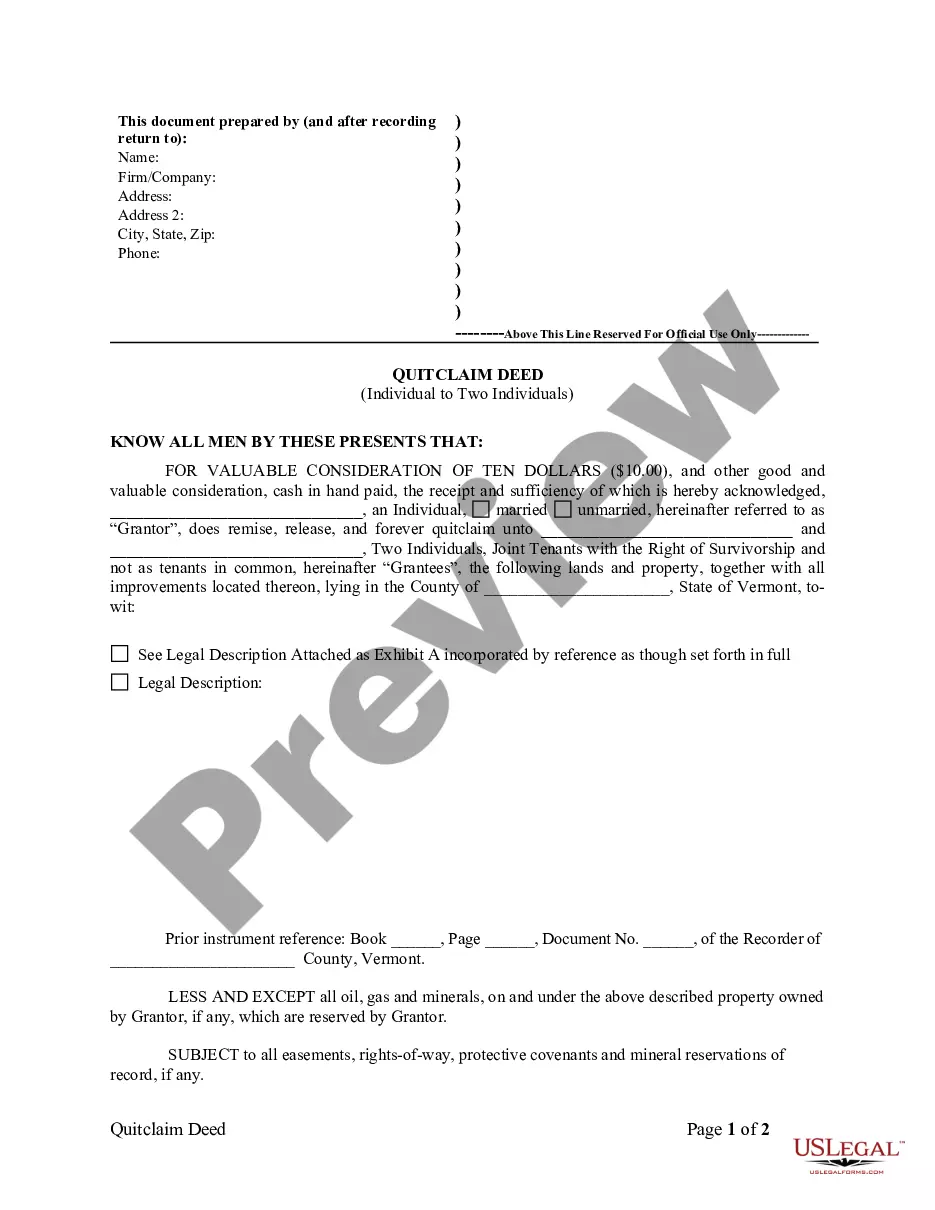
This form is a Quitclaim Deed that allows five individuals to convey property to four individuals. Unlike other types of deeds, a quitclaim deed transfers any interest the grantors have in the property without any guarantees or warranties. This form is particularly useful for individuals who want to transfer property ownership quickly and without the complexities of a traditional deed.
Form components explained
- Grantors: The five individuals transferring their interest in the property.
- Grantees: The four individuals receiving the property.
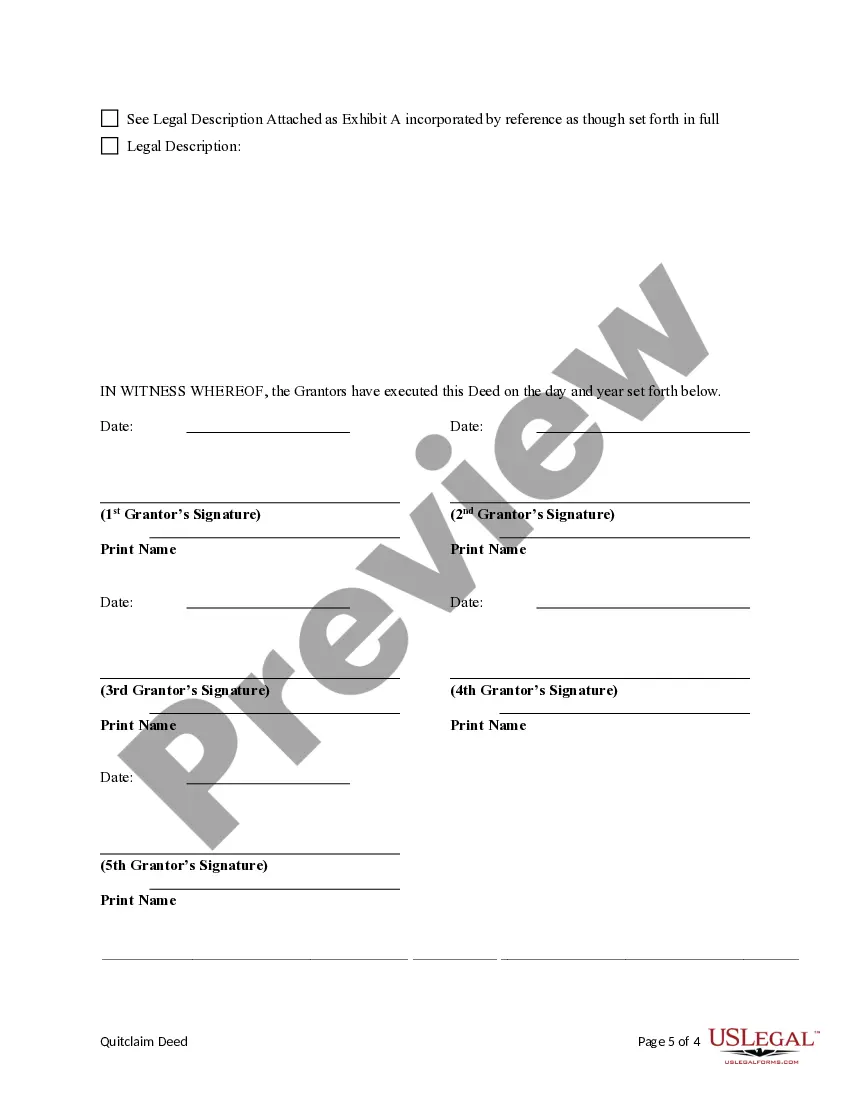
- Property description: Detailed information about the property being transferred.
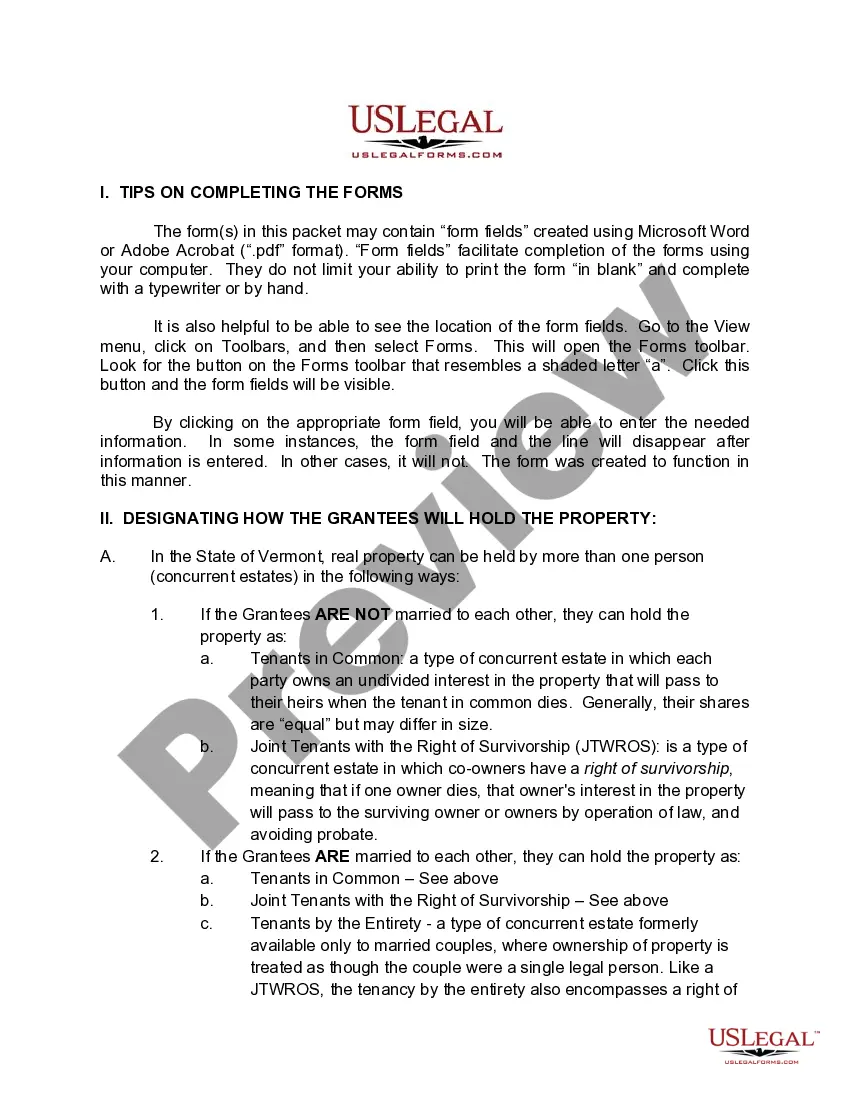
- Type of ownership: Options for how the grantees will hold the property (e.g., tenants in common, joint tenants with right of survivorship, tenants by the entirety).
- Signatures: Required signatures of all grantors to validate the transfer.




Common use cases
This form is ideal for situations where multiple parties wish to transfer property ownership among themselves. Common scenarios include family members transferring property to one another, co-owners agreeing to divide ownership, or when individuals are simplifying their property holdings. It is a straightforward approach for informal transactions that do not require title guarantees.
Who should use this form
- Individuals looking to transfer property ownership without complex legal obligations.
- Families or friends dividing jointly owned property.
- Those involved in informal arrangements, such as gifts or intra-family transfers.
- People who need a simple and quick method for property transfer among multiple parties.
Instructions for completing this form
- Identify the parties involved: Ensure the names of all grantors and grantees are correctly listed.
- Specify the property: Clearly describe the property being transferred, including any relevant details such as location and boundaries.
- Choose the type of ownership: Indicate how the grantees will hold the property (e.g., as tenants in common or joint tenants with the right of survivorship).
- Review and fill out the form fields: Complete the required sections using either digital or handwritten methods.
- Gather signatures: Ensure that all grantors sign the document to make the transfer official.
Does this form need to be notarized?
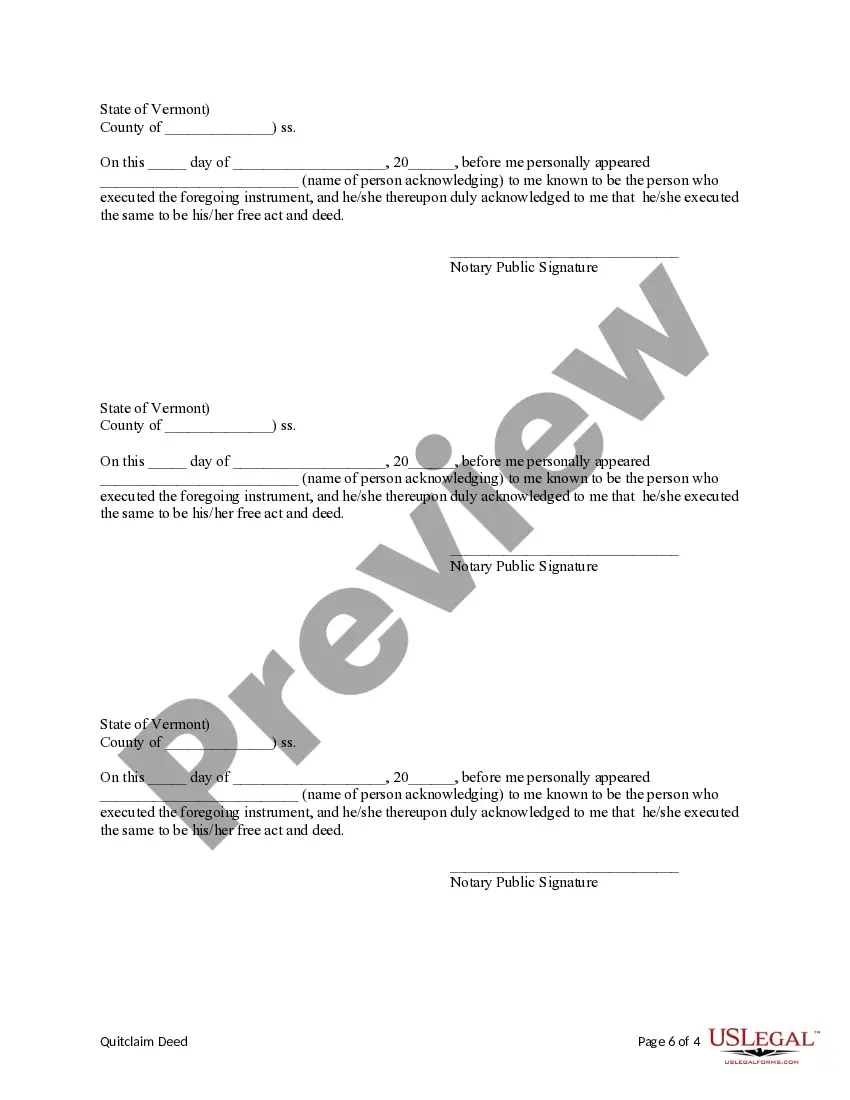
Notarization is required for this form to take effect. Our online notarization service, powered by Notarize, lets you verify and sign documents remotely through an encrypted video session, available 24/7.
Get your form ready online
Our built-in tools help you complete, sign, share, and store your documents in one place.
Make edits, fill in missing information, and update formatting in US Legal Forms—just like you would in MS Word.
Download a copy, print it, send it by email, or mail it via USPS—whatever works best for your next step.
Sign and collect signatures with our SignNow integration. Send to multiple recipients, set reminders, and more. Go Premium to unlock E-Sign.
If this form requires notarization, complete it online through a secure video call—no need to meet a notary in person or wait for an appointment.
We protect your documents and personal data by following strict security and privacy standards.

Make edits, fill in missing information, and update formatting in US Legal Forms—just like you would in MS Word.

Download a copy, print it, send it by email, or mail it via USPS—whatever works best for your next step.

Sign and collect signatures with our SignNow integration. Send to multiple recipients, set reminders, and more. Go Premium to unlock E-Sign.

If this form requires notarization, complete it online through a secure video call—no need to meet a notary in person or wait for an appointment.

We protect your documents and personal data by following strict security and privacy standards.
Common mistakes to avoid
- Failing to include the full names and details of all parties involved in the transfer.
- Not specifying how the grantees will hold the property.
- Neglecting to obtain the required signatures from all grantors.
- Using outdated forms that do not comply with current state statutes.
Advantages of online completion
- Immediate access: Download and fill out the form at your convenience without waiting for paper copies.
- Editability: Easily make changes or fill in the form electronically before printing.
- Compliance assurance: Forms are drafted by licensed attorneys to meet state-specific requirements.
- Simple process: Clear instructions guide you through each step of completing the form.
Looking for another form?
Form popularity
FAQ
Vermont Quit Claim Deed Form Before a quit claim deed can be filed with the County Clerk's Office, Form PT-172 must be filled out and filed with the Department of Taxes in order to prove that the property tax has been paid.
Although it's possible to change the names on title deeds yourself, we recommend that you seek professional help from a solicitor. The value of property is sufficiently high to make it worthwhile getting the transfer right.
Retrieve your original deed. Get the appropriate deed form. Draft the deed. Sign the deed before a notary. Record the deed with the county recorder. Obtain the new original deed.
But you might be wondering if an owner can transfer a deed to another person without a real estate lawyer. The answer is yes. Parties to a transaction are always free to prepare their own deeds.A quitclaim deed, for example, is far simpler than a warranty deed.
When done properly, a deed is recorded anywhere from two weeks to three months after closing. However, there are many instances where deeds are not properly recorded. Title agents commit errors, lose deeds, and even go out of business. Even county offices sometimes fail to record deeds that were properly submitted.
Discuss property ownership interests. Access a copy of your title deed. Complete, review and sign the quitclaim or warranty form. Submit the quitclaim or warranty form. Request a certified copy of your quitclaim or warranty deed.
They are commonly used to add/remove someone to/from real estate title or deed (divorce, name changes, family and trust transfers). The quitclaim deed is a legal document (deed) used to transfer interest in real estate from one person or entity (grantor) to another (grantee).
To use a Quitclaim Deed to add someone to a property deed or title, you would need to create a Quitclaim Deed and list all of the current owners in the grantor section. In the grantee section, you would list all of the current owners as well as the person you would like to add.