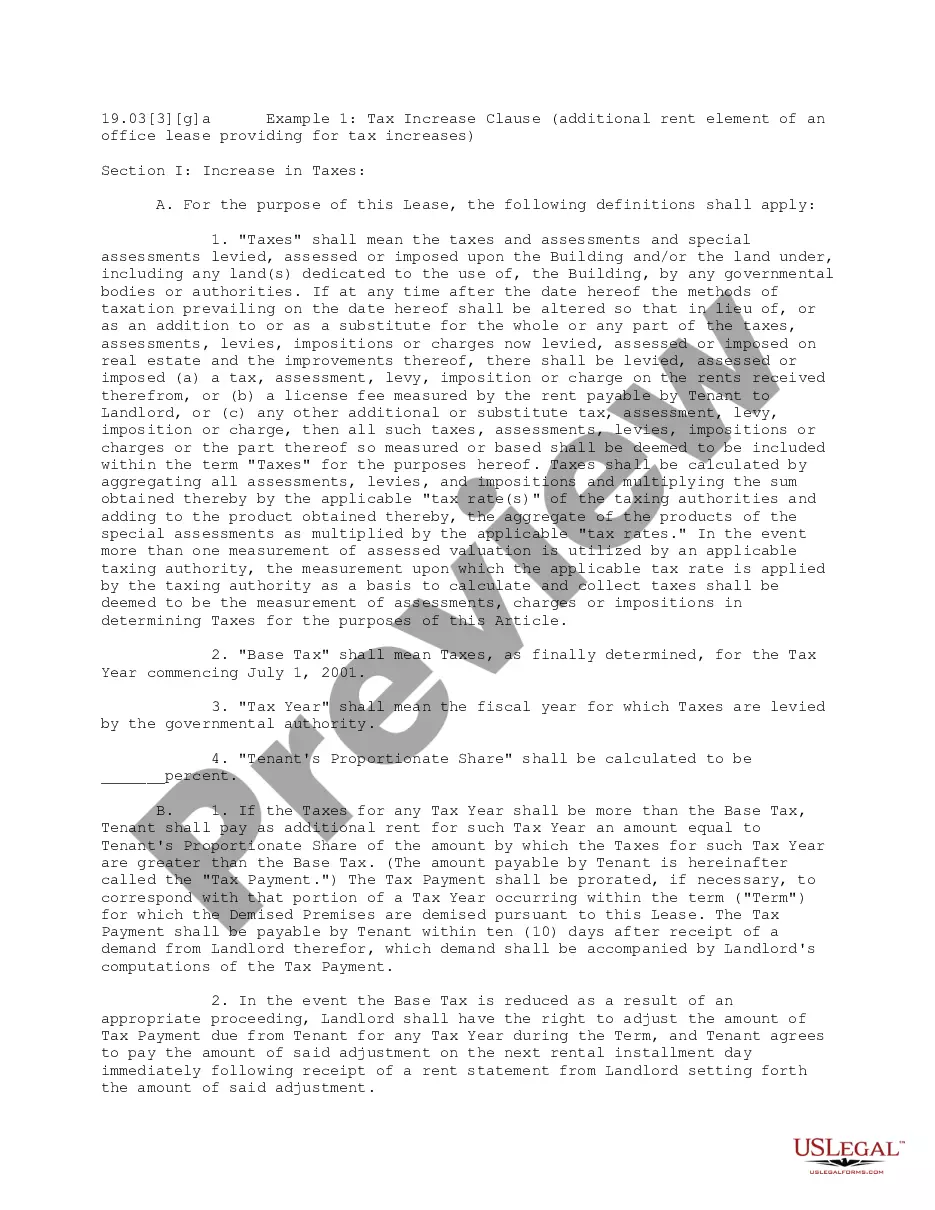
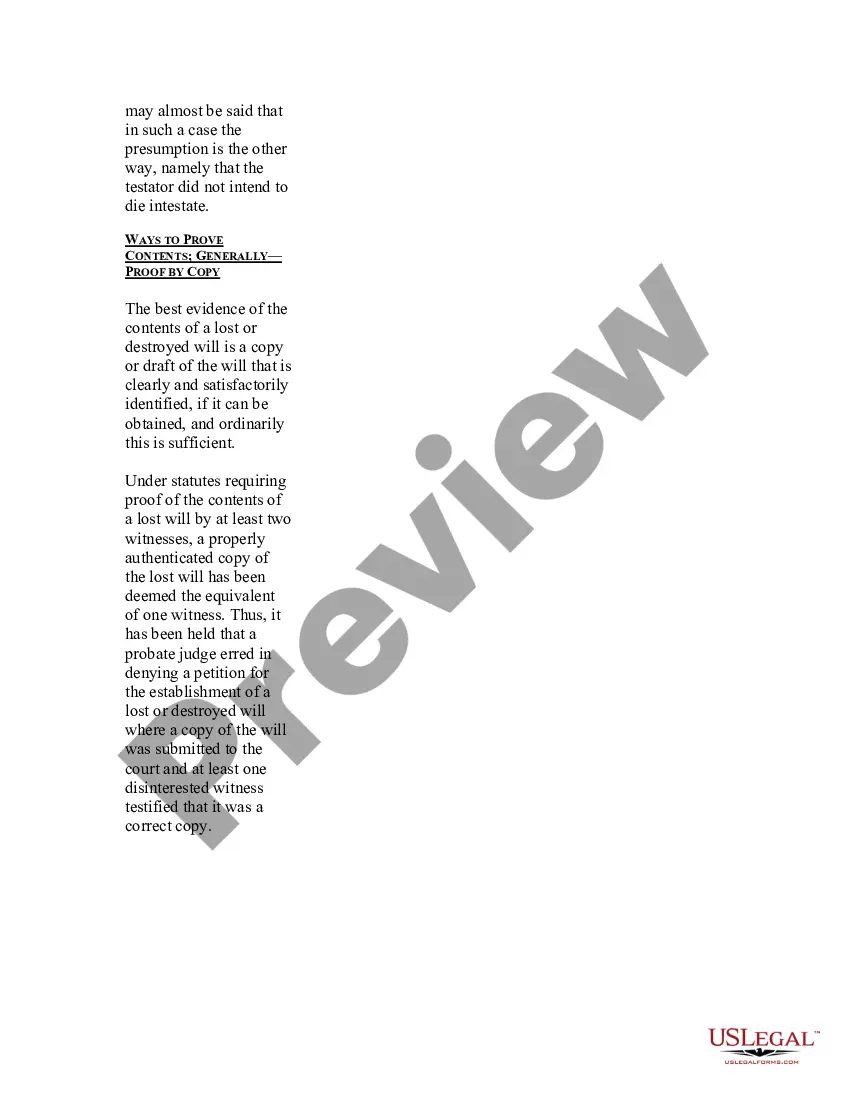
This pamphlet provides an overview on dealing with a lost will of a deceased person. Topics covered include suggestions for locating the will, how to probate a copy of a lost will, and how to prove the contents of a lost will.
Virgin Islands USLegal Pamphlet on Lost Wills
Instant download
Description
Free preview
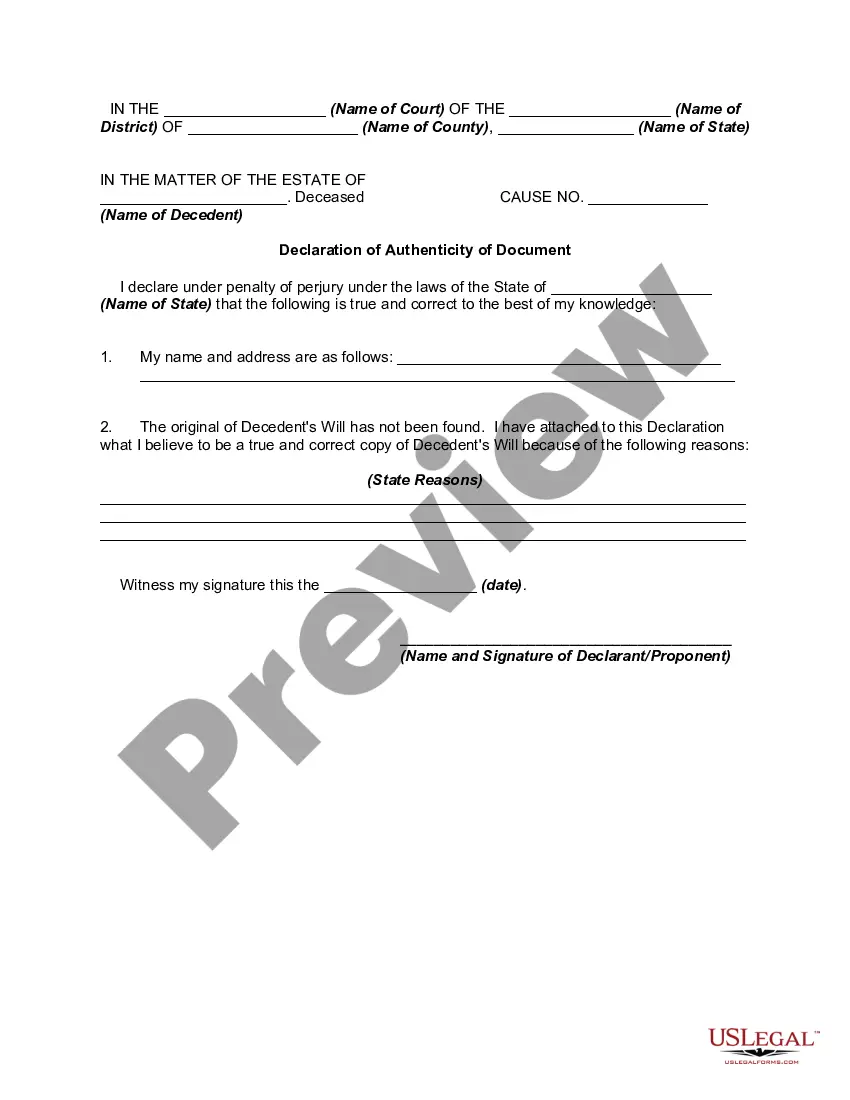
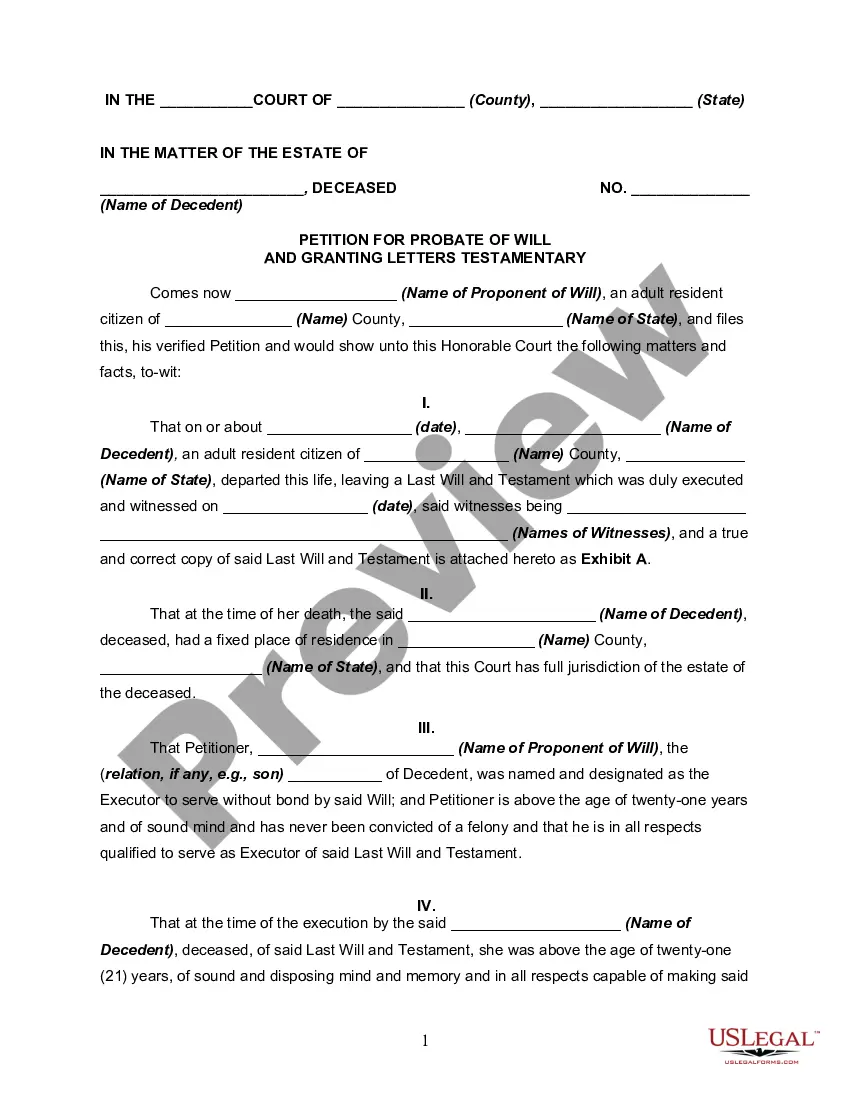
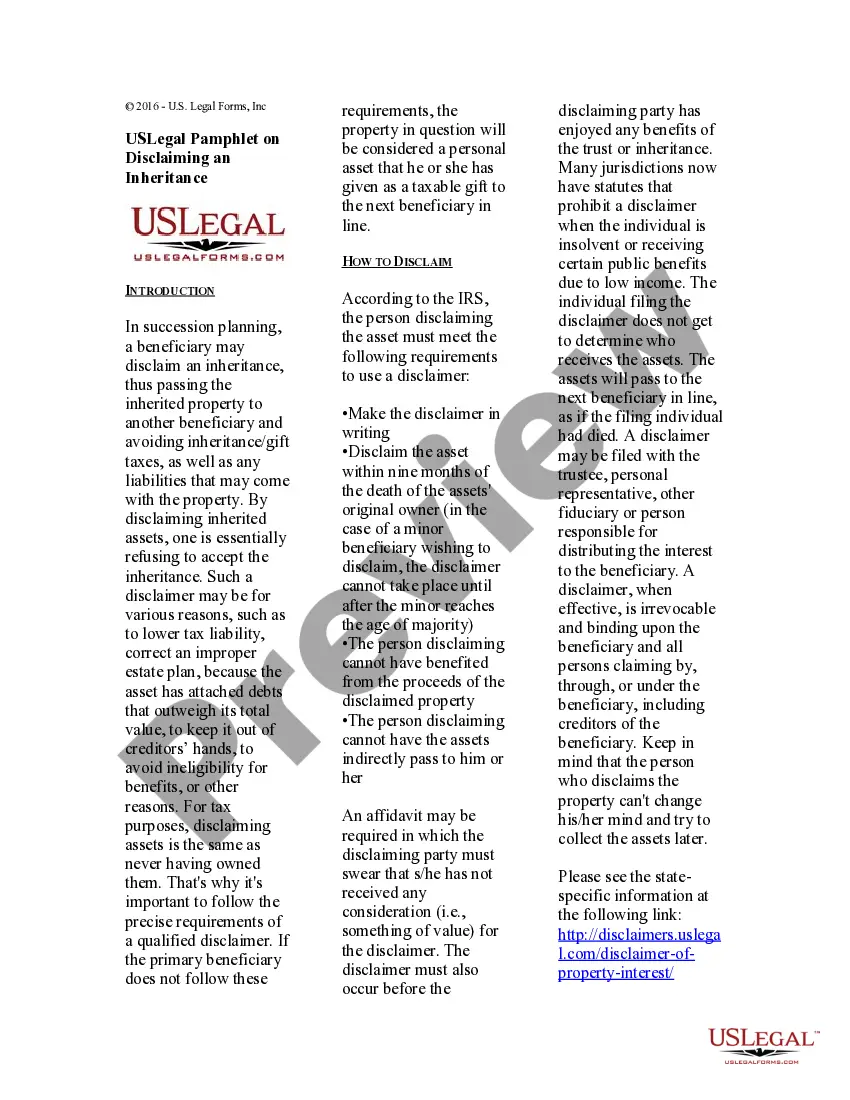
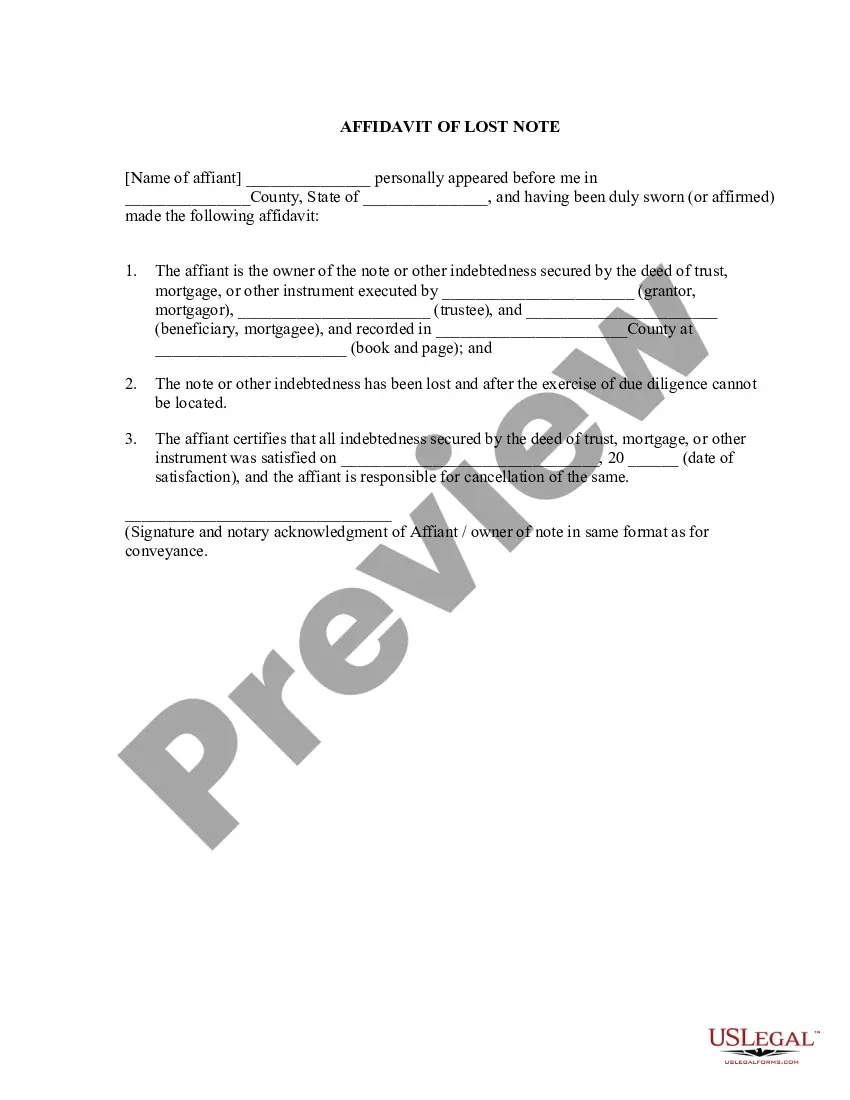



How to fill out USLegal Pamphlet On Lost Wills?
US Legal Forms - one of the most prominent collections of legal documents in the United States - offers a broad selection of legal document templates that you can obtain or print. By utilizing the website, you can access thousands of forms for both business and personal use, organized by categories, states, or keywords.
You can acquire the latest versions of forms such as the Virgin Islands USLegal Pamphlet on Lost Wills within moments. If you already have a subscription, Log In and obtain the Virgin Islands USLegal Pamphlet on Lost Wills from the US Legal Forms catalog. The Download button will be visible on each form you view. You have access to all previously acquired forms in the My documents tab of your account.
To use US Legal Forms for the first time, here are some straightforward tips to help you get started: Ensure you have selected the correct form for your city/region. Click the Preview button to review the details of the form. Check the form description to confirm you have chosen the right form. If the form does not meet your requirements, utilize the Search field at the top of the screen to find one that does. If you are satisfied with the form, confirm your selection by clicking the Get now button. Then, select the pricing plan you prefer and provide your information to register for an account.
Utilize a multitude of professional and state-specific templates that fulfill your business or personal needs and requirements.
- Process the transaction. Use your credit card or PayPal account to complete the transaction.
- Select the format and download the form to your device.
- Make modifications. Fill out, edit, and print and sign the downloaded Virgin Islands USLegal Pamphlet on Lost Wills.
- Every template you added to your account has no expiration date and is yours forever.
- So, if you wish to obtain or print another version, simply go to the My documents section and click on the form you desire.
- Access the Virgin Islands USLegal Pamphlet on Lost Wills with US Legal Forms, the most extensive collection of legal document templates.
Form popularity
FAQ
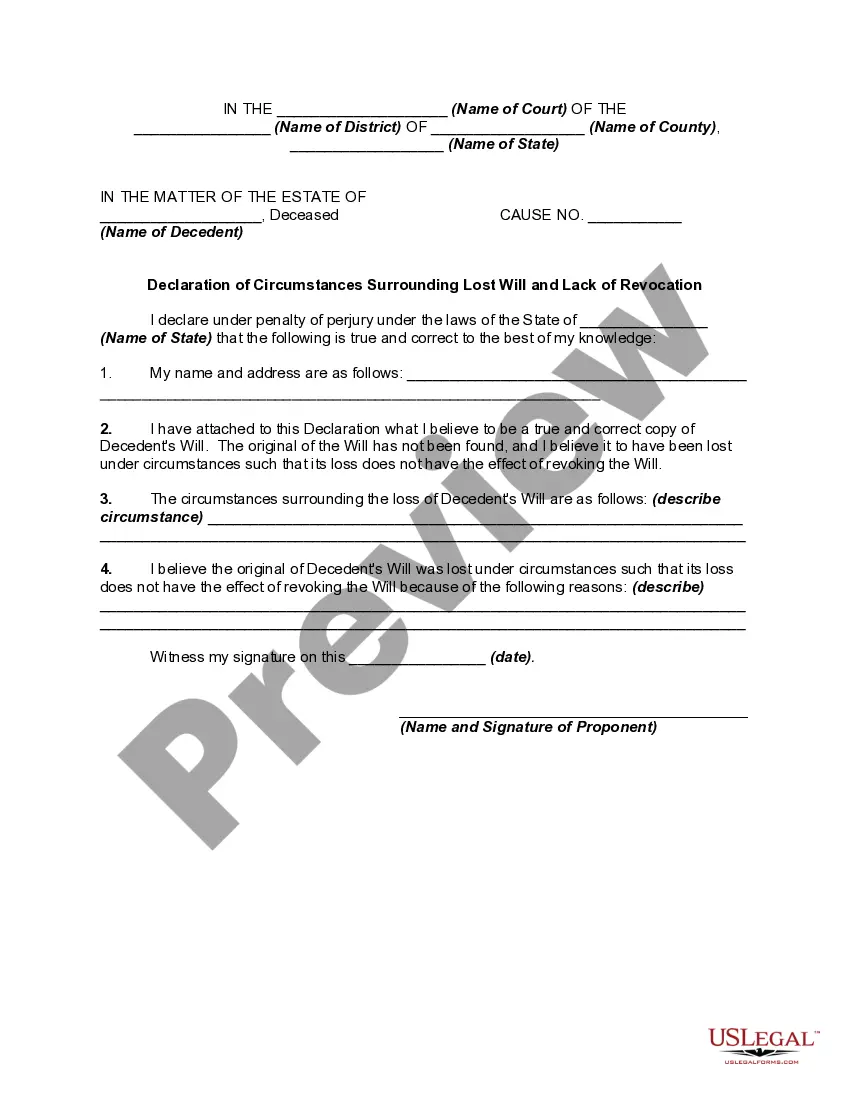
If your will was simply lost or accidentally destroyed, it still reflects your wishes. A copy of the will can be submitted to the court, and the court may (but does not have to) open a probate based on that copy.
Go to the courthouse with the file number and ask a court clerk to see the file. Getting a copy of a will is possible by paying a copying fee. Some courts will also provide you with a copy by fax or mail of a will on file.
A deed of variation, sometimes called a deed of family arrangement, allows beneficiaries to make changes to their entitlement from a Will after the person has died.
If your will was simply lost or accidentally destroyed, it still reflects your wishes. A copy of the will can be submitted to the court, and the court may (but does not have to) open a probate based on that copy.
Beneficiary designations override wills, so if you forget to change them, the person named will receive the money, even if that was not your intent. You should review beneficiaries for all of your accounts every year or so.
When a person dies, beneficiaries might learn that the decedent made a deed that conflicts with the specific wording in his will. Generally, a deed will override the will. However, which legal document prevails also depends on state property laws and whether the state has adopted the Uniform Probate Code.
If you can't find a will, you will usually have to deal with the estate of the person who has died as if they died without leaving a will. For more information, see Who can inherit if there is no will the rules of intestacy.
Your will gives everything to your children equally. Your primary assets are your house and a large bank account, roughly equal in value. You change the title on your house to you and your daughter as joint tenants with right of survivorship, and you name your son as the POD designee on the bank account.
It is common for beneficiaries to ask to see a copy of the Will. It is however your discretion as Executor whether or not to disclose it to the beneficiary.
The property is controlled by the owners during their life. They can sell or do whatever they choose. Immediately after their passing, the property automatically goes to the person or people listed in the life estate deed. A deed also trumps a will (I know this from personal experience).