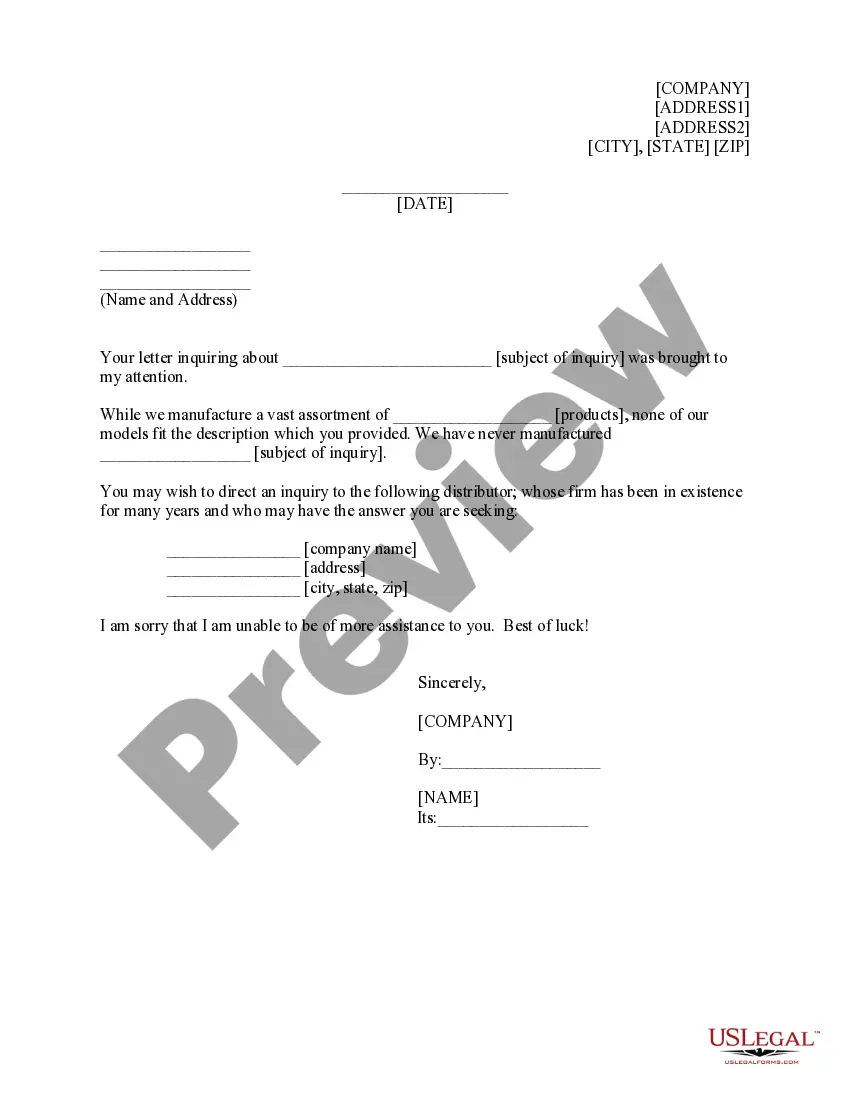
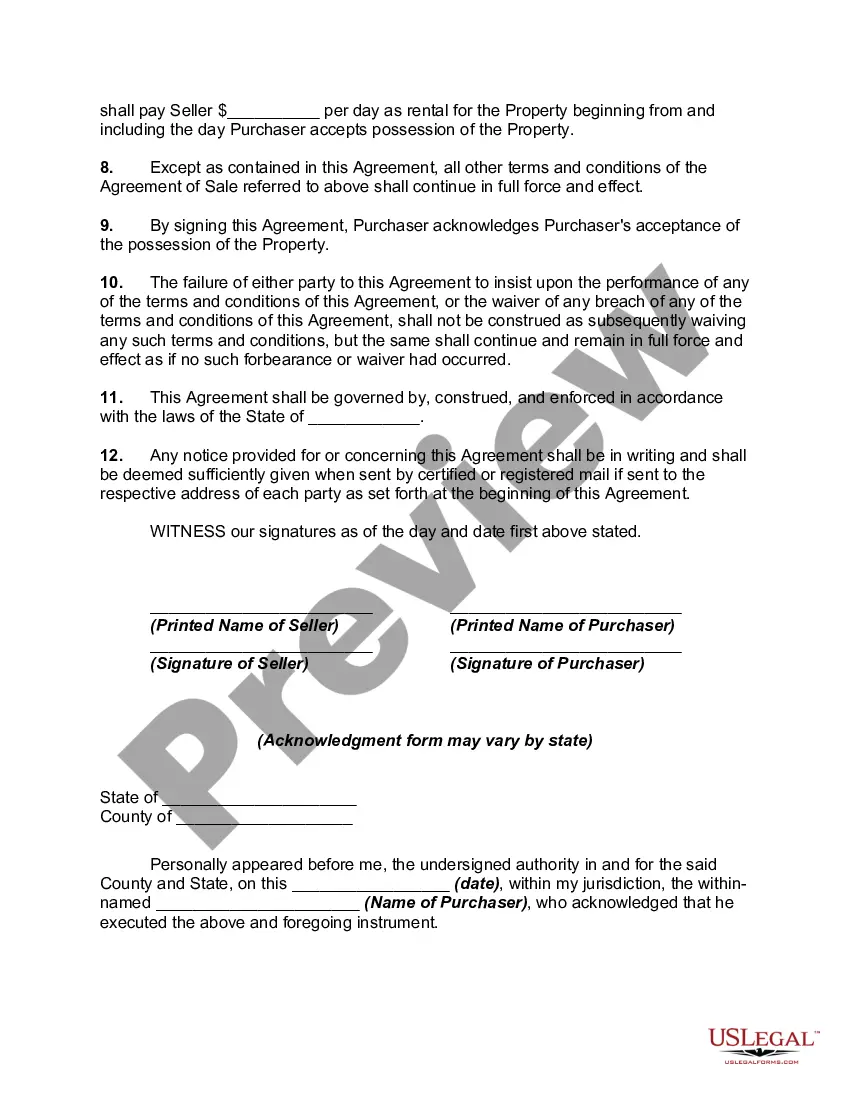
Virgin Islands Early Possession Agreement
Description
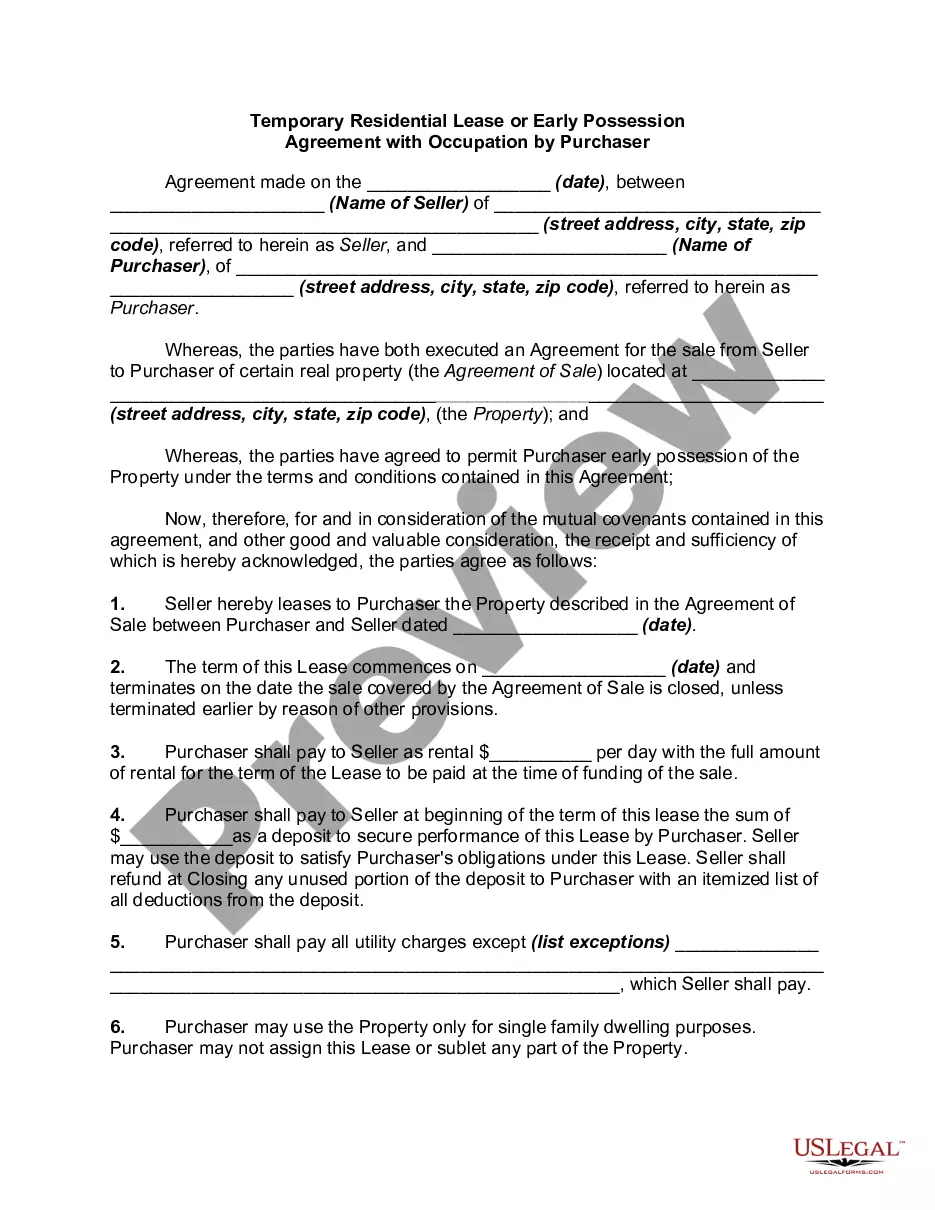
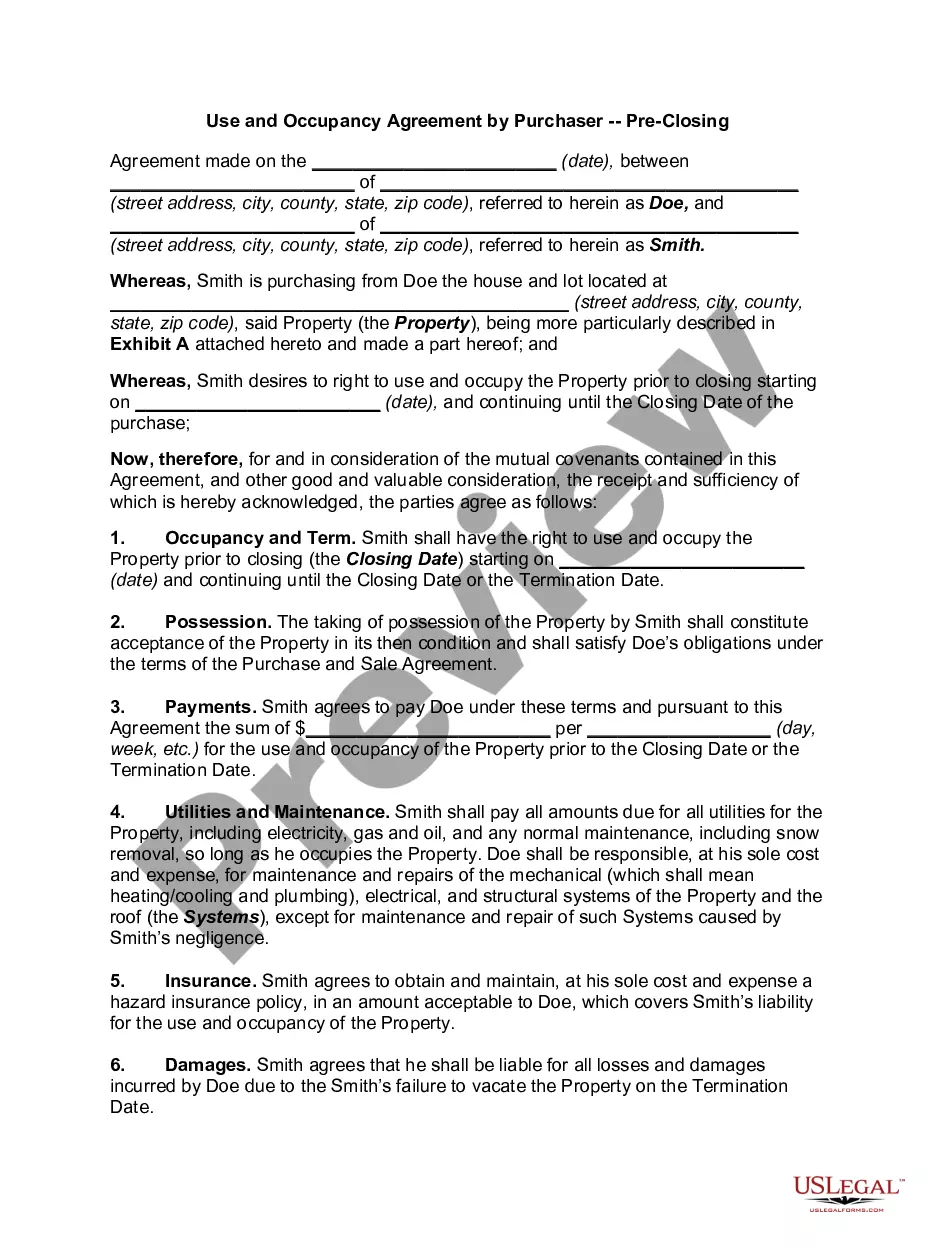
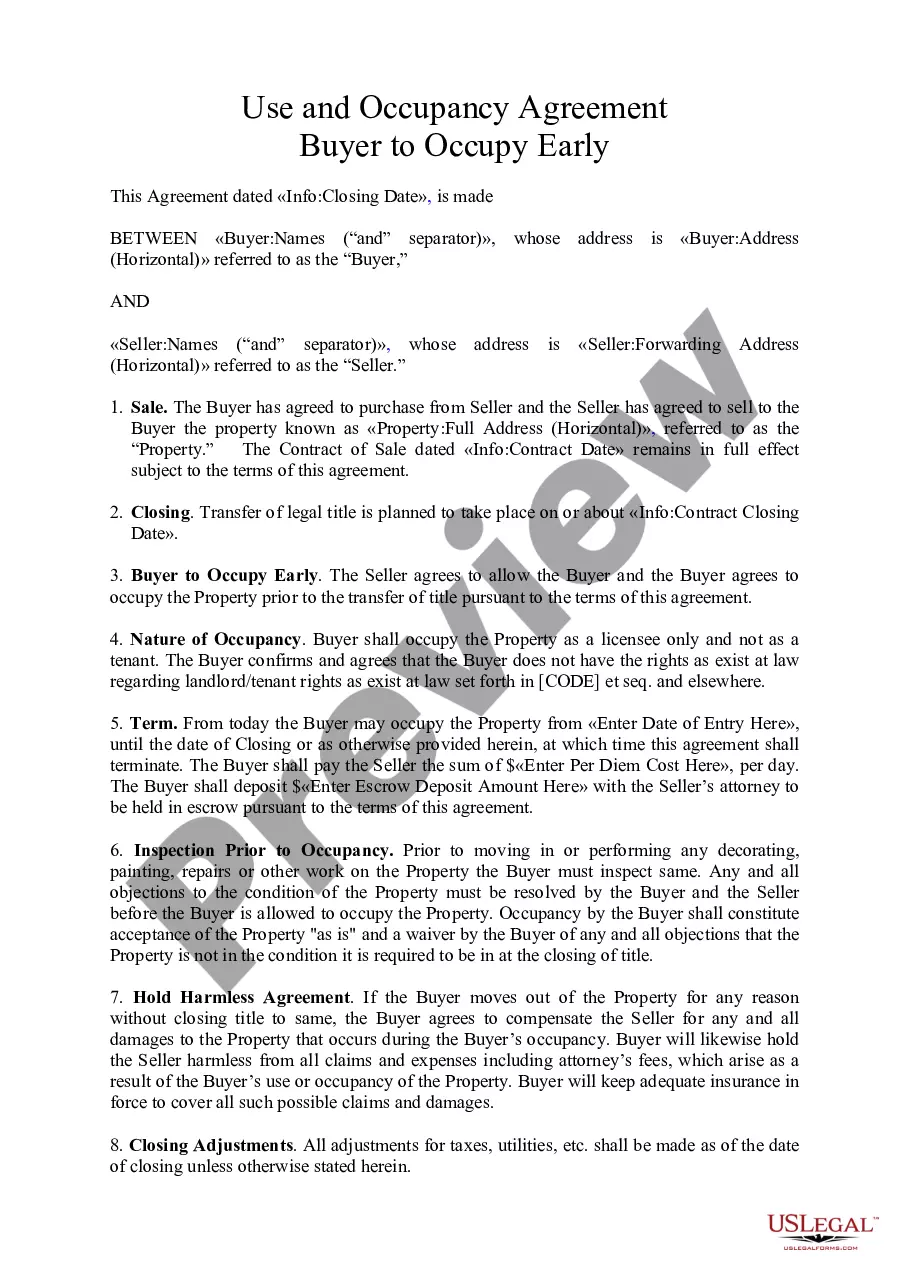
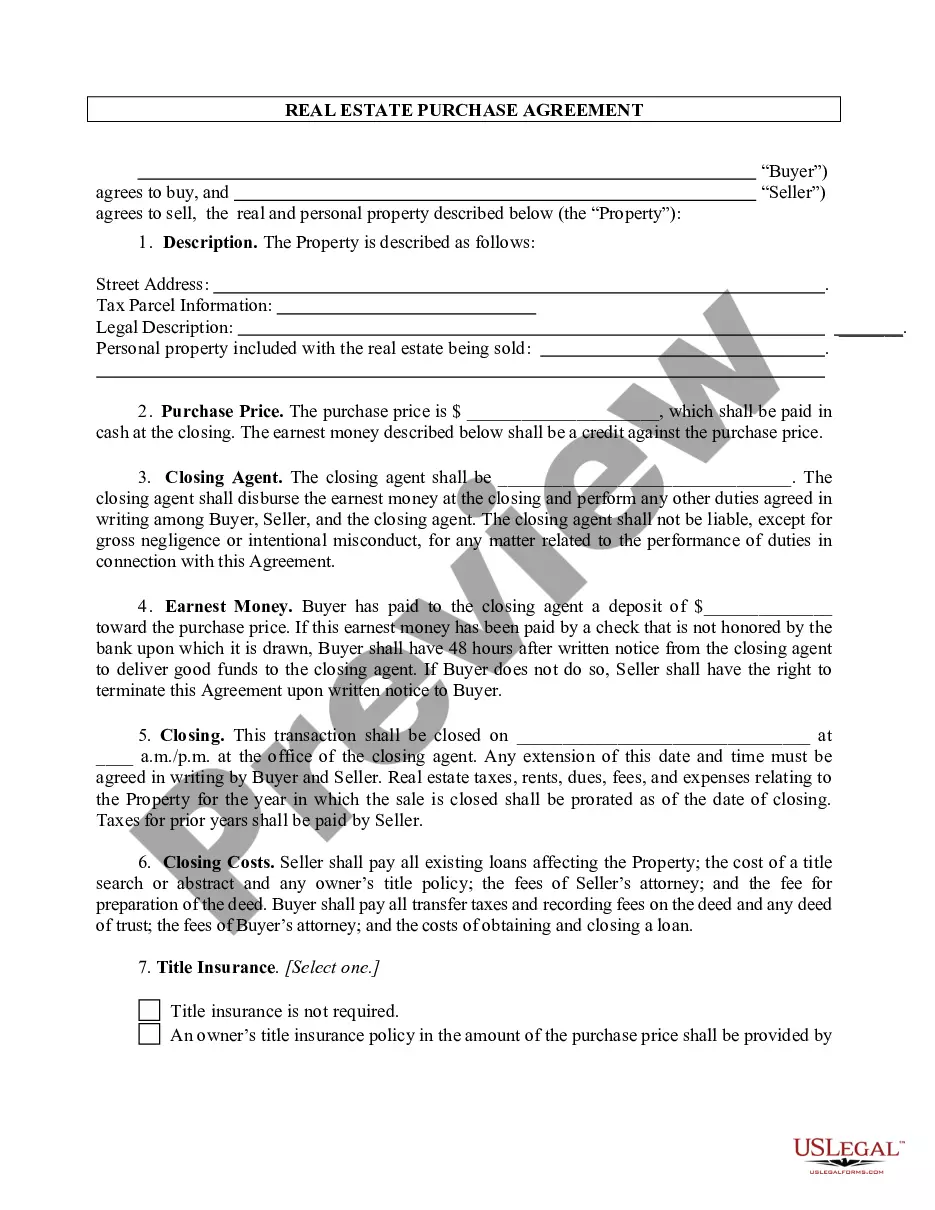
Get your form ready online
Our built-in tools help you complete, sign, share, and store your documents in one place.
Make edits, fill in missing information, and update formatting in US Legal Forms—just like you would in MS Word.
Download a copy, print it, send it by email, or mail it via USPS—whatever works best for your next step.
Sign and collect signatures with our SignNow integration. Send to multiple recipients, set reminders, and more. Go Premium to unlock E-Sign.
If this form requires notarization, complete it online through a secure video call—no need to meet a notary in person or wait for an appointment.
We protect your documents and personal data by following strict security and privacy standards.

Make edits, fill in missing information, and update formatting in US Legal Forms—just like you would in MS Word.

Download a copy, print it, send it by email, or mail it via USPS—whatever works best for your next step.

Sign and collect signatures with our SignNow integration. Send to multiple recipients, set reminders, and more. Go Premium to unlock E-Sign.

If this form requires notarization, complete it online through a secure video call—no need to meet a notary in person or wait for an appointment.

We protect your documents and personal data by following strict security and privacy standards.
Looking for another form?


How to fill out Early Possession Agreement?
You can devote hours online looking for the proper legal document template that fulfills the federal and state requirements you require.
US Legal Forms offers thousands of legal documents that are assessed by professionals.
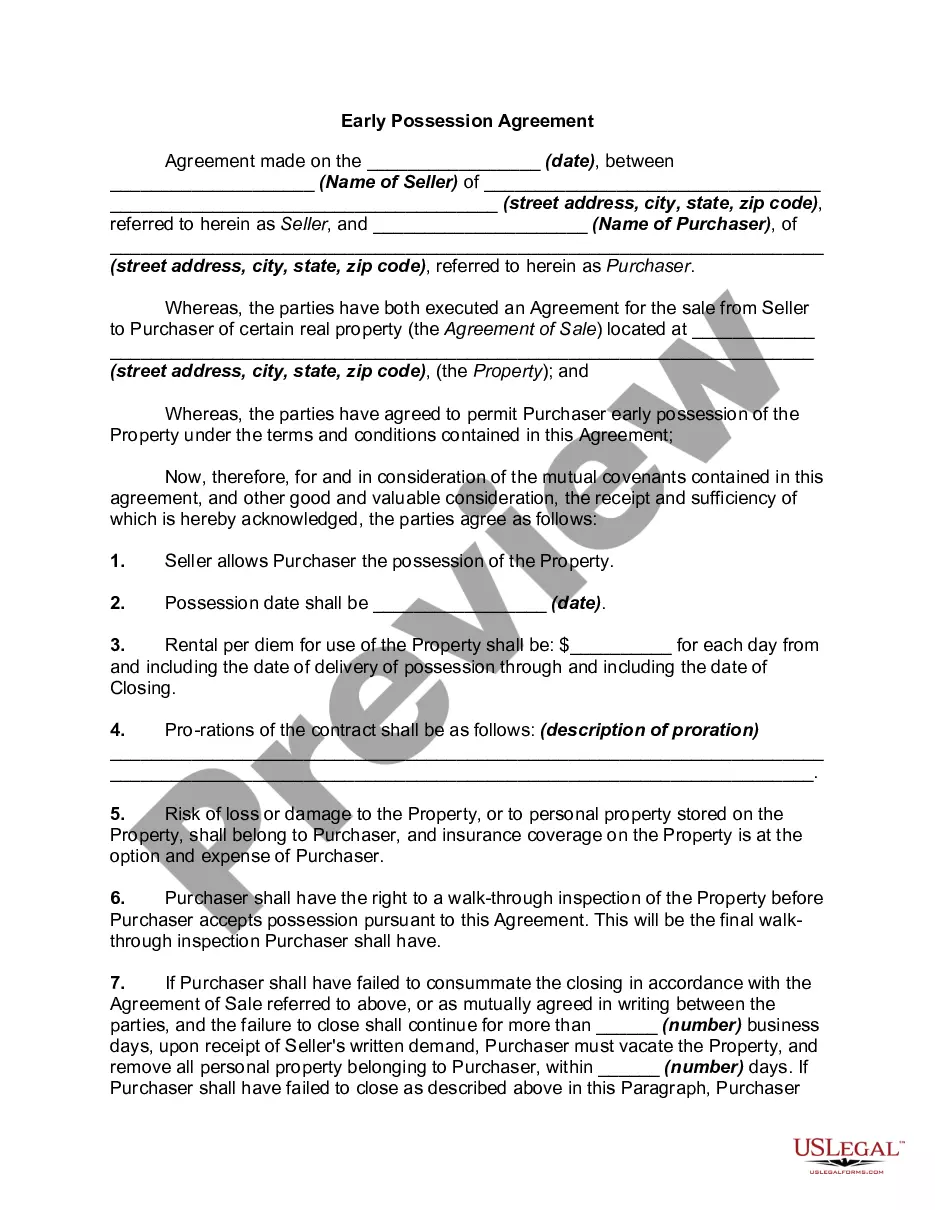
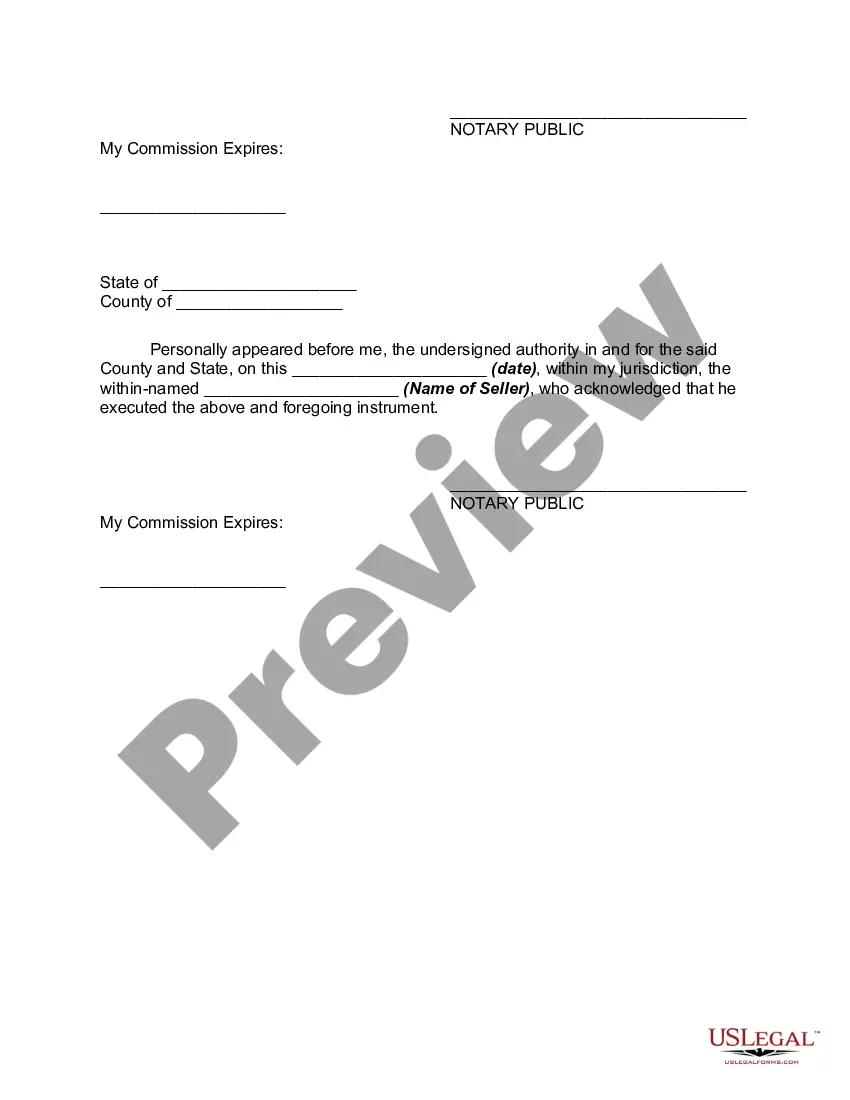
You can obtain or create the Virgin Islands Early Possession Agreement through their service.
If available, utilize the Preview button to browse through the document template as well. If you wish to find another version of the form, use the Search field to locate the template that meets your needs and requirements.
- If you already have a US Legal Forms account, you may Log In and then click the Download button.
- After that, you can complete, modify, print, or sign the Virgin Islands Early Possession Agreement.
- Every legal document template you download is yours for life.
- To retrieve another copy of a purchased form, check the My documents tab and select the appropriate button.
- If you are using the US Legal Forms website for the first time, follow the simple instructions below.
- First, confirm that you have chosen the correct document template for your area/town of preference.
- Review the form description to ensure you have selected the right one.
Form popularity
FAQ
Yes, U.S. citizens can move to the Virgin Islands without facing complications that foreign nationals might encounter. This provides a great opportunity for those seeking a change of scenery or a new lifestyle. A Virgin Islands Early Possession Agreement can help you navigate the property acquisition process seamlessly. By understanding residency rules, you can settle in quickly and start enjoying island life.
Property tax rates in the Virgin Islands can vary, typically based on the assessed value of your property. It's essential to budget for these taxes when purchasing real estate. A Virgin Islands Early Possession Agreement allows you to understand your financial obligations clearly and plan accordingly. You can consult local resources or legal advisors to get accurate information on current tax rates.
Moving to the Virgin Islands involves more than just packing your bags. You need to consider residency laws and ensure you have the necessary permits. Utilizing a Virgin Islands Early Possession Agreement may simplify the process if you are looking to secure a place to live right away. Knowing the requirements will help make your transition smooth and enjoyable.
Yes, you can own property in the Virgin Islands. The real estate market offers various options for residents and investors alike. A Virgin Islands Early Possession Agreement can streamline the process of acquiring property, allowing you to secure your investment quickly. Make sure to understand the local laws and regulations that may affect your property ownership.
Absolutely, US citizens can own property in the U.S. Virgin Islands, which often attracts those looking to invest in real estate. Potential buyers should remain informed about local property laws and processes. If you're considering a property acquisition, the Virgin Islands Early Possession Agreement is key to navigating this process smoothly, ensuring you understand your rights and obligations.
U.S. laws indeed apply in the U.S. Virgin Islands, but local statutes also come into play. While many federal regulations are enforced, local government can legislate differently on several matters. If you're about to make legal decisions, such as signing a Virgin Islands Early Possession Agreement, it's vital to consult legal resources to ensure compliance with both laws.
Yes, U.S. laws apply to U.S. territories, including the Virgin Islands, though there are some exceptions. Federal laws generally apply, but local laws and regulations can also impact how those laws are enforced in the territories. This is an important consideration when entering into agreements like the Virgin Islands Early Possession Agreement, as you must comply with both sets of laws.
Yes, abortion is legal in the U.S. Virgin Islands, but it is regulated under specific conditions. Healthcare providers in the Islands follow local laws concerning abortion procedures, which may change. Understanding these regulations is crucial for residents and visitors alike, especially if you're considering relocation or an agreement such as the Virgin Islands Early Possession Agreement.
Form 1120-F is a U.S. tax return used by foreign corporations operating in the U.S. Virgin Islands. This form deals specifically with income earned within U.S. jurisdiction, and it is necessary for compliance under local tax laws. Accurate filing can prevent penalties, especially if your corporation is involved in real estate transactions tied to the Virgin Islands Early Possession Agreement.
You should file IRS Form 8898 if you qualify as a 'dual resident' taxpayer. This form is necessary for individuals who have moved to or from the U.S. Virgin Islands during the tax year. Filing this form properly is essential to avoid potential tax complications, particularly if you are engaging in agreements like the Virgin Islands Early Possession Agreement that may have tax implications.