Virginia Hardship Letter to Mortgagor or Lender to Prevent Foreclosure
Description
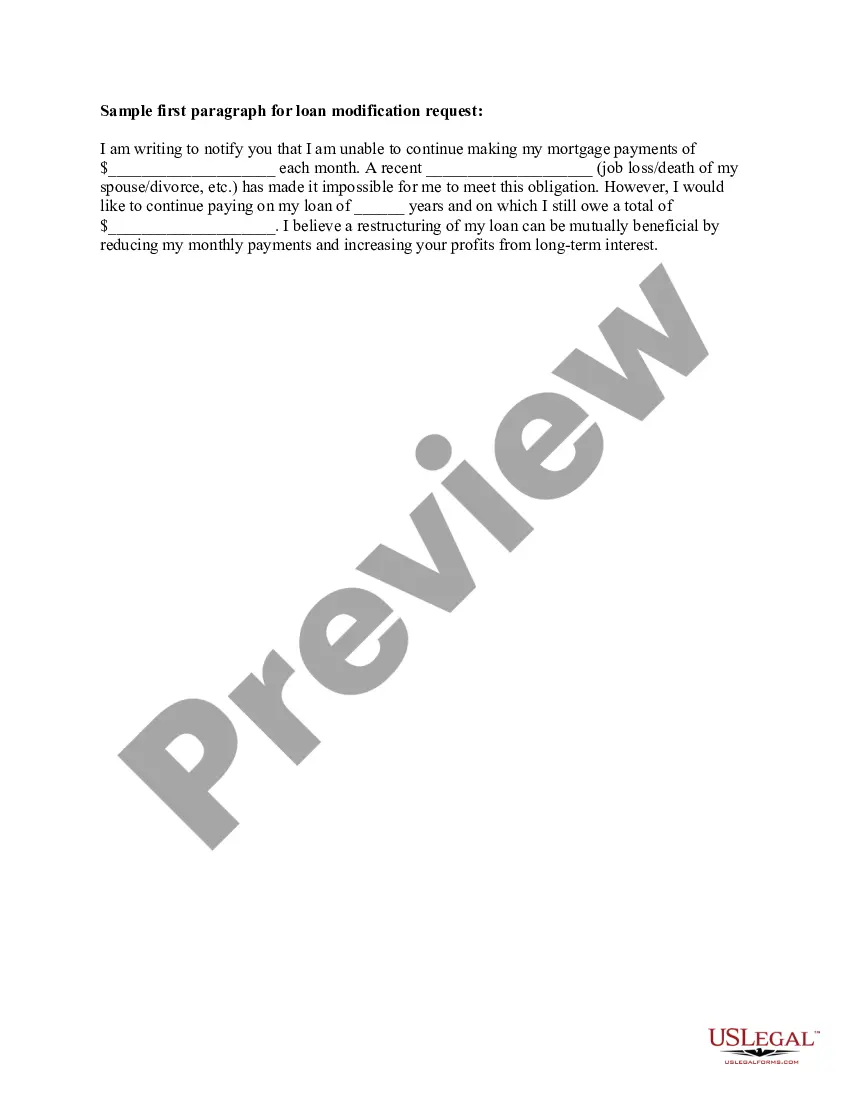
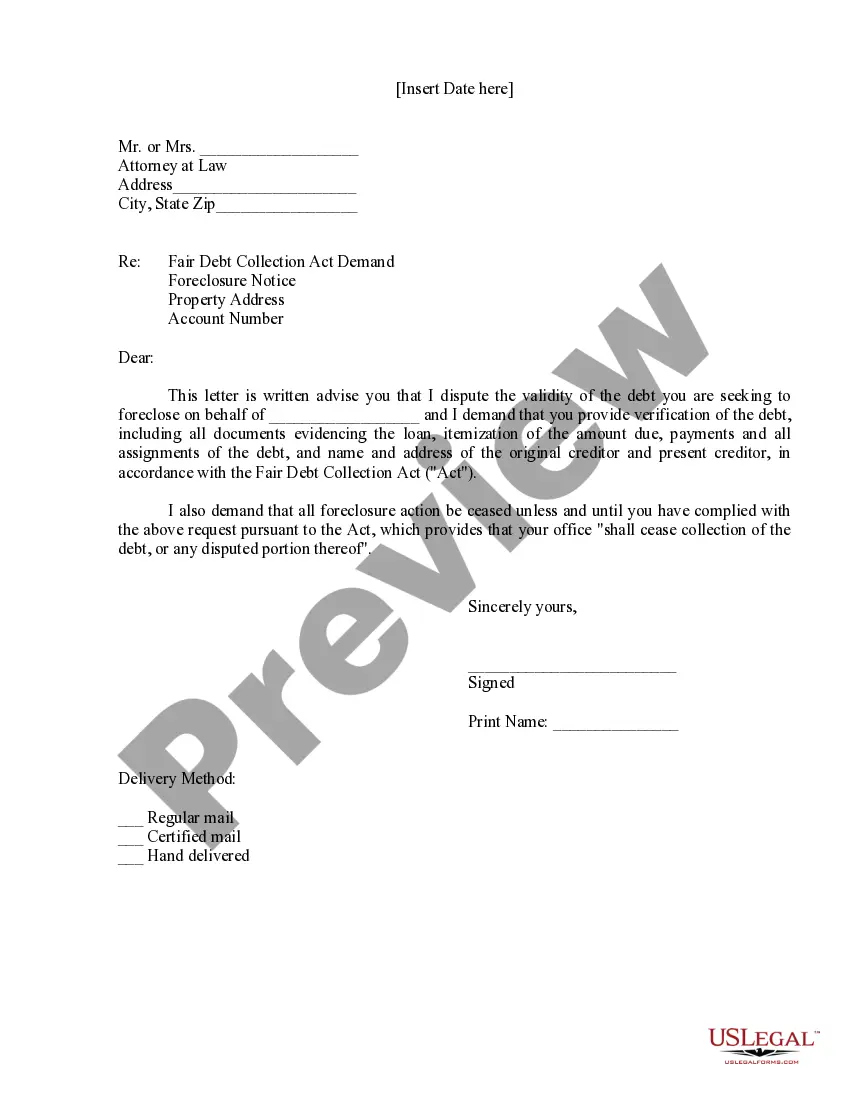
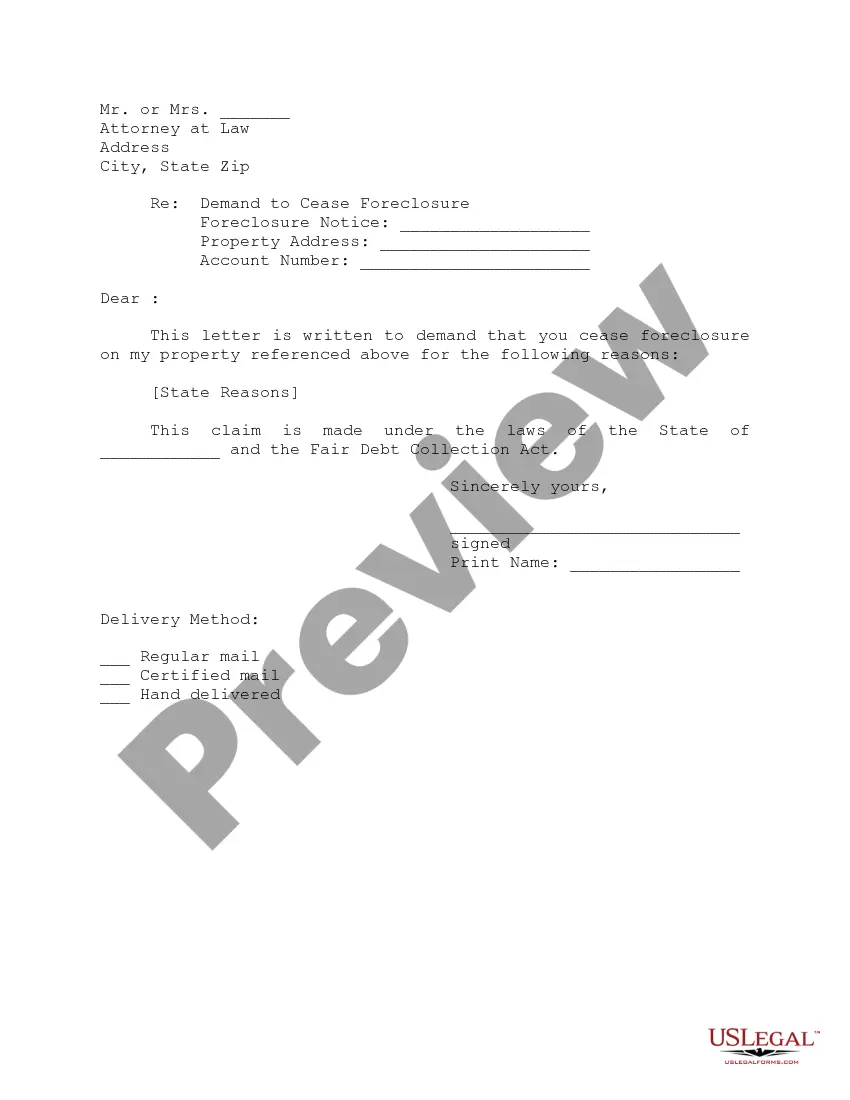
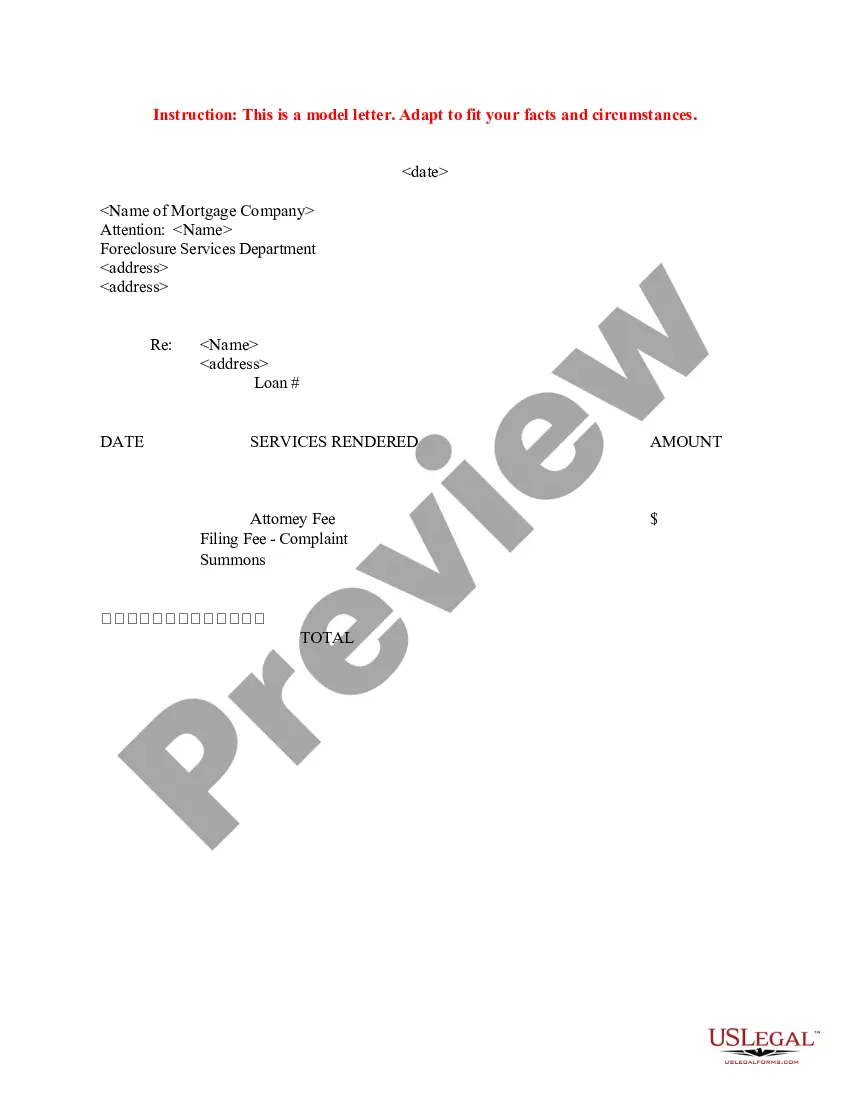
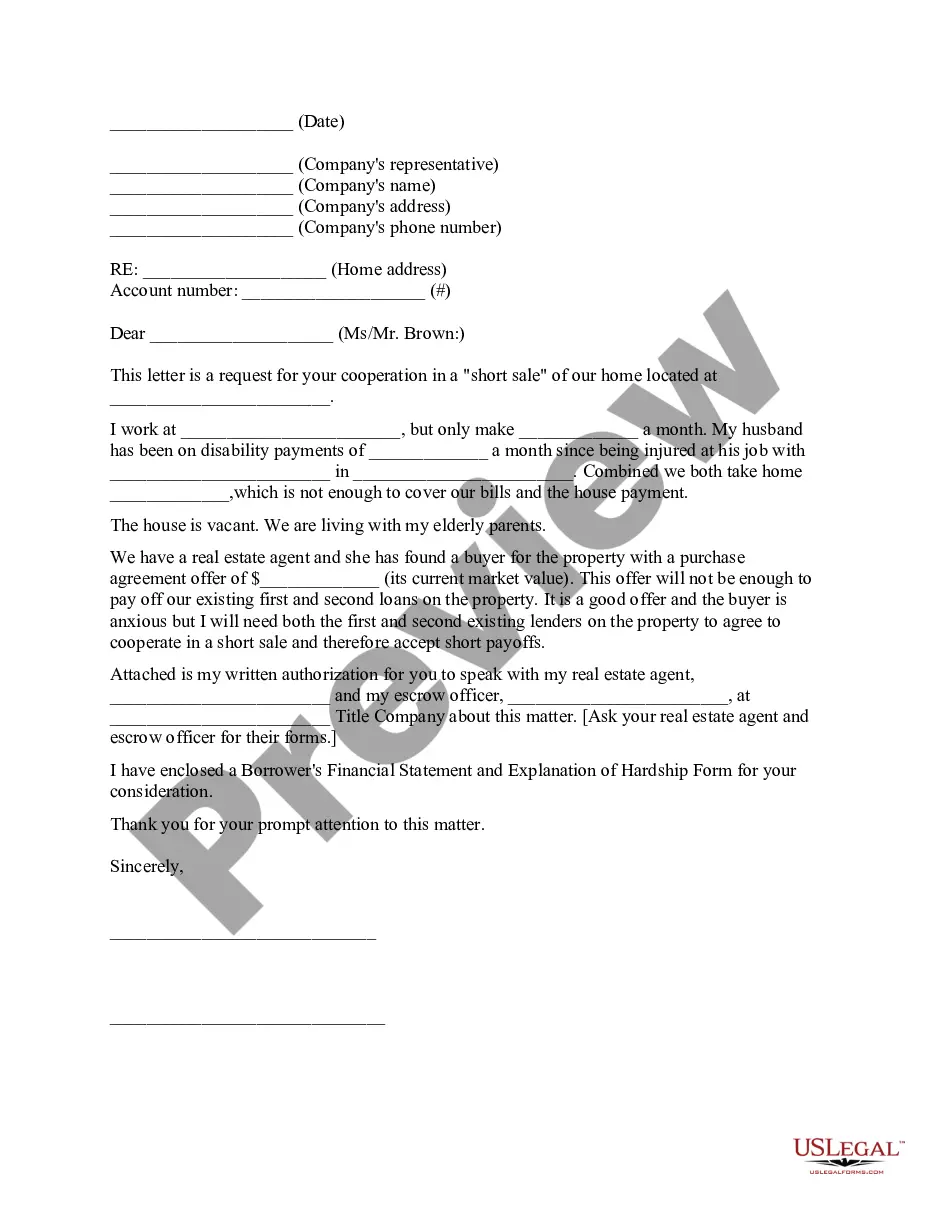
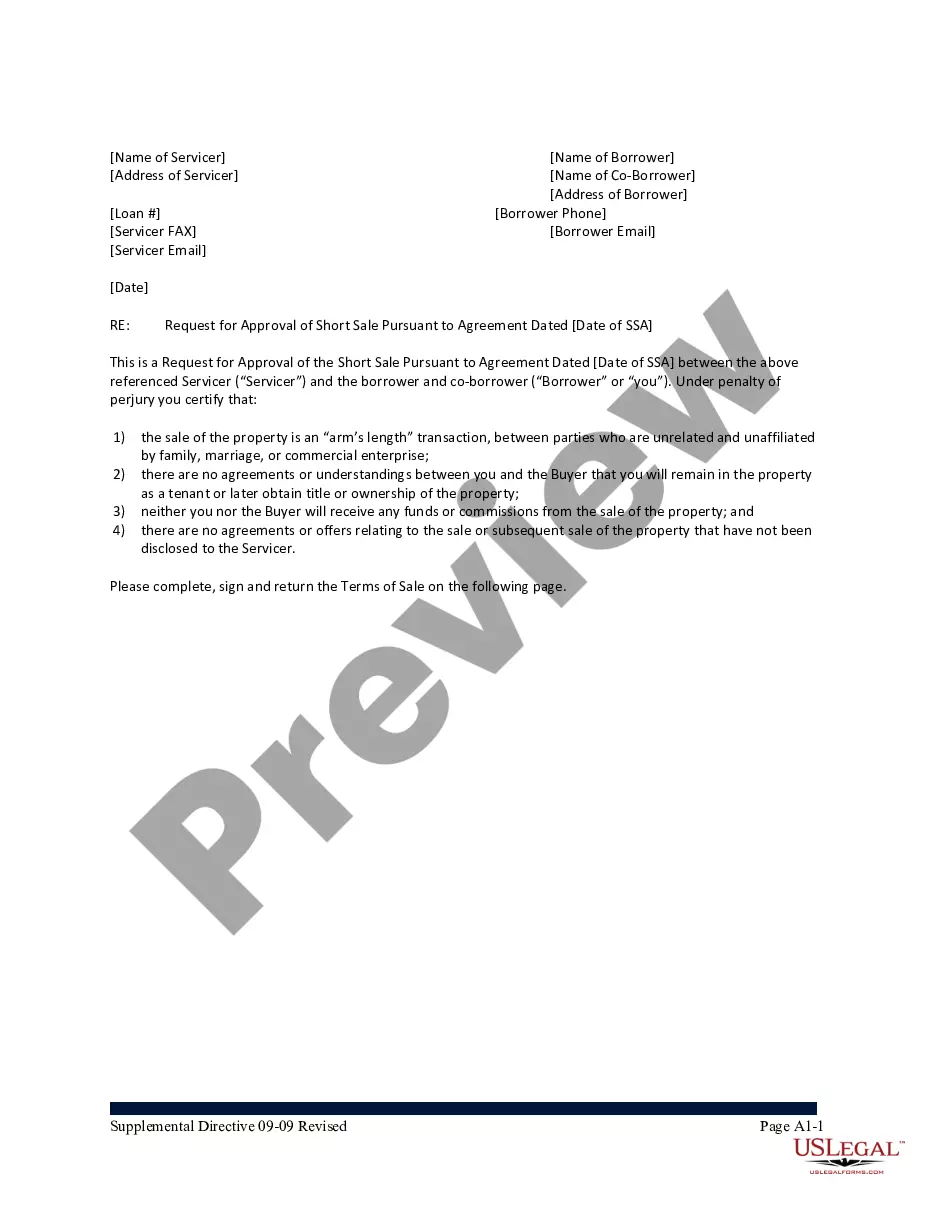


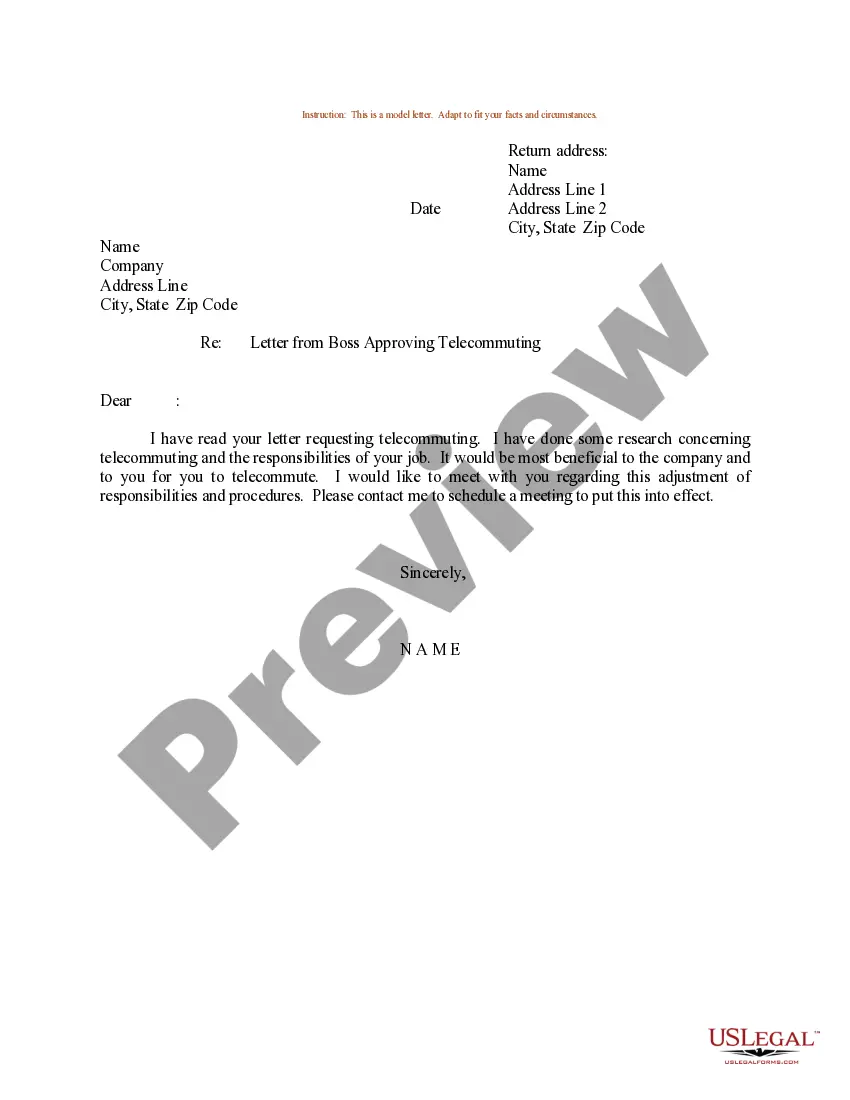
How to fill out Hardship Letter To Mortgagor Or Lender To Prevent Foreclosure?
Selecting the optimal sanctioned document template can be quite challenging.
Of course, there are numerous formats accessible on the internet, but how do you locate the authorized form you require.
Utilize the US Legal Forms website. The platform provides thousands of formats, including the Virginia Hardship Letter to Mortgagor or Lender to Prevent Foreclosure, which you can employ for both personal and business purposes.
You can review the form using the Preview option and examine the form outline to confirm it's suitable for you.
- All the forms are vetted by experts and comply with state and federal standards.
- If you are already subscribed, Log In to your account and click on the Download button to retrieve the Virginia Hardship Letter to Mortgagor or Lender to Prevent Foreclosure.
- Use your account to browse the legal forms that you have previously purchased.
- Navigate to the My documents section of your account and download another copy of the document you need.
- If you are a new user of US Legal Forms, here are simple steps that you can take.
- First, ensure you have selected the appropriate form for your city/region.
Form popularity
FAQ
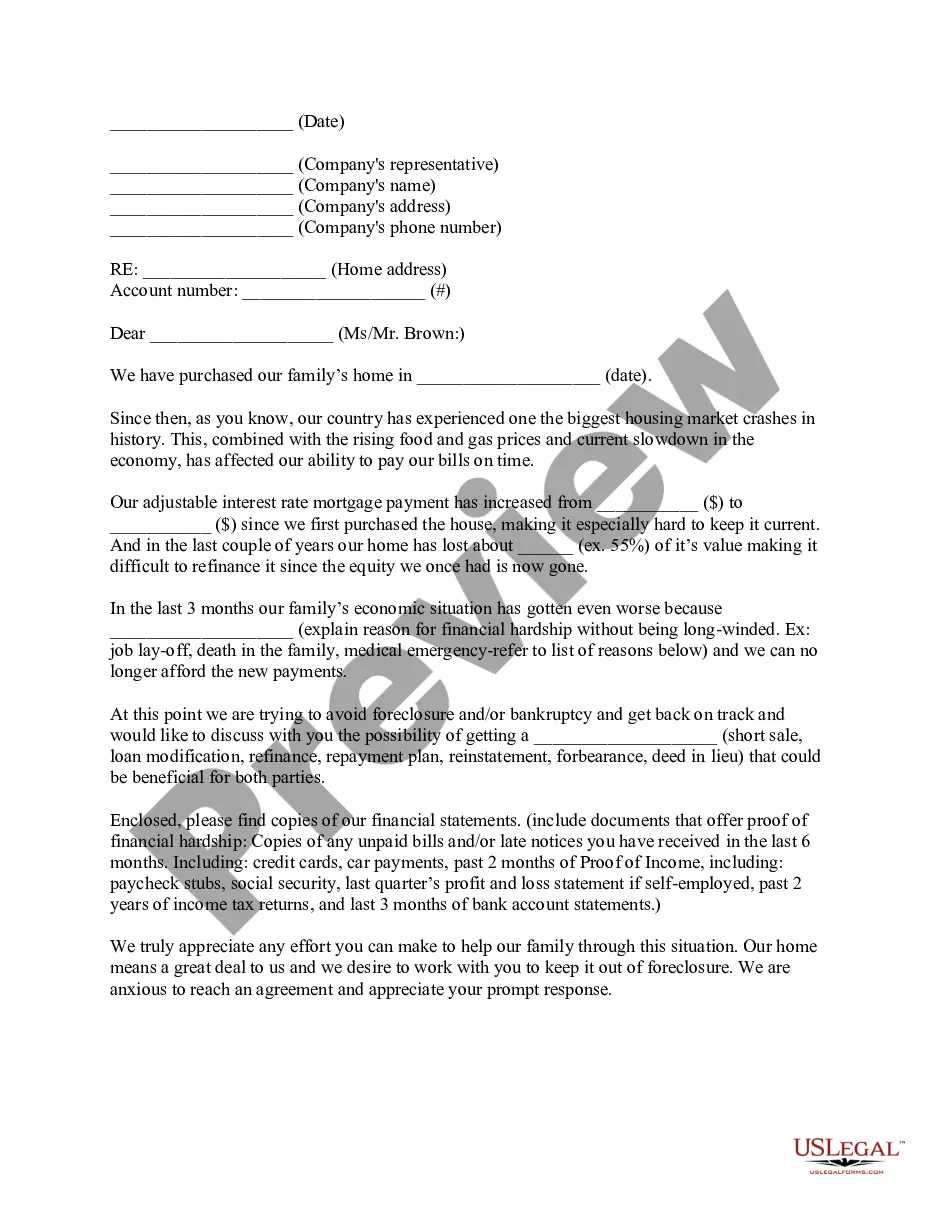
To stop a foreclosure sale in Virginia, you can file a Virginia Hardship Letter to Mortgagor or Lender to Prevent Foreclosure. This letter serves as a formal request for your lender to reconsider the foreclosure process based on your financial struggles. Additionally, acting quickly to seek legal advice may help protect your rights. Resources like the US Legal Forms platform can provide you with the necessary templates and guidance throughout this process.
To stop a foreclosure in Virginia, consider submitting a Virginia Hardship Letter to Mortgagor or Lender to Prevent Foreclosure. This letter outlines your financial difficulties and requests a more manageable repayment plan. Engaging with your lender early can also prevent further actions against your property. Additionally, consulting with a legal professional or using platforms like US Legal Forms can provide tailored documents to strengthen your case and navigate through this challenging time.
When drafting a proof of hardship letter, focus on clarity and thoroughness. Your Virginia Hardship Letter to Mortgagor or Lender to Prevent Foreclosure should contain specific details about your financial difficulties, backed with evidence like bills or income statements. Clearly express your desire to resolve the situation while ensuring you maintain an honest and respectful tone. This method lays the groundwork for potential support from your lender.
Writing a foreclosure hardship letter involves detailing your financial struggles in a concise manner. In your Virginia Hardship Letter to Mortgagor or Lender to Prevent Foreclosure, clearly outline the reasons for your financial difficulties and include any supporting documents. Highlight your intention to keep your home and your readiness to communicate with the lender for potential solutions. This clarity can enhance your chances of a favorable outcome.
To create an effective Virginia Hardship Letter to Mortgagor or Lender to Prevent Foreclosure, start by clearly stating your current financial situation. Explain the reasons for your hardship, like job loss or medical bills, while being specific. Offer a repayment plan or request specific assistance, showing your commitment to resolving the issue. This clarity reassures lenders that you are proactive about your circumstances.
When writing a Virginia Hardship Letter to Mortgagor or Lender to Prevent Foreclosure, it's essential to avoid emotional pleas or irrelevant personal details. Focus on concrete financial facts and your willingness to resolve the situation. Keep the tone respectful and professional, steering clear of blame or negativity. This approach helps maintain a constructive dialogue with your lender.
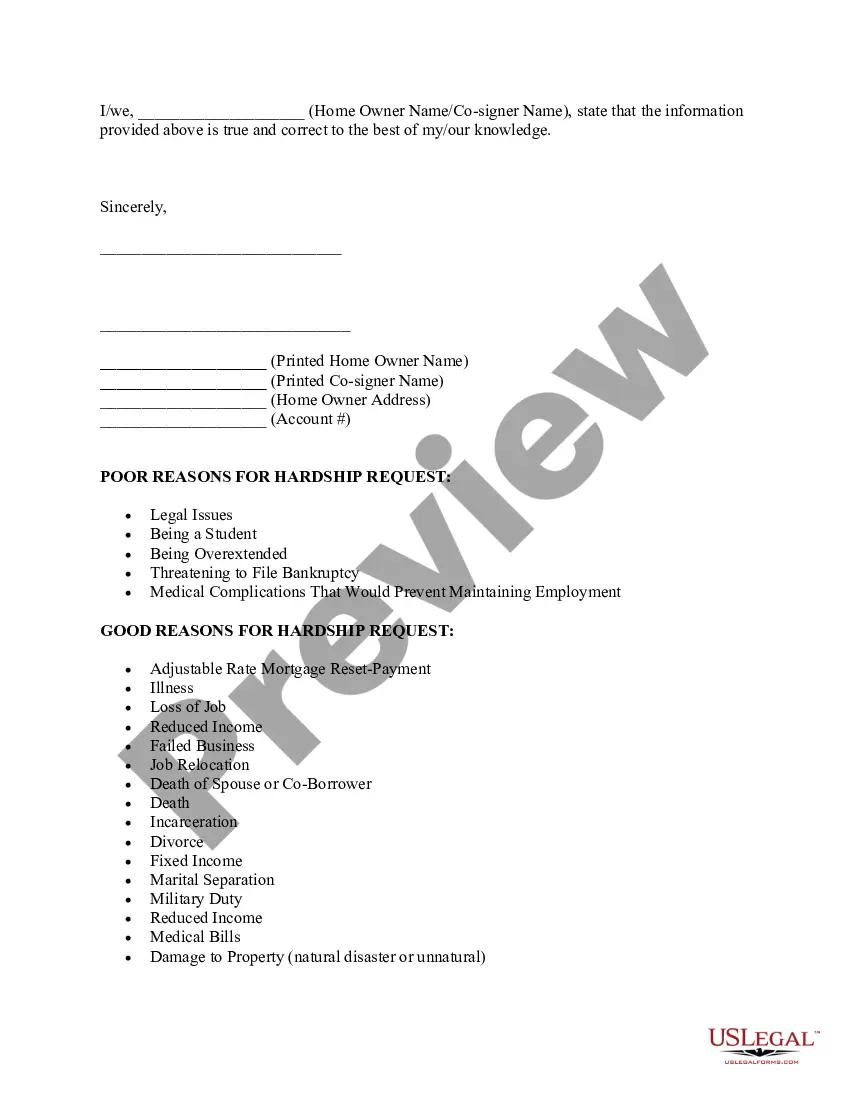
The definition of hardship is adversity, or something difficult or unpleasant that you must endure or overcome. An example of hardship is when you are too poor to afford proper food or shelter and you must try to endure the hard times and deprivation.
Tips for Writing a Hardship LetterKeep it original.Be honest.Keep it concise.Don't cast blame or shirk responsibility.Don't use jargon or fancy words.Keep your objectives in mind.Provide the creditor an action plan.Talk to a Financial Couch.
A hardship letter explains why a mortgage holder is defaulting on their loan and needs to sell their home for less than what they owe. Hardship may arise from unemployment, reduced income, a death in the family, divorce, military service, incarceration, or other situations.