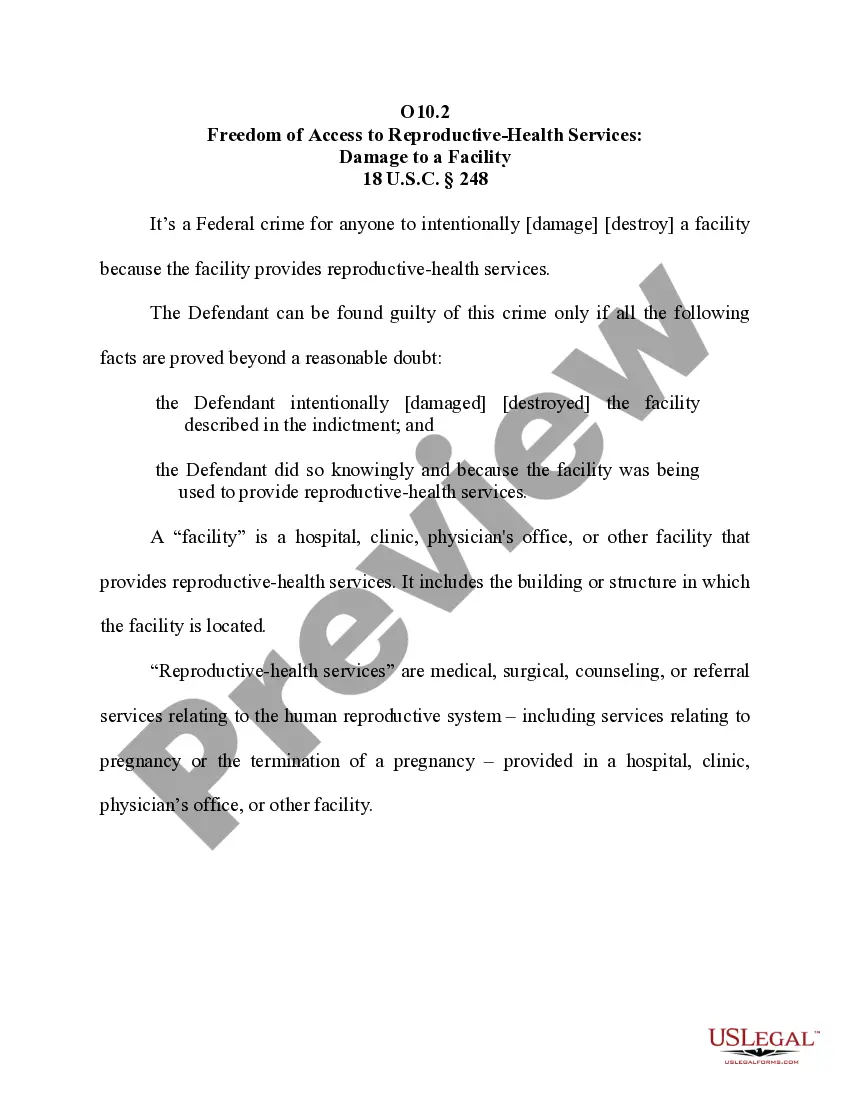
Virginia Complaint for Malicious Prosecution, False Imprisonment, Abuse of Process
Description




Get your form ready online
Our built-in tools help you complete, sign, share, and store your documents in one place.
Make edits, fill in missing information, and update formatting in US Legal Forms—just like you would in MS Word.
Download a copy, print it, send it by email, or mail it via USPS—whatever works best for your next step.
Sign and collect signatures with our SignNow integration. Send to multiple recipients, set reminders, and more. Go Premium to unlock E-Sign.
If this form requires notarization, complete it online through a secure video call—no need to meet a notary in person or wait for an appointment.
We protect your documents and personal data by following strict security and privacy standards.

Make edits, fill in missing information, and update formatting in US Legal Forms—just like you would in MS Word.

Download a copy, print it, send it by email, or mail it via USPS—whatever works best for your next step.

Sign and collect signatures with our SignNow integration. Send to multiple recipients, set reminders, and more. Go Premium to unlock E-Sign.

If this form requires notarization, complete it online through a secure video call—no need to meet a notary in person or wait for an appointment.

We protect your documents and personal data by following strict security and privacy standards.
Looking for another form?


How to fill out Complaint For Malicious Prosecution, False Imprisonment, Abuse Of Process?
Have you ever been in a situation where you need to have documentation for both business or personal purposes almost every time.
There are numerous legal document templates available online, but finding ones you can trust isn’t easy.
US Legal Forms provides thousands of document templates, such as the Virginia Complaint for Malicious Prosecution, False Imprisonment, Abuse of Process, that are designed to meet federal and state requirements.
Select the pricing plan you prefer, enter the necessary information to create your account, and complete your order using your PayPal or credit card.
Choose a convenient document format and download your copy. Access all the document templates you have purchased in the My documents section. You can obtain an additional copy of the Virginia Complaint for Malicious Prosecution, False Imprisonment, Abuse of Process at any time if needed. Just click on the necessary form to download or print the document template. Utilize US Legal Forms, one of the largest selections of legal forms, to save time and avoid errors. The service offers professionally created legal document templates that you can use for a variety of purposes. Create an account on US Legal Forms and start making your life easier.
- If you are already familiar with the US Legal Forms website and possess an account, simply Log In.
- Then, you can download the Virginia Complaint for Malicious Prosecution, False Imprisonment, Abuse of Process template.
- If you do not have an account and want to start using US Legal Forms, follow these steps.
- Obtain the form you need and ensure it is for the correct city/region.
- Use the Review button to examine the document.
- Read the details to confirm you have selected the right form.
- If the form isn’t what you’re looking for, use the Search field to find the form that meets your needs and requirements.
- Once you locate the correct form, click on Buy now.
Form popularity
FAQ
Evidence to support a malicious prosecution claim can include photographs, witness statements, legal records related to the first claim and expert testimony.
The primary difference between the two legal actions is that malicious prosecution concerns the malicious or wrongful commencement of an action, while, on the other hand, abuse of process concerns the improper use of the legal process after process has already been issued and a suit has commenced.
Malicious prosecution damages can be significant, whether the ?prosecution? in question was civil or criminal in nature. Most of the time, the damages awarded for malicious prosecution are compensatory damages, with no punitive damages added.
Malicious prosecution occurs when someone sues you or brings criminal charges against you without probable cause and with harmful intent. Examples could include someone providing false evidence to the police that you committed a crime or someone suing you for hurting them even if you never caused them harm.
First, the defendant's conduct was malicious, and not simply in error. Second, the defendant instituted or cooperated in the institution of the charges; Third, the defendant pursued the case without probable cause; and. Fourth, the case was terminated in a manner not unfavorable to the Plaintiff.
An action for malicious prosecution requires proof offour elements: "the prosecution was (1) malicious, (2) instituted by or with the cooperation of the defendant, (3) without probable cause, and (4) terminated in a manner not unfavorable to the plaintiff." Reilly v. Shepherd, 273 Va.
A malicious prosecution case can be difficult to prove, but with a few key elements it can be won in court. First, it must be clear that the defendant did not have probable cause to bring the action.
The Elements of a Malicious Prosecution Claim A legal action commenced or prosecuted without probable cause. ... The legal action was brought or initiated with malice or malicious intent. Final, favorable termination or resolution of the action (or relevant claims) in the defendant's favor. ... Legally recognizable damages.