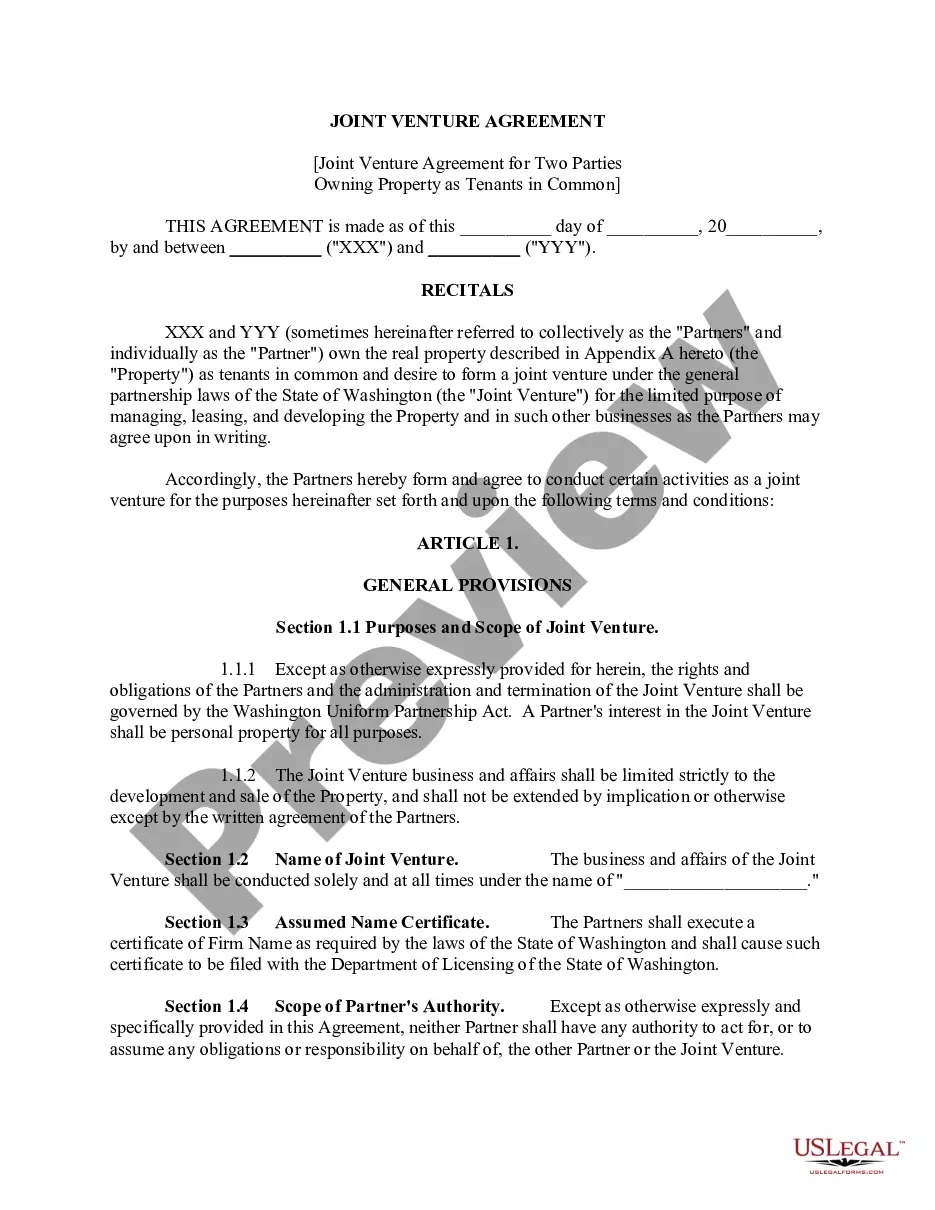
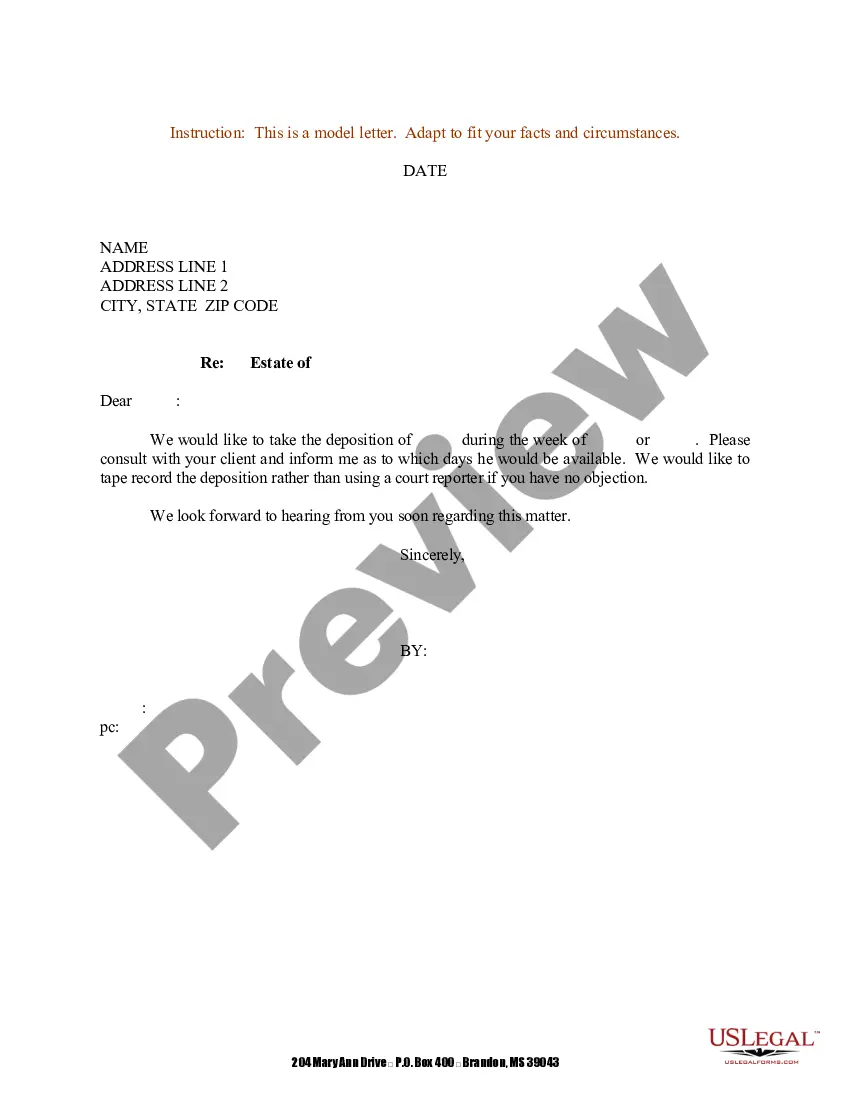
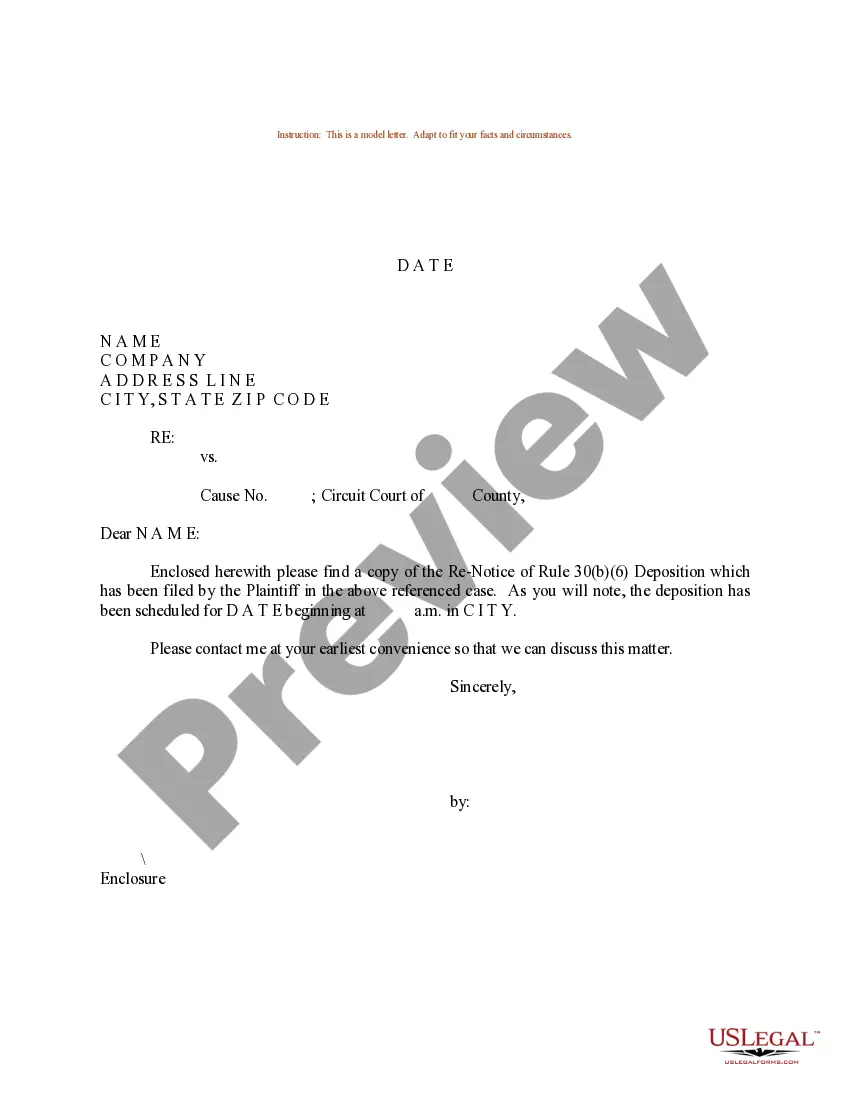
Virginia Sample Letter for Request for Deposition - Discovery
Description

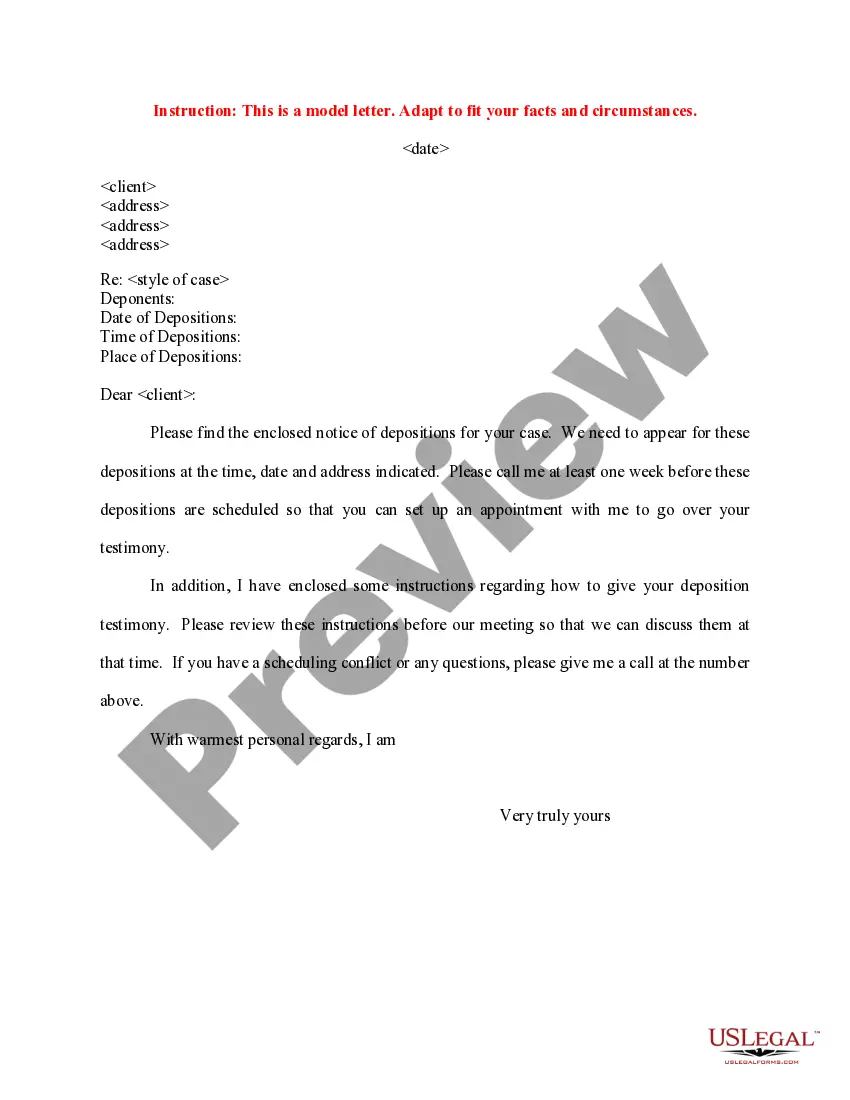
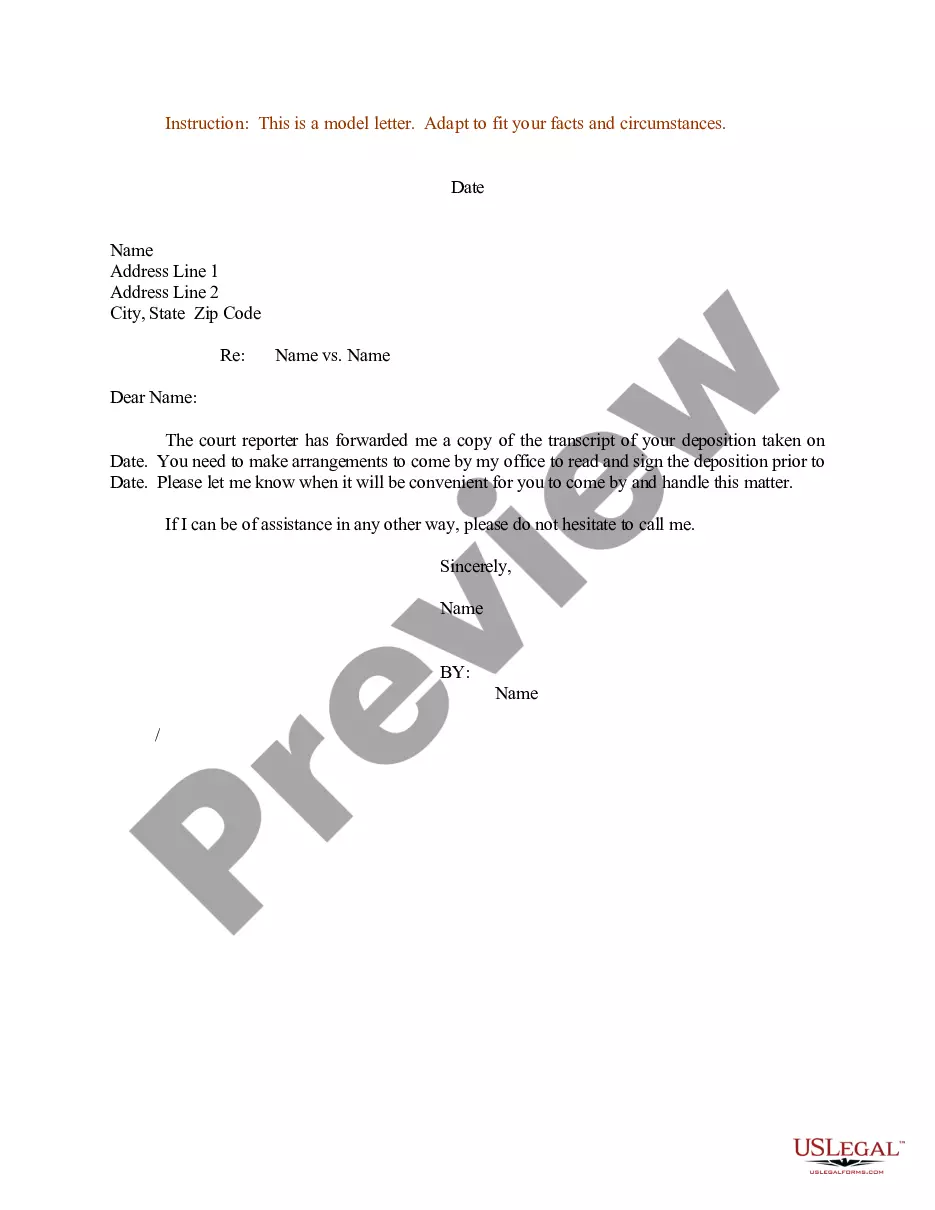
Get your form ready online
Our built-in tools help you complete, sign, share, and store your documents in one place.
Make edits, fill in missing information, and update formatting in US Legal Forms—just like you would in MS Word.
Download a copy, print it, send it by email, or mail it via USPS—whatever works best for your next step.
Sign and collect signatures with our SignNow integration. Send to multiple recipients, set reminders, and more. Go Premium to unlock E-Sign.
If this form requires notarization, complete it online through a secure video call—no need to meet a notary in person or wait for an appointment.
We protect your documents and personal data by following strict security and privacy standards.

Make edits, fill in missing information, and update formatting in US Legal Forms—just like you would in MS Word.

Download a copy, print it, send it by email, or mail it via USPS—whatever works best for your next step.

Sign and collect signatures with our SignNow integration. Send to multiple recipients, set reminders, and more. Go Premium to unlock E-Sign.

If this form requires notarization, complete it online through a secure video call—no need to meet a notary in person or wait for an appointment.

We protect your documents and personal data by following strict security and privacy standards.
Looking for another form?

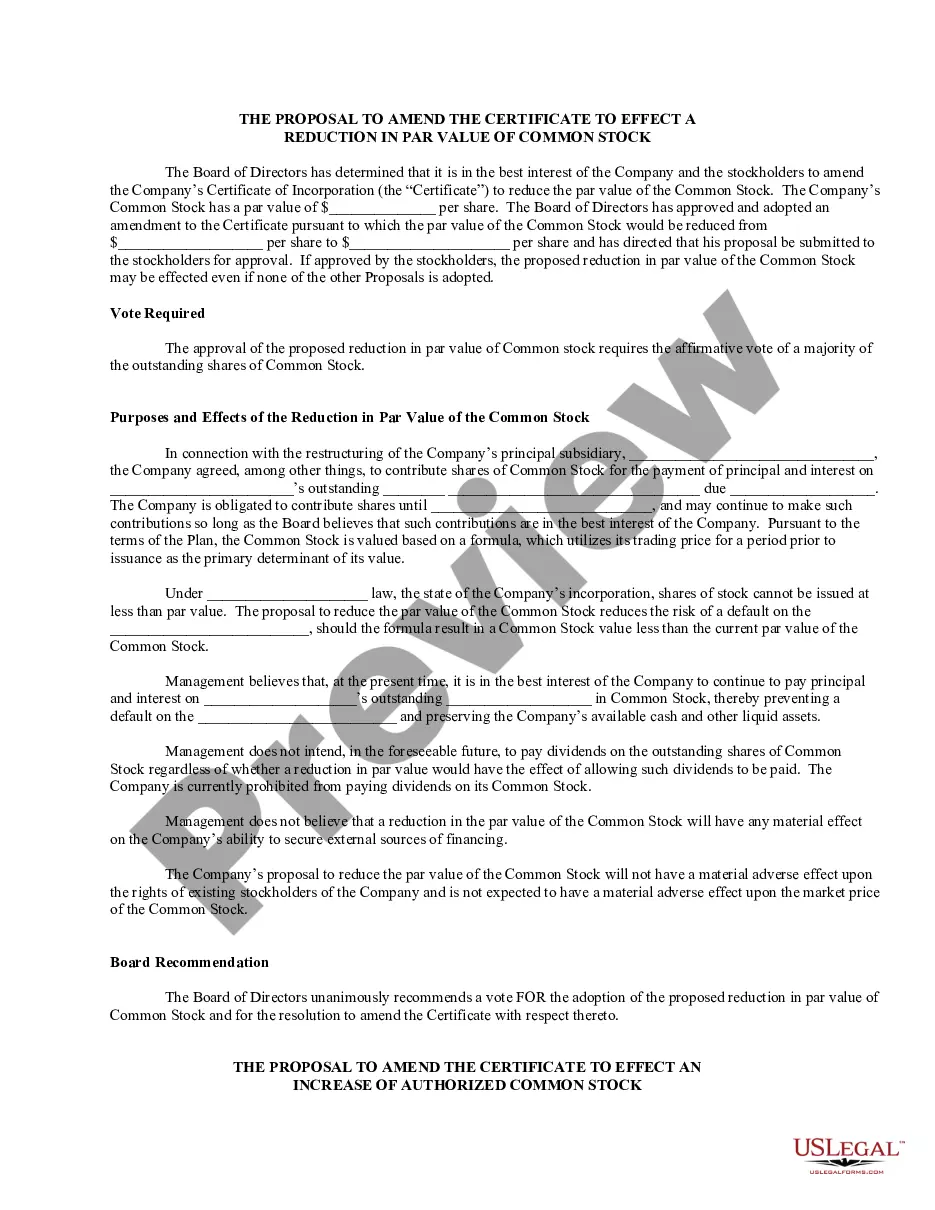




How to fill out Sample Letter For Request For Deposition - Discovery?
US Legal Forms - one of the largest collections of legal documents in the USA - provides a variety of legal document templates that you can download or print. By utilizing the site, you can discover thousands of forms for business and personal purposes, categorized by types, states, or keywords. You can find the latest versions of forms such as the Virginia Sample Letter for Request for Deposition - Discovery in moments.
If you have a membership, Log In and download the Virginia Sample Letter for Request for Deposition - Discovery from the US Legal Forms library. The Download button will appear on every form you view. You can access all previously downloaded forms in the My documents section of your account.
If you are using US Legal Forms for the first time, here are simple instructions to get you started: Make sure you have chosen the correct form for your area/county. Click the Review button to evaluate the form’s content. Check the form details to ensure you have selected the correct document. If the form does not meet your needs, use the Search box at the top of the screen to find one that does.
Access the Virginia Sample Letter for Request for Deposition - Discovery with US Legal Forms, the most extensive collection of legal document templates. Utilize thousands of professional and state-specific templates that fulfill your business or personal needs and requirements.
- If you are satisfied with the form, confirm your choice by clicking the Buy now button.
- Then, select the pricing plan you prefer and provide your information to register for an account.
- Complete the transaction. Use your credit card or PayPal account to finalize the purchase.
- Select the format and download the form to your device.
- Make modifications. Fill out, edit, print, and sign the downloaded Virginia Sample Letter for Request for Deposition - Discovery.
- Every template you add to your account does not have an expiration date and is yours indefinitely. Therefore, if you wish to download or print another copy, simply navigate to the My documents section and click on the form you desire.
Form popularity
FAQ
This discovery deficiency letter is a standard form that attorneys can use in a federal court litigation to facilitate a discussion with opposing counsel concerning his or her failure to respond to discovery requests or provision of inadequate, incomplete, or otherwise deficient responses.
A deficiency letter is a letter that is issued by the Securities and Exchange Commission (SEC) and indicates a significant deficiency or omission in a registration statement or prospectus.
What Is a Notice of Deposition? Witnesses are needed by a legal team to answer questions under oath pertaining to their knowledge relating to a lawsuit before the case is tried in the court. The law firm sends a document called a notice of deposition to the witness and all other parties involved in the lawsuit.
An SEC "deficiency letter" indicates that there is not adequate disclosure in the registration documents to allow investors to make an informed decision. The deficiency must be cured before the SEC will allow the registration to be effective.
This letter is often called a good faith letter. And it is needed under many courts' rules before you can file a motion to compel discovery if the other party ignores your requests or provides evasive responses or move for sanctions if your opponent refuses to comply with the court's discovery order.
A sample letter alerting opposing counsel in a Texas case to perceived deficiencies in their discovery responses or deposition testimony and requesting additional discovery materials to remedy the deficiencies.
If the other person did not respond or didn't provide complete responses, try to work it out with them directly first. If that does not work, you can request a court order that requires them to respond or respond with more information. You have 45 days to do this.
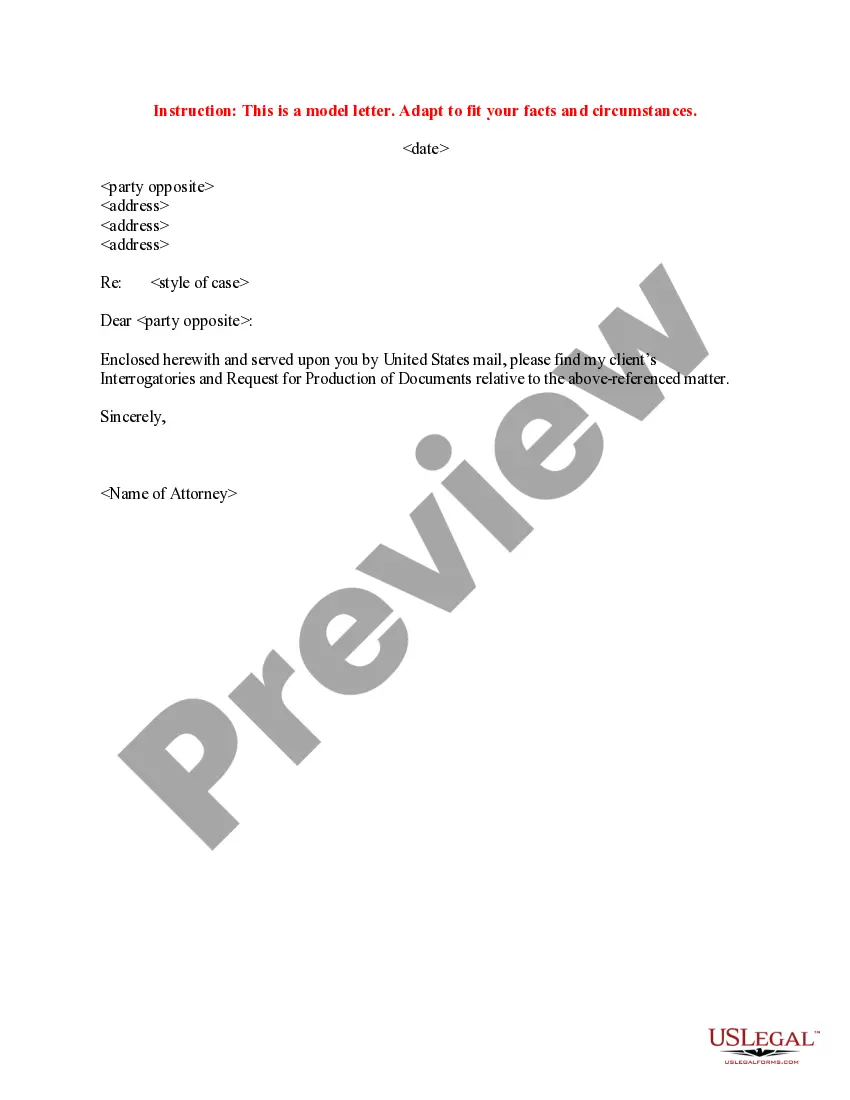
Discovery requests typically follow a common format that you can mirror. First, list instructions detailing the request for production. Be sure to mention Rule 34 and Rule 26(b), which outline the scope of the discovery request. It's also necessary to include a section with definitions.