This is a multi-state form covering the subject matter of the title.
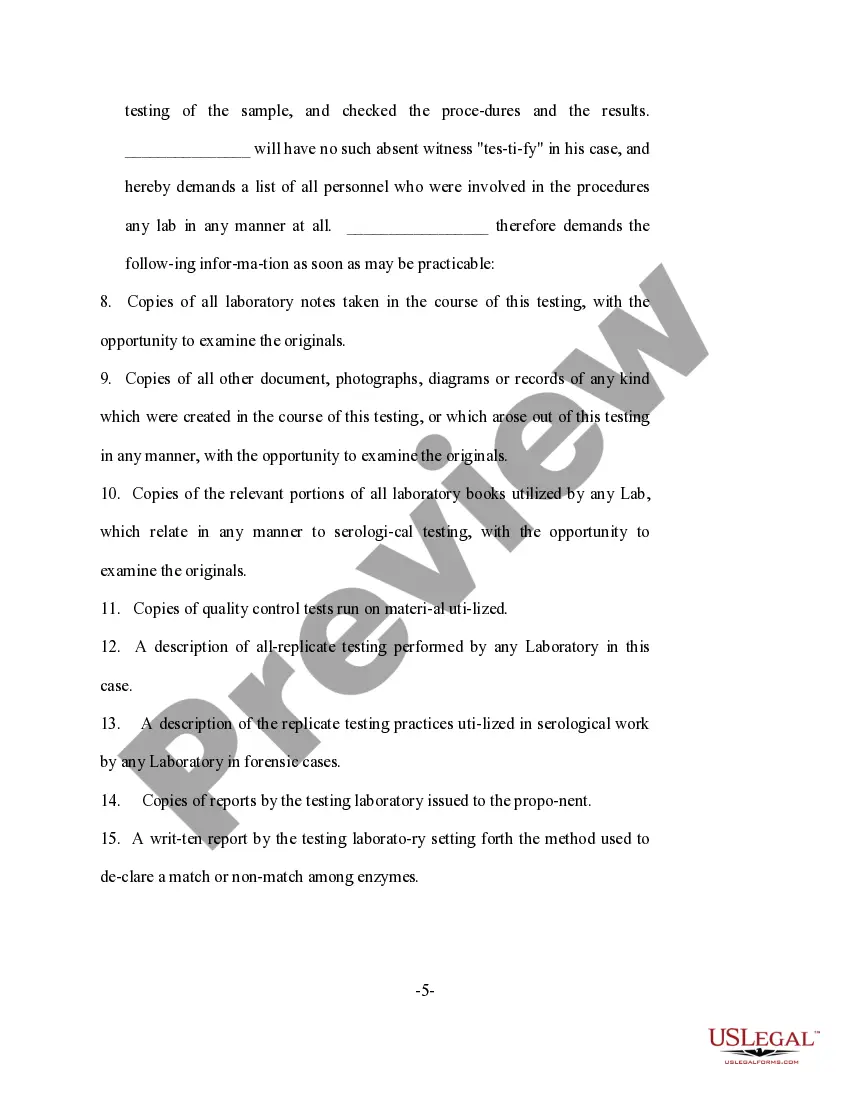
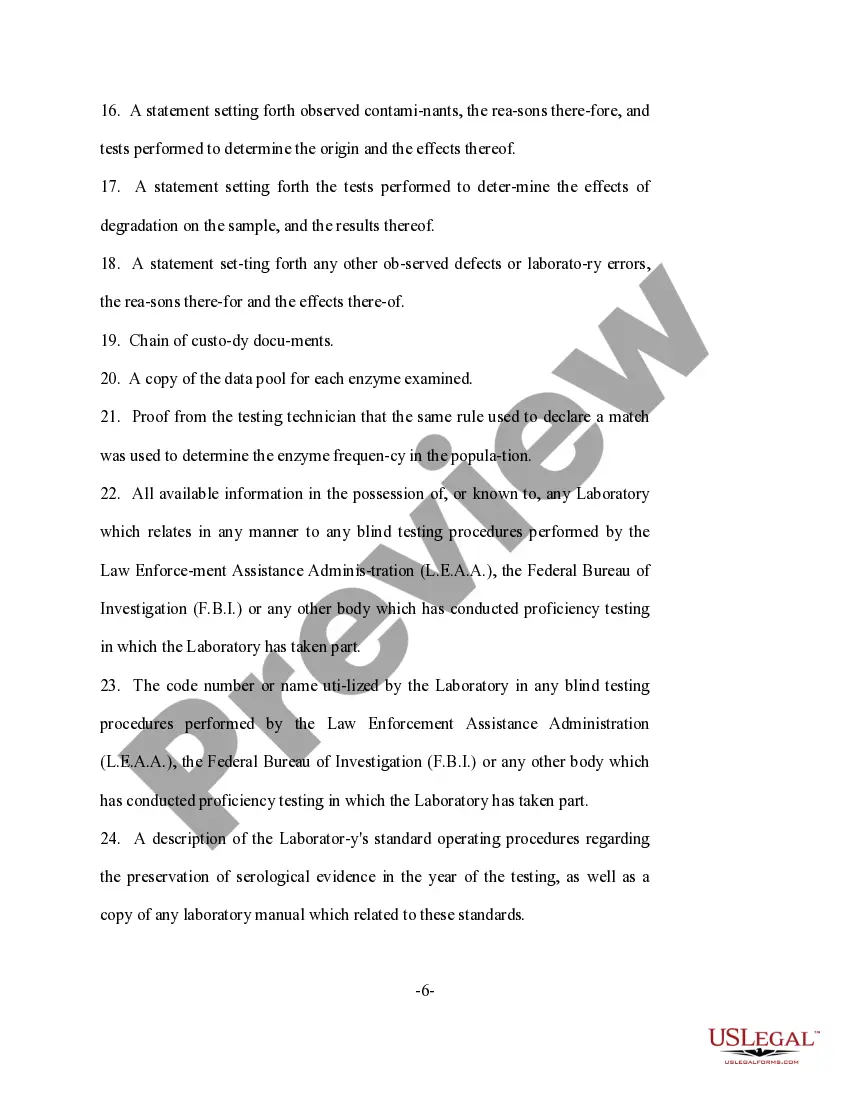
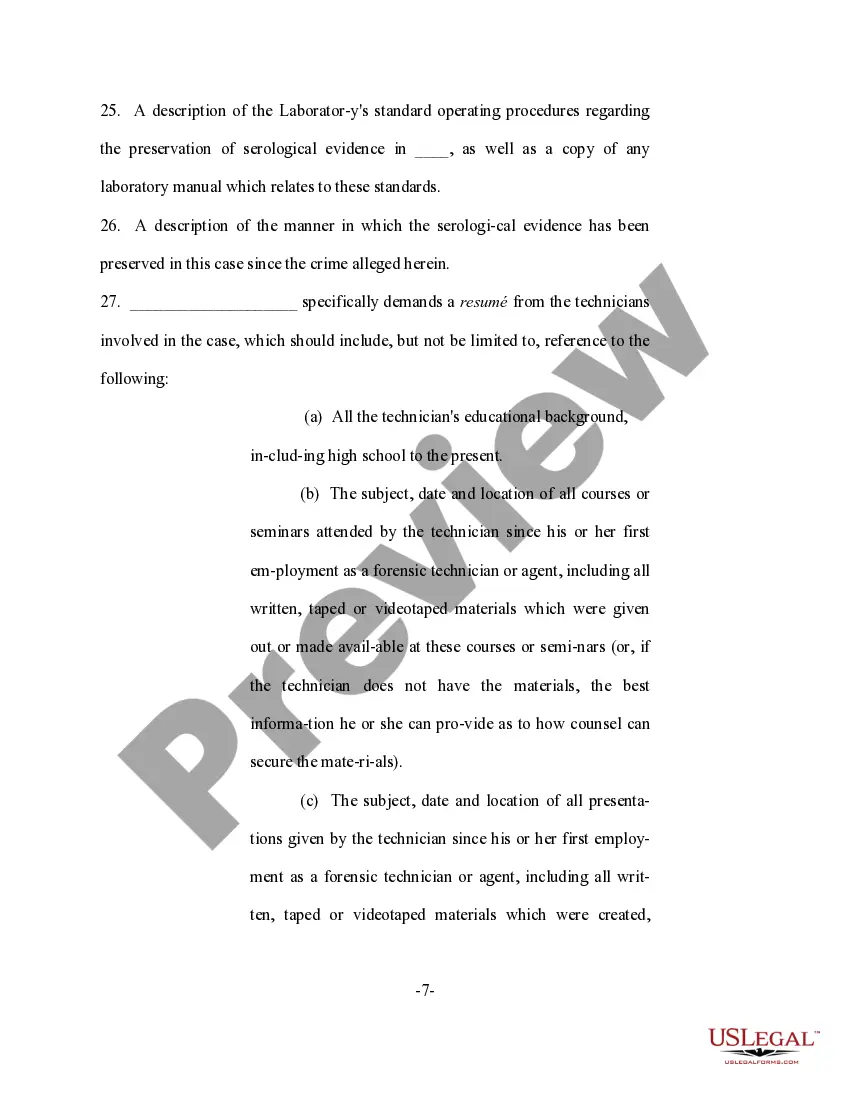
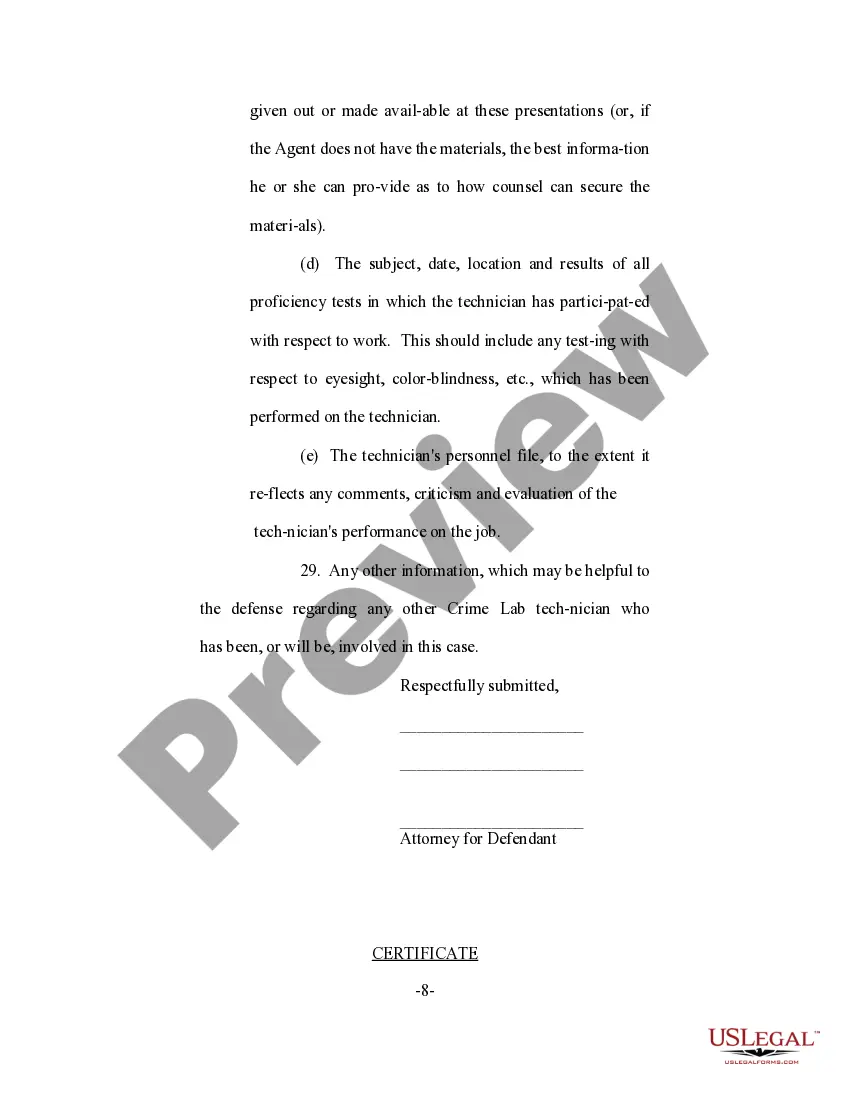
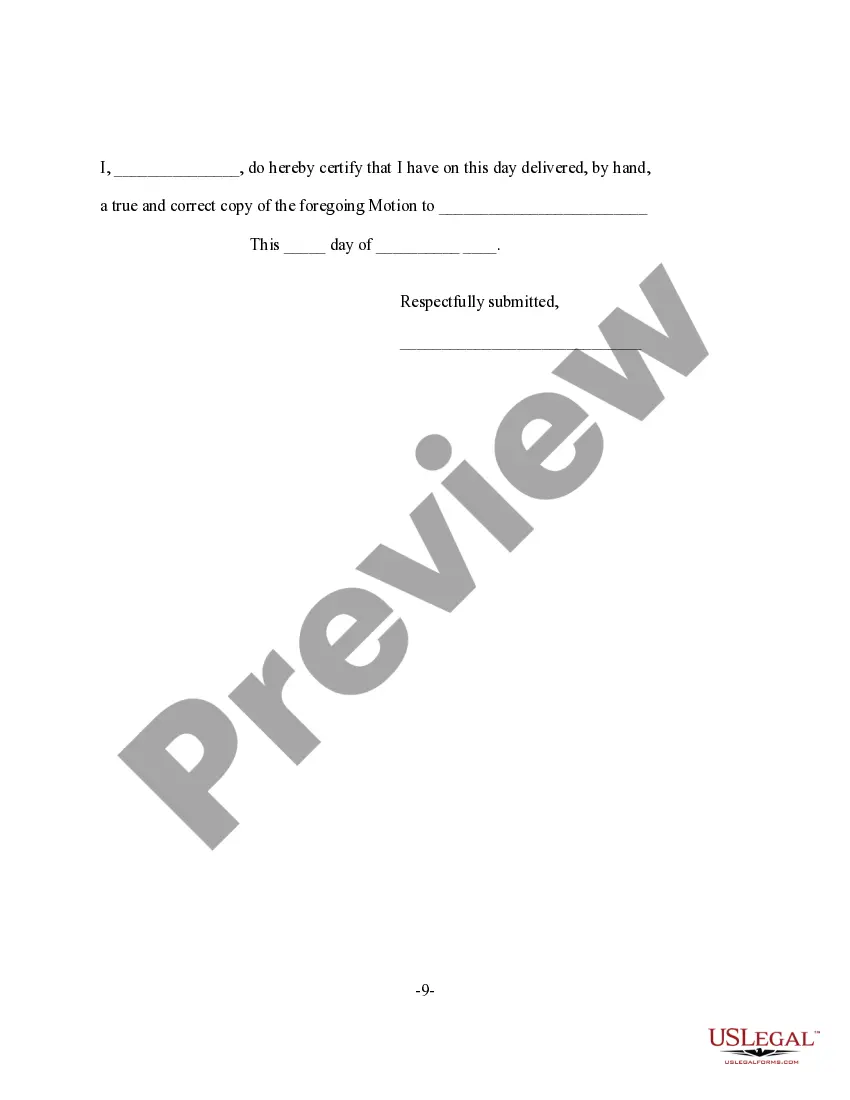
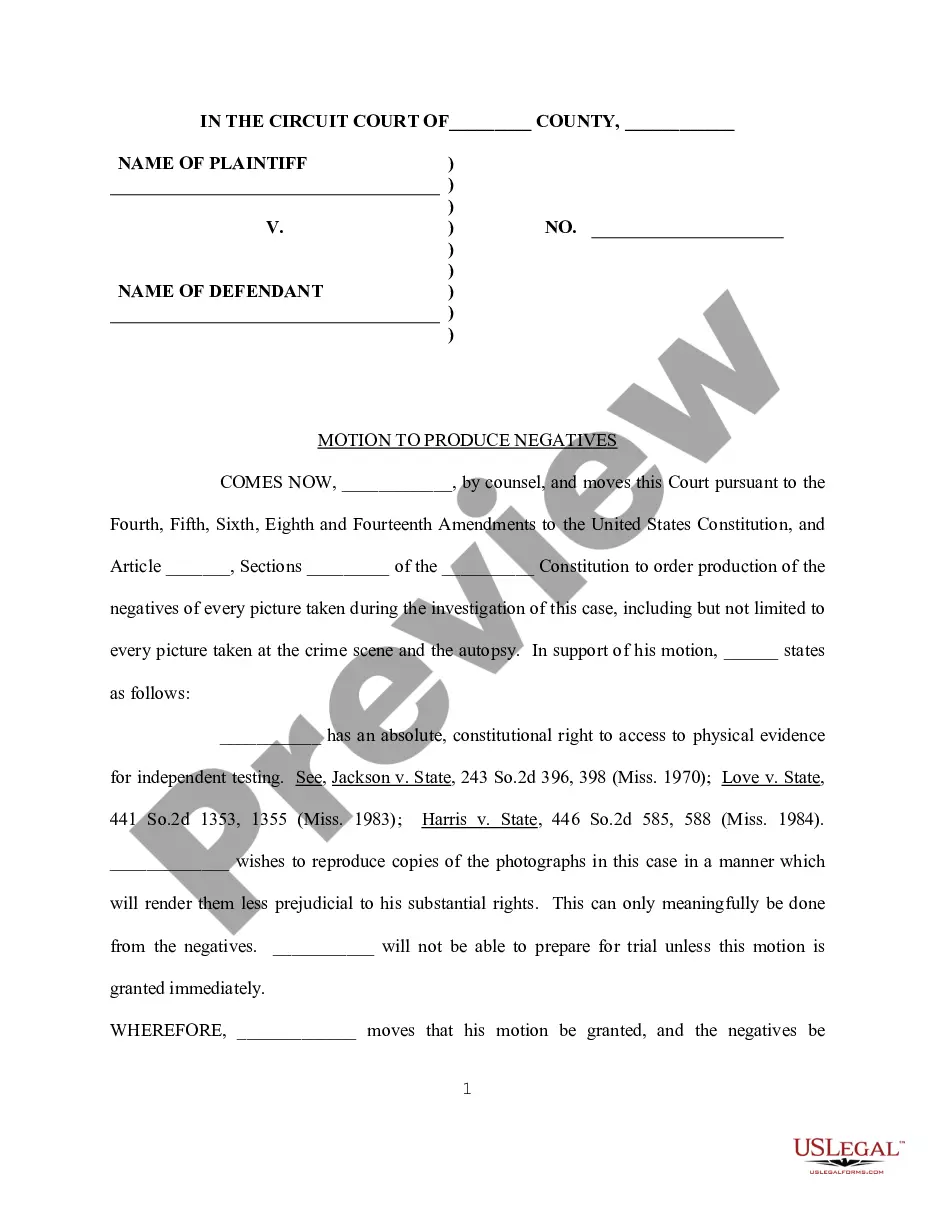
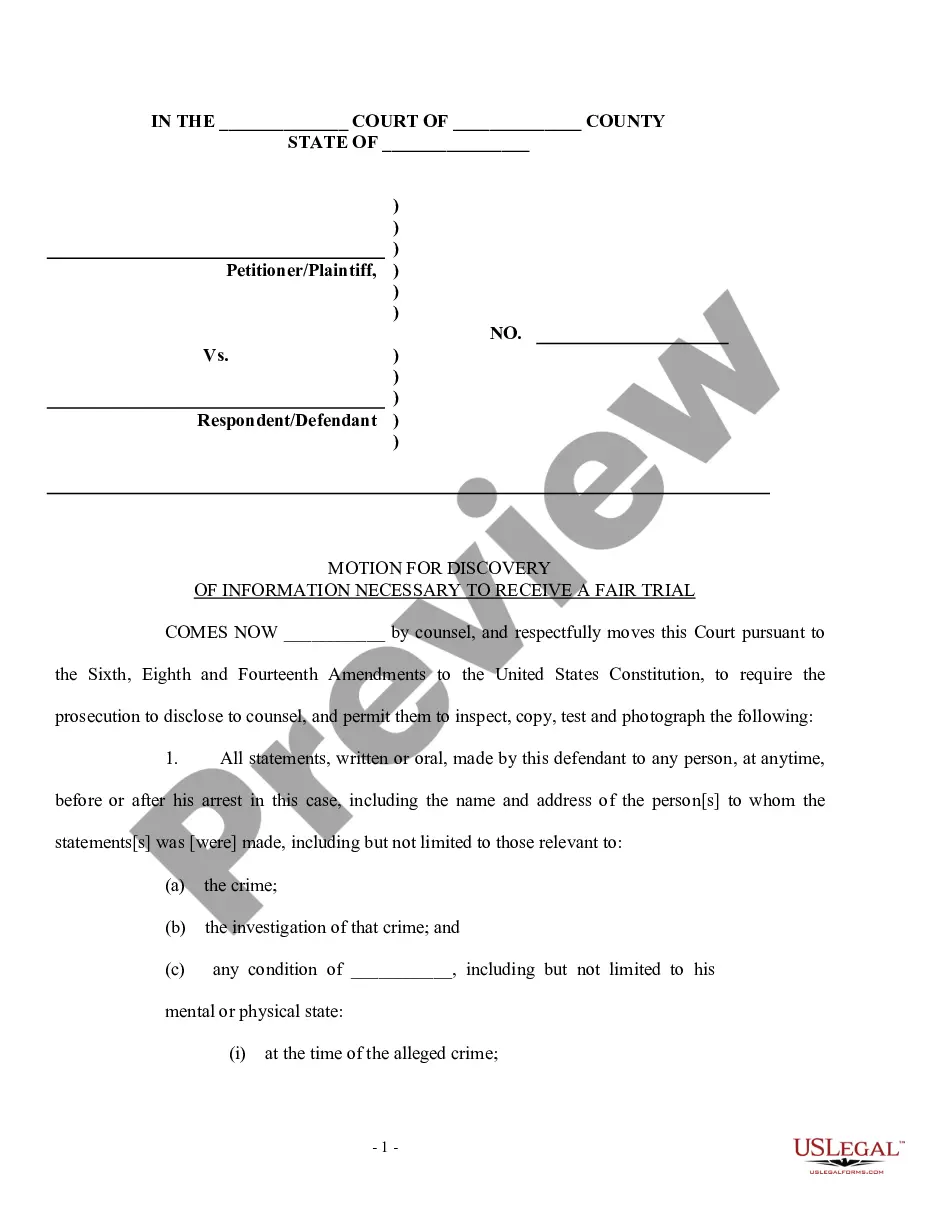
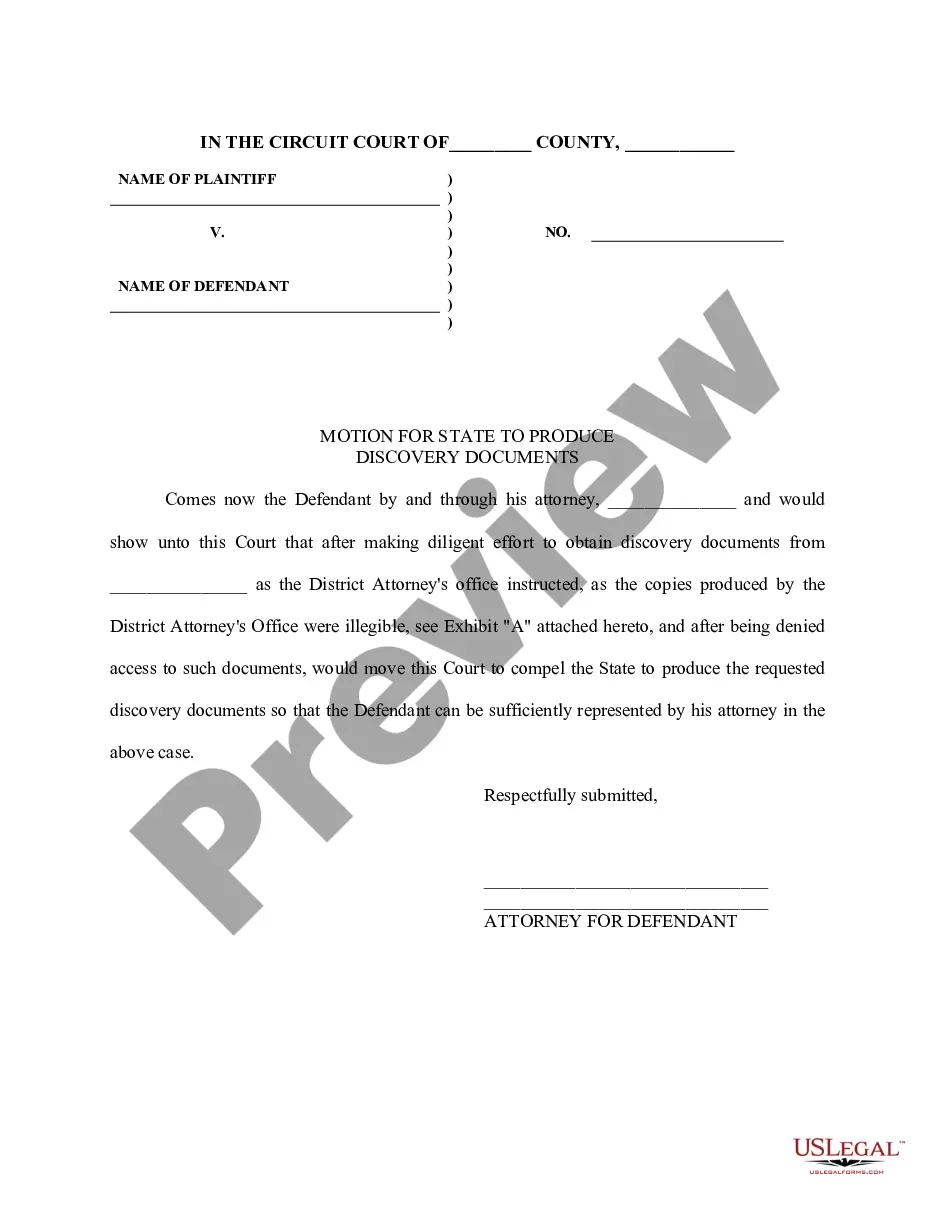
Virginia Motion for Discovery of Information Regarding State Experts
117 downloads
Description
Free preview
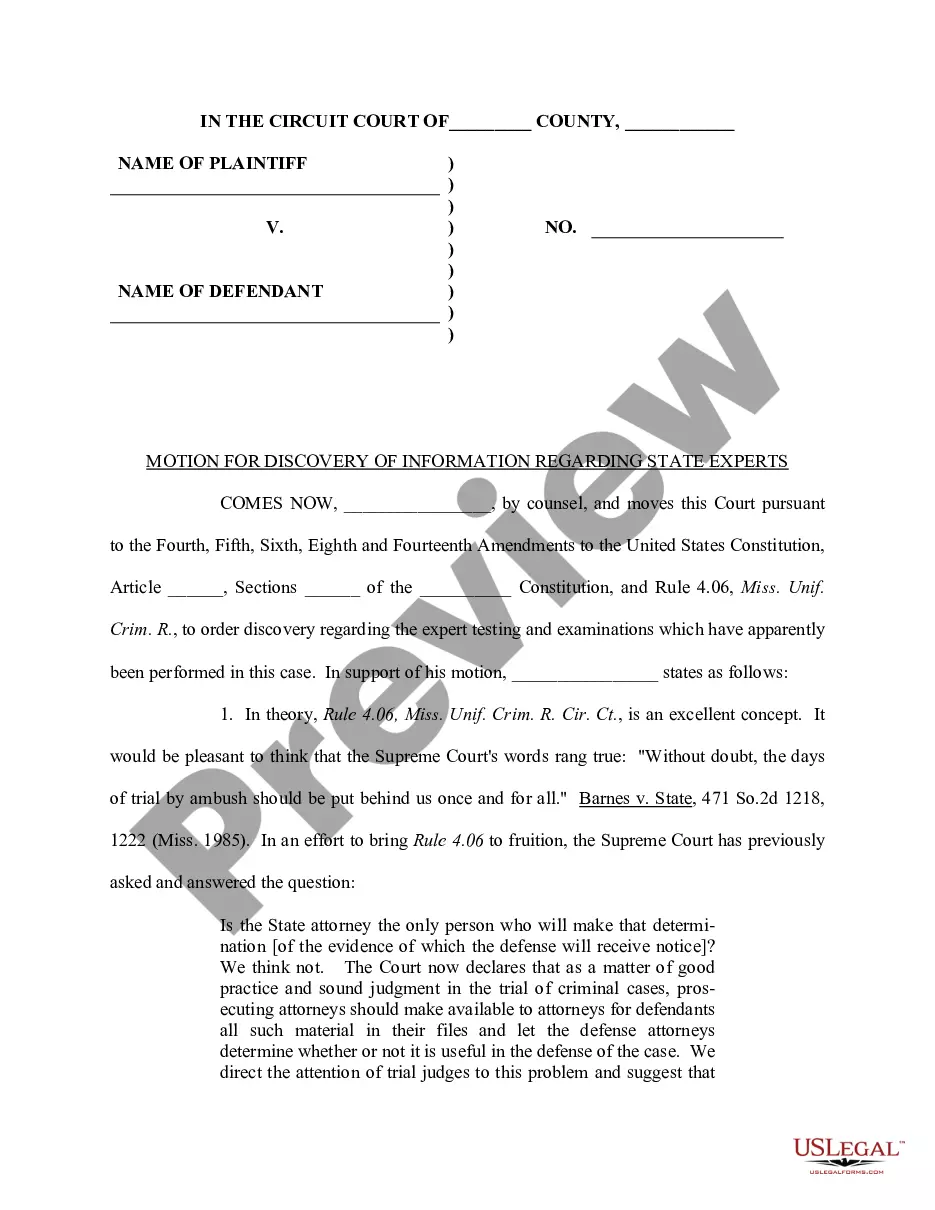
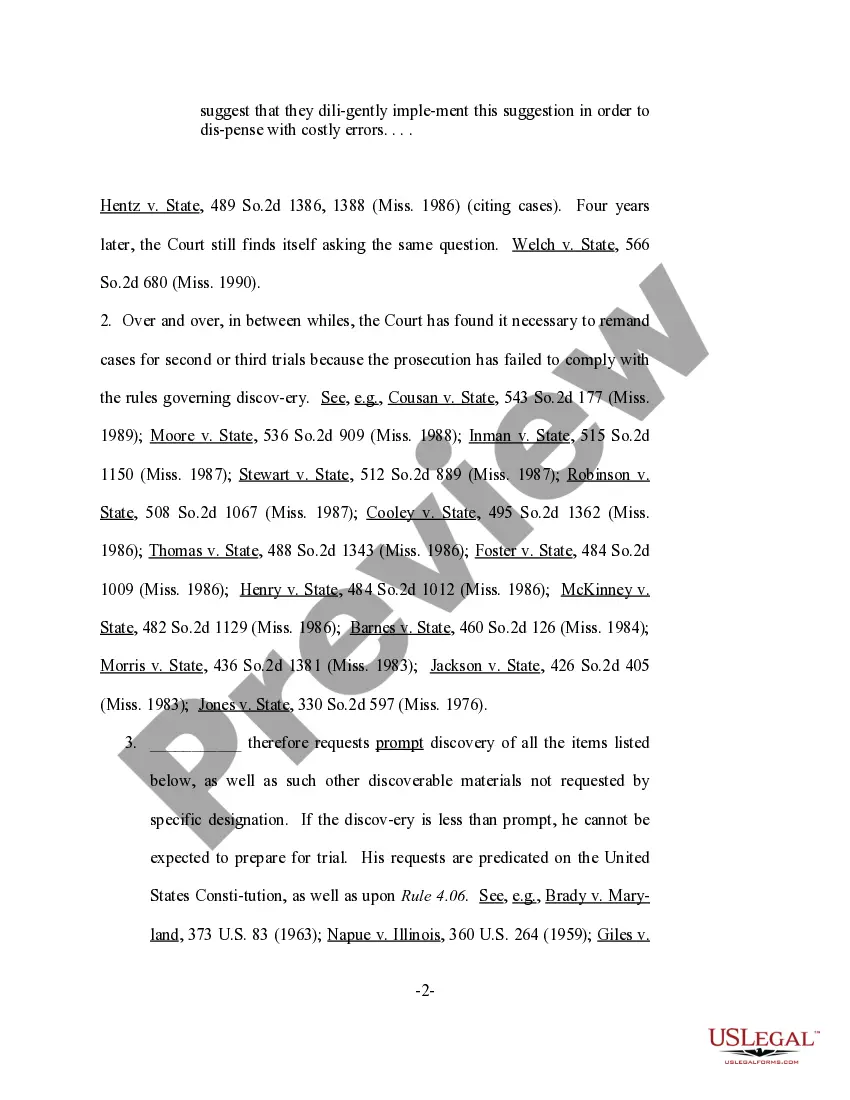
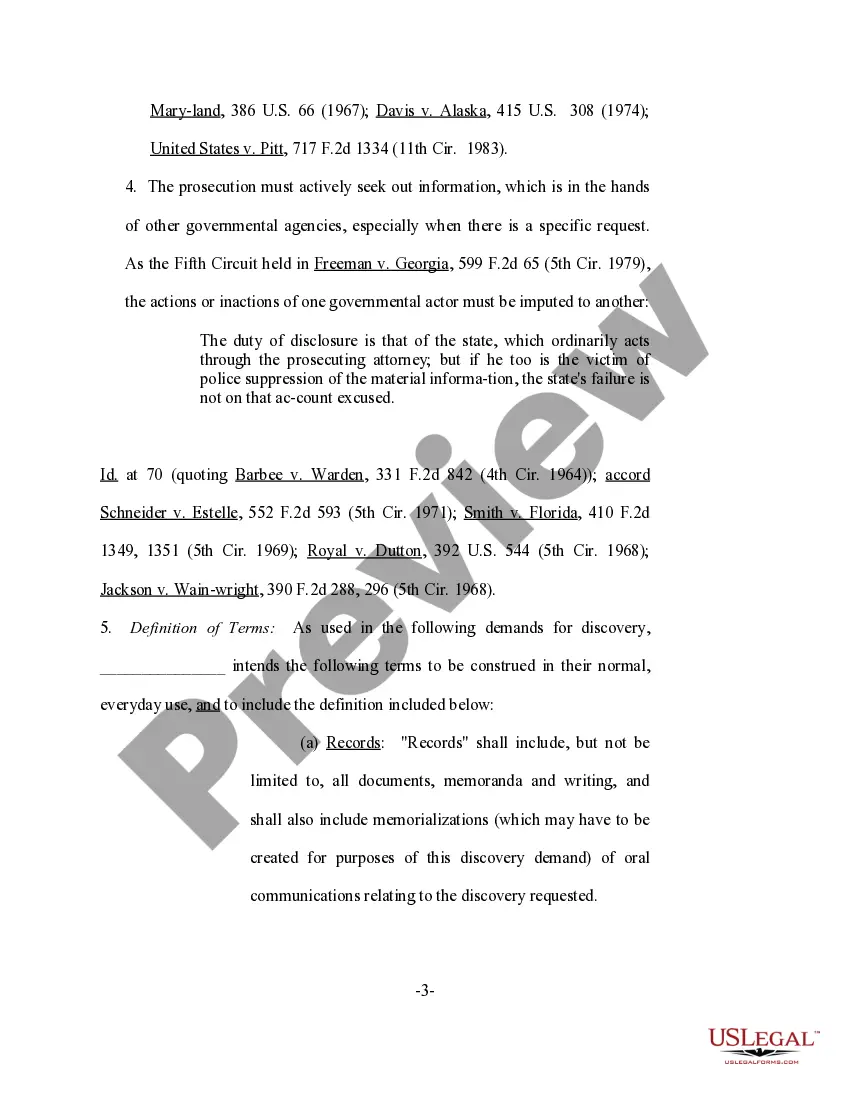
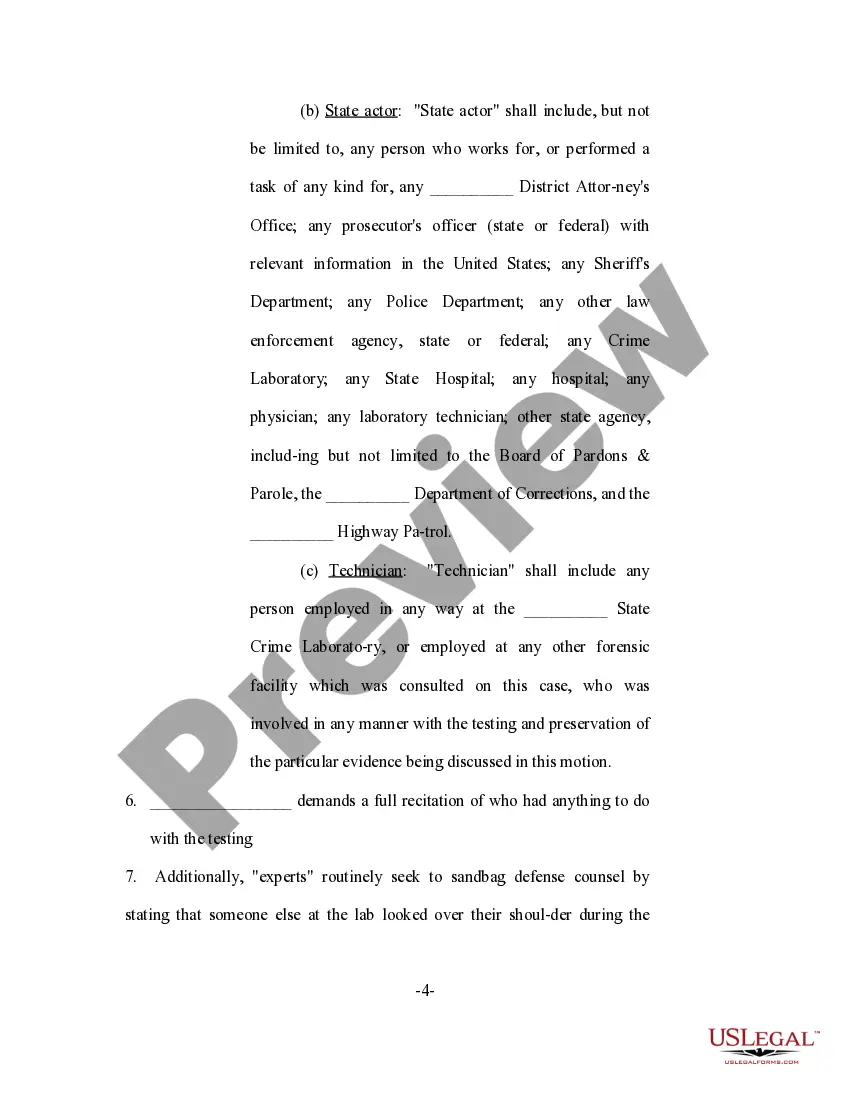
Get your form ready online
Our built-in tools help you complete, sign, share, and store your documents in one place.
Built-in online Word editor
Make edits, fill in missing information, and update formatting in US Legal Forms—just like you would in MS Word.
Export easily
Download a copy, print it, send it by email, or mail it via USPS—whatever works best for your next step.
E-sign your document
Sign and collect signatures with our SignNow integration. Send to multiple recipients, set reminders, and more. Go Premium to unlock E-Sign.
Notarize online 24/7
If this form requires notarization, complete it online through a secure video call—no need to meet a notary in person or wait for an appointment.
Store your document securely
We protect your documents and personal data by following strict security and privacy standards.

Make edits, fill in missing information, and update formatting in US Legal Forms—just like you would in MS Word.

Download a copy, print it, send it by email, or mail it via USPS—whatever works best for your next step.

Sign and collect signatures with our SignNow integration. Send to multiple recipients, set reminders, and more. Go Premium to unlock E-Sign.

If this form requires notarization, complete it online through a secure video call—no need to meet a notary in person or wait for an appointment.

We protect your documents and personal data by following strict security and privacy standards.
Looking for another form?




How to fill out Motion For Discovery Of Information Regarding State Experts?
You can spend numerous hours online trying to find the legal document format that meets the federal and state requirements you need. US Legal Forms provides thousands of legal templates that can be reviewed by experts.
You can conveniently download or print the Virginia Motion for Discovery of Information Regarding State Experts from your service. If you possess a US Legal Forms account, you can Log In and then click the Obtain option. After that, you can complete, edit, print, or sign the Virginia Motion for Discovery of Information Regarding State Experts.
Every legal document format you obtain is yours permanently. To get another copy of a purchased template, go to the My documents tab and click the relevant option. If you are using the US Legal Forms site for the first time, follow the simple instructions below: First, ensure you have selected the correct document format for the state/city of your choice. Review the template description to confirm you have chosen the correct one. If available, utilize the Review option to browse through the document format as well.
- If you wish to obtain another version of the template, use the Research section to find the format that fits your needs and requirements.
- Once you have found the template you desire, click Purchase now to proceed.
- Select the pricing plan you want, enter your credentials, and register for an account on US Legal Forms.
- Complete the transaction. You can use your Visa or Mastercard or PayPal account to pay for the legal document.
- Choose the format of the document and download it to your device.
- Make modifications to your document if needed. You can complete, edit, sign, and print the Virginia Motion for Discovery of Information Regarding State Experts.
- Obtain and print thousands of document templates using the US Legal Forms Website, which offers the largest collection of legal formats. Utilize professional and state-specific templates to address your business or personal needs.
Form popularity
FAQ
(1) Permit the Commonwealth to inspect and copy or photograph any written reports of autopsy examinations, ballistic tests, fingerprint analyses, handwriting analyses, blood, urine and breath analyses, and other scientific testing within the accused's possession, custody or control that the defense intends to proffer ...
In any civil action any expert witness may give testimony and render an opinion or draw inferences from facts, circumstances or data made known to or perceived by such witness at or before the hearing or trial during which he is called upon to testify.
Discovery can take place from the time a complaint is filed until 21 days before a trial. Parties typically have 21 days to respond to a discovery request. Divorces are complex and it's best to consult with an experienced family law attorney to help guide you through the process.
Parties may obtain discovery by one or more of the following methods: depositions upon oral examination or written questions; written interrogatories; production of documents, electronically stored information, or things or permission to enter upon land or other property, for inspection and other purposes; physical and ...
Parties may obtain discovery regarding any matter, not privileged, which is relevant to the subject matter involved in the pending action, whether it relates to the claim or defense of the party seeking discovery or to the claim or defense of any other party, including the existence, description, nature, custody, ...
The discovery rule in Virginia is very limited, especially compared with other neighboring states. In Virginia, discovery rules are governed by the statute and constitutional laws. The most on point constitutional law or constitutional case regarding discovery is Brady vs. Maryland.
The Brady rule, named after Brady v. Maryland, requires prosecutors to disclose material, exculpatory information in the government's possession to the defense.
The parties shall complete discovery, including depositions, by 30 days before trial; however, depositions taken in lieu of live testimony at trial will be permitted until 15 days before trial.