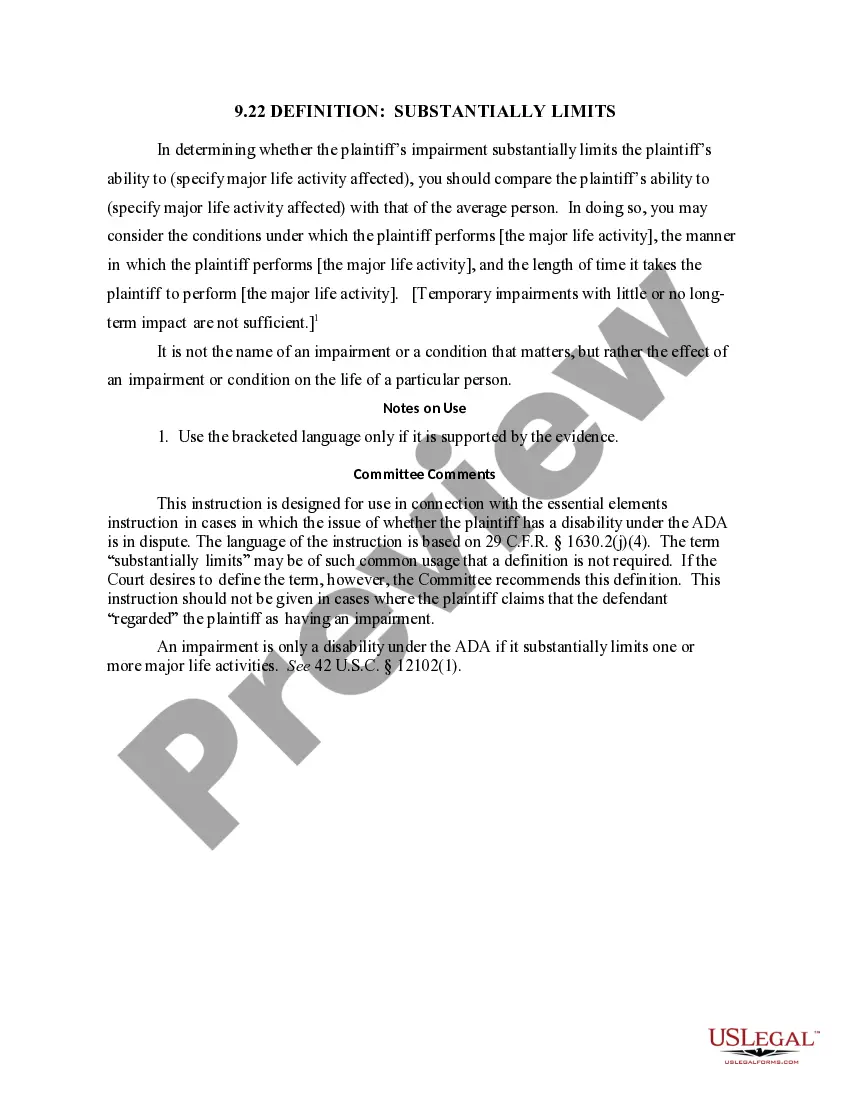
Virginia Irrevocable Educational Trust Agreement
Understanding this form
The Irrevocable Educational Trust Agreement is a legal document that allows a grantor to permanently establish a trust for the financial support of a child or grandchild's higher education. Unlike other types of educational trusts, this form cannot be altered or revoked after execution, providing assurance that the funds will be solely dedicated to educational purposes. The agreement outlines the responsibilities of the trustee and ensures that the designated beneficiary receives the necessary financial assistance for their college or university expenses.
Key components of this form
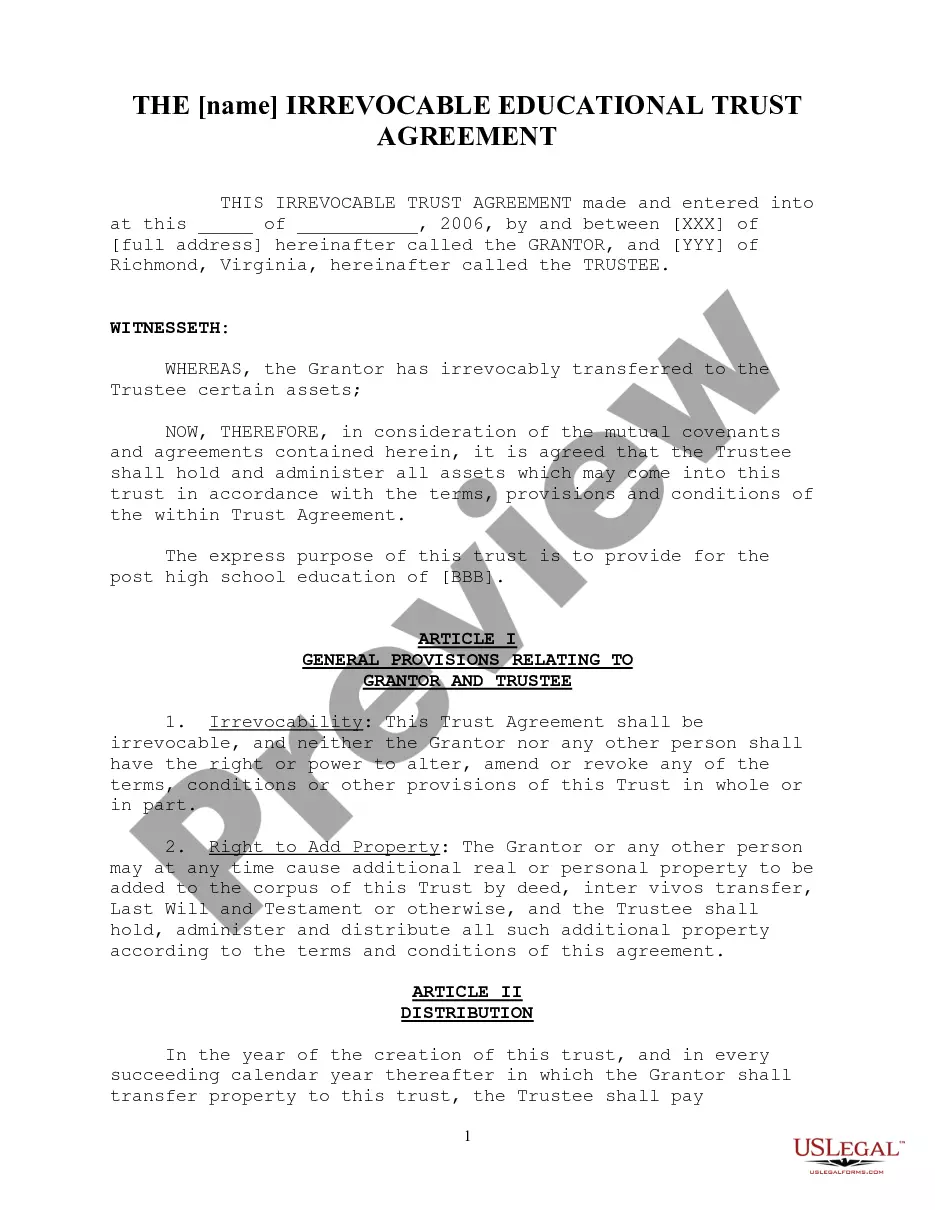
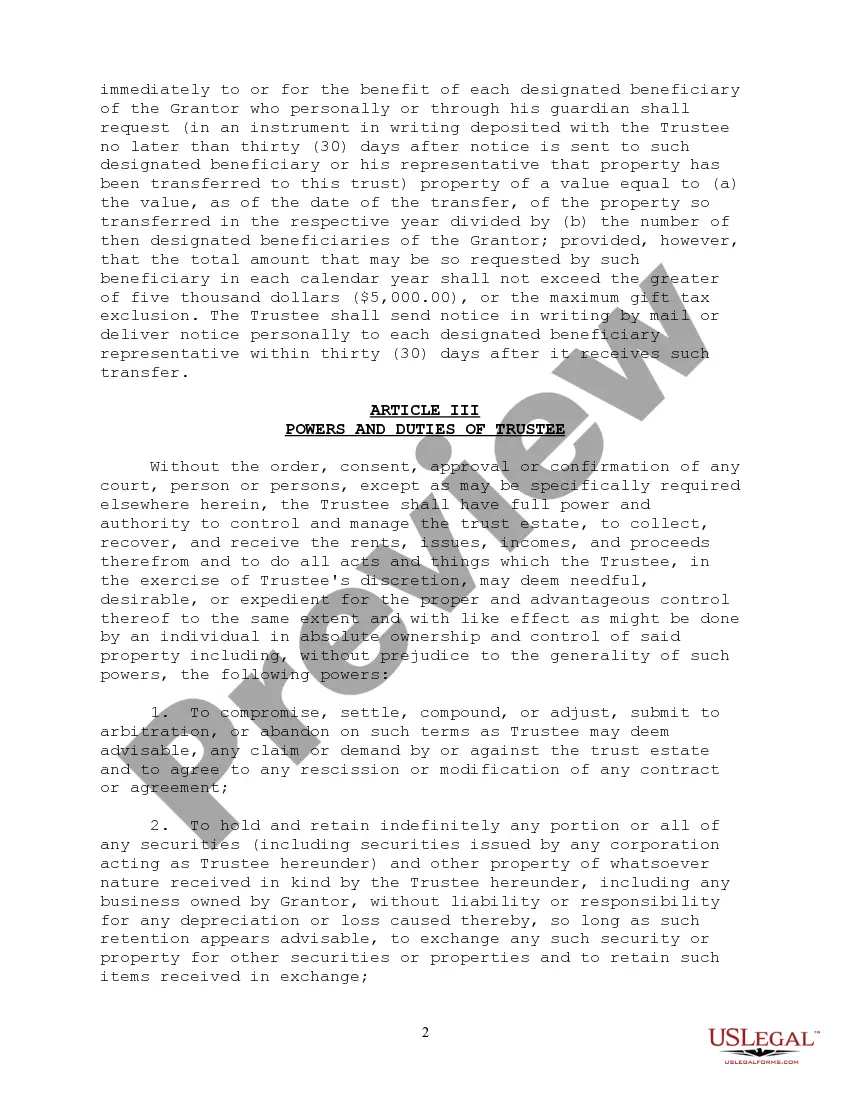
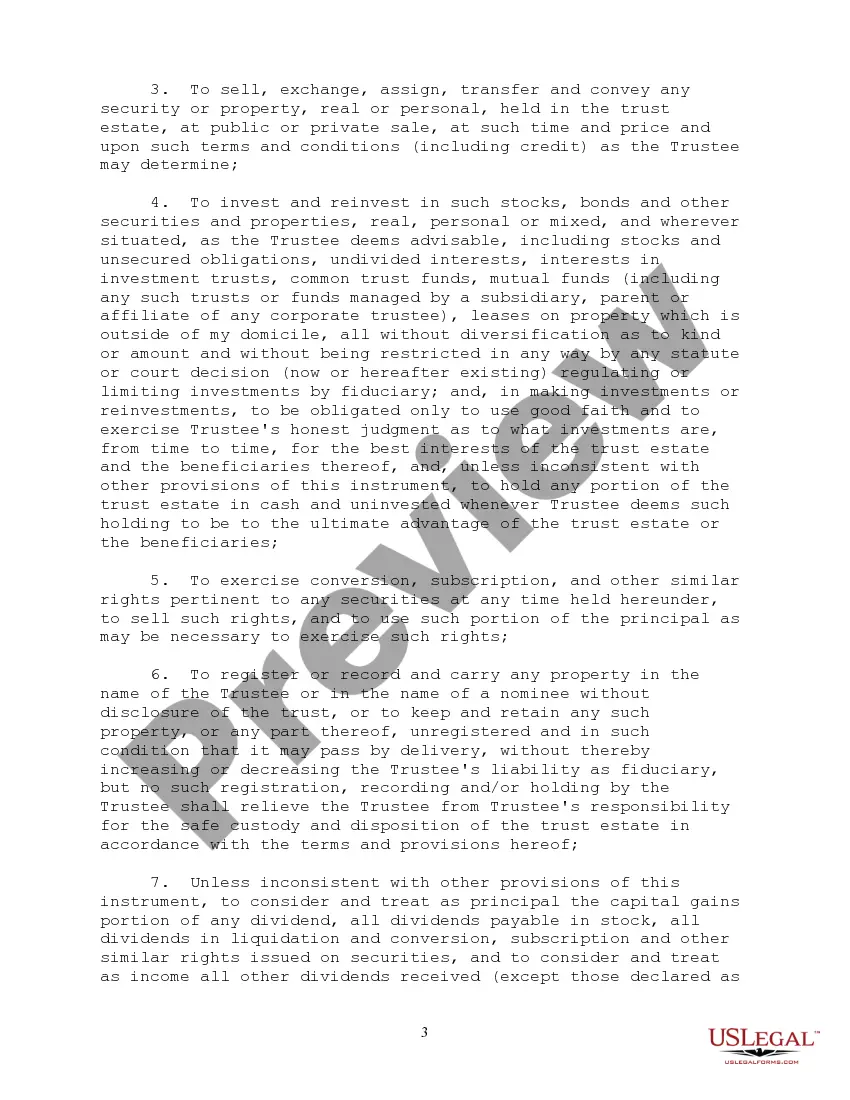
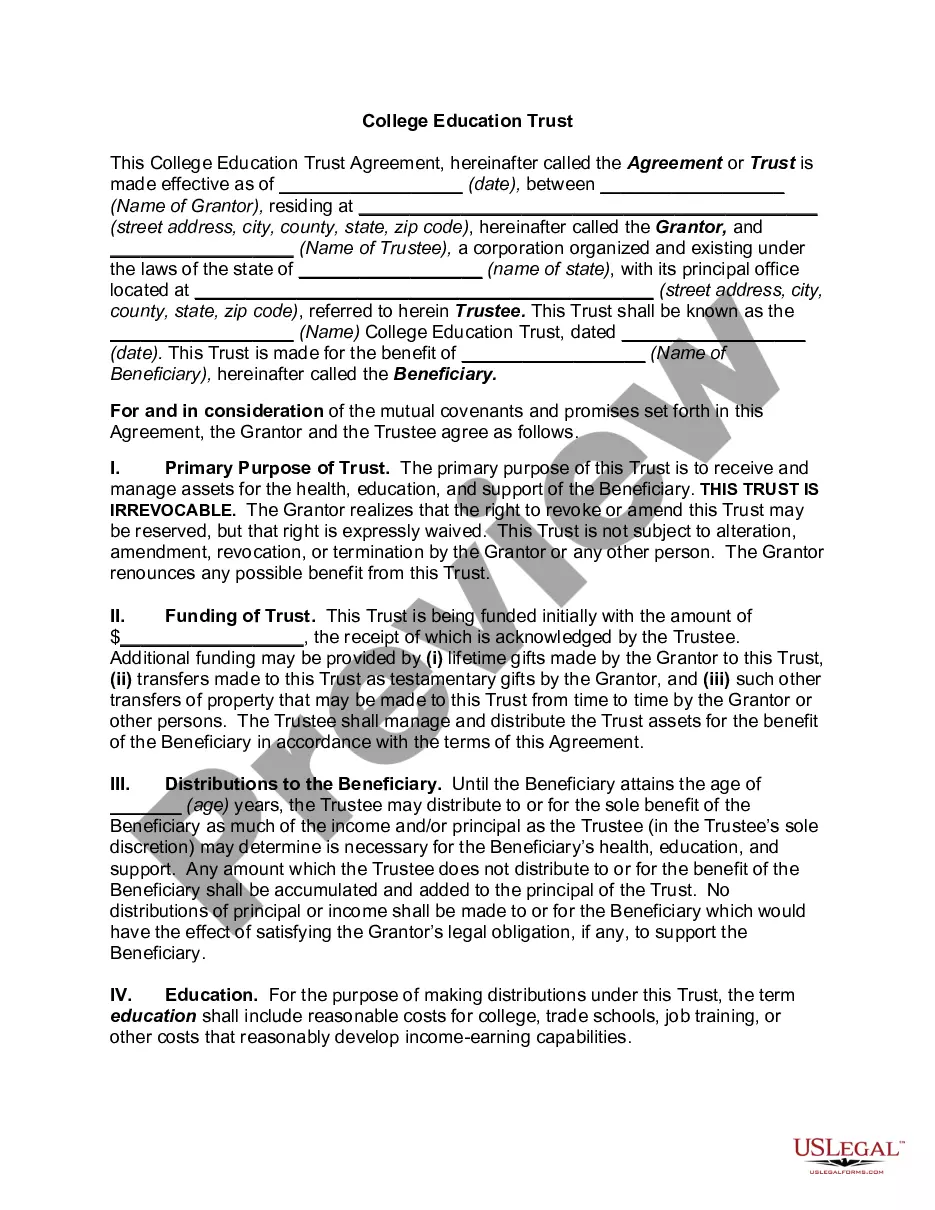
- Irrevocability clause, ensuring the trust cannot be altered or revoked.
- Conditions for adding property to the trust, allowing further contributions by the grantor.
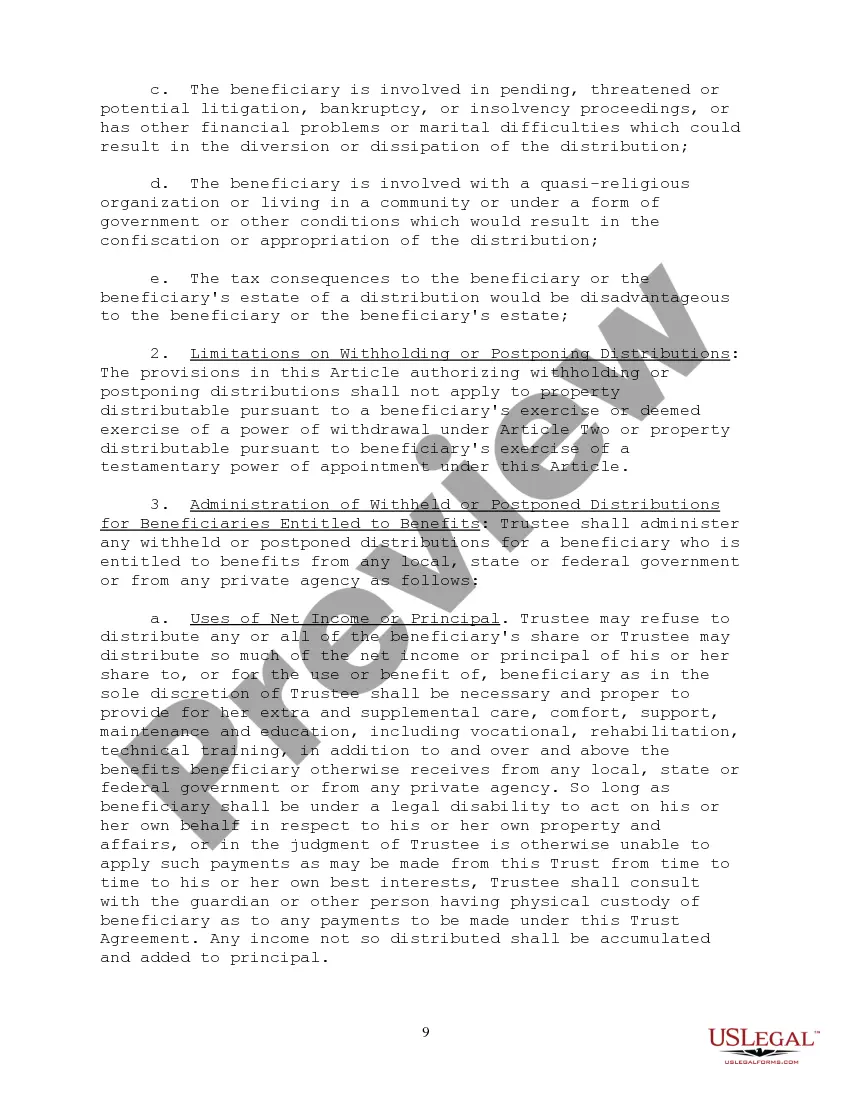
- Distribution guidelines, detailing how and when funds are paid to beneficiaries.
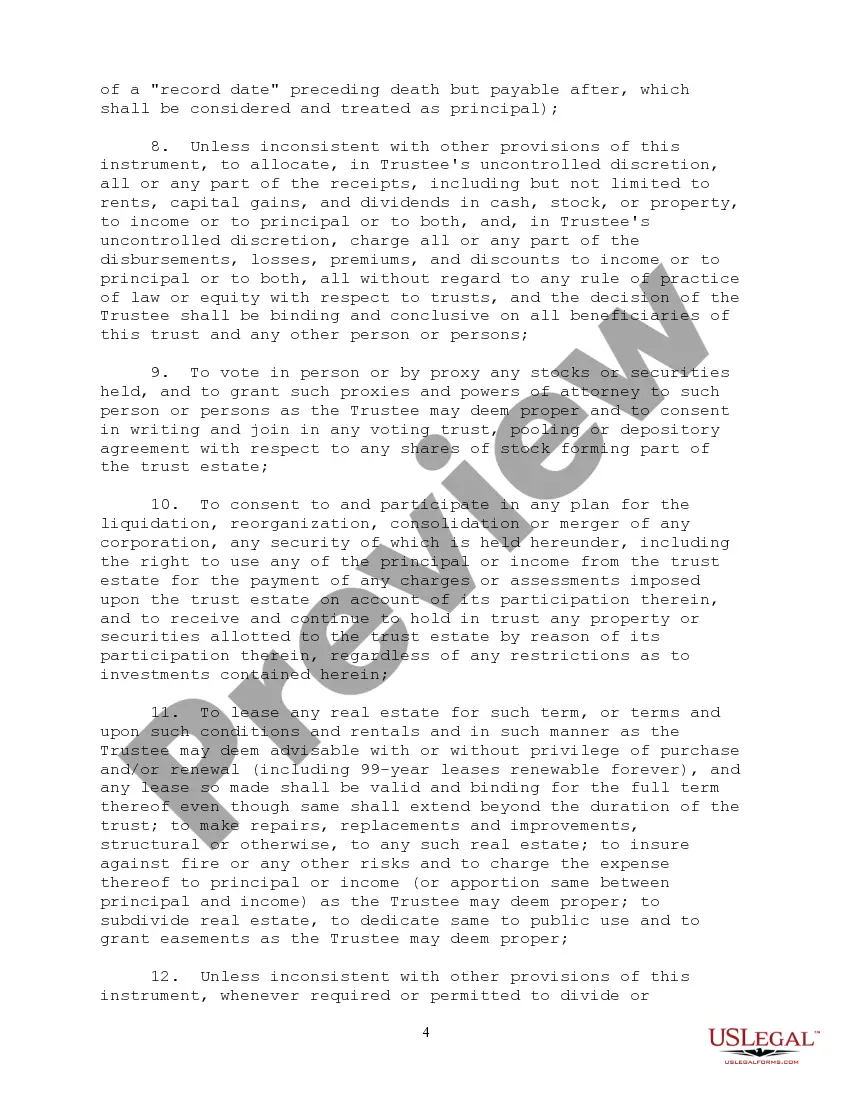
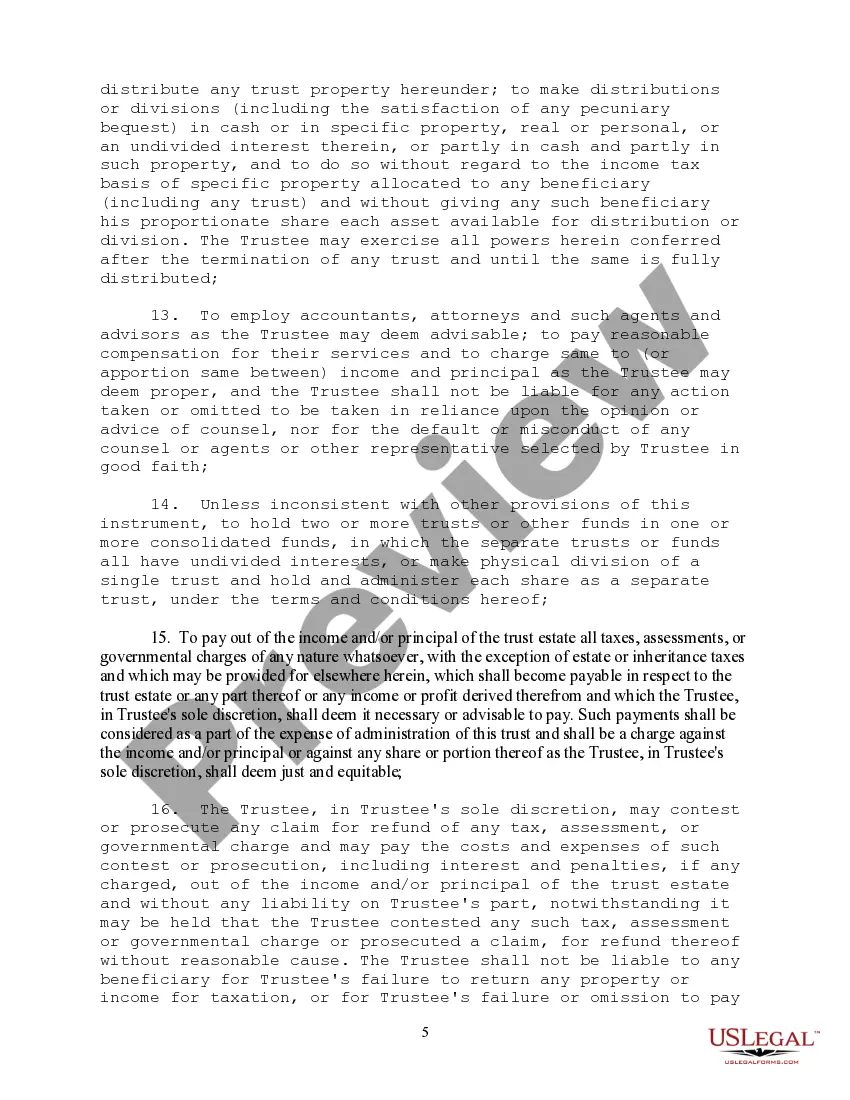
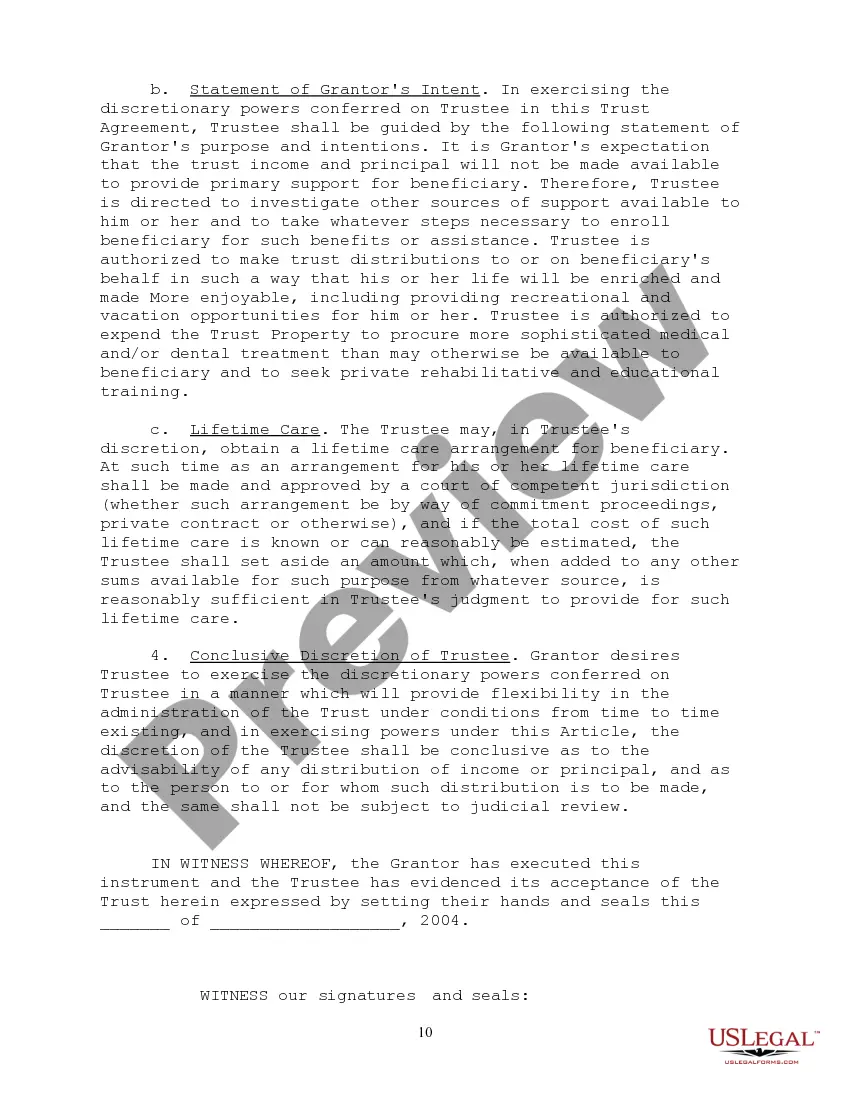
- Powers and duties of the trustee, empowering them to manage the trust assets effectively.
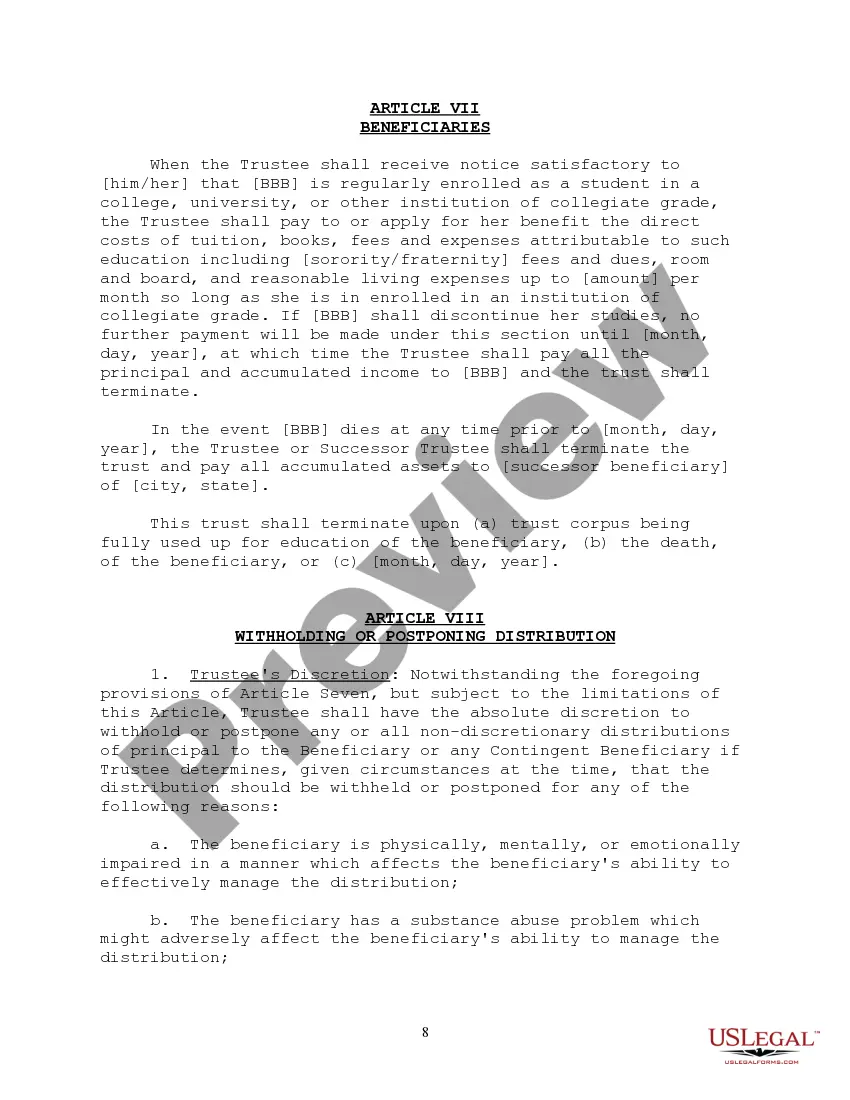
- Specific provisions for beneficiaries' educational expenses, including tuition, books, and living costs.


Situations where this form applies
This form is ideal for individuals looking to safeguard funds for a child's or grandchild's education. It is especially useful in situations where a grantor wishes to ensure that the money is used solely for educational endeavours, preventing misuse of the funds. By establishing an irrevocable trust, the grantor can provide peace of mind, knowing that future generations will have the necessary financial support for their education.
Who should use this form
This form is suitable for:
- Parents or grandparents wanting to contribute to a child's or grandchild's education.
- Individuals desiring to secure funds specifically for educational purposes.
- Those seeking to create a legally binding agreement that ensures financial assistance for higher education is protected and utilized appropriately.
How to complete this form
- Identify the grantor and trustee by entering their names and addresses in the designated sections.
- Specify the irrevocability of the trust by signing and dating the agreement as outlined.
- Detail the assets being transferred into the trust for educational purposes.
- Designate the beneficiary and outline the specific educational expenses covered.
- Have the trust agreement notarized if required by your state law to validate the document.
Notarization requirements for this form
Notarization is required for this form to take effect. Our online notarization service, powered by Notarize, lets you verify and sign documents remotely through an encrypted video session, available 24/7.
Get your form ready online
Our built-in tools help you complete, sign, share, and store your documents in one place.
Make edits, fill in missing information, and update formatting in US Legal Forms—just like you would in MS Word.
Download a copy, print it, send it by email, or mail it via USPS—whatever works best for your next step.
Sign and collect signatures with our SignNow integration. Send to multiple recipients, set reminders, and more. Go Premium to unlock E-Sign.
If this form requires notarization, complete it online through a secure video call—no need to meet a notary in person or wait for an appointment.
We protect your documents and personal data by following strict security and privacy standards.

Make edits, fill in missing information, and update formatting in US Legal Forms—just like you would in MS Word.

Download a copy, print it, send it by email, or mail it via USPS—whatever works best for your next step.

Sign and collect signatures with our SignNow integration. Send to multiple recipients, set reminders, and more. Go Premium to unlock E-Sign.

If this form requires notarization, complete it online through a secure video call—no need to meet a notary in person or wait for an appointment.

We protect your documents and personal data by following strict security and privacy standards.
Typical mistakes to avoid
- Failing to specify the beneficiary's educational institution clearly.
- Not notarizing the document if state law requires it.
- Overlooking the limitations on distributions, leading to misunderstandings about fund availability.
Advantages of online completion
- Convenience: Access and fill out the form from anywhere at any time.
- Editability: Easily modify fields as needed before finalizing the document.
- Reliability: Forms are drafted by licensed attorneys, ensuring legal validity.
Legal use & context
- This trust agreement is legally binding, protecting both the grantor's intent and the beneficiary's rights.
- Funds in the trust are designated for educational purposes, which adds legal accountability for the trustee.
- The irrevocability of this trust secures its assets against potential misuse.
Key takeaways
- The Irrevocable Educational Trust Agreement ensures dedicated funds for educational expenses.
- It provides a structured approach to asset management through a trustee.
- Consulting with legal experts is recommended for proper execution and adherence to local laws.
Looking for another form?
Form popularity
FAQ
The trustee of an irrevocable trust can only withdraw money to use for the benefit of the trust according to terms set by the grantor, like disbursing income to beneficiaries or paying maintenance costs, and never for personal use.
The main reasons for setting up an irrevocable trust are for estate and tax considerations. The benefit of this type of trust for estate assets is that it removes all incidents of ownership, effectively removing the trust's assets from the grantor's taxable estate.
An irrevocable trust cannot be revoked, modified, or terminated by the grantor once created, except with the permission of the beneficiaries. The grantor is not allowed to withdraw any contributions from the irrevocable trust.
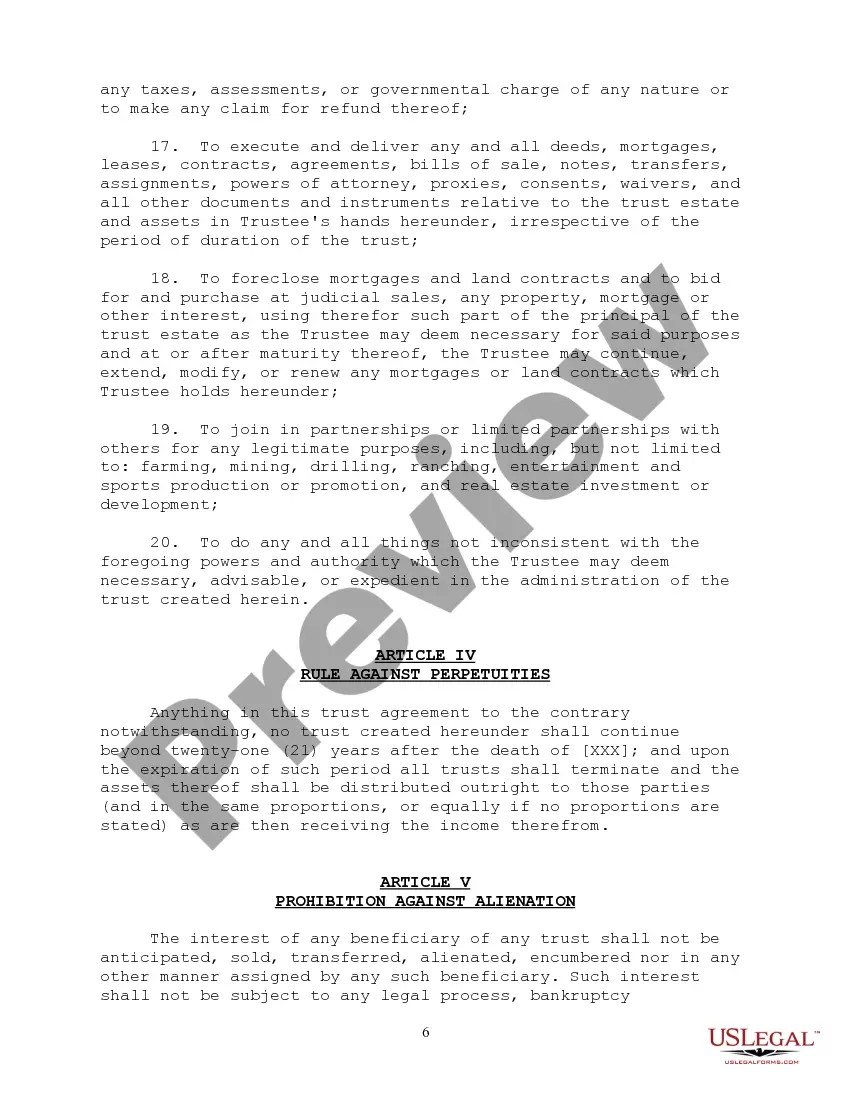
To oversimplify, the rule stated that a trust couldn't last more than 21 years after the death of a potential beneficiary who was alive when the trust was created. Some states (California, for example) have adopted a different, simpler version of the rule, which allows a trust to last about 90 years.
A revocable living trust will not protect your assets from a nursing home. This is because the assets in a revocable trust are still under the control of the owner. To shield your assets from the spend-down before you qualify for Medicaid, you will need to create an irrevocable trust.
As discussed above, irrevocable trusts are not completely irrevocable; they can be modified or dissolved, but the settlor may not do so unilaterally. The most common mechanisms for modifying or dissolving an irrevocable trust are modification by consent and judicial modification.
The irrevocable trust may be terminated by the consent of all beneficiaries and the court finds the termination is not inconsistent with a material purpose of the trust. Once the termination is approved by the court, the trustee is required to distribute the remaining assets as agreed by the beneficiaries.
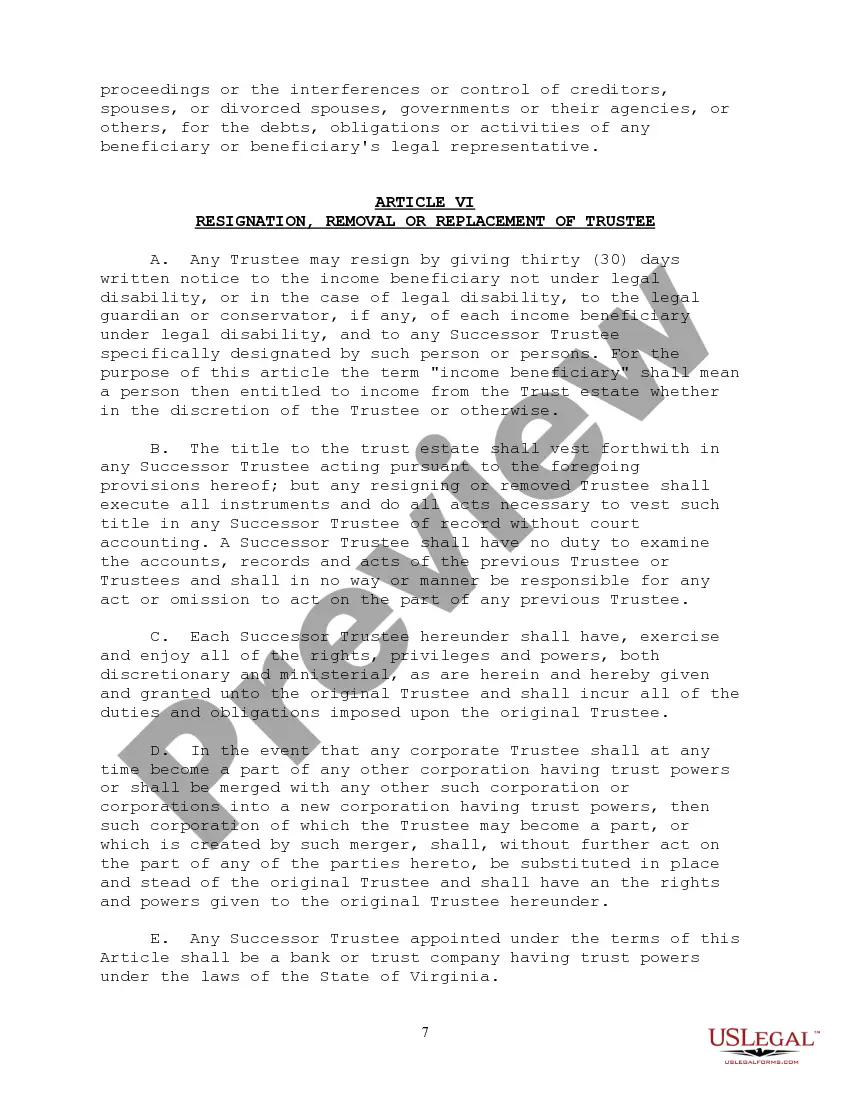
An irrevocable trust, on the other hand, may protect assets from creditors.Because the assets within the trust are no longer the property of the trustor, a creditor cannot come after them to satisfy debts of the trustor.
The main downside to an irrevocable trust is simple: It's not revocable or changeable. You no longer own the assets you've placed into the trust. In other words, if you place a million dollars in an irrevocable trust for your child and want to change your mind a few years later, you're out of luck.