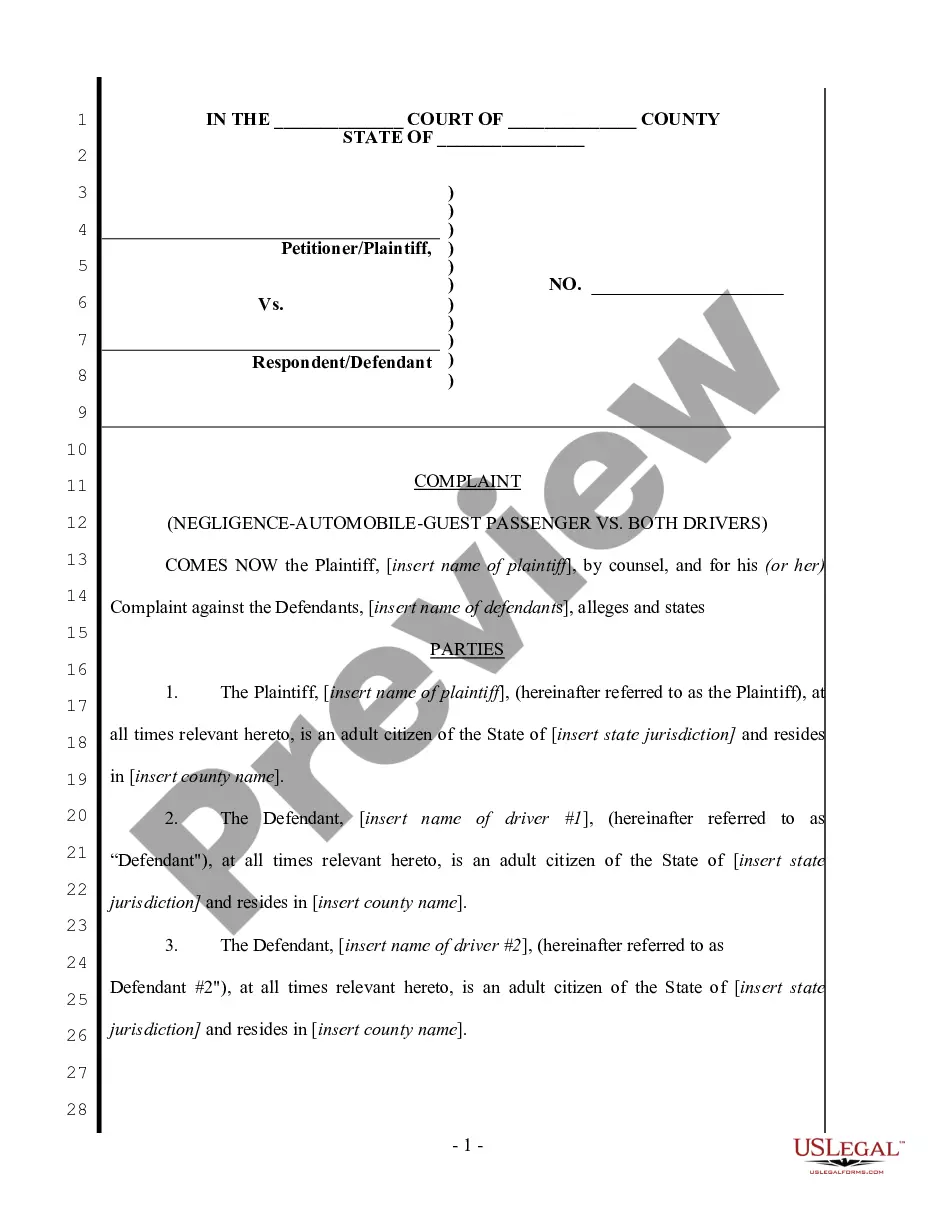
This form allows a parent or guardian to release a dojo facility from liability for injuries which may be incurred by a minor child while on the premises, taking part in activities, etc.
Utah Waiver and Release From Liability For Minor Child for Dojo
Category:
State:
Multi-State
Control #:
US-WAV-01M
Format:
Word;
Rich Text
Instant download
Description
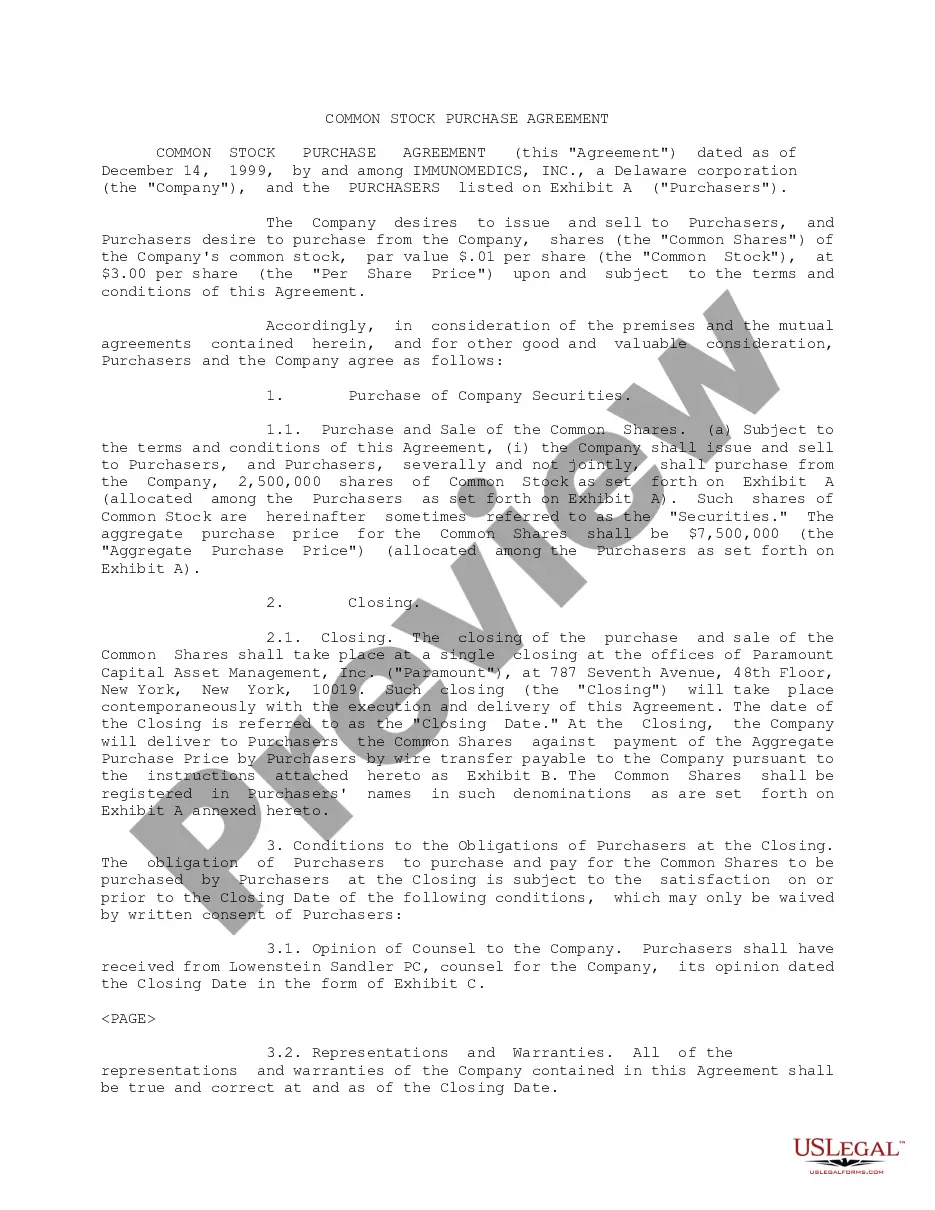
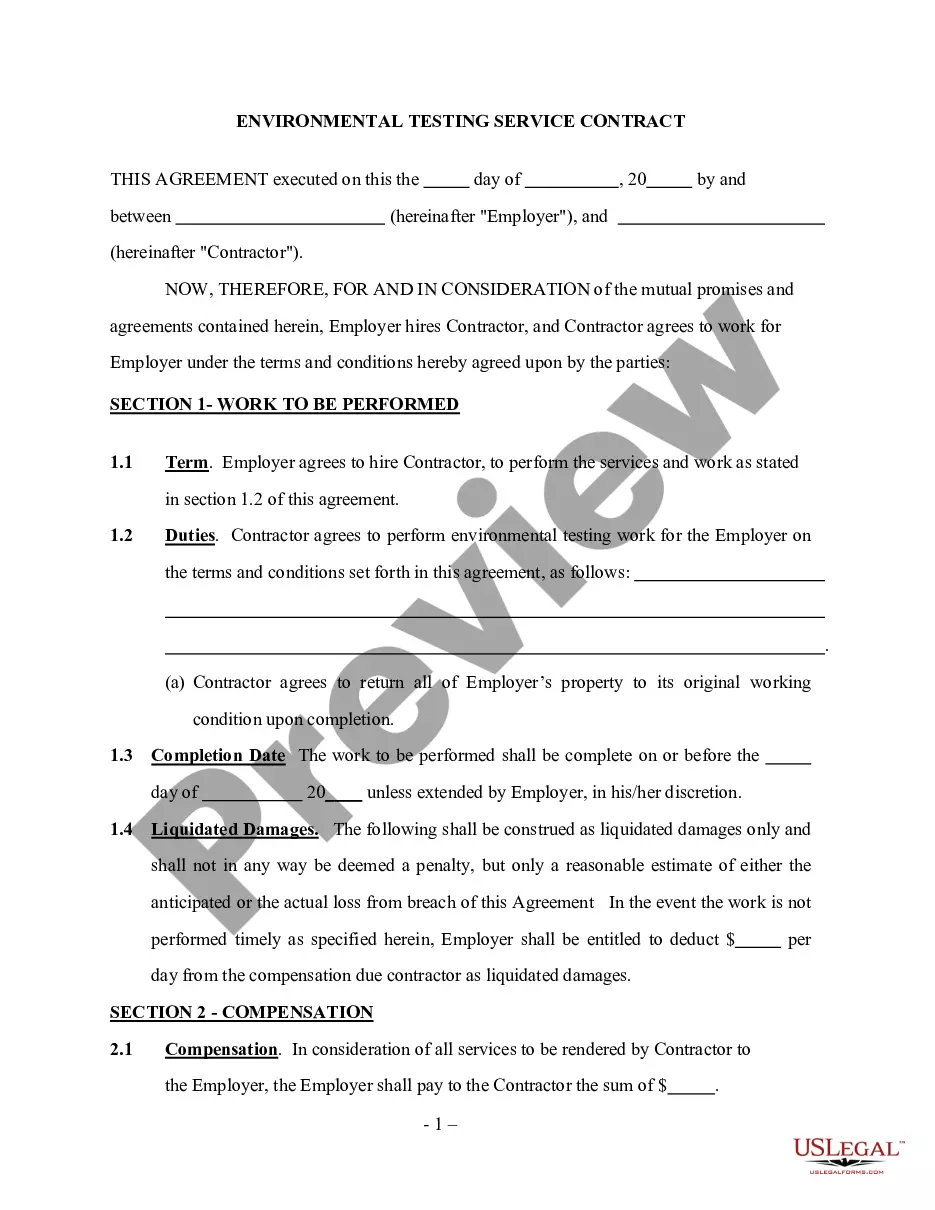
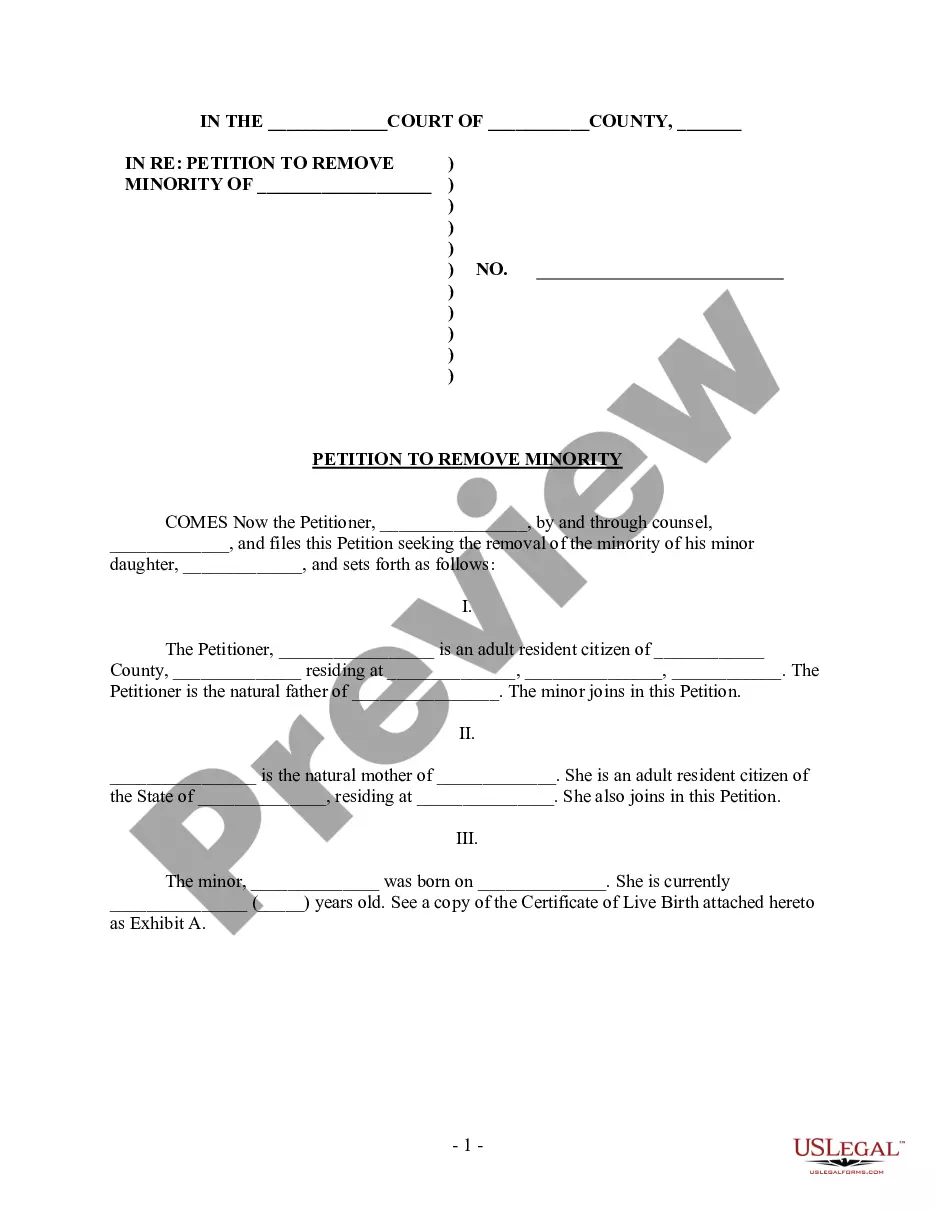
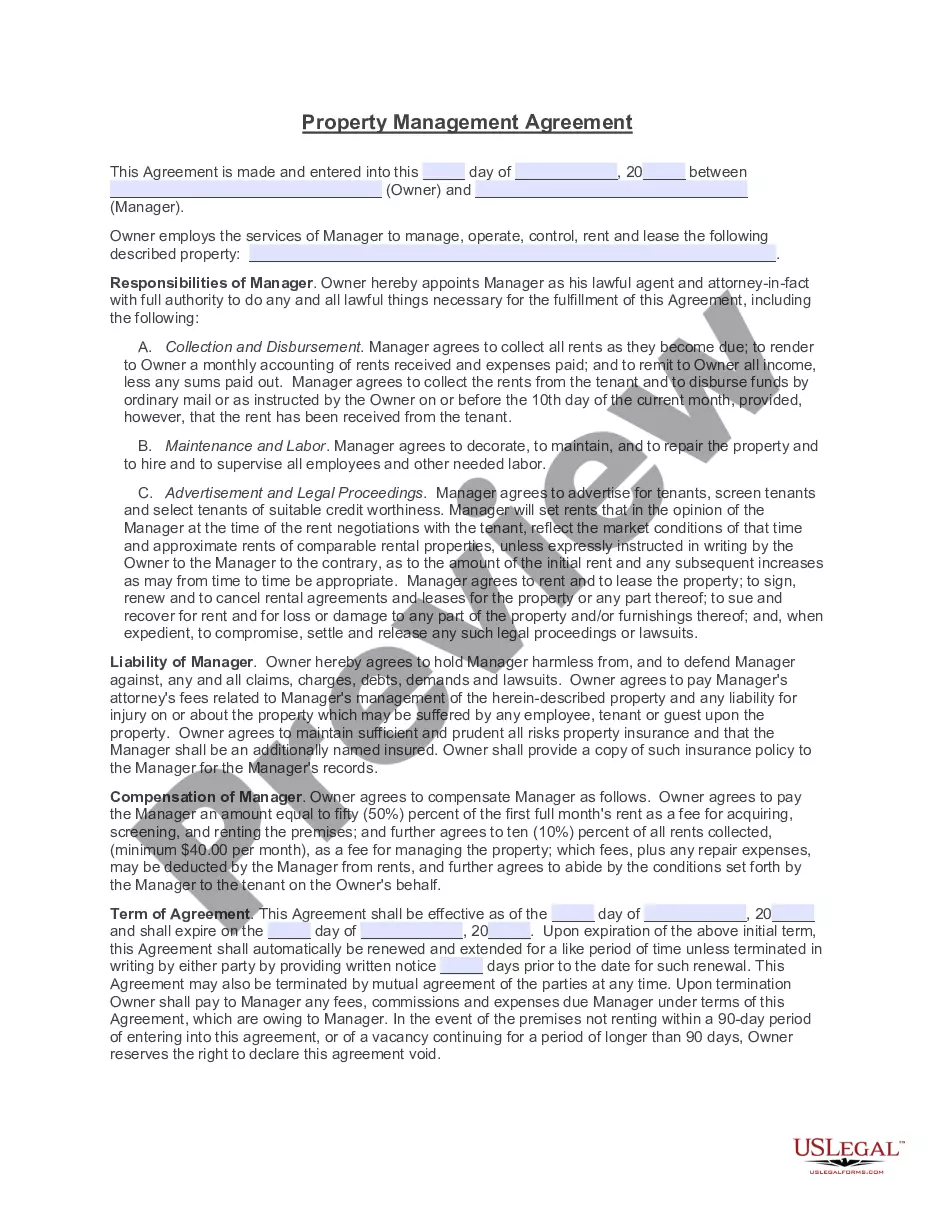
Free preview
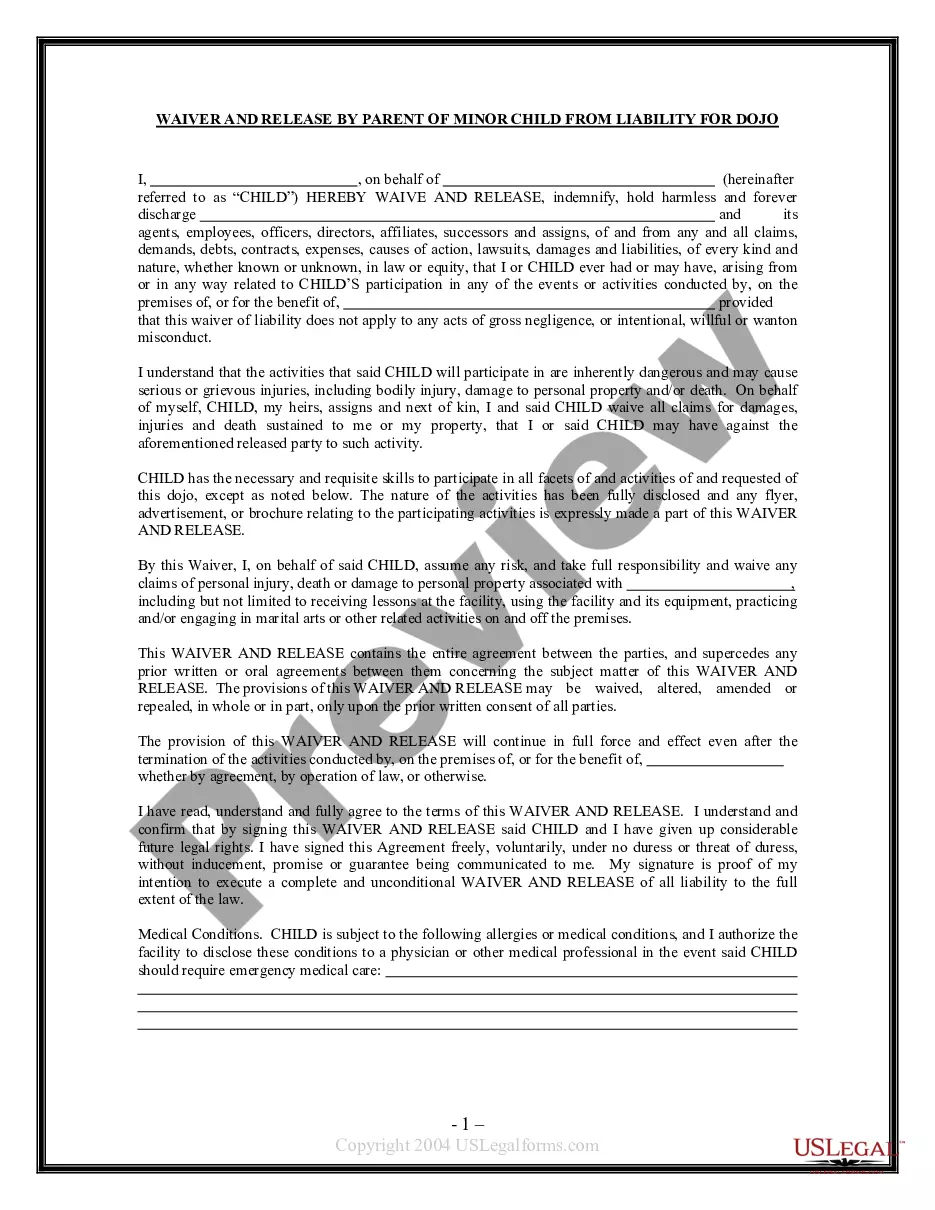
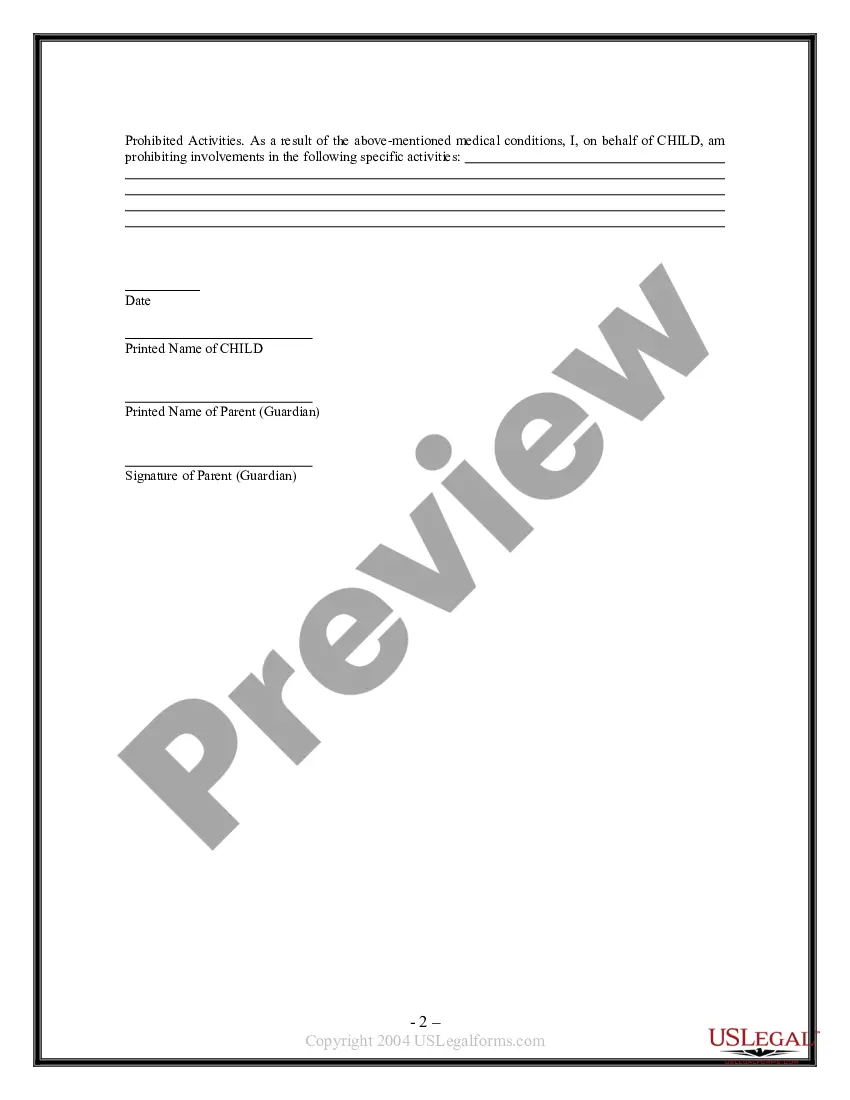
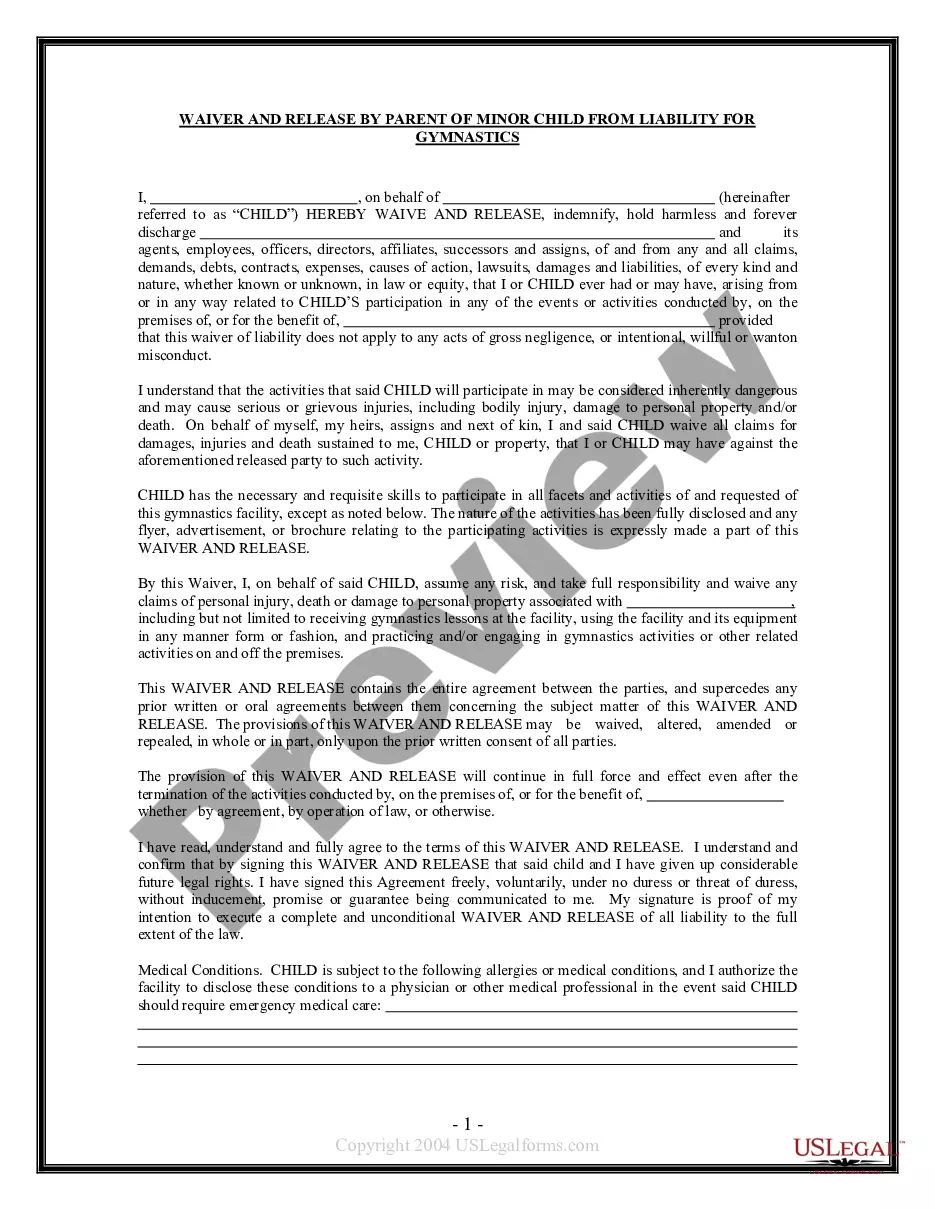
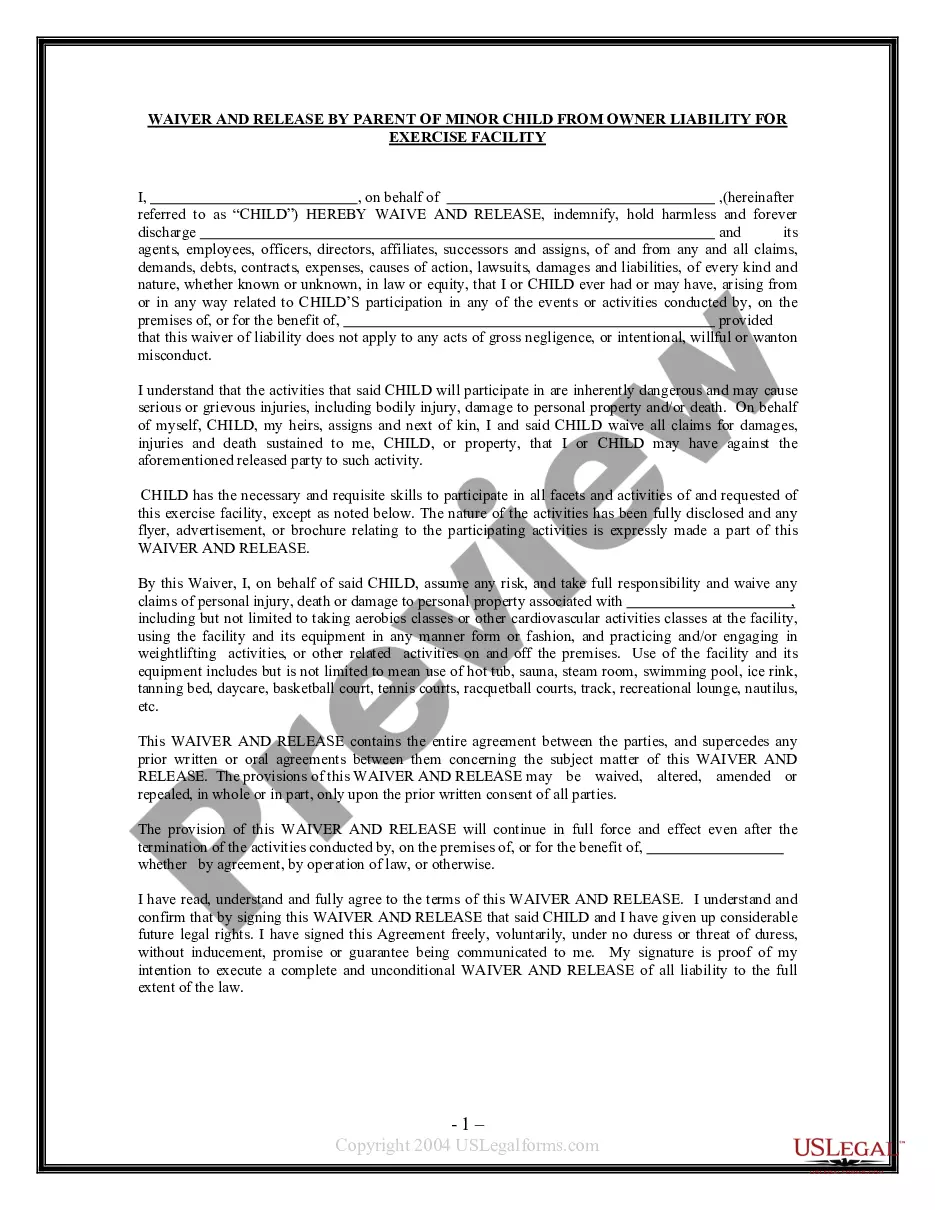
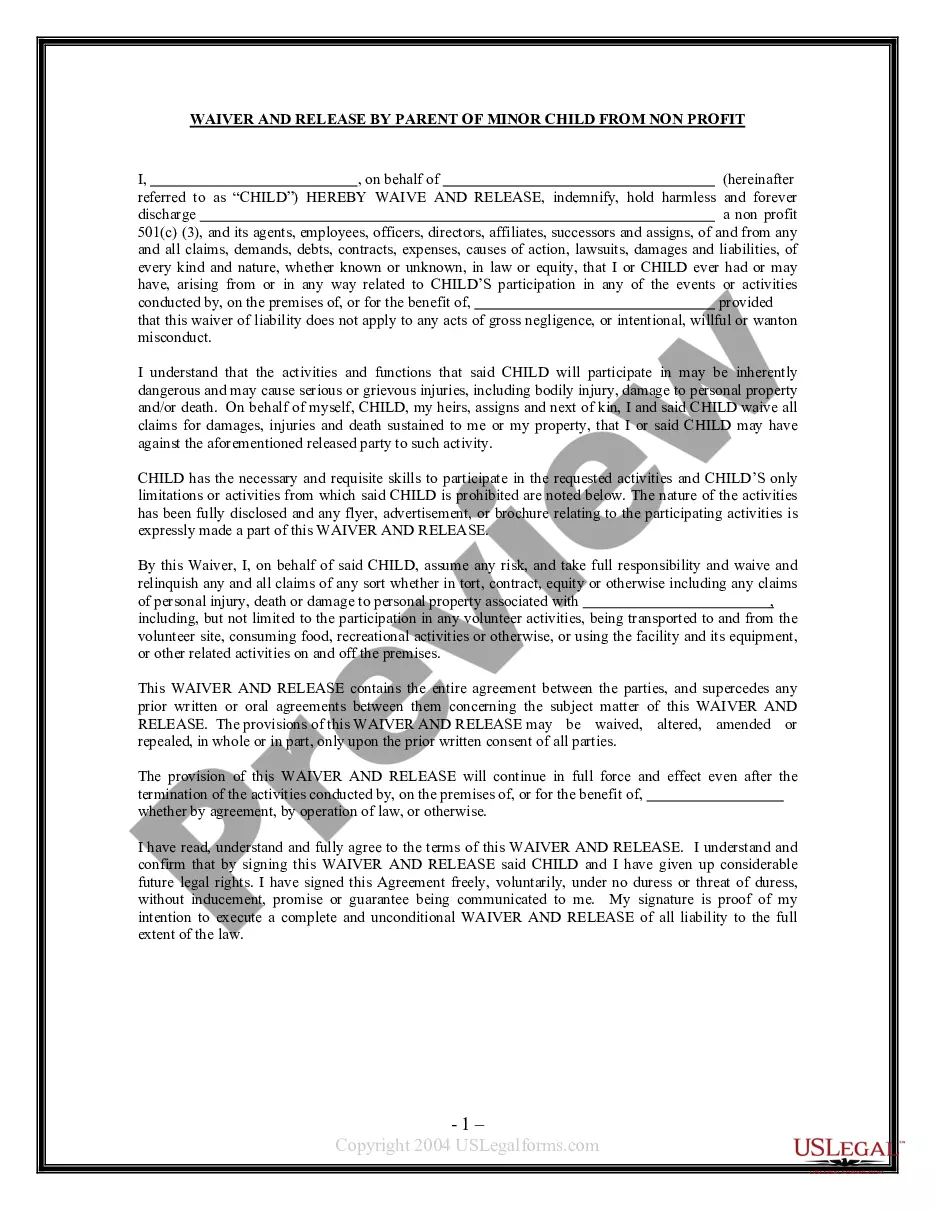
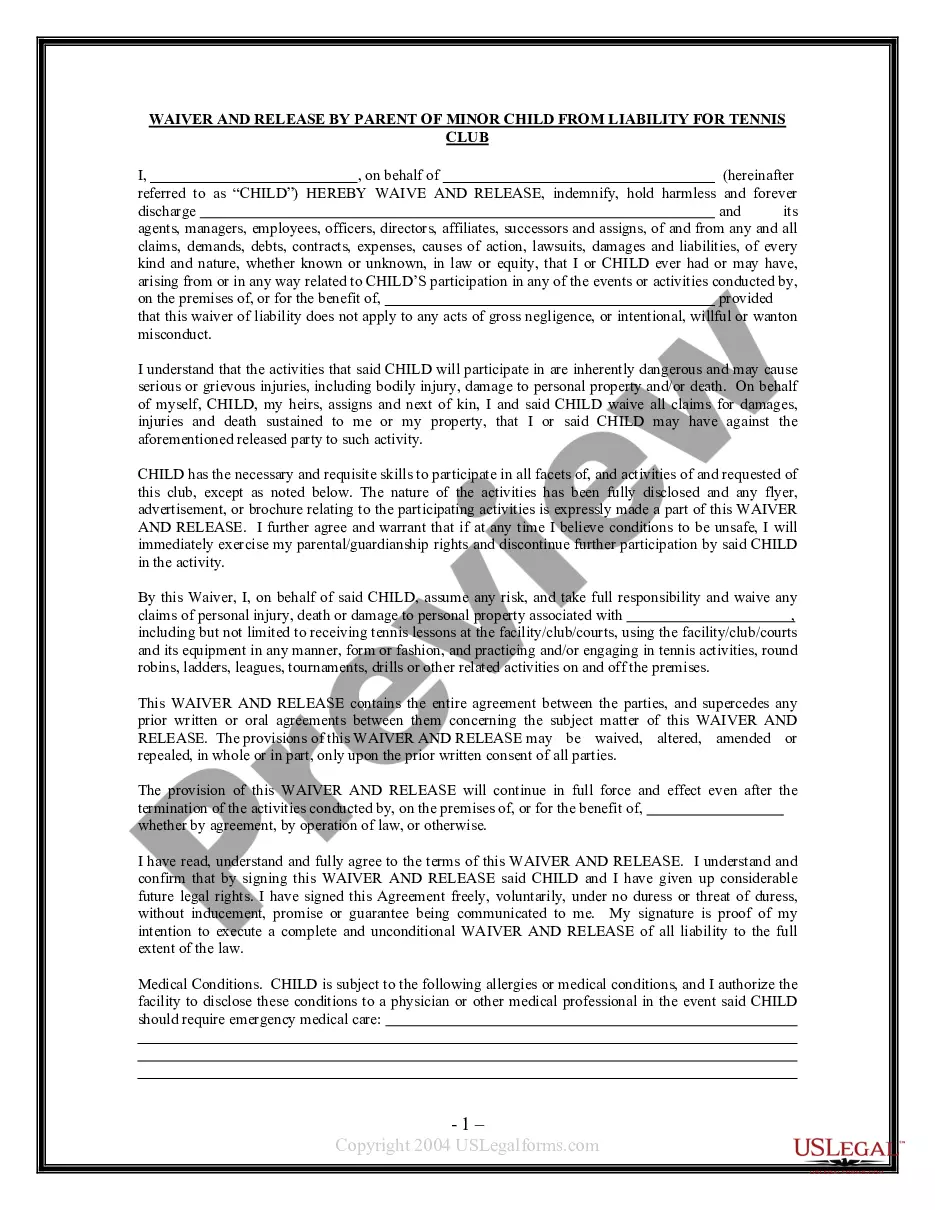
How to fill out Waiver And Release From Liability For Minor Child For Dojo?
If you need to acquire, download, or create authentic document templates, utilize US Legal Forms, the largest collection of legal forms, which can be accessed online.
Take advantage of the site’s simple and user-friendly search to locate the documents you need. A range of templates for business and personal purposes are categorized by groups and states, or keywords.
Use US Legal Forms to find the Utah Waiver and Release From Liability For Minor Child for Dojo in just a few clicks.
Step 5. Complete the transaction. You can use your credit card or PayPal account to finalize the purchase.
Step 6. Retrieve the format of the legal form and download it to your device. Step 7. Complete, modify, and print or sign the Utah Waiver and Release From Liability For Minor Child for Dojo. Every legal document template you obtain is yours for an indefinite period. You have access to every form you saved in your account. Click on the My documents section and select a form to print or download again. Complete and download, and print the Utah Waiver and Release From Liability For Minor Child for Dojo with US Legal Forms. There are numerous professional and state-specific forms you can utilize for your business or personal needs.
- If you are currently a US Legal Forms user, Log In to your account and click on the Acquire button to obtain the Utah Waiver and Release From Liability For Minor Child for Dojo.
- You can also access forms you previously saved from the My documents tab of your account.
- If you are using US Legal Forms for the first time, follow the guidelines below.
- Step 1. Ensure you have chosen the form for the correct city/region.
- Step 2. Use the Preview option to review the form’s content. Don’t forget to read through the description.
- Step 3. If you are dissatisfied with the form, use the Search field at the top of the screen to find other versions of the legal form template.
- Step 4. Once you have found the form you need, select the Buy now button. Choose the payment plan you prefer and enter your details to register for an account.
Form popularity
FAQ
Filling out a waiver of liability involves reading the document carefully and understanding its content. For the Utah Waiver and Release From Liability For Minor Child for Dojo, provide all required information, including the child's name, the parent’s signature, and the date. Take your time to ensure that all details are accurate to avoid any potential legal issues later.
A parental consent release and waiver of liability is a document that allows a parent to grant permission for their child to participate in activities while acknowledging the risks involved. This waiver, often referred to as the Utah Waiver and Release From Liability For Minor Child for Dojo, protects the organization from legal claims related to injuries. It ensures that parents are fully aware of the potential dangers their child may face.
Writing a simple waiver involves stating the activity, risks, and the intent to release liability. Begin with a title like 'Utah Waiver and Release From Liability For Minor Child for Dojo' to clarify its focus. Keep the language straightforward, and ensure that both the parent and child understand what they are agreeing to before signing.
To write a liability waiver form, start by detailing the activity and potential risks involved. Include the phrase 'Utah Waiver and Release From Liability For Minor Child for Dojo' to clearly indicate the purpose of the document. Ensure that the waiver is clear, concise, and includes spaces for signatures and dates to make it legally binding.
An example of a waiver of liability is a document that a parent signs before their child participates in a martial arts class. This Utah Waiver and Release From Liability For Minor Child for Dojo typically states that the parent understands the risks associated with the activity and agrees not to hold the dojo responsible for any injuries. Such waivers protect the organization while informing parents of potential hazards.
Yes, you can write your own liability waiver, but it is crucial to ensure that it meets legal standards. A well-crafted Utah Waiver and Release From Liability For Minor Child for Dojo should clearly outline the risks involved and provide comprehensive coverage. Consider using established templates or resources from platforms like USLegalForms to ensure validity.
Utah Supreme Court Reaffirms: Parental Waivers Are Not Enforceable in Utah.
Generally, a liability waiver document is a legally binding agreement that relinquishes the right of one party to pursue legal remedy for injuries accrued on the property, regardless of fault involved.
In California, waivers of liability are generally enforceable so long as they have been drafted correctly, are explicit as to the scope of coverage, are legible and use high-visibility text, and do not illegally waive unknown or unrelated claims.
In general, a liability waiver in Utah only protects a defendant from liability for injuries related to ordinary negligence. This is a general breach of the duty of care. It does not protect from gross negligence or malicious intent to harm.