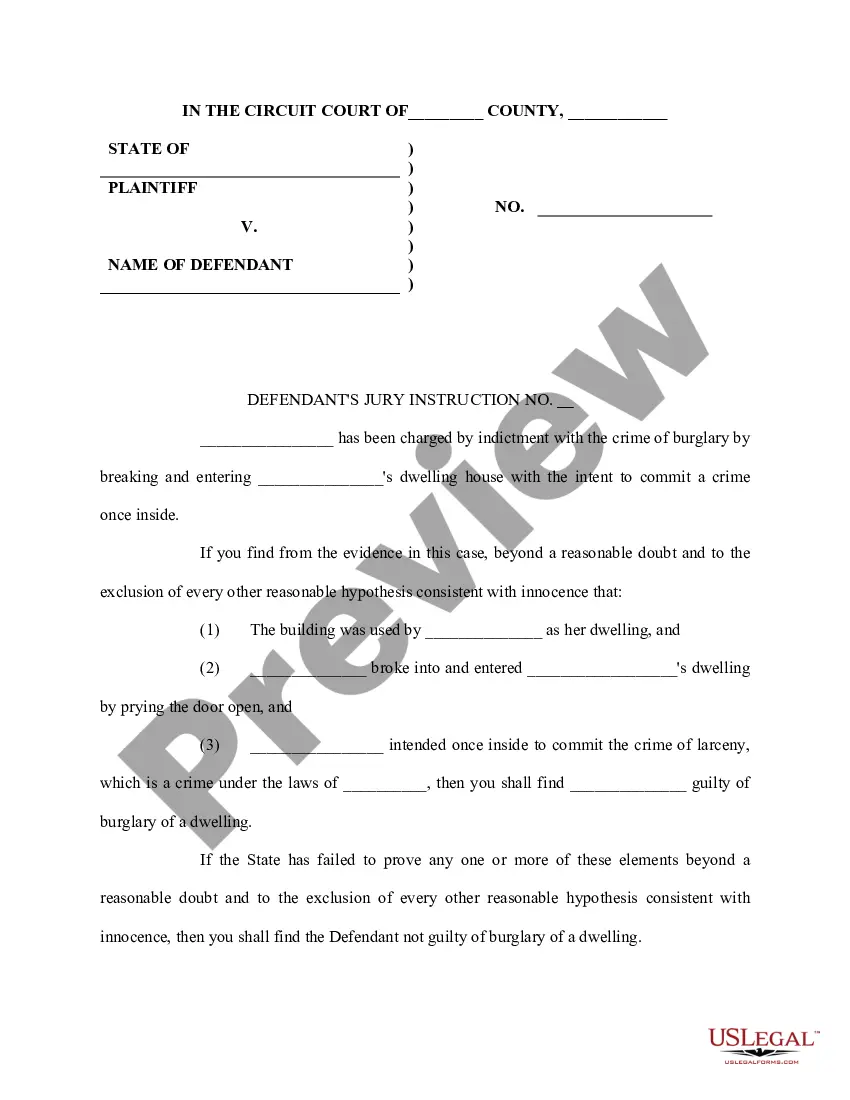
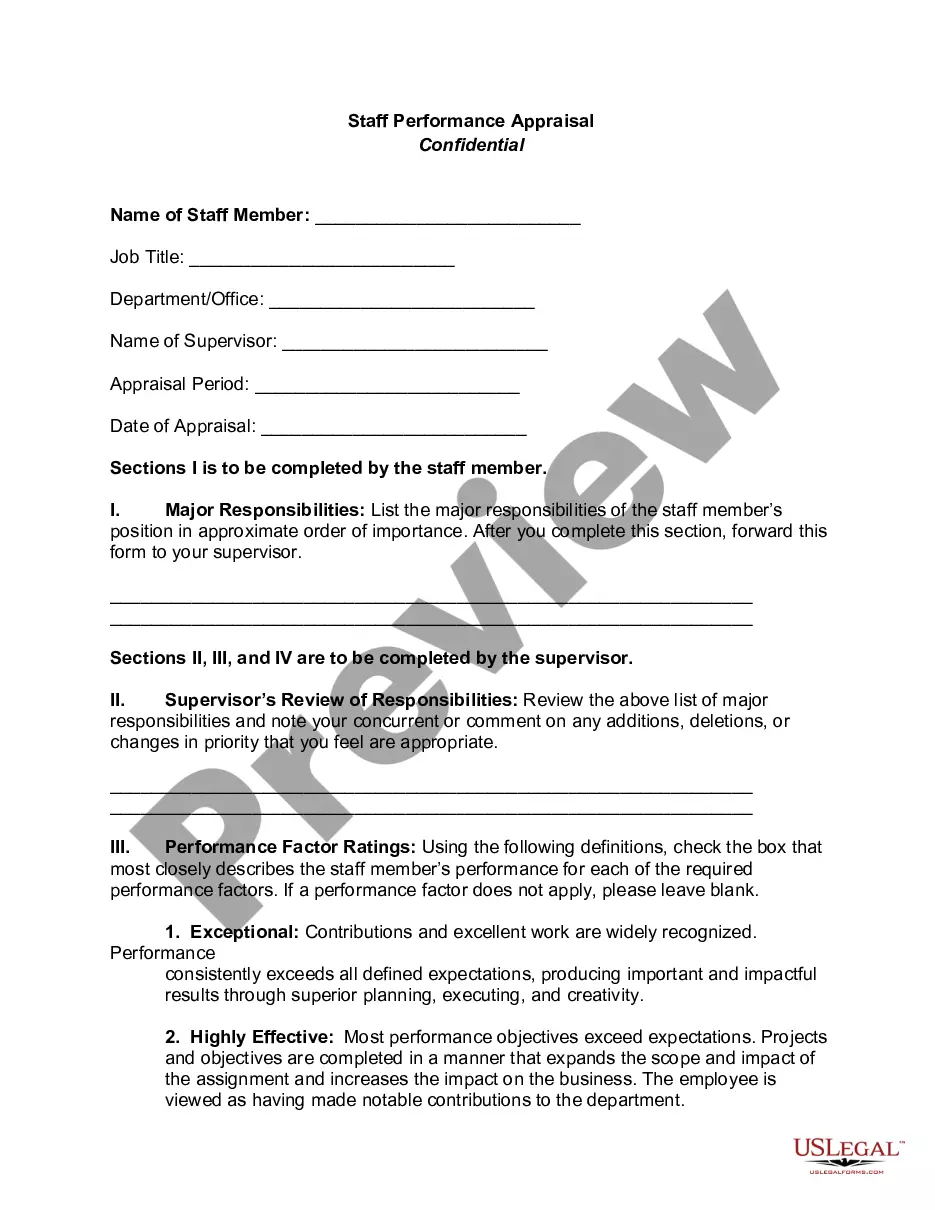
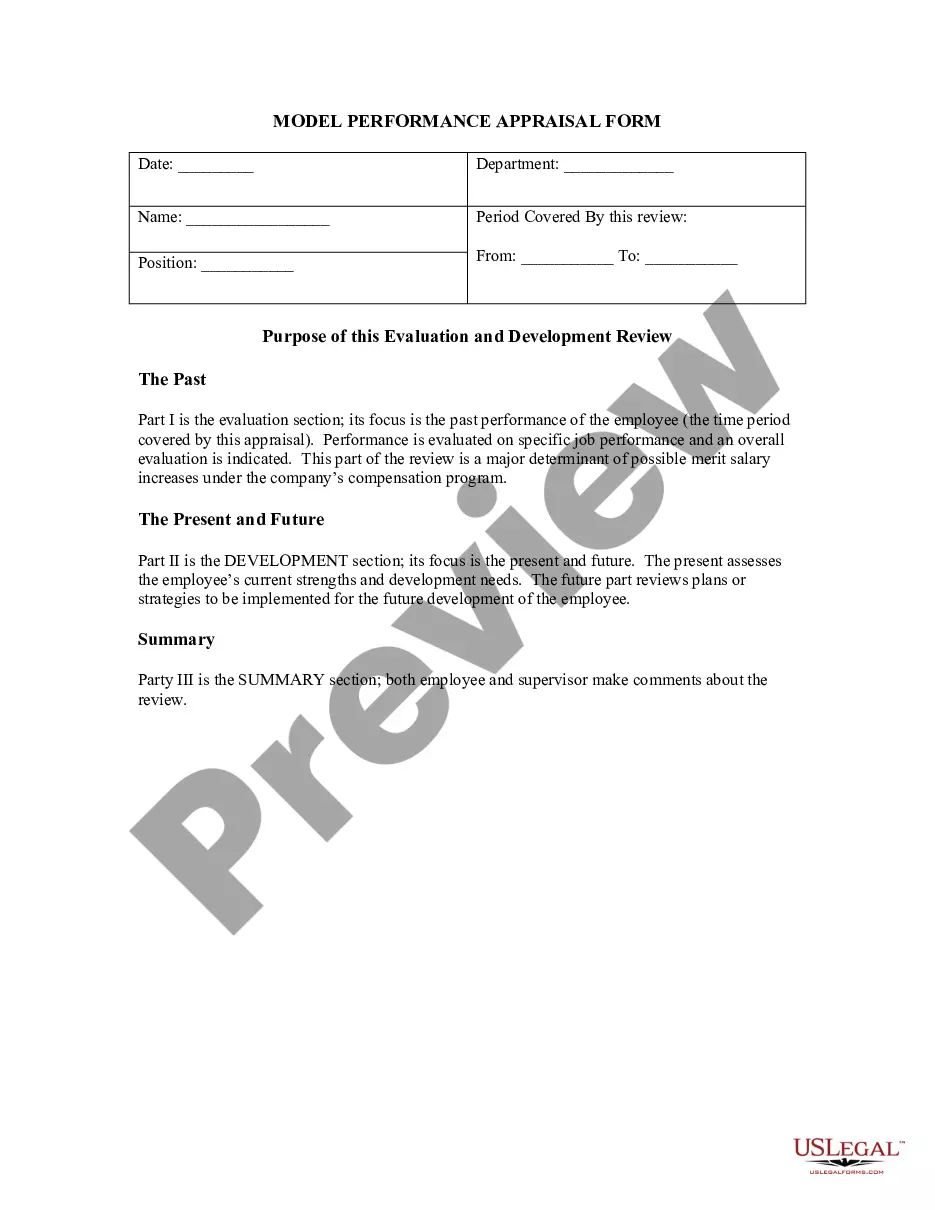
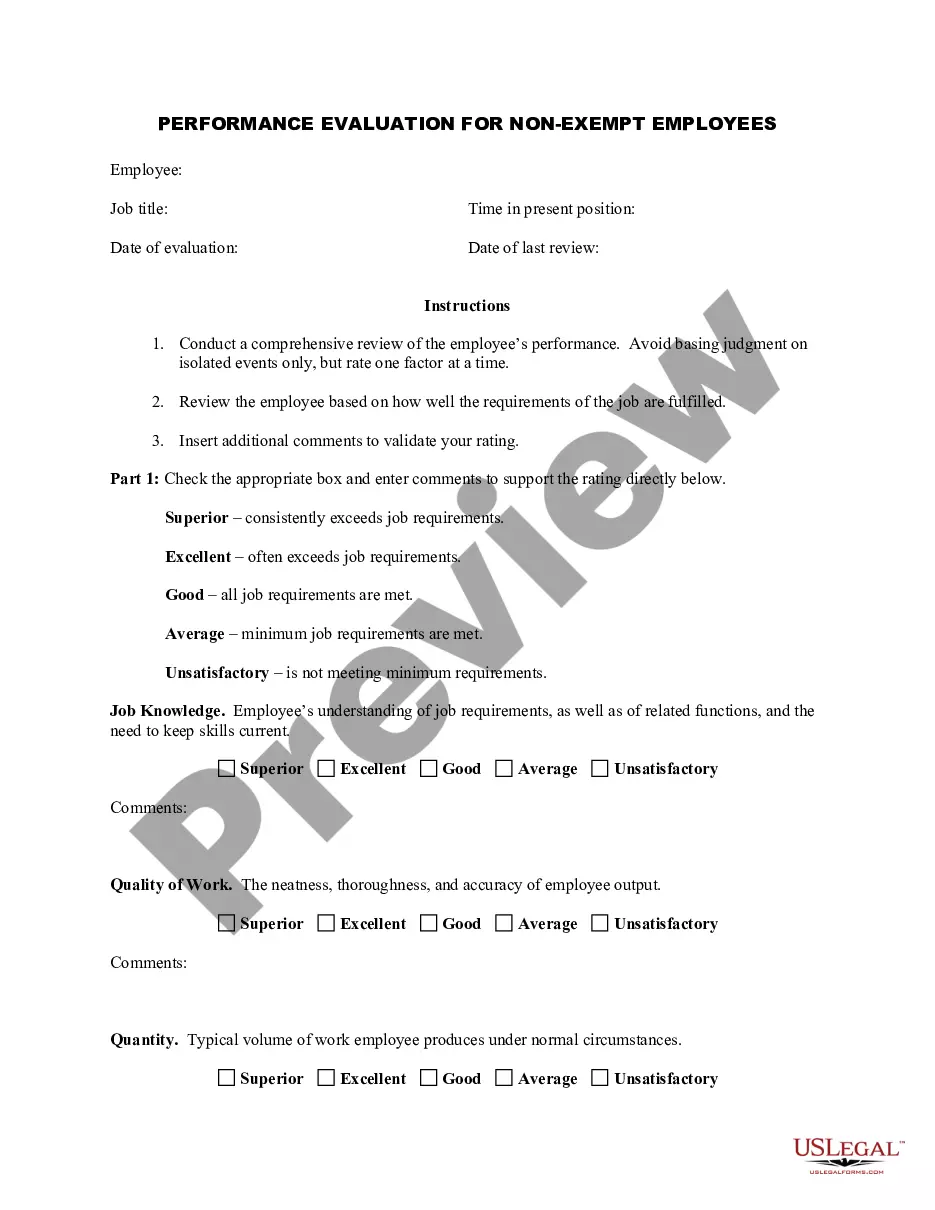
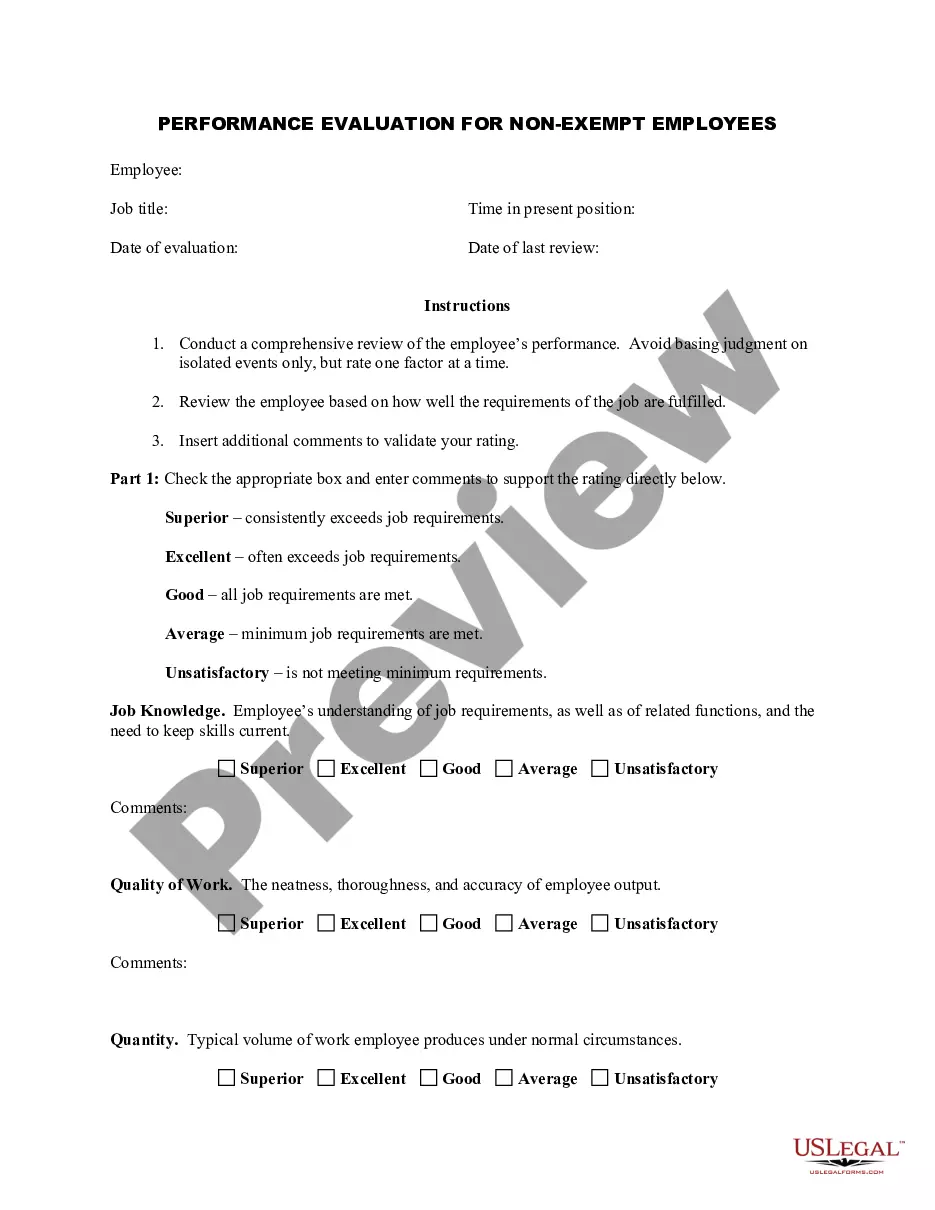
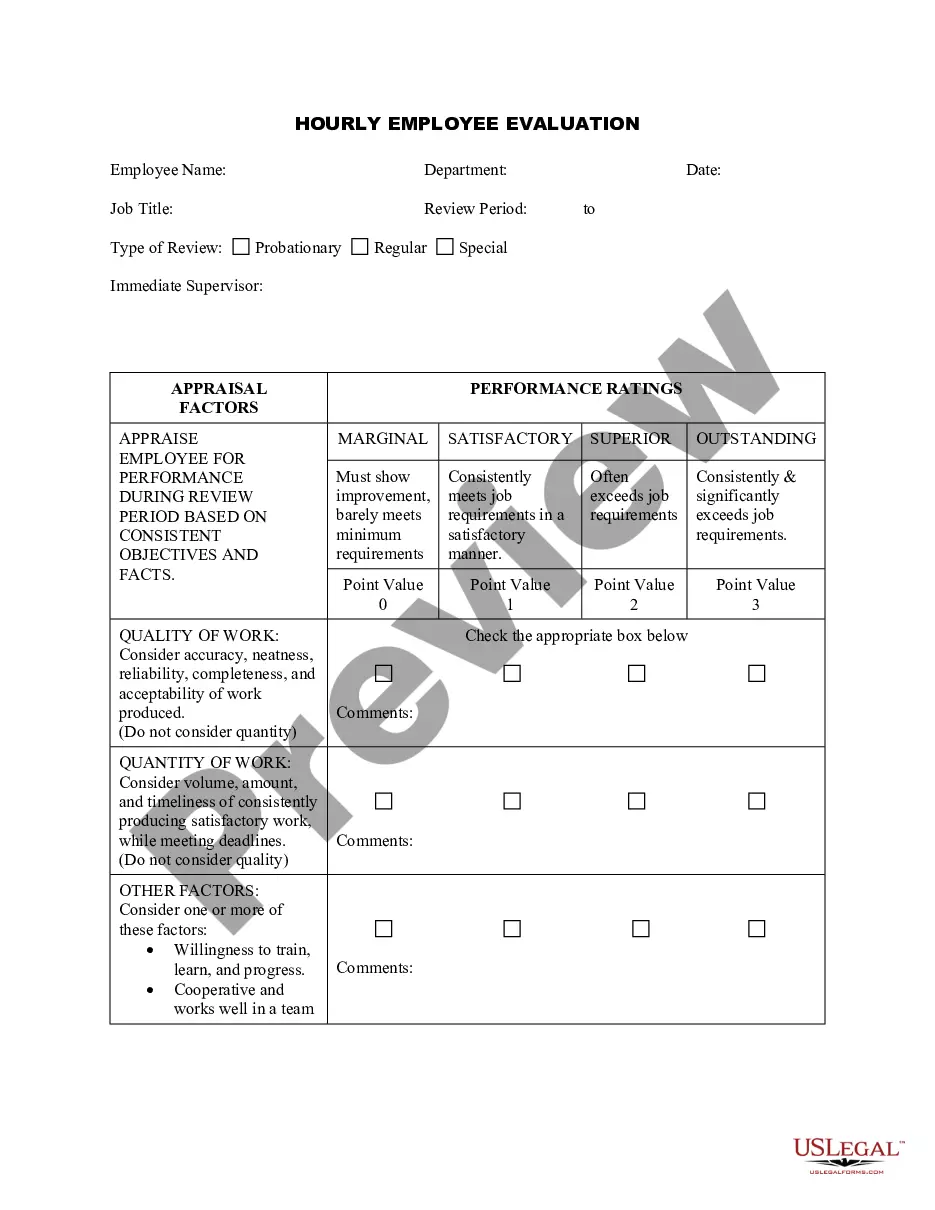
Utah Model Performance Evaluation - Appraisal Form for Hourly, Exempt, Nonexempt, and Managerial Employees
Description

Get your form ready online
Our built-in tools help you complete, sign, share, and store your documents in one place.
Make edits, fill in missing information, and update formatting in US Legal Forms—just like you would in MS Word.
Download a copy, print it, send it by email, or mail it via USPS—whatever works best for your next step.
Sign and collect signatures with our SignNow integration. Send to multiple recipients, set reminders, and more. Go Premium to unlock E-Sign.
If this form requires notarization, complete it online through a secure video call—no need to meet a notary in person or wait for an appointment.
We protect your documents and personal data by following strict security and privacy standards.

Make edits, fill in missing information, and update formatting in US Legal Forms—just like you would in MS Word.

Download a copy, print it, send it by email, or mail it via USPS—whatever works best for your next step.

Sign and collect signatures with our SignNow integration. Send to multiple recipients, set reminders, and more. Go Premium to unlock E-Sign.

If this form requires notarization, complete it online through a secure video call—no need to meet a notary in person or wait for an appointment.

We protect your documents and personal data by following strict security and privacy standards.
Looking for another form?

How to fill out Model Performance Evaluation - Appraisal Form For Hourly, Exempt, Nonexempt, And Managerial Employees?
US Legal Forms - one of the largest collections of legal documents in the USA - offers a broad selection of legal paperwork templates that you can download or print.
By using the website, you can discover countless forms for business and personal use, organized by categories, states, or keywords.
You can find the latest versions of forms like the Utah Model Performance Evaluation - Appraisal Form for Hourly, Exempt, Nonexempt, and Managerial Employees in mere seconds.
Read the form summary to confirm that you have picked the correct document.
If the form does not meet your needs, take advantage of the Search box at the top of the screen to find the one that fits.
- If you are already a member, Log In to download the Utah Model Performance Evaluation - Appraisal Form for Hourly, Exempt, Nonexempt, and Managerial Employees from the US Legal Forms library.
- The Download button will appear on each form you view.
- You can access all previously saved forms in the My documents section of your account.
- If you wish to use US Legal Forms for the first time, here are simple instructions to get started.
- Ensure you have selected the correct form for your area/county.
- Click the Review button to evaluate the form's content.
Form popularity
FAQ
To create a performance evaluation system in your practice, follow these five steps:Develop an evaluation form.Identify performance measures.Set guidelines for feedback.Create disciplinary and termination procedures.Set an evaluation schedule.
How to create an appraisal formA rating rubric. Think of the key objectives of an employee's role and separate them into different categories.The employee's achievements.What the employee can improve on.Improvements since the last review.The employee's professional goals.6. Comments from the employee.
To create a performance evaluation system in your practice, follow these five steps:Develop an evaluation form.Identify performance measures.Set guidelines for feedback.Create disciplinary and termination procedures.Set an evaluation schedule.
Performance appraisal allows you to provide positive feedback as well as identifying areas for improvement. An employee can discuss and even create a developmental (training) plan with the manager so he can improve his skills. It motivates employees if supported by a good merit-based compensation system.
When you fill the form:Be honest and critical. Analyze your failures and mention the reasons for it.Keep the words minimal.Identify weaknesses.Mention your achievements.Link achievements to the job description and the organization's goals.Set the goals for the next review period.Resolve conflicts and grievances.
A ratings scale is a common method of appraisal. It uses a set of pre-determined criteria that a manager uses to evaluate an employee against. Each set of criteria is weighted so that a measured score can be calculated at the end of the review.
Here are some types of performance appraisals:Negotiated appraisal.Management by objective (MBO)Assessment center method.Self-appraisal.Peer reviews.Customer or client reviews.Behaviorally anchored rating scale (BARS)Human resource accounting method.
Self-assessment: Individuals rate their job performance and behavior. Peer assessment: An individual's workgroup or coworkers rate their performance. 360-degree feedback assessment: Includes input from an individual, supervisor, and peers.
This helps them understand the impact of their performance. The assessment center method divides the review into three stages: pre-assessment, during assessment and post-assessment.
The four types are the full appraisal, exterior-only appraisal, the rental analysis, and the broker price opinion. A full appraisal is the most common type of appraisal. How the appraised value is determined is the same for all home appraisal types. The appraisal costs for each is different.