Utah Voting Agreement Among Stockholders to Elect Directors
Description
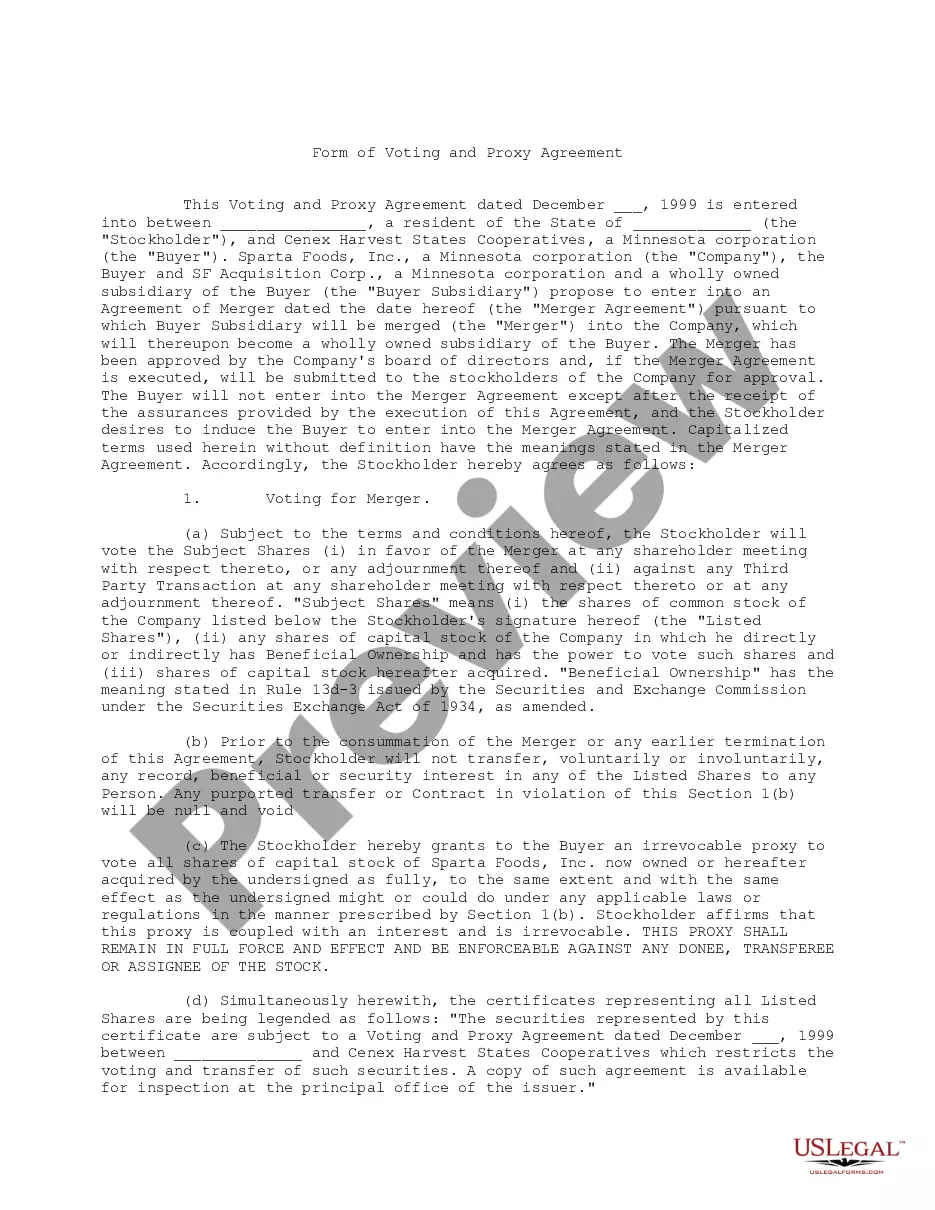
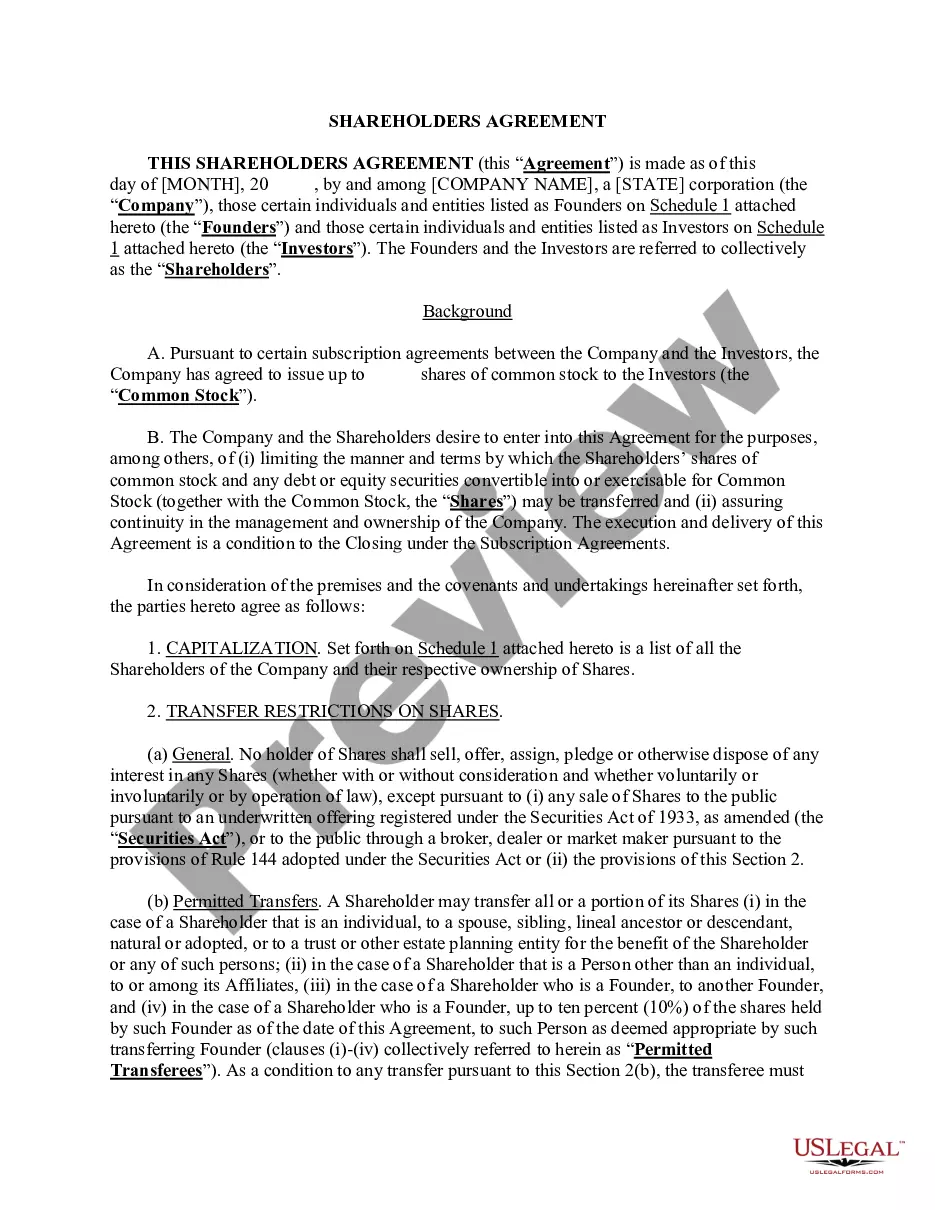
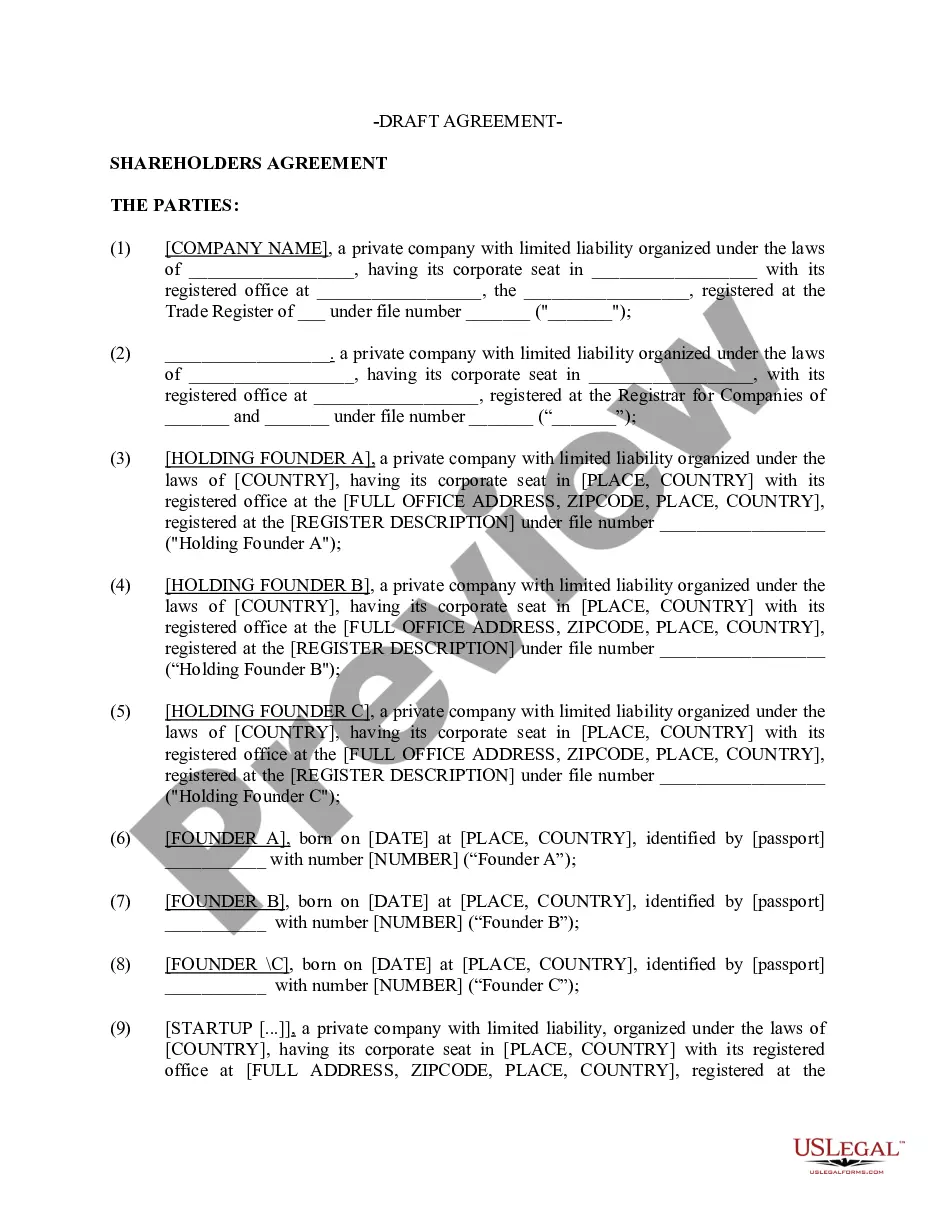
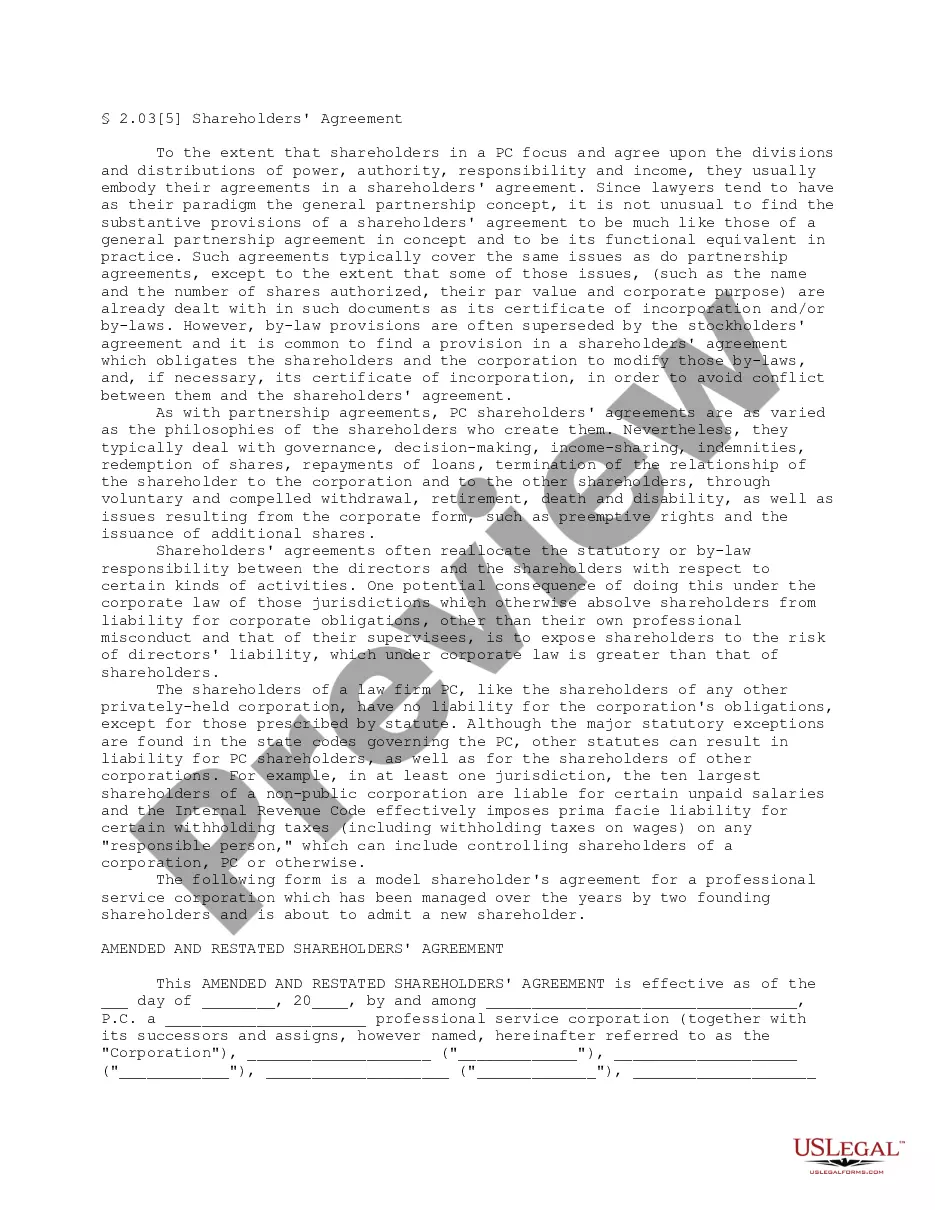

How to fill out Voting Agreement Among Stockholders To Elect Directors?
If you need to thorough, acquire, or print authentic document templates, use US Legal Forms, the largest selection of legal forms available online.
Utilize the site's straightforward and user-friendly search to locate the documents you require.
Various templates for business and personal purposes are categorized by type and state, or keywords.
Step 4. Once you have found the form you need, click on the Buy Now button. Choose the pricing plan you prefer and enter your details to register for an account.
Step 5. Process the transaction. You can use your Visa or Mastercard or PayPal account to complete the transaction.
- Use US Legal Forms to find the Utah Voting Agreement Among Stockholders to Elect Directors with just a few clicks.
- If you are already a US Legal Forms client, Log In to your account and click the Download button to obtain the Utah Voting Agreement Among Stockholders to Elect Directors.
- You can also access forms you previously saved from the My documents tab of your account.
- If it’s your first time using US Legal Forms, follow the directions below.
- Step 1. Ensure you have chosen the form for the correct city/state.
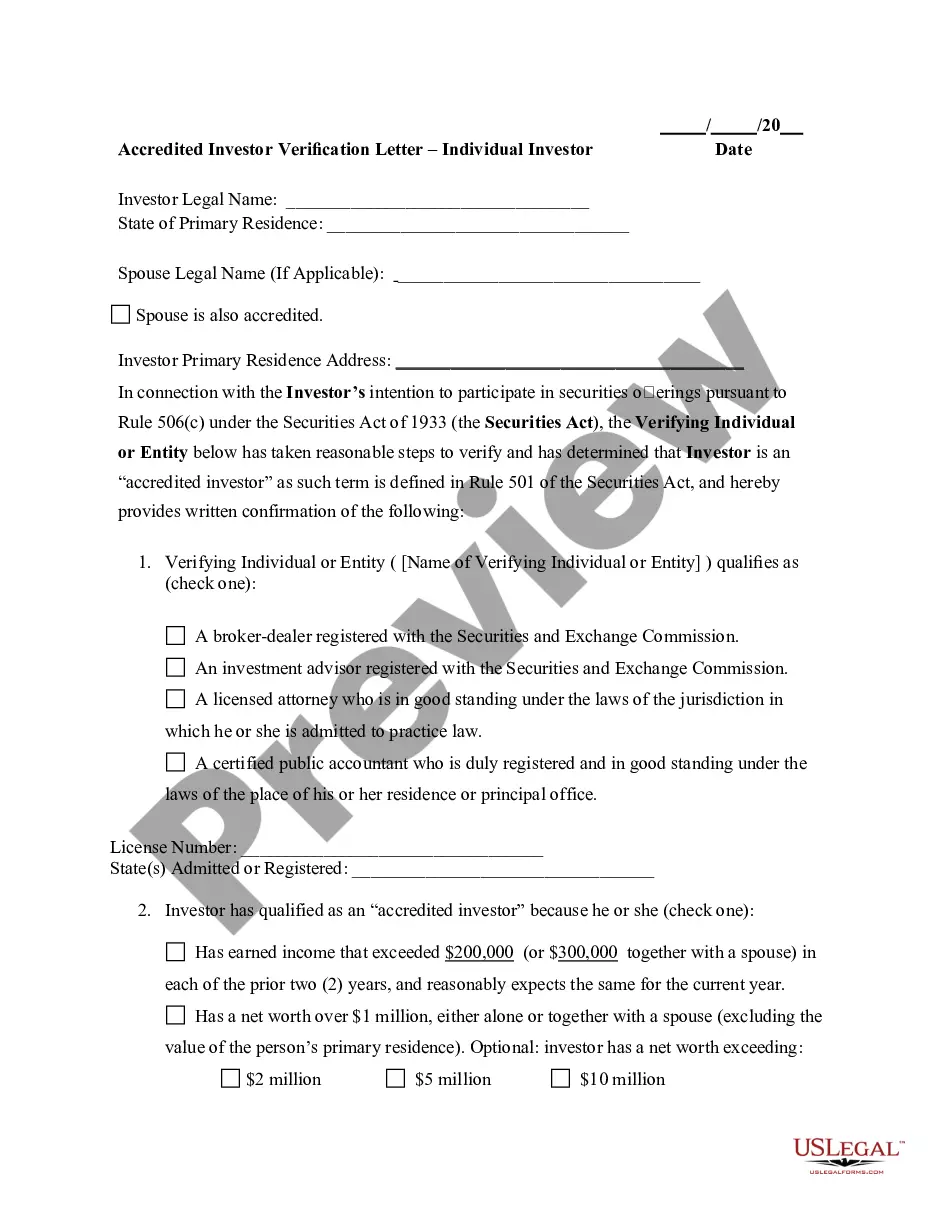
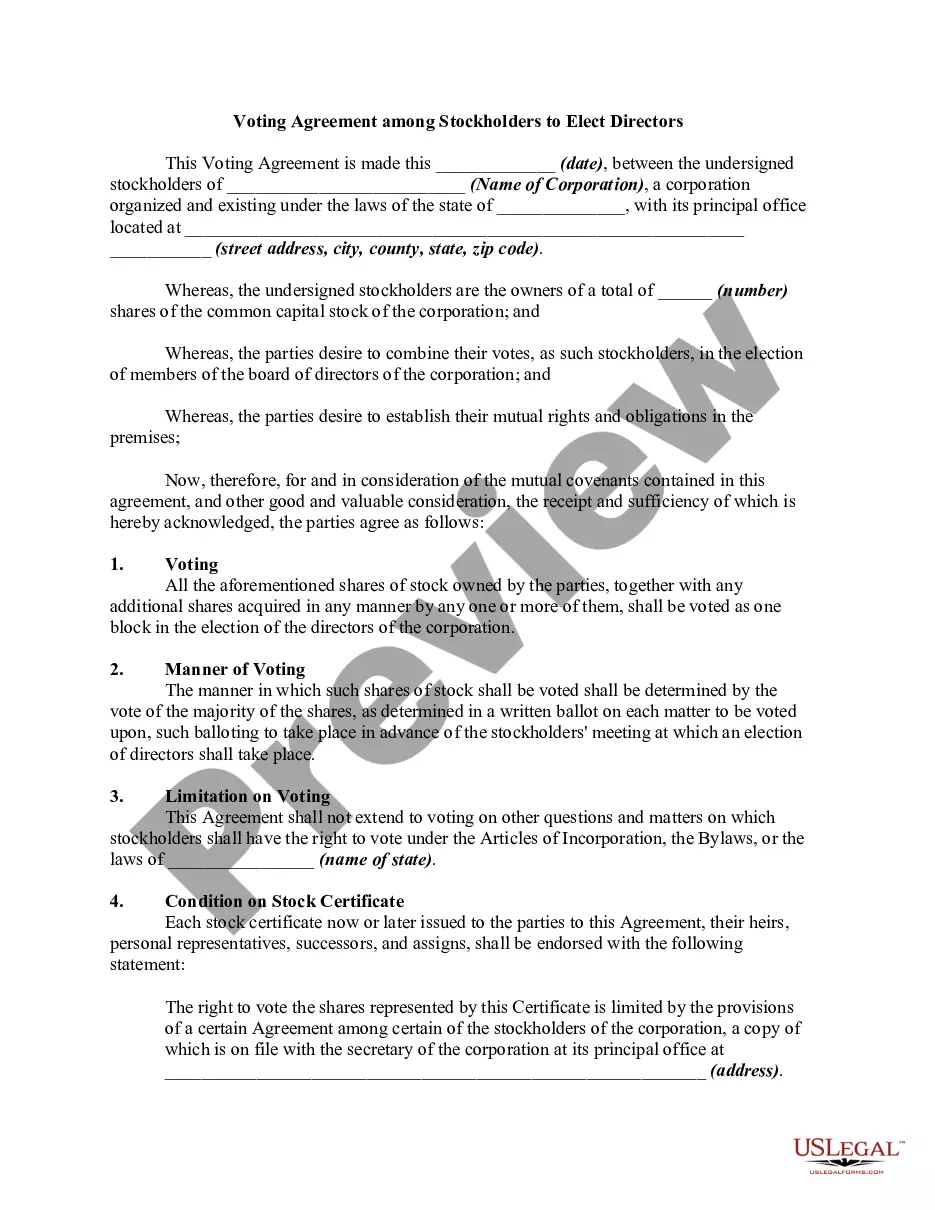
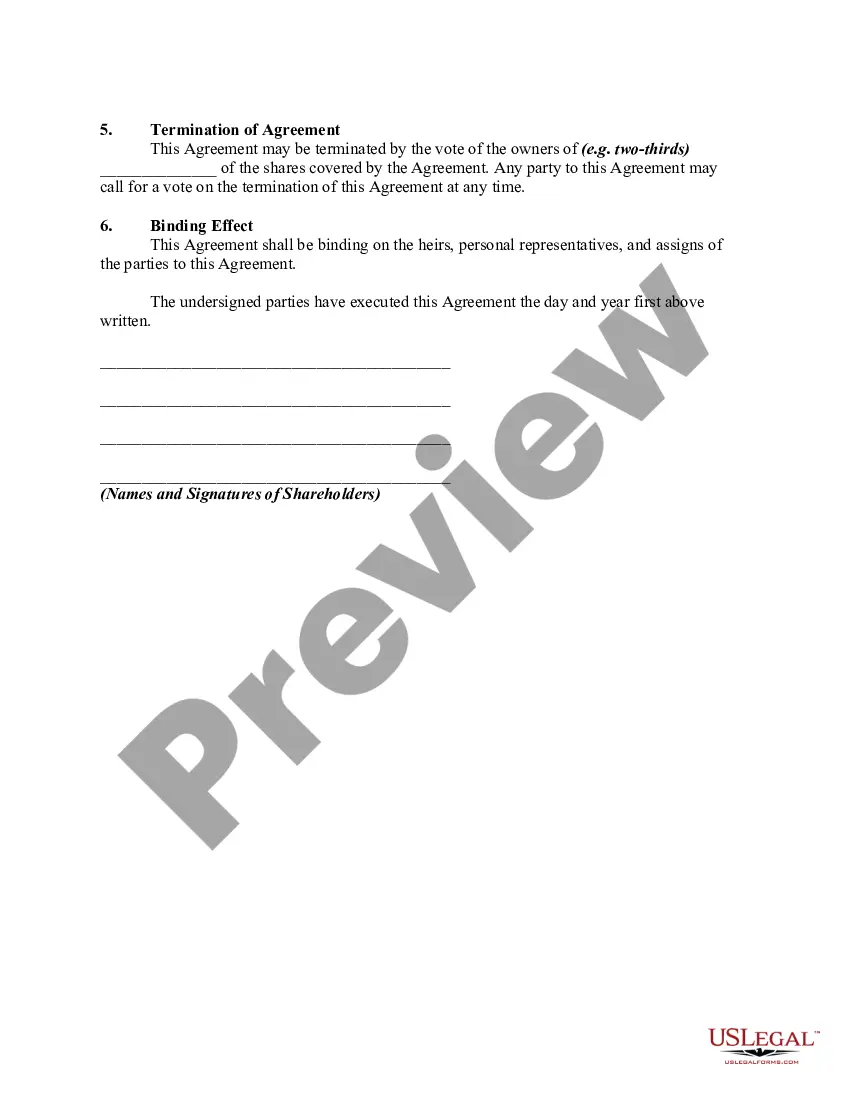
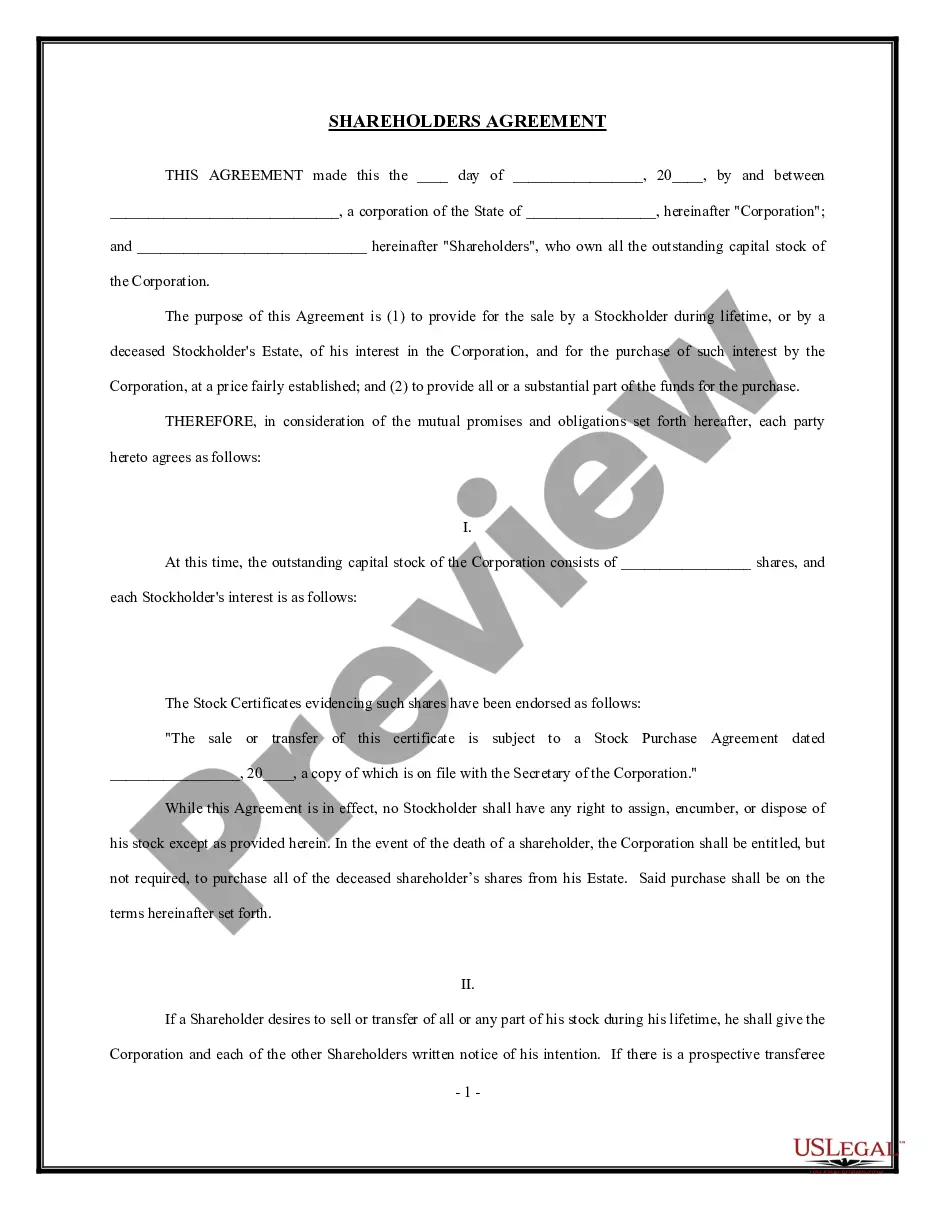
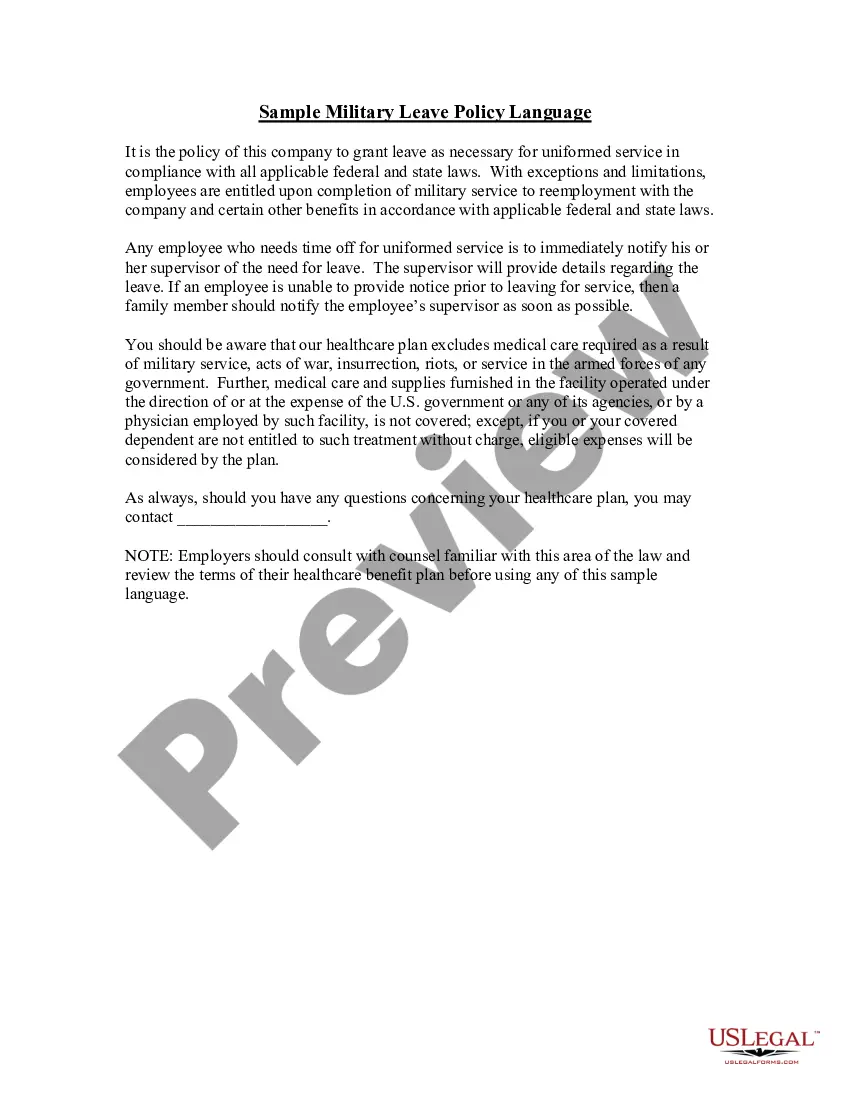
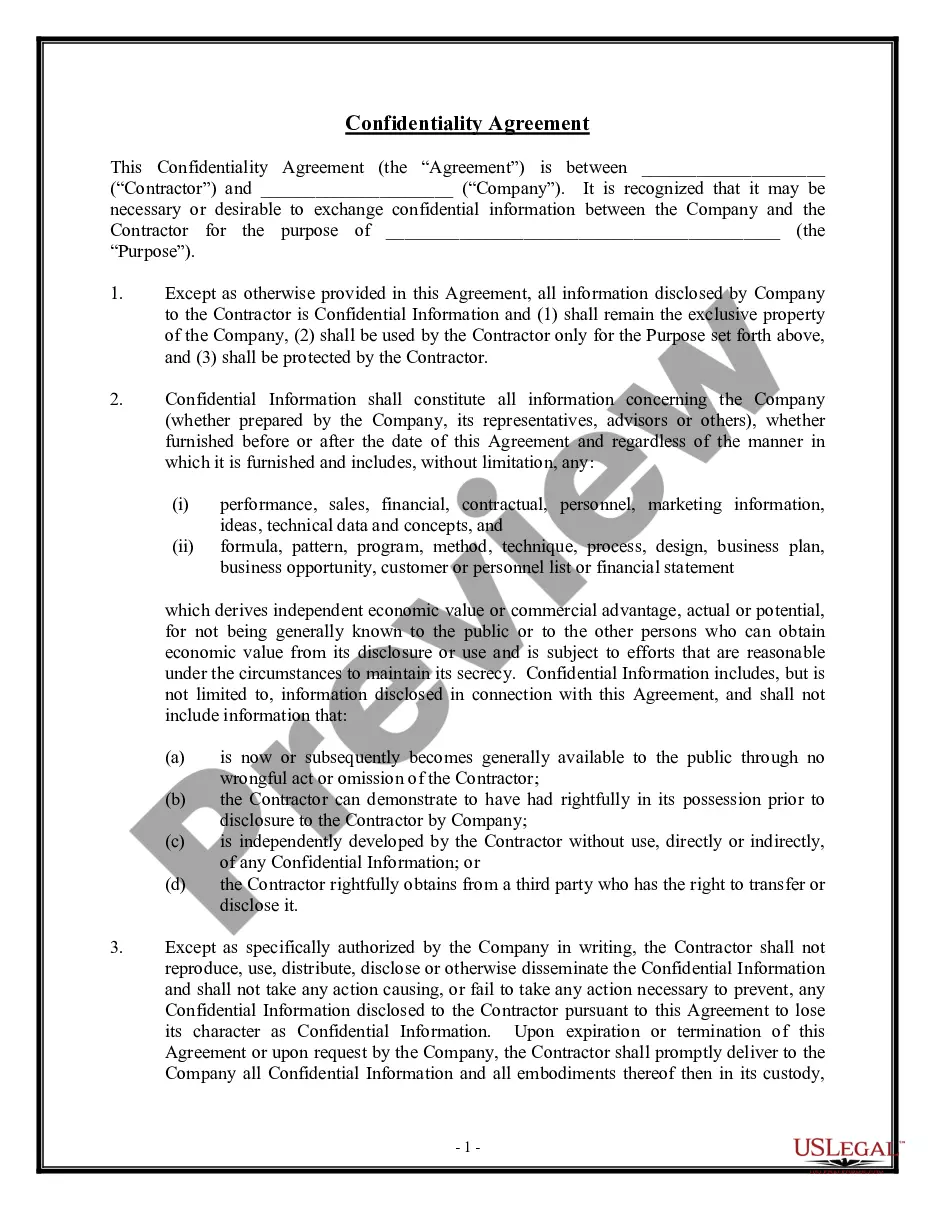
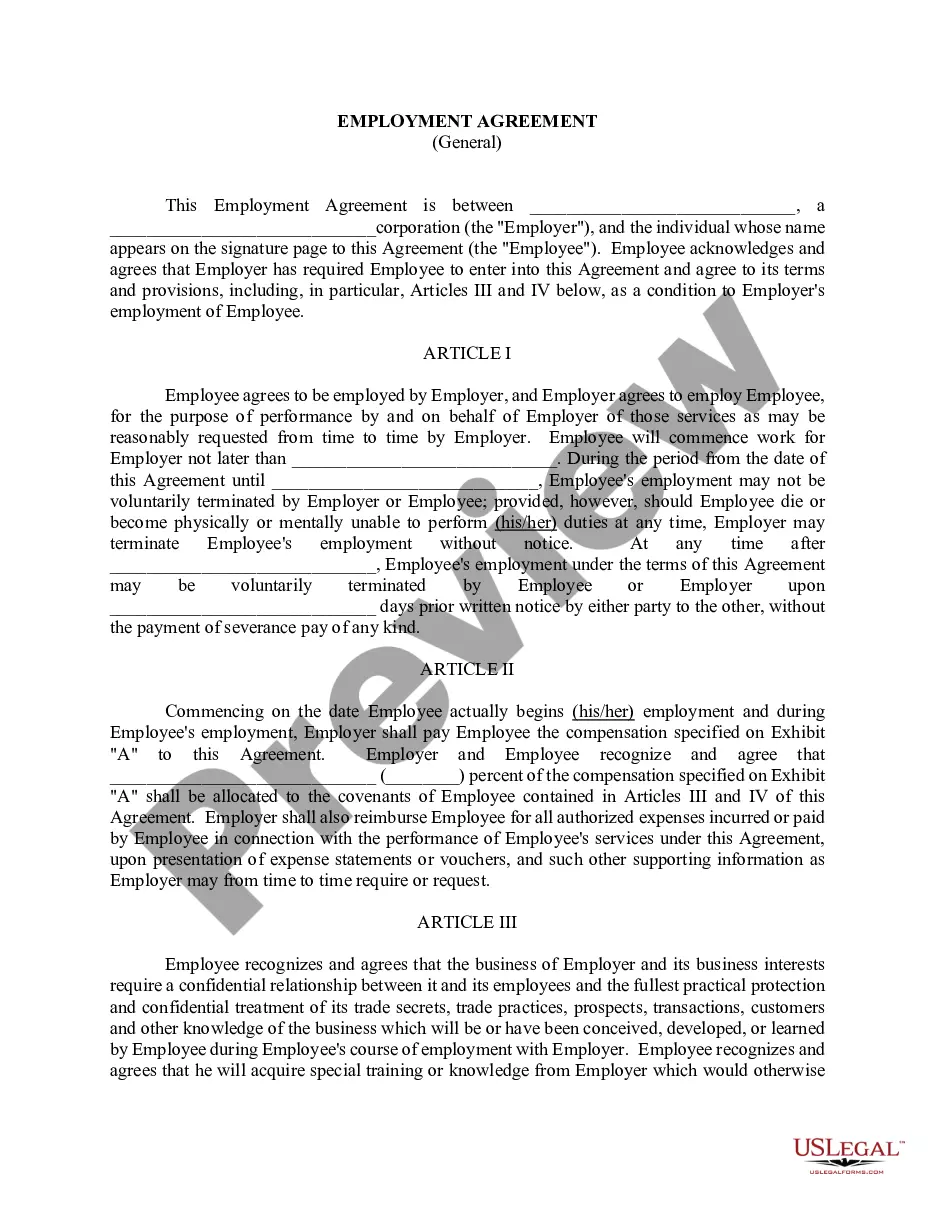
- Step 2. Use the Preview option to review the content of the form. Remember to read the summary.
- Step 3. If you are not satisfied with the form, use the Search area at the top of the screen to find other versions of the legal form format.
Form popularity
FAQ
Shareholders typically have the right to vote in elections for the board of directors and on proposed operational alterations such as shifts of corporate aims and goals or fundamental structural changes.
The shareholders can vote to remove directors from the board before their terms expire, with or without cause, unless the corporation has a staggered board. The shareholders can then vote to replace the directors they removed.
Shareholders Elect Directors Articles of incorporation normally specify that shareholders shall elect directors. In practice, what usually happens is that a slate of one or more proposed directors is drawn up by the board of directors, then voted on by shareholders at the annual meeting.
This can be achieved by a vote at a general meeting or (in the case of a private company only) by getting agreement to a written resolution. A director who is also a shareholder can participate in the vote, even if he is one of the directors interested in the matter being authorised.
The most important vote that shareholders of a corporation make is to elect the company's board of directors. A corporation must have a board and the members of the board of directors set the goals and provide guidance on how the company will be managed and run.
In large, publicly held companies, shareholders exert their greatest control through electing the company's directors. However, in small, privately held companies, officers and directors often own large blocks of shares. Therefore, minority shareholders typically cannot affect which directors are elected.
Key Takeaways. Stockholder voting right allow shareholders of record in a company to vote on certain corporate actions, elect members to the board of directors, and approve issuing new securities or payment of dividends. Shareholders cast votes at a company's annual meeting.
Shareholders typically have the right to vote in elections for the board of directors and on proposed operational alterations such as shifts of corporate aims and goals or fundamental structural changes.
The board of directors of a public company is elected by shareholders. The board makes key decisions on issues such as mergers and dividends, hires senior managers, and sets their pay.
Typically, the Shareholders meet annually to elect the Directors and approve their actions; the Board of Directors meets annually or quarterly to review the Officers' actions and the Officers meet as often as necessary to run the entity.