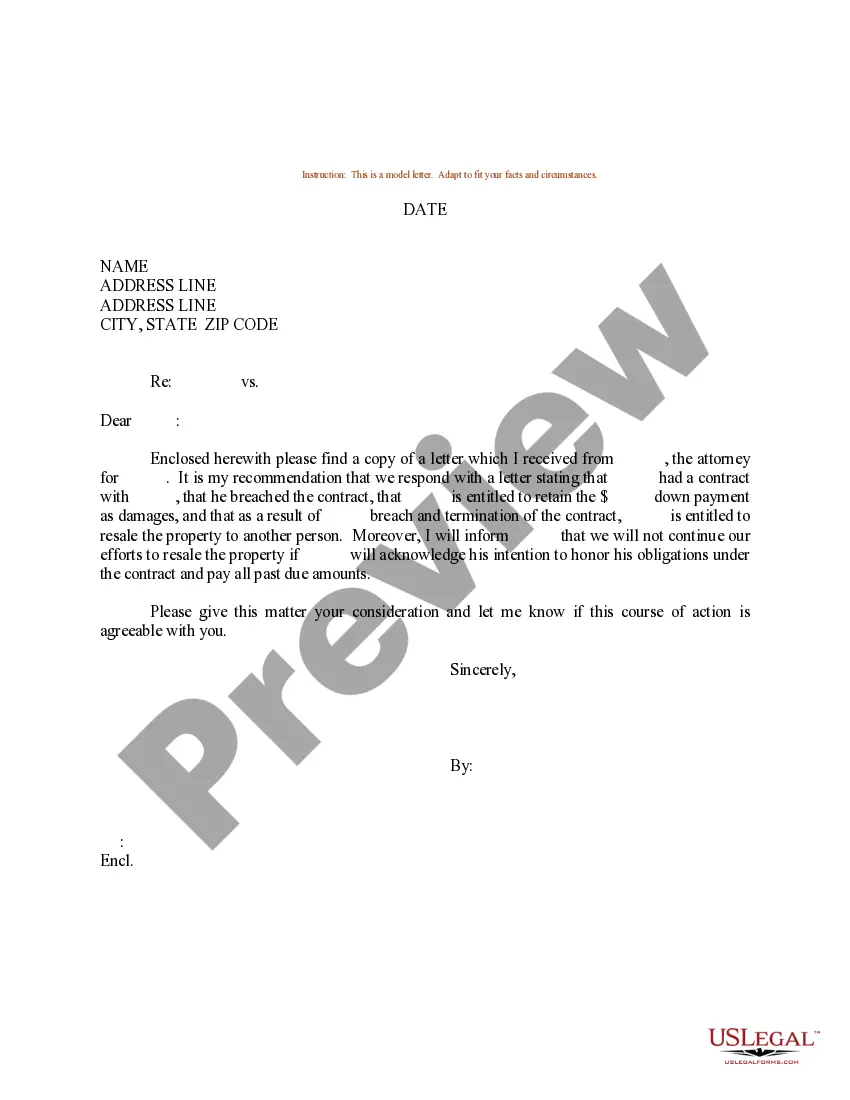
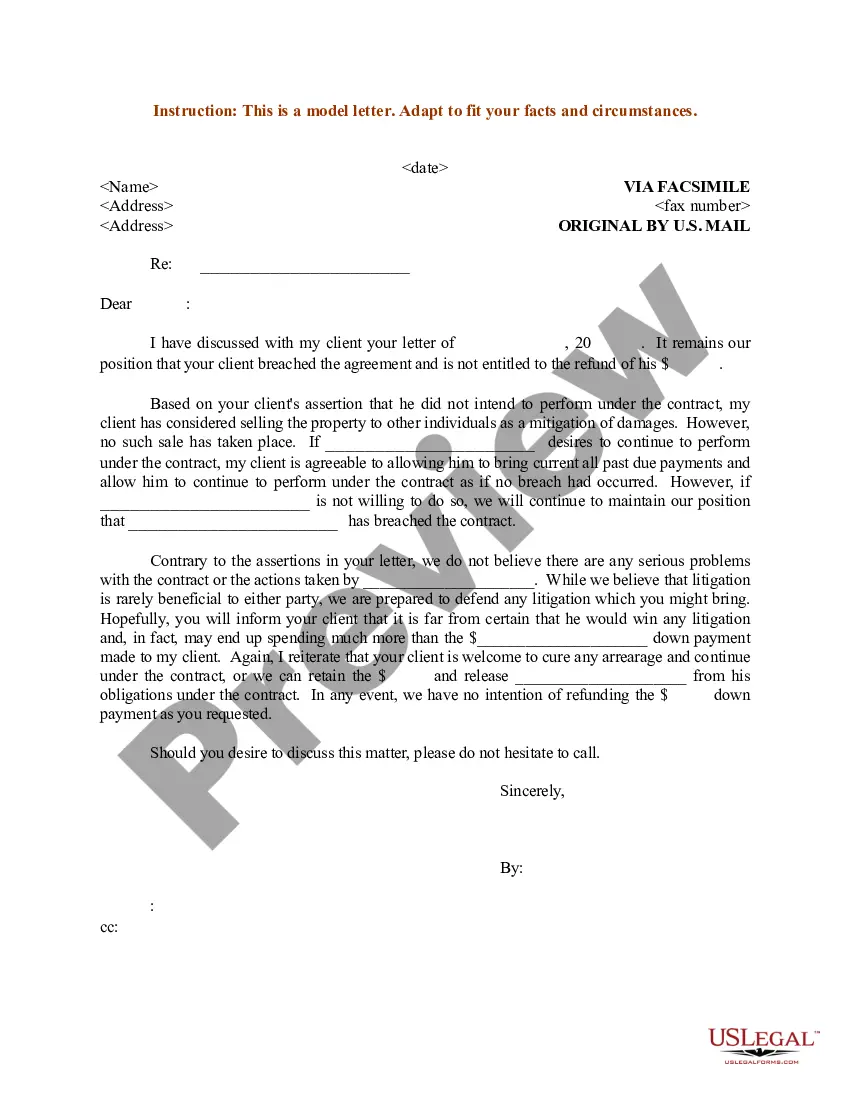
Utah Sample Letter to Client with Case Update - Breach of Contract Litigation
Description
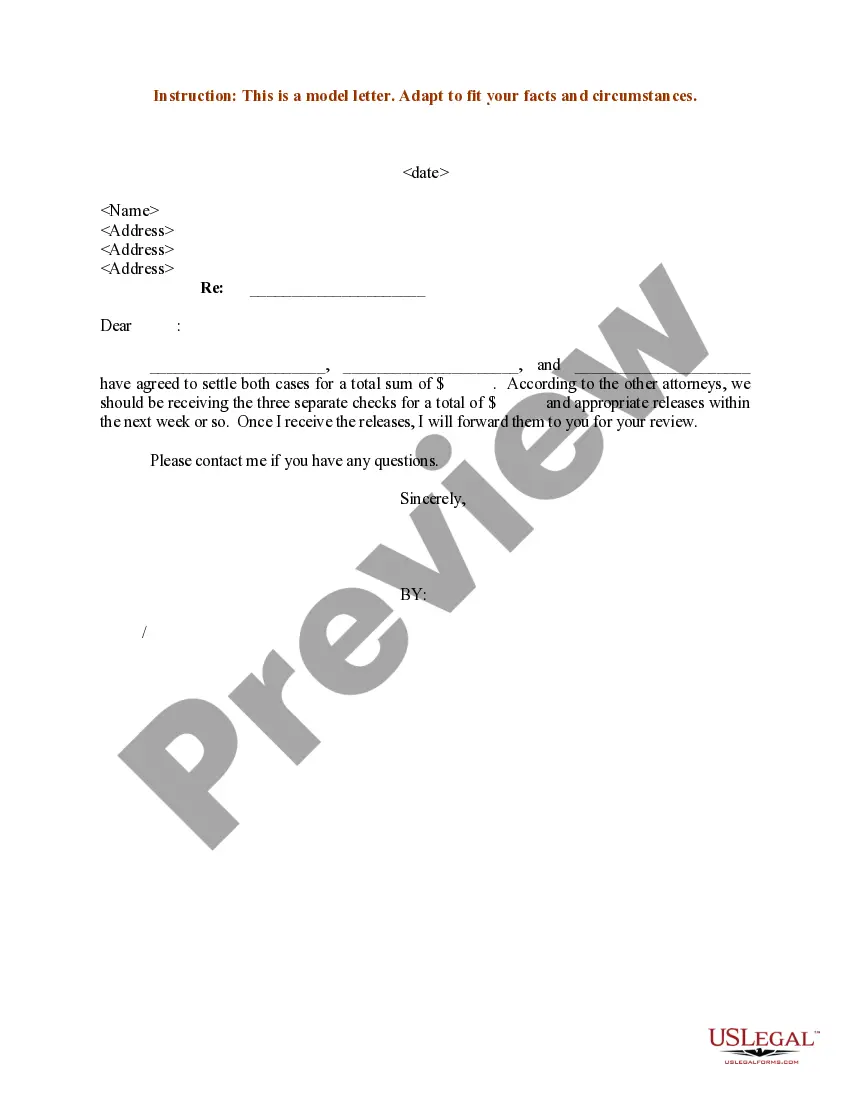
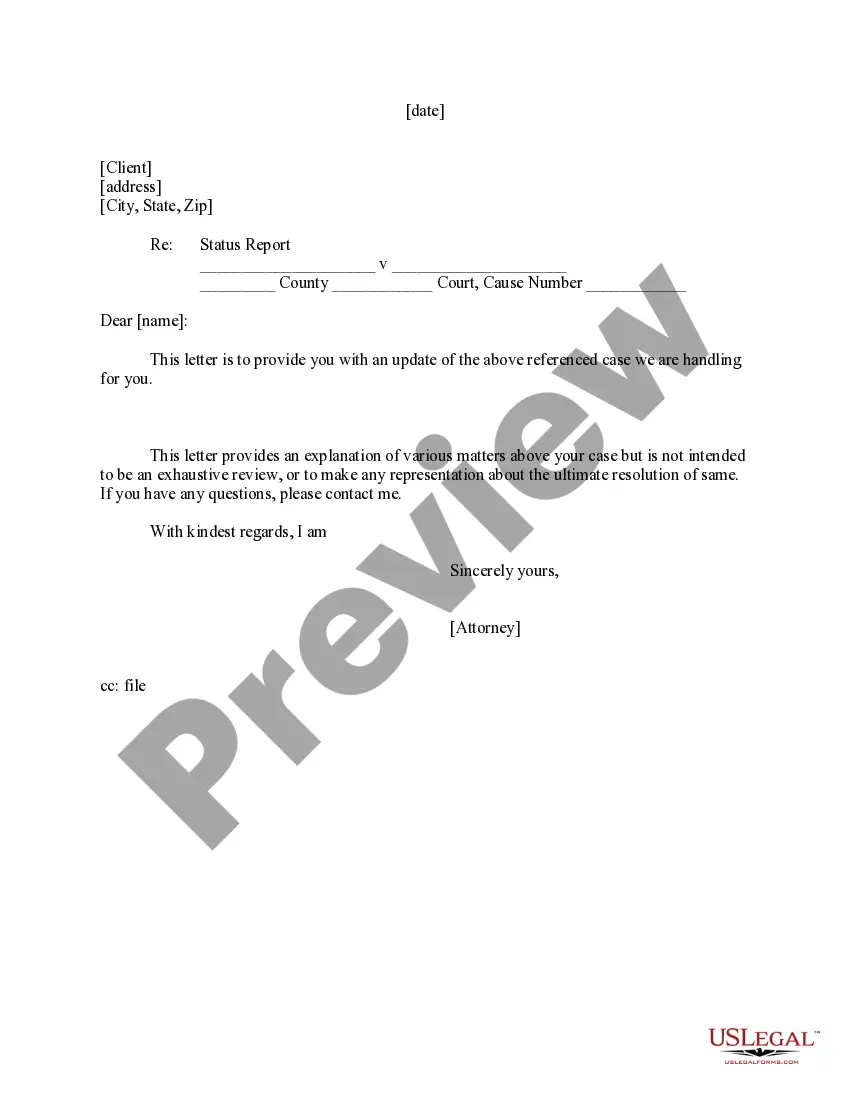
Get your form ready online
Our built-in tools help you complete, sign, share, and store your documents in one place.
Make edits, fill in missing information, and update formatting in US Legal Forms—just like you would in MS Word.
Download a copy, print it, send it by email, or mail it via USPS—whatever works best for your next step.
Sign and collect signatures with our SignNow integration. Send to multiple recipients, set reminders, and more. Go Premium to unlock E-Sign.
If this form requires notarization, complete it online through a secure video call—no need to meet a notary in person or wait for an appointment.
We protect your documents and personal data by following strict security and privacy standards.

Make edits, fill in missing information, and update formatting in US Legal Forms—just like you would in MS Word.

Download a copy, print it, send it by email, or mail it via USPS—whatever works best for your next step.

Sign and collect signatures with our SignNow integration. Send to multiple recipients, set reminders, and more. Go Premium to unlock E-Sign.

If this form requires notarization, complete it online through a secure video call—no need to meet a notary in person or wait for an appointment.

We protect your documents and personal data by following strict security and privacy standards.
Looking for another form?
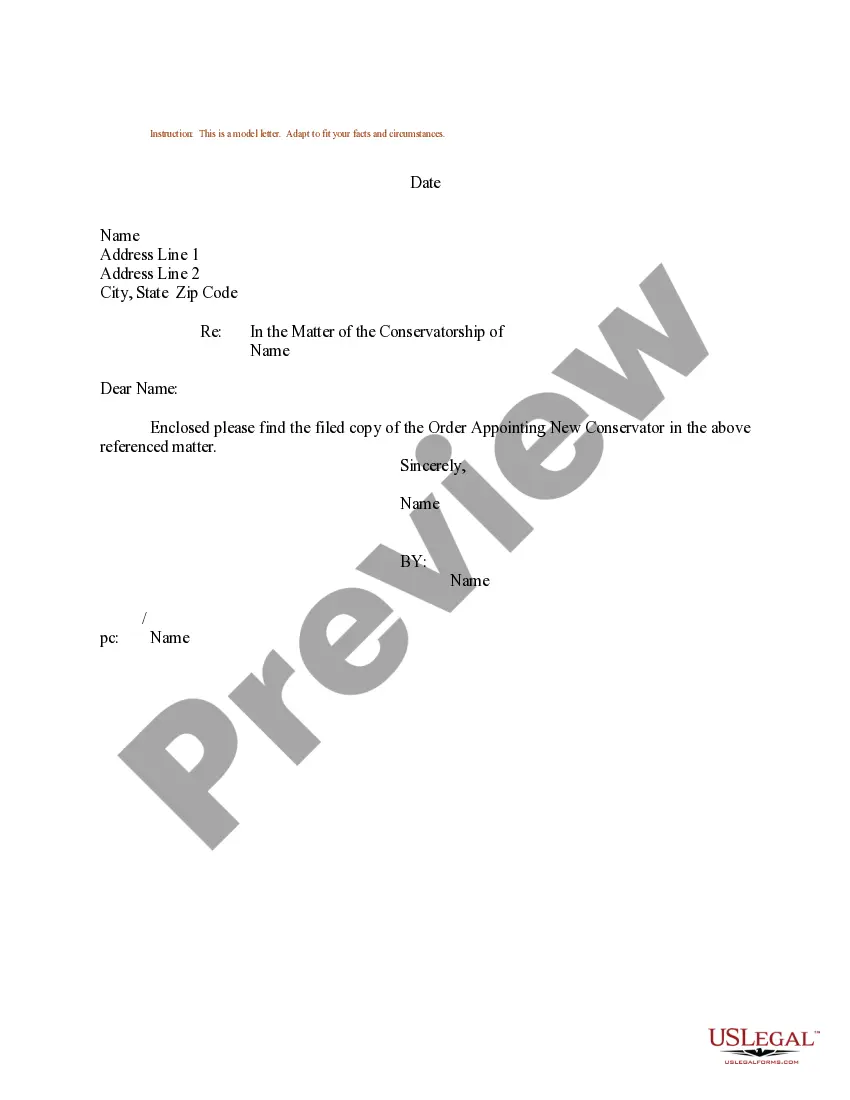




How to fill out Sample Letter To Client With Case Update - Breach Of Contract Litigation?
US Legal Forms - one of the largest collections of legal documents in the United States - offers a broad selection of legal form templates that you can download or print. By using the site, you can access thousands of forms for both business and personal use, categorized by types, states, or keywords. You can find the latest versions of forms such as the Utah Sample Letter to Client with Case Update - Breach of Contract Litigation in just minutes.
If you already have a subscription, Log In and download the Utah Sample Letter to Client with Case Update - Breach of Contract Litigation from your US Legal Forms library. The Download button will be visible on every form you view. You can access all previously downloaded forms in the My documents section of your account.
If you are using US Legal Forms for the first time, here are basic instructions to get started: Ensure you have selected the correct form for your area/state. Click the Review button to examine the form's content. Read the form description to confirm you have selected the right form. If the form does not meet your needs, utilize the Search field at the top of the screen to find one that does. If you are satisfied with the form, confirm your selection by clicking the Get now button. Then, choose the pricing plan you prefer and provide your credentials to register for the account. Process the transaction. Use your credit card or PayPal account to complete the transaction. Select the format and download the form to your device. Make changes. Fill out, edit, print, and sign the downloaded Utah Sample Letter to Client with Case Update - Breach of Contract Litigation. Each template you added to your account has no expiration date and is yours permanently. Therefore, if you wish to download or print another copy, simply go to the My documents section and click on the form you desire.
- Access the Utah Sample Letter to Client with Case Update - Breach of Contract Litigation through US Legal Forms, the most extensive collection of legal document templates.
- Utilize a wide array of professional and state-specific templates that cater to your business or personal needs and requirements.
Form popularity
FAQ
To write a strong settlement letter, clearly outline your client's position and the facts of the case. Include relevant details that support your argument, and be sure to highlight the benefits of reaching a settlement. Using a Utah Sample Letter to Client with Case Update - Breach of Contract Litigation can serve as a helpful guide. By being direct and professional, you increase the chances of a favorable outcome.
Counsel must issue a litigation hold letter to the client as soon as they anticipate litigation. This letter is critical to preserve relevant documents and information related to the case. By providing a timely Utah Sample Letter to Client with Case Update - Breach of Contract Litigation, you ensure your client understands the importance of retaining evidence. This proactive step helps avoid potential legal complications later.
A letter of response to a breach of contract is a formal communication where one party addresses the claims made by the other party regarding the contract breach. This letter typically outlines your position, provides any necessary evidence, and may propose a resolution or counter-arguments. It is crucial to respond promptly, as it can affect the outcome of any potential litigation. Utilizing a Utah Sample Letter to Client with Case Update - Breach of Contract Litigation can guide you in crafting an effective response that properly addresses all relevant points.
To file a lawsuit for breach of contract, you must first gather all relevant documents related to your case, including the contract itself and any communications with the other party. Next, determine the appropriate court for your case based on the amount of damages and the jurisdiction. After that, you can complete the necessary court forms and file your complaint. Additionally, using a Utah Sample Letter to Client with Case Update - Breach of Contract Litigation can help keep your client informed throughout this legal process.
A letter before action for breach of contract serves as a formal notice to the other party before initiating legal proceedings. It outlines the breach, details the claim, and requests a resolution within a specific timeframe. This letter often emphasizes the potential consequences of inaction. Using a Utah Sample Letter to Client with Case Update - Breach of Contract Litigation can effectively convey your intent and provide clarity.
When writing a letter for breach of contract, start with a clear subject line and address the recipient appropriately. Outline the details of the contract, specify the breach, and request a remedy or response. Maintain a professional tone and keep the letter concise. For a structured approach, refer to a Utah Sample Letter to Client with Case Update - Breach of Contract Litigation.
Deciding whether to sue for breach of contract depends on the circumstances surrounding your case. Consider the potential damages, the likelihood of success, and the costs involved in litigation. Weighing these factors is crucial before proceeding with a lawsuit. If you need guidance, a Utah Sample Letter to Client with Case Update - Breach of Contract Litigation can help outline your position.
To establish a breach of contract, you must prove that a valid contract existed, the other party failed to fulfill their obligations, and you suffered damages as a result. Collect evidence such as emails, records, or agreements that support your claim. Understanding these elements can strengthen your position in discussions or negotiations. Utilizing a Utah Sample Letter to Client with Case Update - Breach of Contract Litigation can help articulate your concerns.
Writing a letter of breach of contract involves clearly stating the breach and outlining relevant facts. Start by identifying the parties involved, describe the contract, and detail the specific breach. Be concise yet thorough, and include any relevant dates and evidence. For guidance, refer to a Utah Sample Letter to Client with Case Update - Breach of Contract Litigation.
A letter of intent for breach of contract serves as a preliminary document outlining the intentions of parties involved before formal agreements. It may indicate a willingness to negotiate or resolve disputes amicably. This letter can clarify expectations and reduce misunderstandings. For effective communication, consider using a Utah Sample Letter to Client with Case Update - Breach of Contract Litigation.