Utah Renovation Contract for Contractor
Overview of this form
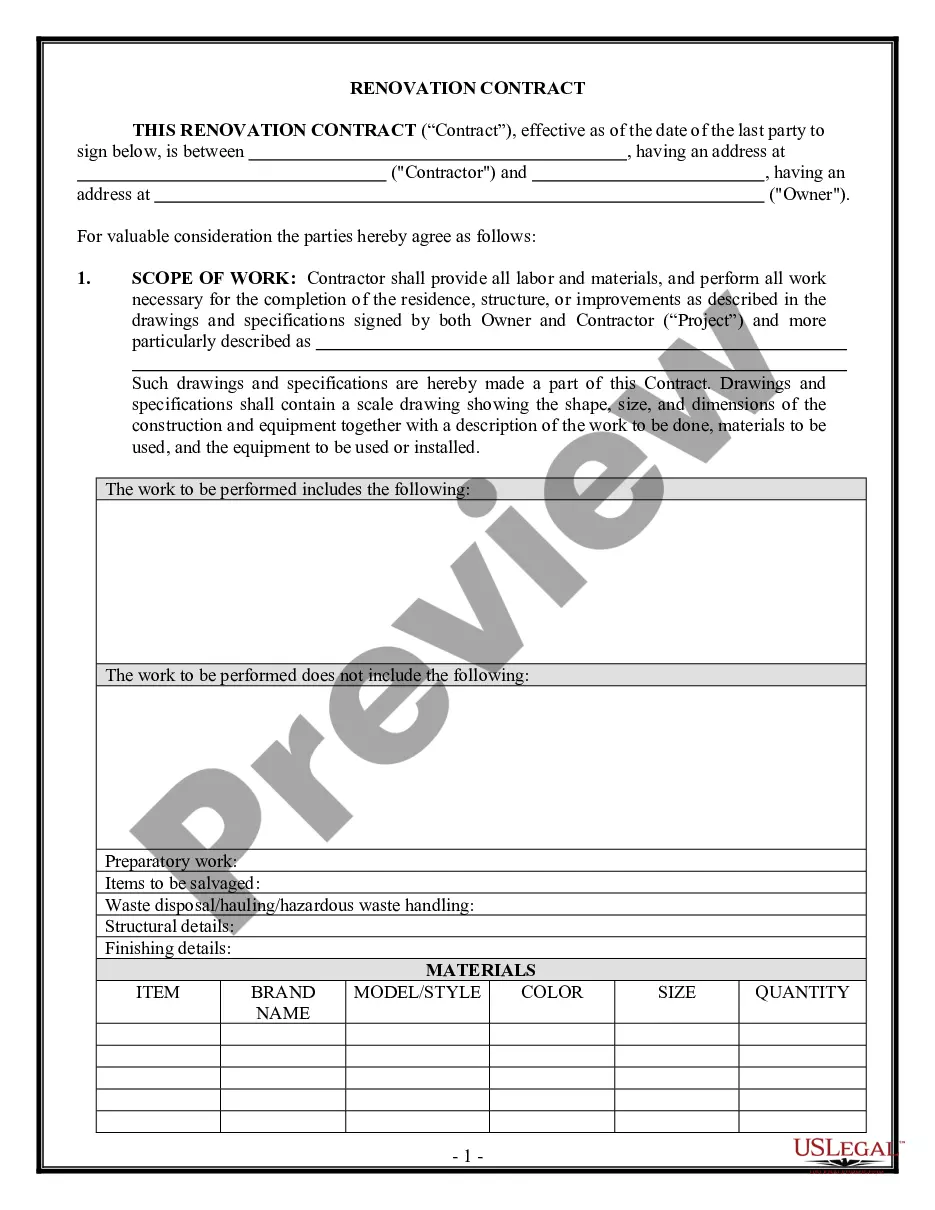
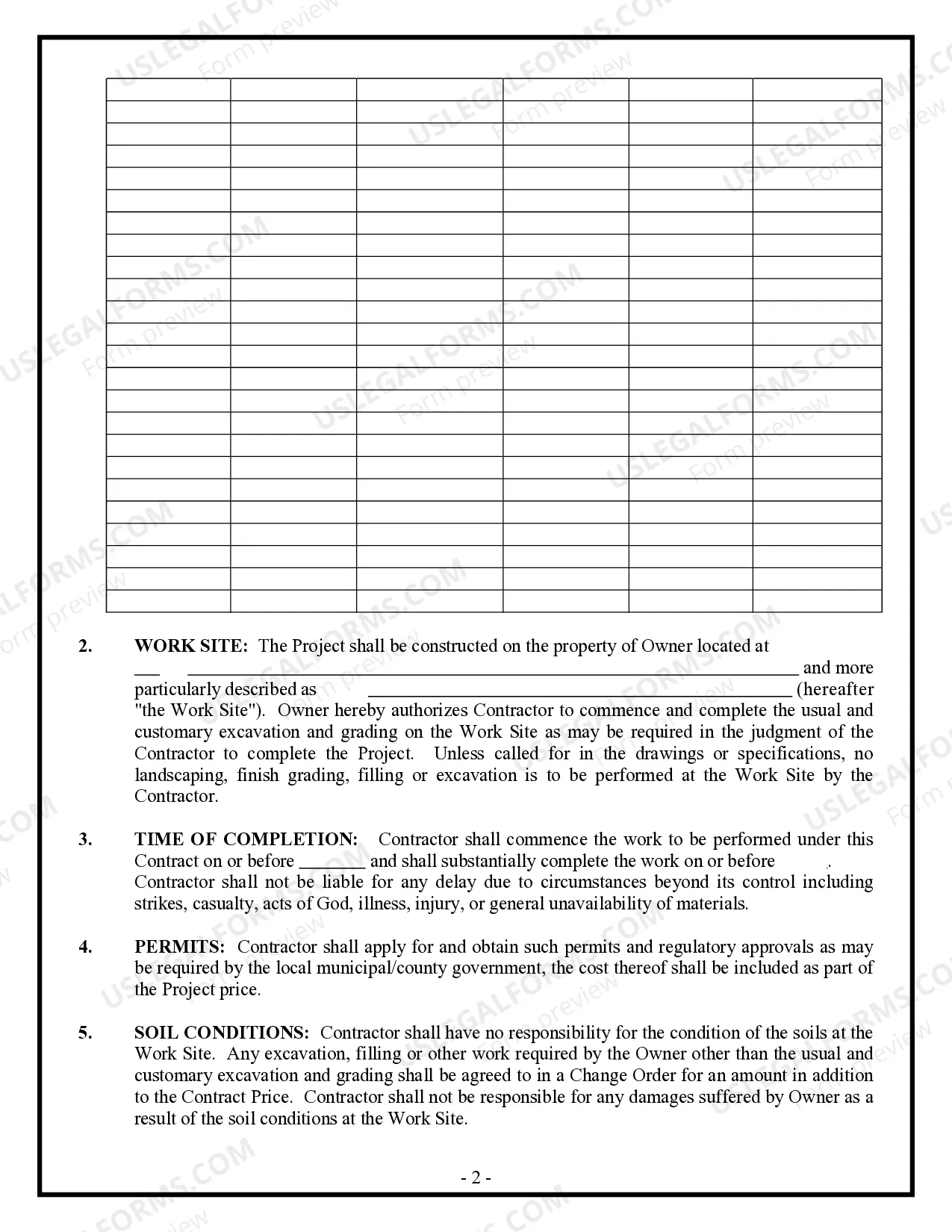
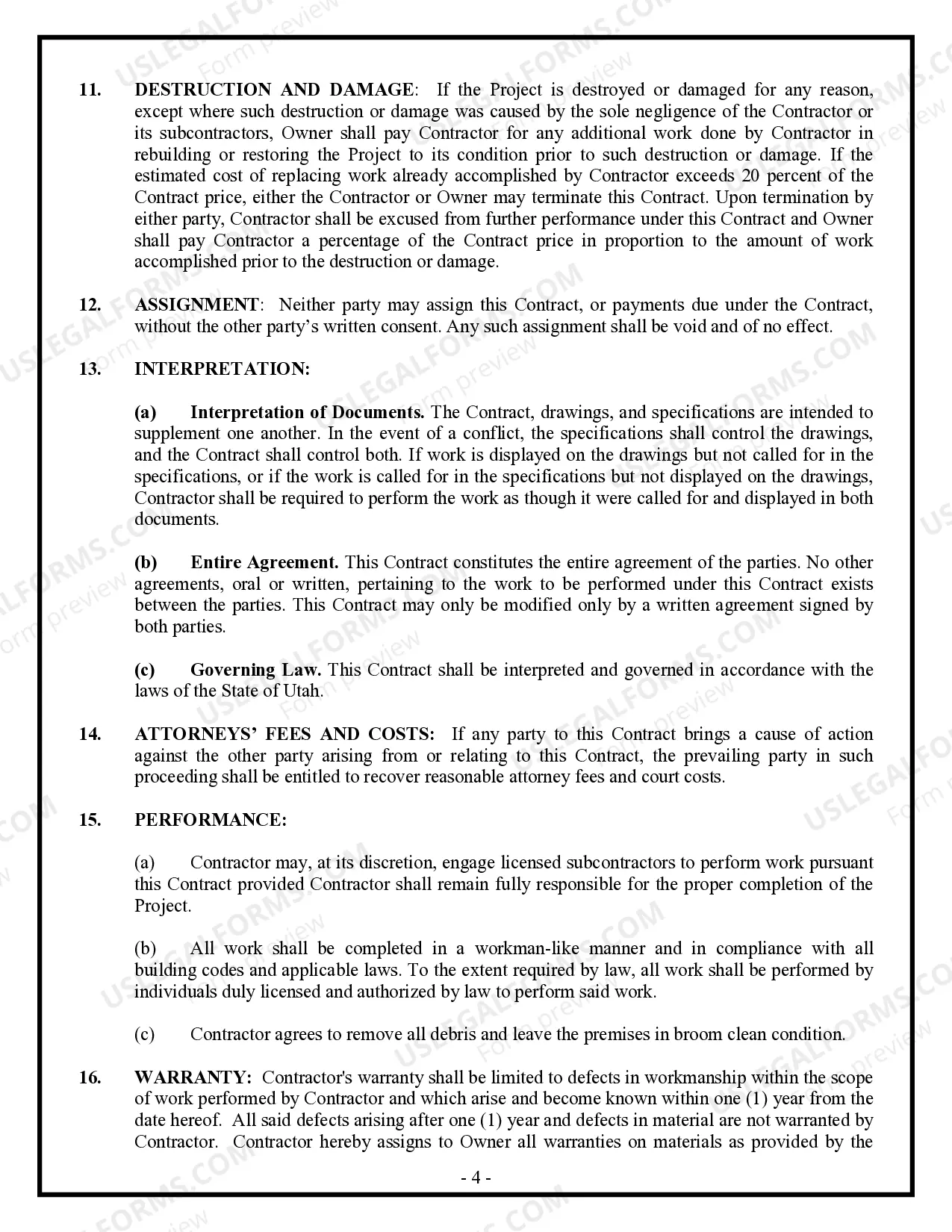
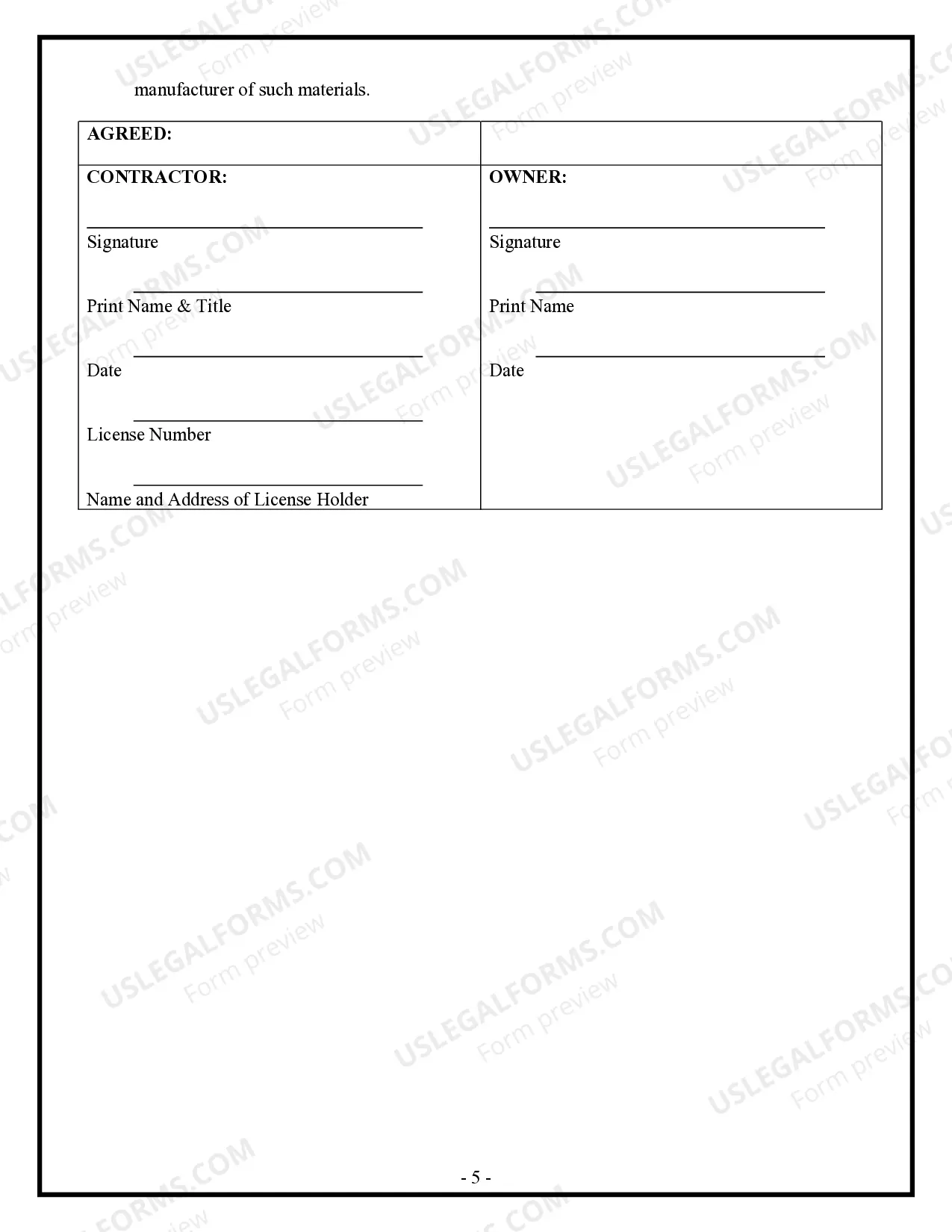
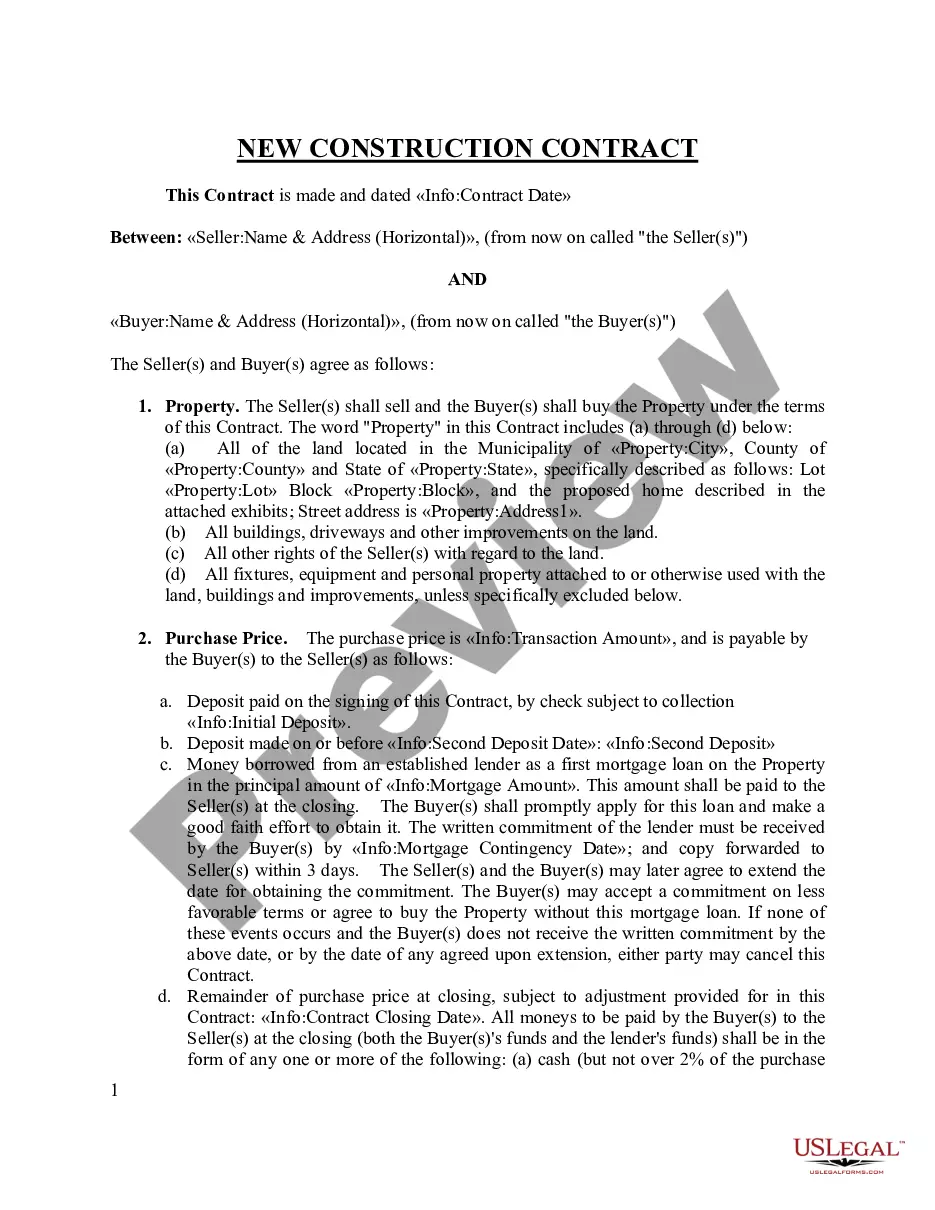
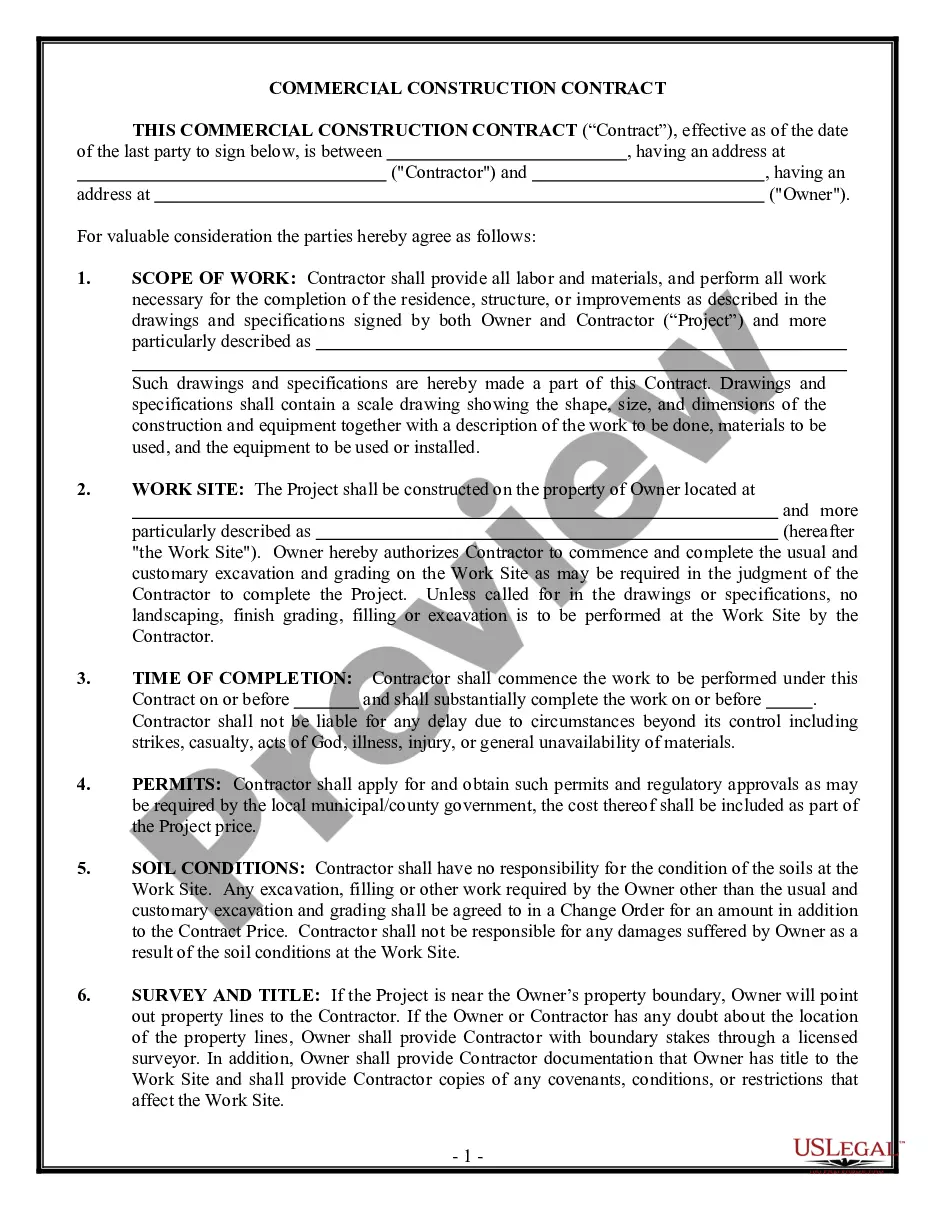
The Renovation Contract for Contractor is a legal document that outlines the agreement between a renovation contractor and a property owner regarding renovation projects. This contract is crucial for defining the scope of work, payment terms, warranties, and insurance aspects, making it distinct from other construction agreements. It helps ensure both parties understand their responsibilities and helps mitigate disputes throughout the renovation process.
Key components of this form
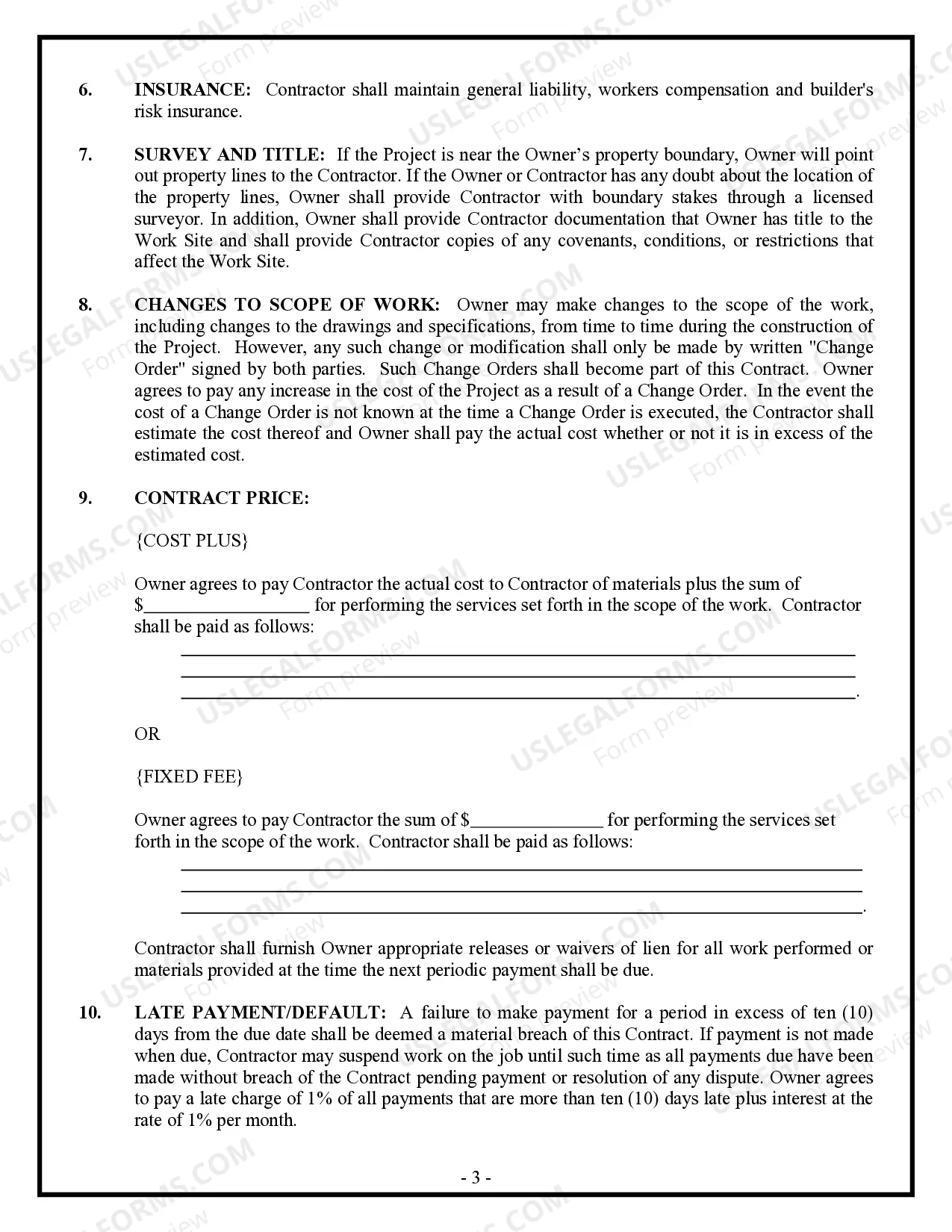
- Payment arrangements: Specifies whether a cost plus or fixed fee method is used for payments.
- Change orders: Details how modifications to the original plan are handled.
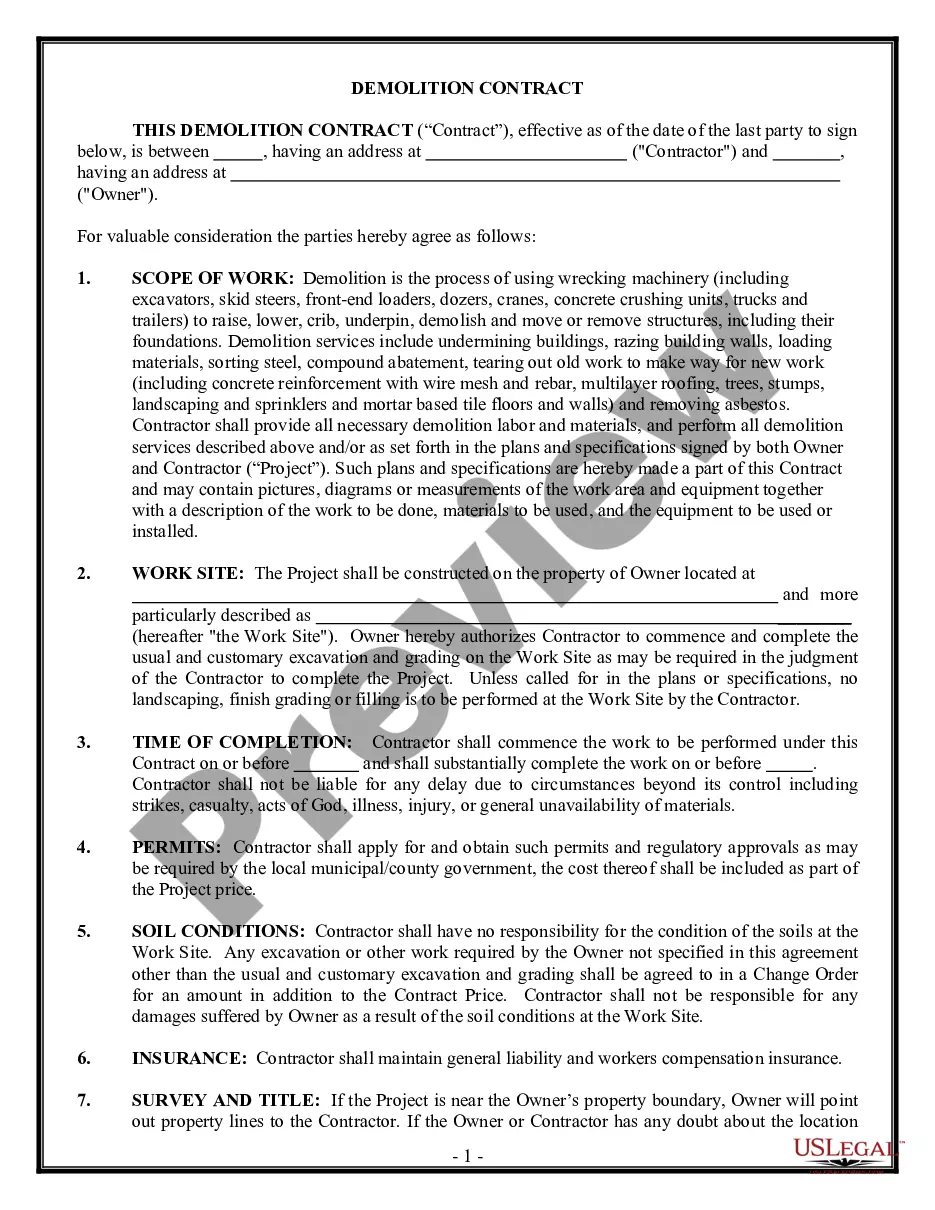
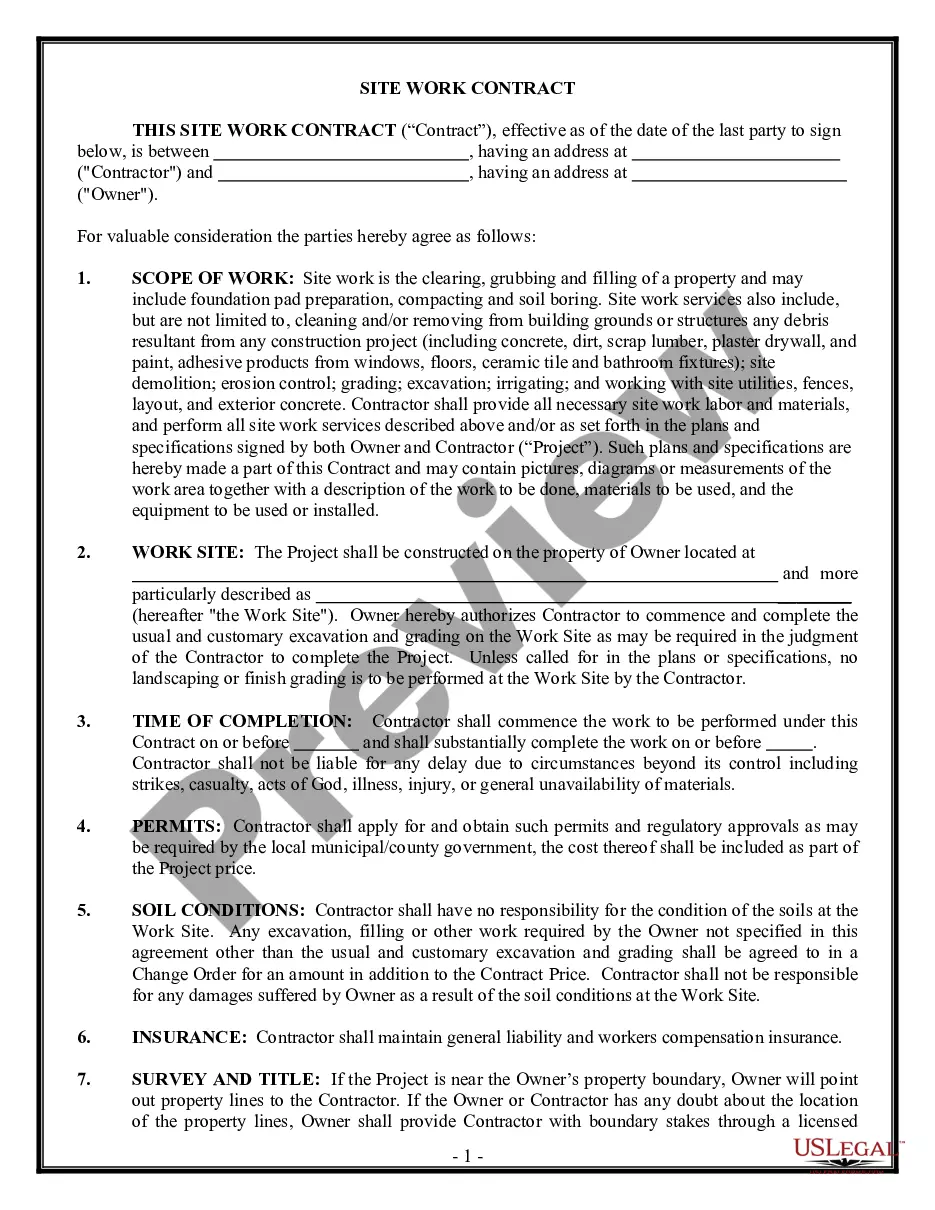
- Work site information: Includes relevant data about the job site and any considerations for excavation or grading.
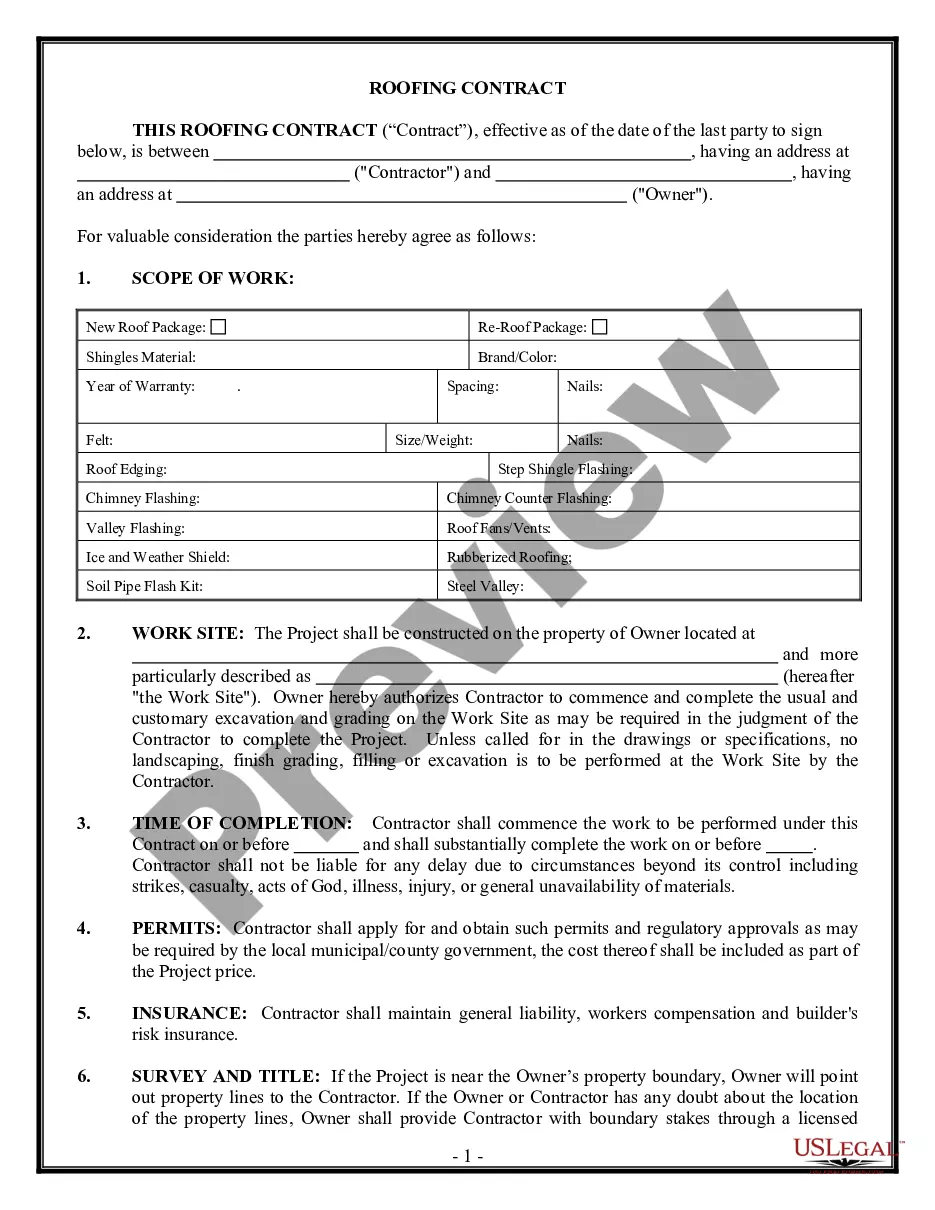
- Insurance obligations: Outlines the types of insurance the contractor must maintain.
- Soil conditions: Clarifies the contractor's liability concerning the site's soil quality.
- Survey and title: Ensures that property boundaries and ownership documentation are addressed before work begins.
When to use this document
This form should be used when a property owner hires a contractor to perform renovation work on their property. It is essential in situations where detailed agreements about the scope of the work and payment methods are required, particularly for significant renovations that may involve multiple phases or changes over time.
Intended users of this form
This form is suitable for:
- Property owners looking to renovate their homes or commercial spaces.
- Renovation contractors seeking to formalize agreements with their clients.
- Real estate professionals involved in property renovations.
- Individuals involved in property management or investment requiring clarity in renovation contracts.
How to prepare this document
- Identify the parties: Enter the full names and contact information of the property owner and the contractor.
- Specify the project details: Outline the scope of work, including specifics about the renovation project.
- Choose the payment method: Indicate whether the payment will be cost plus or fixed fee.
- Complete change order provisions: Define procedures for how alterations to the project will be handled.
- Enter necessary dates and signatures: Make sure all required dates are filled out and that both parties sign the contract.
Does this document require notarization?
Notarization is not commonly needed for this form. However, certain documents or local rules may make it necessary. Our notarization service, powered by Notarize, allows you to finalize it securely online anytime, day or night.
Get your form ready online
Our built-in tools help you complete, sign, share, and store your documents in one place.
Make edits, fill in missing information, and update formatting in US Legal Forms—just like you would in MS Word.
Download a copy, print it, send it by email, or mail it via USPS—whatever works best for your next step.
Sign and collect signatures with our SignNow integration. Send to multiple recipients, set reminders, and more. Go Premium to unlock E-Sign.
If this form requires notarization, complete it online through a secure video call—no need to meet a notary in person or wait for an appointment.
We protect your documents and personal data by following strict security and privacy standards.

Make edits, fill in missing information, and update formatting in US Legal Forms—just like you would in MS Word.

Download a copy, print it, send it by email, or mail it via USPS—whatever works best for your next step.

Sign and collect signatures with our SignNow integration. Send to multiple recipients, set reminders, and more. Go Premium to unlock E-Sign.

If this form requires notarization, complete it online through a secure video call—no need to meet a notary in person or wait for an appointment.

We protect your documents and personal data by following strict security and privacy standards.
Avoid these common issues
- Failing to clearly define the scope of work, leading to misunderstandings.
- Not including all necessary permits and approvals required for the project.
- Neglecting the importance of insurance coverage details.
- Overlooking the need for change order procedures for unexpected issues.
Why use this form online
- Convenient access: Easily download the form anytime, anywhere.
- Editability: Tailor the form to fit your specific project needs before printing.
- Reliability: Form templates are drafted by licensed attorneys to ensure compliance with legal standards.
Legal use & context
- The form serves to legally bind the contractor and owner regarding renovation work.
- It enhances clarity by establishing clear terms of engagement for both parties.
- Proper use of this contract may protect against disputes over project details.
Quick recap
- The Renovation Contract for Contractor is essential for formalizing renovation agreements between owners and contractors.
- It provides clear guidelines on payments, scope of work, and insurance requirements.
- Using this form helps protect the interests of both parties and minimize potential disputes.
Looking for another form?
Form popularity
FAQ
Scope of Work, Selection Sheet and Drawings. License Number and Insurance. Description of Change Orders. Warranty information. Subcontractor Agreements. Payment schedule. Completion Schedule / Timeline. Clauses Required by Law.
Parties to the contract. This includes who the contractor is, their name, full address, phone number, email, business license where required, and business/GST number. Scope of work. Project schedule. Price. Contractor's insurance and workers' compensation. Warranty. Other contract elements.
Identify the parties involved in the contract. Determine the terms and conditions you want to include in your contract. Write a draft using all the details you have gathered. Ask opinion from people in the same line of business. Review and make changes to your work.
Statutory Limitations Unless you specifically spell out a different time period in a contract, Utah law permits contract and warranty claims to be filed within six years of the date of completion (or abandonment) of the improvement.
Identifying/Contact Information. Title and Description of the Project. Projected Timeline and Completion Date. Cost Estimate and Payment Schedule. Stop Work Clause and Stop Payment Clause. Act of God Clause. Change Order Agreement. Warranty.
Define and describe the project in detail. Include what materials must be used; be as specific as possible. Include weight, brand name and other identifying features. Specify the work being performed and all equipment being used or installed.
Check Contract Basics. The basic job of a contractor agreement is to spell out the scope of the project's work. Set a Payment Schedule. Schedule Start and End Dates. Specify Change Orders. Research Your Arbitration Options. Turn Down the Contractor's Warranty.
Identifying/Contact Information. Title and Description of the Project. Projected Timeline and Completion Date. Cost Estimate and Payment Schedule. Stop Work Clause and Stop Payment Clause. Act of God Clause. Change Order Agreement. Warranty.