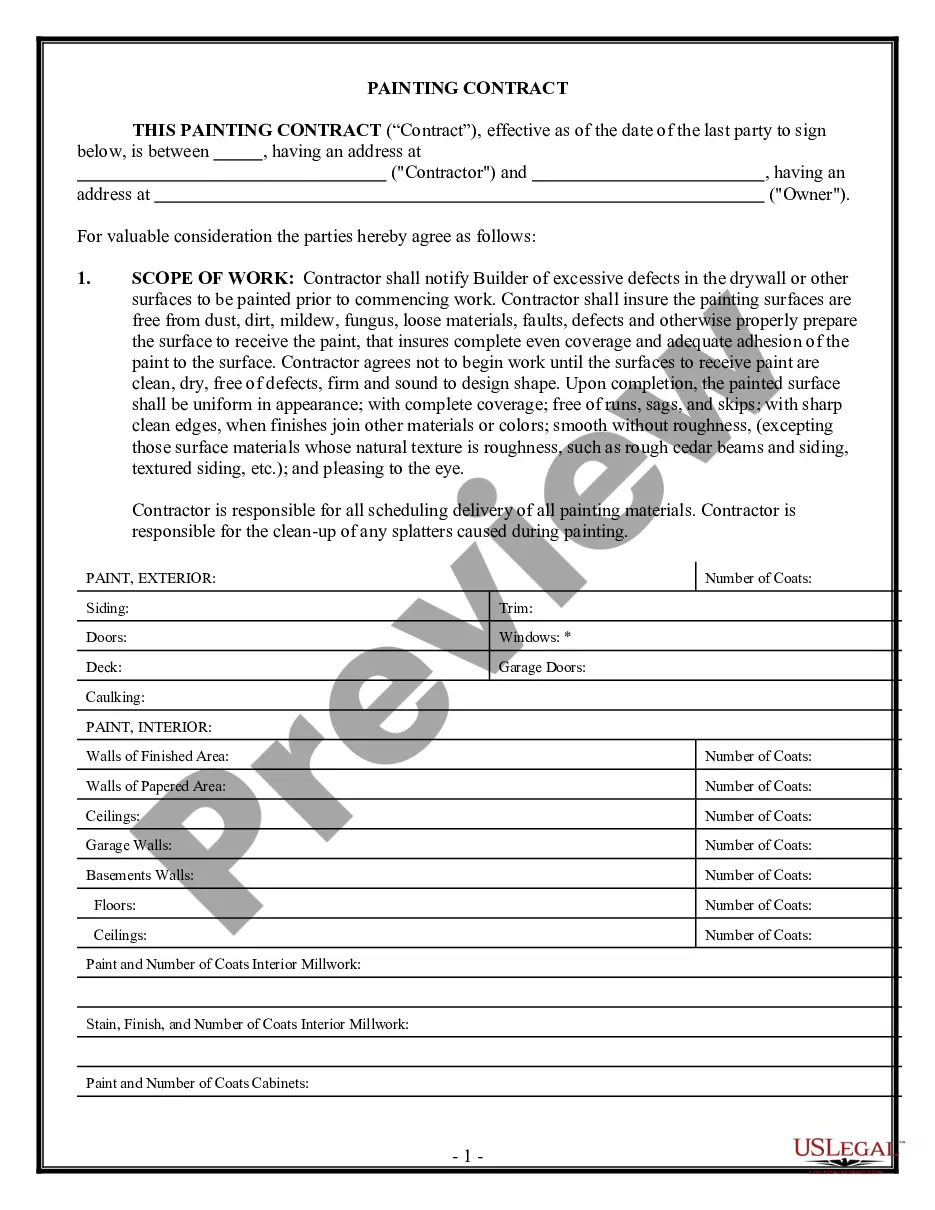
Oil and Gas Lease - No Surface Occupancy - Rocky Mountain Paid Up - Form B
Understanding this form
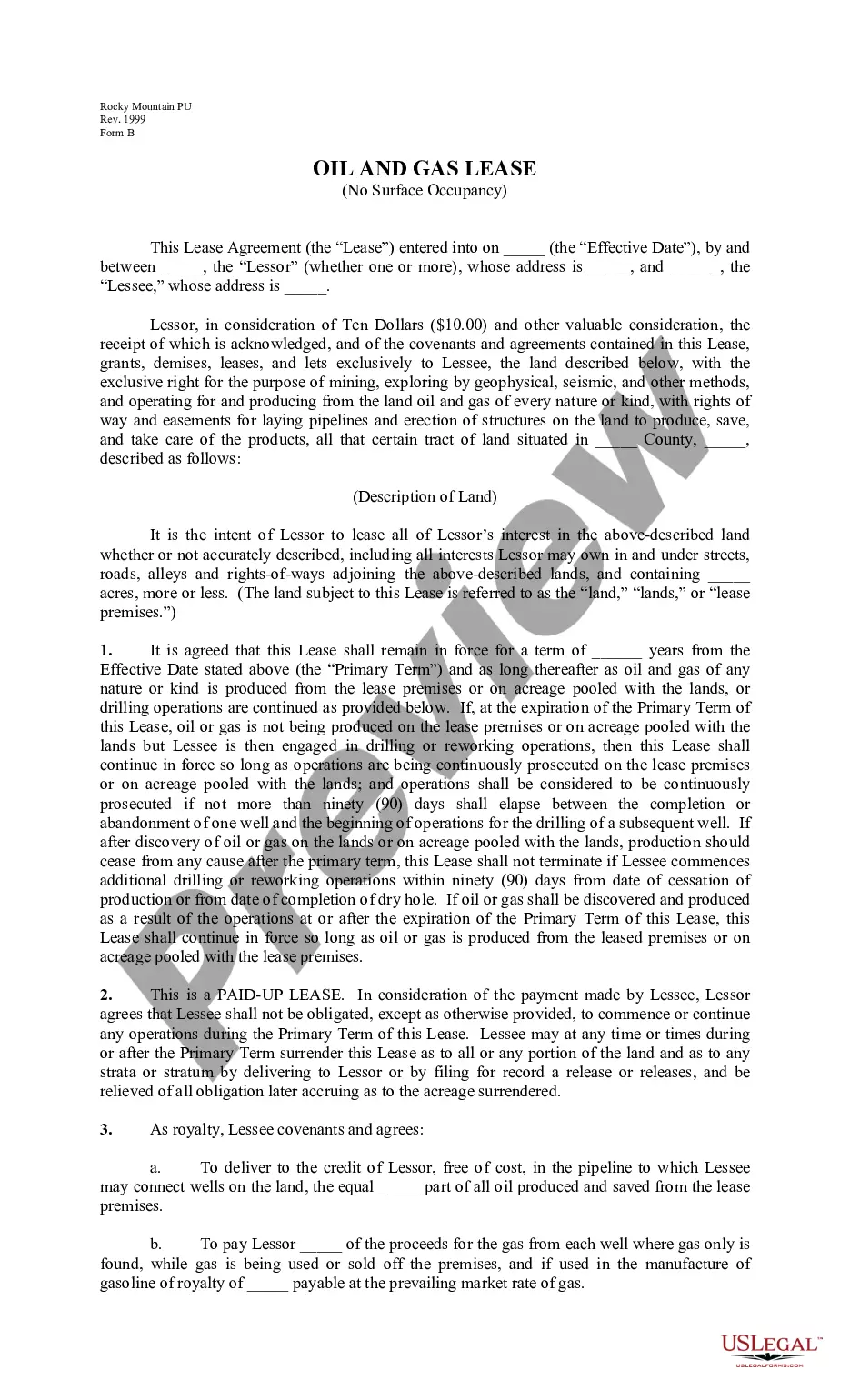
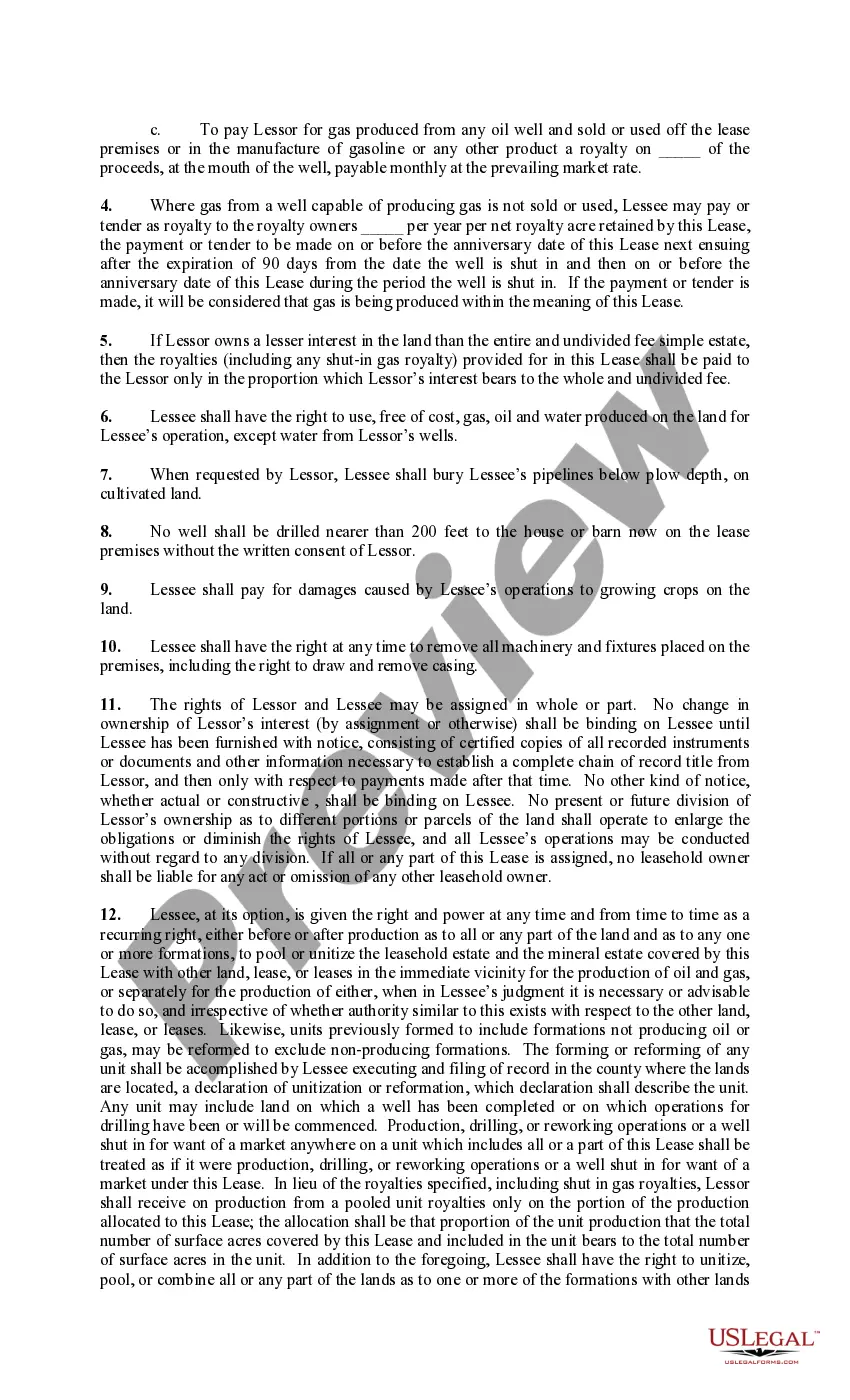
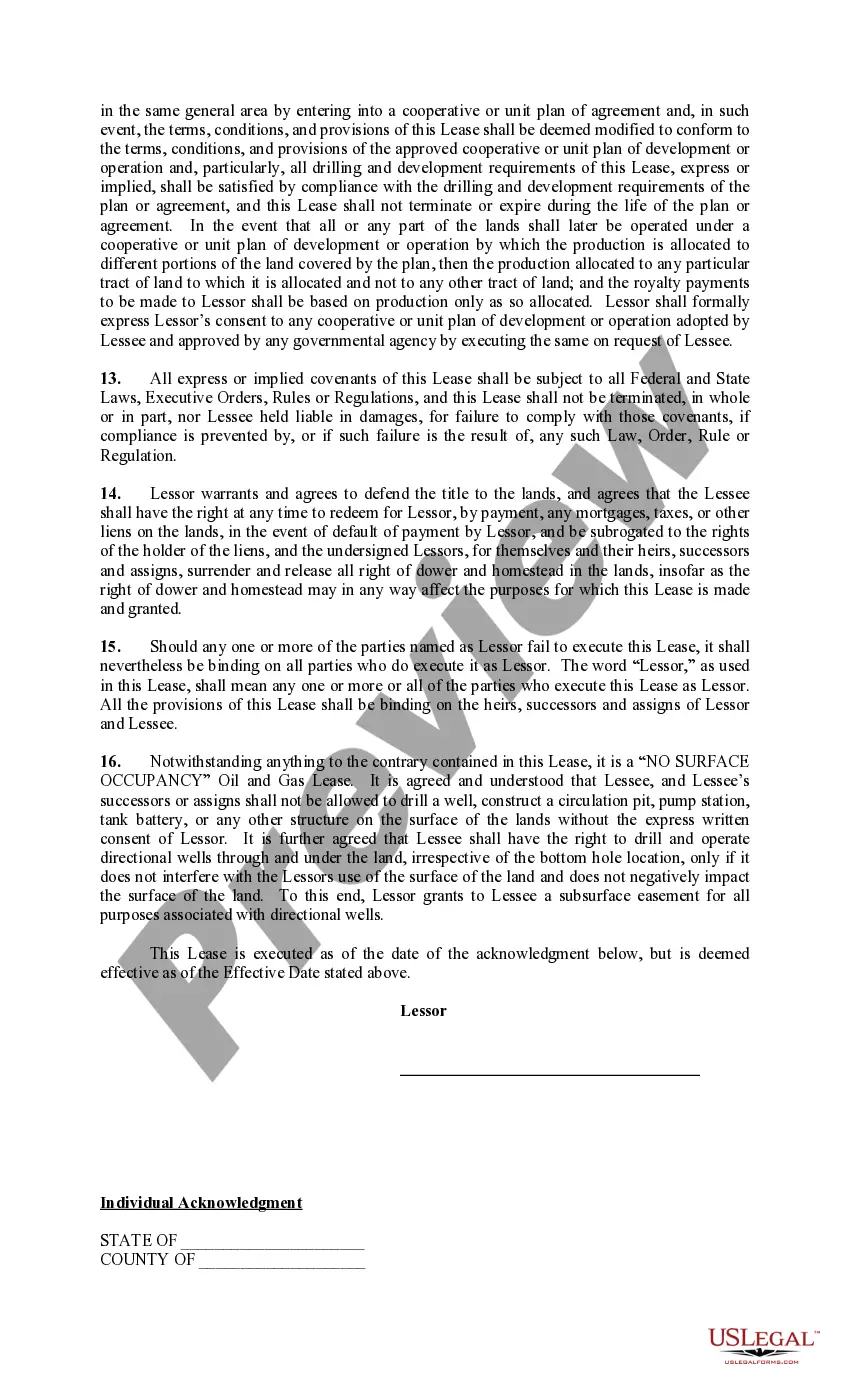
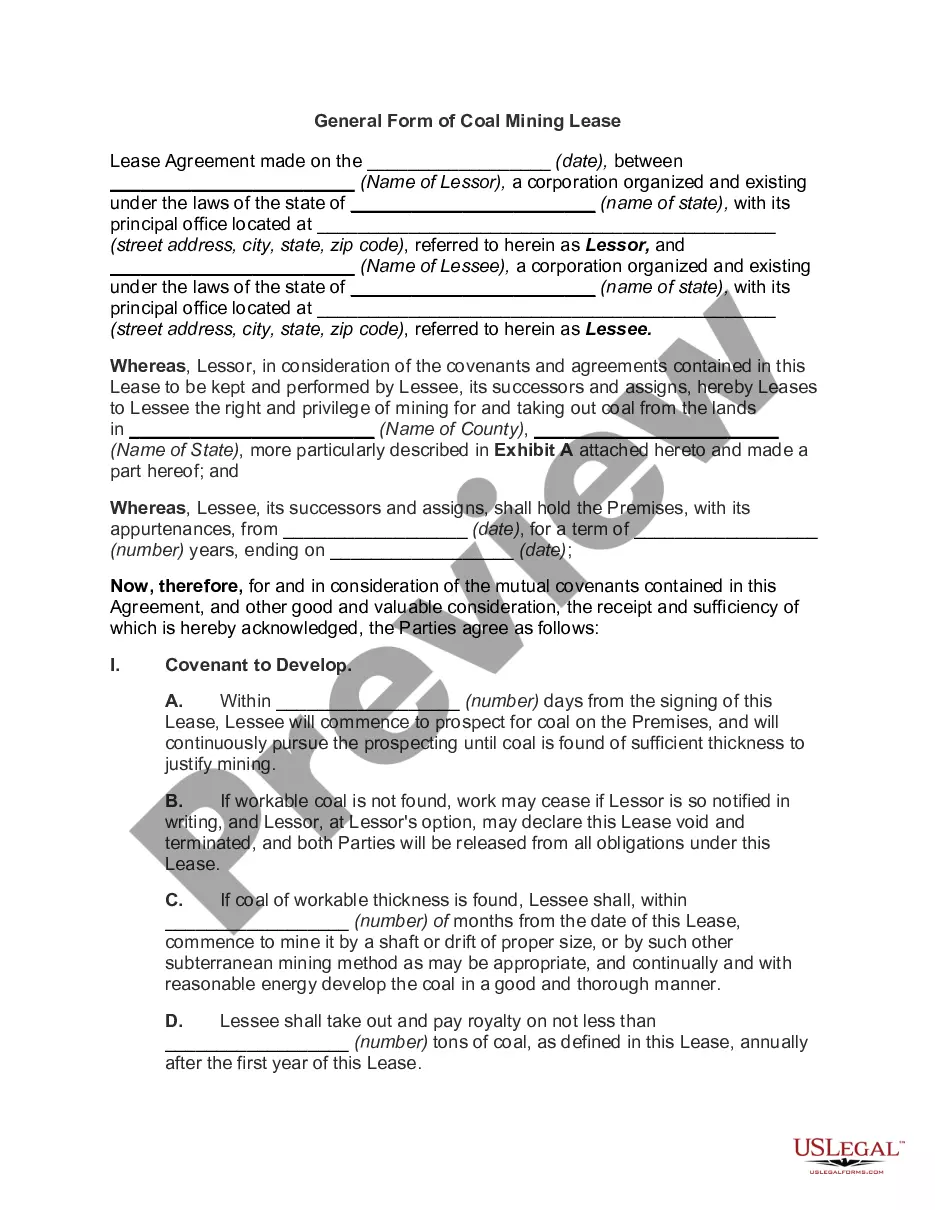
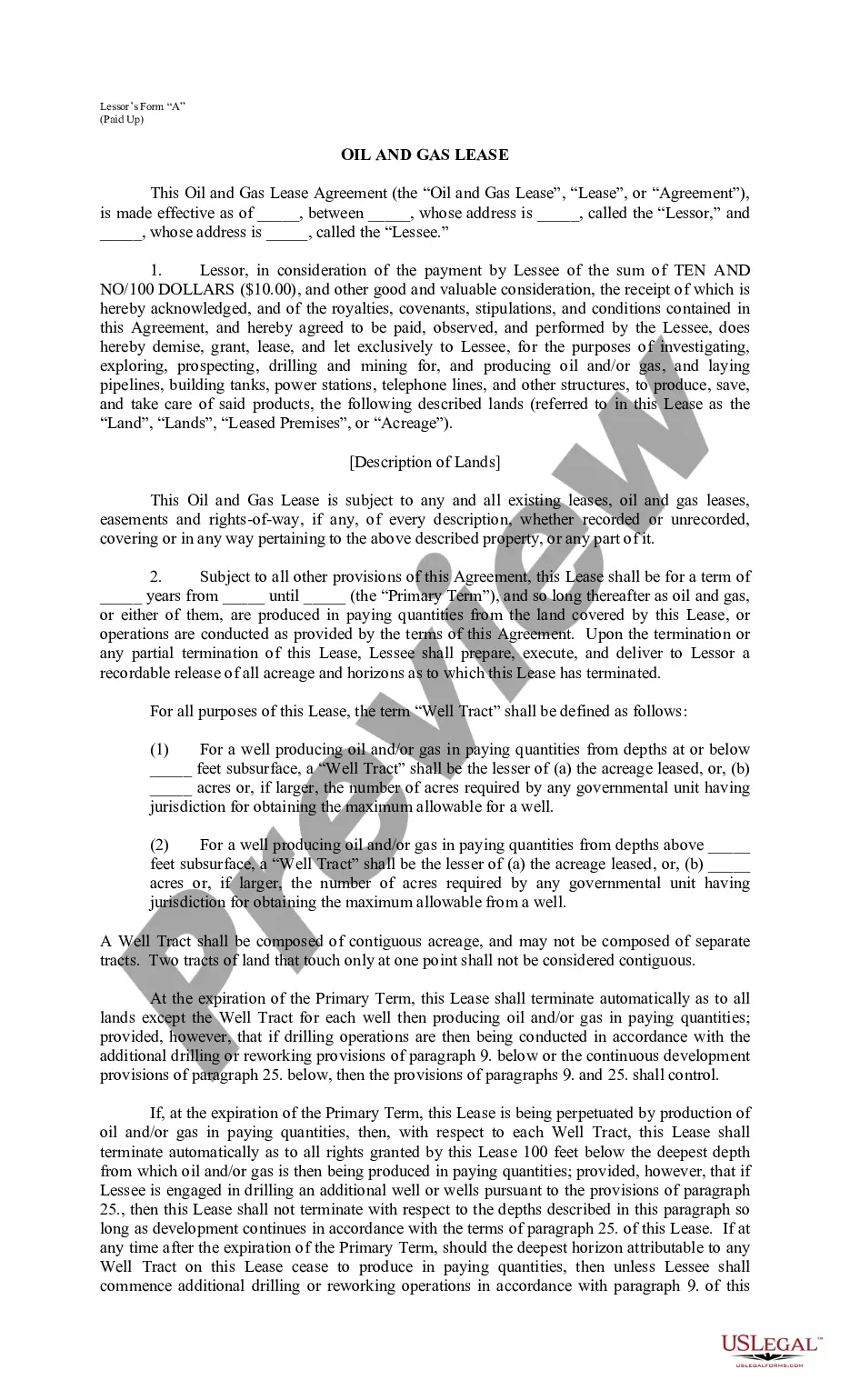
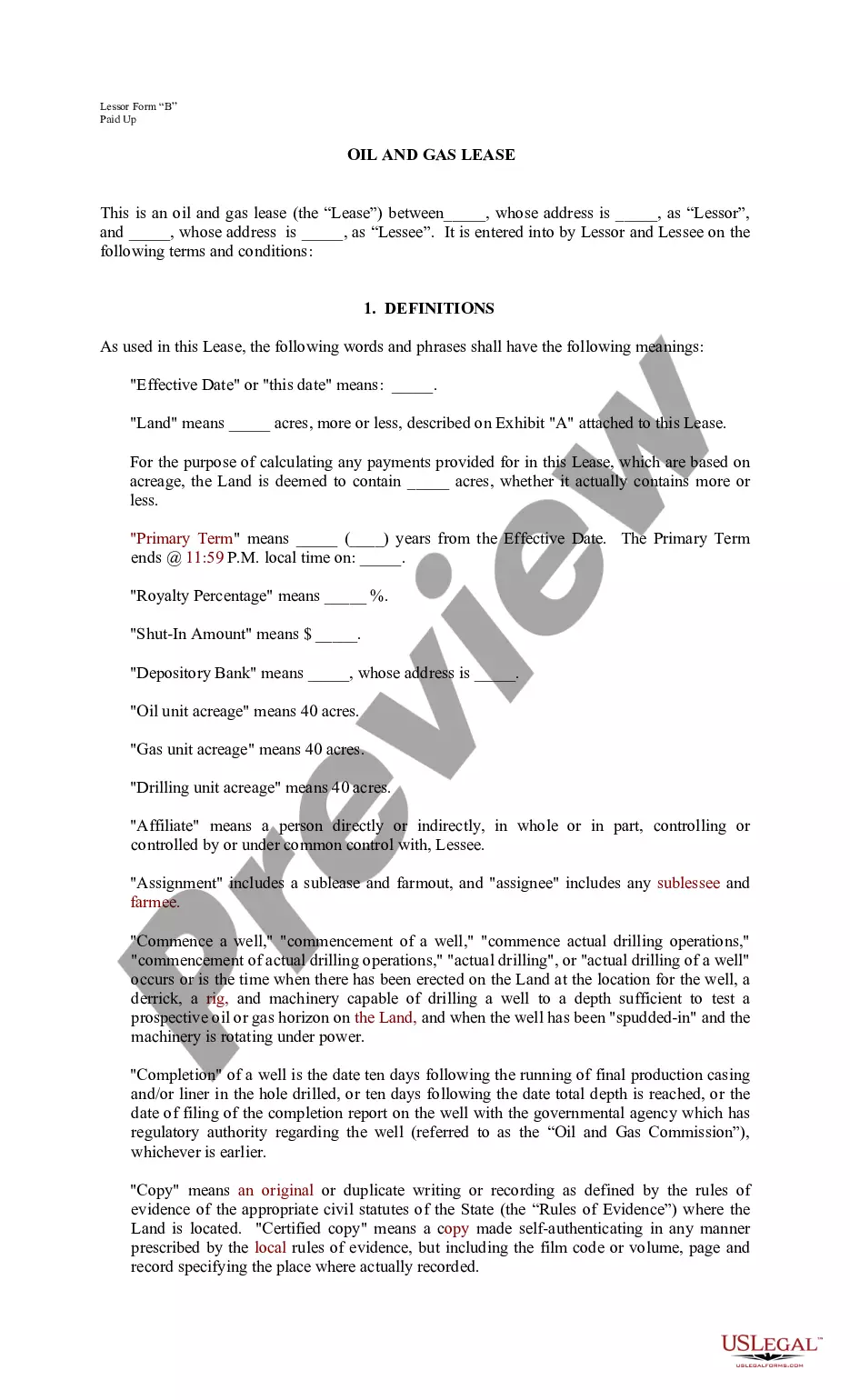
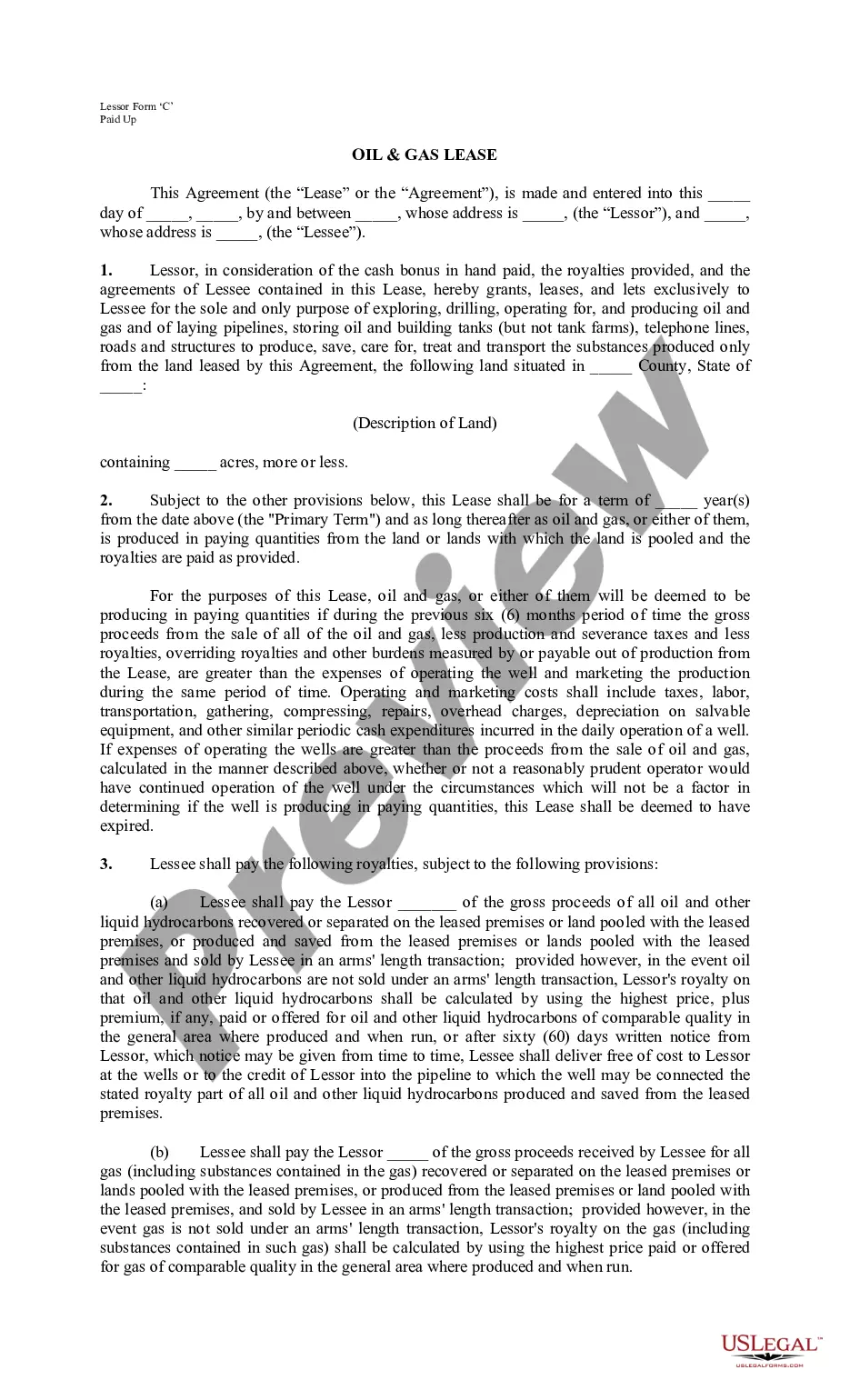
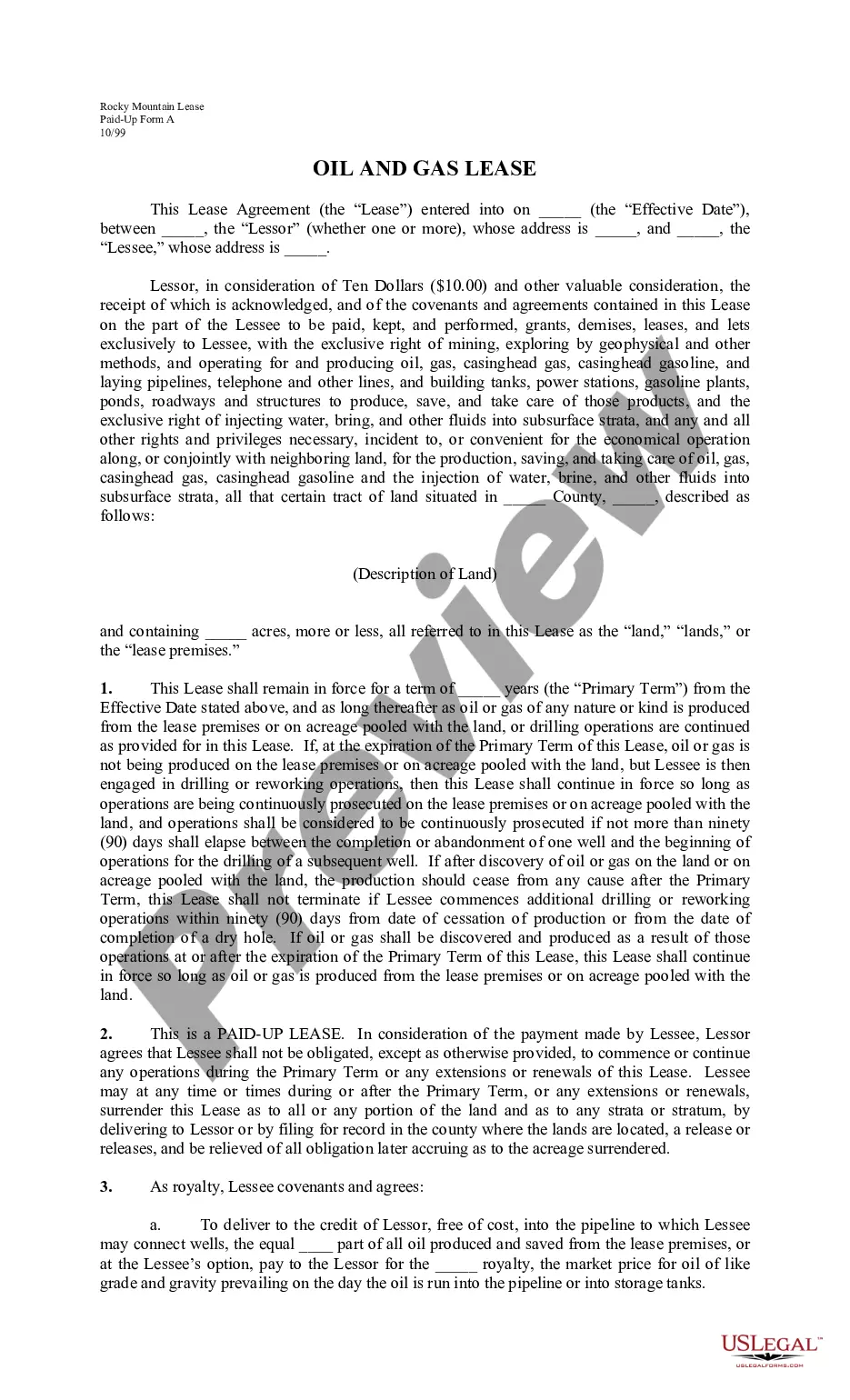
This Oil and Gas Lease - No Surface Occupancy is a legal document that allows a lessor to lease land to a lessee for the purpose of exploring and producing oil, gas, and other minerals without utilizing the surface area. This form is specifically tailored for use in the Rocky Mountain region, thus meeting the specific legal requirements of that area. Unlike traditional leases, this lease restricts any surface activities, ensuring that the lessor's surface rights are preserved while still allowing for subsurface operations.
Key components of this form
- Identification of the parties involved (Lessor and Lessee).
- Description of the leased land, including boundaries and acreage.
- Duration of the lease, with provisions for extensions based on production activities.
- Royalty obligations for oil and gas produced, including specific payment terms.
- Provisions regarding surface occupancy, restricting drilling and construction on the surface.
- Rights for pooling and unitization of mineral estates governed by the lease.
When to use this document
This form should be used when a landowner wishes to lease their land for oil and gas exploration while ensuring no physical structures are erected on the surface. It's ideal for situations where the land's surface use needs to remain undisturbed, such as agricultural or residential purposes. This lease is particularly relevant to companies or individuals seeking to explore natural resources in the Rocky Mountain region without interfering with the surface environment.
Intended users of this form
- Landowners (Lessors) who want to lease their land for oil and gas purposes.
- Oil and gas companies (Lessee) looking to obtain exploration rights while minimizing their surface impact.
- Legal professionals assisting clients with mineral rights and leases.
- Investors interested in natural resource extraction while adhering to land use considerations.
How to complete this form
- Identify and enter the names and addresses of the Lessor and Lessee at the beginning of the lease.
- Provide a detailed description of the land being leased, including its boundaries and total acreage.
- Specify the duration of the lease and any conditions for its extension based on production activities.
- Outline the royalty percentages for oil and gas production clearly to avoid ambiguities.
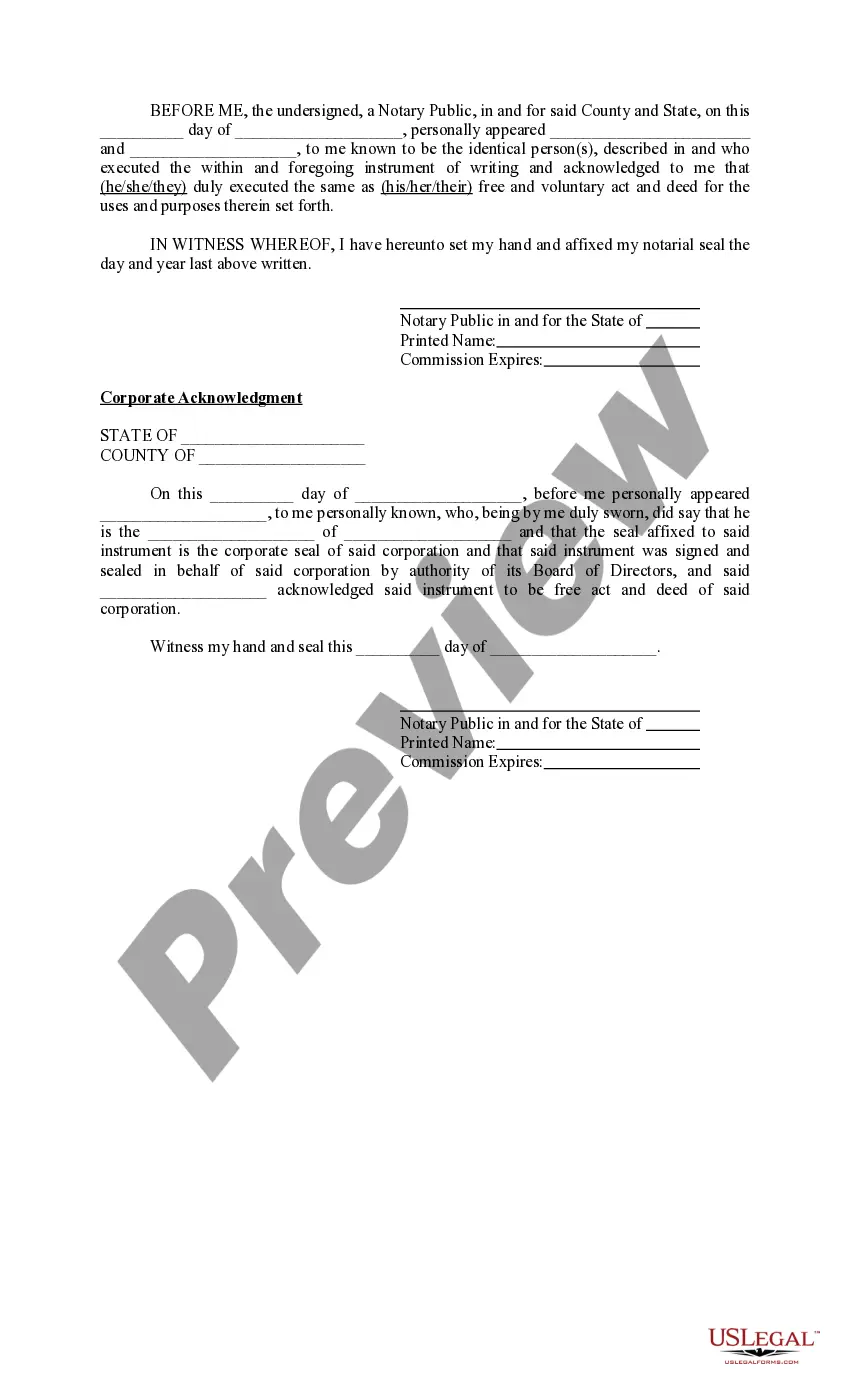
- Ensure all signatures are completed and, if required, notarized for legal validity.
Does this document require notarization?
This document requires notarization to meet legal standards. US Legal Forms provides secure online notarization powered by Notarize, allowing you to complete the process through a verified video call, available 24/7.
Get your form ready online
Our built-in tools help you complete, sign, share, and store your documents in one place.
Make edits, fill in missing information, and update formatting in US Legal Forms—just like you would in MS Word.
Download a copy, print it, send it by email, or mail it via USPS—whatever works best for your next step.
Sign and collect signatures with our SignNow integration. Send to multiple recipients, set reminders, and more. Go Premium to unlock E-Sign.
If this form requires notarization, complete it online through a secure video call—no need to meet a notary in person or wait for an appointment.
We protect your documents and personal data by following strict security and privacy standards.

Make edits, fill in missing information, and update formatting in US Legal Forms—just like you would in MS Word.

Download a copy, print it, send it by email, or mail it via USPS—whatever works best for your next step.

Sign and collect signatures with our SignNow integration. Send to multiple recipients, set reminders, and more. Go Premium to unlock E-Sign.

If this form requires notarization, complete it online through a secure video call—no need to meet a notary in person or wait for an appointment.

We protect your documents and personal data by following strict security and privacy standards.
Common mistakes
- Failing to accurately describe the land in the lease, which can lead to disputes.
- Not specifying the royalty percentages clearly, leading to confusion later.
- Ignoring the need for notarization if required under local law.
- Leaving out essential contact information for the Lessor and Lessee.
Benefits of using this form online
- Convenience of downloading and filling out the form at your own pace.
- Editability allows for customization to meet specific leasing needs.
- Reliability of using attorney-drafted templates ensures legal compliance.
Key takeaways
- The Oil and Gas Lease - No Surface Occupancy restricts surface activities while allowing underground resource access.
- Both parties must clearly understand their rights and obligations outlined in the lease.
- Using this form can help protect the surface use of the land while facilitating resource extraction.
Looking for another form?
Form popularity
FAQ
In states with split ownership laws, land can be sold to only include surface rights. This means that if oil or gas is present under the soil, the landowner will have no legal rights to them.
Texas courts have long held that the mineral estate is the dominant estate, and that the mineral owner, or the owner's lessee, has an implied easement to use the surface in a manner that is reasonably necessary to develop the minerals.
Mineral rights don't come into effect until you begin to dig below the surface of the property. But the bottom line is: if you do not have the mineral rights to a parcel of land, then you do not have the legal ability to explore, extract, or sell the naturally occurring deposits below.
When mineral rights are owned by a third party, it may affect your use of the surface in the future. Surface rights are subservient to mineral rights, which means the owner of a mineral servitude will be able to access and use the surface to extract the minerals from underneath.
(Oil & Gas Exploration and Production) An oil, natural gas, and mineral lease gives the lessee rights to exploit minerals beneath the surface of the property.It also grants the lessee the right to utilize the surface of the property to access those minerals.
Surface lease means a lease, easement, or other agreement providing the holder with the right to enter the surface of any land for the purpose of constructing and operating a well, facility, flowline, roadway, or power line; Sample 1. Based on 1 documents. Save.
Unless you also own the minerals under your land, that someone might have every right to start drilling. In the United States, mineral rights can be sold or conveyed separately from property rights. As a result, owning a piece of land does not necessarily mean you also own the rights to the minerals beneath it.
Surface rights are, as the name implies, the rights to the surface area of a piece of land. This includes any structures on the property, as well as the rights to farm the land or exploit aboveground resources such as trees, plants, or water according to local laws and ordinances.
Surface rights are, as the name implies, the rights to the surface area of a piece of land. This includes any structures on the property, as well as the rights to farm the land or exploit aboveground resources such as trees, plants, or water according to local laws and ordinances.