Conversion of Reserved Overriding Royalty Interest to Working Interest
What this document covers
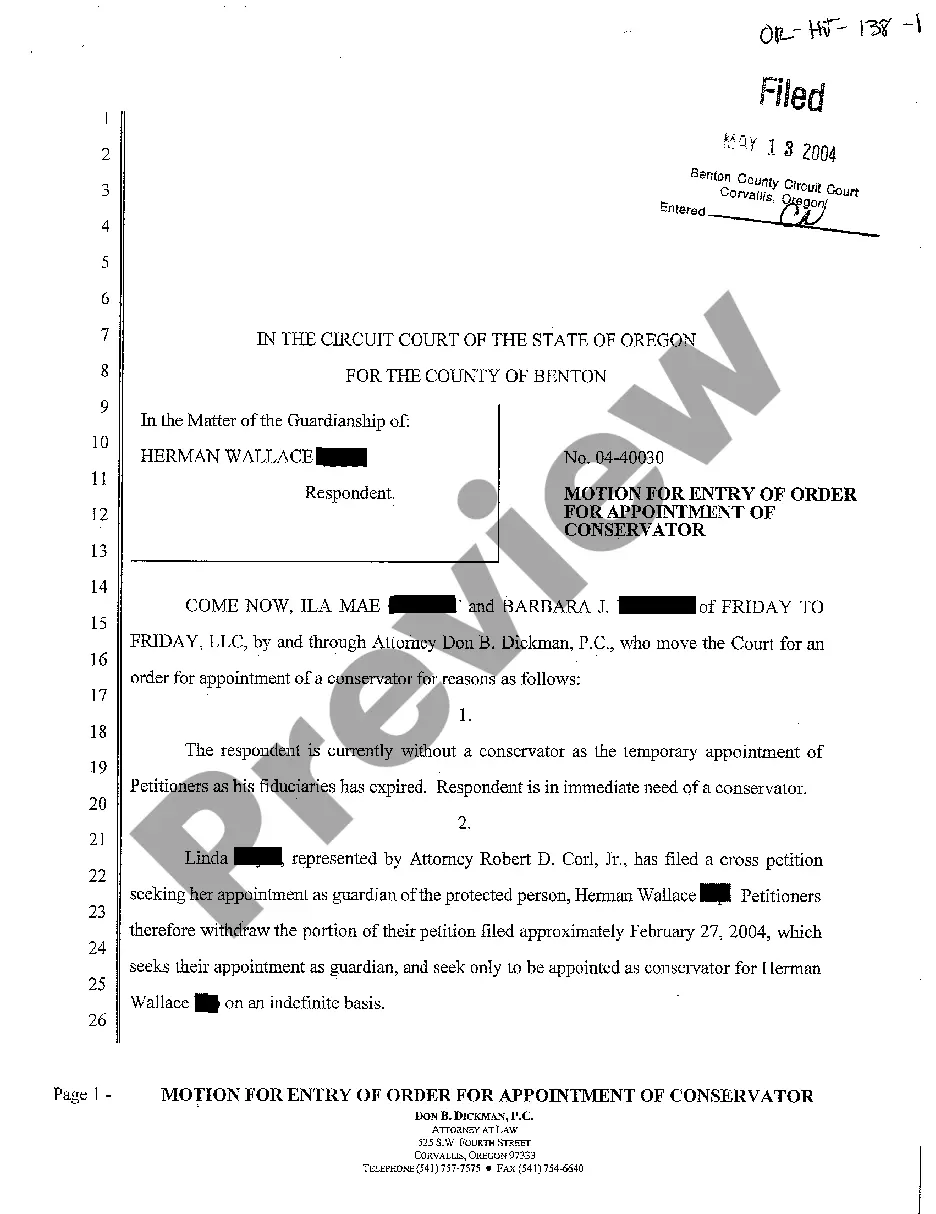
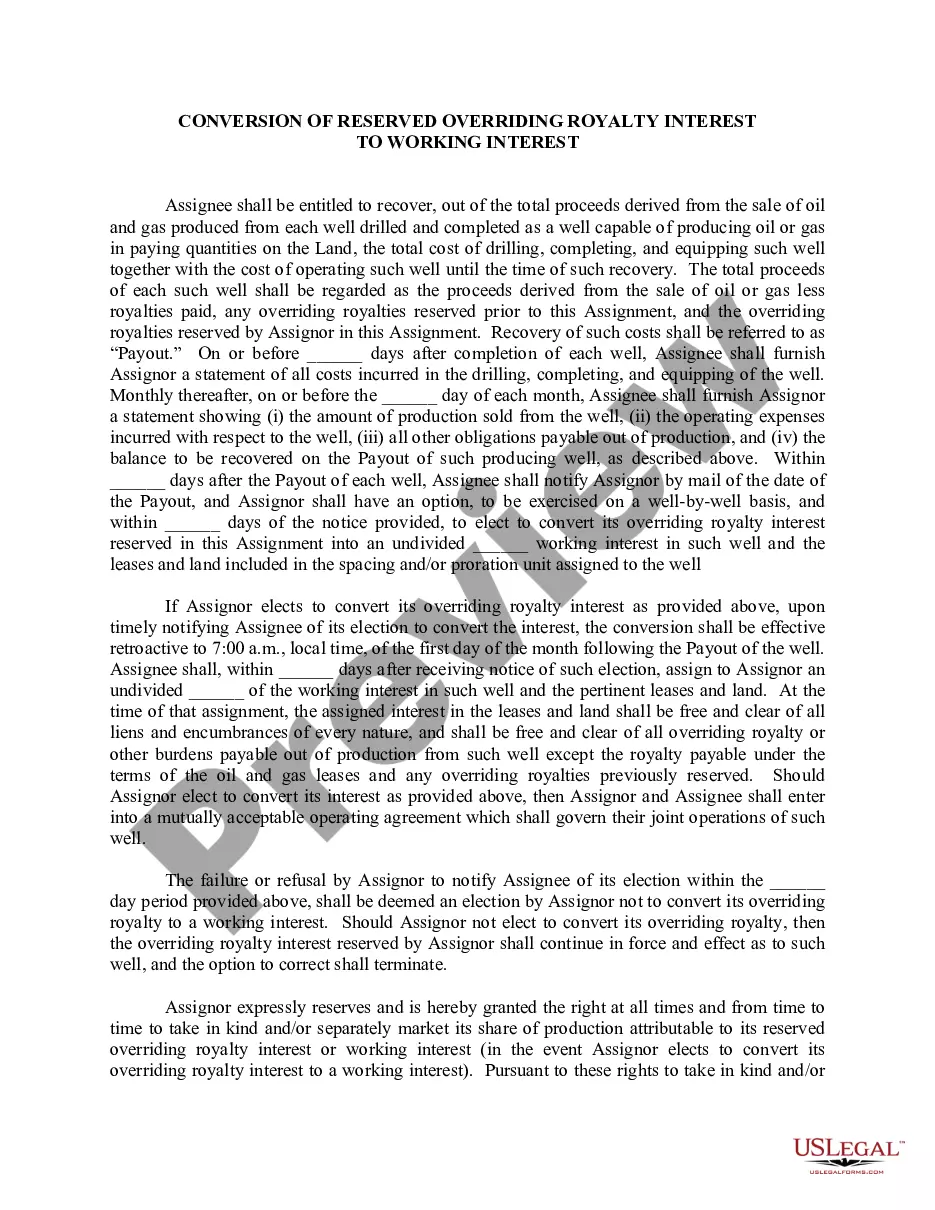
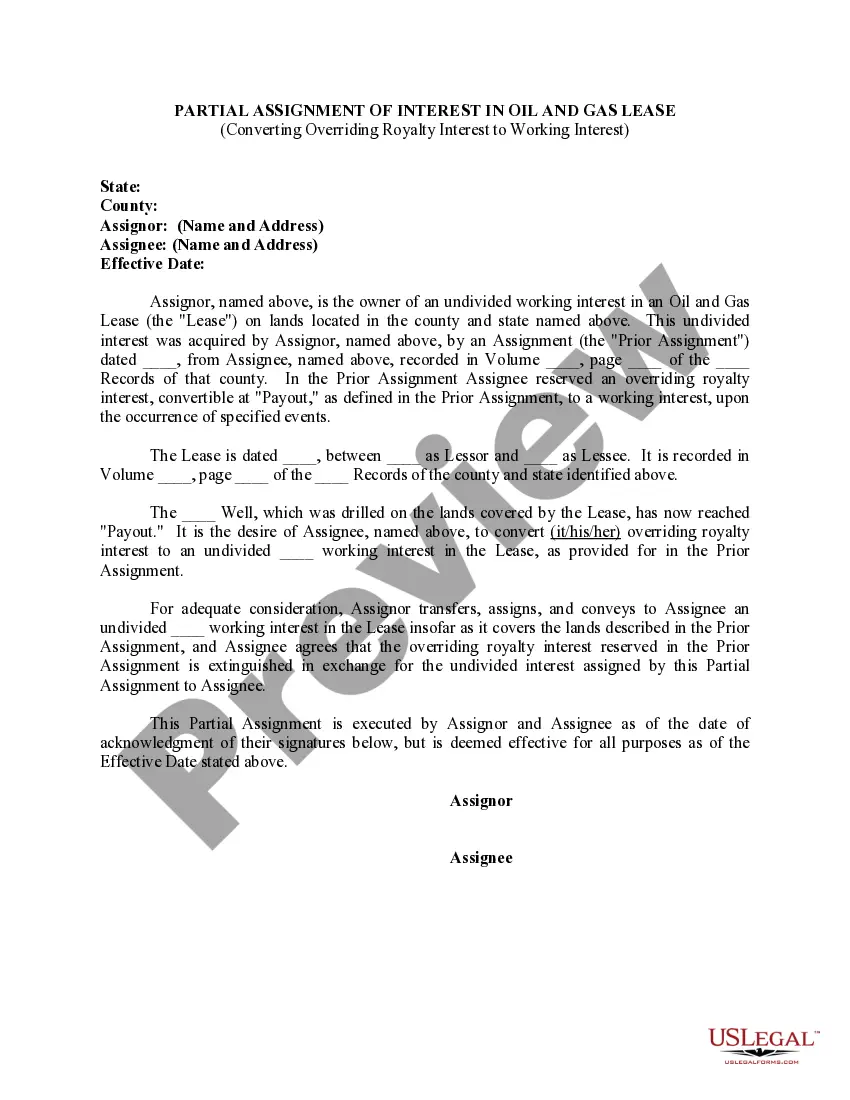
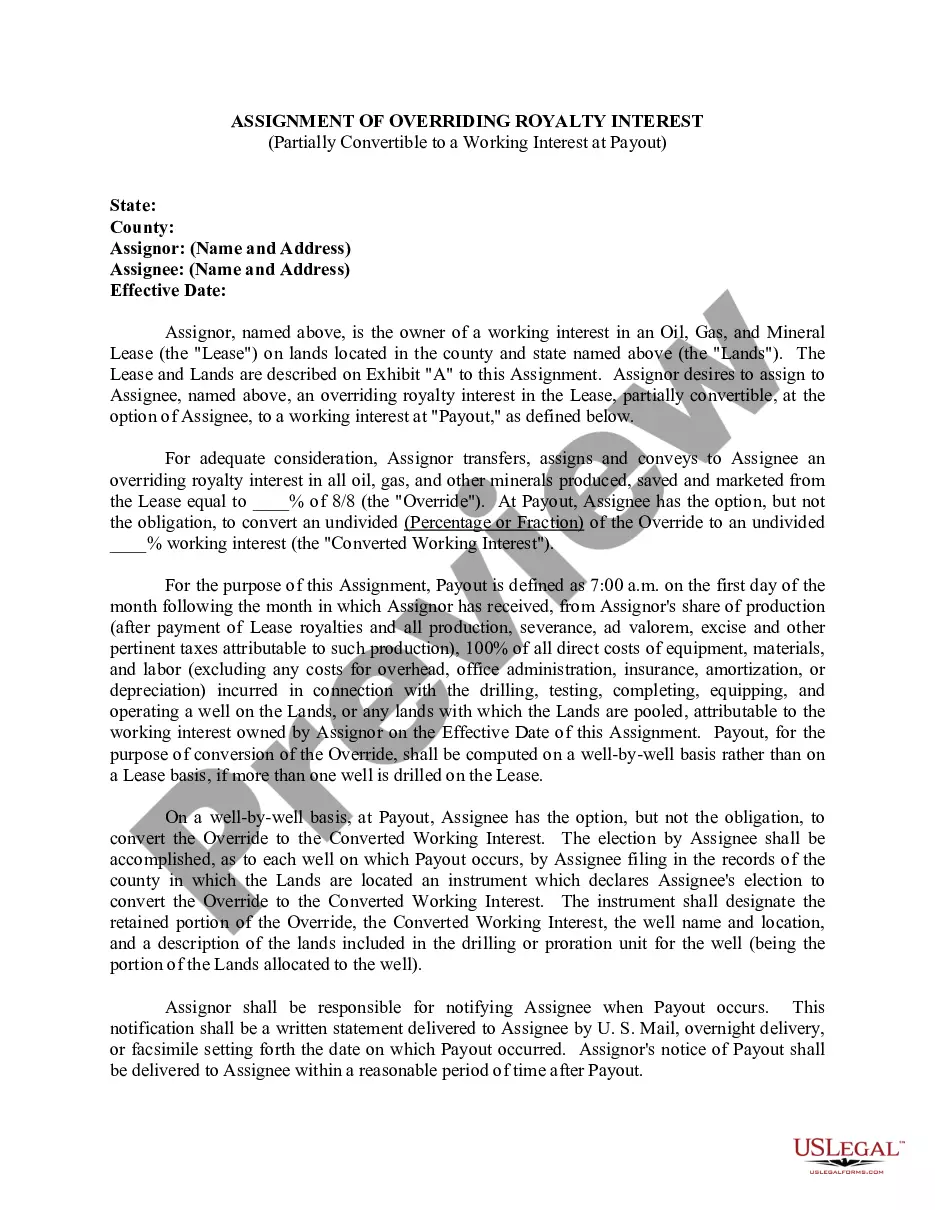
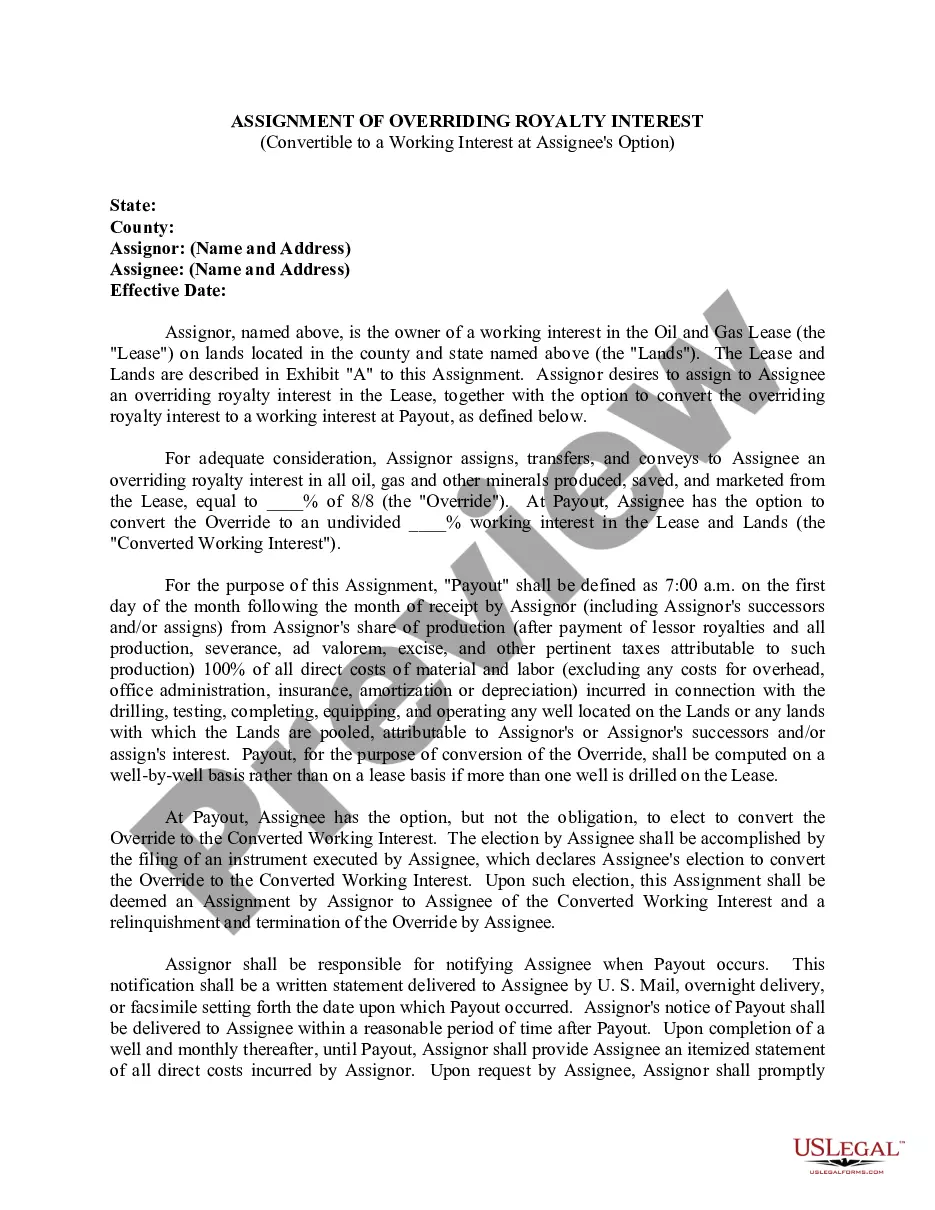
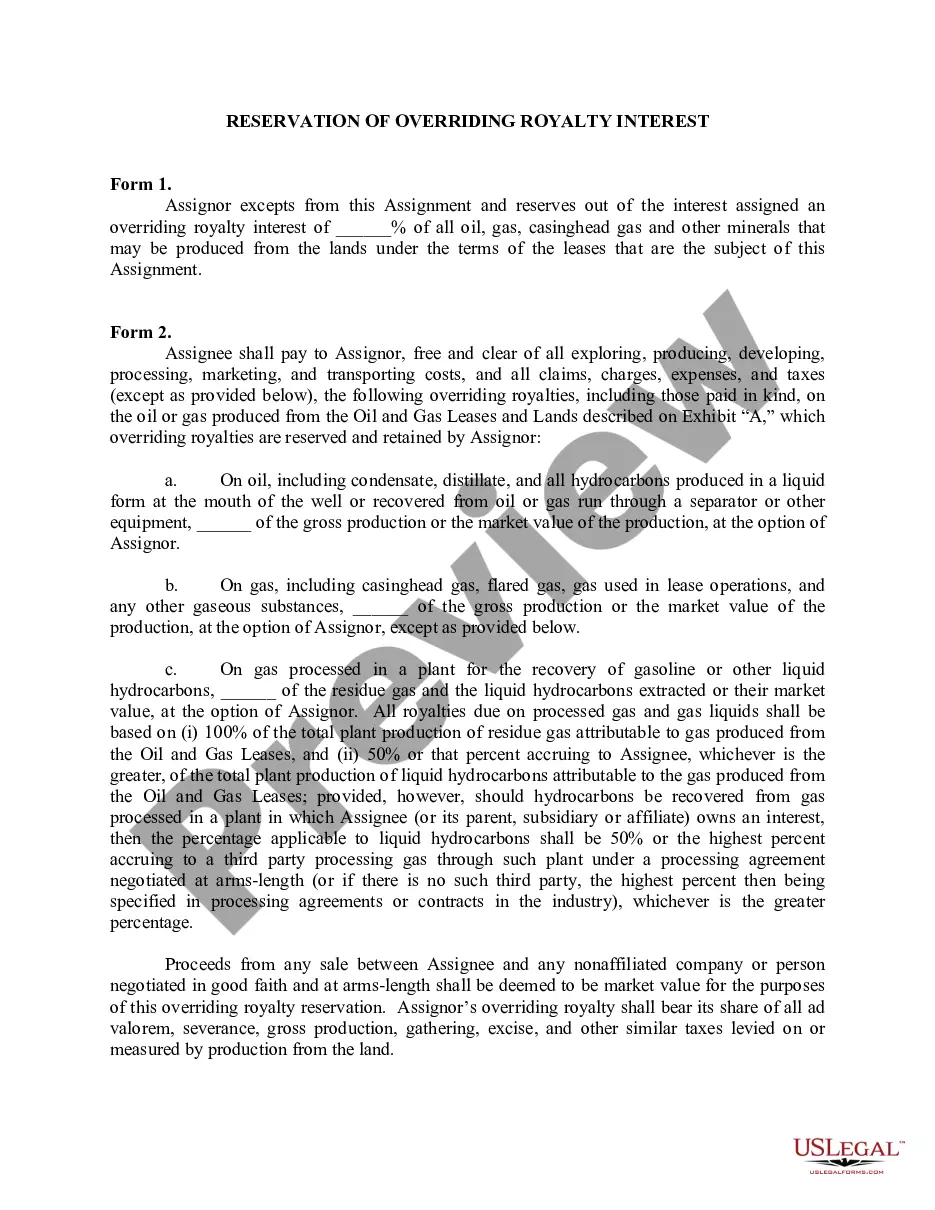
The Conversion of Reserved Overriding Royalty Interest to Working Interest form is a legal document used to convert an overriding royalty interest into a working interest in oil and gas operations. This form enables the holder of the overriding royalty interest (Assignor) to participate in the operational aspects and profits of the well, rather than simply receiving royalties. It includes provisions for the recovery of costs and outlines the rights and responsibilities of both parties involved.
Form components explained
- Payout definition and recovery structure
- Statement of costs incurred after well completion
- Notification requirements for conversion of interest
- Operating agreement provisions if conversion occurs
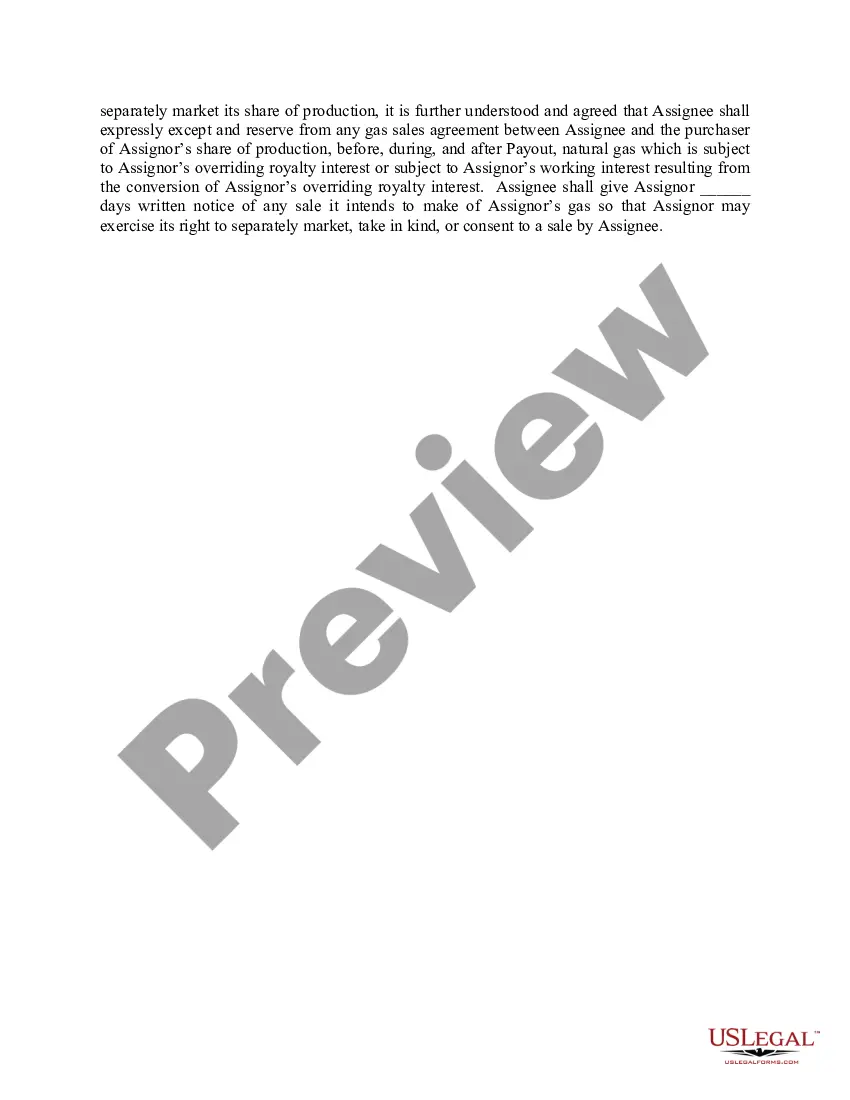
- Rights of Assignor to separately market gas production
Situations where this form applies
This form is necessary when an owner of a reserved overriding royalty interest wishes to convert that interest into a working interest after the well has produced sufficient revenue. It is often used in scenarios where the owner wants to take an active role in the operation of the well and share in the costs and profits rather than merely receiving royalty payments.
Who this form is for
This form is intended for:
- The holder of a reserved overriding royalty interest in an oil or gas well.
- Investors looking to gain a working interest in oil and gas projects.
- Property owners who wish to convert their royalty rights for increased operational involvement.
Completing this form step by step
- Identify the parties involved: assignor (the royalty holder) and assignee (the working interest holder).
- Detail the well information including location and production details.
- Specify the terms of recovery including costs, payments, and payout definitions.
- Include notification timelines for conversion and subsequent actions required.
- Ensure both parties sign the form and retain copies for their records.
Notarization guidance
Notarization is generally not required for this form. However, certain states or situations might demand it. You can complete notarization online through US Legal Forms, powered by Notarize, using a verified video call available anytime.
Get your form ready online
Our built-in tools help you complete, sign, share, and store your documents in one place.
Make edits, fill in missing information, and update formatting in US Legal Forms—just like you would in MS Word.
Download a copy, print it, send it by email, or mail it via USPS—whatever works best for your next step.
Sign and collect signatures with our SignNow integration. Send to multiple recipients, set reminders, and more. Go Premium to unlock E-Sign.
If this form requires notarization, complete it online through a secure video call—no need to meet a notary in person or wait for an appointment.
We protect your documents and personal data by following strict security and privacy standards.

Make edits, fill in missing information, and update formatting in US Legal Forms—just like you would in MS Word.

Download a copy, print it, send it by email, or mail it via USPS—whatever works best for your next step.

Sign and collect signatures with our SignNow integration. Send to multiple recipients, set reminders, and more. Go Premium to unlock E-Sign.

If this form requires notarization, complete it online through a secure video call—no need to meet a notary in person or wait for an appointment.

We protect your documents and personal data by following strict security and privacy standards.
Common mistakes
- Failing to clearly outline the costs associated with the well.
- Overlooking the notification period for conversion election.
- Not specifying the joint operating agreement details.
Advantages of online completion
- Convenient access to legal templates anytime and anywhere.
- Edit and customize the form to suit your specific needs.
- Reliable forms drafted by licensed attorneys for peace of mind.
Legal use & context
- This form is enforceable under oil and gas law as a means of converting interests.
- Non-compliance or errors in the form could lead to disputes over royalty payments and operational rights.
- Consult with a legal professional if unsure about specific terms or obligations.
Main things to remember
- The form allows for the conversion of overriding royalty interest to working interest.
- It establishes a clear framework for cost recovery and operational responsibilities.
- Timely notification is essential for maintaining rights in the conversion process.
Looking for another form?



Form popularity
FAQ
A gross overriding royalty can be created on a mine which produces a product like petroleum in that it can be sold without alteration of its basic character.The costs of smelting and refining the gold will reduce the proceeds to the mine owner, a percentage of which will be paid as royalty.
Overriding Royalty Interest (ORRI) a percentage share of production, or the value derived from production, which is free of all costs of drilling and producing, and is created by the lessee or working interest owner and paid by the lessee or working interest owner.
An overriding royalty interest (ORRI) is an undivided interest in a mineral lease giving the holder the right to a proportional share (receive revenue) of the sale of oil and gas produced. NRI = Working Interest Royalty Interests. 100 25 = 75 percent (NRI) $1,000,000 $250,000 = $750,000 (monthly NRI)
Net revenue is the amount that is shared among the property owners. To determine net revenue interest, multiply the royalty interest by the owner's shared interest. For example, if you have a 5/16 royalty, your net royalty interest would be 25% multiplied by 5/16, which equals 7.8125% calculated to four decimal places.
An overriding royalty interest generally entitles the owner of the interest to a specified share of the oil and gas produced under the terms of the lease. In Texas and in many other oil-producing states, overriding royalty interests are generally treated as interests in real estate.
Royalty Interest an ownership in production that bears no cost in production. Royalty interest owners receive their share of production revenue before the working interest owners. Working Interest an ownership in a well that bears 100% of the cost of production.
The royalty mineral owner retains ownership of the interest after production stops. Holders of overriding royalty interests have no ownership rights to the minerals under the ground but a non-possessory undivided interest.