Lease and Easement Agreement, Estoppel Certificate and Agreement (For Signature by the Lessor and the Lessee's Lender)
Understanding this form
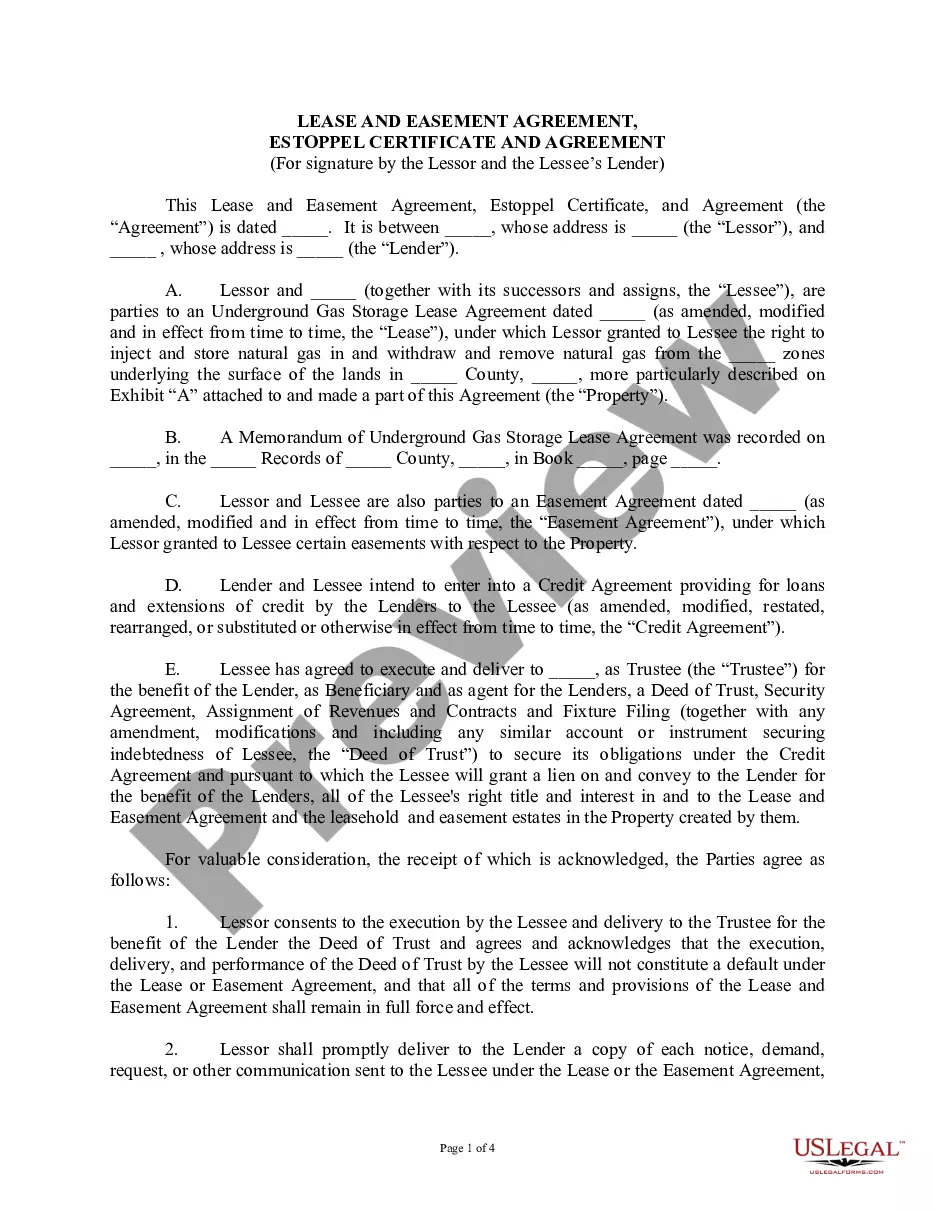
The Lease and Easement Agreement, Estoppel Certificate and Agreement is a legal document that establishes the rights and obligations between a lessor and lessee, particularly when financing is involved. It clarifies the terms of a lease and easement, while also providing an estoppel certificate that certifies the status of the lease. This document is essential for ensuring transparency and protecting the interests of all parties, especially in real estate transactions involving lenders.
Key parts of this document
- Identification of parties: Specifies the lessor (property owner) and the lender involved in the agreement.
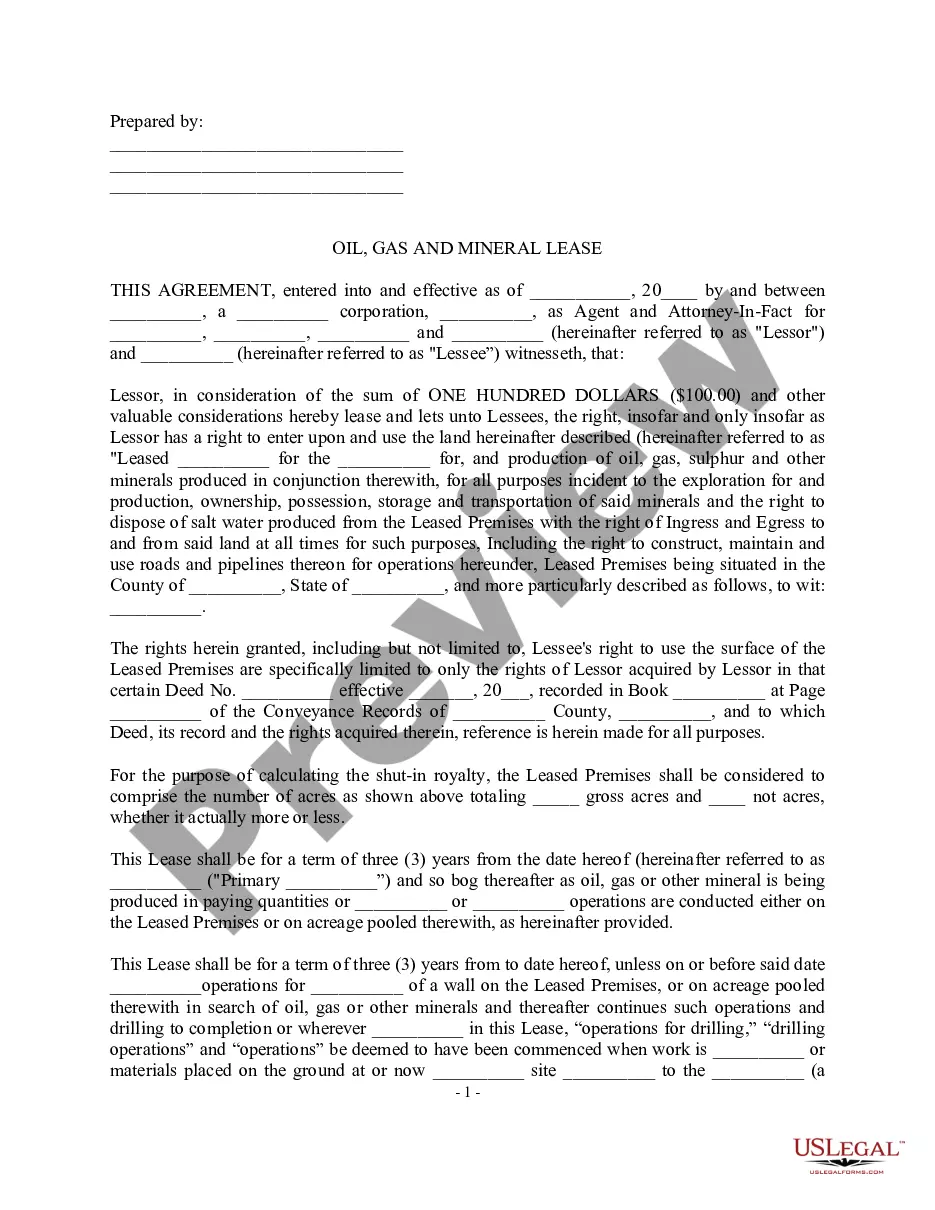
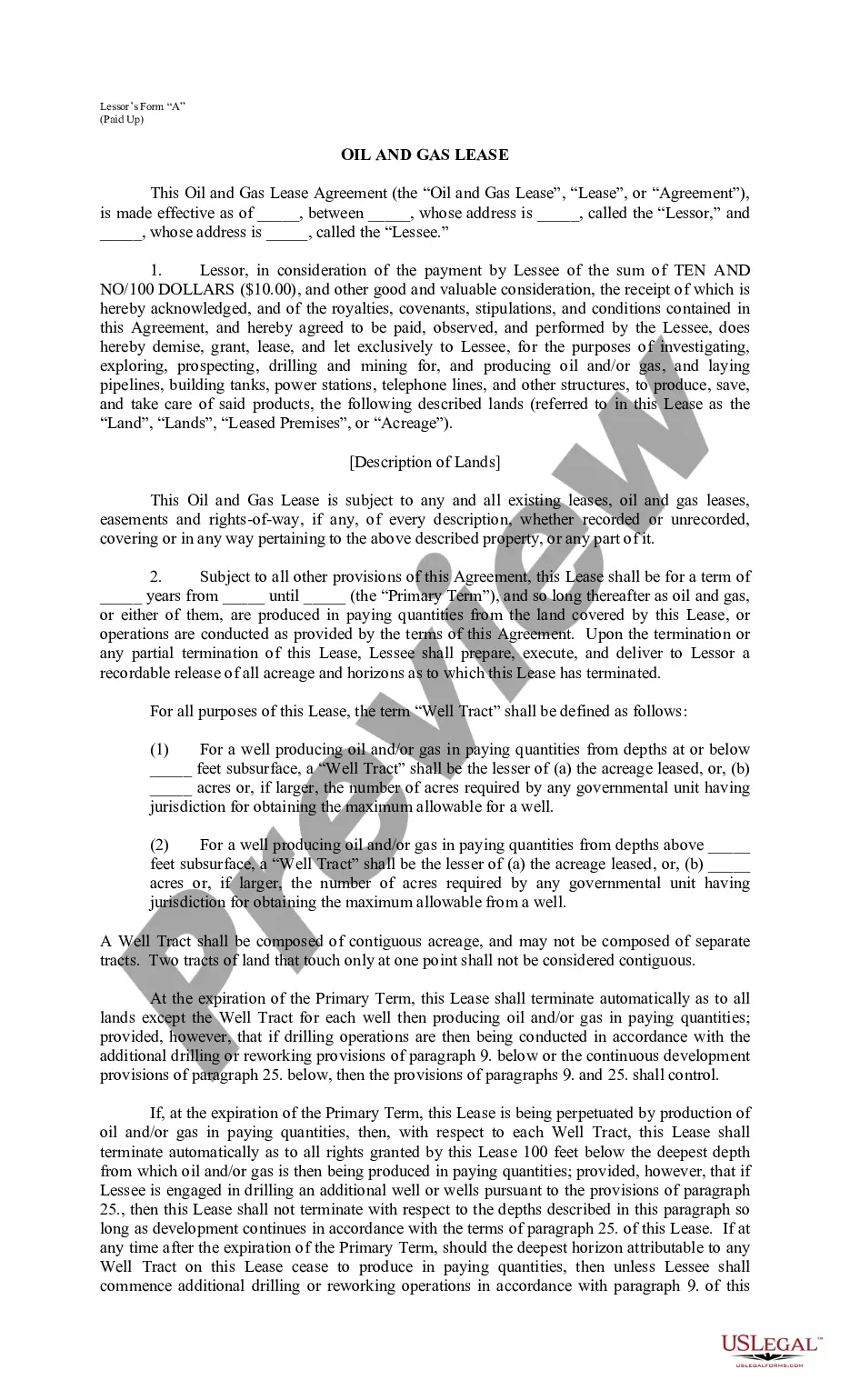
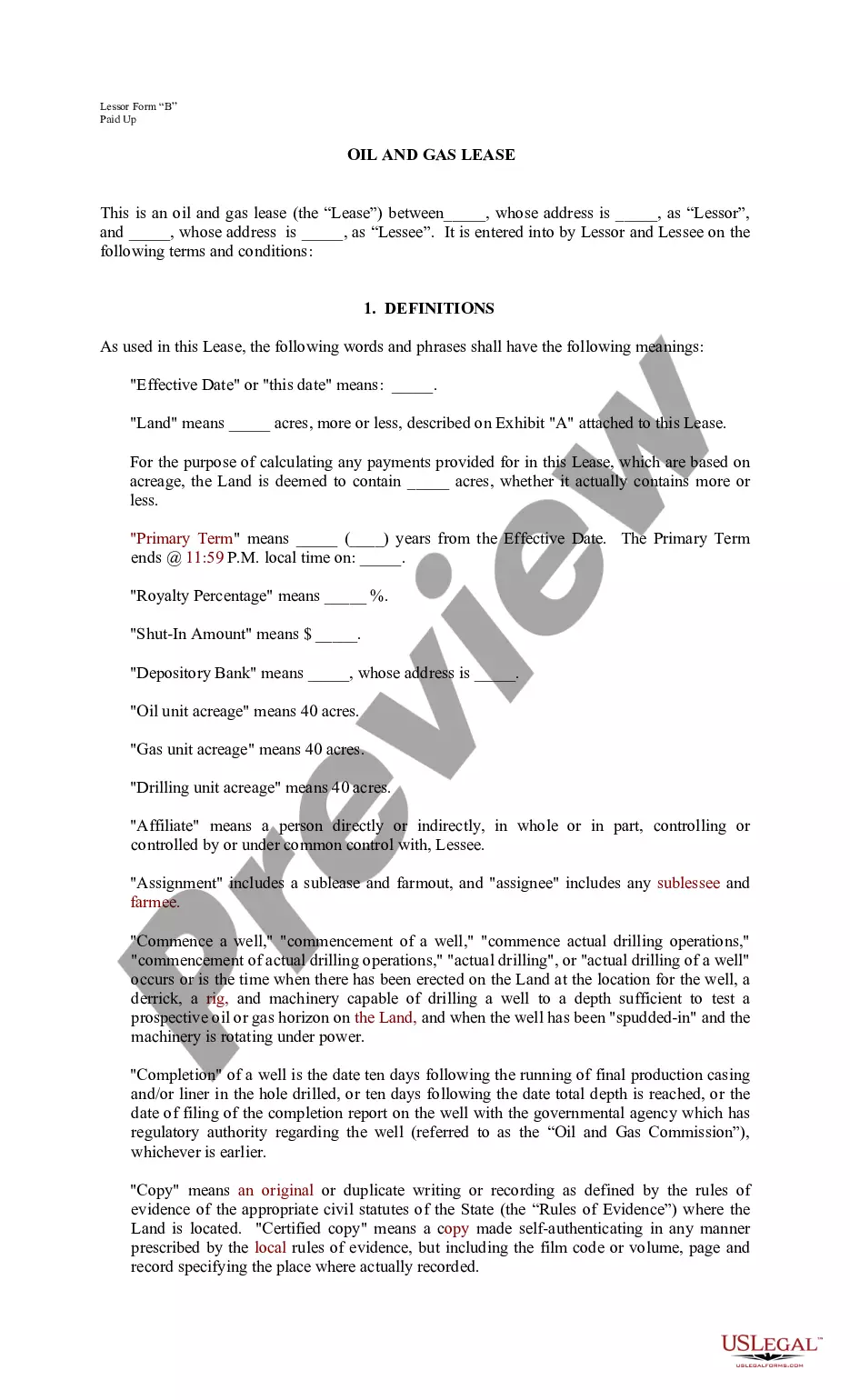
- Lease details: Includes information about the Underground Gas Storage Lease Agreement and terms associated with it.
- Easement provisions: Outlines easements granted to the lessee regarding the property.
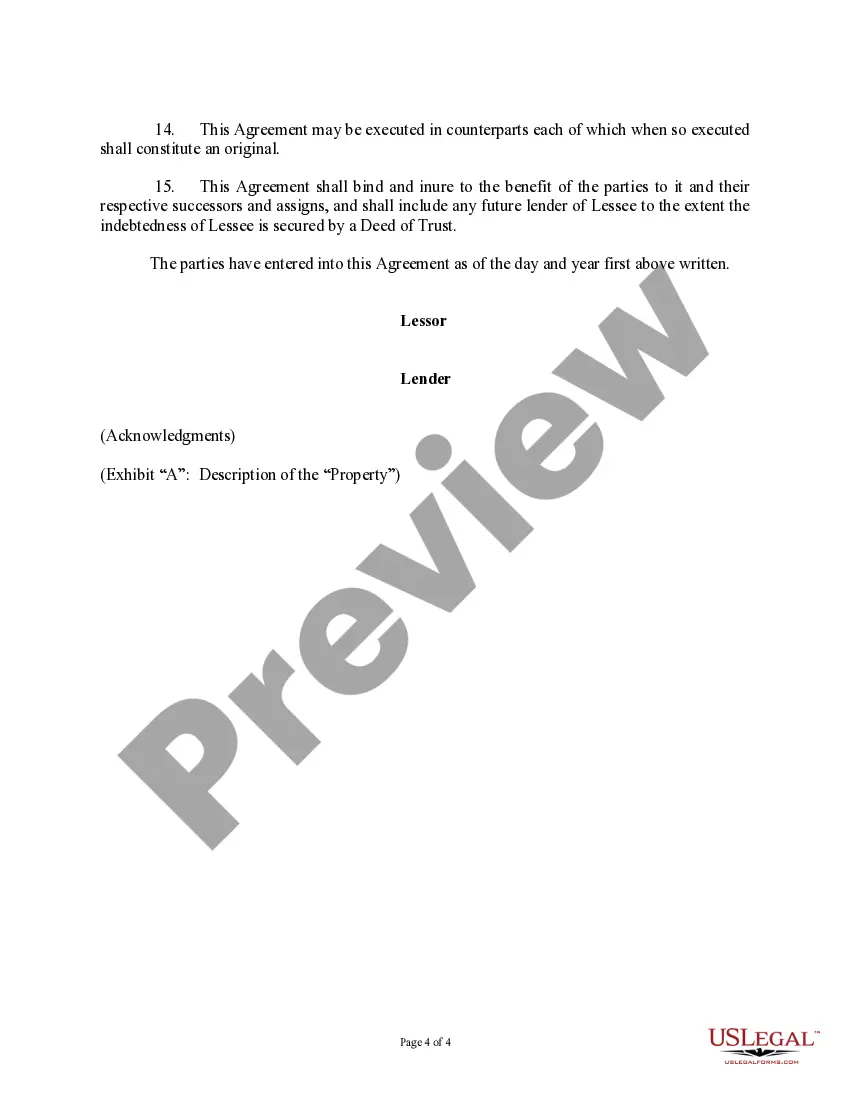
- Consent clause: Confirms the lessor's consent for the lessee to secure financing without affecting the lease.
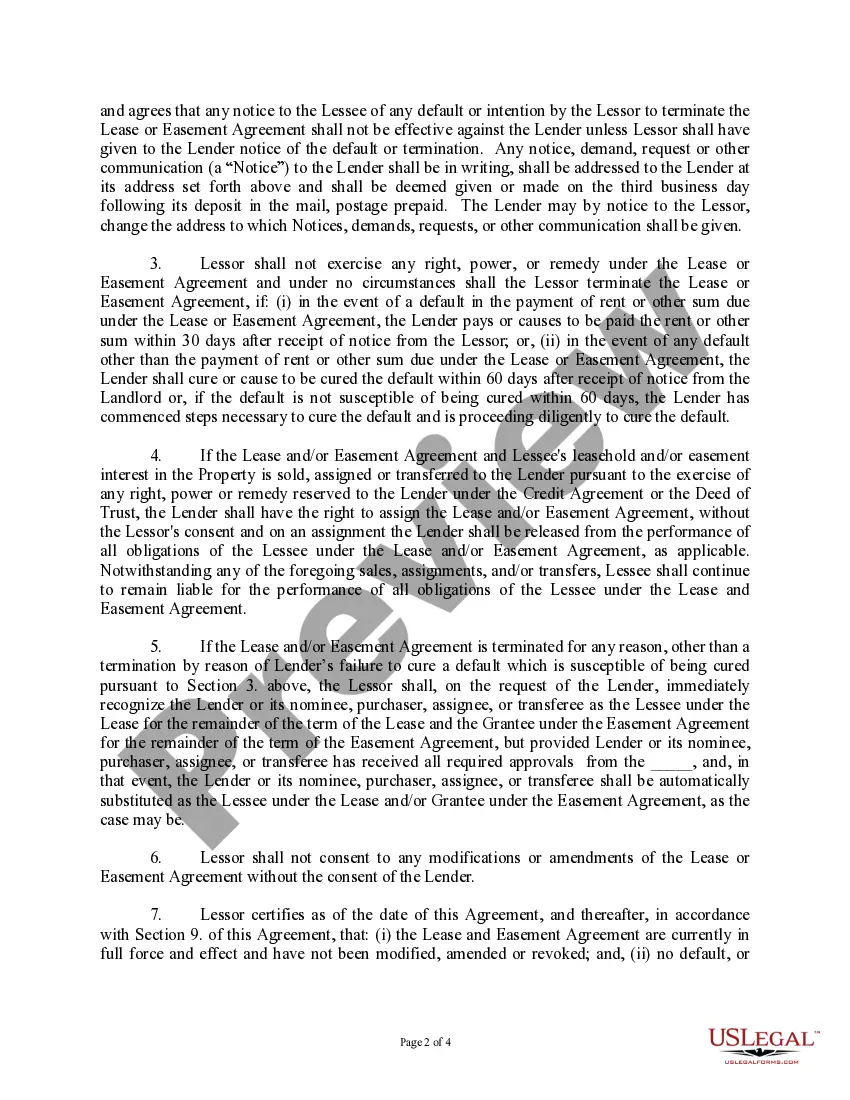
- Default remedies: Details the process if the lessee defaults and the lender steps in to rectify the situation.
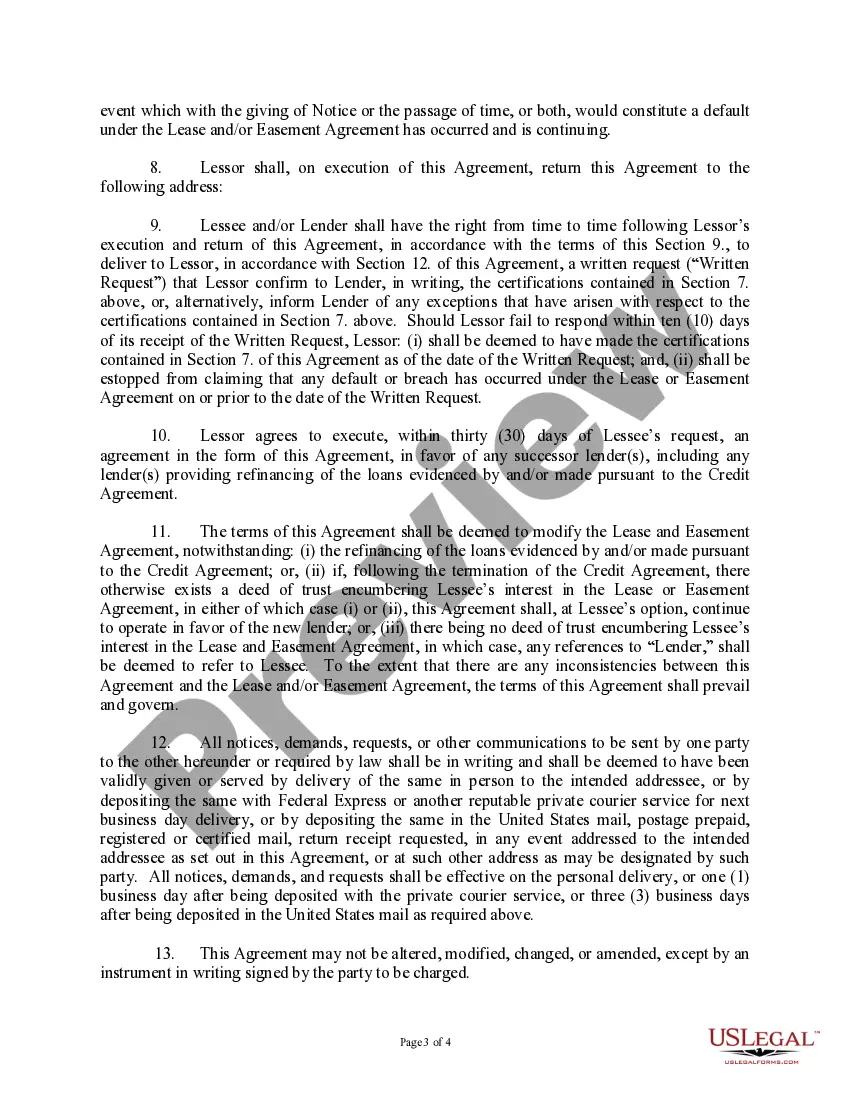
- Certification of lease status: Ensures the lease is valid and not in default at the time of signing the agreement.
When to use this document
This form should be used when a lessor and lessee are entering into an underground gas storage lease, and the lessee intends to secure financing from a lender. It is vital whenever an easement agreement is involved and the lender requires assurance of the lease's validity and terms to protect their investment. Additionally, using this form helps ensure that all parties understand their rights and obligations before entering into a financing arrangement.
Who should use this form
- Property owners (lessors) who are leasing underground gas storage rights.
- Lessee companies involved in natural gas storage needing financing.
- Institutional or private lenders providing financing to lessees.
- Legal professionals representing any of the parties involved in the agreement.
Completing this form step by step
- Identify the parties: Fill in the names and addresses of the lessor and lender.
- Specify the lease details: Include the details of the Underground Gas Storage Lease Agreement, including dates and descriptions of the property.
- Include any easement information: Provide information on any easement agreements associated with the property.
- Enter the necessary consents: Ensure the lessor consents to the financing terms and the lender's involvement.
- Sign and date: Both parties should sign and date the document, and retain copies for their records.
Does this document require notarization?
This form does not typically require notarization unless specified by local law. It is advisable to consult with legal counsel to ensure all requirements are met for your jurisdiction.
Get your form ready online
Our built-in tools help you complete, sign, share, and store your documents in one place.
Make edits, fill in missing information, and update formatting in US Legal Forms—just like you would in MS Word.
Download a copy, print it, send it by email, or mail it via USPS—whatever works best for your next step.
Sign and collect signatures with our SignNow integration. Send to multiple recipients, set reminders, and more. Go Premium to unlock E-Sign.
If this form requires notarization, complete it online through a secure video call—no need to meet a notary in person or wait for an appointment.
We protect your documents and personal data by following strict security and privacy standards.

Make edits, fill in missing information, and update formatting in US Legal Forms—just like you would in MS Word.

Download a copy, print it, send it by email, or mail it via USPS—whatever works best for your next step.

Sign and collect signatures with our SignNow integration. Send to multiple recipients, set reminders, and more. Go Premium to unlock E-Sign.

If this form requires notarization, complete it online through a secure video call—no need to meet a notary in person or wait for an appointment.

We protect your documents and personal data by following strict security and privacy standards.
Avoid these common issues
- Not providing complete or accurate property descriptions.
- Failing to include all parties involved, such as the lender.
- Ignoring the need for proper signatures from both lessor and lender.
- Neglecting to check state-specific requirements for validity.
Why use this form online
- Convenience: Easily access and download your legal form anytime, anywhere.
- Editability: Customize the form to fit your specific needs before printing.
- Reliability: Forms provided by licensed attorneys ensure legal validity and relevance.
Legal use & context
- This form serves to protect the interests of the lessor and lender in real estate transactions.
- It is legally binding once signed by all parties, assuming it meets state law requirements.
- Understanding and correctly executing this form can help avoid disputes regarding lease agreements and easements.
Quick recap
- The Lease and Easement Agreement, Estoppel Certificate and Agreement ensures clarity in leasing and easement terms.
- Key parties include the lessor, lessee, and lender, all of whom have specific rights and obligations.
- Using this form correctly can protect your rights in real estate transactions.
Looking for another form?
Form popularity
FAQ
What is this Document? This powerful document is the Tenant Estoppel Certificate (TEC). The TEC is a legally binding document where a tenant represents or promises certain things to be true. These things relate to the relationship between the landlord and the terms of the lease.
1 Gather Your References, Then Open The Estoppel Form. 2 Identify The Parties Involved, The Concerned Property, And The Lease In Question. 3 Define Any Relevant Agreements. 4 Describe The Lease Agreement. 5 Discuss The Status Of Provisions That Must Be Addressed Here.
An estoppel certificate is an agreement used in real estate to describe the current conditions of a lease agreement. It also describes the relationship between tenants and their landlord. Additionally, it includes any other important details about the rights of the current tenants living in a rental property.
The Purpose of Tenant Estoppel Certificates By definition, an estoppel certificate is a signed statement by a party (such as a tenant or mortgagee) certifying for anoth- er's benefit that certain facts are correct, as that a lease exists, that there are no defaults, and that rent is paid to a certain date.
Signing an estoppel certificate will override the terms of the lease. Therefore, it's important to cross-check both your lease and the agreements that the document outlines. Once you've signed it, you can no longer point to the lease when your current or new landlord breaches a part of that contract.
An Estoppel Certificate (or Estoppel Letter) is a document often used in due diligence in Real estate and mortgage activities. It is a document often completed, but at least signed, by a tenant used in their landlord's proposed transaction with a third party.
In summary, because a commercial tenant is not required to sign an estoppel certificate unless required by the lease, a property owner who expects to sell the property should include a provision in the lease requiring the tenant to sign an estoppel certificate upon request.
A tenant must sign an estoppel certificate where the written lease contains a provision requiring the tenant to do so. It is a breach of lease to refuse to complete an estoppel where the lease requires a tenant to do so.Absent a lease provision, a tenant is not required to complete and sign an estoppel agreement.
The Purpose of Tenant Estoppel Certificates By definition, an estoppel certificate is a signed statement by a party (such as a tenant or mortgagee) certifying for anoth- er's benefit that certain facts are correct, as that a lease exists, that there are no defaults, and that rent is paid to a certain date.