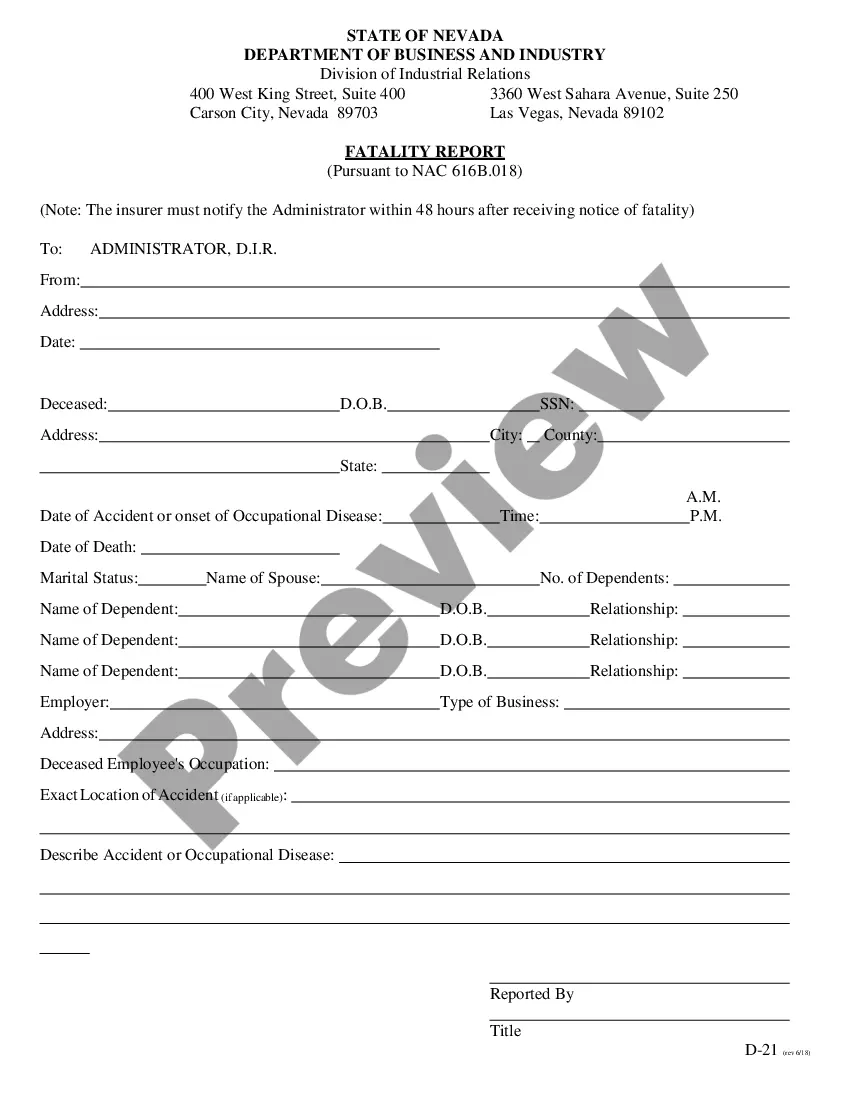
09 ENTRAPMENT BY ESTOPPEL
What this document covers
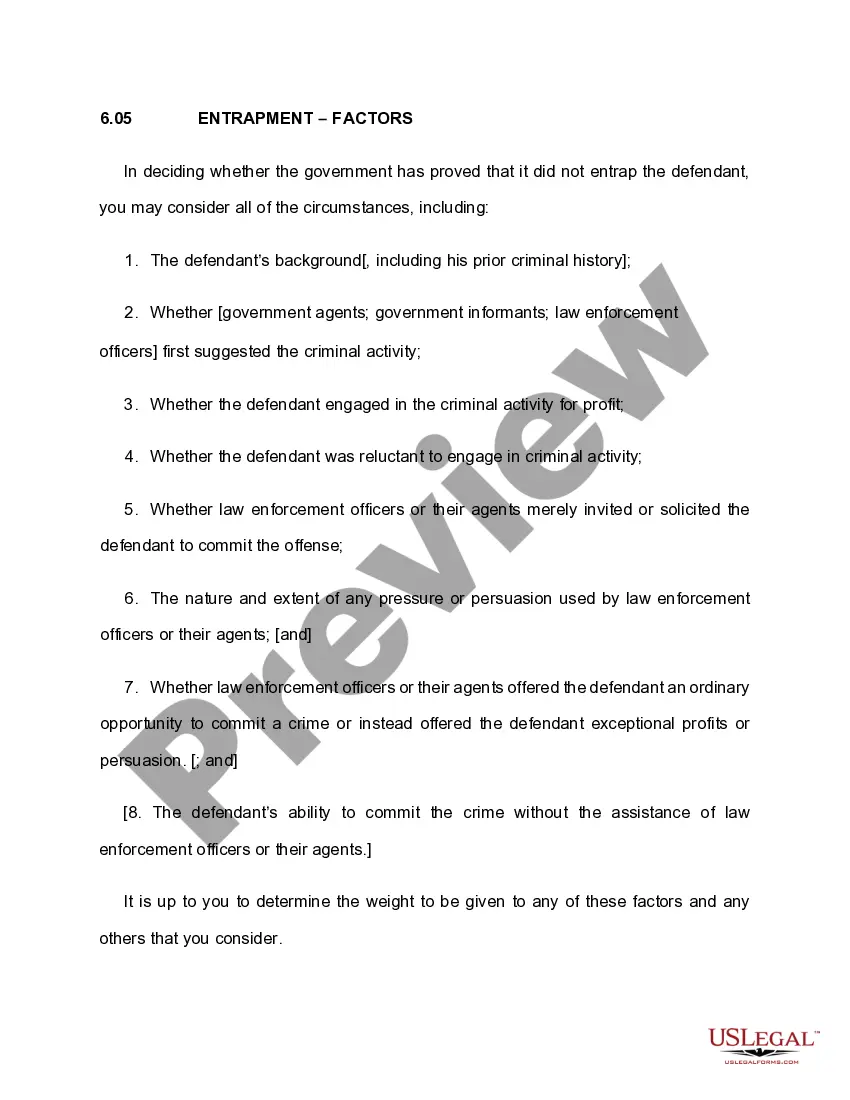
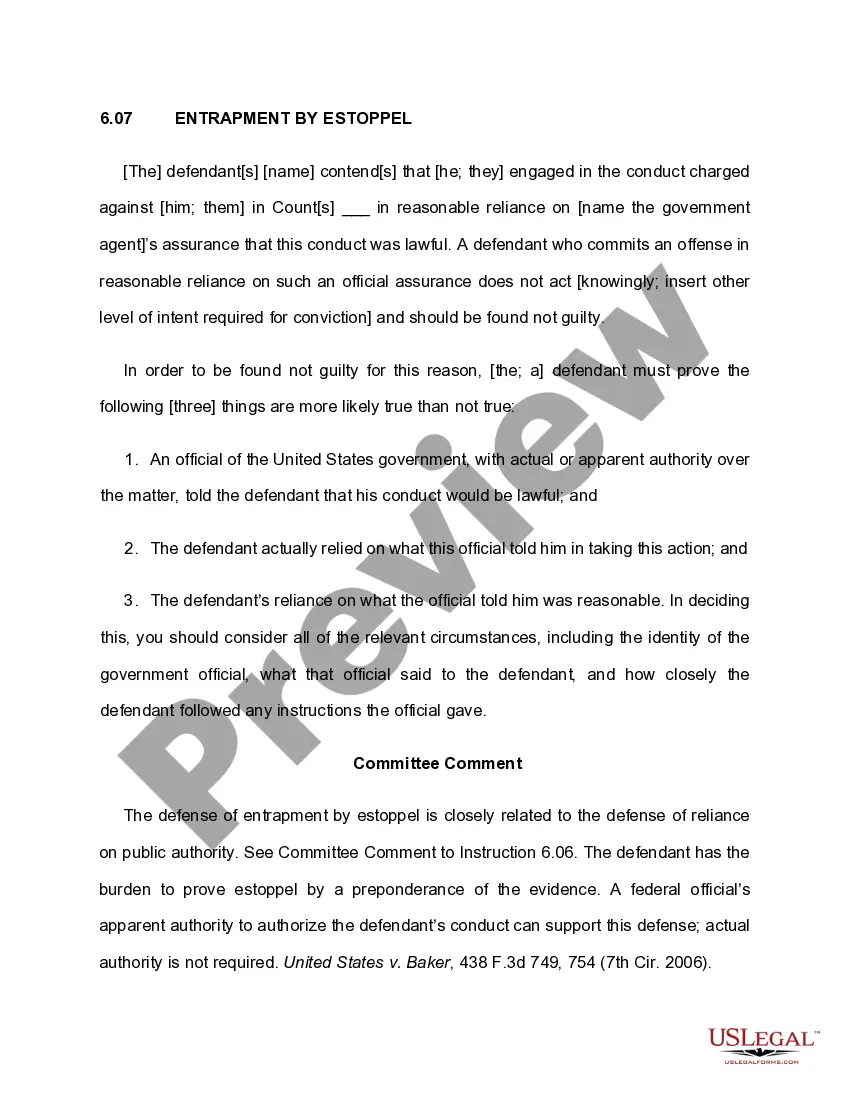
The 09 Entrapment by Estoppel form is a legal template designed to help defendants in criminal cases assert a defense based on reasonable reliance on a government announcement regarding the legality of their actions. This form differs from other defenses because it focuses on the actions and statements of government officials rather than the defendant's intent.
Key components of this form
- Definition of entrapment by estoppel and its legal basis.
- Four essential factors that the defendant must prove to succeed with this defense.
- Specific requirements regarding the government announcement of legality.
- Clarification of what constitutes reasonable reliance by the defendant.
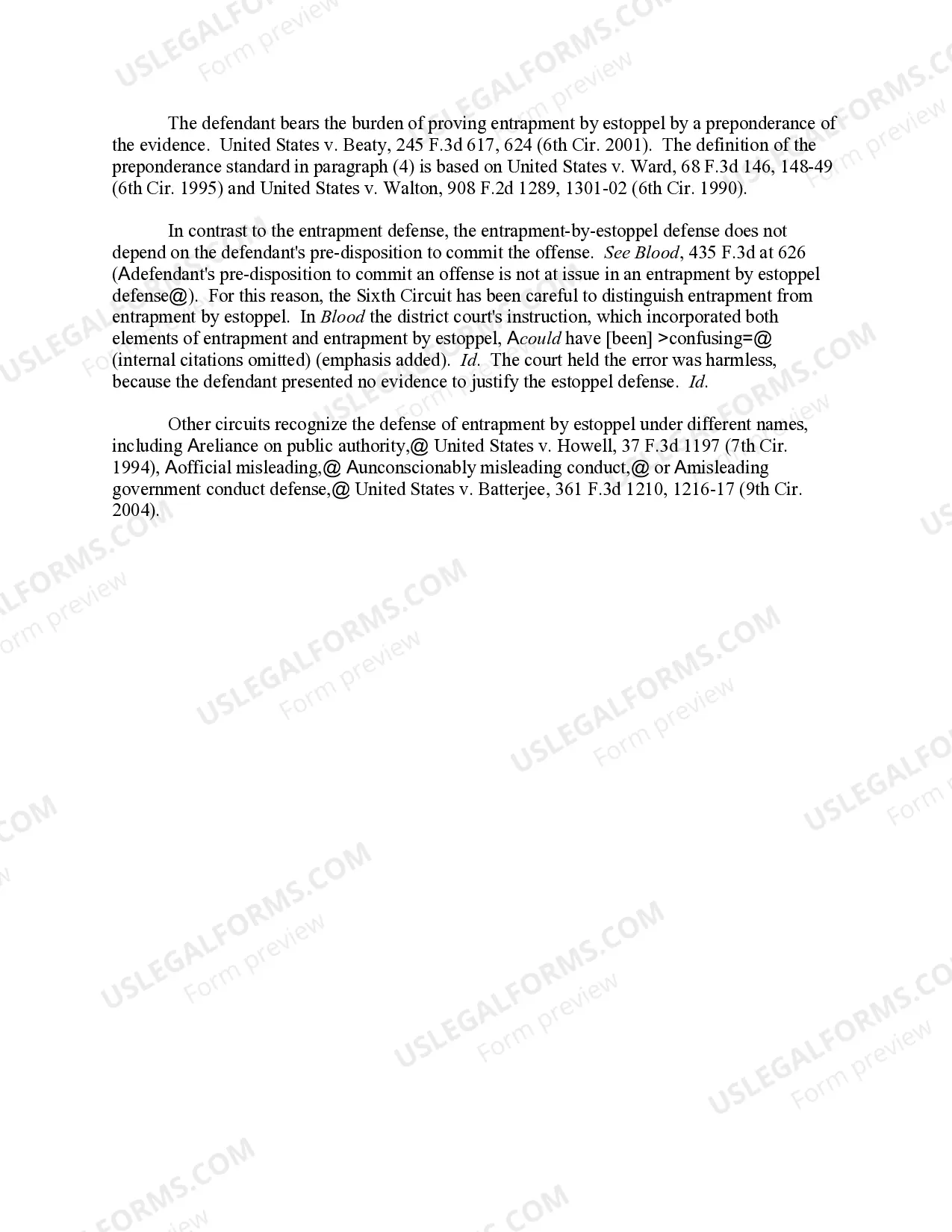
- Explanation of the burden of proof required for the defense.
When to use this document
This form should be used in situations where a defendant has been charged with a crime that they believe was legal based on a statement made by a government official. It is applicable in cases where the defendant can show that they relied on this announcement in good faith, and where prosecuting them for that action would be fundamentally unfair.
Intended users of this form
- Defendants facing criminal charges who claim they were misled by government officials.
- Individuals who believe they acted in compliance with official government announcements.
- Legal representatives seeking to establish a defense based on entrapment by estoppel.
Instructions for completing this form
- Identify the specific criminal act that is being charged against the defendant.
- Document the government announcement that stated the act was legal at the time.
- Provide evidence of the defendant's reliance on this announcement during the act.
- Establish the reasonableness of the defendant's reliance based on surrounding circumstances.
- Argue why a conviction would be considered unfair given the reliance on government statements.
Does this form need to be notarized?
Notarization is not commonly needed for this form. However, certain documents or local rules may make it necessary. Our notarization service, powered by Notarize, allows you to finalize it securely online anytime, day or night.
Get your form ready online
Our built-in tools help you complete, sign, share, and store your documents in one place.
Make edits, fill in missing information, and update formatting in US Legal Forms—just like you would in MS Word.
Download a copy, print it, send it by email, or mail it via USPS—whatever works best for your next step.
Sign and collect signatures with our SignNow integration. Send to multiple recipients, set reminders, and more. Go Premium to unlock E-Sign.
If this form requires notarization, complete it online through a secure video call—no need to meet a notary in person or wait for an appointment.
We protect your documents and personal data by following strict security and privacy standards.

Make edits, fill in missing information, and update formatting in US Legal Forms—just like you would in MS Word.

Download a copy, print it, send it by email, or mail it via USPS—whatever works best for your next step.

Sign and collect signatures with our SignNow integration. Send to multiple recipients, set reminders, and more. Go Premium to unlock E-Sign.

If this form requires notarization, complete it online through a secure video call—no need to meet a notary in person or wait for an appointment.

We protect your documents and personal data by following strict security and privacy standards.
Common mistakes to avoid
- Failing to provide clear documentation of the government announcement.
- Not showing that the reliance was made at the time of the act.
- Assuming that any government statement qualifies as an announcement.
- Neglecting to demonstrate the reasonableness of the defendantâs reliance.
- Overlooking the need to show how a conviction would be fundamentally unfair.
Why use this form online
- Convenience of accessing the template from anywhere at any time.
- Editability allows users to tailor the form to their specific case.
- Reliable source of legal information prepared by licensed attorneys.
- Time-saving by providing a structured format for presenting the defense.
Legal use & context
- The entrapment by estoppel defense is recognized in various jurisdictions, primarily focused on due process rights.
- This defense centers on the fairness of convicting someone who acted under the belief that their actions were legal.
- Successful use of this defense requires thorough evidence capturing the elements outlined in the form.
What to keep in mind
- The 09 Entrapment by Estoppel form is crucial for defendants relying on government miscommunication.
- Four key elements must be proven for the defense to succeed.
- Defendants must demonstrate both reasonable reliance on government announcements and the unfairness of prosecution.
- Consult with legal professionals to ensure proper use of the form in various jurisdictions.
Looking for another form?
Form popularity
FAQ
What is an example of police entrapment? A police officer offers to buy drugs from a suspected drug dealer. The dealer sells the drugs to the officer, who then arrests the dealer. This act is entrapment by inducement.
Entrapment by estoppel applies when an official tells a defendant that certain conduct is legal and the defendant believes that official. This defense applies even in cases of strict liability, because entrapment does not negate the intent element of an offense, it relies on the principle of fairness.
Entrapment may result from the use of threats, intimidation, extended fraud, or any other means where the defendant was essentially forced to commit a crime. For example, law enforcement officers could set up a sting operation for a suspected criminal to commit a burglary.
What Constitutes Entrapment in California? Pressure an Individual Into Committing a Crime.Threaten Someone Into Committing a Crime.Make False Promises.Drug Crimes: An Example of Entrapment.Prostitution: An Example of Entrapment.
Entrapment may result from the use of threats, intimidation, extended fraud, or any other means where the defendant was essentially forced to commit a crime. For example, law enforcement officers could set up a sting operation for a suspected criminal to commit a burglary.
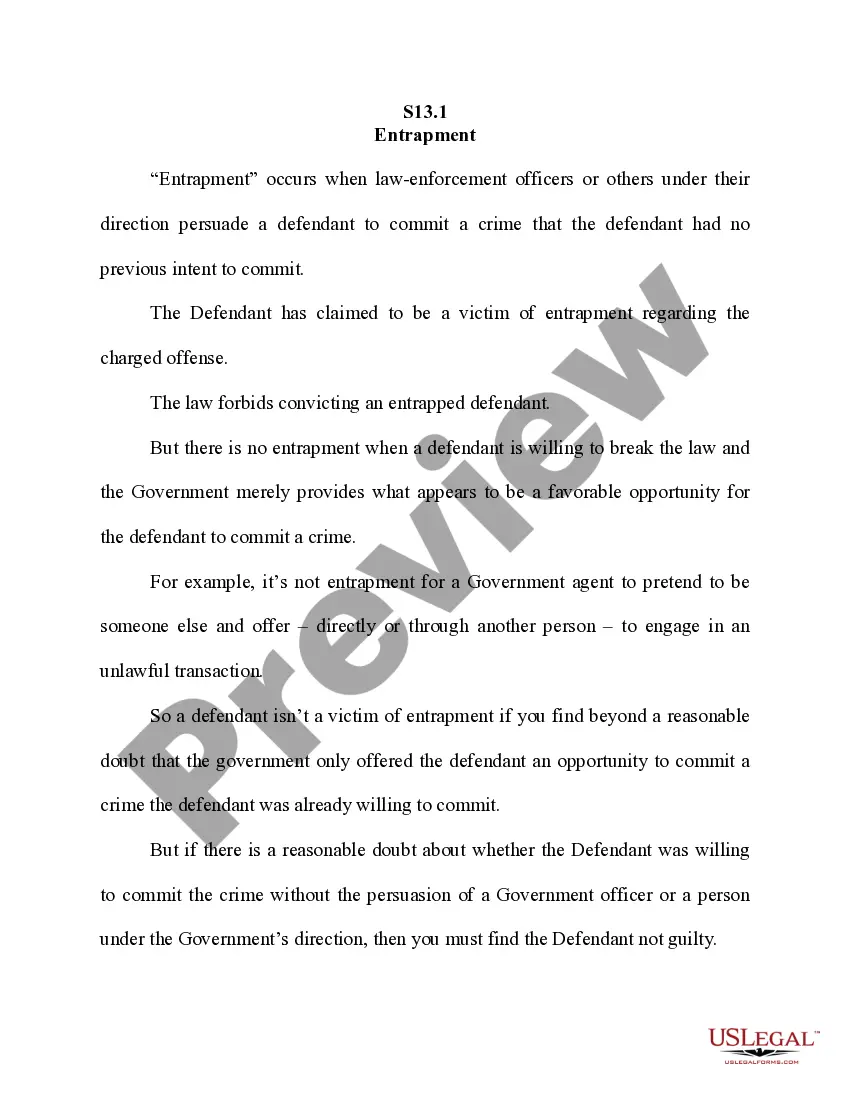
Entrapment is defined as a situation in which a normally law-abiding individual is induced into committing a criminal act they otherwise would not have committed because of overbearing harassment, fraud, flattery or threats made by an official police source.
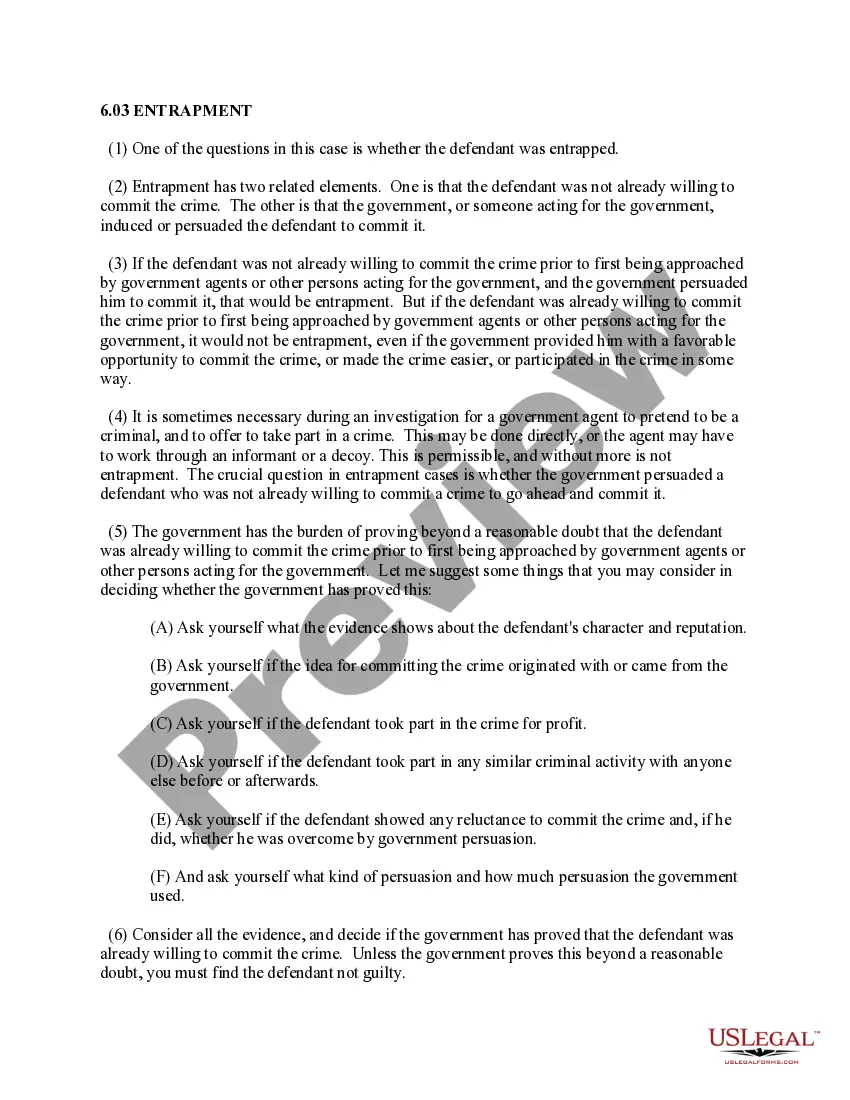
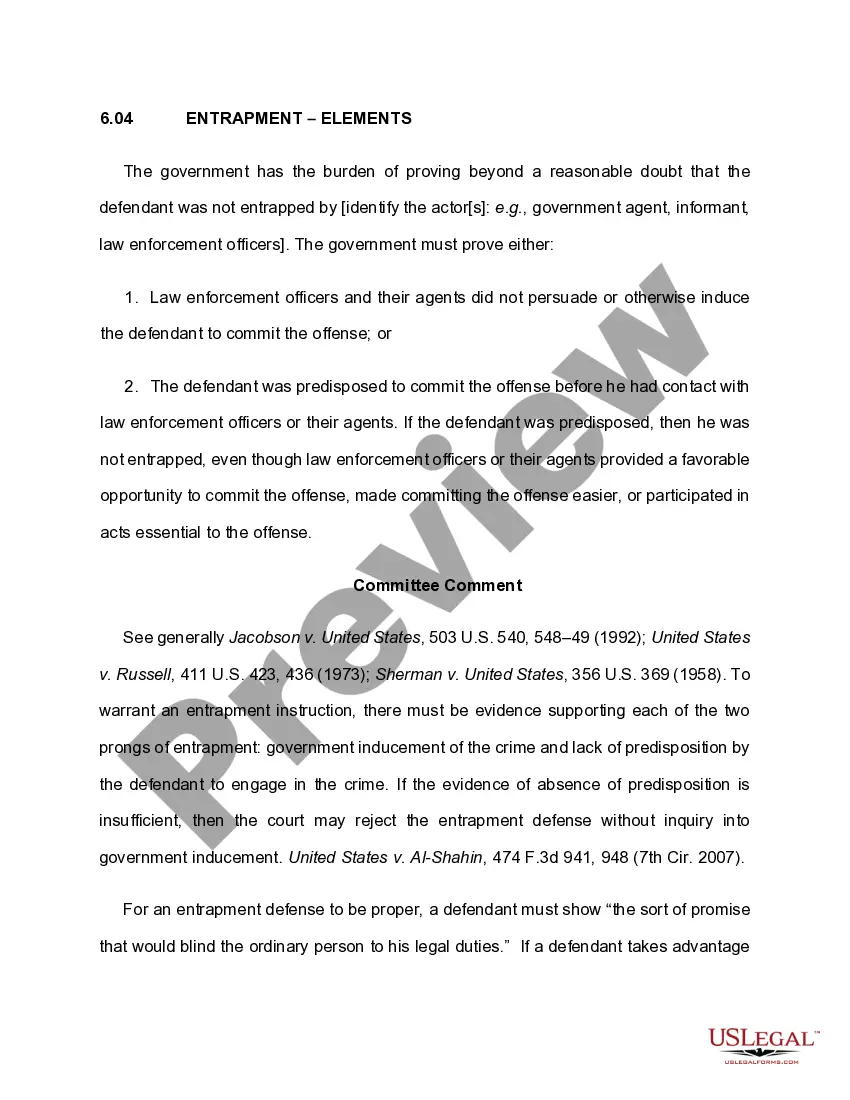
A valid entrapment defense has two related elements: (1) government inducement of the crime, and (2) the defendant's lack of predisposition to engage in the criminal conduct. Mathews v. United States, 485 U.S. 58, 63 (1988). Of the two elements, predisposition is by far the more important.
Generally, state laws will have either an objective entrapment law or a subjective entrapment law. When following the objective standard law, the court must determine whether a reasonable law-abiding person would commit the crime in light of the police officer's behavior.