Key Employees' Restricted Stock Purchase Plan for Pulitzer Publishing Co.
About this form
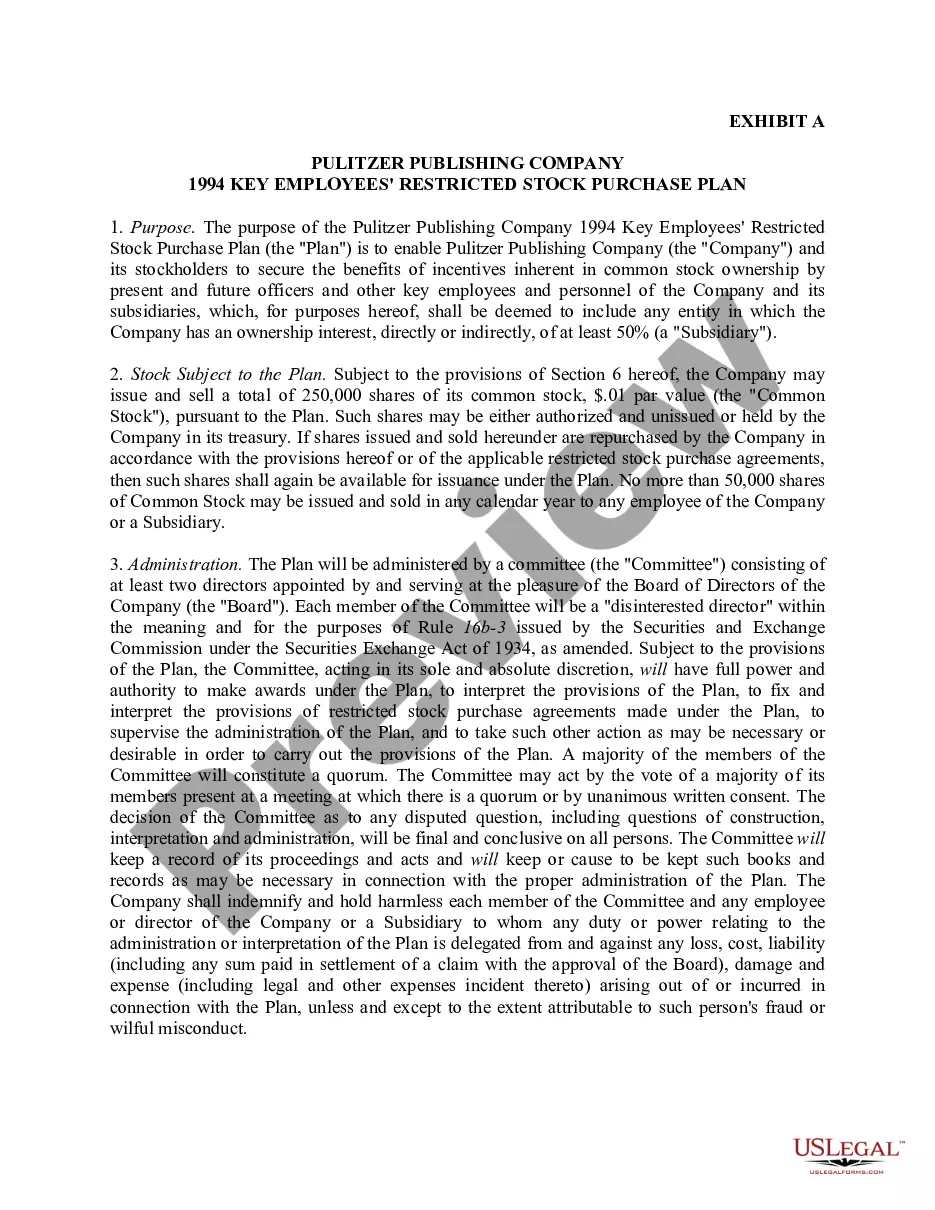
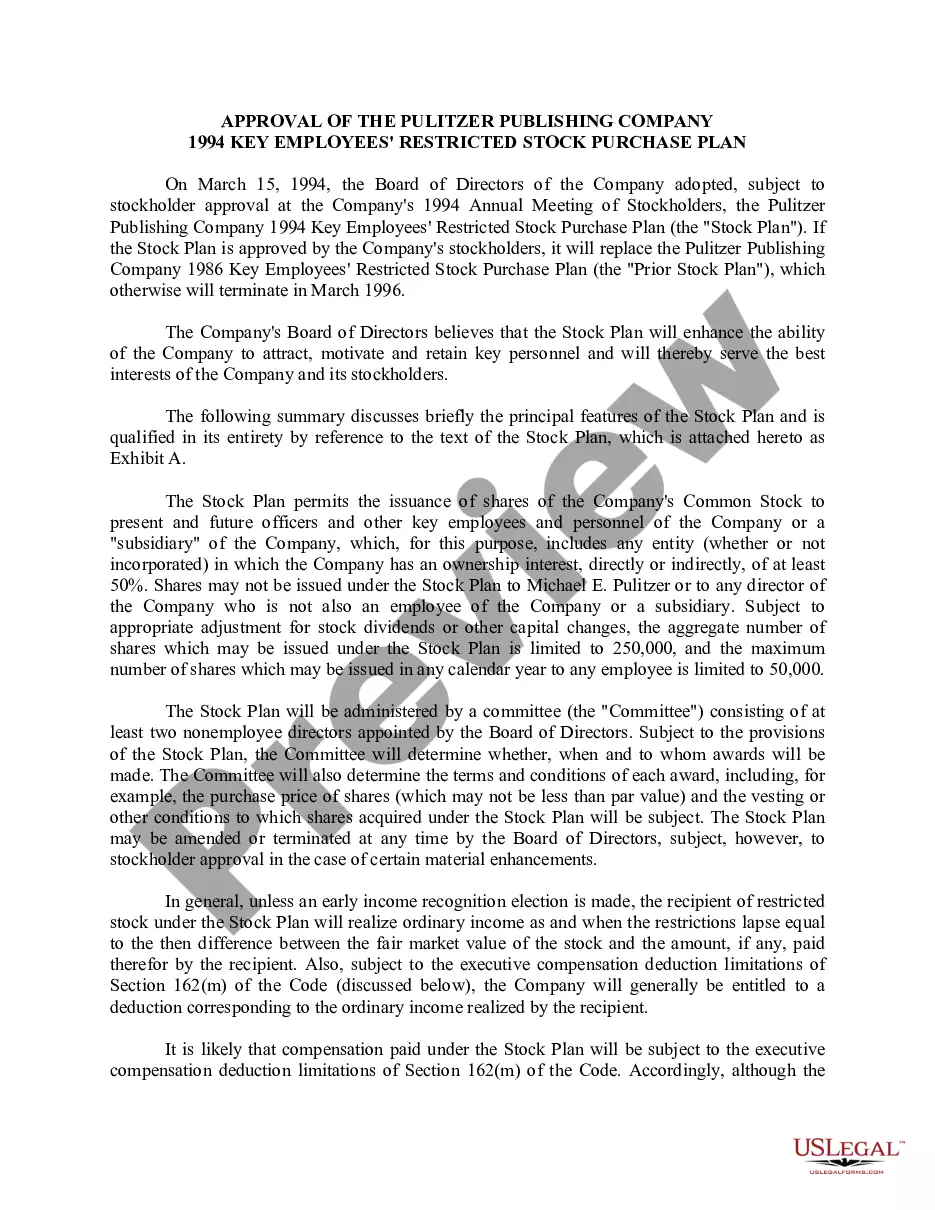
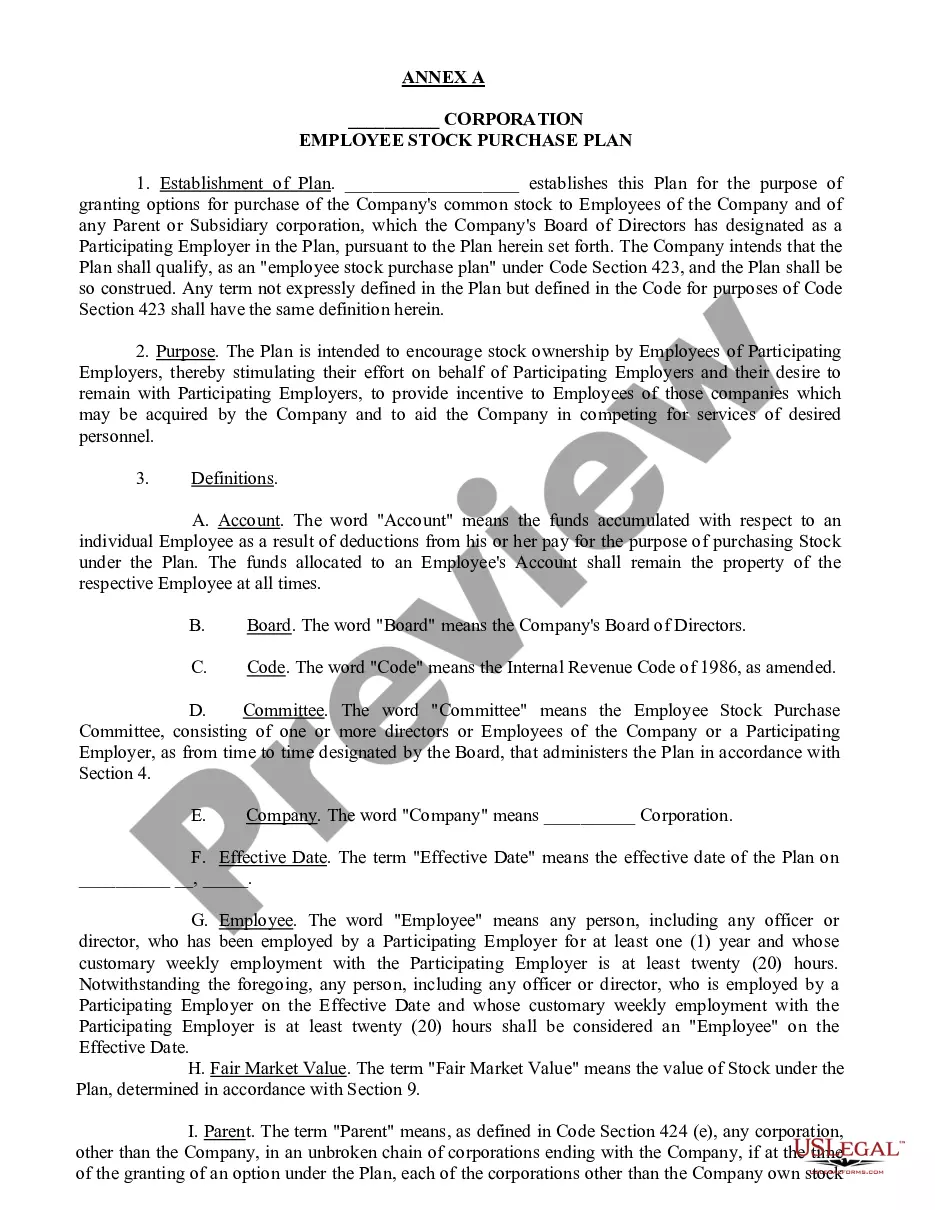
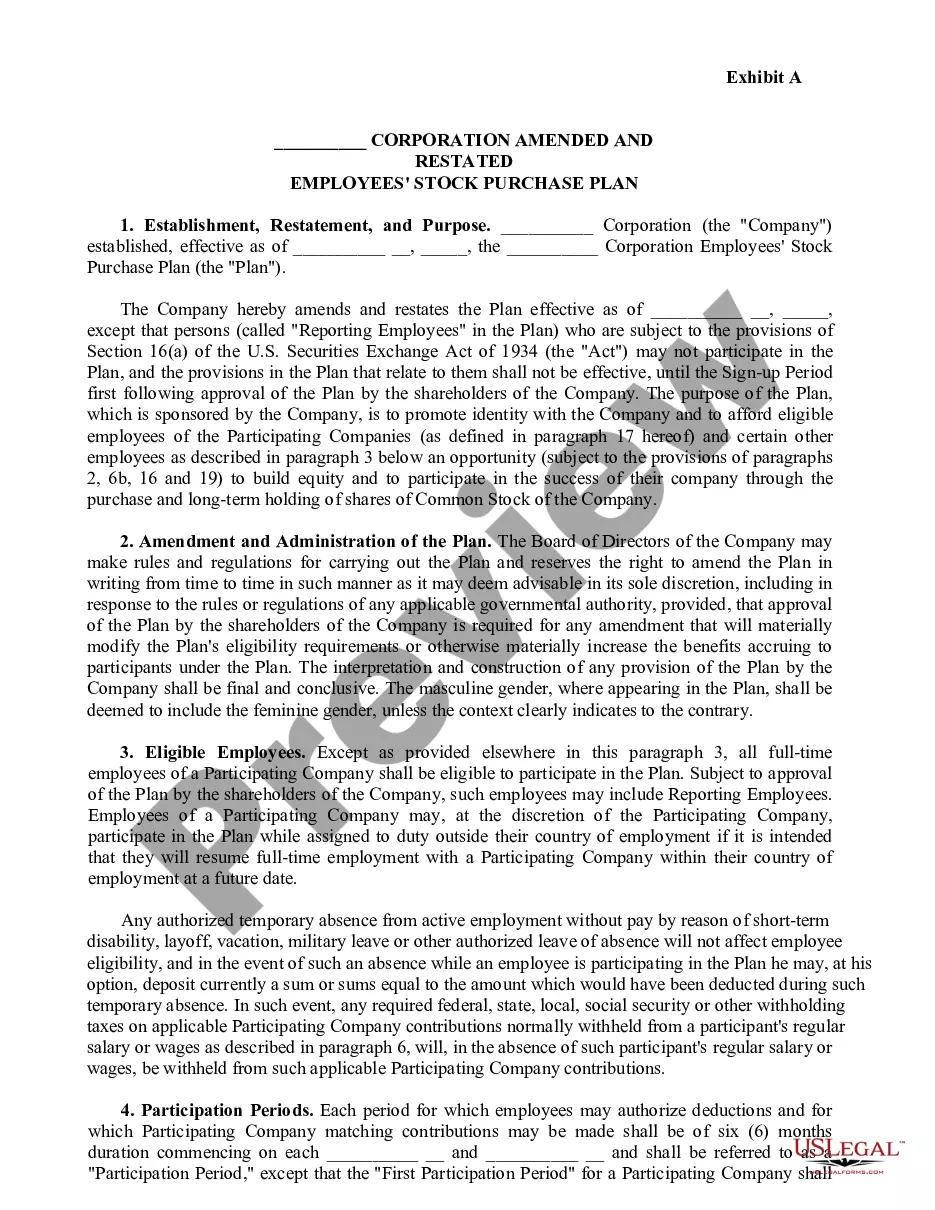
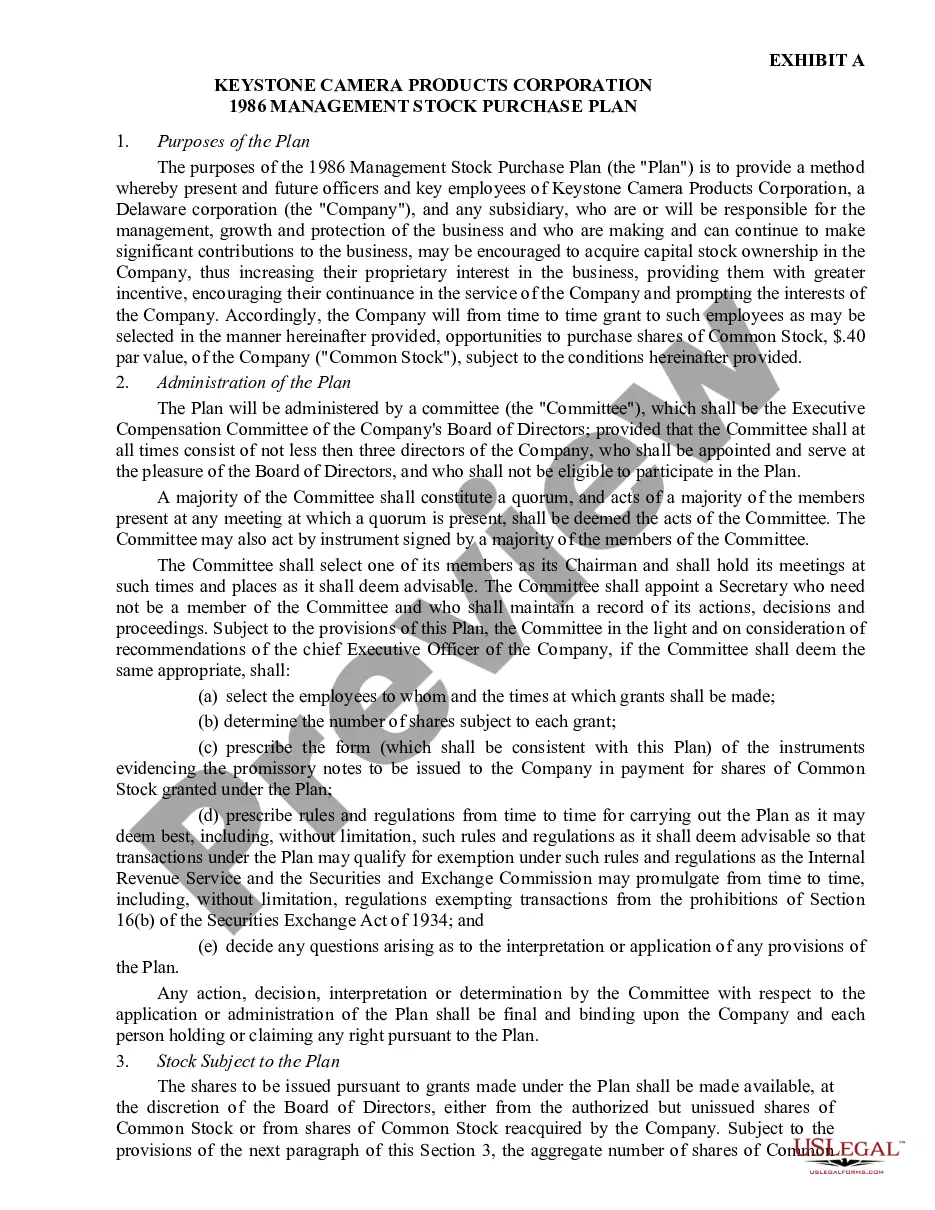
The Key Employees' Restricted Stock Purchase Plan for Pulitzer Publishing Co. is a legal form that outlines the terms and conditions for key employees to purchase restricted stock in the company. This plan primarily serves to incentivize employees by allowing them to acquire shares of the company, thus aligning their interests with shareholders. It is different from other stock purchase agreements as it specifically targets key personnel within the organization and includes provisions for restricted stock, which may have vesting conditions and other limitations.
Key parts of this document
- Purpose of the Plan: Establishes the plan's objective to incentivize key employees through stock ownership.
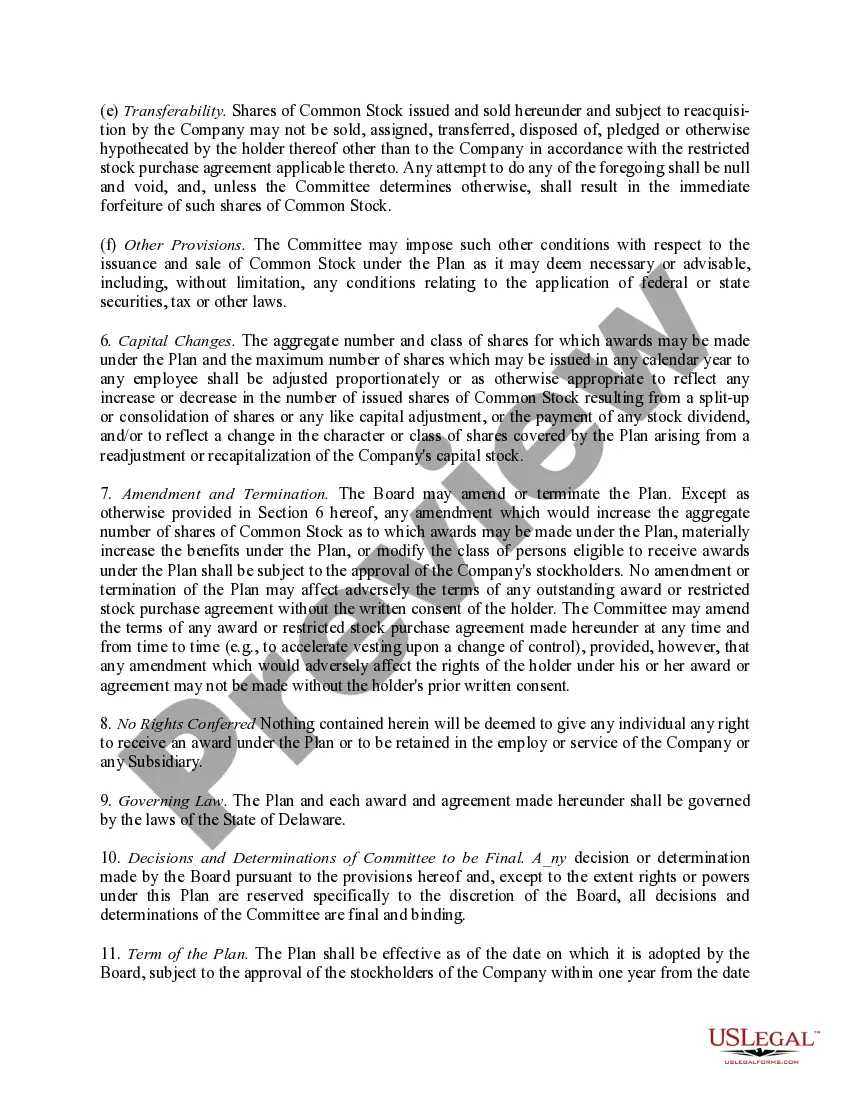
- Stock Subject to the Plan: Details the total shares available and the issuance limits per employee.
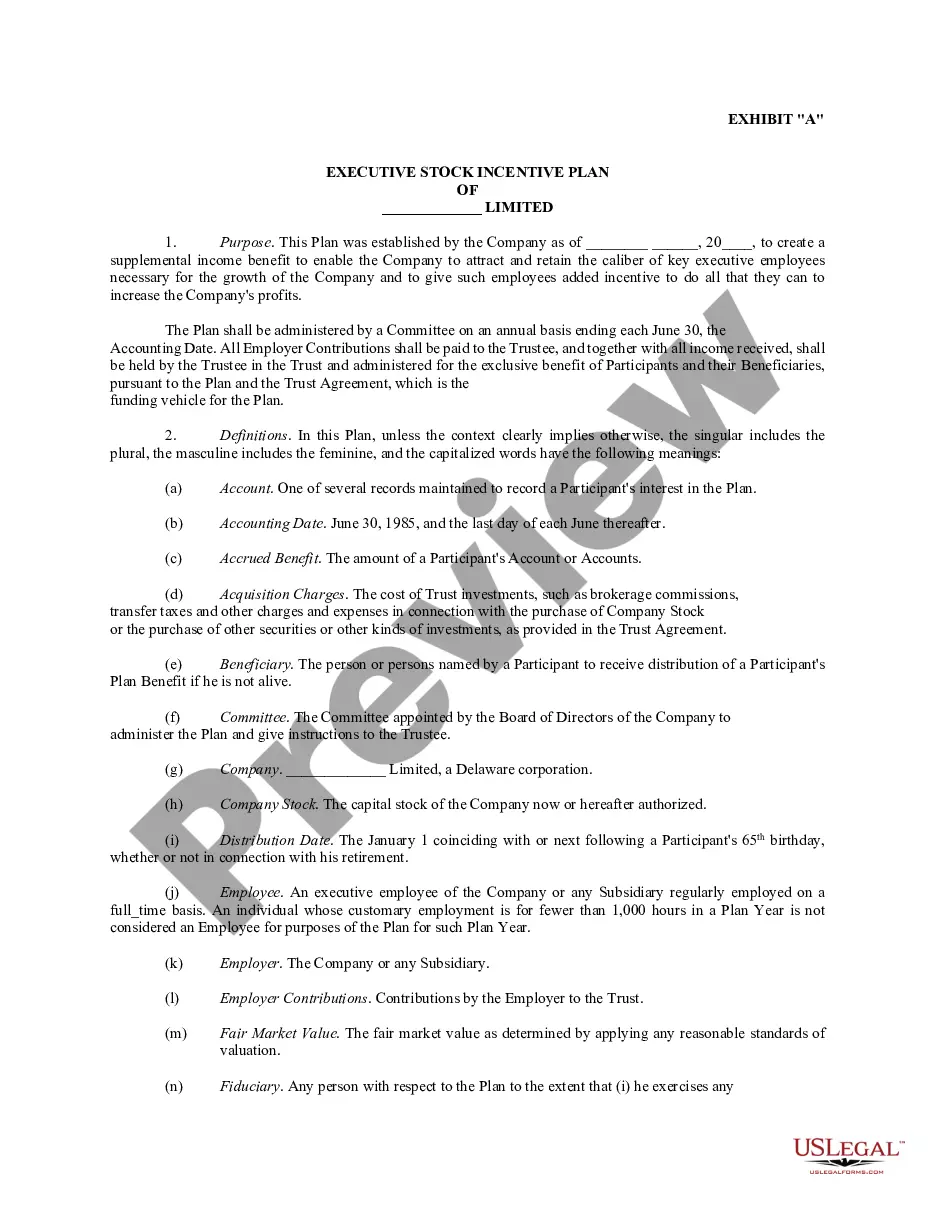
- Administration: Outlines how the plan is managed by a committee appointed by the Board of Directors.
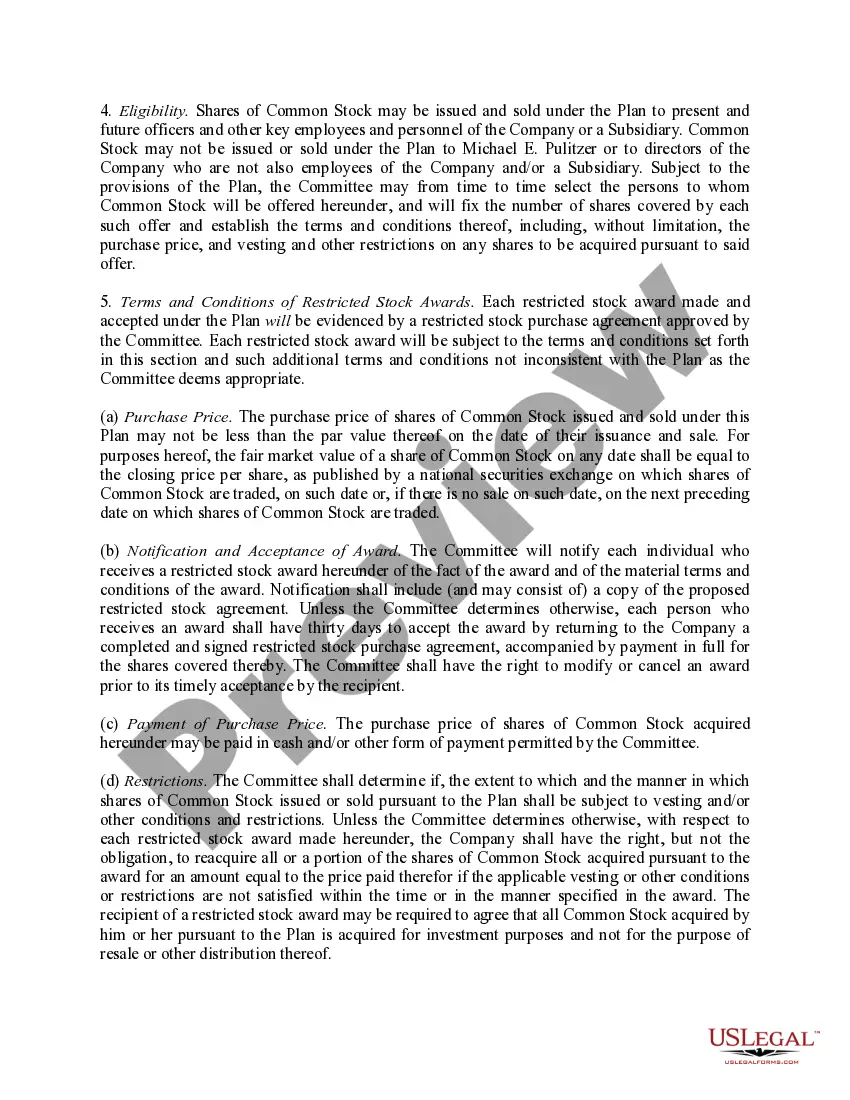
- Eligibility: Specifies who can participate, including restrictions on certain individuals.
- Terms and Conditions: Describes the purchase price, acceptance of awards, and conditions affecting the shares.
- Amendments and Termination: Explains the process for making changes to the plan and its duration.

When to use this form
This form is needed when a company like Pulitzer Publishing Co. wants to implement a plan that allows key employees to purchase restricted stock. It can be used during the establishment of a new stock purchase plan or when making amendments to an existing plan. The form is particularly relevant when a company aims to retain talent by offering employees a direct stake in the company's success through stock ownership.
Who this form is for
This form is intended for:
- Employers that wish to offer stock purchase plans to key personnel.
- Human resources teams seeking to implement or manage employee equity compensation.
- Corporate attorneys assisting companies in drafting and reviewing stock purchase agreements.
- Key employees who intend to participate in the plan and acquire shares of stock.
Completing this form step by step
- Identify the company and the committee responsible for administering the plan.
- Specify the total number of shares available for purchase under the plan.
- Detail the eligibility criteria for participants, including any restrictions.
- Outline the terms for the purchase price and conditions for vesting.
- Provide guidelines for accepting the award and payment procedures.
Notarization requirements for this form
Notarization is generally not required for this form. However, certain states or situations might demand it. You can complete notarization online through US Legal Forms, powered by Notarize, using a verified video call available anytime.
Get your form ready online
Our built-in tools help you complete, sign, share, and store your documents in one place.
Make edits, fill in missing information, and update formatting in US Legal Forms—just like you would in MS Word.
Download a copy, print it, send it by email, or mail it via USPS—whatever works best for your next step.
Sign and collect signatures with our SignNow integration. Send to multiple recipients, set reminders, and more. Go Premium to unlock E-Sign.
If this form requires notarization, complete it online through a secure video call—no need to meet a notary in person or wait for an appointment.
We protect your documents and personal data by following strict security and privacy standards.

Make edits, fill in missing information, and update formatting in US Legal Forms—just like you would in MS Word.

Download a copy, print it, send it by email, or mail it via USPS—whatever works best for your next step.

Sign and collect signatures with our SignNow integration. Send to multiple recipients, set reminders, and more. Go Premium to unlock E-Sign.

If this form requires notarization, complete it online through a secure video call—no need to meet a notary in person or wait for an appointment.

We protect your documents and personal data by following strict security and privacy standards.
Mistakes to watch out for
- Failing to clearly outline eligibility criteria, which can lead to confusion for potential participants.
- Not specifying the terms and conditions of the restricted stock, causing disputes later.
- Ignoring necessary state-specific laws and requirements when drafting the plan.
- Overlooking the importance of proper committee administration, which can affect the plan's validity.
Benefits of using this form online
- Convenience of downloading and completing the form at any time.
- Editability allows for customization based on specific company needs.
- Access to reliable, attorney-drafted content ensures legal compliance.
- Time-saving by providing ready-to-use templates rather than starting from scratch.
Legal use & context
- This plan is legally binding and provides a clear framework for offering stock options.
- Compliance with SEC regulations is essential to ensure validity.
- Consideration of state laws is necessary to avoid potential legal issues.
Looking for another form?




Form popularity
FAQ
RSUs are generally always worth something versus stock options, which can expire worthless if the stock price is below the strike price. Additionally, with RSUs you don't have to come up with the cash to exercise the options if your company doesn't offer some sort of cashless exercise option.
When you receive an RSU, you don't have any immediate tax liability. You only have to pay taxes when your RSU vests and you receive an actual payout of stock shares. At that point, you have to report income based on the fair market value of the stock.
A Restricted Stock Plan is a common way to share stock with employees in public companies.Customarily, restricted stock will carry a vesting schedule so that employees will forfeit some or all of the shares unless they remain with the company for a specified number of years (e.g. 3 or 4).
The details of RSU accounting are beyond the scope of this brief discussion, but, in general, RSUs that can be settled only in shares receive accounting treatment similar to restricted stock. The fair value of the award, based on the stock price at the time of the grant, is expensed over the service period.
Stock options are only valuable if the market value of the stock is higher than the grant price at some point in the vesting period. Otherwise, you're paying more for the shares than you could in theory sell them for. RSUs, meanwhile, are pure gain, as you don't have to pay for them.
So that's the basic accounting for restricted stock under GAAP. The key takeaways are:The value recognized for each restricted share is the same as its current share price (for non-dividend paying stock). Restricted stock is recognized on the income statement over the service period.
Restricted shares are shares that are already included in the number of outstanding shares.Typically, these shares are owned by insiders such as employees and initial investors.
Fulfill the SEC holding period requirements. From the date the shares are fully paid for, you must hold them at least six months. Comply with federal reporting requirements. Check trading volume. Remove the stock legend. Conduct an ordinary brokerage transaction. File required notices with the SEC.
The relevant considerations are whether you should keep the shares and, if not, when to sell them. In the majority of cases, it's best to sell your vested RSU shares as you receive them and add the proceeds to your well-diversified investment portfolio.