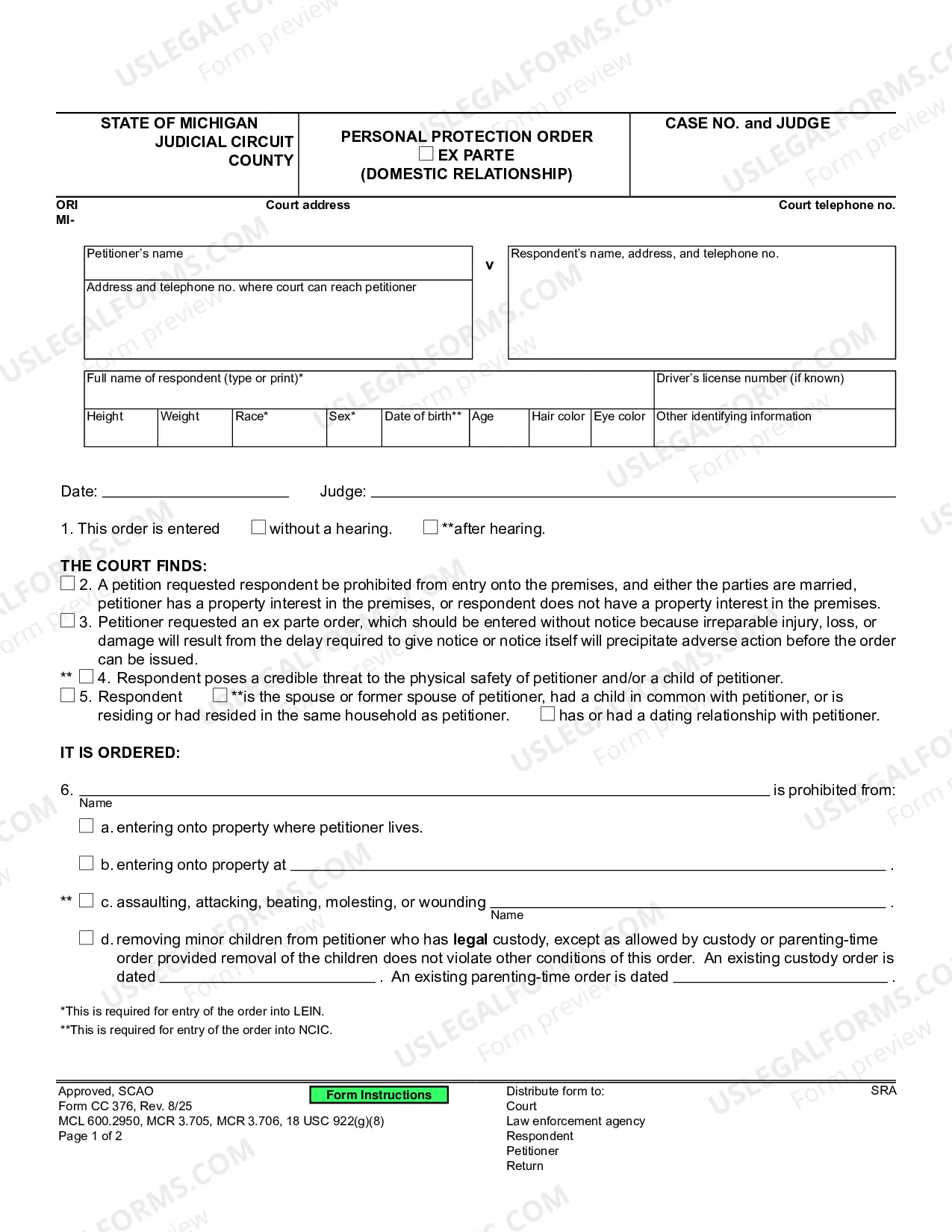
Confidentialy Agreement re Med Record Management
Overview of this form
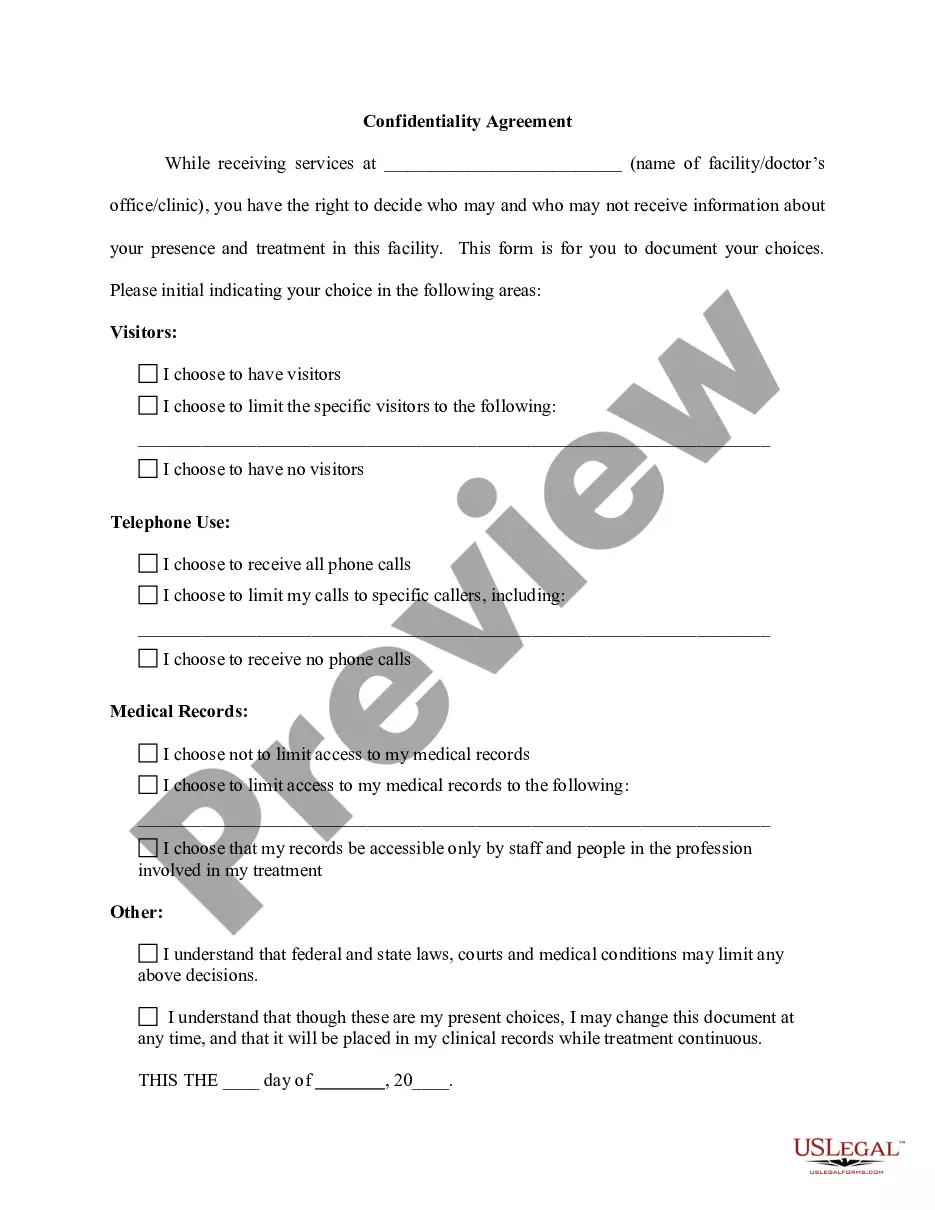
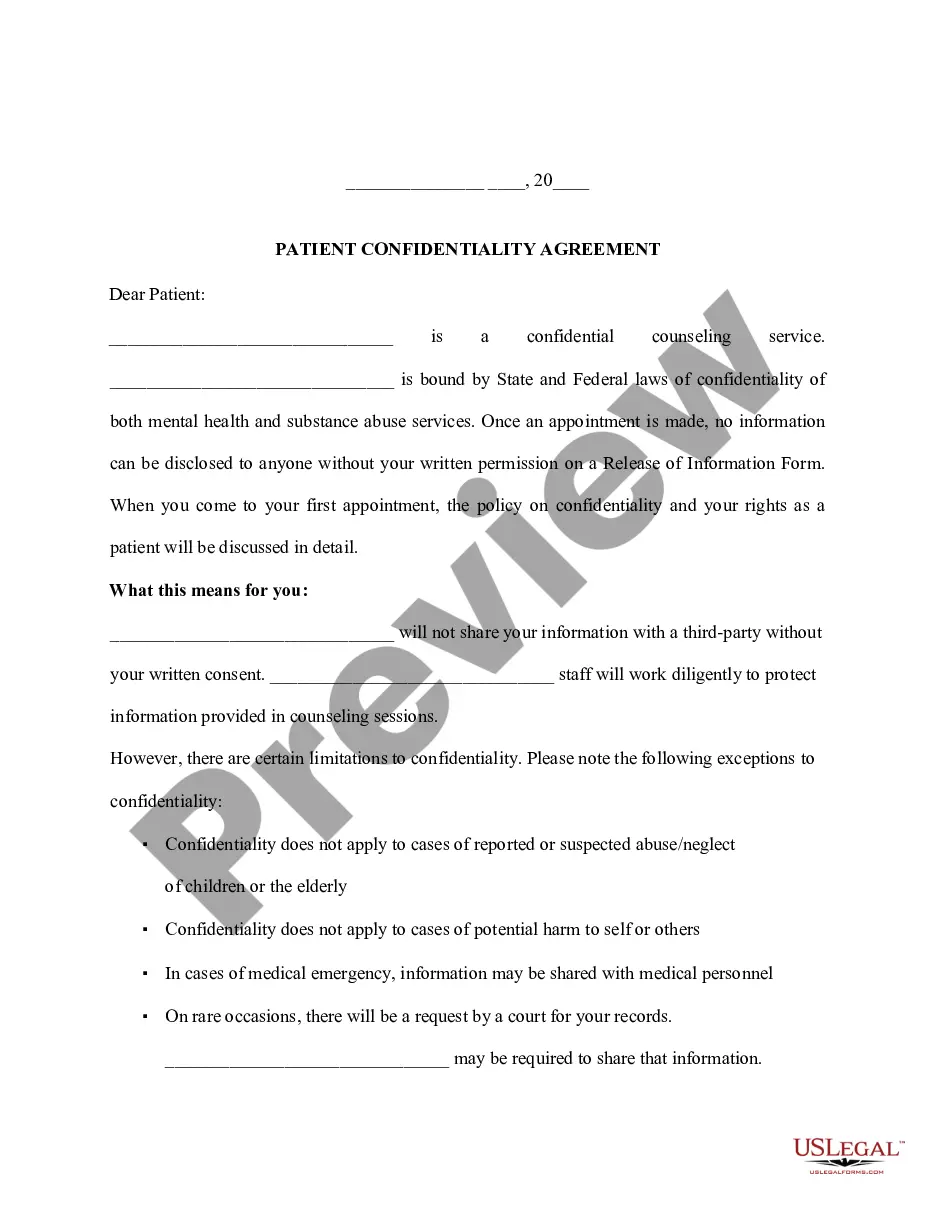
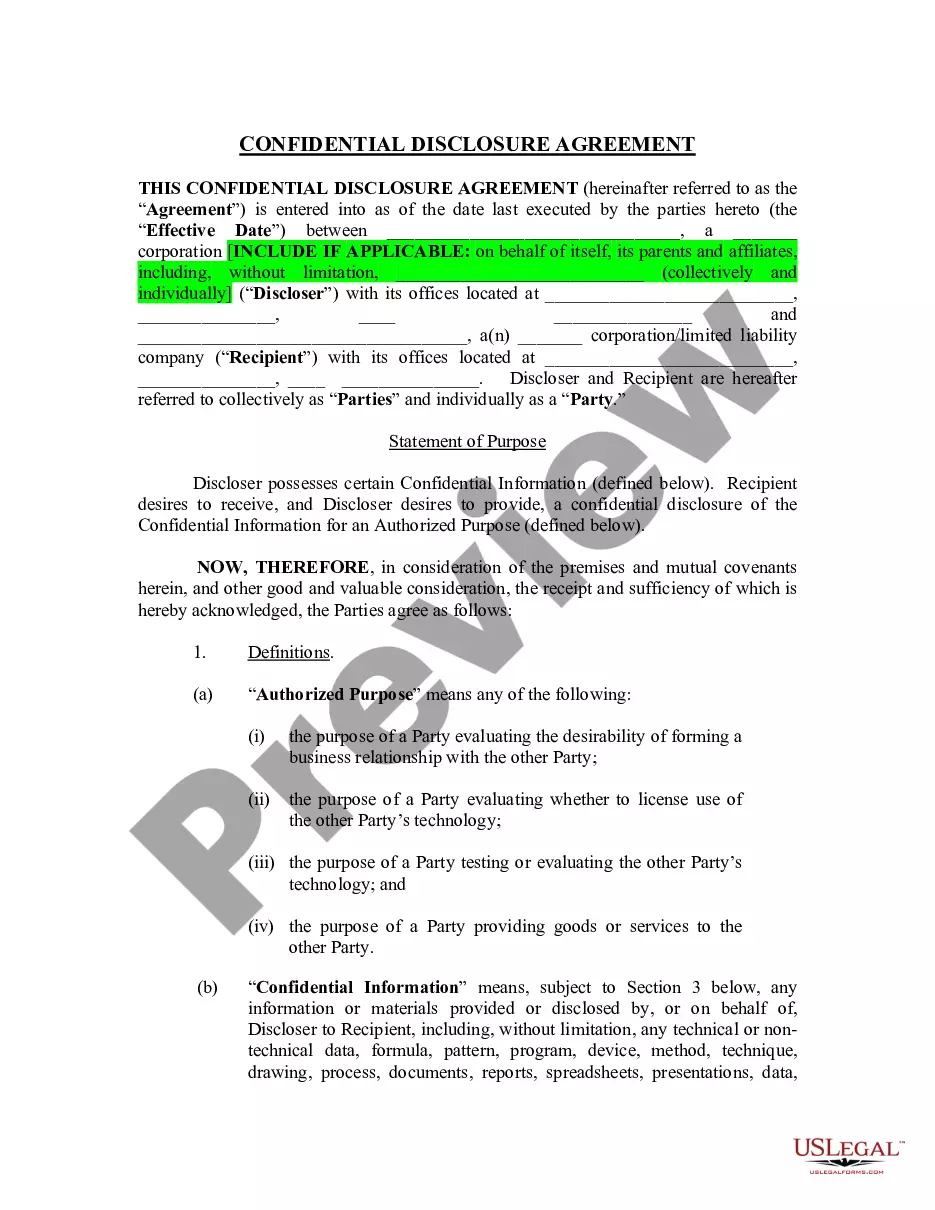
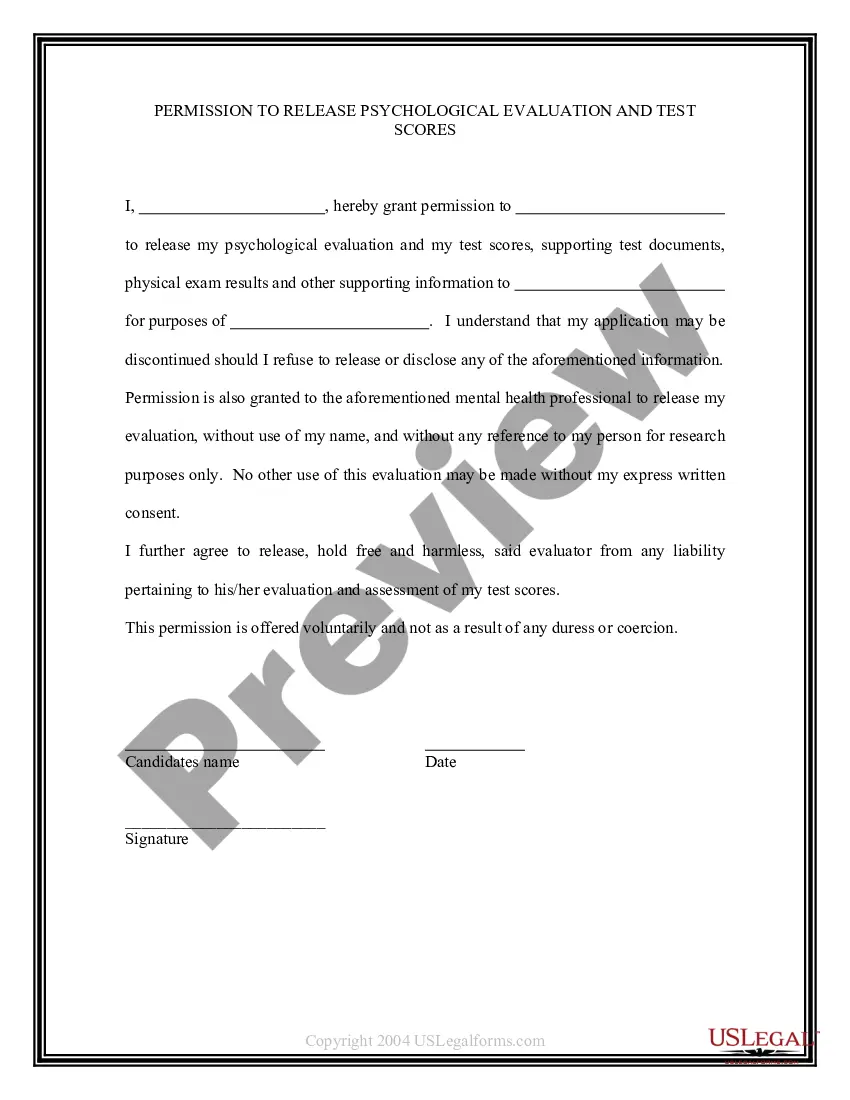
The Confidentiality Agreement regarding Medical Record Management is a legal document that protects patient privacy. This form allows patients to specify their preferences for visitors, telephone communications, and access to their medical records during treatment. It ensures compliance with federal and state laws on confidentiality, distinguishing it from general consent forms by its detailed structure and focus on ongoing treatment needs.
Form components explained
- Visitor Preferences: Choices regarding who may visit the patient and any limitations on visitors.
- Telephone Usage: Options for accepting phone calls, including limitations on who can call.
- Medical Records Access: Specifications on who can access the patientâs medical records.
- Legal Acknowledgment: Confirmation of understanding state and federal laws relating to patient confidentiality.
- Right to Change: A statement affirming the patientâs ability to modify their preferences at any time.
When to use this document
This form is used in healthcare settings where a patient is receiving long-term medical or psychological treatment. It is particularly relevant when patients want to assert their rights to privacy concerning visitors and communications while undergoing treatment, offering a clear way to document their preferences legally.
Who can use this document
- Patients receiving medical or psychological treatment.
- Healthcare providers seeking to ensure compliance with confidentiality regulations.
- Legal guardians or representatives acting on behalf of a patient.
Instructions for completing this form
- Enter the name of the healthcare facility or provider where treatment is received.
- Initial your preferences regarding visitors, telephone calls, and access to medical records.
- Provide additional details for any limitations on visitors or calls as needed.
- Date the form to indicate when your preferences are documented.
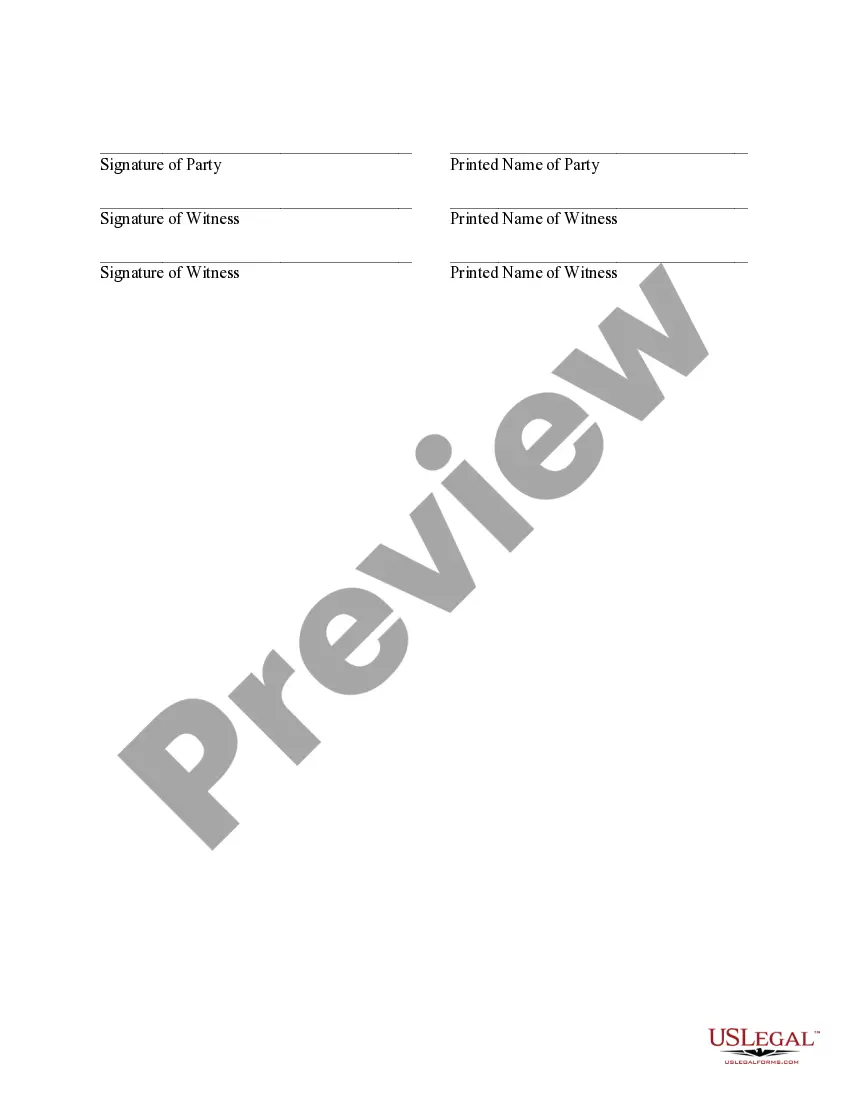
- Sign the document and obtain signatures from witnesses if required.
Does this form need to be notarized?
This form does not typically require notarization unless specified by local law. However, it's advisable to check your state's regulations to ensure compliance.
Get your form ready online
Our built-in tools help you complete, sign, share, and store your documents in one place.
Make edits, fill in missing information, and update formatting in US Legal Forms—just like you would in MS Word.
Download a copy, print it, send it by email, or mail it via USPS—whatever works best for your next step.
Sign and collect signatures with our SignNow integration. Send to multiple recipients, set reminders, and more. Go Premium to unlock E-Sign.
If this form requires notarization, complete it online through a secure video call—no need to meet a notary in person or wait for an appointment.
We protect your documents and personal data by following strict security and privacy standards.

Make edits, fill in missing information, and update formatting in US Legal Forms—just like you would in MS Word.

Download a copy, print it, send it by email, or mail it via USPS—whatever works best for your next step.

Sign and collect signatures with our SignNow integration. Send to multiple recipients, set reminders, and more. Go Premium to unlock E-Sign.

If this form requires notarization, complete it online through a secure video call—no need to meet a notary in person or wait for an appointment.

We protect your documents and personal data by following strict security and privacy standards.
Common mistakes
- Not specifying visitors clearly, leading to confusion about who can visit.
- Failure to update the form when preferences change.
- Not having the form signed by witnesses when necessary, potentially making it unenforceable.
Why use this form online
- Convenience of accessing and completing the form anytime, without the need for paper.
- Easy edits if changes in preferences occur, ensuring up-to-date records.
- Reliable documentation that is securely stored for future reference.
Looking for another form?

Form popularity
FAQ
Physicians in turn have an ethical obligation to preserve the confidentiality of information gathered in association with the care of the patient. In general, patients are entitled to decide whether and to whom their personal health information is disclosed. However, specific consent is not required in all situations.
In California, the California Confidentiality of Medical Information Act (CMIA) defines who may release confidential medical information, and under what circumstances. The CMIA also prohibits the sharing, selling, or otherwise unlawful use of medical information.
Here is a common example: CONFIDENTIALITY NOTICE: This message and any accompanying documents contain information belonging to the sender which may be confidential and legally privileged. This information is only for the use of the individual or entity to which it was intended.
Confidentiality is one of the core duties of medical practice. It requires health care providers to keep a patient's personal health information private unless consent to release the information is provided by the patient.
The agreement should identify the purpose to which the recipient can put the confidential information. All other uses of the confidential information should be prohibited. Sometimes a confidentiality agreement states that no rights are licensed by the confidentiality agreement. This is stating the obvious.
The key elements of confidentiality agreements are: Identification of the parties. Definition of what is defined to be confidential. The scope of the confidentiality obligation by the receiving party. The exclusions from confidential treatment. The term of the agreement.
Identification of the parties. Definition of what is deemed to be confidential. The scope of the confidentiality obligation by the receiving party. The exclusions from confidential treatment.